
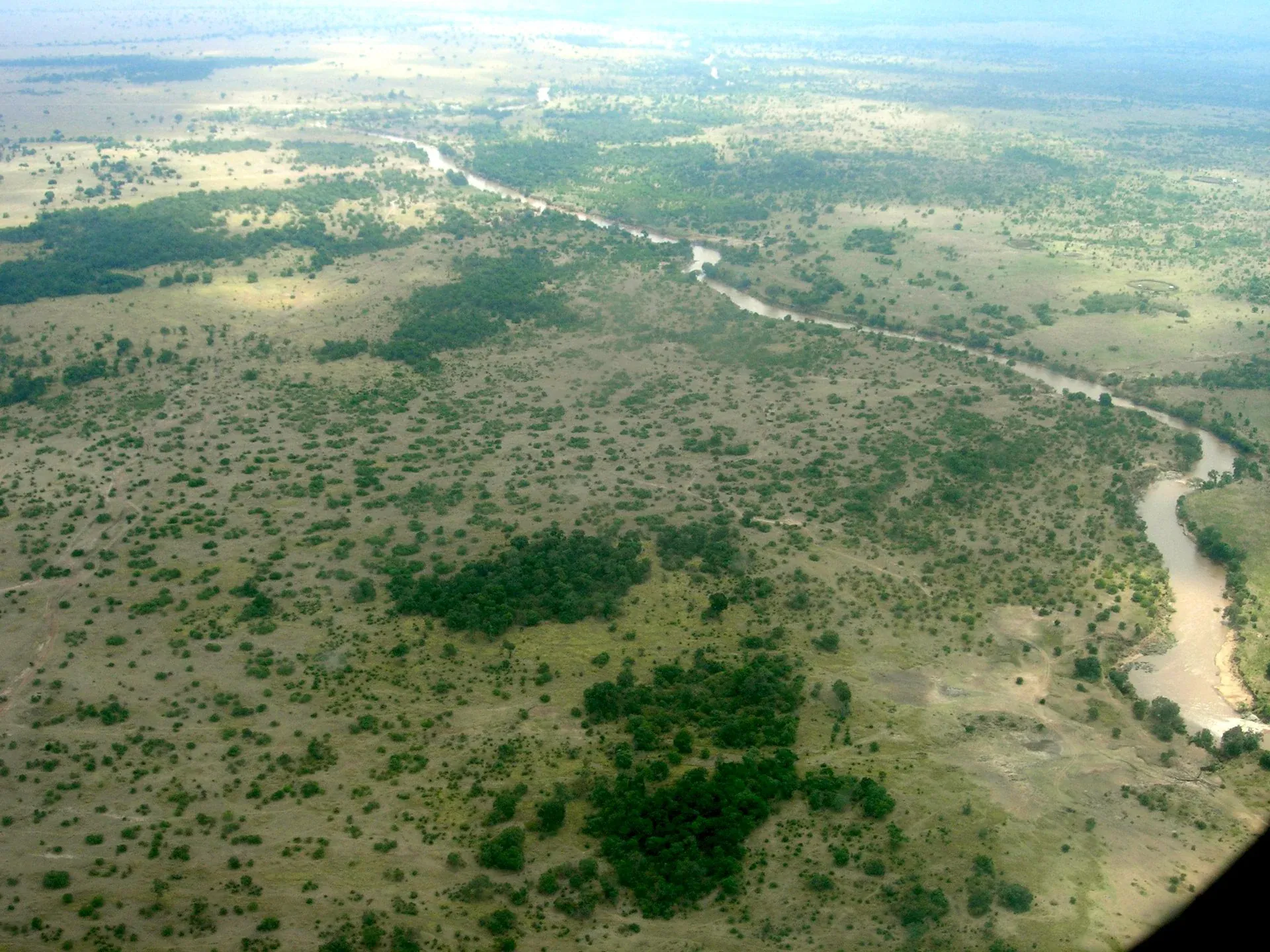
Activities in the Maasai Mara
Explore Maasai Mara activities: game drives, balloon safaris, bird watching, photography, cultural visits and picnics. Guided walks and night drives belong in qualifying conservancies outside the National Reserve.
Explore Maasai Mara activities
Game drives
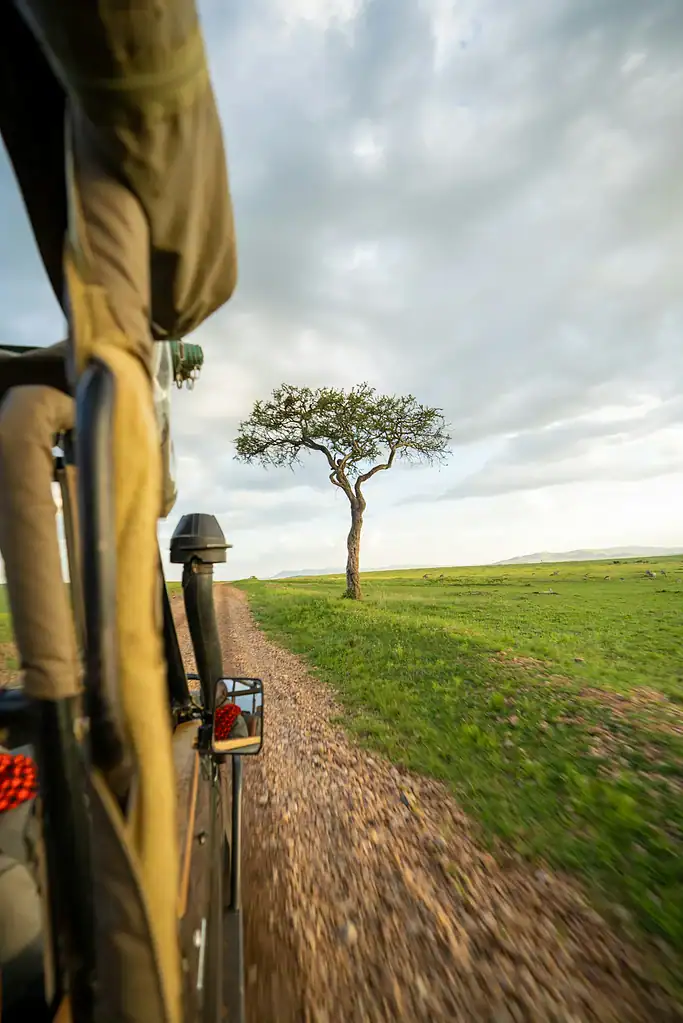
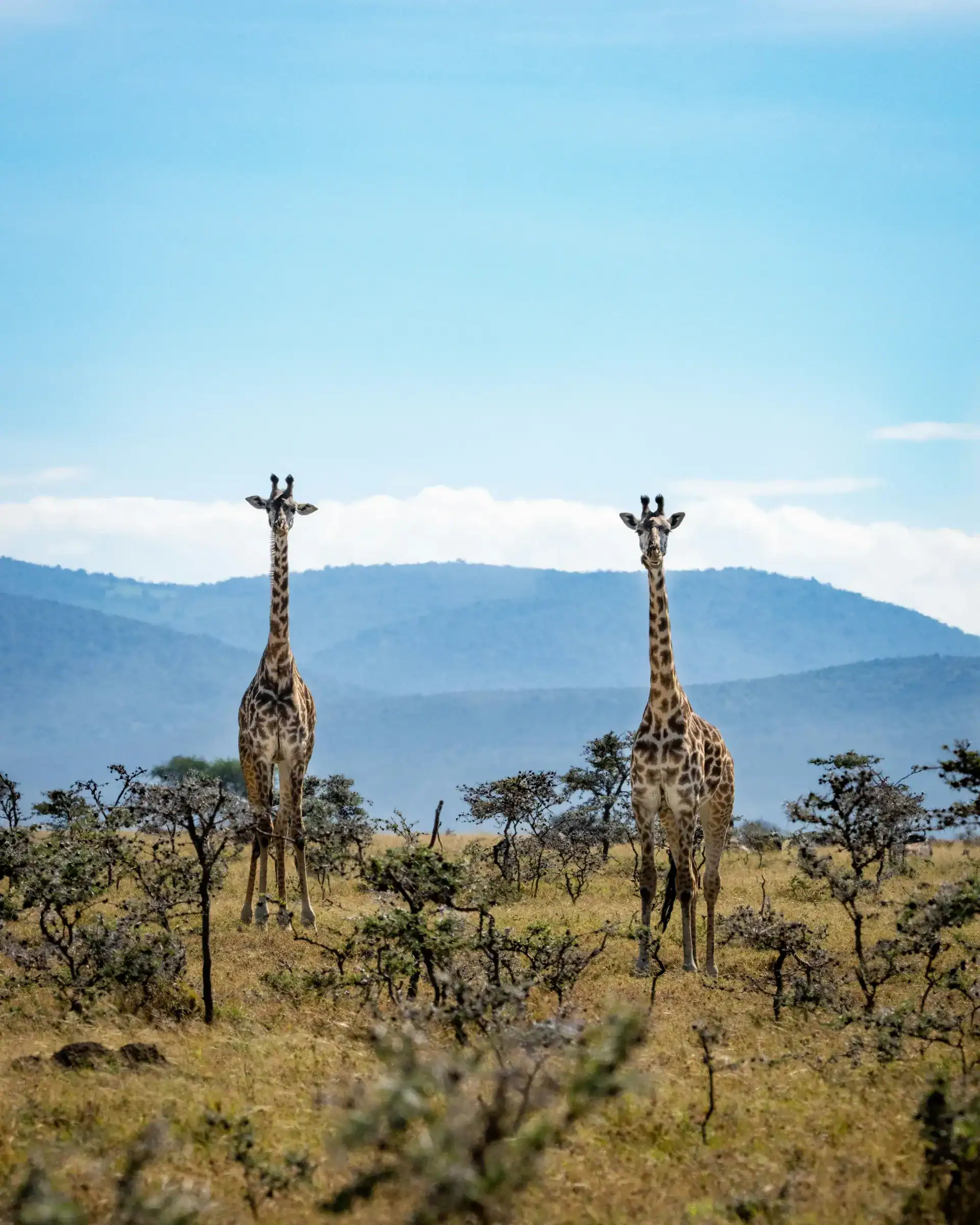
Explore wildlife from a safari vehicle in the Reserve or a conservancy, following the rules of that area.
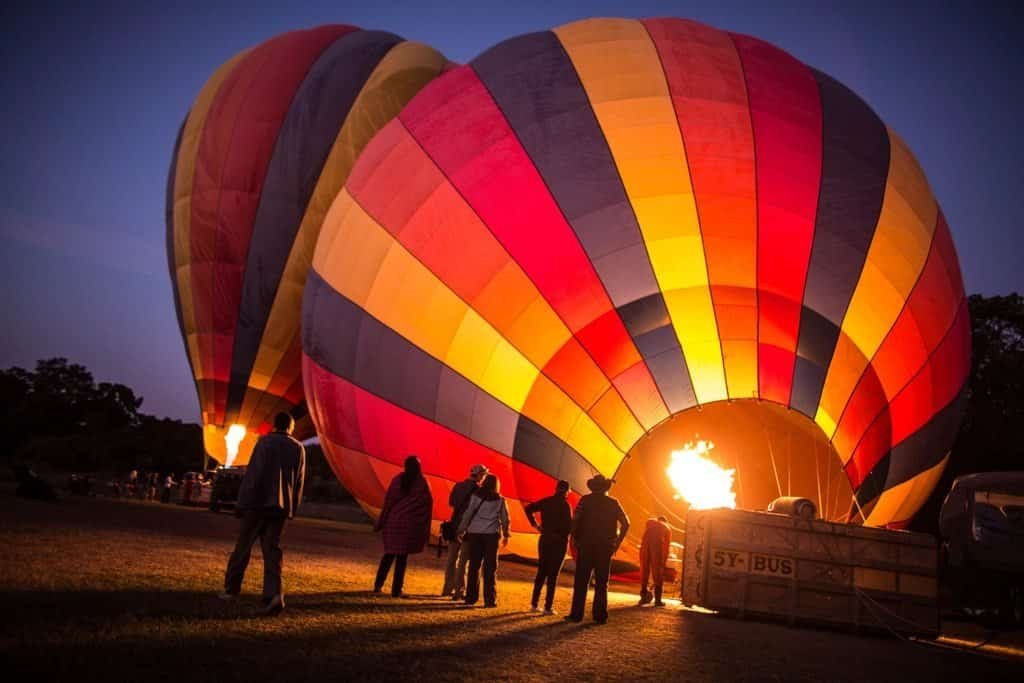
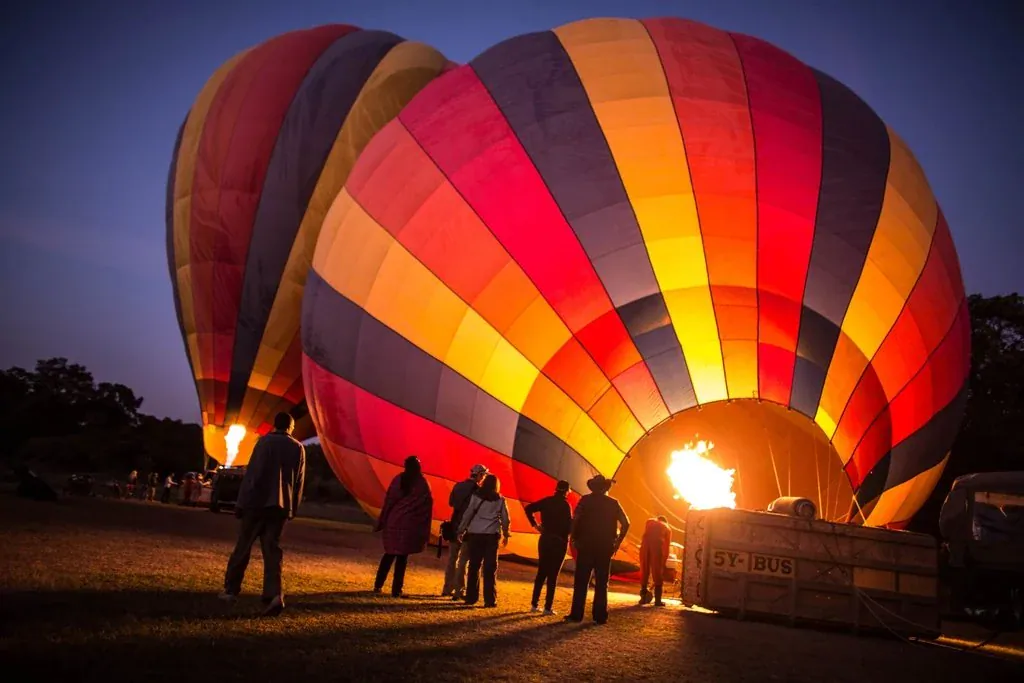
Hot air balloon safari
See the landscape from the air at dawn; confirm pickup, eligibility, fees and weather terms.
Guided walking safari
Discover a different perspective on foot through an authorised conservancy activity.
Horseback safaris
Choose an introductory ride or specialist riding programme on permitted land in the wider Mara.
Night game drive
Choose a qualifying conservancy and confirm its permitted route and return arrangements.
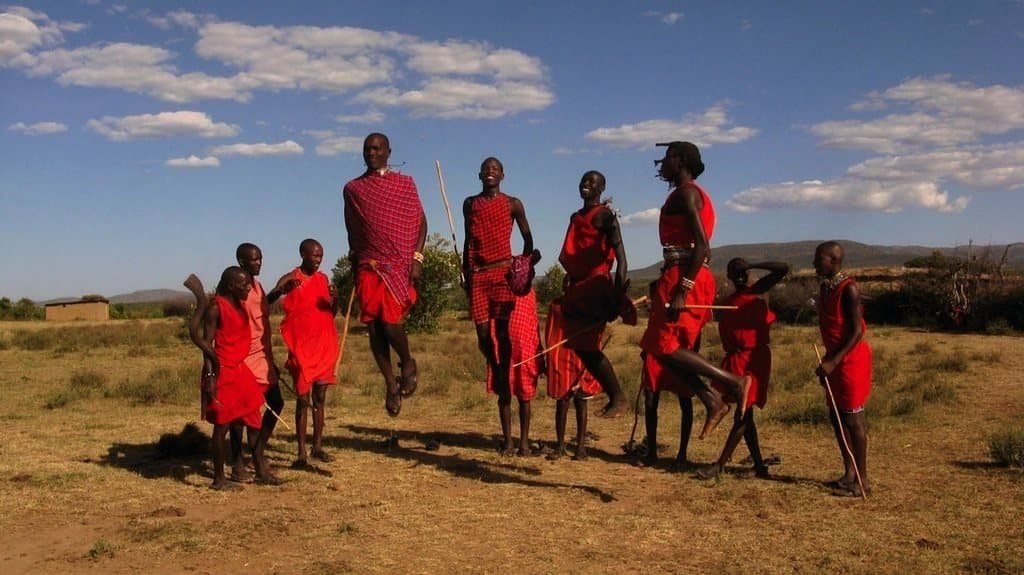
Maasai cultural visit
Ask who hosts the visit, how payment reaches the community and what the visit involves.
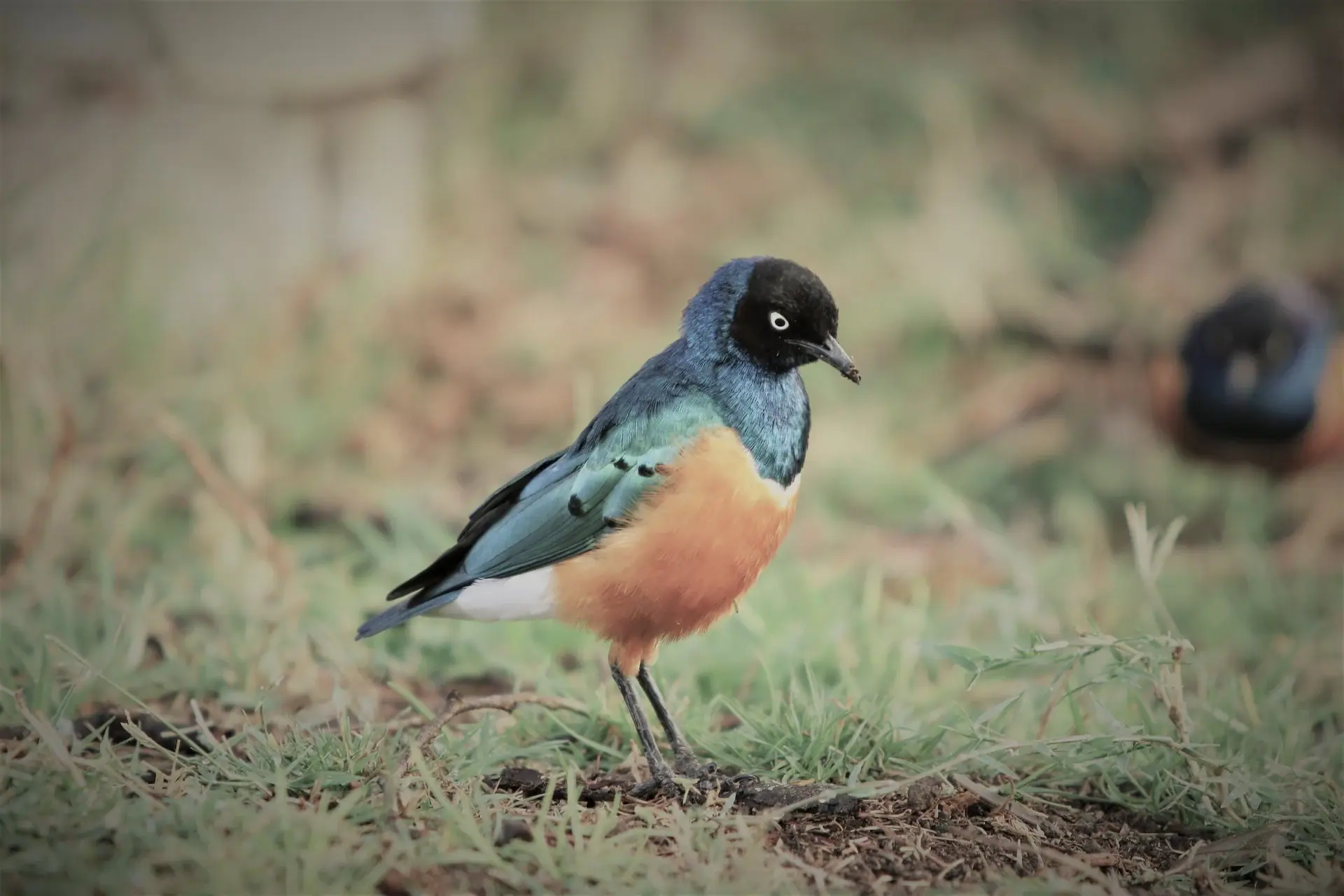
Bird watching
Make room for careful observation, identification and time with a guide who understands your interests.
Wildlife photography
Plan your vehicle, equipment and time around photographs while respecting wildlife and other visitors.
Picnic on safari
Combine a packed meal with your outing at a designated place chosen by your guide.
Bush dining and sundowners
Enjoy a hosted breakfast, evening meal or sunset drinks through a prepared camp or safari programme.
Compare Maasai Mara activities before you choose a stay
| Experience | Where to arrange it | Check before booking |
|---|---|---|
| Game drives | National Reserve or a conservancy | Driving area, vehicle sharing, guiding and entry-fee inclusions |
| Balloon safari | An approved launch operation in the wider Mara | Pickup from your camp, passenger eligibility, weather terms and separate fees |
| Walking safari | A conservancy where authorised | Access, qualified guiding, route and participant eligibility |
| Night drive | A conservancy where authorised | Camp access, permitted operating area, lighting and return time |
| Cultural visit | An arranged community visit | Hosts, payment, photography consent and what is included |
| Bird watching | During permitted wildlife outings | Guide interests, time for observation and access to suitable habitats |
| Photography | During permitted wildlife outings | Vehicle space, sharing arrangements and positioning within local rules |
| Picnic | Designated sites or an authorised bush-meal arrangement | Meal provision, permissions, facilities and dietary needs |
| Horseback safaris | Specialist programmes on permitted surrounding land | Riding ability, horse/equipment arrangements and transport to the riding base |
| Bush dining and sundowners | Prepared camp or provider venues under the applicable access rules | Meal format, drinks, dietary needs, transfers and actual inclusions |
These settings describe how to choose activities, rather than a promise of access from any camp. A lodge’s location alone does not confirm that a walk, night drive or balloon pickup is available. Get the arrangements agreed for your particular itinerary.
Choose the area as well as the activity
The Mara Triangle is part of the National Reserve. The Reserve management plan excludes walking safaris, night game drives and horseback safaris. Surrounding areas have their own permitted activity and access arrangements. Match the actual programme and its location to your chosen accommodation before building a stay around these experiences.
Enjoy activities with care for wildlife and communities
- Follow your guide and the rules of the Reserve or conservancy you are visiting.
- Stay in the vehicle except at designated places or during an authorised guided walk.
- Keep river crossings clear and give animals space; never chase, feed or harass wildlife.
- Use quiet voices around wildlife and respect other visitors at a sighting.
- Ask permission before photographing people or their property.
- Take litter away and leave plants, bones and other natural objects where they are.
Wildlife drives and balloon flights
Game drives for your wildlife safari
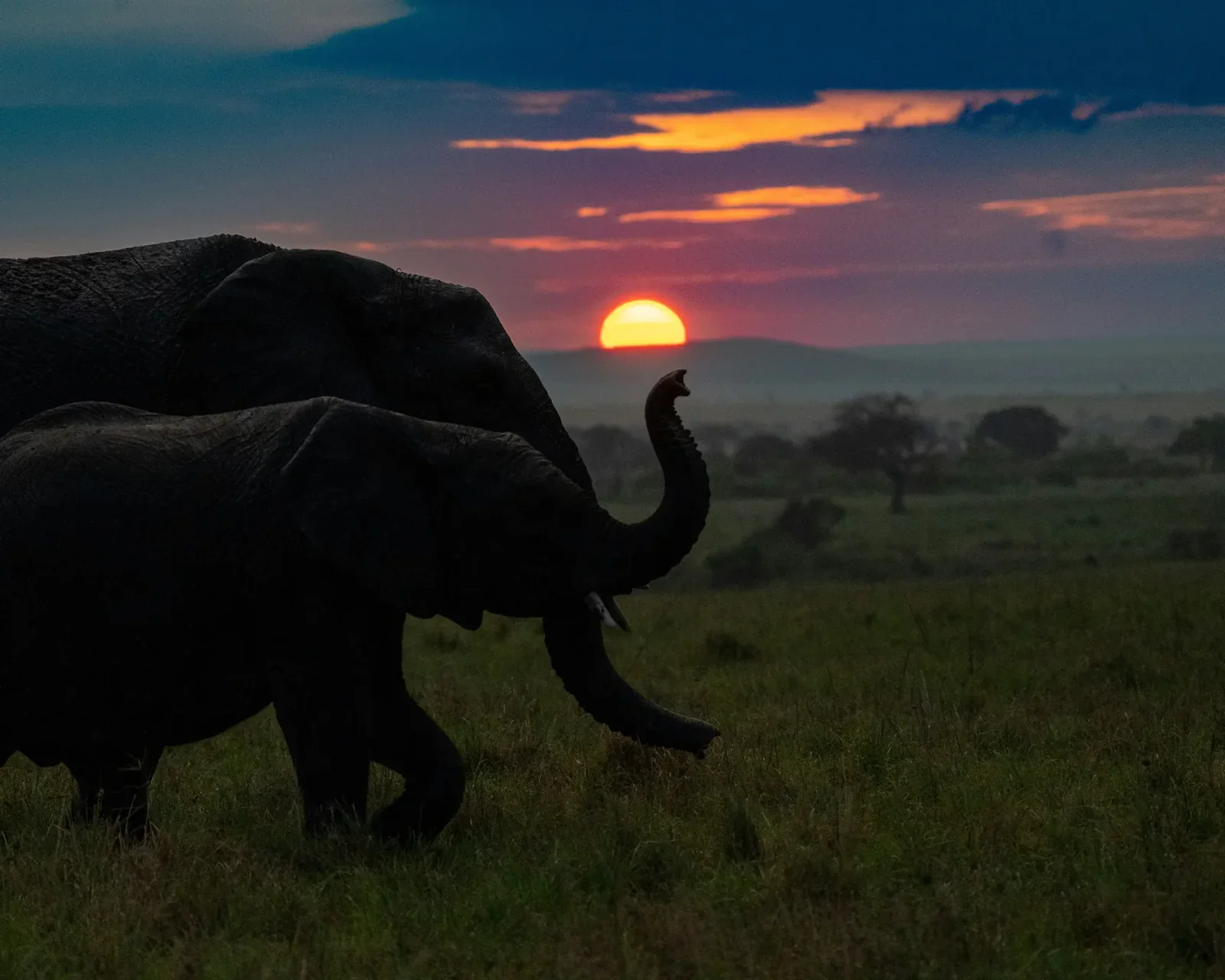
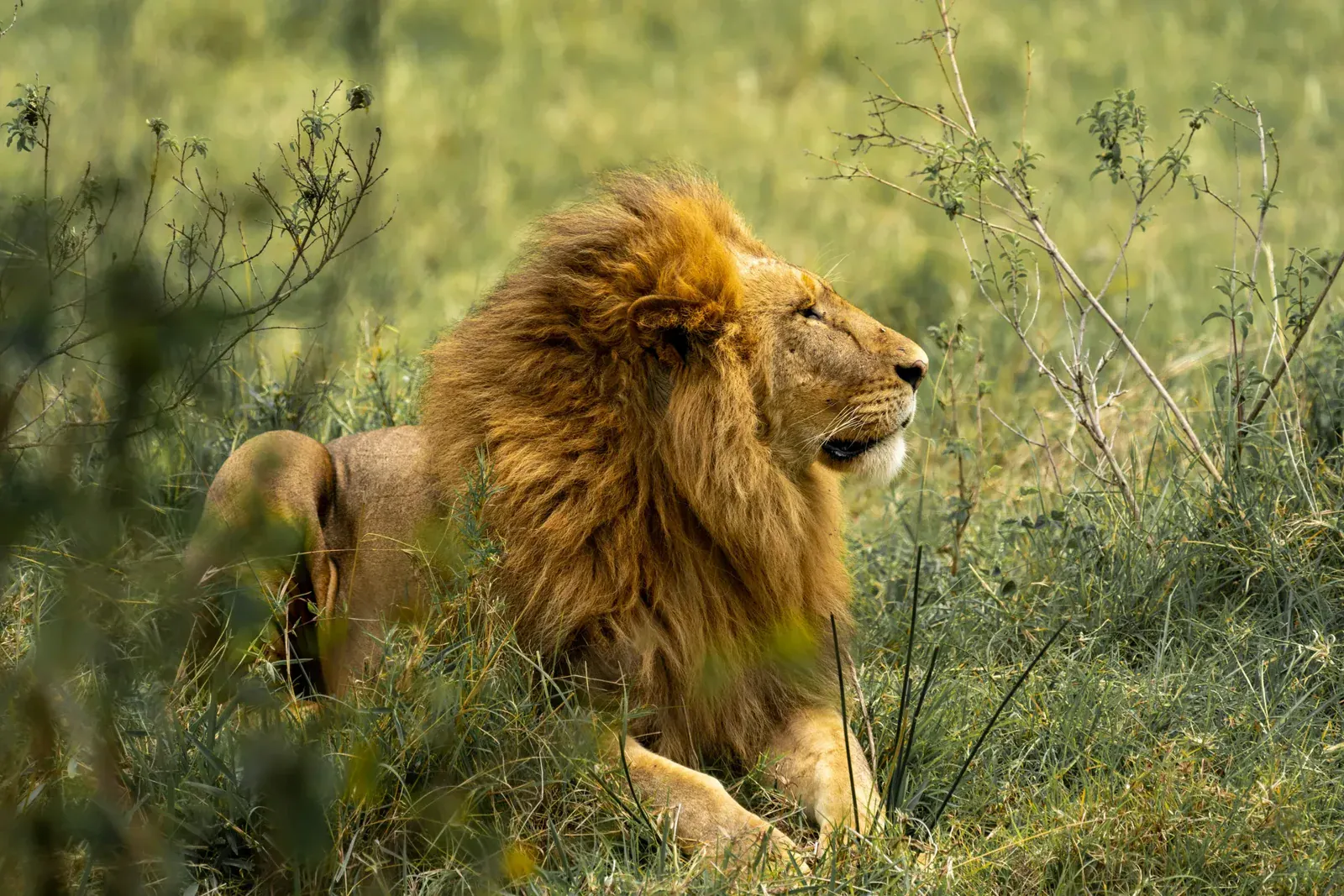
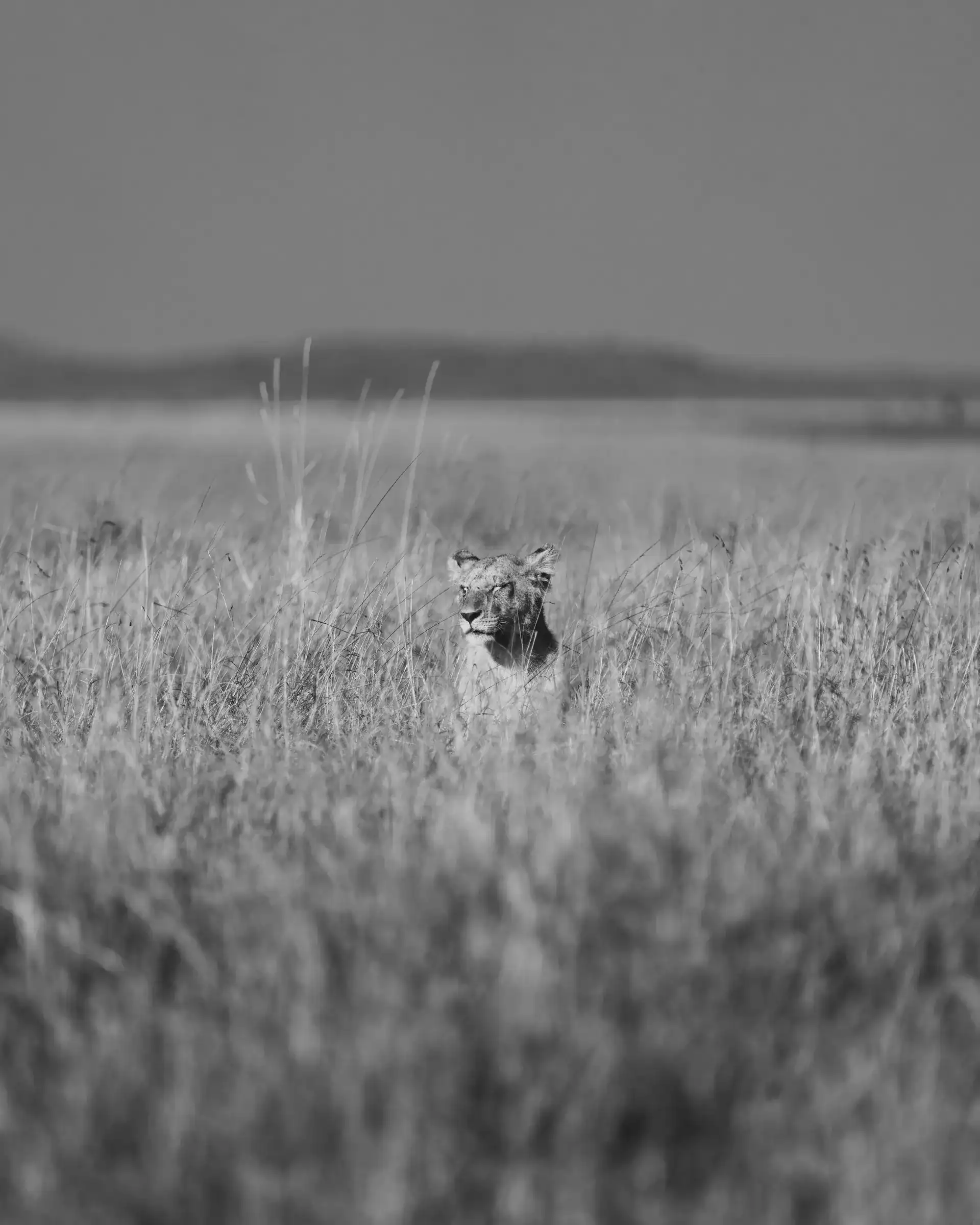
Game drives are the starting point for a wildlife-focused visit. The Reserve is home to lion, leopard, elephant, buffalo and black rhino, the animals known as the Big Five. Seeing them depends on conditions and the wildlife itself. Let your guide know what interests you, while leaving room for the encounters you find along the way.
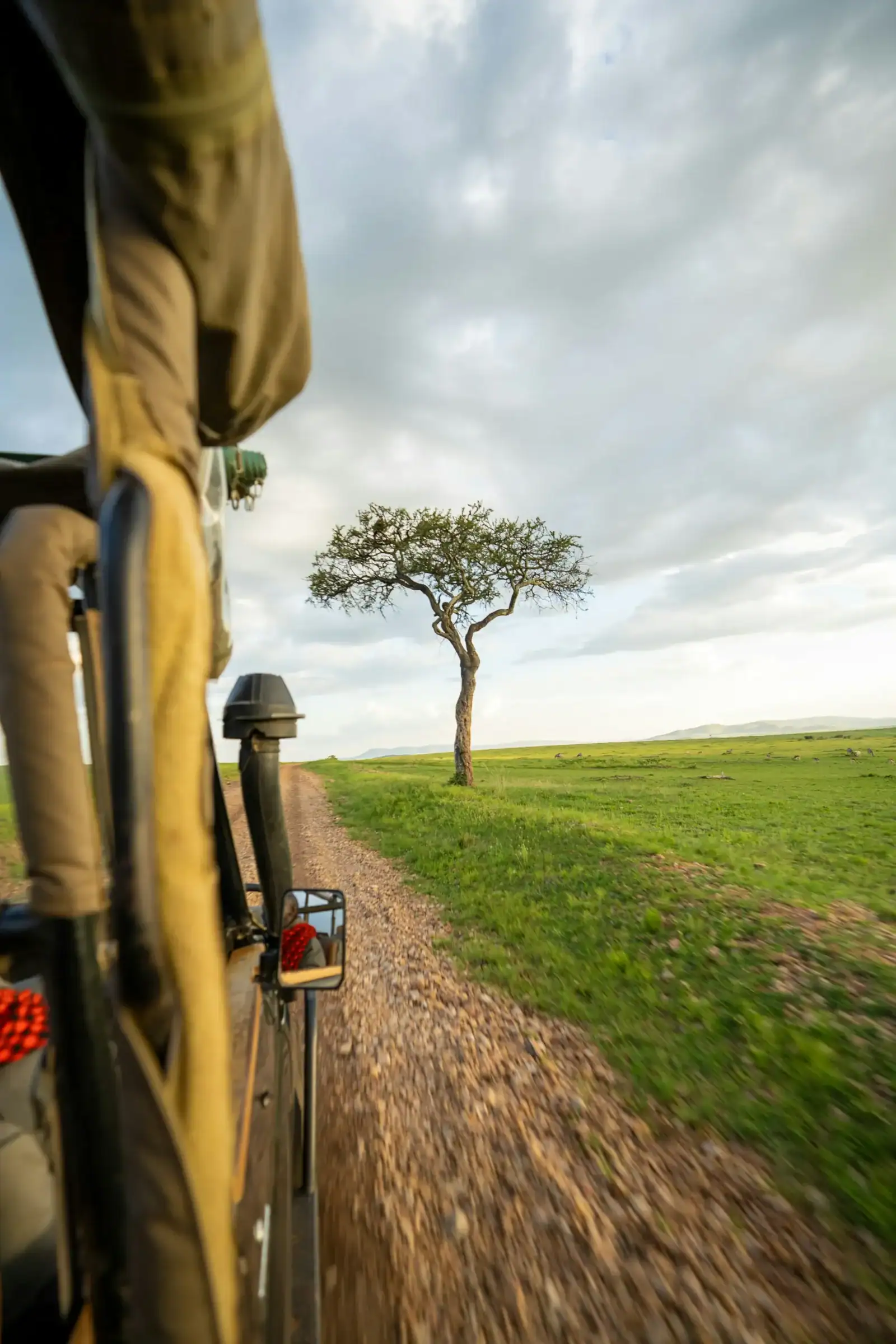
Ask how your game drives work in practice. Will you share a vehicle, travel with your own party or join a camp’s programme? Which area will you explore, and are outings and entry fees included? Those answers help you compare stays more meaningfully than a list of animal names. They also matter if your group includes enthusiastic photographers or people who prefer shorter outings.
A hot air balloon safari over the plains
A balloon safari is a separate experience from your game drives. Flights launch around dawn, so pickup and transfer arrangements need to fit your camp and itinerary. The route follows the wind; book for the aerial experience rather than a promised animal sighting or river crossing. Ask what happens if the conditions prevent a flight.
Confirm the proposed launch operation, which camps it collects from and what is included after landing. Some operators include a bush breakfast, but the details should come with your booking. Child eligibility, height, passenger weight and mobility requirements are operator-specific. Share relevant information before paying so the provider can confirm whether the experience is suitable for your party.
Ask about park entry and landing charges separately from the flight itself, especially on the morning you leave the Mara. Our hot air balloon safari guide covers the experience, while the safari-cost guide is the place for current published prices. Keeping rates there makes it easier to compare activities without relying on a figure copied across several pages.
Walking, riding and night drives
Guided walking safaris in qualifying conservancies
A walking safari changes how you experience the landscape. It gives your guide room to explain what is around you without the vehicle being the centre of the outing. Arrange it through a conservancy and camp that offers authorised walks. It is not permission to get out of your vehicle and follow wildlife in the National Reserve.
Before building activities around a walk, ask who will guide it, where it takes place and how participants are assessed. Discuss mobility, fitness, children’s ages and the walking conditions with the provider. There is no single child-age policy covering every Mara camp. The confirmed programme should suit the people taking part, rather than use a generic description of a bush walk.
Horseback safaris on permitted surrounding land
Horseback safaris add time in the saddle to your Mara visit through a specialist programme. Some riding bases offer introductory lessons and gentle outings, while mobile riding journeys require established skills. Choose the actual format according to your recent experience and the abilities of everyone taking part.
Riding takes its own horses, guiding, equipment and access arrangements. A Reserve ticket does not authorise it, and a private game-drive booking does not automatically include it. The riding base also needs to be practical to reach from your camp. Our horseback safari guide covers the differences between programmes, suitability and the preparation that helps the experience fit comfortably into your trip.
Night game drives where they are permitted
Night game drives belong in conservancies that authorise them, rather than in the National Reserve. They offer a different setting for wildlife observation after dark. The experience depends on the camp’s programme, local rules and the wildlife encountered; a list of nocturnal animals should never become a guarantee of sightings.
Ask which conservancy your outing uses, whether your camp can arrange it and what operating conditions apply. Mara North, for example, permits night drives only in designated areas with red-filtered lighting and requires vehicles back in camp by the conservancy’s stated return time. Those conditions are specific to Mara North, so check the equivalent arrangements wherever you stay.
Community visits, birding and photography
A community-led Maasai cultural visit
A cultural visit should begin with the people who host it. Ask which community you will visit, how the visit is arranged and what your hosts choose to share. Conversation, craft or performance may form part of an agreed programme, but do not assume every village visit offers the same experience. Treat it as a visit to people’s community, with their own expectations.
Clear payment arrangements matter. Ask what the visit charge covers, who receives it and whether shopping or other contributions are separate. The Reserve’s management plans identify problems with intermediaries and support more transparent community arrangements. You can use that practical concern when choosing a visit: your organiser should be able to explain how the hosts benefit.
Ask permission before photographing people or their property. Agree any payment expected for photographs before taking them, and respect a refusal. Keep participation voluntary for both your group and your hosts. Our Maasai cultural visit guide explains the questions to ask when adding this experience to your safari.
Bird watching at your own pace
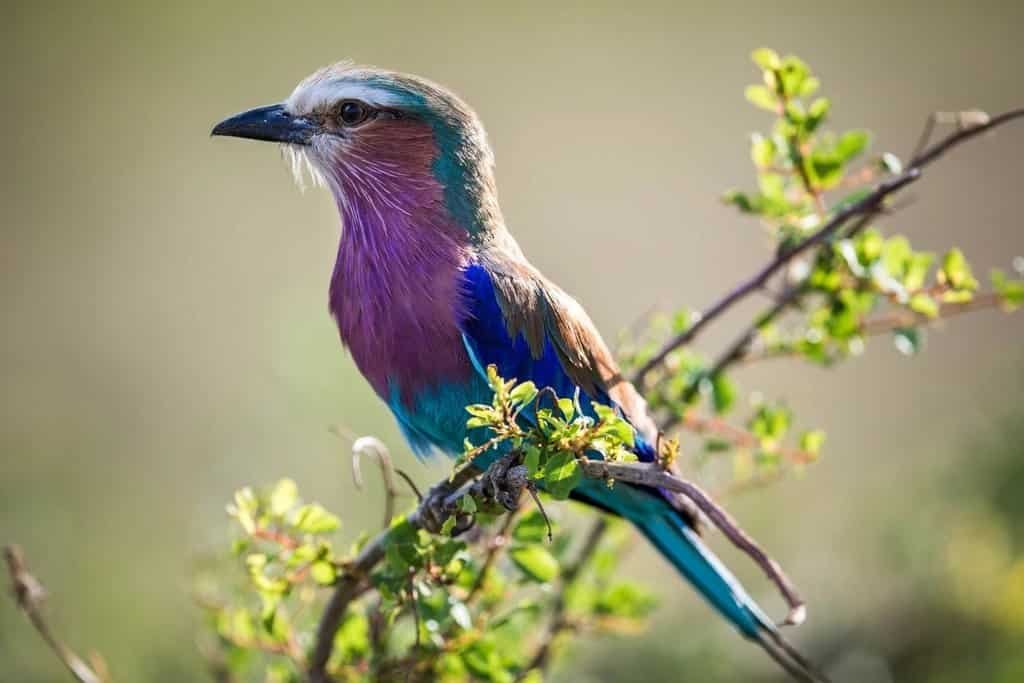
Bird watching can be part of your regular game drives or a stronger focus for the trip. Tell the organiser whether you want help identifying birds as you explore or a programme with more time for observation. That distinction helps match your guide and the pace of the outing to your interests.
Plan birding within the access rules of the area you visit. Watching a bird beside the track does not permit leaving the vehicle in an unauthorised place. If you want bird watching on foot, it needs to be part of a properly arranged walk where walking activities are allowed. Discuss those expectations before choosing a reserve or conservancy stay.
Photography that fits the wildlife and your group
Photography activities work best when the organiser understands what you want to photograph and how you like to work. Say whether you are travelling with a phone, a camera or several pieces of equipment, and whether photography is your main reason for visiting. A group making general game drives may want a different pace from someone spending time on a particular scene.
Ask about usable vehicle space, where equipment can be stored and whether other passengers will share the outing. Positioning must still respect wildlife, other vehicles and the area’s rules. Never expect a guide to block a crossing, harass an animal or leave a prohibited track to secure a photograph. A useful safari plan leaves room to observe rather than demanding a sequence of guaranteed images.
Photography does not mean drone access. Bringing and operating a drone involve separate permissions, and you should confirm the requirements before travelling with one. Start with our Maasai Mara photography guide, then discuss the equipment and transport requirements of your own itinerary.
Picnics, outdoor dining and migration viewing
A picnic during your safari outing
A packed lunch can fit into a wildlife outing when your itinerary provides for it. Ask whether a meal is included and where your guide plans to stop. The location is part of the arrangement: in the Reserve, leaving the vehicle is permitted only at picnic spots or other designated places. An appealing tree or quiet riverbank is not permission to stop and walk around.
Tell the organiser about dietary needs beforehand and ask about drinking water, available facilities and what you need to carry. Keep food and litter under control and follow the guide’s instructions at the stop. Do not feed wildlife or treat a picnic as an opportunity to approach animals on foot.
A camp’s bush breakfast or bush dinner is a different arrangement from a picnic packed for game drives. Confirm the setting, permission and inclusions of whichever experience you choose. Our picnicking guide helps you consider the practical details before adding an outdoor meal to your day.
Bush breakfasts, dinners and sundowners
Hosted outdoor meals give the safari day a different pace. A bush breakfast can follow the morning outing, a bush dinner offers a prepared evening meal, and sundowners are a drinks pause around sunset. These are different experiences with their own menus, service and transport arrangements.
Choose a venue and format that suit your party, including dietary, family and mobility needs. A packed picnic lunch is different from a staffed dining setup, and the meal’s setting must fit the access rules and return programme. The bush dining guide explains breakfast, dinner and sundowners so you can match the experience to your accommodation and itinerary.
Activities around the Great Migration
The Great Migration is a wildlife event you may encounter during game drives, rather than a separate activity with a fixed appointment. Herds usually reach the Mara in July, while their departure varies. River crossings depend on the animals and cannot be booked for a particular day. Choose dates and routes with that uncertainty in mind.
Activity access and costs
Compare like-for-like arrangements rather than the names of activities alone. A quote may include camp game drives while treating a balloon flight or community visit separately. Ask whether the proposed activity includes transfers, meals, guiding and the fees associated with the area you will enter. You should know what remains payable before accepting the itinerary.
Park entry and conservancy access are different parts of a safari. An activity booking does not automatically settle every entry charge. Check the park-fee and ticket guide alongside the current safari-cost guide, particularly when an outing crosses areas or takes place on your departure morning.
If your arrangement requires you to purchase a Reserve ticket separately, use the KAPS park-ticket portal after the organiser confirms the applicable ticket. Keep the booking, activity and fee arrangements together so there is no uncertainty about who is providing each part of your trip.
Plan the rest of your Maasai Mara visit
- Plan your Maasai Mara safari – Connect your preferred activities with travel, dates and the rest of your itinerary.
- Compare accommodation choices – Choose a setting that supports the experiences you want to arrange.
- Best time to visit – Understand the seasonal setting before deciding on your dates.
- Discover the Maasai Mara – Explore wildlife, places to stay and the wider destination.
Choose an experience around your stay
Travellers arranging their own accommodation can book a private Land Cruiser with a professional guide for game drives. The booked camp and wildlife area determine the practical pickup and permitted programme.
Use the Maasai Mara map for location context and read Reserve versus conservancies before choosing a walk or night drive. For a cultural visit, learn about the Maasai people and the Mara as well as the activity arrangements.
Explore safari packages
From USD 1,200 per person sharing
From USD 1,700 per person sharing
From USD 2,450 per person sharing
From USD 3,000 per person sharing
From USD 1,500 per person sharing
From USD 2,000 per person sharing
From USD 2,350 per person sharing
From USD 1,950 per person sharing
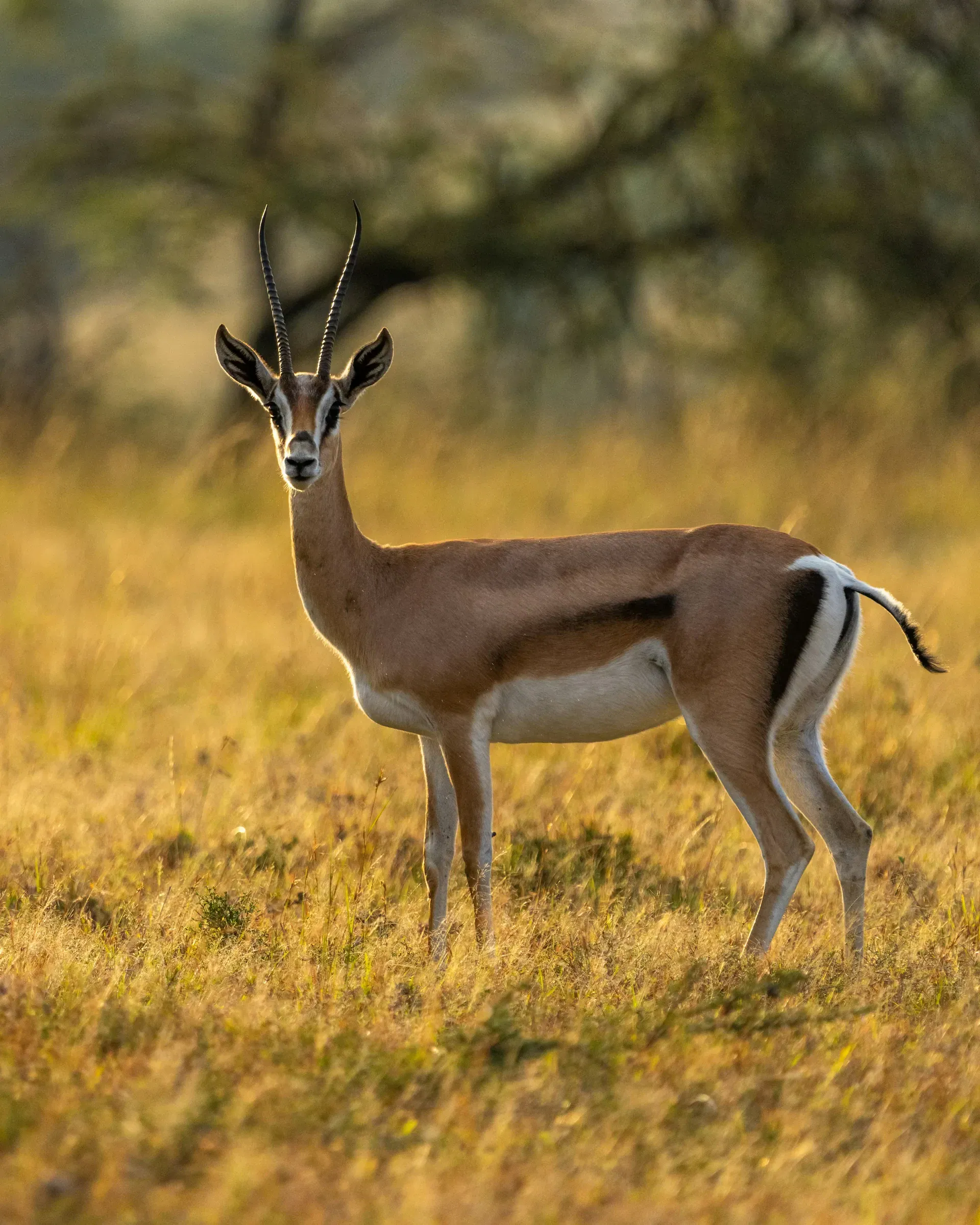
From USD 1,700 per person sharing
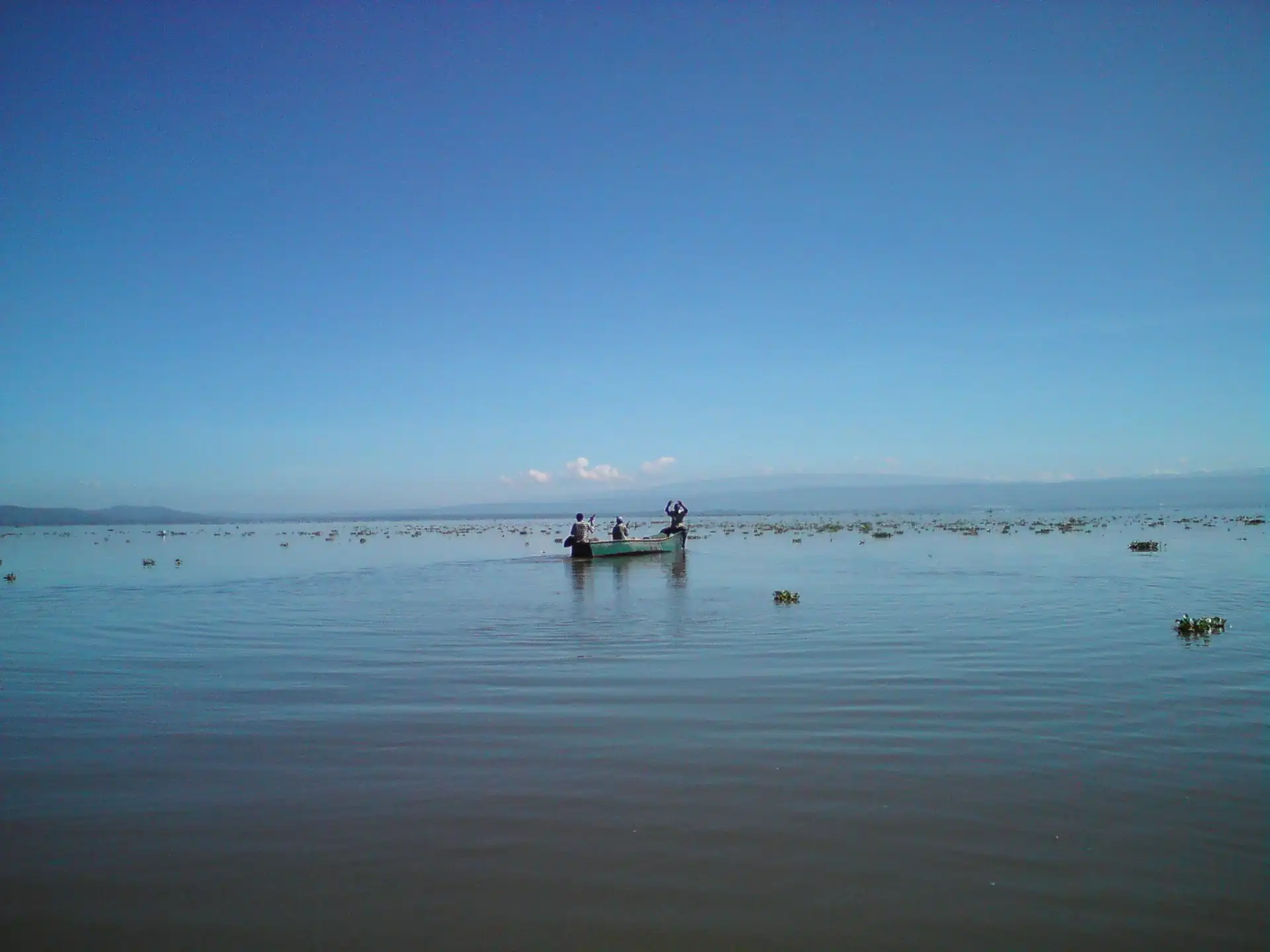
From USD 2,900 per person sharing
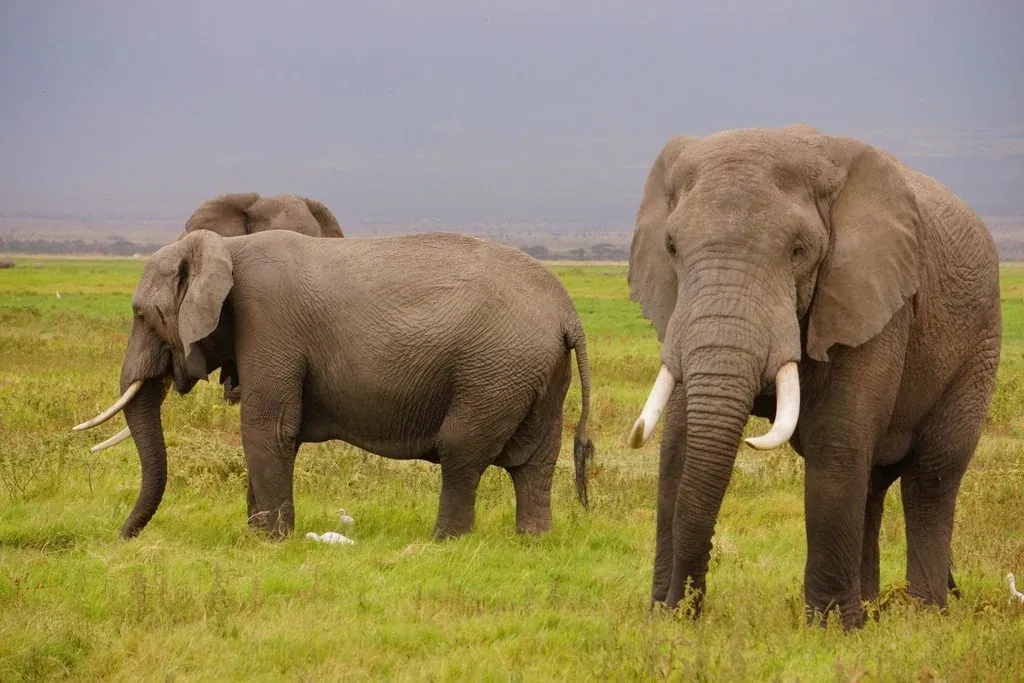
From USD 3,800 per person sharing
From USD 4,900 per person sharing
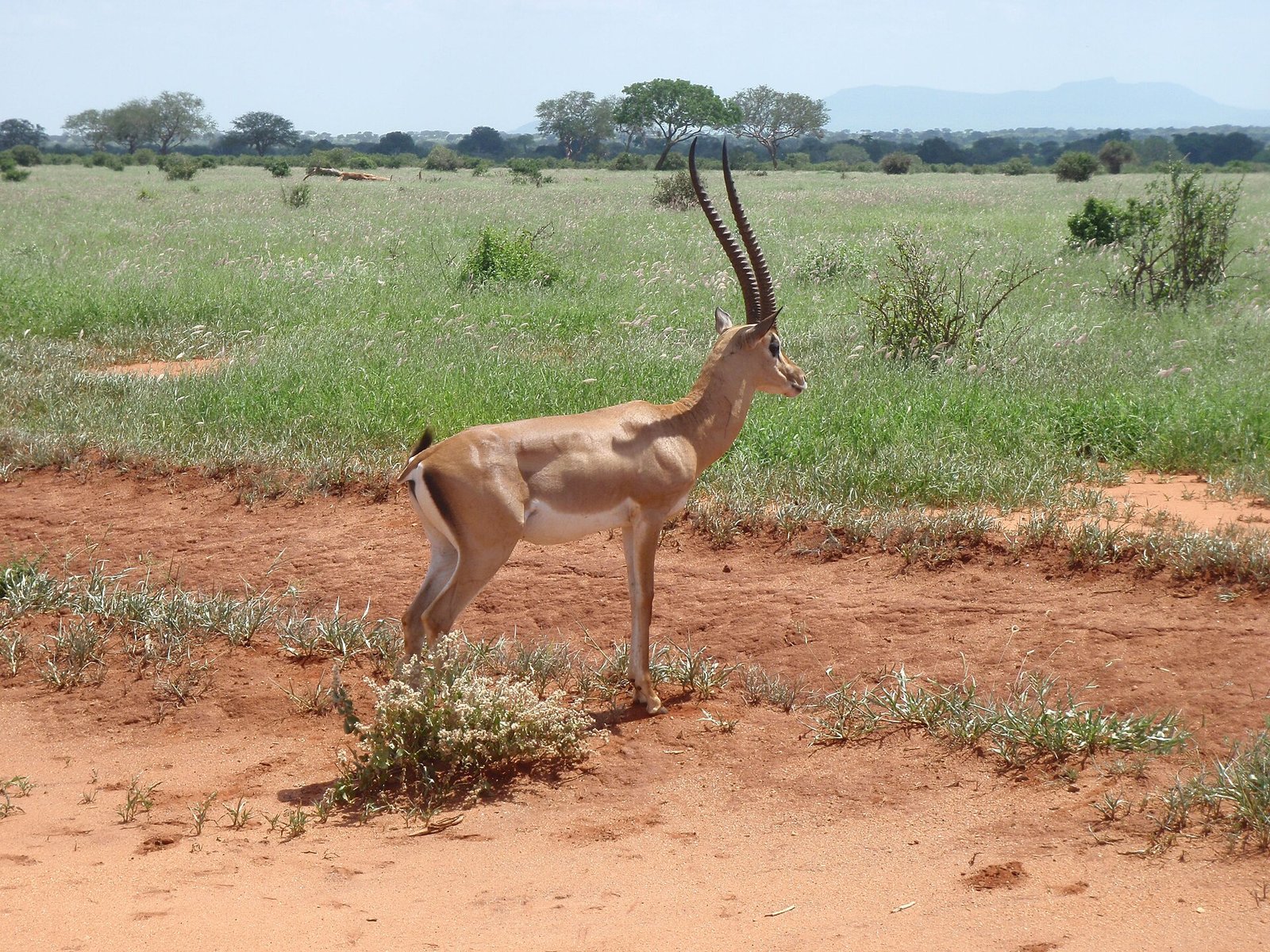
From USD 4,550 per person sharing
From USD 3,350 per person sharing
From USD 3,000 per person sharing
From USD 3,150 per person sharing
From USD 3,750 per person sharing
Add activities to your Maasai Mara safari
Tell us your travel dates, party size, children’s ages and the activities that interest you. MaasaiMara.ke quotes and books safaris through authorised tour operator partners, who plan and fulfil your trip. We can help match your interests to a suitable itinerary and confirm the arrangements with the operator.