
Bird watching in the Maasai Mara
Bird watching in the Maasai Mara combines grassland, woodland and wetland observation with patient guiding. Plan time to stop, listen and identify what is present rather than chase a fixed species total. Tell the organiser whether you want casual birding during game drives or a stronger bird focus throughout your private safari.
Bird diversity and habitat
Bird diversity and realistic species totals
Published descriptions give more than 470 species recorded in the Reserve and over 500 in the wider Mara. The figures come from different checklists and geographic coverage, so they should not be collapsed into a single guaranteed total for one visitor’s route. They describe the destination’s recorded diversity, not what a particular safari will see.
Treat the breadth of bird life as an invitation to observe different habitats. A checklist can help organise notes, but ticking names should not become the only measure of a bird-watching trip. Watching a bird feed, move or interact can be as rewarding as adding another species to a personal list.
Habitats to include in your bird-watching plan
The wider Mara contains open grassland, riverine forest, acacia woodland, scrub and wetland settings. A route that only passes quickly across the plains offers a different birding experience from one that allows permitted observation near several kinds of habitat. Explain your interests so the guide can plan within access and driving rules.
Water and cover are viewing context, not permission to approach freely. Remain on authorised routes and let the guide choose the stopping position. A promising riverbank or thicket may be inaccessible under the area’s rules, even if it appears close enough to reach from the vehicle.
Observation and identification
Grassland birding from the vehicle
Use permitted vehicle stops to scan the ground as well as the trees and sky. Grassland bird watching can involve looking through vegetation where only part of a bird is visible. Give the guide time to describe its position before everyone starts searching in different directions.
Observe behaviour as well as appearance. Note whether the bird is standing, walking, feeding or taking flight, and what part of the habitat it uses. Those details can help with later identification and make the birding record more informative than a list of names alone.
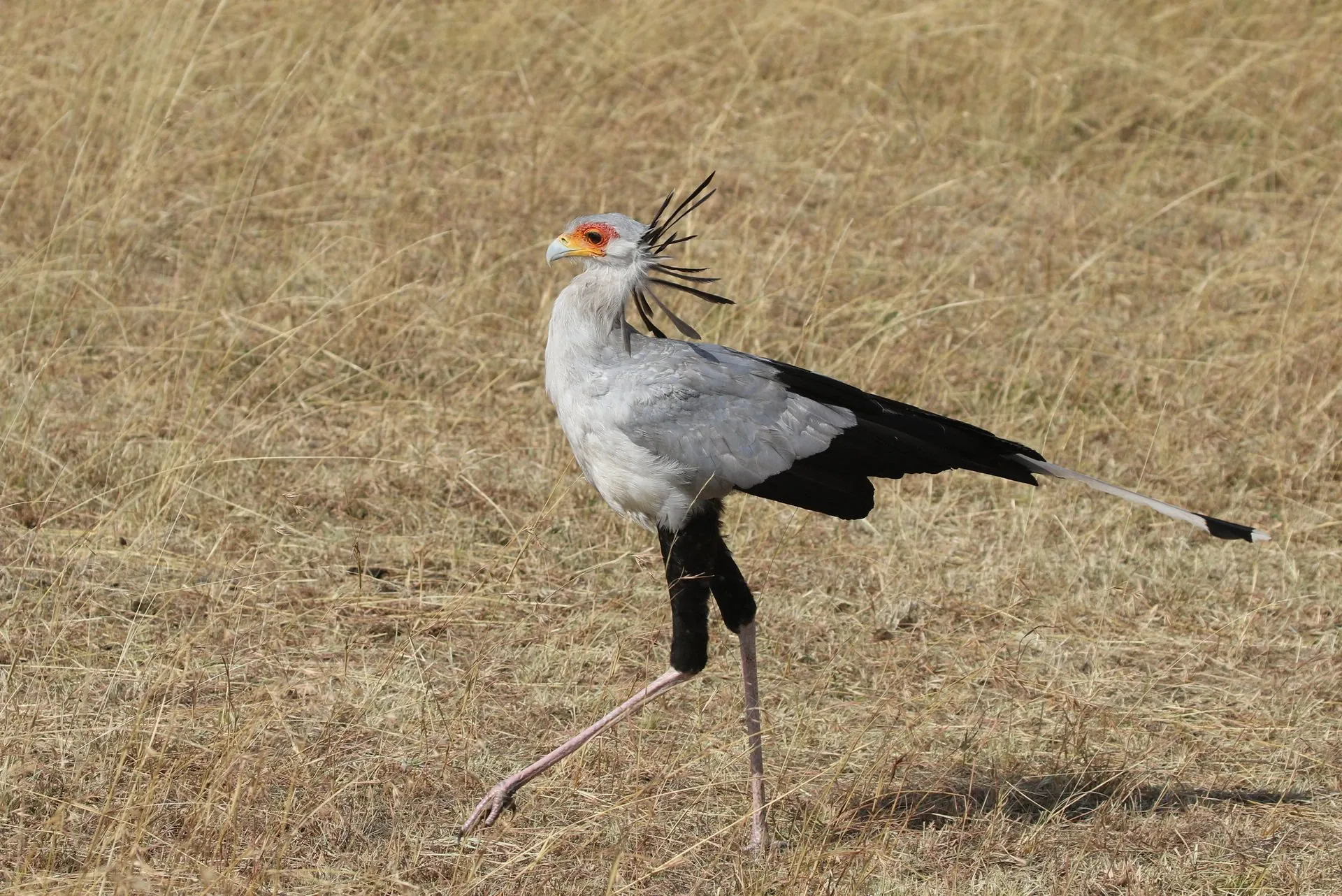
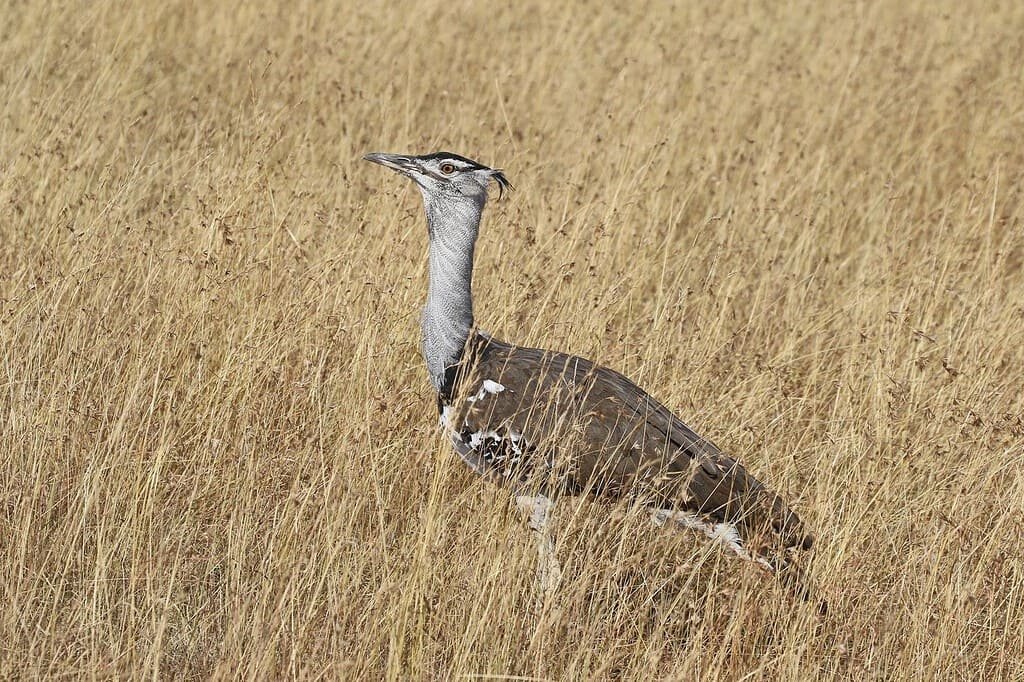
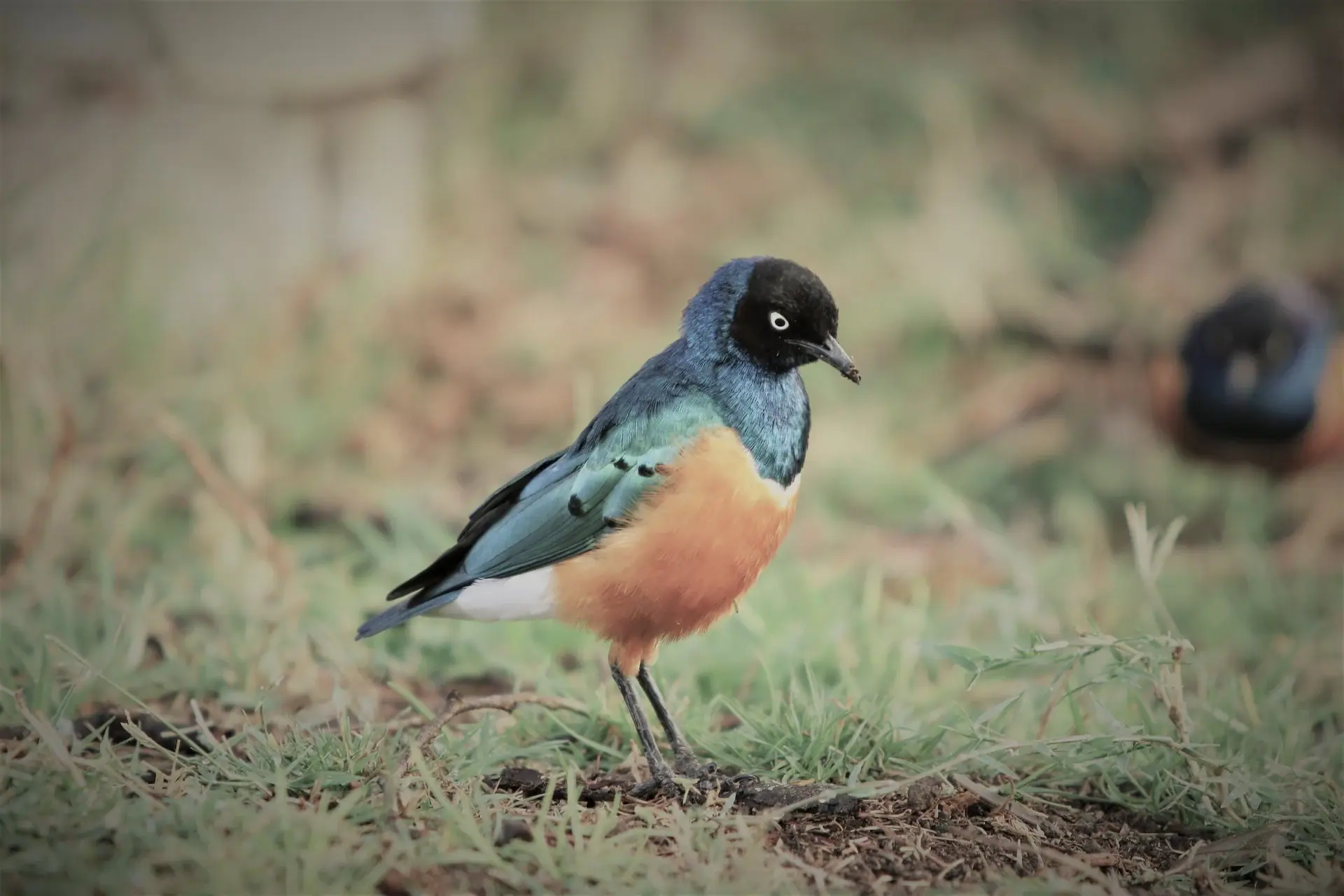
The prepared photographs here include a kori bustard and secretarybird recorded in the Mara. They illustrate the kinds of birds in the area’s records; they are not a promise that either will appear on your own drive. Your guide should interpret the actual birds present rather than work through a required picture list.
Woodland and riverside observation
In wooded areas, start with the guide’s directions and a clear reference point. A bird may be briefly visible between branches, while a call reveals activity that is difficult to see. Bird watching in cover rewards listening and a slower approach to locating the subject.
Let a bird move into view naturally. Do not ask the driver to push into vegetation or request that someone disturb cover to improve the sighting. An incomplete view is part of observing wild birds, and the route must remain within the area’s access requirements.
At riverside viewing points, keep the wider wildlife setting in mind. A bird near water does not make it an appropriate place to leave the vehicle. The Reserve’s visitor code restricts alighting to designated areas and prohibits it at and around migration crossings.
Recognising birds beyond colour
Colour is useful, but a bird’s shape, posture, movement and position can also guide identification. Begin by observing before searching a field guide. A bird-watching note that describes what you saw helps the guide understand the encounter even if you did not manage a clear picture.
Guiding and seasonal interests
Familiar birds and patient observation
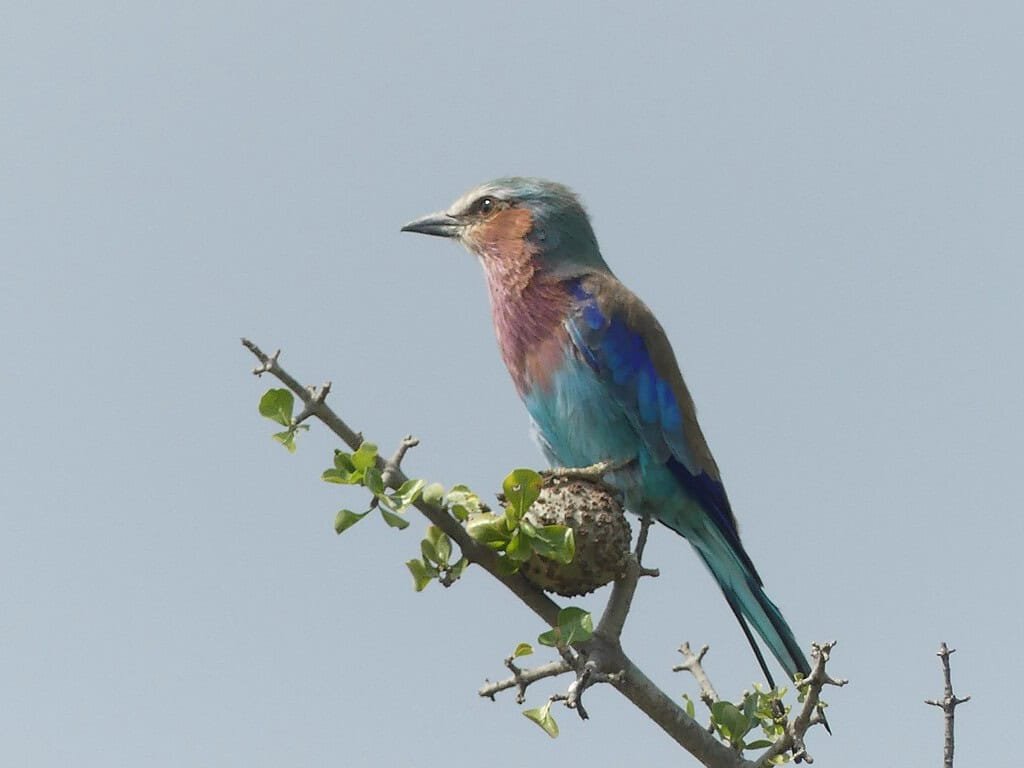
A lilac-breasted roller can introduce visitors to looking closely at a perched bird. Instead of stopping at a colour impression, notice the outline, posture and surrounding perch. The Mara photograph on this page provides a useful visual example without implying that every drive will produce the same sighting.
Birding guides and specialist interests
Tell the organiser whether you want general bird identification during a safari or a programme with a stronger bird focus. The required guiding may differ. A guide who is excellent at large-mammal viewing is not automatically offering specialist birding instruction as part of every drive.
Seasonal context without sighting guarantees
The Mara has resident birds as well as seasonal visitors, and the habitat changes with the wider seasonal pattern. Use the best-time guide for trip context, then discuss your bird-watching interests with the organiser. A general seasonal description cannot forecast which birds will be on a particular route.
Do not tie bird watching entirely to the large-herd migration. Birds deserve attention across the wider safari programme, including when the main vehicle route is selected for other wildlife. Explaining that interest early helps the guide leave time for observations that would otherwise be passed by.
Equipment and bird photography
Binoculars, field guides and useful notes
Bring observation equipment that you know how to use comfortably. Practise adjusting your binoculars before the first bird-watching outing so you can locate a subject quickly when the guide points it out. The goal is a clear, steady view rather than constant adjustment during a brief encounter.
Useful notes include the location description, habitat, behaviour and identification confidence. Distinguish what you observed directly from a name suggested later. That makes the birding record easier to review and avoids turning an uncertain encounter into a definite claim.
Keep equipment accessible without crowding the vehicle. Discuss space for bags and how passengers share a viewing side. Private safari arrangements should account for the party’s needs, but the provider must still confirm the actual seating and storage rather than rely on a generic equipment description.
Photography during bird watching
Bird photography works best as part of the agreed outing. Explain whether you mainly want identification records, environmental pictures or more sustained time at a subject. Those interests can affect the rhythm of the drive, particularly when other passengers have broader wildlife priorities.
Responsible birding and guided walks
Responsible birding and wildlife space
Keep birds and their habitat ahead of a checklist or photograph. Avoid disturbing nests and resting birds, and do not use recorded calls to draw a subject into view. Bird watching should record what the wildlife is doing rather than cause a response for the visitor’s benefit.
The Reserve visitor code prohibits feeding animals and requires visitors to take litter away. Those responsibilities apply during birding as they do during large-mammal viewing. Food scraps must not be offered to bring birds near the vehicle or left behind after a meal stop.
Remain in authorised viewing areas. A promising sighting beyond the road is not permission for a visitor to walk towards it. If you want bird watching on foot, arrange a permitted guided activity outside the Reserve and understand its own route and guiding requirements.
Bird watching on a guided walk
A guided walk can offer a different way to listen and observe where the activity is permitted. Walking safaris are not allowed in the National Reserve, so a birding interest does not create an exception. The provider must identify an authorised surrounding location and explain eligible access.
Remain with the guiding team when a bird is found. Do not drift towards a call or stay behind to finish a photograph. Birding stops should fit the walk’s instructions and the provider’s judgement about where the party can observe.
Accommodation may also provide observation opportunities within its permitted guest areas. Confirm where guests can go and whether guided birding is available. Do not interpret a camp’s wildlife setting as permission to walk beyond its grounds independently.
Birding with your travelling party
Agree how much of the private safari will focus on birds and how that fits other interests. A family or mixed-interest party may enjoy short identification stops throughout a general drive; a dedicated birding party may want a different rhythm. The programme should reflect the people travelling rather than a standard label.
Confirm the accommodation, intended viewing areas, guiding and transport before accepting the itinerary. Our packages use the Reserve and nearby Greater Mara camps; conservancy stays or access must be confirmed as separate requested arrangements. A bird-watching interest does not make every habitat in the wider destination accessible.
Where a Reserve ticket is purchased separately for the programme, use the KAPS park-ticket portal after the organiser confirms the appropriate ticket. The entry-fee guide explains the broader ticket and visitor rules.
Plan the rest of your Maasai Mara stay
- Maasai Mara activities – Compare the experiences that fit your itinerary.
- Game drives – Plan private wildlife outings from a safari vehicle.
- Walking safari – Make time for the wider wildlife of the Mara.
- Where to stay – Match your accommodation to access and activity arrangements.
- Safari costs – Check the current price basis and compare inclusions.
Explore safari packages
From USD 2,000 per person sharing
From USD 2,350 per person sharing
From USD 1,950 per person sharing
From USD 2,350 per person sharing
From USD 1,700 per person sharing
From USD 2,900 per person sharing
From USD 3,800 per person sharing
From USD 4,550 per person sharing
From USD 3,000 per person sharing
From USD 3,150 per person sharing
Plan your private Maasai Mara safari
Send your travel dates, party size, accommodation preferences and the experiences you would like to include. MaasaiMara.ke quotes and books private safaris through authorised tour operator partners. We will check the proposed arrangements and explain what can be included in your itinerary.