
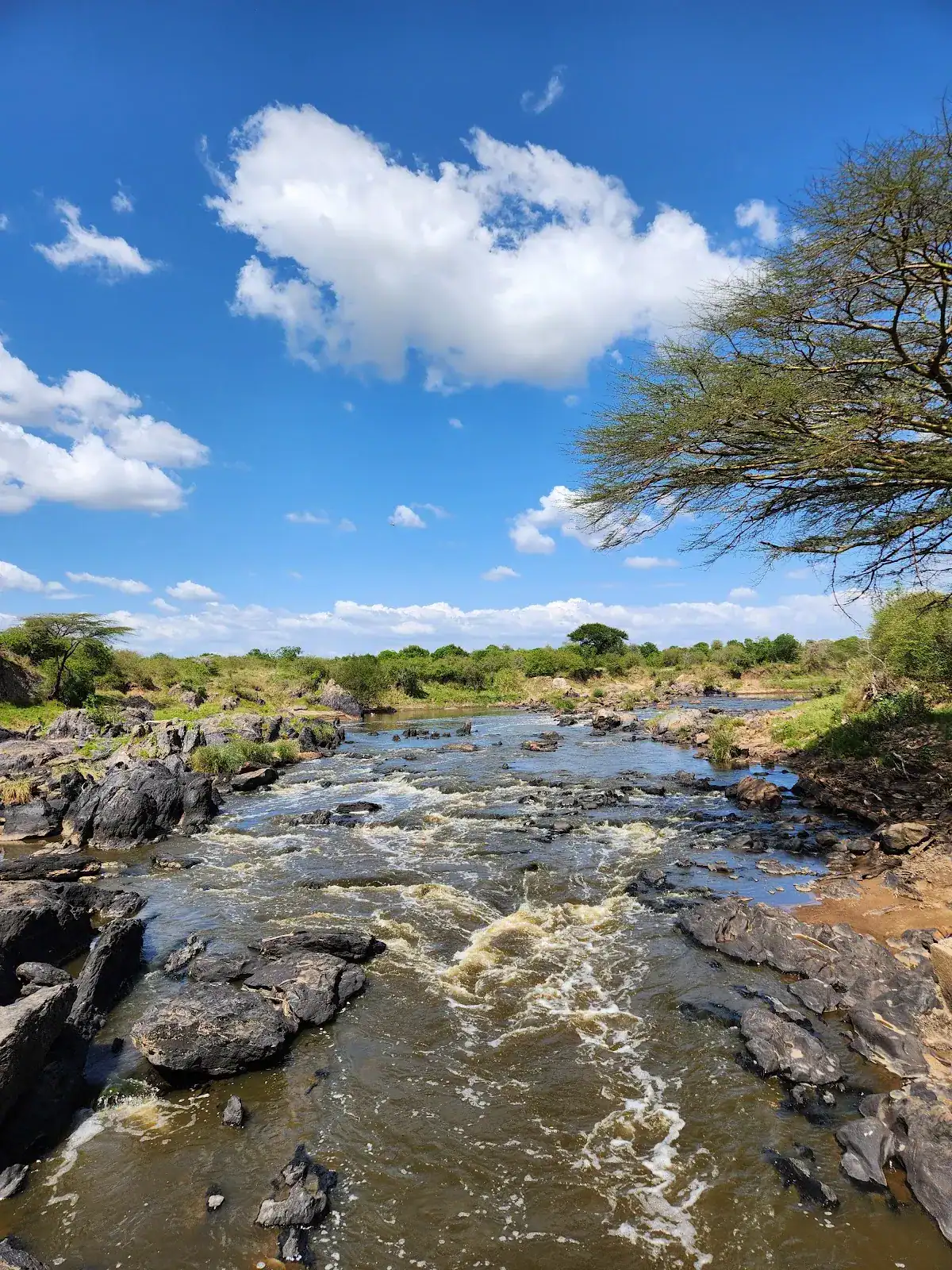
Picnicking in the Maasai Mara
Picnicking in the Maasai Mara fits a meal break into a wildlife outing at an authorised stop. A packed lunch can keep a longer game-drive day together, while the guide chooses a permitted place to stop. Stay within the designated arrangements, keep food away from wildlife and take all litter back with you.
Permitted picnic stops and river restrictions
Picnicking within a game-drive day
A bush picnic with a packed meal can keep a longer outing together without returning to camp for lunch. This is useful when the programme includes time for patient wildlife observation in an area reached by an agreed driving route. Picnicking is part of that plan, rather than a reason to extend the day beyond access or return requirements.
Our game-drive guide explains the wider programme. Picnicking complements the drive; it does not automatically add an extra wildlife outing or change the access included in your safari. The meal, permitted stop and transport should all be described as parts of the same day.
Designated picnic stops and permitted access
In the National Reserve, visitors may leave vehicles at picnic spots and other designated areas, remaining within 10 metres of the vehicle. This rule defines the limits of the stop. Picnicking is not permission to walk across the surrounding habitat or choose an unmarked place because it has shade or a view.
The entry and visitor-rule guide explains the broader framework. Keep picnicking within the authorised programme instead of treating a park ticket as unrestricted permission to leave the vehicle wherever the landscape looks inviting.
River views and migration-crossing restrictions
A river view can be an interesting part of a safari, but a crossing site is not a picnic departure point. The Reserve visitor code prohibits alighting at or around migration crossings. Remain in the vehicle there and let the guide manage a position that keeps wildlife movement and access clear.
Do not carry food towards a riverbank for a closer view or step out to create a photograph with a scenic background. Picnicking must use a permitted stop, and the guide’s directions apply even when the wildlife appears distant or the area seems quiet.
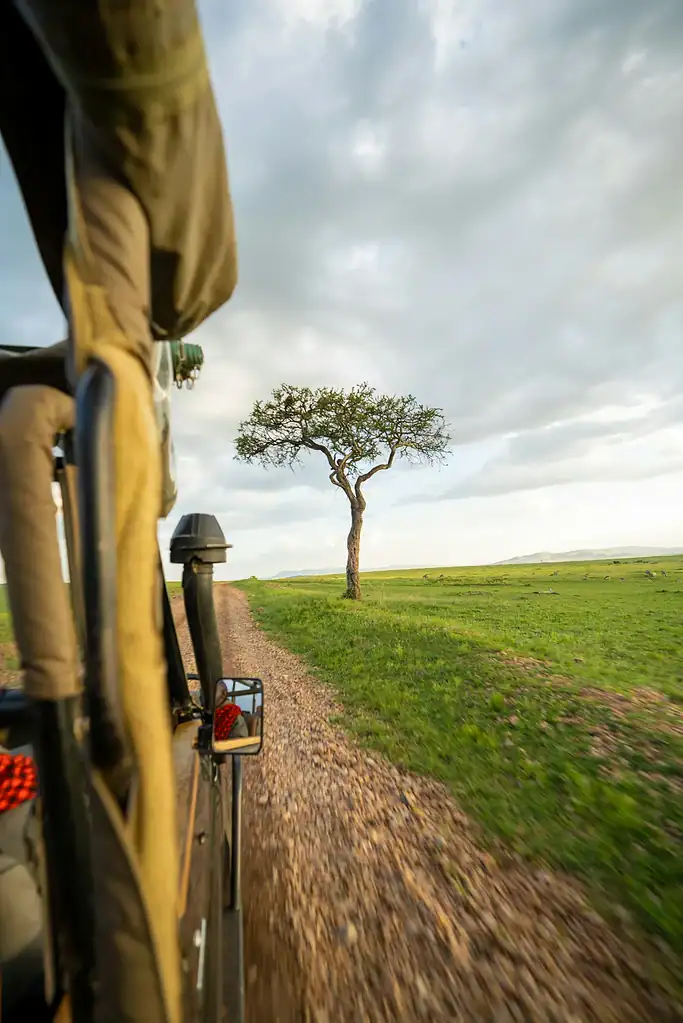
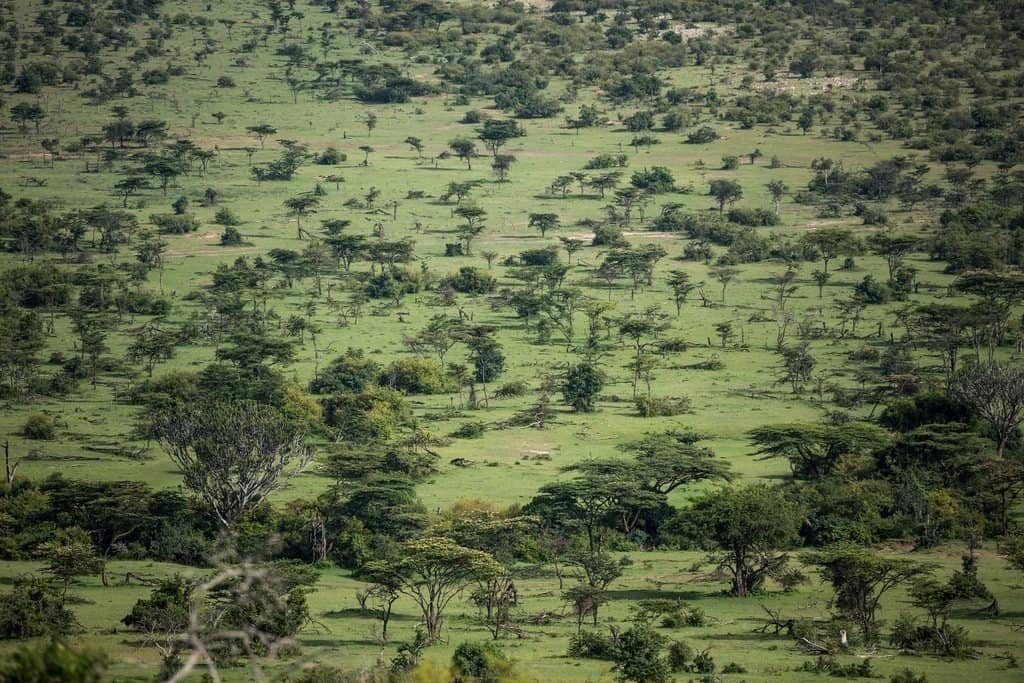
Packed lunches and outdoor meals
Packed lunches and organised bush meals
A packed lunch is a portable meal prepared for the day’s outing. It can be eaten under the organiser’s agreed arrangements at a permitted stop, without implying a staffed dining setup or cooking in the park. The practical value is continuity within the safari day.
An organised bush meal may have a different setup, staffing and service. Its location and permissions belong to the provider’s programme. A photograph of a table outdoors does not mean that the same dining format is included with every packed lunch or available at any stop the party chooses.
Read the itinerary’s meal description in that context. The distinction between packed food and a catered outdoor meal affects what is carried, how the stop is organised and what is included. A clearly described bush picnic is easier to plan around than a broad promise of dining “in the wild”.
A simple setup at the picnic stop
Wait for the guide to identify the permitted stopping position and explain where the party may leave the vehicle. Keep equipment and food close to the agreed setup. A bush picnic works best when the party can settle without spreading belongings across the surrounding ground.
Food preferences and family comfort
Food choices and dietary preparation
Give dietary requirements to the organiser before the meal is prepared. A packed lunch needs to be suitable for the people eating it, with the provider aware of allergies, restrictions and preferences. A label such as vegetarian or child-friendly should be reflected in the actual meal arrangement.
Choose a practical format for the outing. Food that is manageable to carry and eat helps the stop remain calm, particularly when the party must pack away promptly. Keep drinks and useful personal items accessible while the provider manages the meal’s preparation and storage.
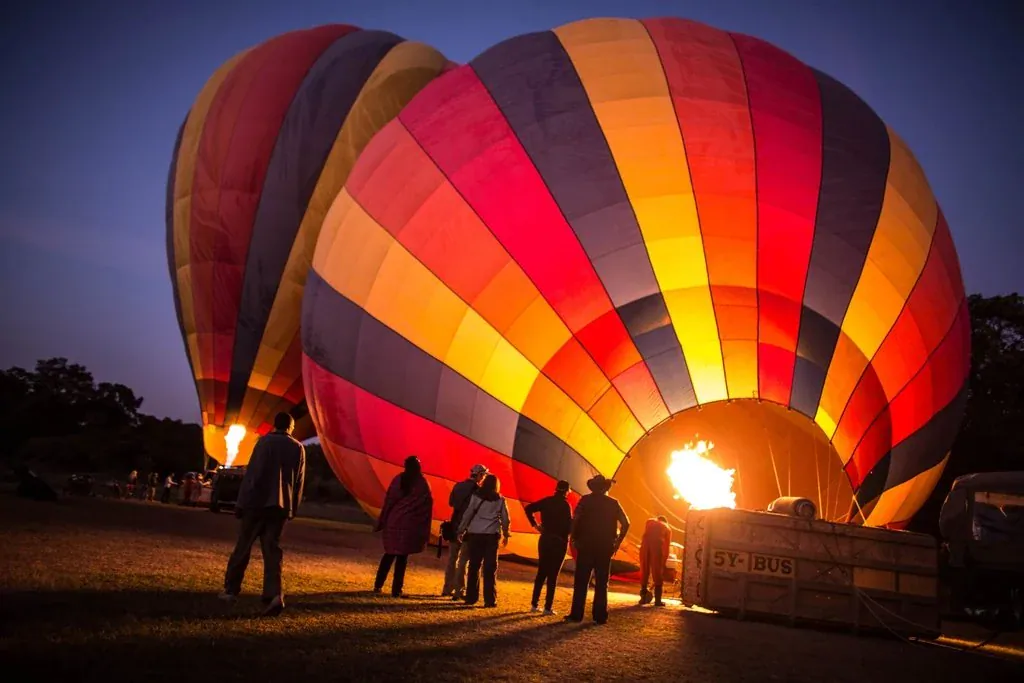
For a party with an allergy or another important dietary concern, use the provider’s explicit arrangements rather than infer ingredients from a generic menu description. The same applies to an organised bush meal or balloon breakfast: each provider must know the relevant requirement in advance.
Families and a comfortable meal break
Use the bush picnic as a calm pause in the day. Keep children’s food and useful personal items accessible, and explain where the party is allowed to remain before anyone leaves the vehicle. A designated stop is still part of a wildlife destination, with the guide directing the setup.
Keep children with the responsible adults and within the permitted area. The stop is not an opportunity to run into nearby grass, explore a riverbank or follow an animal. Choose a meal arrangement that lets the family stay together while eating and packing away.
Wildlife, litter and fire rules
Wildlife space while picnicking
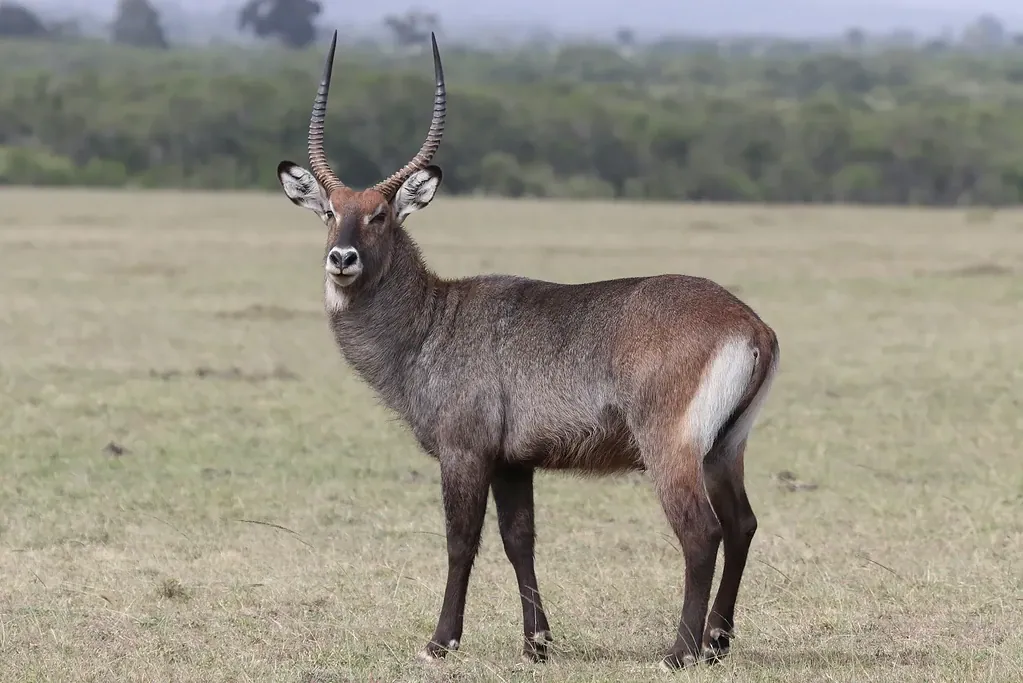
Do not feed animals or offer food to draw them closer. The Reserve visitor code prohibits feeding wildlife, and that includes scraps left for birds at a meal stop. Keep the picnic separate from wildlife observation rather than create a situation where animals are attracted to the party’s food.
The guide may redirect the party or decide that a planned stop is no longer suitable. Follow that decision without treating a quiet-looking landscape as proof that the original setup must proceed. Picnicking remains subject to conditions and the provider’s assessment of the area.
Litter, leftovers and natural material
Take all litter away from the stop. Pack wrappers, containers and leftover food back into the provider’s agreed storage rather than leave them beside the vehicle or assume someone else will collect them. Check the immediate setup before departure so small items are not missed.
Food remains belong with the meal waste, not on the ground for animals. Do not throw fruit peel or crumbs into the bush because they seem natural. The no-feeding rule and the requirement to take litter away apply to a bush picnic as part of the safari day.
Leave the surrounding habitat as you found it. The Reserve code prohibits removing bones, flowers, plants, wood and other objects. Picnicking does not provide a reason to collect a natural souvenir or move vegetation to make space for a better photograph.
Cooking, fires and outdoor dining permissions
A packed lunch does not authorise lighting a fire or cooking at an arbitrary picnic stop. The Reserve visitor code permits campfires only in authorised campsites. Do not bring an improvised cooking setup into the day on the assumption that an outdoor meal makes it acceptable.
A provider offering a catered bush meal must arrange the appropriate location and service under the applicable requirements. Treat that as a separately described dining format, with the setup and permissions handled by the provider. It is not equivalent to choosing a pleasant tree and preparing a meal wherever the vehicle stops.
Keep picnicking distinct from camping. A meal break does not establish permission to remain overnight, occupy a campsite or use its facilities. The day’s activity and any camping arrangement need their own correct access and programme.
If outdoor dining is a priority, include that interest when the safari is planned. The organiser can assess an authorised format and state what it involves. Clear planning produces an appropriate experience without implying that every Reserve stop can become a staffed bush dinner or cooking site.
Observation during a meal stop
Enjoy the landscape from the permitted setup and keep photography within the guide’s directions. A view beyond the designated area is not a reason to wander away or move closer to wildlife. The meal stop’s access limits remain the same with a camera in hand.
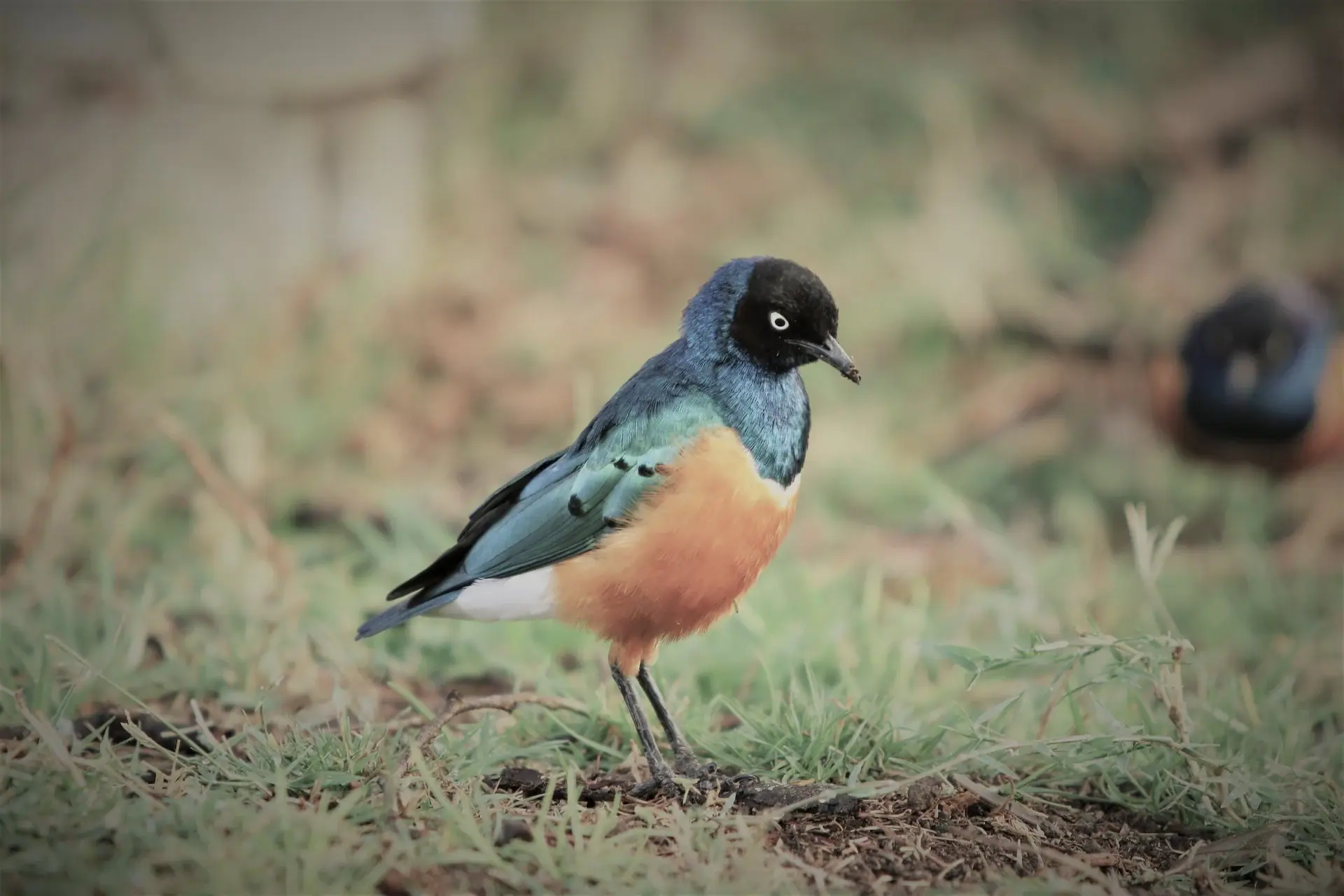
Birds may be an interesting part of the wider day, but food must not be used to bring them near. Observe what is naturally present and leave the meal scraps with the waste. The bird-watching guide explains patient observation without baiting or disturbance.
Meal inclusions and return times
Meal plans, accommodation and safari costs
The accommodation location influences whether returning for lunch fits the intended driving route. Compare a camp meal with picnicking as part of the whole programme, including travel and rest. The accommodation guide supports that wider choice of where to stay.
The itinerary should distinguish meals included with the selected property from separately arranged outdoor dining. A camp’s meal plan, a packed lunch and a catered bush picnic need not have the same inclusions. Clear descriptions make the options easier to compare without treating every outdoor meal as an additional service of the same kind.
Current price information is maintained on the safari-cost page. Our all-inclusive land packages include scheduled park fees and compulsory selected-property charges. Additional requested dining experiences should be identified explicitly in the quote for the actual dates and party.
Where a Reserve ticket is bought separately, use the KAPS park-ticket portal for the ticket specified by the organiser. That entry arrangement does not, by itself, include a meal service or provide permission to picnic outside the designated areas.
Return times and the rest of the itinerary
Plan the meal stop with the return journey in view. The Main Reserve requires return to camp or departure by 7 pm and permits no entry after 6.30 pm. Picnicking must fit those operating requirements; a longer meal or late wildlife encounter does not extend them.
An outdoor dinner or an after-dark experience has different arrangements from a daytime Reserve picnic. Our Reserve-based safari packages do not automatically include conservancy access. Any requested experience outside the normal programme needs its named location and permissions explained in the itinerary.
Plan the rest of your Maasai Mara stay
- Maasai Mara activities – Compare the experiences that fit your itinerary.
- Game drives – Plan private wildlife outings from a safari vehicle.
- Bird watching – Make time for the wider wildlife of the Mara.
- Where to stay – Match your accommodation to access and activity arrangements.
- Safari costs – Check the current price basis and compare inclusions.
Explore safari packages
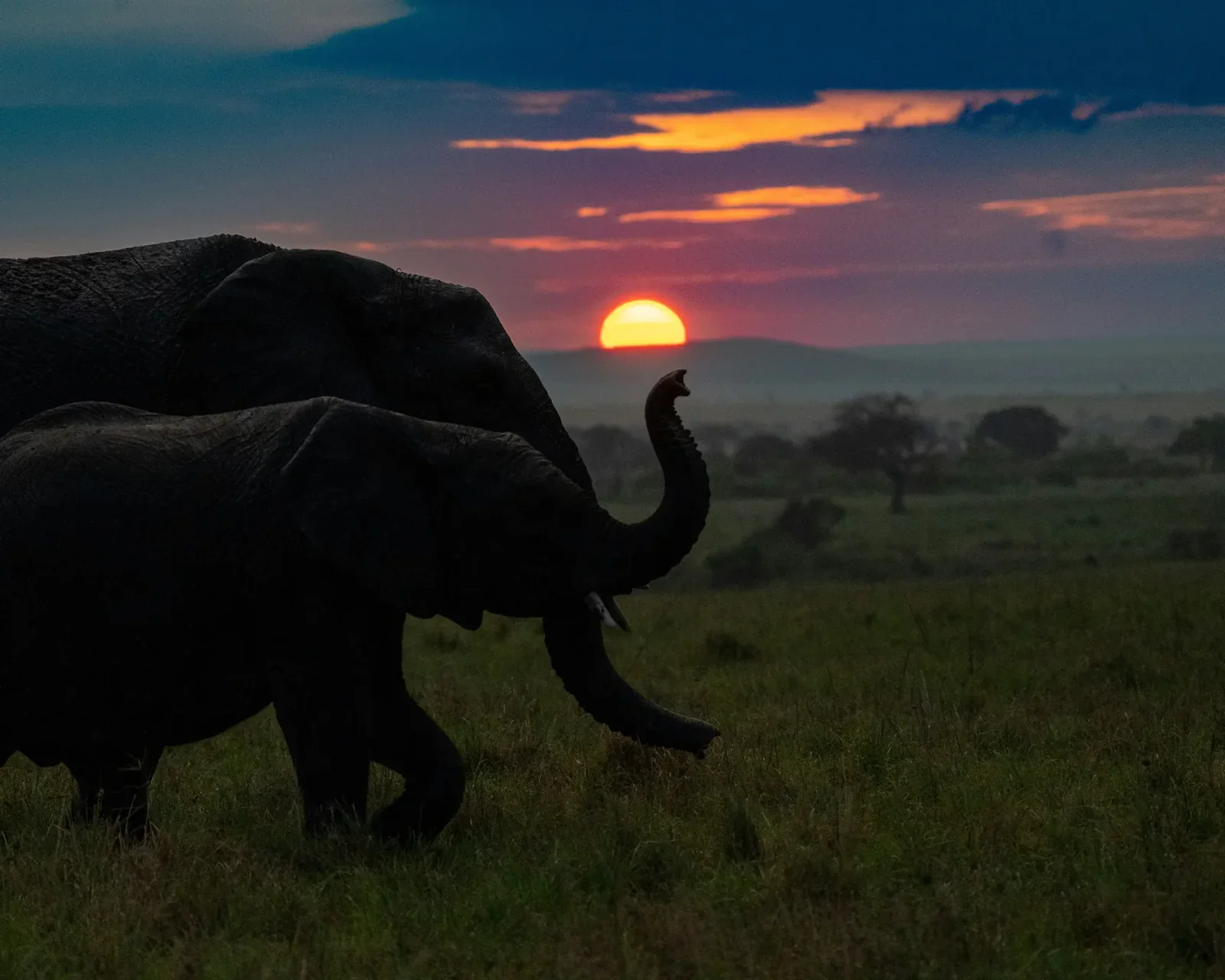
From USD 1,200 per person sharing
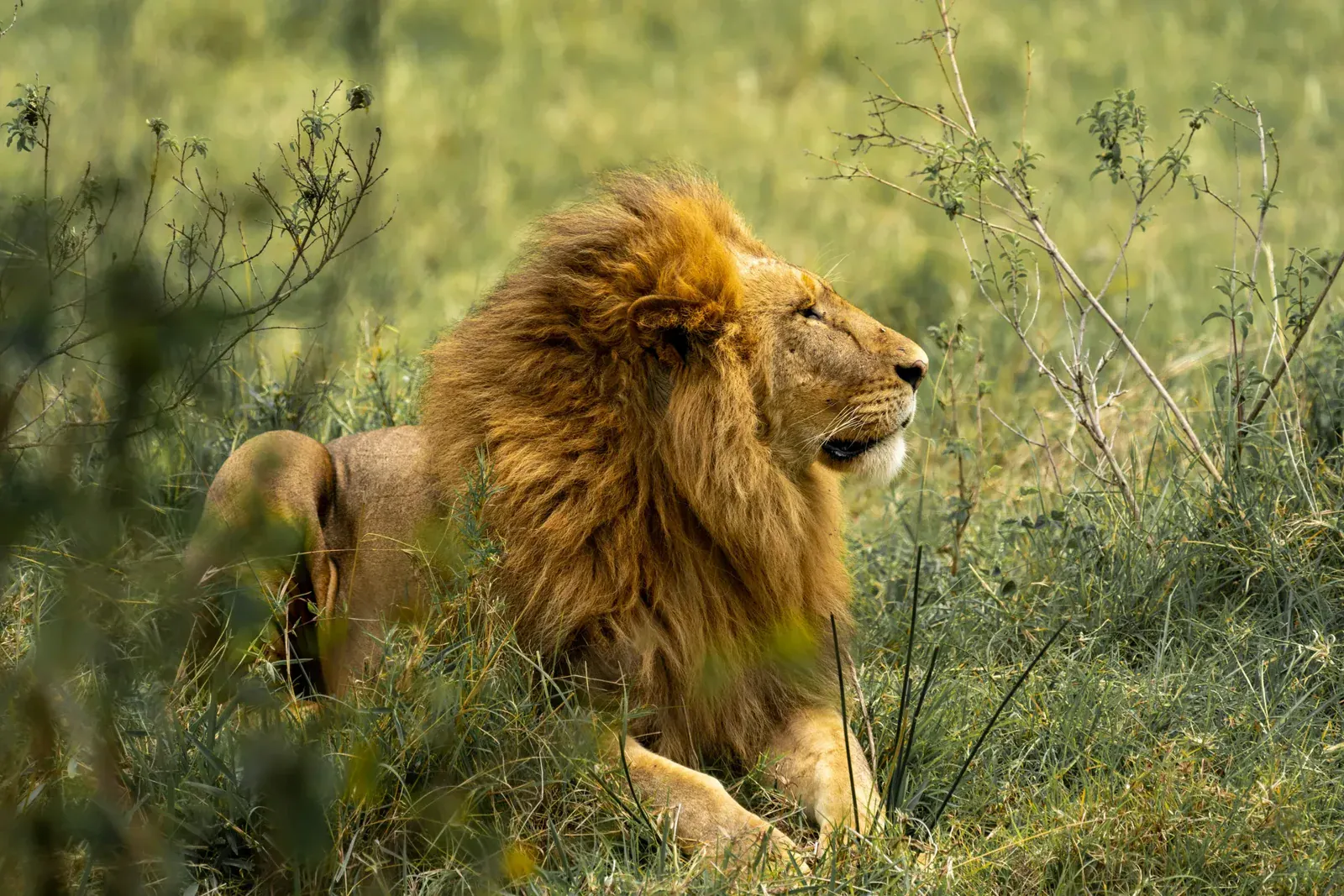
From USD 1,700 per person sharing
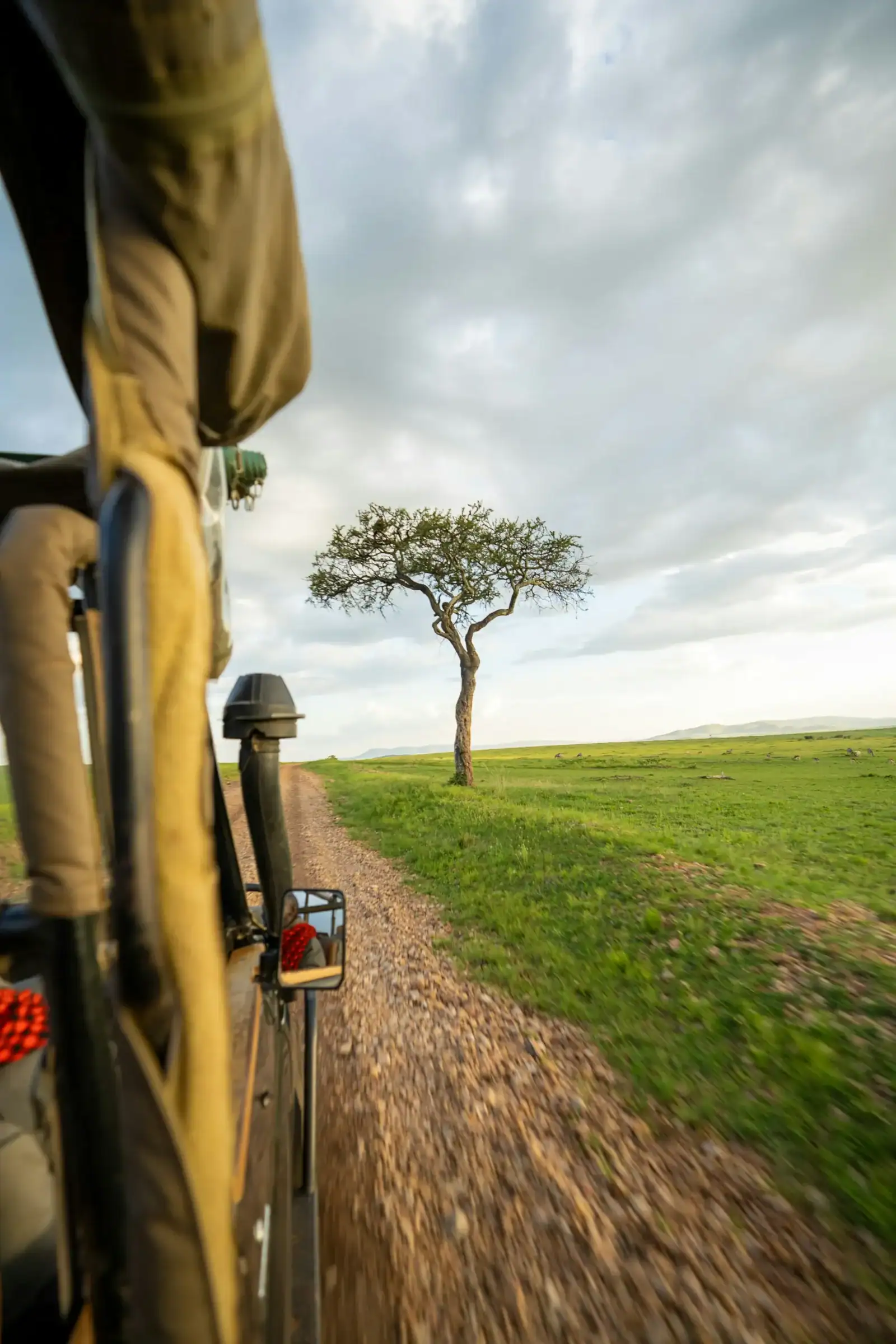
From USD 2,450 per person sharing
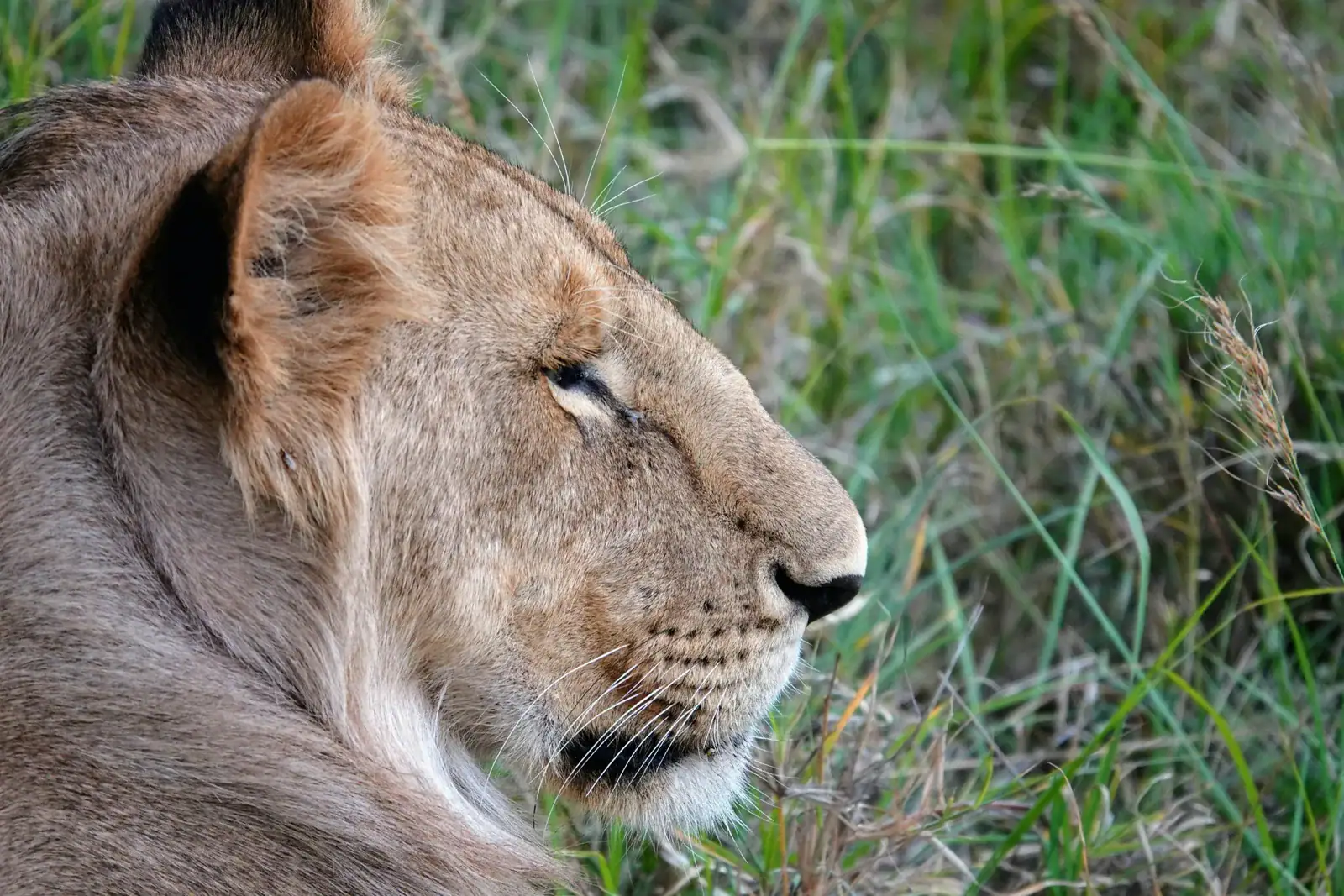
From USD 3,000 per person sharing
From USD 1,500 per person sharing
From USD 2,000 per person sharing
From USD 2,350 per person sharing
From USD 1,950 per person sharing
From USD 1,700 per person sharing
From USD 2,900 per person sharing
From USD 3,800 per person sharing
From USD 4,900 per person sharing
From USD 4,550 per person sharing
From USD 3,350 per person sharing
From USD 3,000 per person sharing
From USD 3,150 per person sharing
From USD 3,750 per person sharing
Plan your private Maasai Mara safari
Send your travel dates, party size, accommodation preferences and the experiences you would like to include. MaasaiMara.ke quotes and books private safaris through authorised tour operator partners. We will check the proposed arrangements and explain what can be included in your itinerary.