
Walking safari in the Maasai Mara
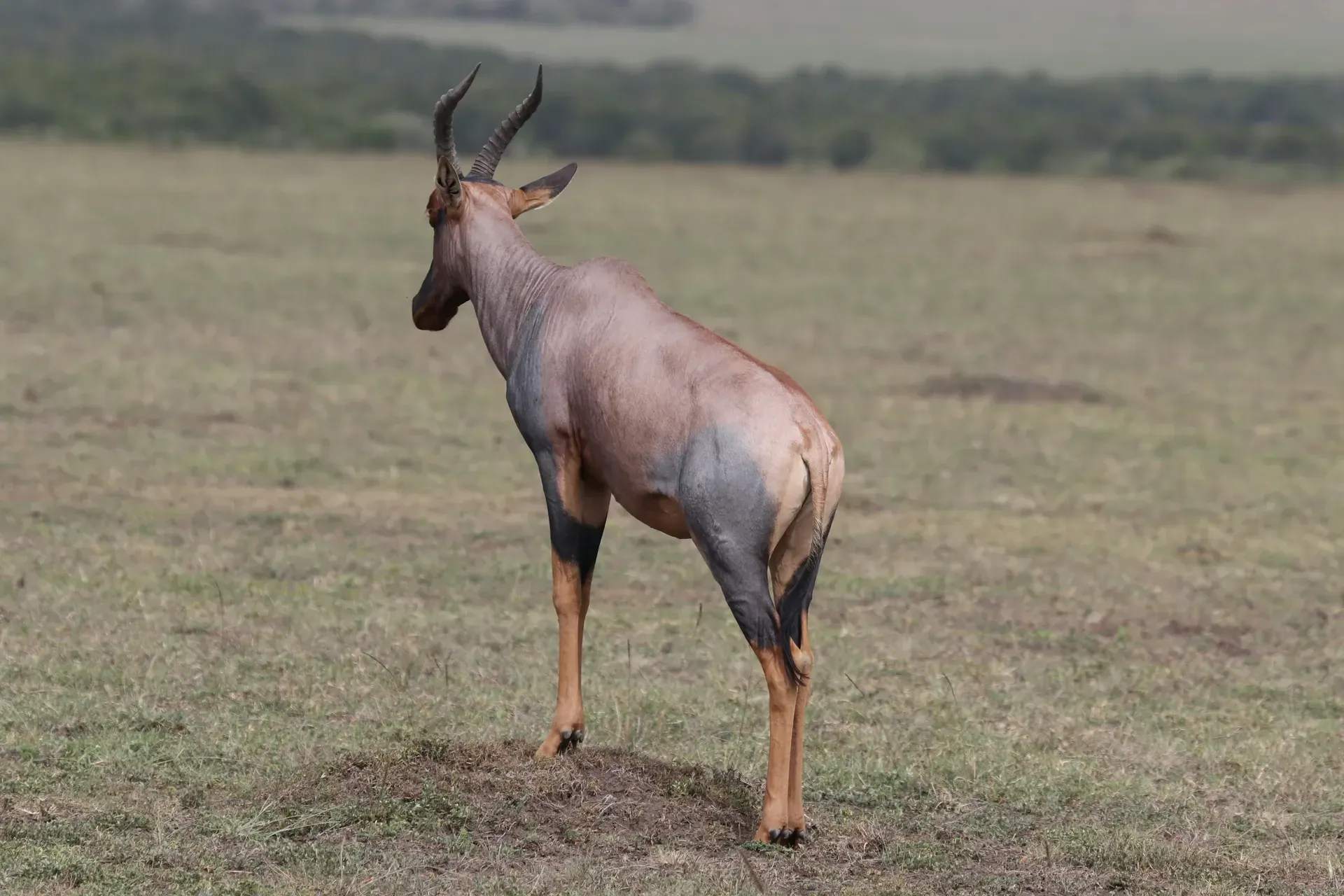
A walking safari in the wider Maasai Mara explores an authorised surrounding area with a guiding team. Walking safaris are prohibited in the National Reserve. On a permitted guided walk, tracks, vegetation, bird calls and small details bring the landscape into closer focus, with the guide directing the route and interpretation.
Permitted locations and guiding
Permitted walking-safari locations
The Maasai Mara National Reserve’s management plan does not permit walking safaris in the Reserve. This distinction applies when planning an itinerary through the Main Reserve or the Mara Triangle. Do not interpret a park-entry ticket as permission to leave a safari vehicle and explore the bush on foot.
A walking safari may be offered in surrounding community areas and conservancies under their own arrangements. Availability depends on the named location and provider. Confirm where the walk happens, whether your accommodation has access and which permissions are required. A description saying only “Maasai Mara” does not answer those practical questions.
The wider destination includes land with different management, community use and visitor access. Being outside a Reserve gate does not make it freely accessible walking country. Do not plan an independent bush walk from a map or follow a path simply because other people appear to use it.
If walking is central to your visit, establish suitable arrangements before accommodation is booked. If your trip is mainly a Reserve safari, treat any proposed guided walk as an additional experience that needs its own confirmed setting. The organiser should explain how it fits without suggesting that it is an ordinary Reserve game-drive inclusion.
Walking-safari guiding arrangements
The guiding team sets the route, interprets the landscape and directs the party’s movement. Before departure, the briefing should explain how to remain together, when to stop and how to respond to a change of instruction. Listen before setting off and follow the guide’s lead throughout the walking safari.
Reserve picnic stops and walking restrictions
A designated picnic stop in the National Reserve is not a walking-safari departure point. The Reserve visitor code allows visitors out of vehicles at picnic spots and other designated areas, staying within 10 metres of the vehicle. It does not permit wandering away across the surrounding wildlife habitat.
Never alight at or around a migration crossing. The attraction of a river view does not change that rule. Ask your guide where your party may leave the vehicle and stay within the permitted area while the stop is organised.
The picnicking guide covers meal arrangements and designated stops. Keep that experience distinct from a walking safari led under separate permissions outside the Reserve. A programme should describe each accurately so visitors understand what they have booked.
The walking experience
Guided walks and game drives
A vehicle covers viewing routes and gives a different platform for observing large mammals. A guided walk concentrates on what can responsibly be explored on the agreed route. Tracks, vegetation, insects, birds and changes in the ground can be interesting in their own right. Ask the guide how the outing is normally approached.
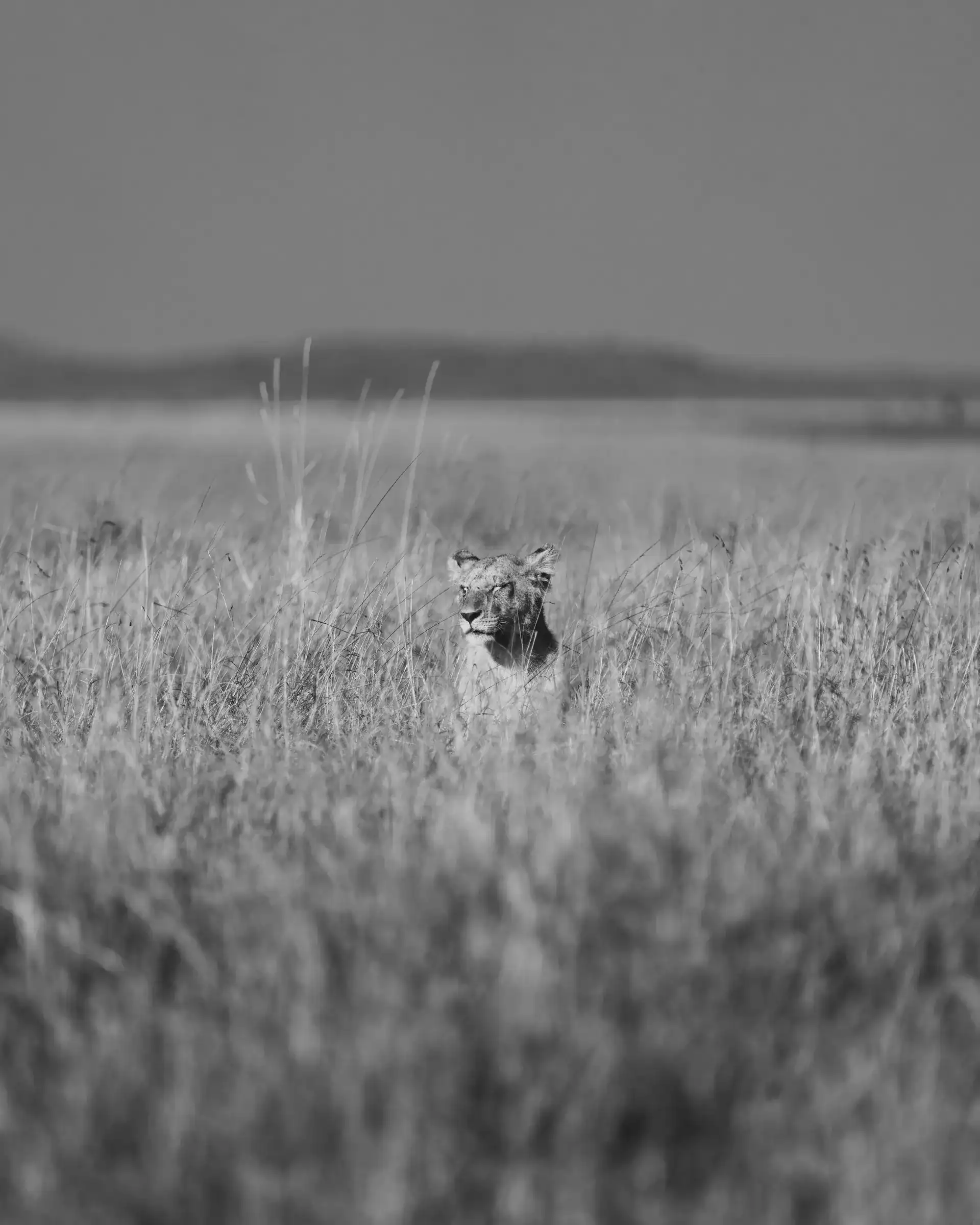
Avoid measuring a walking safari by the number of big animals seen. Looking for a lion from a vehicle and deliberately approaching one on foot are different propositions. The guide determines the appropriate route and responses to conditions; visitors should not pressure the team to turn a nature experience into a close encounter.
Tell the organiser what interests you: tracking interpretation, plants, birds, landscape or a quieter pace. An interest-led guided walk is easier to assess than a vague promise of adventure. Confirm whether the provider can accommodate the interest within its usual programme, rather than assume specialist instruction is included.
Ground-level wildlife and habitat observations
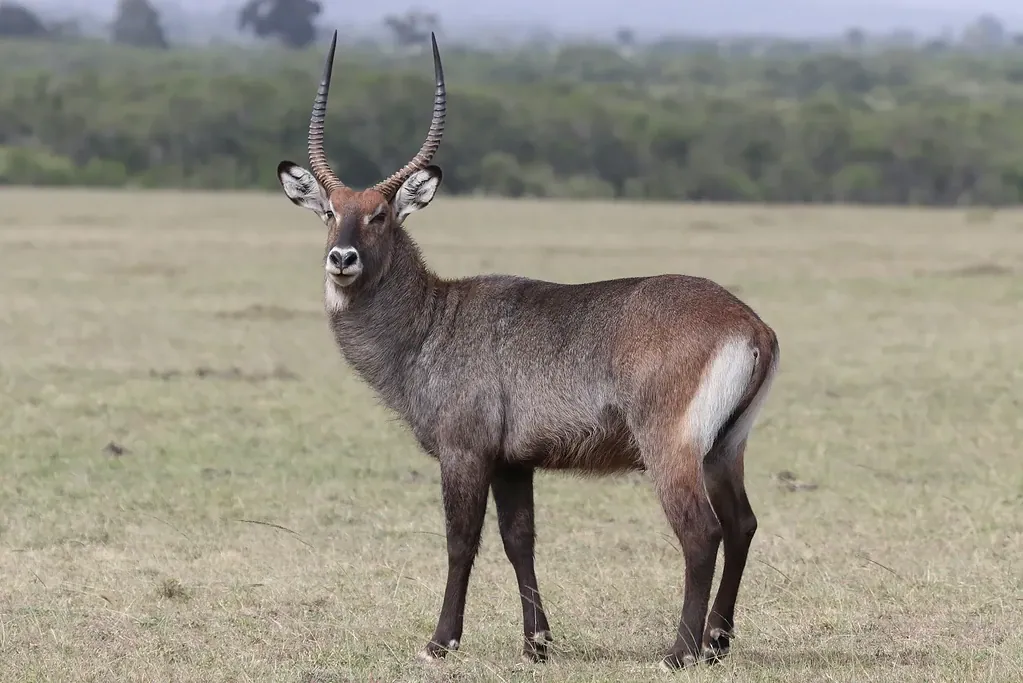
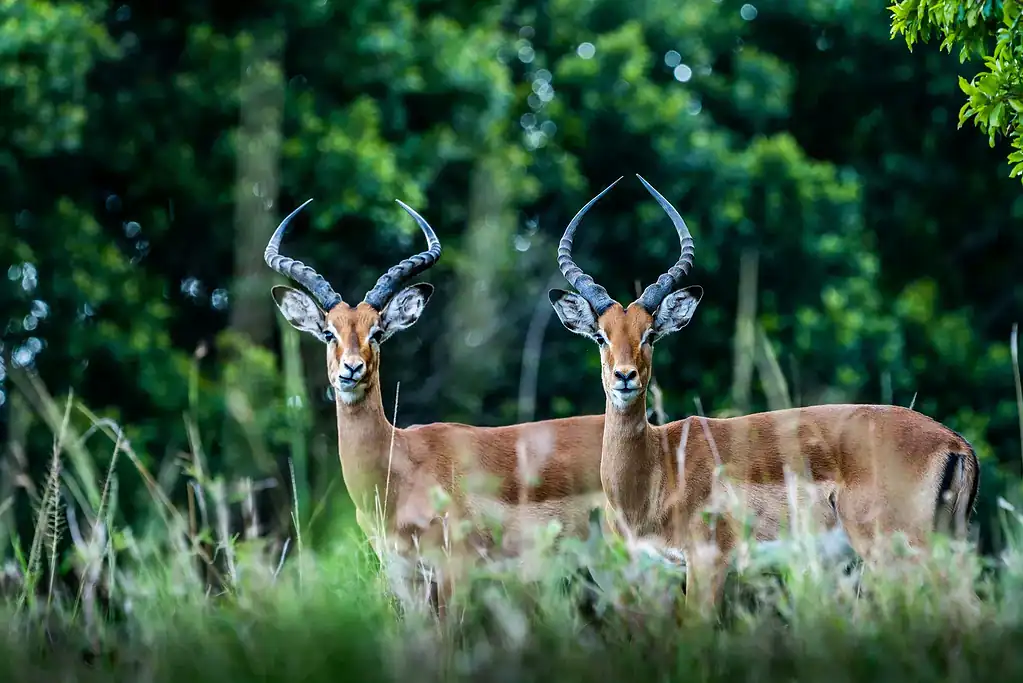
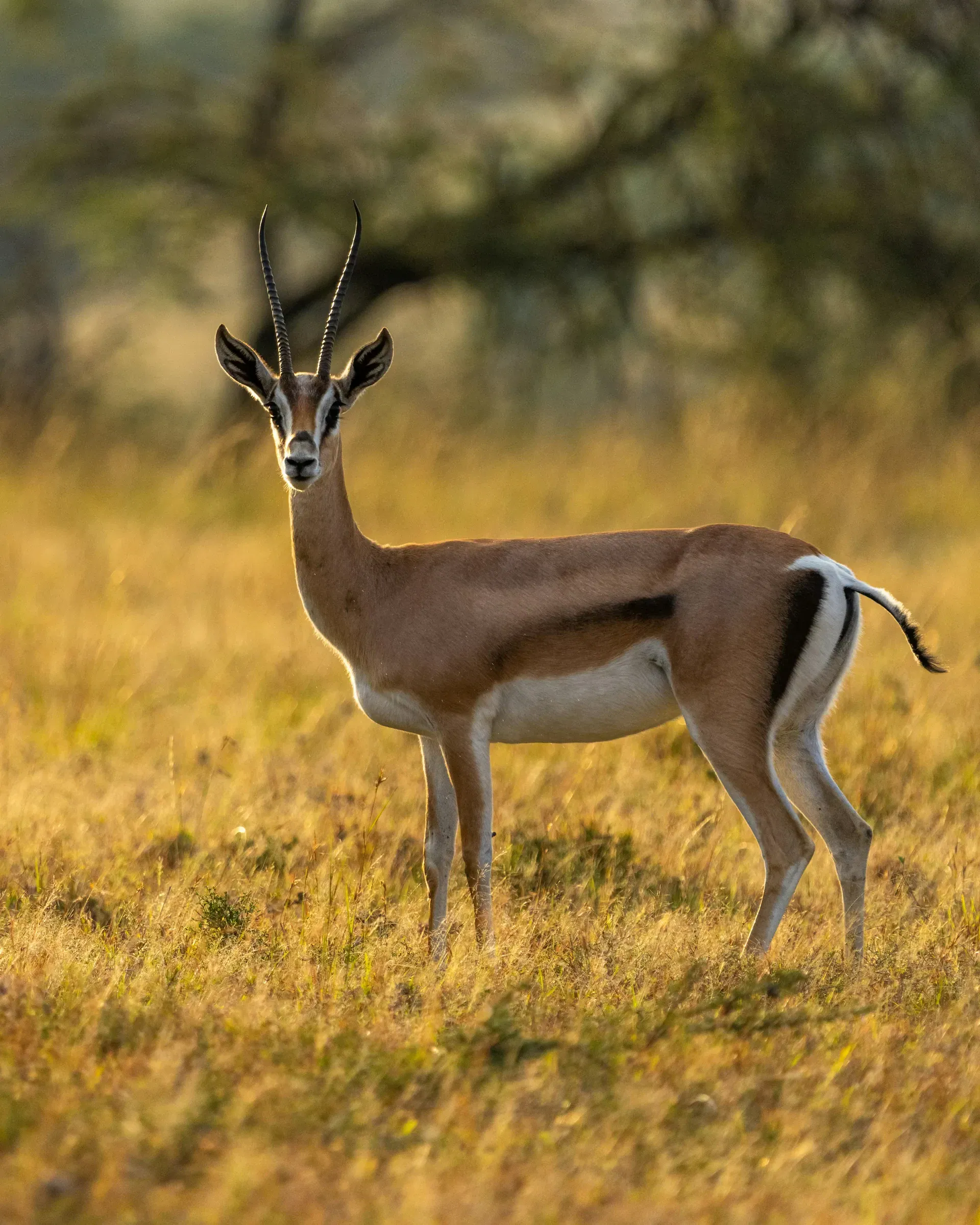
A walking safari brings attention to the ground and the nearby vegetation. Tracks across soft earth, a worn animal path, a change in grass cover or movement between bushes can start a discussion about how the habitat is used. The guide interprets signs actually present along the authorised route.
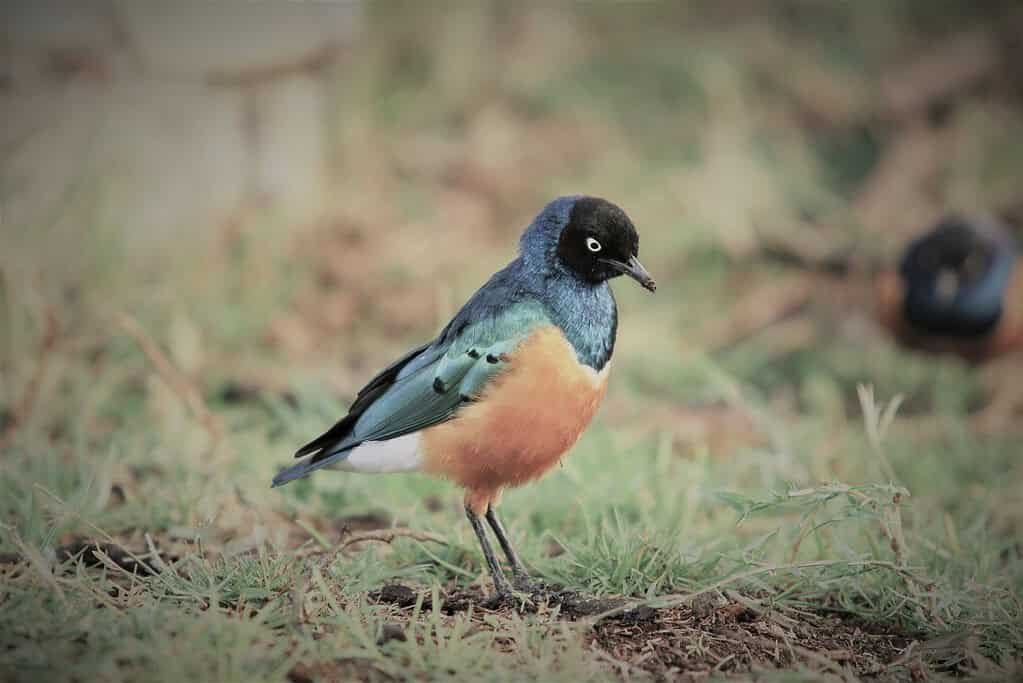
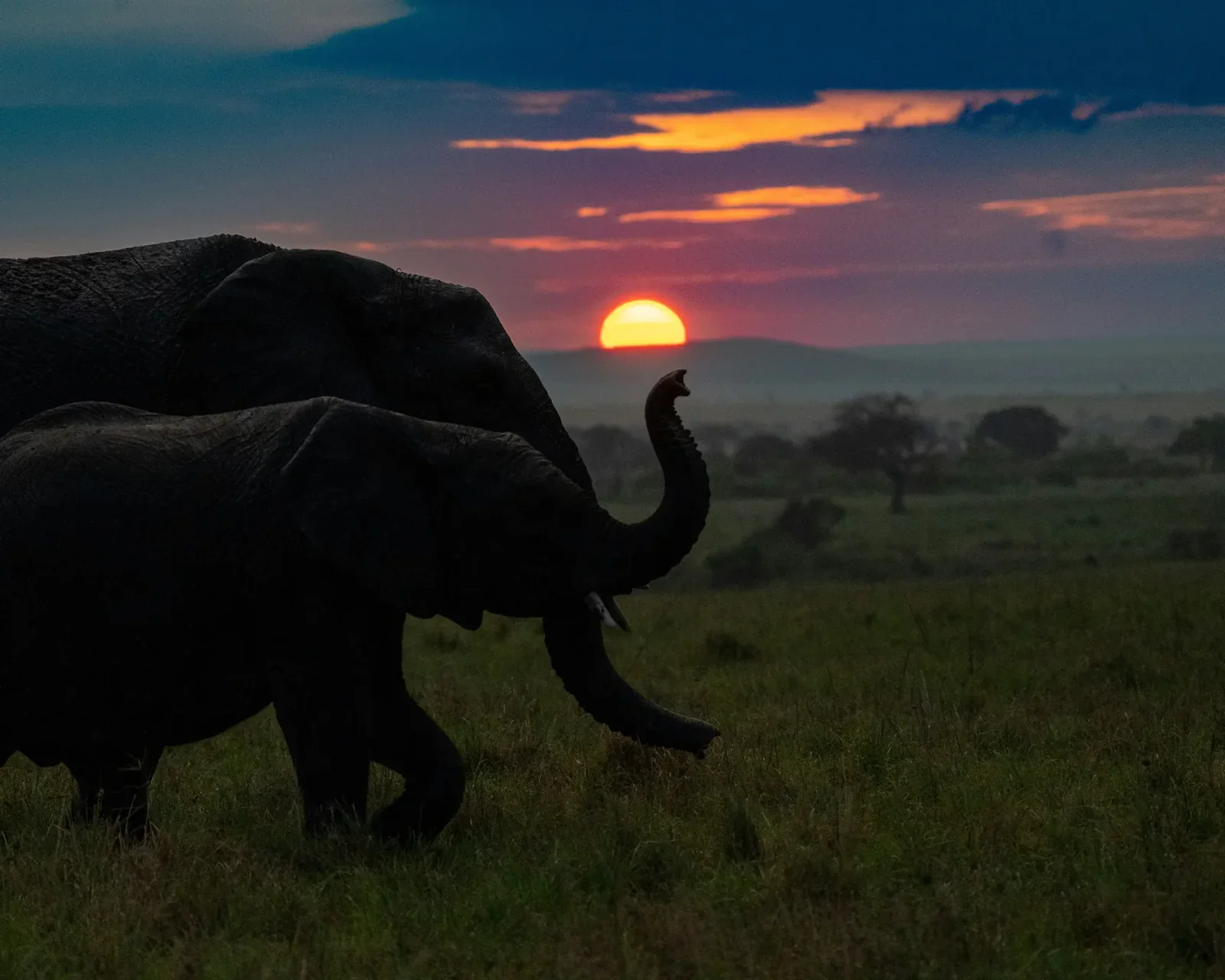
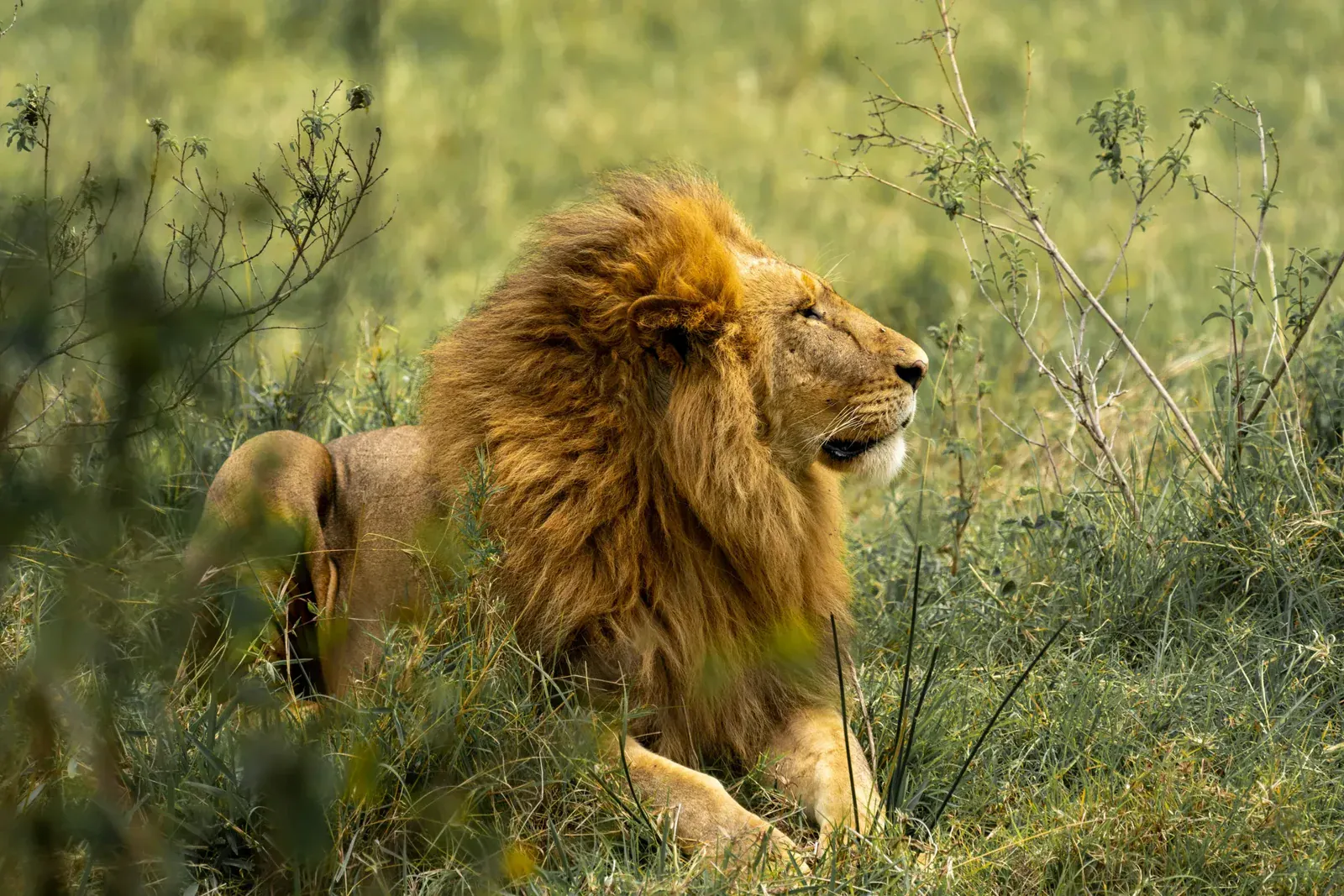
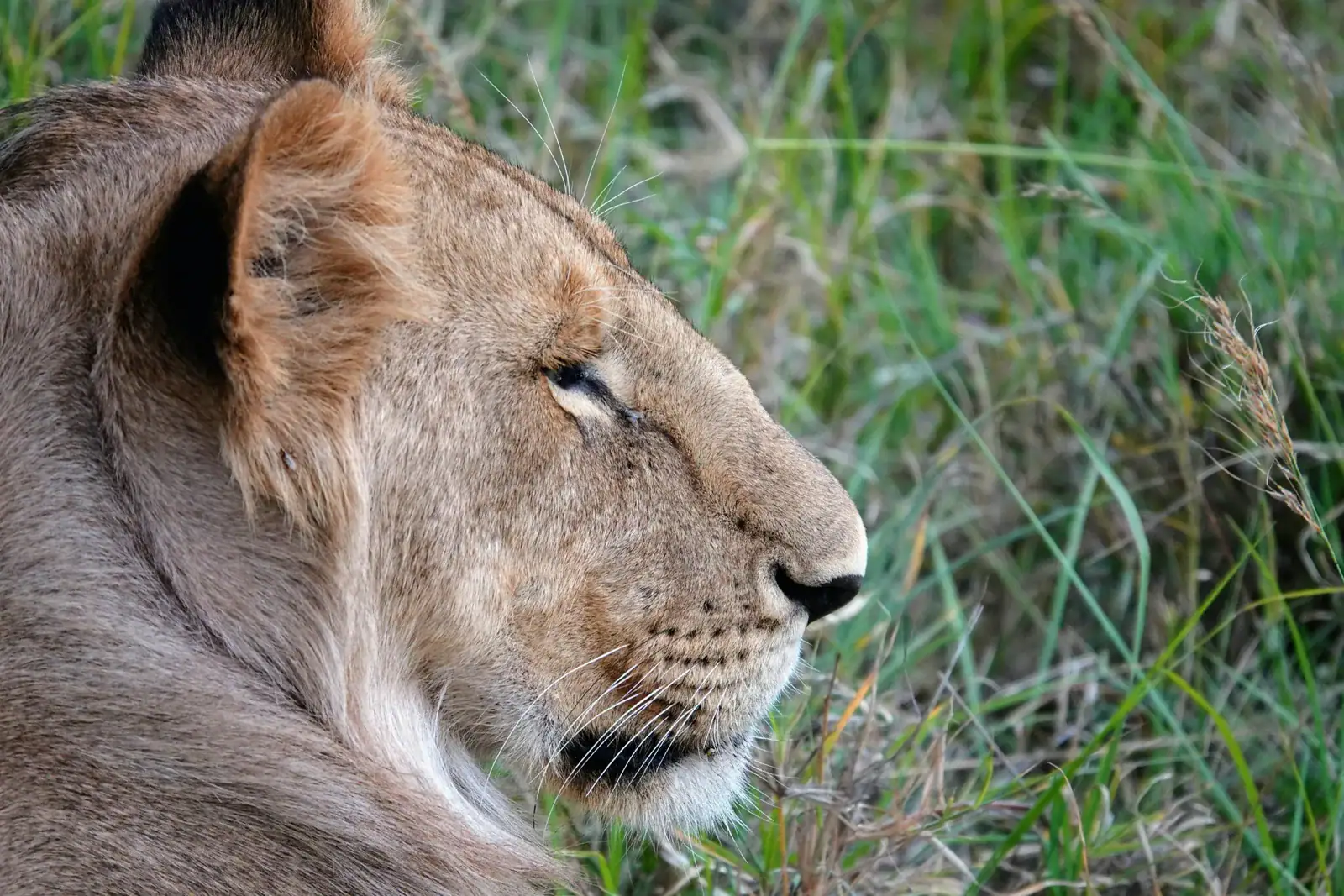
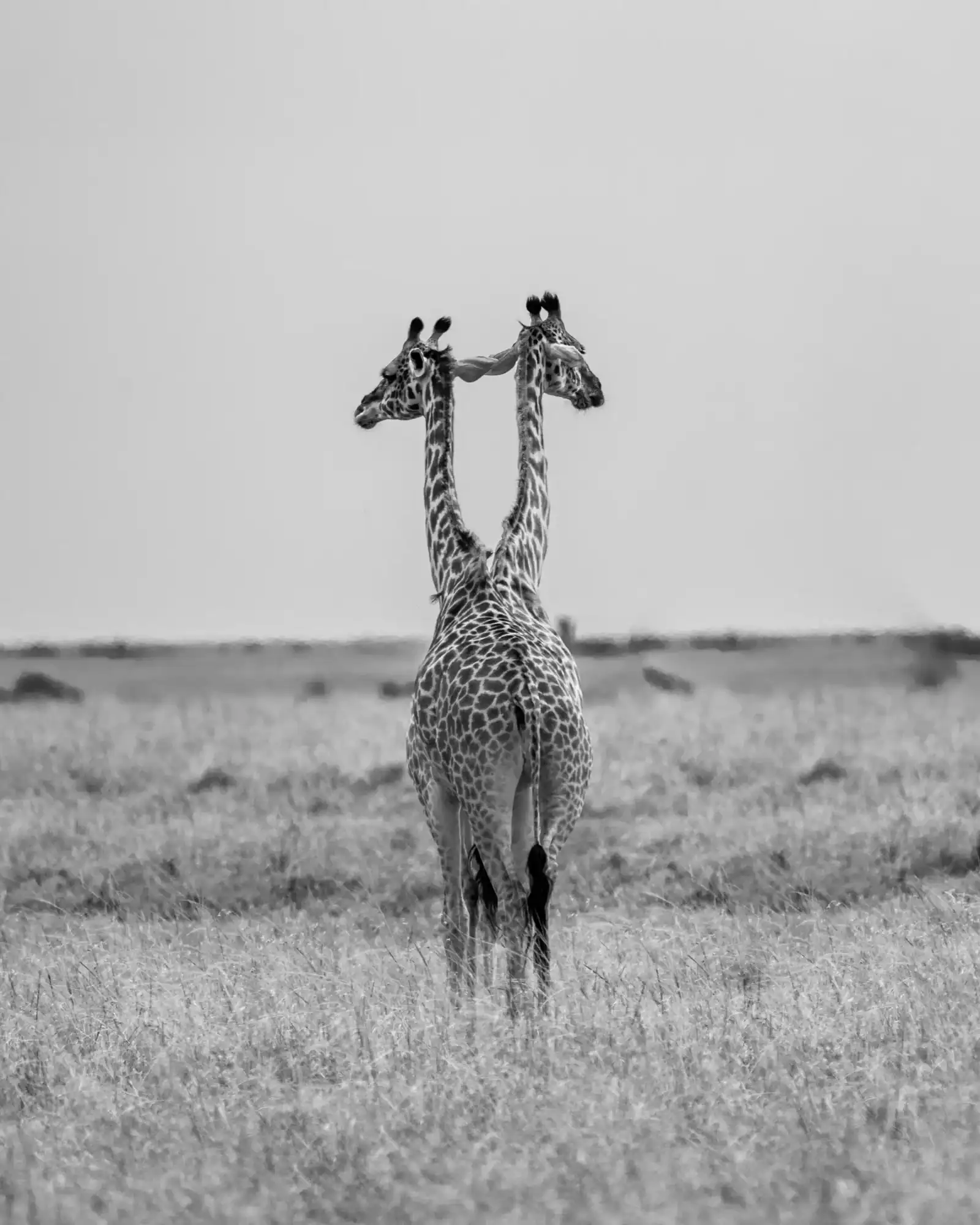
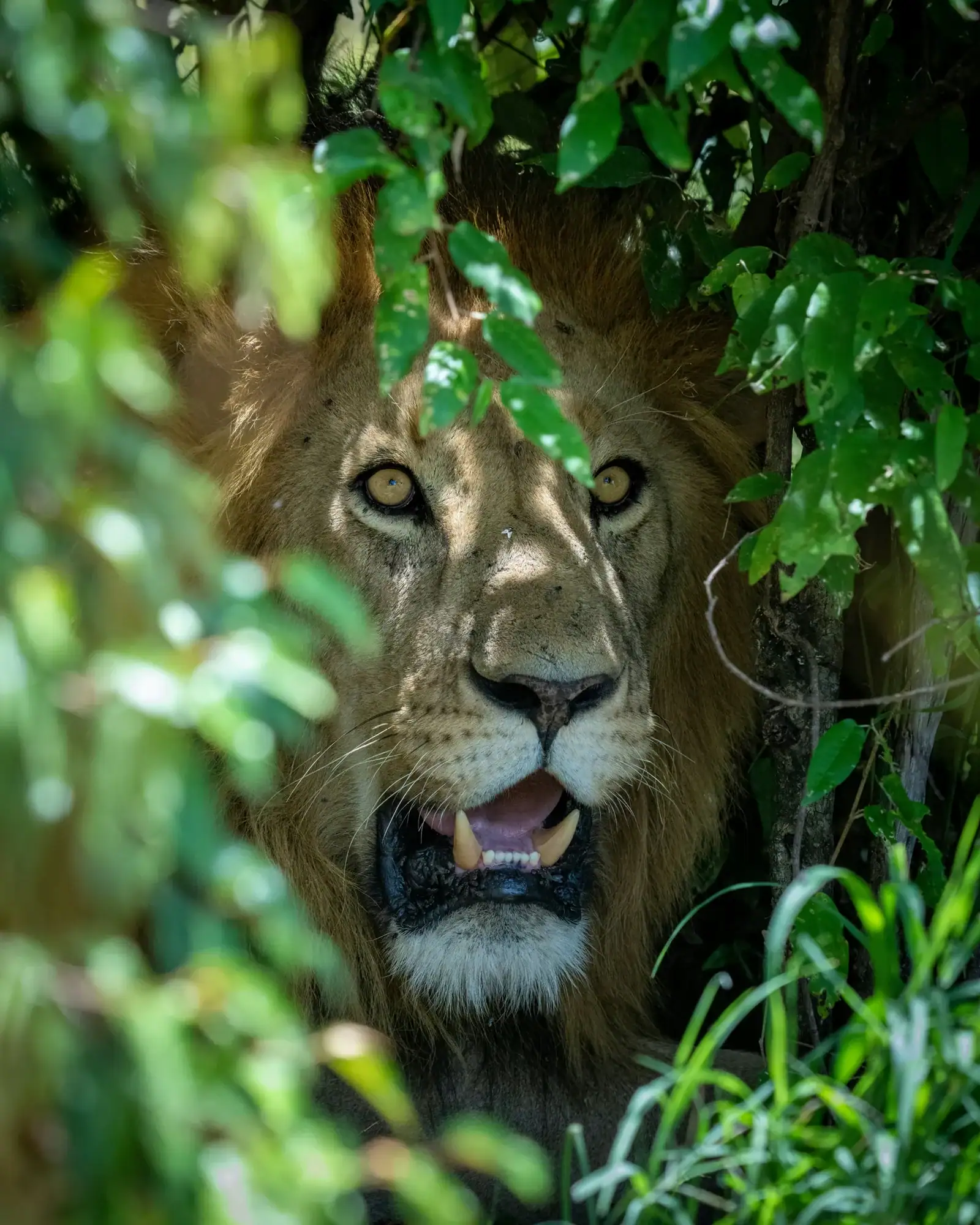
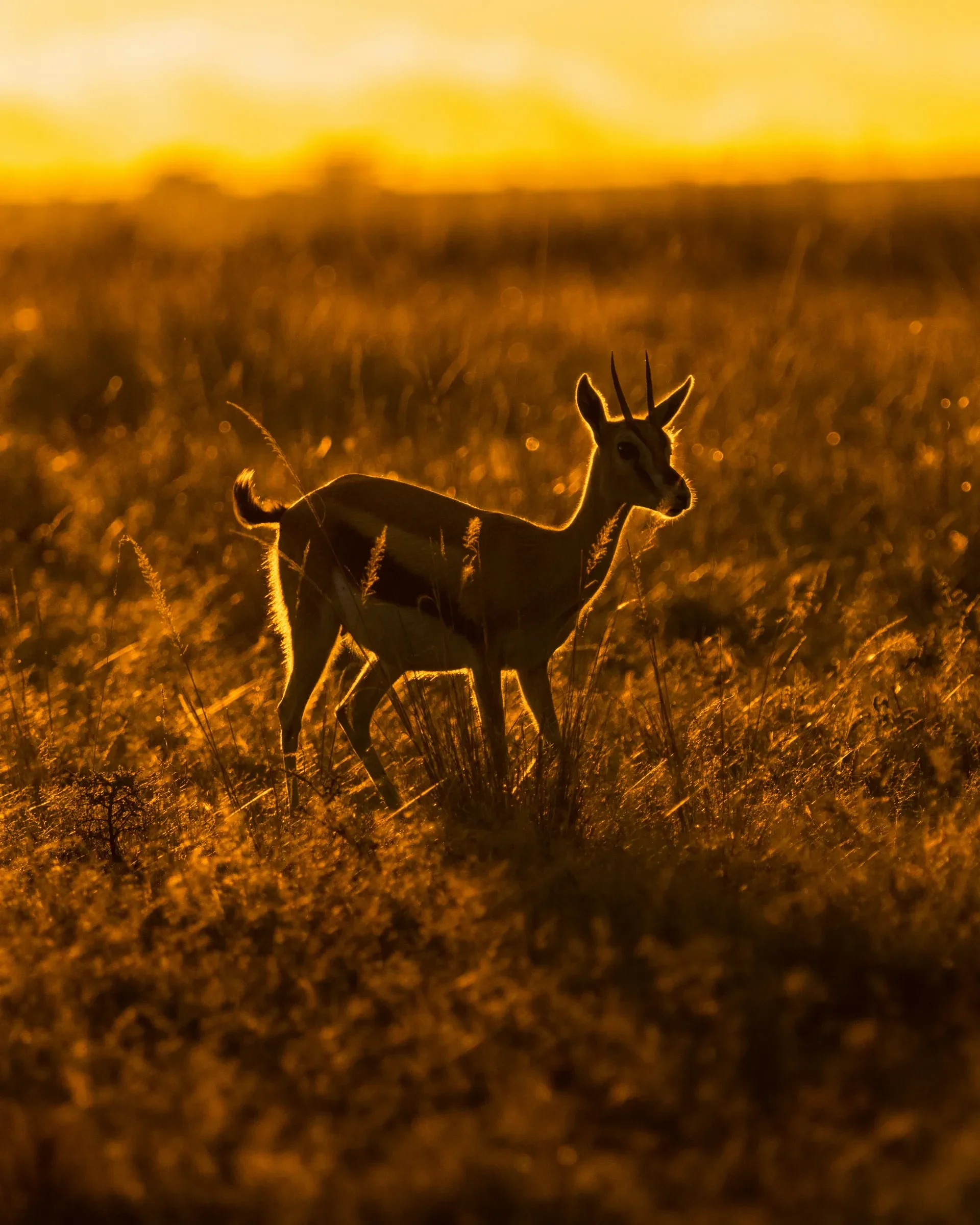
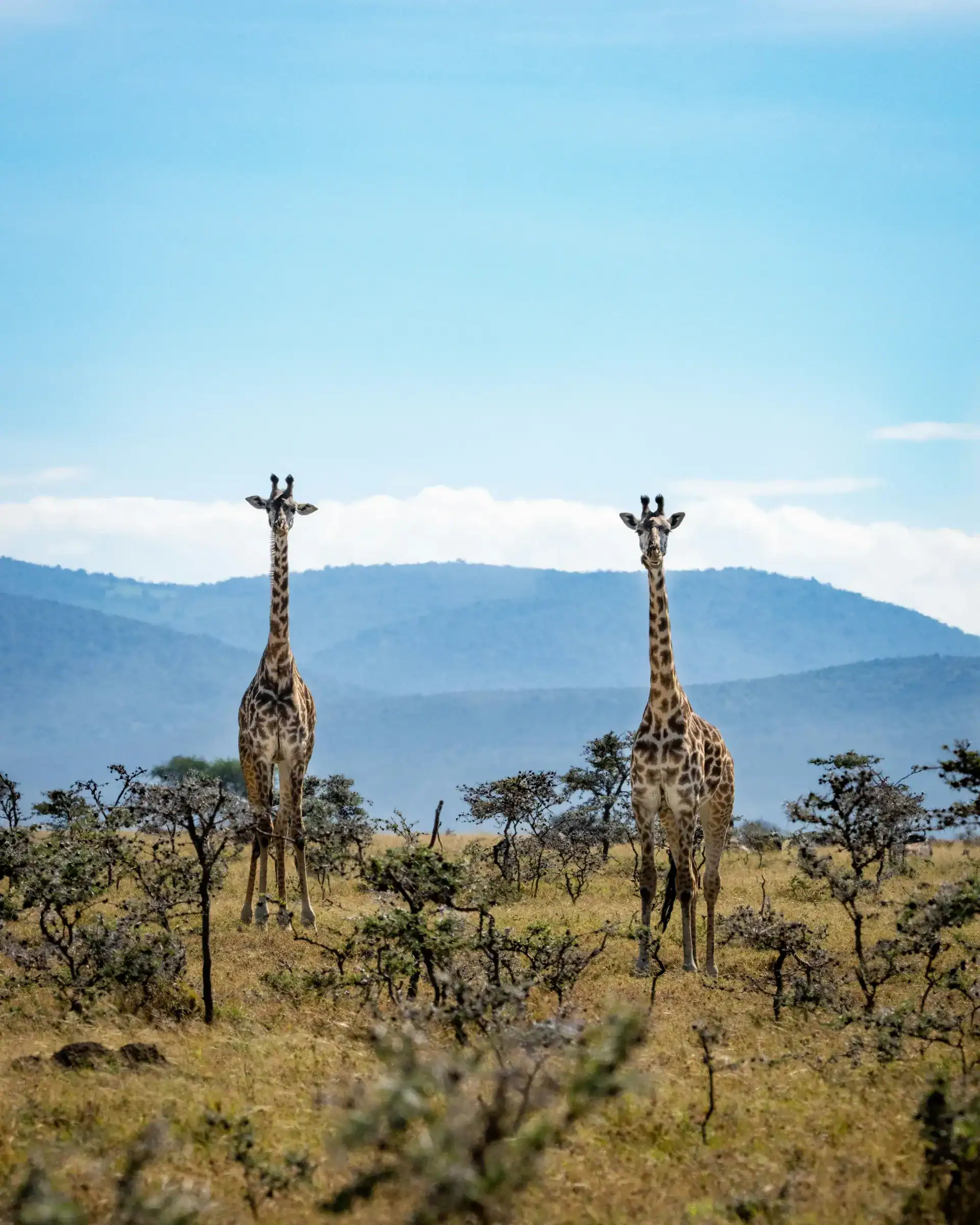
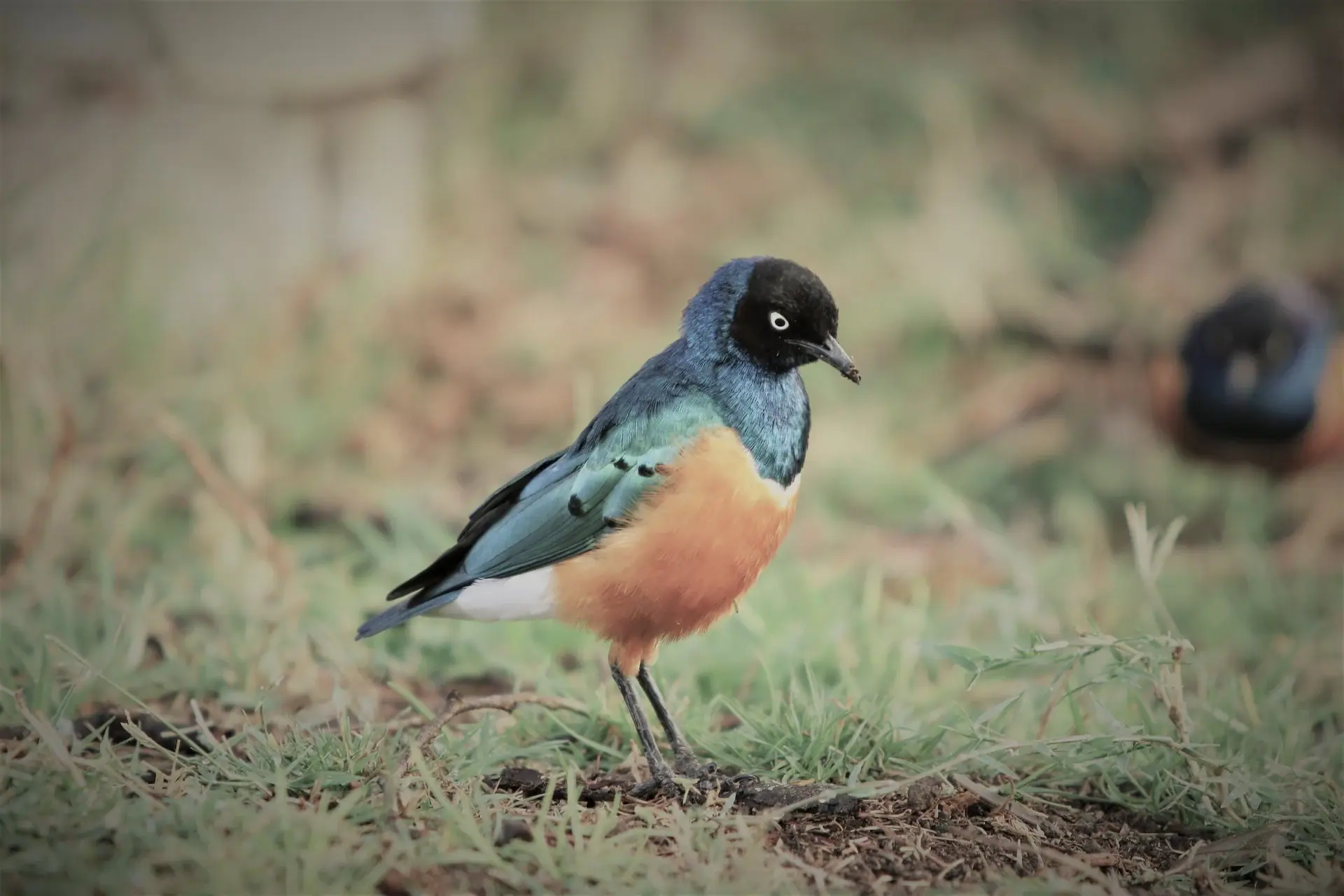
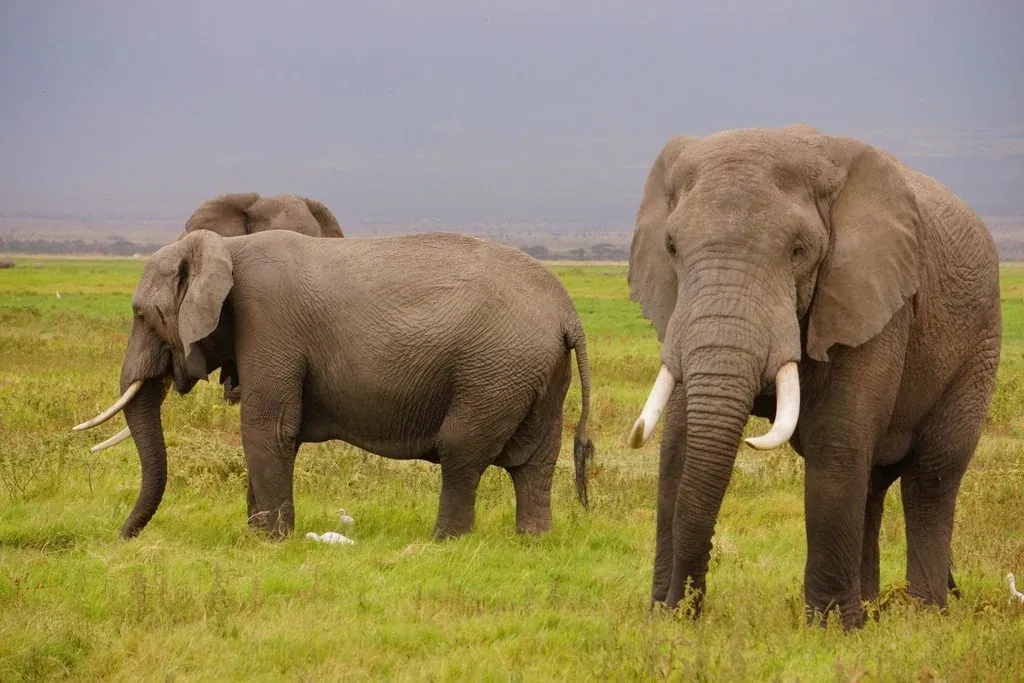
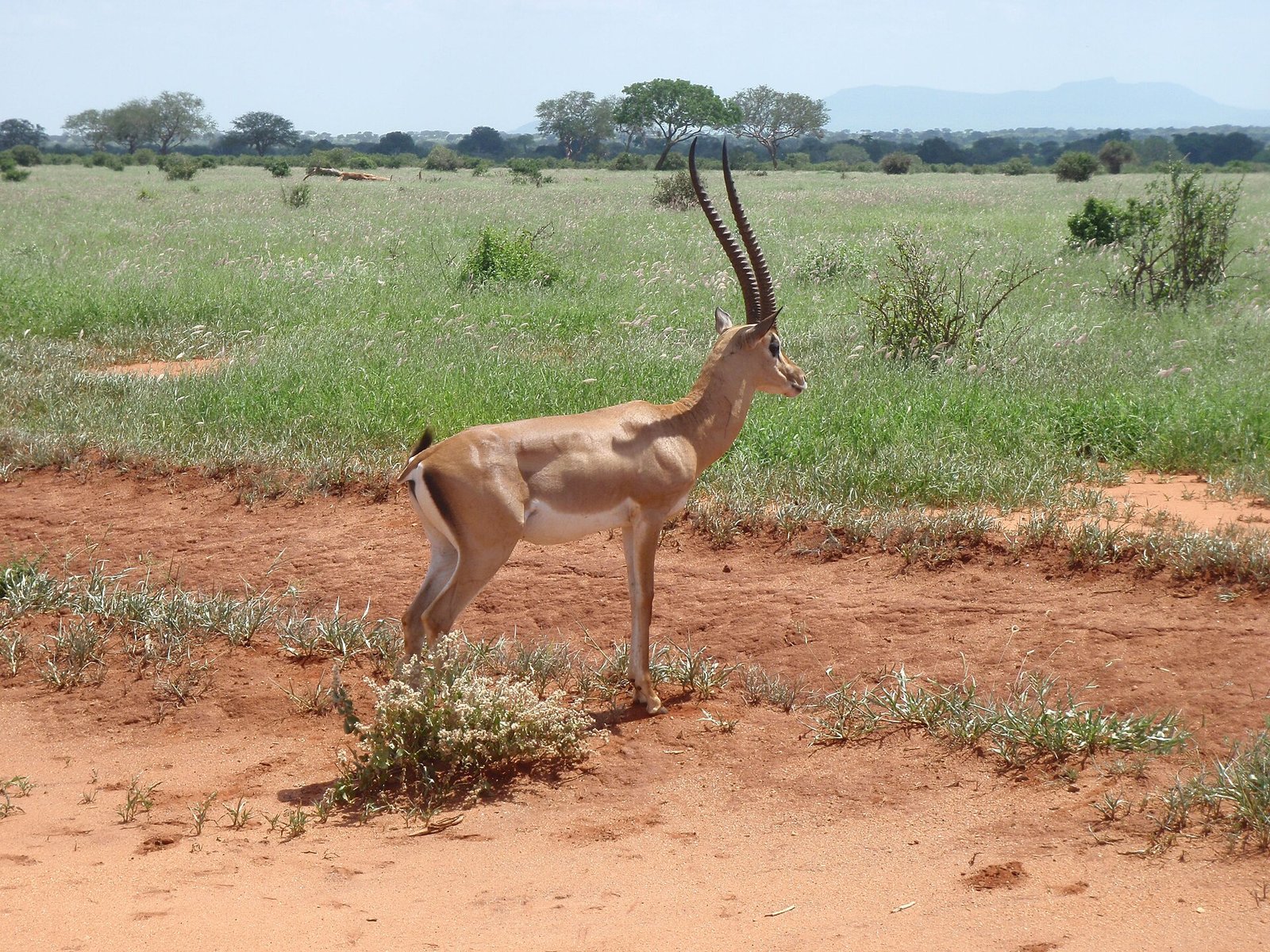
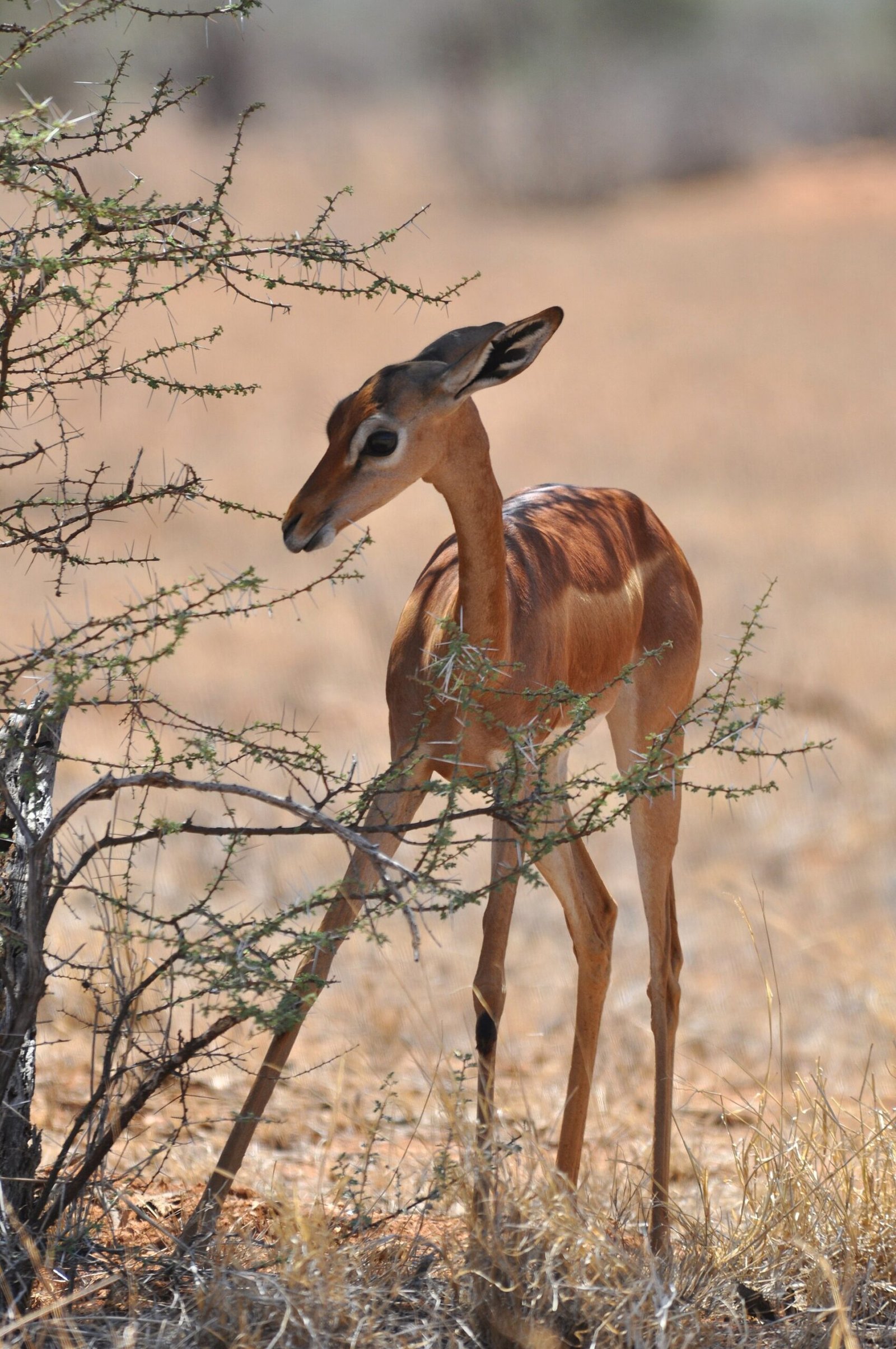
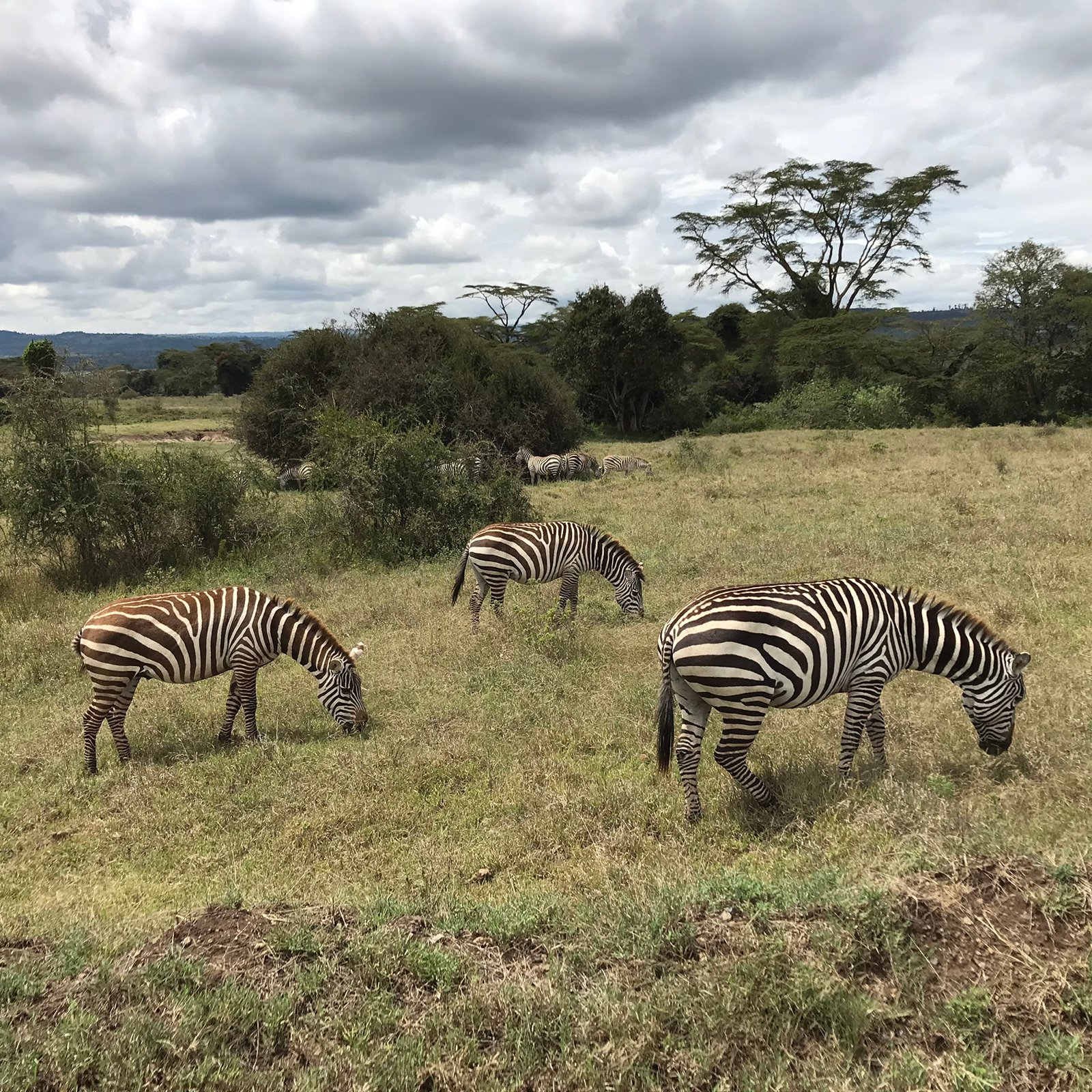
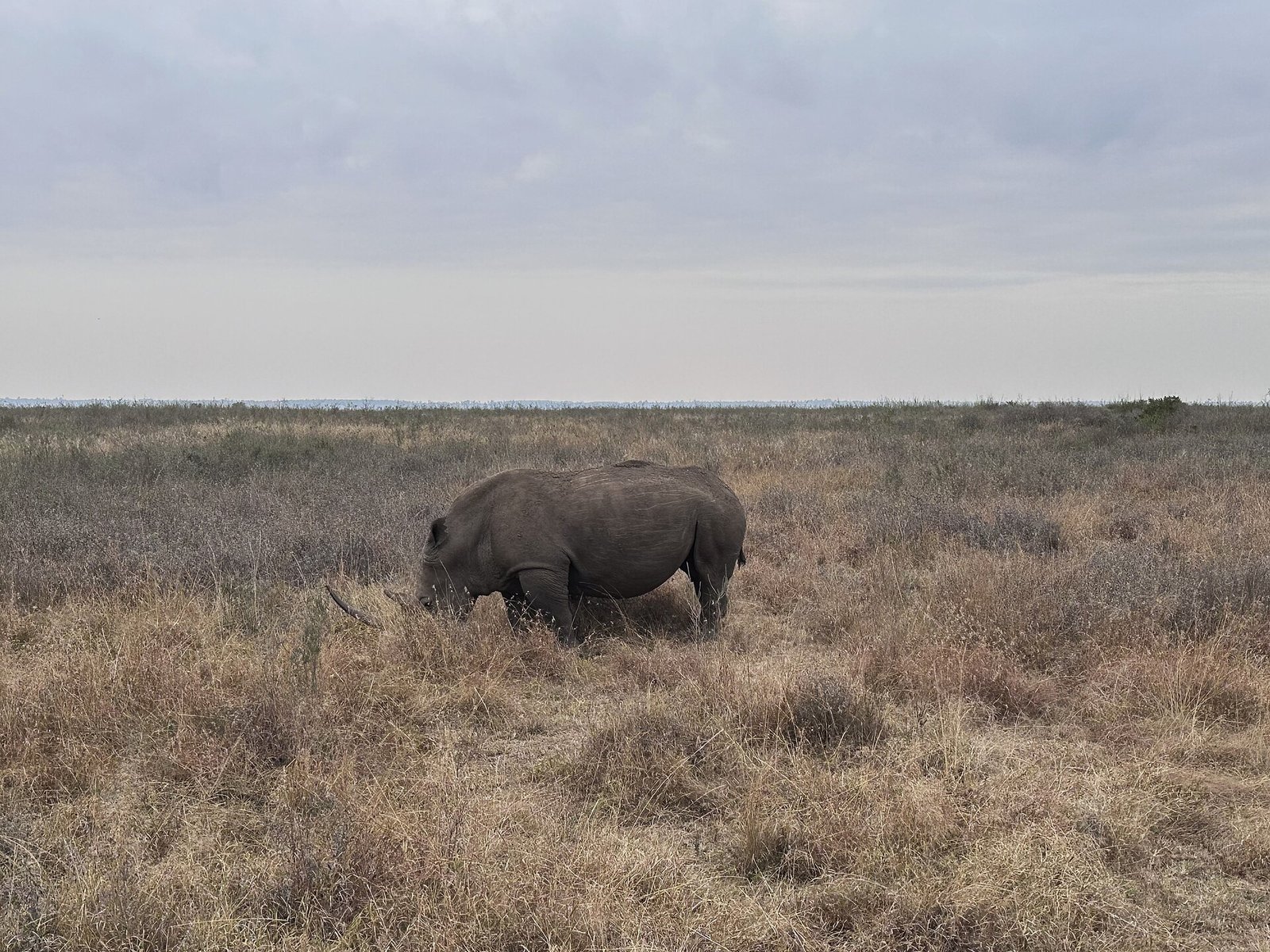
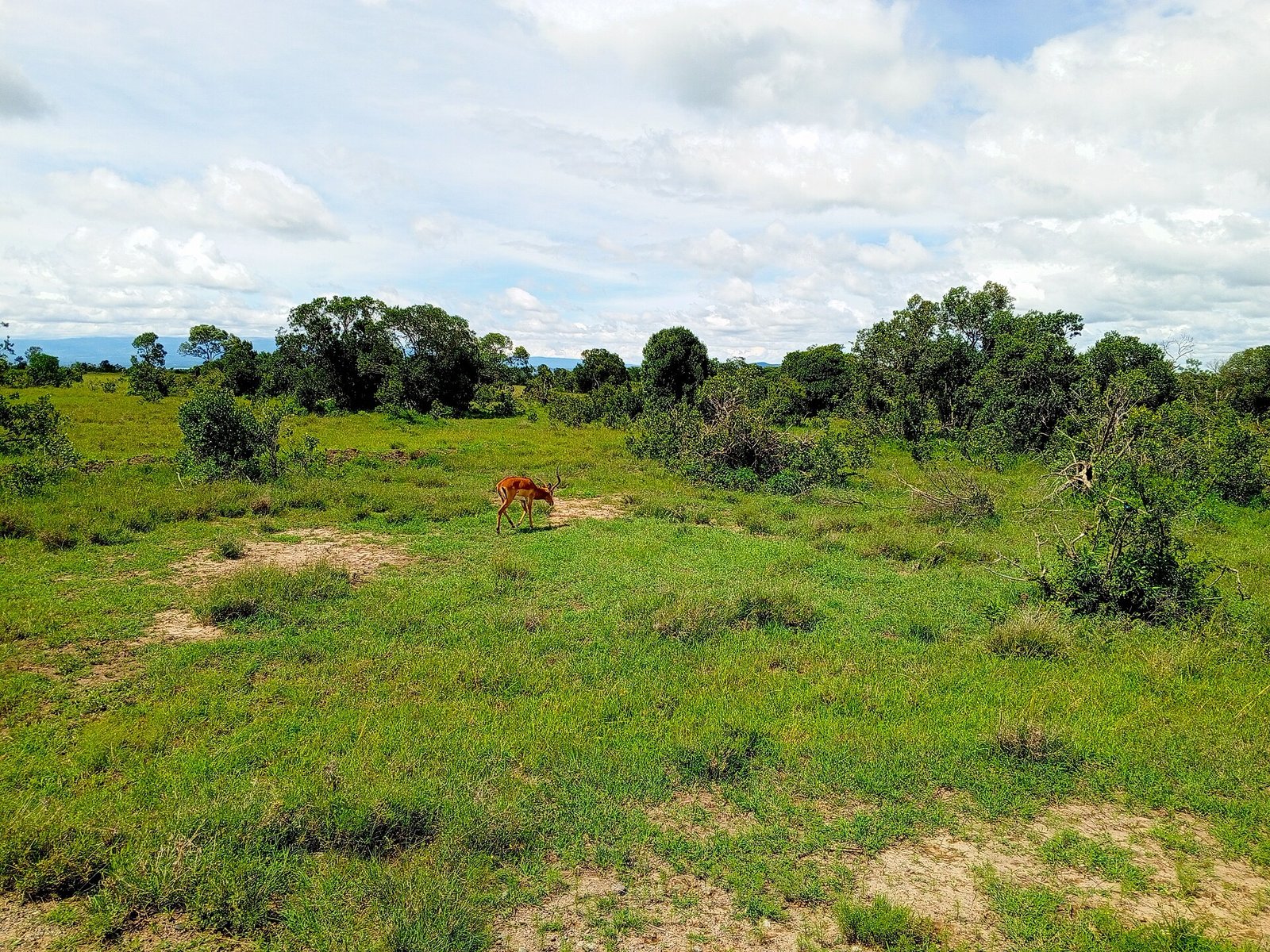
Leave plants, bones and other natural objects in place. Record observations with notes or photographs and follow the guide’s direction about what can be examined. The photographs here illustrate wildlife and habitat; they do not promise close approaches to the pictured animals on foot.
Bird watching on a walking safari
Bird interests can fit naturally with a guided walk where the provider’s route and guide expertise support them. Let the organiser know if you want time to listen, identify species and stop for observation. Do not assume that every general walking guide is providing a specialist birding programme.
Pace, suitability and children
Pace, terrain and personal suitability
There is no single distance, duration or fitness requirement that applies to every guided walk in the Mara. Ask the provider about the planned ground, pace, stopping opportunities and how the route can change. A short camp nature walk should not be treated as equivalent to a longer excursion in a conservancy.
Describe your party’s capabilities and preferences plainly. If someone has difficulty on uneven ground, needs frequent rests or has a concern about the outing, discuss it before the booking is confirmed. The provider needs relevant information to explain whether its arrangements are suitable and what alternatives may be available.
Ask what happens if a participant cannot continue comfortably. The answer should explain the specific return or support arrangements. Do not assume that a vehicle is always immediately alongside the walking party, or that the route can be adapted in every circumstance.
Children on a guided walk
Children’s eligibility is provider-specific. Acceptance at an accommodation property does not automatically mean acceptance on its walking safari. Give the organiser each child’s age and obtain the rules for the proposed activity before it becomes part of the itinerary.
As an example of a published camp-group policy, Asilia does not offer walking safaris to children under 12. That is the group’s own requirement, not a universal minimum age for every Mara guided walk. A different provider may impose different conditions, so check the actual booking rather than borrow an age limit from another camp.
Ask how any family members who do not walk will spend that period. Camp supervision and child-minding arrangements are separate questions. Do not assume that staff can take responsibility for a child because other members of the party have booked an excursion.
Clothing, photography and seasonal preparation
Clothing and equipment for walking
Wear comfortable footwear suitable for the provider’s intended ground and clothing that lets you move freely. A hat and an accessible water supply help with a walk in exposed surroundings. Follow the provider’s preparation list for the actual route, especially where terrain or weather affects the recommended equipment.
Photography on a guided walk
Discuss photography before choosing the walk. Ask whether the pace allows observation stops and what equipment can sensibly be carried. A guided walk is different from working with a long lens from a vehicle, where gear can rest between sightings and the party can wait within viewing rules.
Seasonal walking conditions
Discuss the likely walking conditions for your dates, then let the provider assess the actual conditions on the day. Grass, ground and weather influence which route is appropriate. A seasonal description is useful context, but it cannot establish that a particular walk will operate for your booking.
Ask how a change would affect your itinerary. A replacement activity may have different access requirements or arrangements. Confirm the provider’s booking terms rather than assume that any cancelled walking safari automatically converts into another excursion.
Conduct during the walk
Move with the guiding team and keep the party together. Observation stops are led by the guide, who decides where the group can stand and when it should continue. Stay attentive to directions even when a subject seems familiar or a photograph is nearly complete.
Point out something interesting quietly and let the guide assess it. Do not walk towards a track, call or animal on your own, and do not imitate wildlife calls to draw a subject closer. The walking safari is an opportunity to interpret the bush as it is, without changing the scene for a visitor’s benefit.
Take photographs from the agreed position and leave natural material where you find it. Avoid touching an unfamiliar object or vegetation merely because it is within reach. A guide’s explanation can help you understand an observation without collecting it or disturbing its surroundings.
Follow a route change or decision to stop promptly. The experience remains subject to the provider’s assessment of conditions. Treat flexibility as part of a responsibly led walking safari, with the guiding team determining what can be explored that day.
Access and safari inclusions
Ask for a written description of the walking safari’s inclusions, including the named location, guiding, transport and applicable access. Conservancy access is separate from a National Reserve ticket. Being on a private safari does not make every activity in the surrounding landscape part of the quote.
Where the wider programme includes a separately purchased Reserve visit, use the KAPS park-ticket portal after the organiser confirms which ticket is required. That ticket covers its stated Reserve entry arrangement; it does not authorise a walking safari in a surrounding conservancy.
Check the complete sequence, including departure from camp, any vehicle transfer, the guided walk and return. Clear inclusions make it easier to compare options fairly and prevent a small-looking activity description from hiding practical access or transport requirements.
Plan the rest of your Maasai Mara stay
- Maasai Mara activities – Compare the experiences that fit your itinerary.
- Game drives – Plan private wildlife outings from a safari vehicle.
- Bird watching – Make time for the wider wildlife of the Mara.
- Where to stay – Match your accommodation to access and activity arrangements.
- Safari costs – Check the current price basis and compare inclusions.
Explore safari packages
From USD 1,200 per person sharing
From USD 1,700 per person sharing
From USD 2,450 per person sharing
From USD 3,000 per person sharing
From USD 1,500 per person sharing
From USD 2,000 per person sharing
From USD 2,350 per person sharing
From USD 1,950 per person sharing
From USD 1,700 per person sharing
From USD 2,900 per person sharing
From USD 3,800 per person sharing
From USD 4,900 per person sharing
From USD 4,550 per person sharing
From USD 3,350 per person sharing
From USD 3,000 per person sharing
From USD 3,150 per person sharing
From USD 3,750 per person sharing
Plan your private Maasai Mara safari
Send your travel dates, party size, accommodation preferences and the experiences you would like to include. MaasaiMara.ke quotes and books private safaris through authorised tour operator partners. We will check the proposed arrangements and explain what can be included in your itinerary.