
Game drives in the Maasai Mara
Game drives are the main way to explore the Maasai Mara's wildlife from a safari vehicle. Plan your driving area, guide and timings around your interests, with realistic expectations and respect for park rules. Our safaris are private to your travelling party.
Planning your game drives
Driving area
Main Reserve, Mara Triangle and conservancies have different access and operating arrangements.
Private vehicle
Our safari vehicles and guiding are dedicated to your travelling party.
Wildlife interests
Tell us what you enjoy observing; animal encounters remain unpredictable.
Time at a sighting
Photography and patient observation need room in the programme, within viewing limits.
Entry arrangements
Confirm the areas and scheduled entry fees included in your itinerary.
Responsible viewing
Your guide should protect wildlife space and follow the rules of each area.
Choosing your game-drive area
| Setting | What to establish | Planning consequence |
|---|---|---|
| Main Reserve | Camp location, gate access and authorised viewing routes | Entry and travel arrangements should match each planned outing |
| Mara Triangle | Access to the western part of the National Reserve | The Triangle is part of the Reserve; its own management rules apply |
| Conservancy | Named conservancy, member-camp access and permitted activities | Access is a separate arrangement, not automatically included with a Reserve ticket |
| Nearby Greater Mara camp | Transport to the intended Reserve gate and return arrangements | A camp outside the boundary is not the same as staying inside the Reserve |
Our safari packages use the Reserve and nearby Greater Mara camps. Conservancy information here helps you understand the wider destination; it does not imply that a conservancy stay or access is part of your quote.
The game-drive experience
The Maasai Mara game-drive experience
Your guide leads the outing from the camp or your agreed pickup point into the authorised wildlife-viewing area. You look for animals from the vehicle, stop where conditions allow and follow the guide’s instructions. Some encounters are immediate and obvious; others reward careful searching through grass, branches or distant shapes on the plains.
Stay flexible about the route. A planned area may be less useful than expected, or an animal encounter may make it worthwhile to remain nearby. Your guide must still work within access rules and sighting limits. A change in route should serve a responsible wildlife outing, not become an excuse to enter restricted ground or crowd an animal.
Wildlife on your game drives
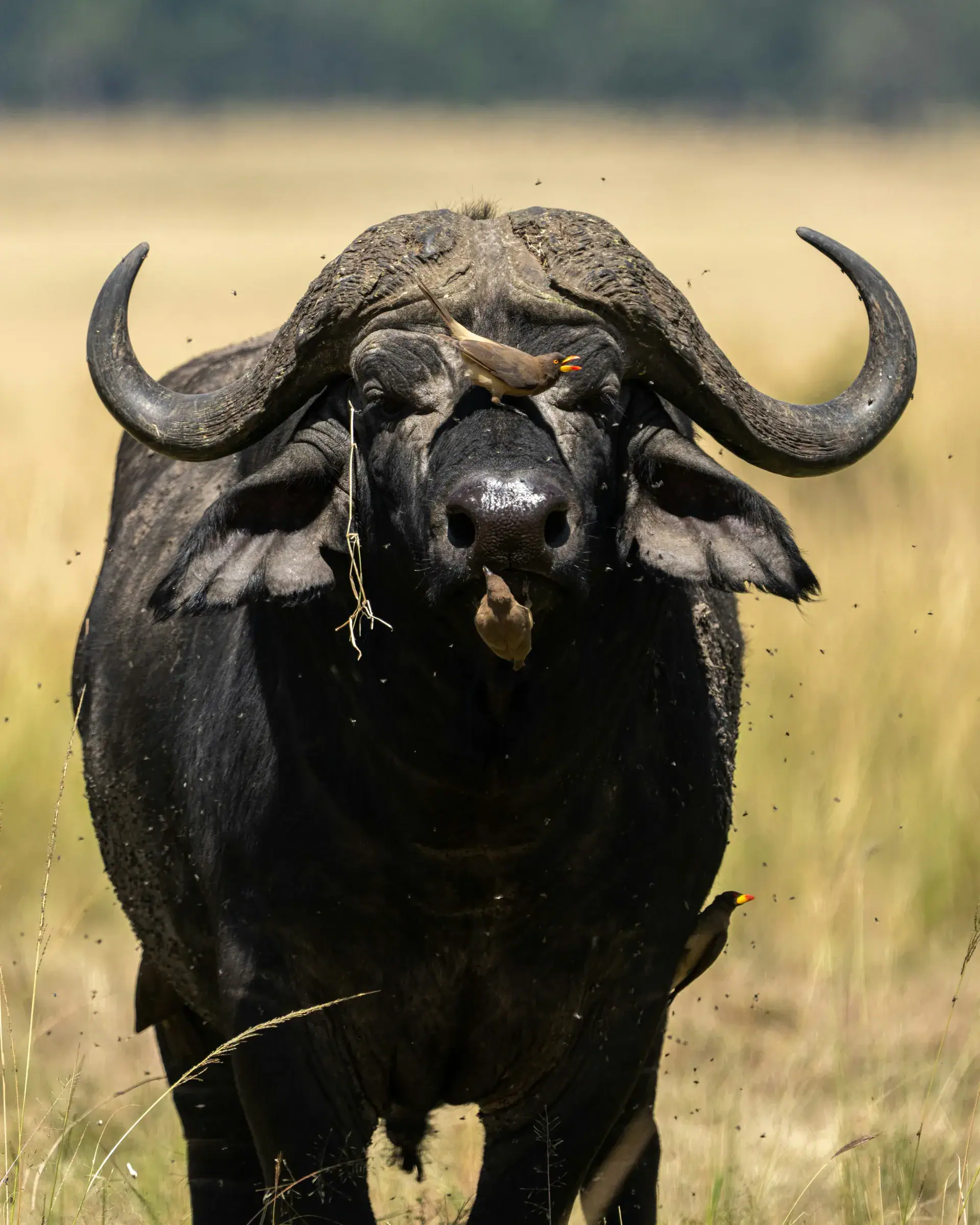
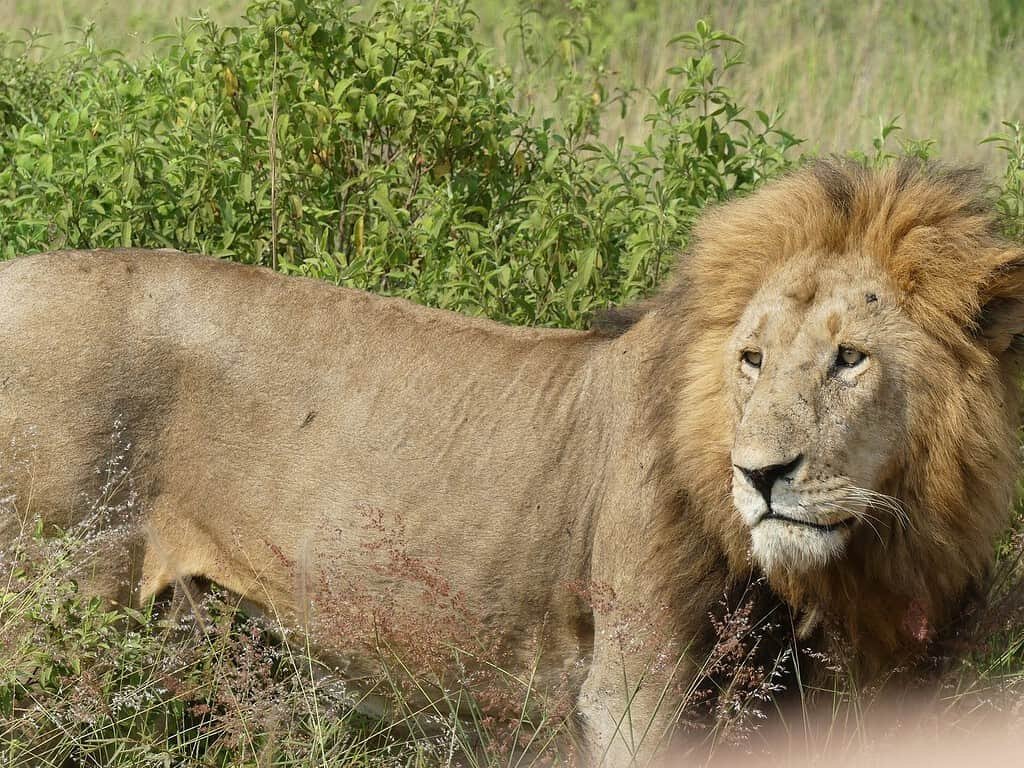
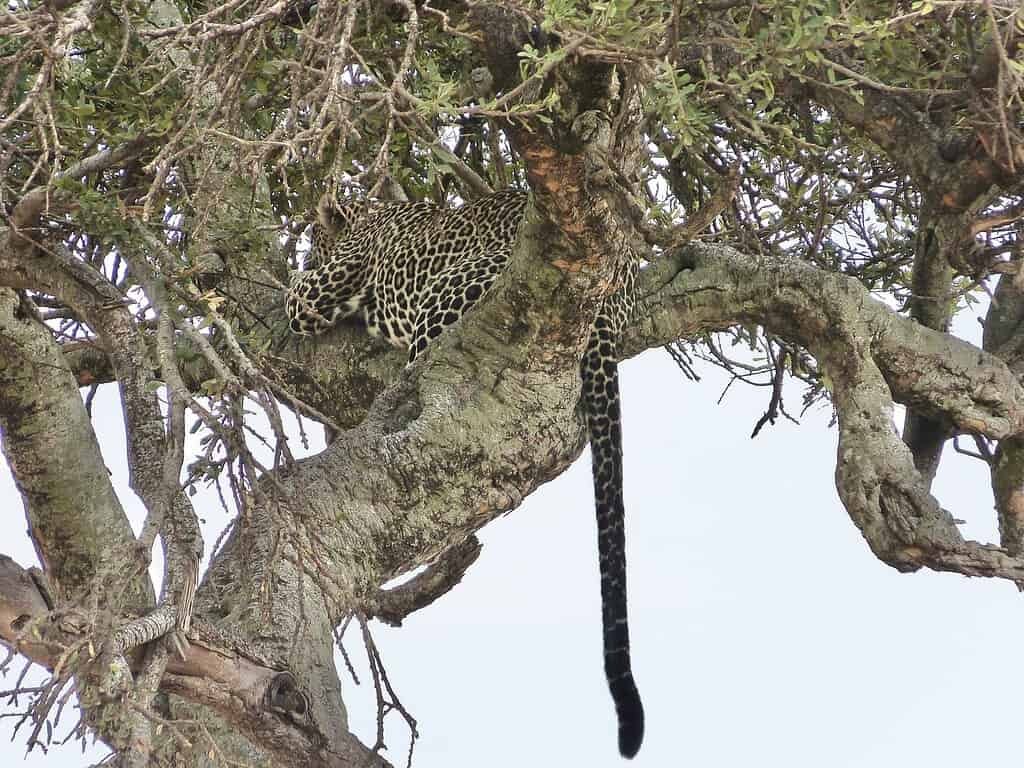
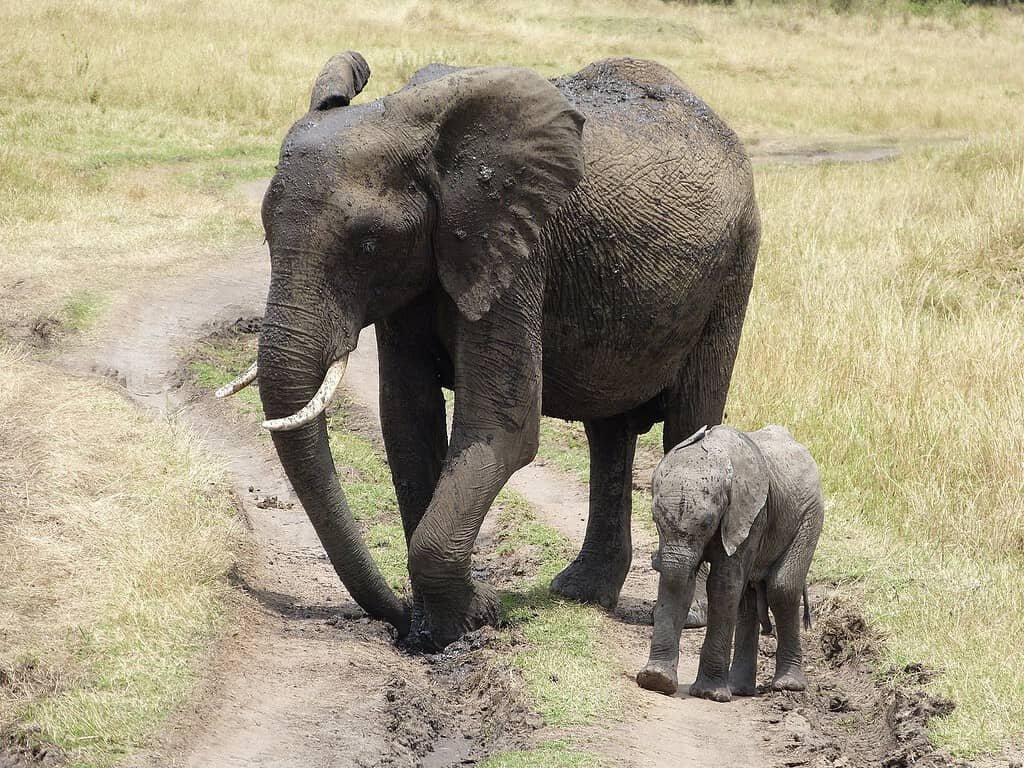
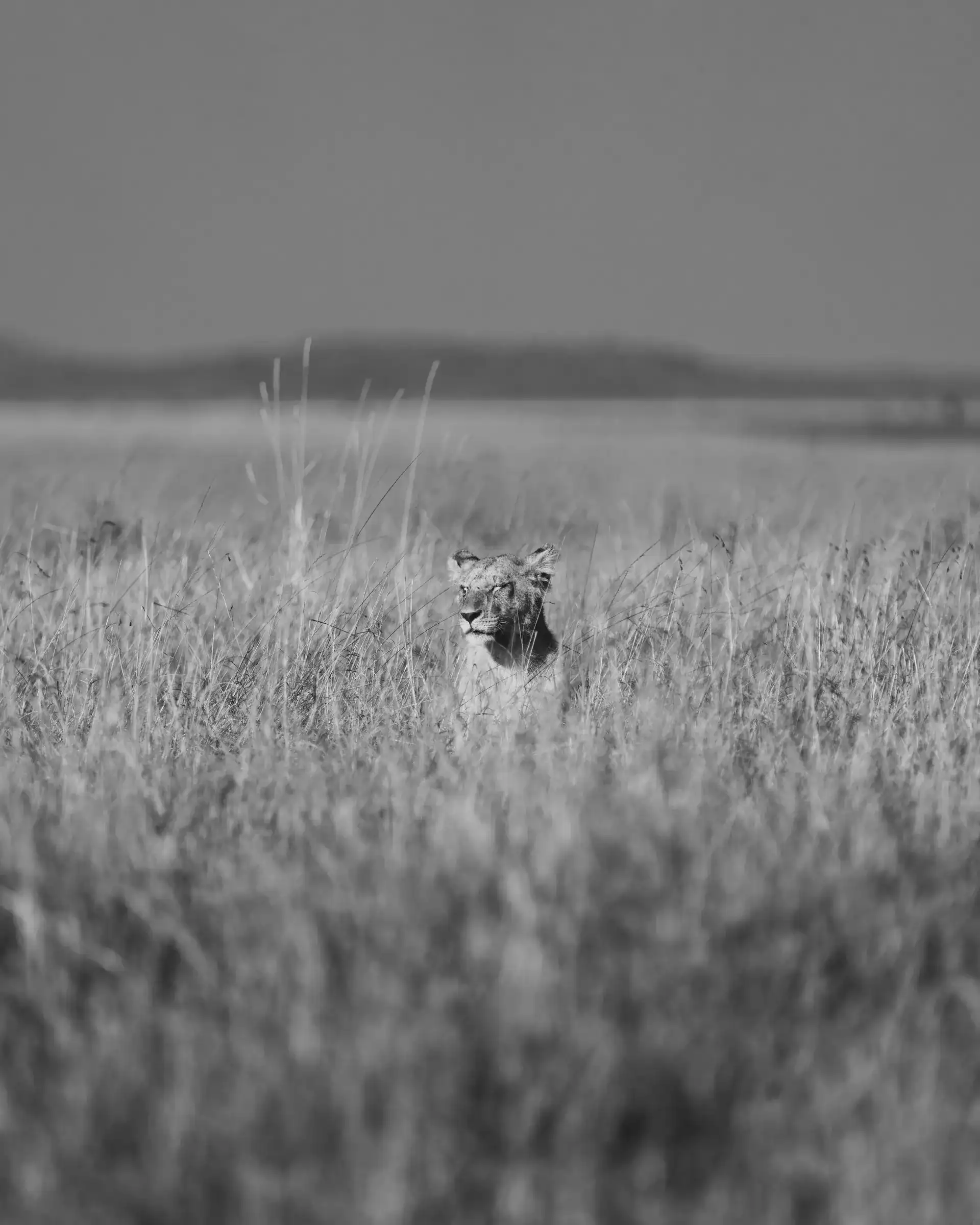
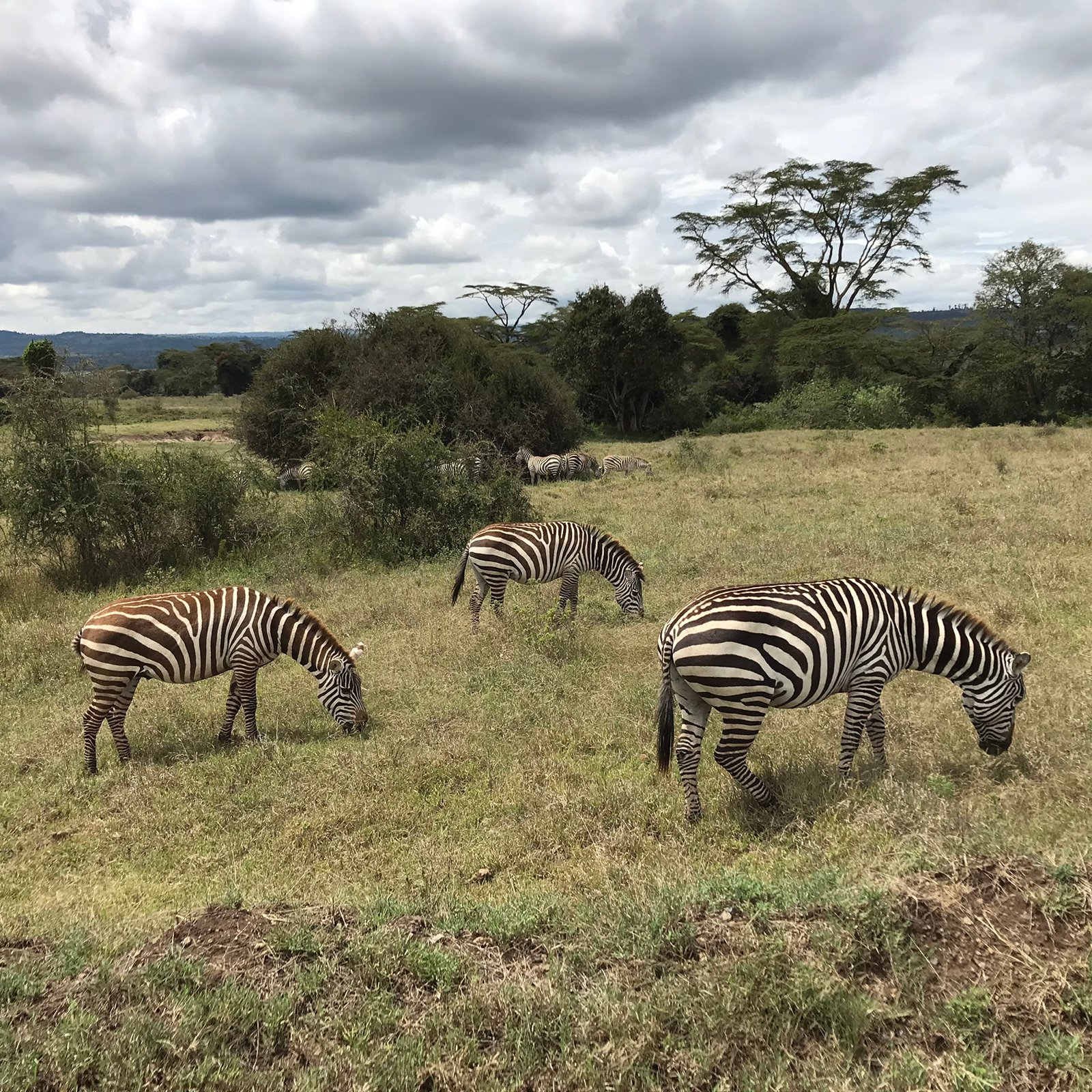
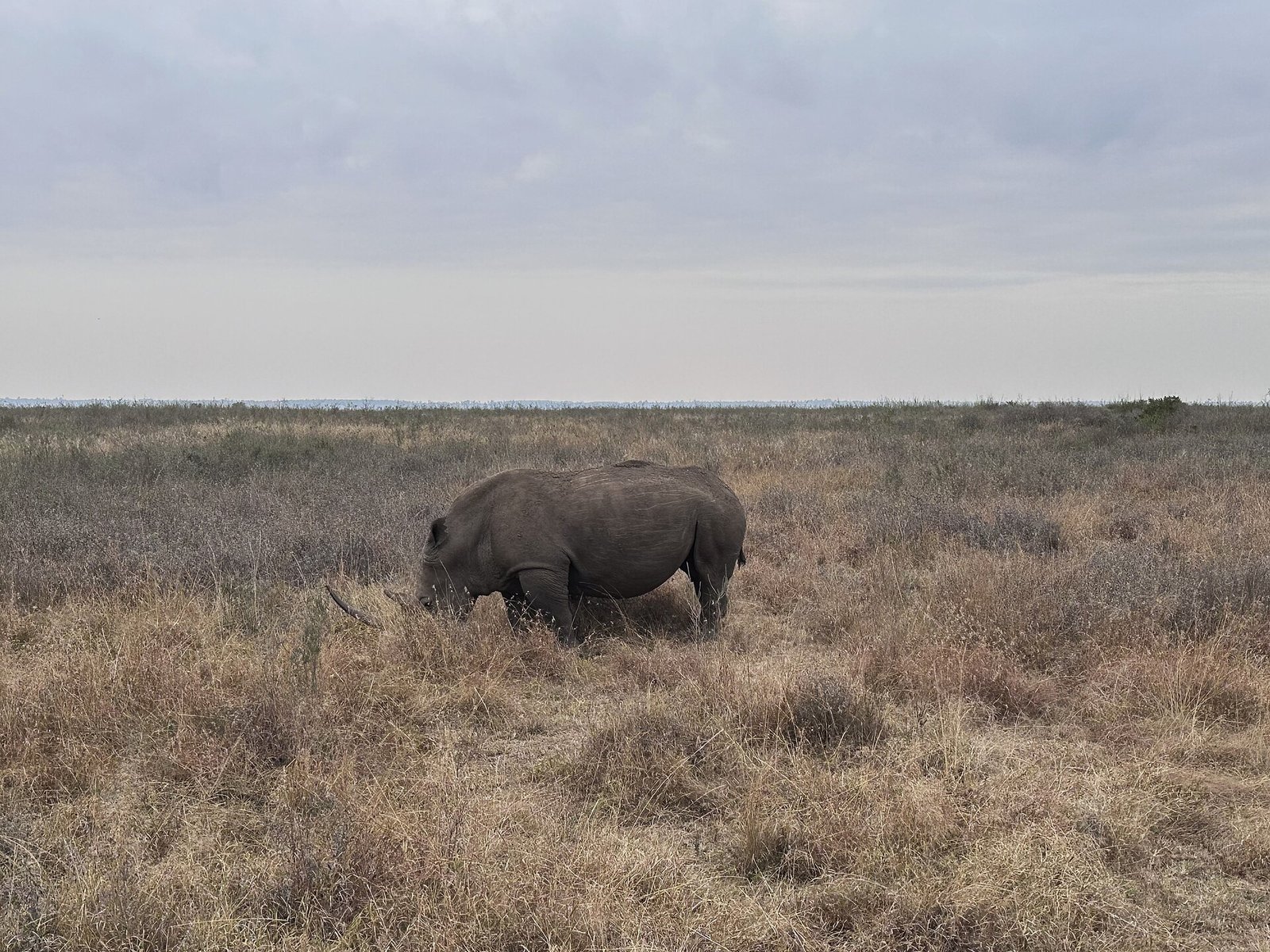
The Maasai Mara National Reserve is home to lion, leopard, elephant, buffalo and black rhino, the animals known as the Big Five. Cheetah is another wildlife highlight but is not a sixth member of that list. Finding every species on game drives is never guaranteed, particularly with concealed leopards and the small rhino population.
Animals resting, feeding or moving through their habitat are all worthwhile encounters. Resident lion prides hold territories across generations, and the Mara’s big cats breed throughout the year. A drive outside the migration season still has its own wildlife setting; the animals you encounter should shape your interest rather than an expectation that every trip follows the same script.
Morning, afternoon and longer outings
Compare the proposed programme rather than assuming every game drive has the same format. A morning outing, an afternoon outing and a drive with a packed meal leave different amounts of time for travel and observation. Ask how departure, meals and return to camp fit together, especially on the days you arrive or leave.
Private guiding, photography and birding
Private game drives for your party
MaasaiMara.ke safaris are private to the travelling party, with dedicated vehicles and guiding for transfers and game drives. Explain who is travelling and how they want to spend their time. A private arrangement helps the organiser plan around your group, but it does not remove the park’s restrictions or make wildlife sightings certain.
Your guide also has a responsibility to other visitors and the wildlife. Being in a private vehicle is not permission to stay indefinitely at a crowded sighting, approach more closely or choose a prohibited route. A well-planned game drive works with those limits while giving your party a rewarding experience.
Photography and bird watching during game drives
Photography can change the pace of an outing. Tell the organiser whether taking photographs is your main purpose or something you enjoy alongside general viewing. Discuss the equipment you will bring, the space available in the vehicle and how to balance time at a scene with the rest of the programme.
Wildlife positioning must remain responsible. Do not ask a guide to block an animal’s path, leave a prohibited track or flush an animal from vegetation for a photograph. A distant sighting or a partially concealed leopard can still be observed without forcing a closer encounter.
Migration viewing
The migration usually reaches the Mara in July, while its arrival, movement and departure vary. River crossings happen when the animals choose to move. They cannot be booked for a particular time, and a game drive near a river does not guarantee a crossing.
The Great Migration page and best-time guide explain the seasonal setting. Use them for planning context, not as live positions that your next game drive must follow.
Viewing rules and return times
Wildlife-viewing rules
In the Reserve, keep at least 25 metres from animals. The viewing rules limit vehicles around the relevant big-cat and rhino sightings to five; if a sighting is full, wait at least 100 metres away. The main Reserve and the Triangle have different provisions for giving way when other vehicles are waiting, so your guide must follow the rule that applies there.
Do not chase, feed or harass animals. Keep voices quiet, avoid clapping or cheering and never sit or stand on the roof of the vehicle. Stay inside except at picnic spots or other designated places. A wildlife sighting is not an opportunity to walk towards an animal.
Off-road access depends on the zone. The High Use and Mara River Zones prohibit it; the Low Use Zone has a limited exception for viewing big cats already seen from the road, followed by a direct return. That exception is not permission to cross protected ground in search of a rhino or another animal.
The rules protect feeding, breeding, resting and movement. A guide who gives an animal space is protecting the experience, not denying you a better safari. See the entry-fee and visitor-rule guide for the wider context.
Game drive routes and return-time limits
The Reserve’s speed limits are 50 kilometres per hour on graded roads and 30 kilometres per hour on other roads. These are maximums, not target driving speeds. Conditions and wildlife can call for slower travel. Your guide should choose a pace suited to the ground and the animals near the route.
In the main Reserve, visitors must leave or be back at their accommodation by 7 pm, and no entry is permitted after 6.30 pm. The Triangle similarly requires visitors to leave or be in camp by 7 pm. Its published gate hours run from 6 am to 7 pm, with no entry after 6.30 pm.
Do not confuse gate and return rules with the validity of a park ticket. They answer different questions. The ticket guide explains how entry arrangements work for your planned days; the guide running your game drives must also keep the outing within the operating rules.
Night drives are not permitted in the National Reserve, including the Triangle. Some conservancies authorise them under their own conditions. Our night game-drive guide explains the distinction; a late Reserve outing should never be advertised as a night safari.
Preparation and children
Preparing your party for game drives
Keep drinking water, binoculars and your camera within reach, with larger bags secured in the agreed storage space. A light layer is useful for an early departure, and sun protection matters when you spend time looking out of the vehicle. Choose practical clothing and carry only the equipment you can handle comfortably from your seat.
Make comfort part of the programme. Children and travellers who prefer shorter outings benefit from a rhythm that includes time at camp, while photographers and keen bird watchers may want longer observation stops. Tell the organiser about mobility requirements before the vehicle is assigned, because access and seating must suit the actual people travelling.
Keep the written itinerary available with the day’s access and meal arrangements. Our all-inclusive land packages include scheduled park fees and compulsory selected-property charges. If a Reserve ticket is bought separately, use the KAPS park-ticket portal for the ticket specified by the organiser. Current price information belongs on the safari-cost page.
Game drives with children
Build the day’s pace around the family rather than a target number of sightings. A shorter outing with time to watch one animal can be more engaging than continuous driving. Encourage children to notice differences in shape, movement and habitat, and let the guide explain what the animals are doing.
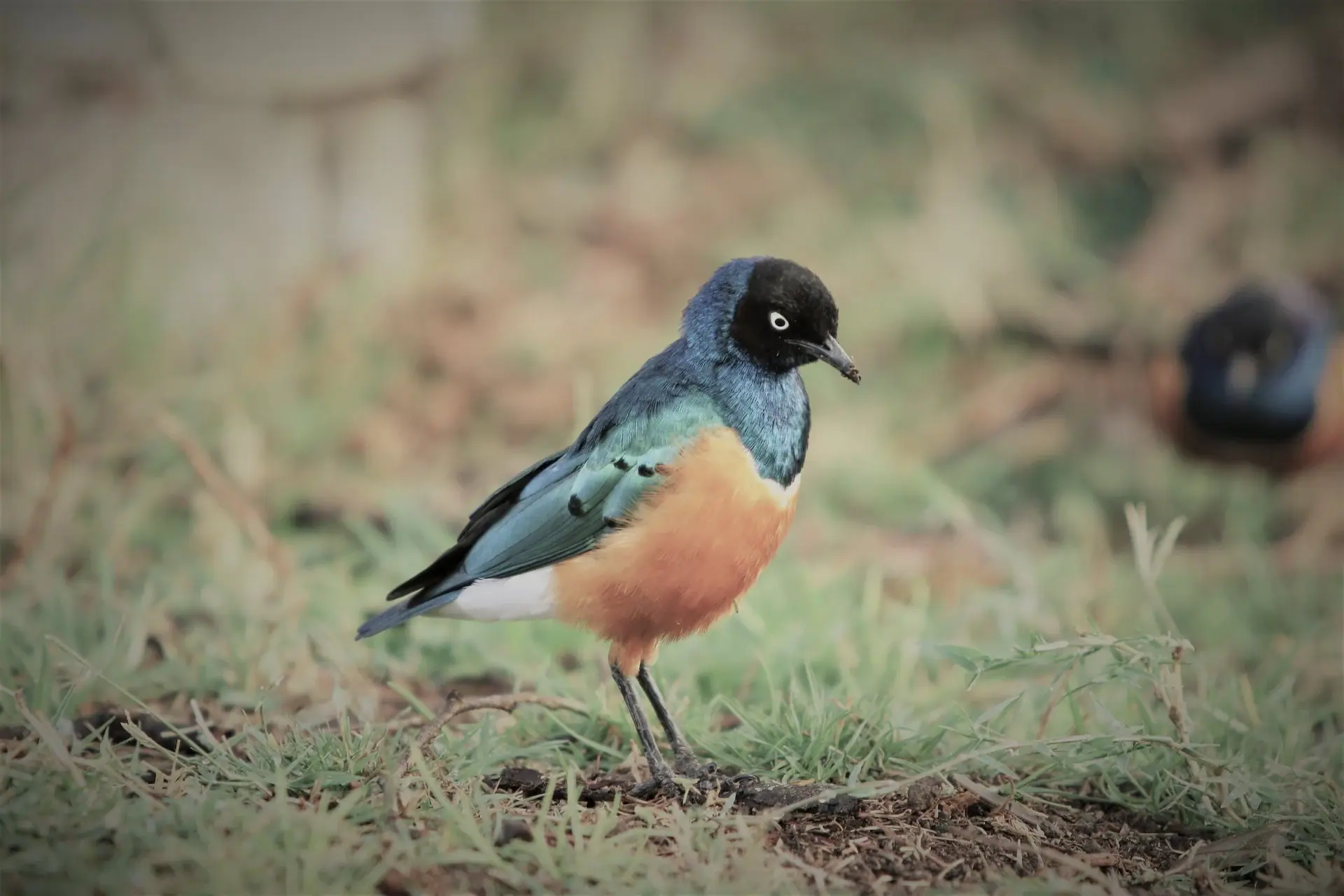
Give children a simple observation task: look for an animal’s tracks from the vehicle, compare the way different birds stand or notice which antelope use open grass. Keep the task quiet and observational. Feeding wildlife, calling to it or leaving the vehicle at a sighting are not ways to make the drive more interesting.
Arrival transfers and dedicated game drives
A transfer and a game drive have different purposes, even if wildlife can be seen along a transfer route. Check how the itinerary describes the journey from your arrival point to camp, and whether a dedicated outing is planned afterwards. Do not assume that a transfer alone provides the wildlife programme you expected.
Build the rest of your Maasai Mara experience
- Compare Maasai Mara activities – Choose experiences that fit the wildlife programme and your interests.
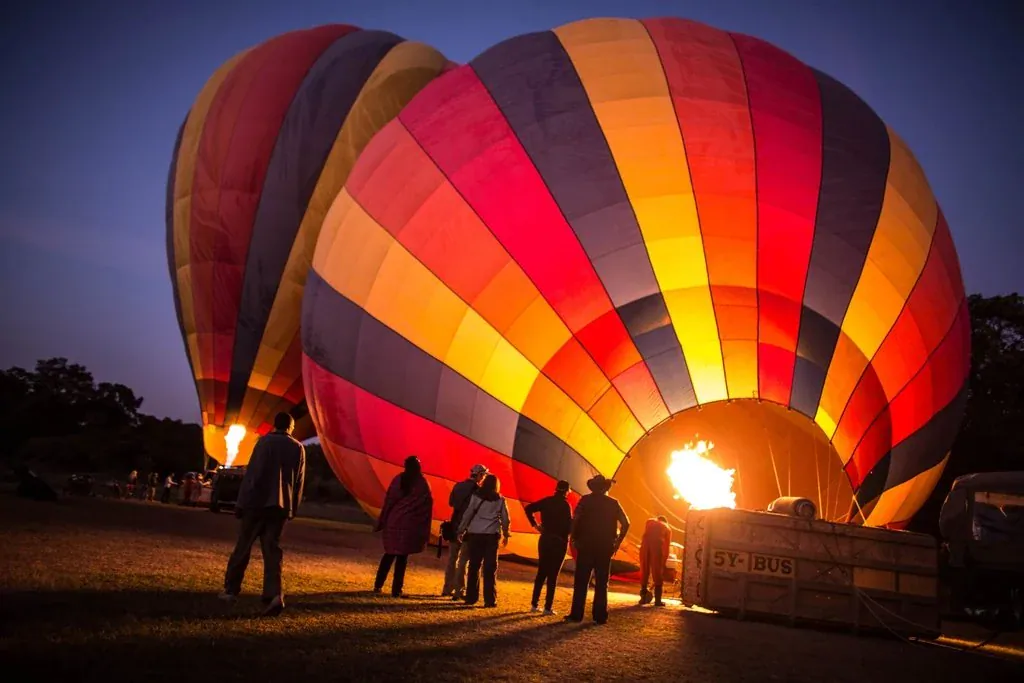
- Plan a balloon safari – Understand its separate pickup, passenger and weather arrangements.
- Where to stay – Compare the setting and access as well as the accommodation.
- Plan your safari – Connect game drives with travel, dates and practical preparations.
Explore safari packages
From USD 2,000 per person sharing
From USD 2,350 per person sharing
From USD 1,950 per person sharing
From USD 2,350 per person sharing
From USD 1,700 per person sharing
From USD 2,900 per person sharing
From USD 3,800 per person sharing
From USD 4,550 per person sharing
From USD 3,000 per person sharing
From USD 3,150 per person sharing
Plan your private Maasai Mara game drives
Tell us your dates, party size and wildlife priorities. MaasaiMara.ke quotes and books private safaris through authorised tour operator partners, who plan and fulfil your trip. We can help match your interests to a suitable game-drive itinerary.