
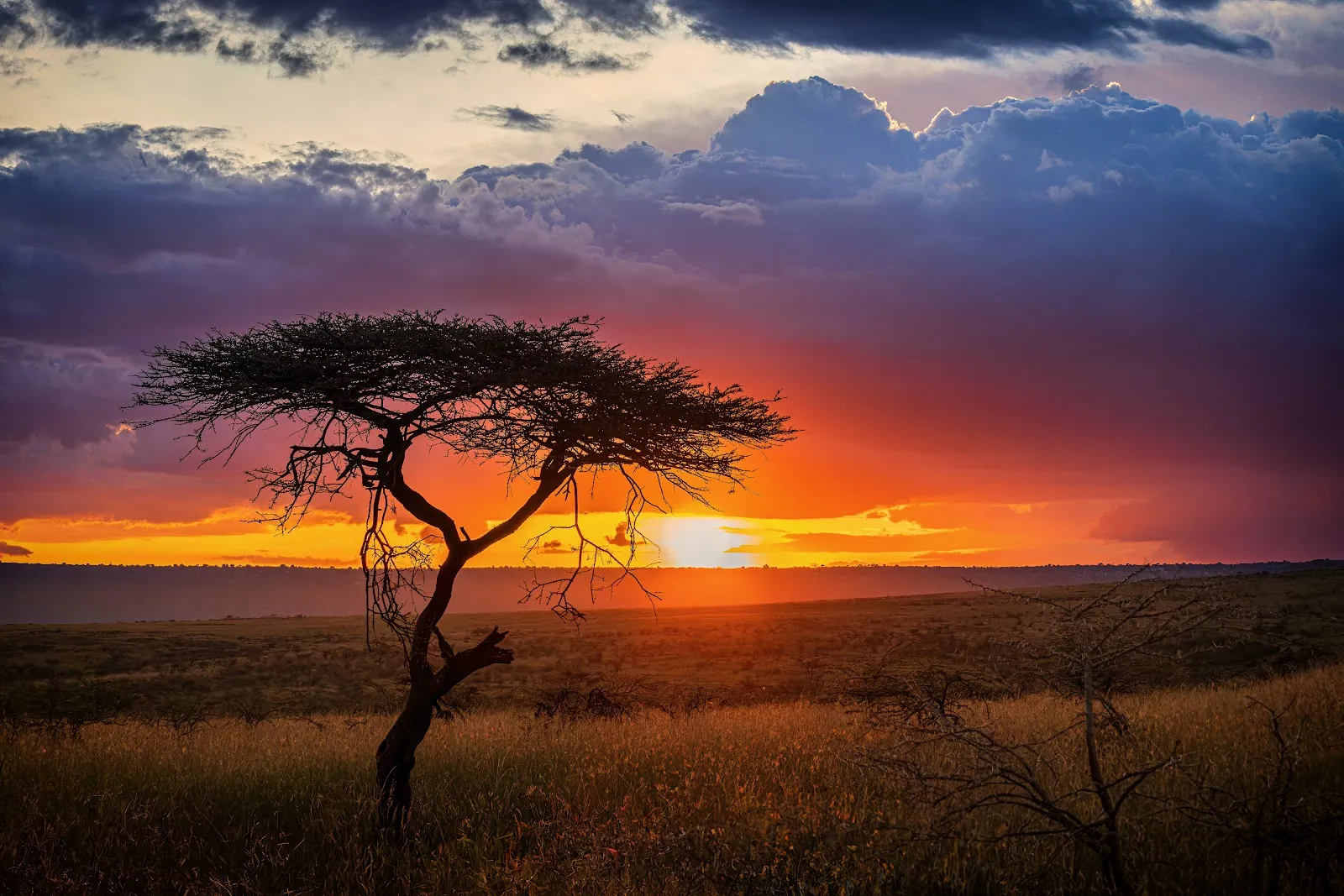
Visiting the Maasai Mara on a budget starts with the total trip: accommodation, private transport, guiding, admission and the time you actually spend watching wildlife. For international visitors, a simpler camp and a focused road itinerary can make a sensible starting point. Choose the experience you want to protect, then reduce extras and unnecessary movement around it.
Start with these decisions
Compare the whole trip
Include accommodation, private transport, guiding and scheduled admission.
Protect wildlife time
A focused base can support a rewarding, comfortable safari.
Simplify extras
Spend on your priorities before adding optional activities.
In this guide
- Plan the Maasai Mara on a budget around the whole trip
- Choose a simpler camp with the right practical facilities
- Use location to reduce unnecessary movement
- Compare road travel and fly-in travel honestly
- Choose a season for the experience and the cost
- Keep admission and compulsory charges in the comparison
- Read meals, drinks and activity inclusions carefully
- Use party size without changing the private safari promise
- Give a short safari enough usable wildlife time
- Compare complete offers using the same assumptions
- Save on extras while keeping preparation and safety
Budget choices that protect the safari
| Decision | Useful saving | Keep in the plan |
|---|---|---|
| Accommodation | Simpler room and fewer decorative extras | Suitable beds, bathrooms, meals and location |
| Transport | Compare the complete road and flight products | Private guiding, practical transfers and connections |
| Wildlife time | Use a focused base instead of repeated camp moves | The outings that motivated the holiday |
| Activities | Choose only the optional experiences you value | A rewarding core wildlife itinerary |
| Preparation | Use comfortable clothing and equipment you already own | Health preparation, insurance and essential supplies |
Plan the Maasai Mara on a budget around the whole trip
The useful starting point is a complete safari cost rather than the lowest room rate in a search result. Accommodation is only part of the journey. You also need transport to the Mara, a vehicle and guide for wildlife viewing, the relevant admission, meals and the practical arrangements that connect these services. A room that appears affordable can become a poor choice if reaching it or entering the wildlife area adds an awkward transfer every day.
Decide what matters most to you before comparing offers. It might be spending time with a knowledgeable guide, seeing the open plains, photographing cats or taking your family on a first safari. Protect that priority in the itinerary. A simpler room may be a worthwhile compromise; removing the wildlife time that motivated the journey usually is not. The right budget is the amount you can spend comfortably on a coherent trip, including the international journey and personal preparation.
For a first comparison, separate accommodation, access and safari services on paper. Then put them back together into the total you will pay for the planned experience. This makes it easier to understand why a tent-only booking and a private safari package cannot be compared by their headline amounts. Our safari cost guide explains the maintained starting-price information and the services that shape the total.
Keep a small decision list beside your budget: preferred travel month, departure point, party, accommodation needs and wildlife interests. Those details matter more to a useful quote than an ambitious list of optional activities. If your dates are fixed, work within them. If they are flexible, compare the whole experience across alternative periods before choosing a saving that changes the safari you wanted.
Choose a simpler camp with the right practical facilities
Budget accommodation covers different products. A permanent tent with a bed and bathroom access is different from a campsite pitch, and a room sold without meals differs from a full-board stay. Read the actual accommodation description. The word tent does not tell you whether bedding, electricity, a private bathroom or food is included. Those details determine both your comfort and the additional arrangements you need.
Focus on the features you will use. A comfortable bed, suitable bathroom arrangements, reliable drinking-water provision and meals that fit the itinerary may matter more than a large pool or elaborate furnishings. If you mainly want game drives, an affordable camp with a practical location can fit well. If someone needs a quiet afternoon at camp, accessible pathways or a particular diet, include that requirement from the beginning rather than treating it as an optional upgrade.
Our budget camps guide explains the accommodation type, while the lodge directory links to individual published profiles. A category label is a useful starting point, not a promise that every camp offers the same room or services. The individual profile is where the actual setting, facilities, access and price conditions become meaningful.
Stay types also overlap with comfort tiers. A self-catering house can suit travellers who want control over meals, but cooking supplies, shopping and transfers still belong in the trip plan. Camping can be enjoyable for visitors who want that experience; it should not be chosen solely because an advertised pitch costs less than a furnished room. Compare the whole arrangement you will actually use.
Use location to reduce unnecessary movement
The Greater Mara includes the Main Reserve, the Mara Triangle, neighbouring conservancies and accommodation outside those boundaries. A camp advertised as a Mara property does not automatically sit inside the Reserve. Its location affects the wildlife area you use, the access route and the charges attached to activities. The most useful comparison is the camp in relation to your intended drives, not simply the distance from Nairobi.
Accommodation outside the Reserve can provide an affordable base for Reserve visits, but the room price alone does not include permission to enter. Match each scheduled wildlife day to the relevant admission and route. A conservancy stay also has its own access conditions; it is not a substitute universal ticket for every part of the Mara. Our area guides and conservancy guide explain these choices.
Avoid moving camp simply to collect names on an itinerary. Packing, loading, travel and check-in use time that could otherwise be spent on a settled drive or resting. A focused stay in a suitable area can be a better budget decision than a route with frequent accommodation changes. Change base when it creates a worthwhile difference in wildlife access, landscape or the onward journey.
The gate directory helps connect the camp to road access. The nearest-sounding gate is not always the route that fits your booking, and a straight-line map impression does not establish a driving route. Plan the arrival and departure with the actual accommodation and wildlife sector in mind. This reduces the chance of paying for a stay that is convenient on paper but awkward in practice.
Compare road travel and fly-in travel honestly
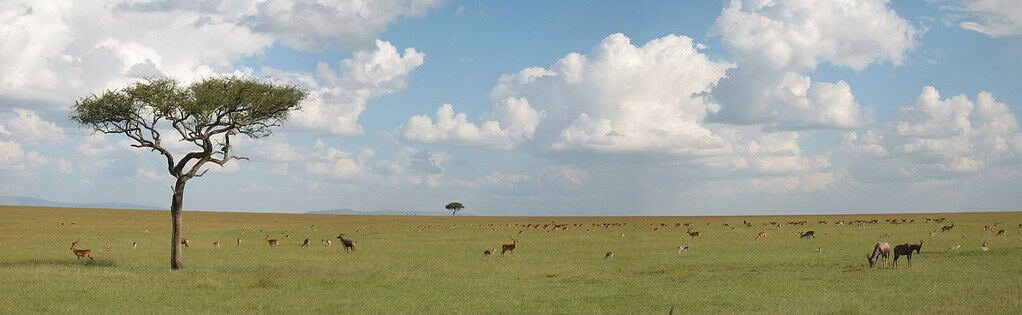
A road safari combines the journey from Nairobi with a private vehicle and professional guide for the travelling party. It can be a sensible starting point for a budget-focused trip because the transport and safari operation form one plan. The vehicle choice, route, party size and time away still determine its cost. A private road safari is not the same product as a seat on a shared departure.
Fly-in travel has a different structure: scheduled flights, baggage conditions, airstrip collection and wildlife drives from the chosen camp. It may suit travellers who value less road travel or have limited holiday time, but the airfare is only one part of the comparison. Camp transfers and guiding need to fit the flight and accommodation booking. A low flight fare without the onward arrangements does not represent a complete safari saving.
Compare the Nairobi road guide with the flight guide using your actual party and itinerary. Consider how you feel about a longer transfer, which type of vehicle you prefer and whether you have onward flights. An affordable choice should still leave sensible time for arrival, wildlife viewing and the return journey.
For a scheduled flight, use the carrier’s own booking conditions when reviewing luggage and connections. If your itinerary uses Safarilink, its baggage guidance is the place to act before packing. Avoid buying or carrying extra equipment without understanding the bush-flight arrangements. The same camera kit that fits your international flight may create a different practical problem on the safari leg.
Choose a season for the experience and the cost
Season affects admission, accommodation demand, weather and the wildlife experience. A flexible traveller can compare periods away from the most sought-after migration dates, but lower demand does not mean an identical safari at a universally reduced price. Some properties use different seasonal rates, while individual offers and room categories have their own conditions. Use your travel period to compare complete options rather than assuming every camp follows the same calendar.
Resident wildlife gives the Mara value beyond the main wildebeest migration. Lions, elephants, buffalo, giraffes, antelope and birds are part of the wider safari experience, although any individual sighting remains uncertain. If your main goal is a first wildlife safari, a trip outside the busiest migration period may still fit very well. If your goal is a river crossing, that choice needs a different seasonal discussion and patient expectations.
Rain can change tracks and daily routing. Greener conditions can be appealing, but a cheaper stay is useful only when the arrival and wildlife plan remain practical. Read the best-time guide for the general pattern and the relevant month page for a more specific view. Historical seasonal guidance is a planning aid; it does not tell you exactly what the weather or herds will do during your stay.
Do not base a budget on a promised migration event. Herd arrivals vary and animals do not cross on demand. A camp with a river-sector connection can still provide a rewarding safari when the river is quiet. Build your decision around a broad wildlife experience you would enjoy, then treat a dramatic crossing as a possible addition rather than the condition that makes the trip worthwhile.
Keep admission and compulsory charges in the comparison
International visitors generally need to consider the non-resident fee category unless they hold qualifying residence documentation. The relevant status is established by the actual admission rules and evidence, not nationality assumptions or the fact that a traveller has visited Kenya before. Our entry-fees guide holds the maintained fee information and explains the categories and seasonal distinctions.
Accommodation charges, Reserve admission and conservancy access are different items. A rate described as full board explains meals; it does not by itself establish that wildlife-area charges or private guiding are included. Likewise, all-inclusive wording needs the actual package scope. Read the specific inclusions and exclusions beside the amount so the same charge is not omitted from one option or counted again in another.
For MaasaiMara.ke land safari packages, scheduled park fees and compulsory selected-property charges form part of the all-inclusive land arrangement. The detailed plan still matters: optional activities and changes to the agreed itinerary have their own treatment. Standard road departures use a direct early exit, without a base departure-morning game drive or departure-day Reserve entry. An extra drive is a separately quoted change when the route and applicable rules allow it.
Never rely on a blanket promise of free departure access. The property, sector, entry conditions and departure timing determine what is practical. A budget comparison should show the scheduled wildlife days and the intended exit, not simply a total number of holiday days. A transfer day and a full wildlife day provide different experiences even when both appear in the same itinerary heading.
Read meals, drinks and activity inclusions carefully
The meal basis is central to an affordable stay. Accommodation only, breakfast, half board and full board describe different arrangements. Read which meals are included and how they connect to arrival, wildlife drives and departure. A camp rate can be suitable while still leaving meals outside the stated basis. The practical question is whether the planned day works comfortably with those arrangements.
Drinks, laundry and activities should be understood separately. A package may include selected drinks while excluding premium choices; a room sold with meals may not include game drives. Do not transfer the inclusions of one property to another because their prices or tier labels look similar. The actual lodge profile and itinerary explain the product you are comparing.
Optional ballooning, community visits and specialist activities can change the total significantly. Choose the additions that matter to you instead of collecting every activity mentioned in a brochure. Ordinary wildlife drives provide the core safari experience. A simpler itinerary with more relaxed viewing can be more satisfying than one that uses much of the available budget and time moving between extras.
Keep a short personal-extras allowance within your overall plan. International flights, preparation, discretionary tips and personal purchases belong somewhere in the holiday budget even when they are outside the safari land package. The tipping guide explains that separate topic without treating a discretionary amount as a hidden compulsory safari fee.
Use party size without changing the private safari promise
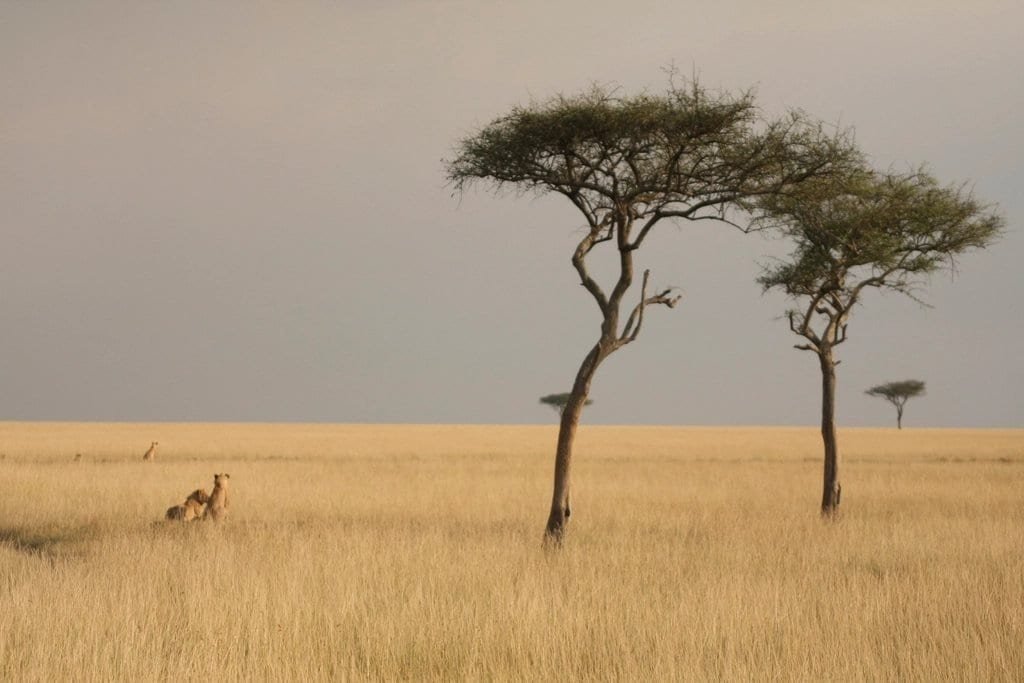
Private transport and guiding are dedicated to your travelling party. Some trip costs are shared within that party, so the per-person comparison can change with the number of travellers. This does not mean there is one fixed discount for adding a guest. Room use, vehicle capacity, children’s arrangements and the actual supplier product determine the result.
A solo traveller may have a different room and private-vehicle basis from a couple sharing. A larger family can require different sleeping arrangements, even if everyone uses the same vehicle. Compare the quote for your actual party instead of multiplying an adult-sharing headline rate by every person. The room and occupancy assumptions should be visible enough to explain the difference.
Travelling with friends can make private arrangements more economical when everyone wants a compatible itinerary. Discuss wildlife interests, wake-up preferences, accommodation expectations and optional activities before booking together. A saving is less useful if the group spends the safari negotiating between incompatible priorities. Private travel gives flexibility within the group, but it still works best with a shared core plan.
All MaasaiMara.ke safari trips are private to the travelling party. We do not turn a requested private safari into an undisclosed shared departure to achieve a lower price. If your total budget is constrained, useful adjustments include the room type, travel period, vehicle preference, optional activities and route. Those choices can be explained clearly while preserving the service you intend to book.
Give a short safari enough usable wildlife time
A shorter itinerary can reduce the holiday total, but counting calendar days alone hides important differences. Arrival and departure transfers take time. An itinerary with a late arrival and early exit can provide less wildlife viewing than its headline duration suggests. Look at the daily activity plan and distinguish full wildlife days from transfer-only days.
For a first Mara visit, compare a focused single-base itinerary with a wider circuit. Extra destinations add travel and different access charges, even when they are attractive in their own right. A broader Kenya trip can be worthwhile if those places matter to you; it should not be added simply because the route looks more substantial in a brochure.
The private safari catalogue shows the current itineraries and what happens on each day. Use it to understand the pace before comparing prices. A transfer-only road departure should be evaluated as the journey home, while a fly-in departure has flight-dependent viewing possibilities. Neither should be treated as an automatic extra full safari day.
Rest also has value. A comfortable break can improve the next drive and make an affordable itinerary feel generous rather than rushed. The most efficient trip is not necessarily the one that keeps you in a vehicle continuously. Protect your preferred wildlife outings and let the remaining time support them with meals, sleep and a realistic travel rhythm.
Compare complete offers using the same assumptions
Put competing offers on the same basis: travel dates, party, accommodation, rooms, transport, guiding, scheduled admission and meals. An attractive total can describe a different product rather than a better-value version of the same one. If one includes a dedicated guide and another sells only a room, the comparison needs to acknowledge that difference.
Look beyond promotional photographs. Identify the actual camp and starting room category, the location used for drives and the return plan. A destination name can cover a broad region. Your accommodation should be specific enough to understand what the quote buys, and substitutions should not silently change the setting or safari access you chose.
The conditions attached to a From amount explain why the final price can vary. Dates, room choice and the travelling party affect the total. Use the published amount as a starting reference with its basis, then assess the complete arrangement for your trip. Do not treat a headline rate as a guarantee for every season, room or number of guests.
Pay particular attention to compulsory extras and cancellation conditions before committing. A cheaper offer with unsuitable payment or cancellation terms may be a poor fit for your circumstances. MaasaiMara.ke quotes and books through authorised tour operator partners; the client pays the tour operator that plans and fulfils the safari. The booking documents should make the agreed services and terms clear.
Save on extras while keeping preparation and safety
Reduce optional spending before reducing the essential parts of a workable safari. Borrowing suitable binoculars, using clothing you already own and choosing a focused activity plan can be sensible. You do not need a specialist safari wardrobe to enjoy wildlife from a vehicle. Comfortable layers and practical footwear are more useful than buying equipment for activities that are not in your itinerary.
The packing guide helps keep luggage purposeful. Pack items you will use and understand how your chosen transport handles them. Excess equipment adds weight and complexity, and expensive camera purchases are not a requirement for a rewarding safari. A basic camera or phone can record the experience while your attention stays on the animals and landscape.
Health preparation, suitable insurance and safe transport deserve space in the holiday plan. An apparently cheap option that leaves you without necessary protection or a workable emergency response is not a useful saving. Read the safari safety guide and arrange individual travel-health advice before departure, especially when medical needs affect accommodation or remote travel.
Tell MaasaiMara.ke the total land-safari budget you are comfortable with, your dates and the experience you want most. A useful proposal can then balance accommodation, private guiding, transport and wildlife time. The aim is an affordable trip that works as a whole, with a clear understanding of what is included and a pace you will enjoy.
Continue planning your safari
- Plan your safari
- Safari costs and inclusions
- Reserve entry fees
- Accommodation choices
- Published lodge profiles
- Private safari itineraries
- Family safari planning
- Safari safety
- Malaria and vaccinations
- Mara or Serengeti
- Packing list
- Best time to visit
- Road travel
- Flights and baggage
- Four-day family itinerary
- Migration month by month
Explore safari packages






From USD 2,000 per person sharing



From USD 2,350 per person sharing

From USD 1,950 per person sharing

From USD 2,350 per person sharing

From USD 1,700 per person sharing

From USD 2,900 per person sharing

From USD 3,800 per person sharing
Plan your private Maasai Mara safari
Share your travel dates, party and interests with MaasaiMara.ke. We quote and book private safaris through our authorised tour operator partners.
