
The World's Greatest Wildlife Spectacle
Witness nature’s most dramatic story unfolding across the endless plains of the Maasai Mara.
Witness nature’s most dramatic story unfolding across the endless plains of the Maasai Mara.
The Great Migration is not a singular event, but a year-round cycle of movement driven by rainfall and fresh grazing. Over two million animals trek across the Serengeti-Mara ecosystem in a rhythm as old as the land itself.
It is a time of birth, death, and spectacular survival against all odds, offering the most dramatic wildlife viewing on the planet.
The massive herds that form the backbone of the migration.
Leading the way, eating the taller grass for the wildebeest behind.
A perilous round-trip trek across Tanzania and Kenya.
The herds follow the rains in an endless ancient rhythm. See where they are right now.
Over 8,000 calves are born daily. The herds congregate on the nutrient-rich short grass plains to give birth, attracting legions of predators.
South Serengeti / NdutuThe long rains begin. The herds start moving north through the central plains. It is mating season, characterized by loud grunts and territorial clashes.
Central Serengeti / MoruThe herds face their first major obstacle: the Grumeti River. Though smaller than the Mara River, it is filled with crocodiles and makes for dramatic viewing.
Western CorridorThe Main Event. Millions of animals arrive in the Maasai Mara. The perilous Mara River crossings happen daily as herds traverse back and forth grazing.
Maasai Mara / North SerengetiThe short rains begin in the south. The herds turn back, moving through Loliondo and Lobo areas to return to the calving grounds before the cycle restarts.
East Serengeti / LoboFetching real-time migration data...
...Tracking the herds
Witnessing the Great Migration offers a front-row seat to one of the world’s most spectacular wildlife events, showcasing nature’s raw drama as millions of wildebeest and zebra follow ancient paths for food and water across the Serengeti-Mara ecosystem, highlighting the circle of life, incredible predator-prey dynamics, and the vast biodiversity of Maasai Mara, making it a life-changing safari experience.
Witness the fragile beginnings of life during calving season, where thousands of babies take their first steps within minutes of birth.
The river crossings are heart-stopping. The chaos, noise, and sheer will to survive against the currents and crocodiles is unlike anything else on Earth.
Where the herds go, the big cats follow. The migration offers the highest density of lion, leopard, and cheetah sightings in Africa.
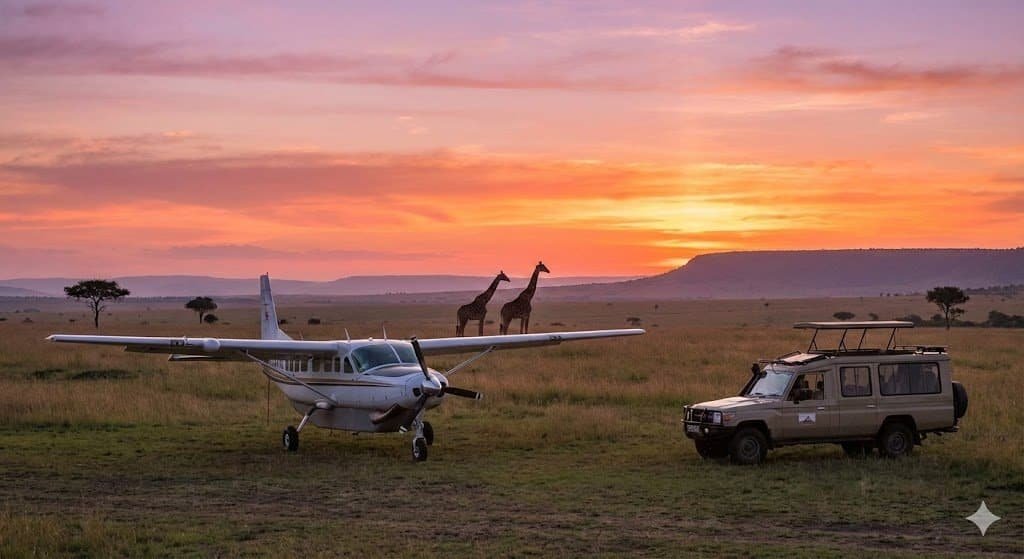
From golden sunsets silhouetting giraffe to dramatic storm clouds and action-packed hunts, the lighting and subjects are world-class.
Experience the “Endless Plains” of the Serengeti and the rolling hills of the Mara exactly as they have existed for millennia.
Green plains filled with babies and intense predator action. Best for photographers.
Lush landscapes, lowest rates, and exclusive sightings. Expect some rain.
The main event. High drama at the Mara River. Peak prices and popularity.
The herds return south. Dramatic skies and excellent birdwatching.
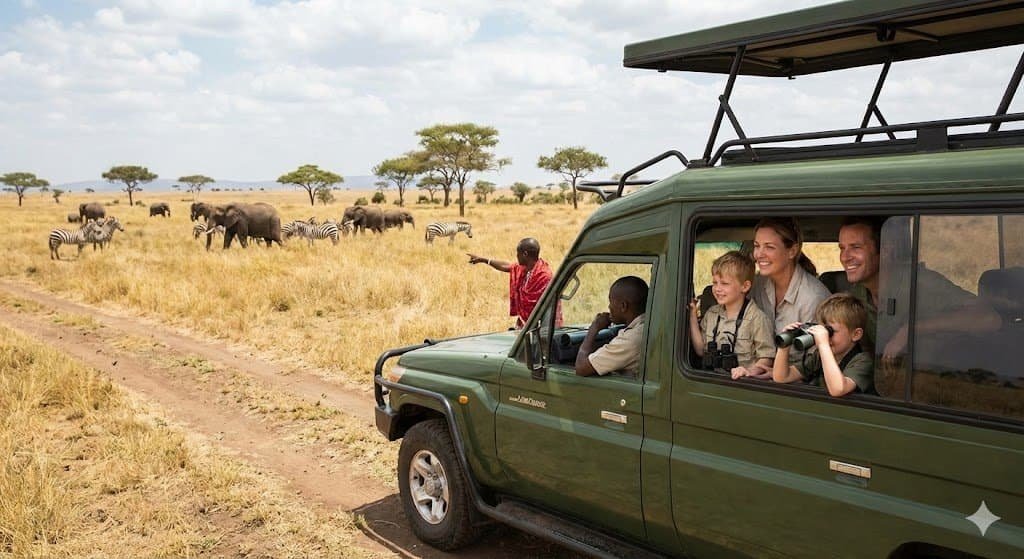
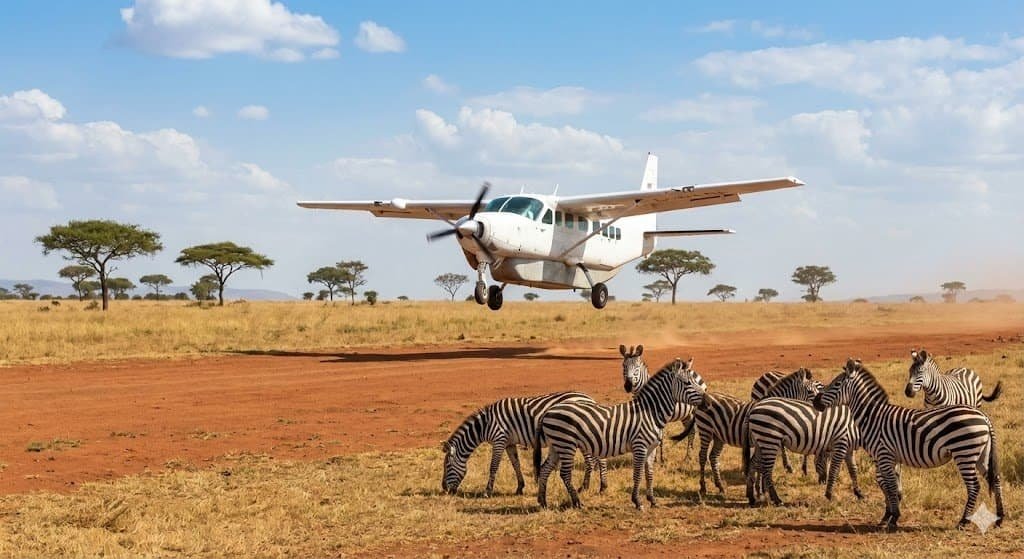
The Great Migration is dynamic, and so are our safaris. From express fly-in adventures to immersive tracking expeditions, every itinerary is synchronized with the herds’ movements to ensure you are always in the right place at the right moment.



Everything you need to know to prepare for the adventure of a lifetime.
The Migration is raw nature at its finest. It is not a zoo; it is unpredictable, dusty, and absolutely thrilling. Here is the reality of the safari experience.
Roads in the Mara and Serengeti are rough and dusty. Expect bumpy drives, but modern 4x4 Land Cruisers make it comfortable.
River crossings don't happen on schedule. We may wait for hours by the riverbank. Bring a book, but stay ready!
You are in the wild. Tsetse flies can be present in woodlands. We advise on areas to avoid, but insect repellent is a must.
Lunches are often picnic-style in the bush to maximize viewing time. Dinner is a relaxed affair at the lodge/camp.
Pack light, pack smart. Luggage on small bush planes is strictly limited to 15kg (33lbs) in soft-sided bags.
Wear Khaki, Beige, or Green. Avoid bright colors. Avoid Dark Blue/Black as they attract Tsetse flies.
Mornings are chilly (10°C/50°F), afternoons are hot (28°C/82°F). Bring a fleece jacket and light trousers.
A minimum 300mm lens is recommended for close-ups. Bring extra batteries; electricity in camps can be limited to generator hours.
Malaria prophylactics, sunblock (high SPF), sunglasses, lip balm, and personal medication.
The equator ensures warm days year-round, but altitude brings cool mornings. The rains dictate the migration's rhythm.
Sunny, dry, and dusty. Cool mornings. Best for river crossings and game viewing as grass is short.
Heavy downpours, usually in the afternoon. Landscape is lush green. Best prices and fewer crowds.
Short, sporadic afternoon showers. Dramatic skies for photography. Migratory birds arrive.
Day: 25°C - 30°C (77°F - 86°F).
Night: 12°C - 15°C (54°F - 59°F).
Ngorongoro Crater is significantly colder.
To preserve this wonder for future generations, we strictly adhere to park regulations and ethical guiding principles.
Strictly forbidden in most of the Mara & Serengeti to protect the habitat. Off-roading is only allowed in private conservancies.
Especially at river crossings. Loud noises can spook the herds and ruin the crossing for everyone.
We do not harass wildlife. We maintain a respectful distance to allow animals to behave naturally.
"Take only photos, leave only footprints." All trash is carried back to camp for proper disposal.
The Great Migration is nature’s most powerful story. Don’t just read the chapters—be there when the page turns.
Fill in the details below and our migration experts will craft your perfect itinerary.
Your privacy is guaranteed. We do not share your data.

contact@maasaimara.ke
Narok County Kenya.