
Plan your Maasai Mara safari
How to plan a Maasai Mara safari, step by step: when to go, entry papers, health, getting there, where to stay, what to do, budget, children and packing
To plan a Maasai Mara safari, start with your dates: the Great Migration is usually in the Mara from July to October, while the long rains peak in April. Then check whether you need a Kenya eTA, see a travel clinic about malaria, decide whether to fly to a Mara airstrip or drive from Nairobi, and choose where to stay: the main Reserve, the Mara Triangle or one of the conservancies around them. Budget for park fees, which are charged per person for each day you spend in the Reserve, and pack for a 15 kg soft bag if you fly.
This guide takes each step of planning a Maasai Mara safari in turn and links to our detailed guides. When you are ready, we can quote a Maasai Mara safari for your dates through our tour operator partners.
Your Maasai Mara safari planning steps at a glance
1. Choose your dates
Migration, rain, crowds and the two park fee seasons all depend on the month.
2. Check entry rules
Most visitors need a Kenya eTA; apply at least two weeks before you travel.
3. See a travel clinic
The Mara is a malaria area, and yellow fever vaccination is recommended.
4. Fly or drive
Flights leave Nairobi's Wilson Airport; the road takes about five to seven hours.
5. Choose where to stay
The main Reserve, the Mara Triangle or a conservancy, each with its own rules.
6. Budget and pay
Park fees per person per day, conservancy fees per night, flights and tips.
How do you plan a Maasai Mara safari, step by step?
Step 1
Choose your month for a Maasai Mara safari: the migration usually reaches the Mara in July, and April and May are the wettest and quietest months.
Step 2
Check the entry rules: apply for a Kenya eTA at least two weeks before travel unless your nationality is exempt.
Step 3
Book a travel clinic appointment for malaria advice and the vaccines you need, well before you go.
Step 4
Decide whether to fly from Wilson Airport to a Mara airstrip or drive from Nairobi via Narok.
Step 5
Choose where to stay: the main Reserve, the Mara Triangle or a conservancy, depending on the activities you want.
Step 6
Budget for park and conservancy fees, flights, activities such as a balloon flight, and tips.
Step 7
Pre-book anything with limited places, such as a hot air balloon flight in the migration months.
Step 8
Pack light for the flight: 15 kg per person including hand luggage, in a soft bag.
When is the best time to visit the Maasai Mara?
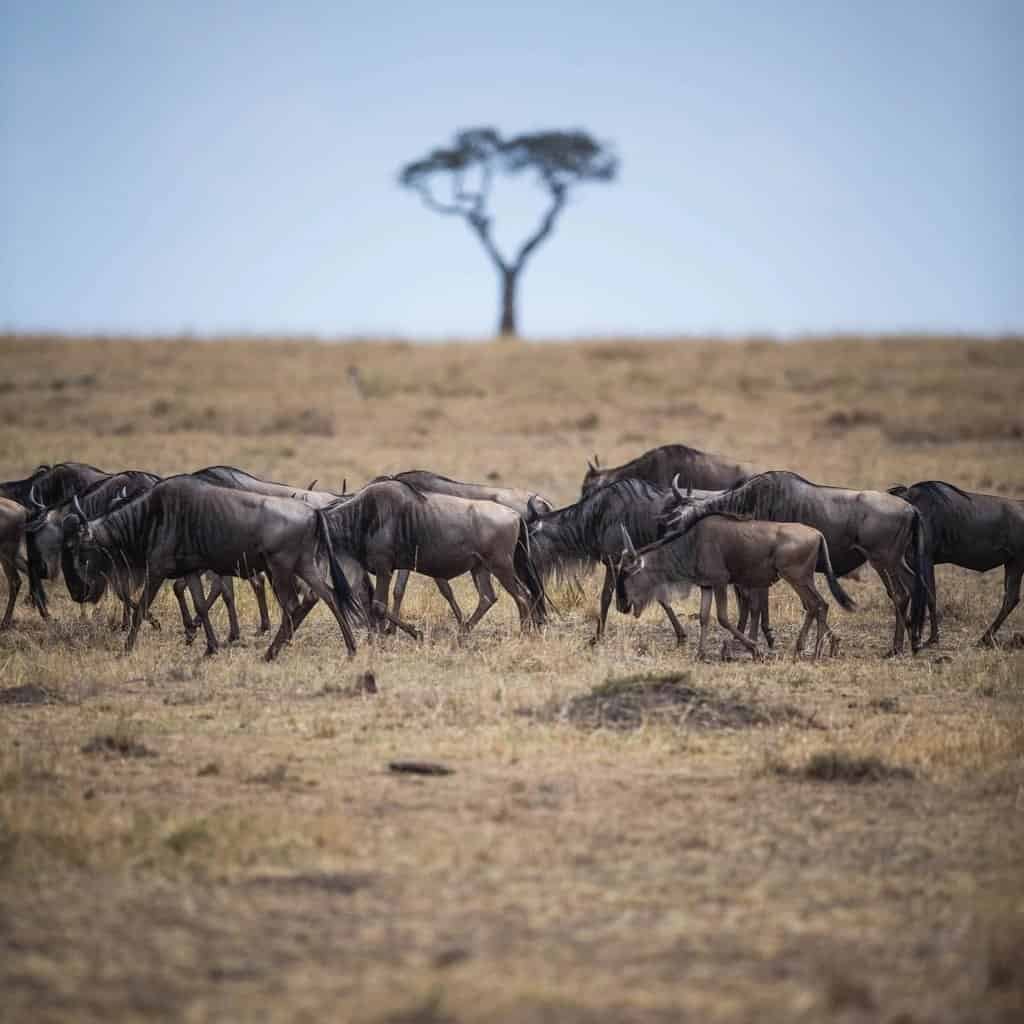
Rain in the Mara falls in two seasons: the short rains, usually in November and December, and the long rains, which peak in April. July to October is the dry season. The wildebeest migration usually reaches the Mara in July; heavy rain in August can send the herds back into Tanzania for a while, and in recent years most have left between late September and early November. From late January into March the herds are calving on the southern Serengeti plains in Tanzania, not in the Mara.
A Maasai Mara safari is worth taking outside the migration too: resident lion prides hold the same territories for generations, and big cats breed all year. August is the busiest month, while April and May are the quietest, and some camps close for part of the long rains. Park fees follow two seasons, January to June and July to December. Our guide to the best time to visit the Maasai Mara goes month by month, and the Great Migration explains the herds’ year.
How many days do you need on a Maasai Mara safari?
There is no official ideal length, so plan around the logistics. Scheduled flights leave Wilson Airport in the early morning, mid-morning and early afternoon and land at the first Mara airstrip 30 minutes to an hour later, so a morning flight can be followed by an afternoon game drive. The drive from Nairobi takes most of a day.
The park ticket covers a 12-hour day, 6:00 am to 6:00 pm, and does not carry over to the next day. Guests staying in the Reserve pay nothing on their departure day if they are out by 11:00 am and do not go on a game drive, so an early flight out saves a day’s fee. In the migration months the herds can leave an area within days, so a longer stay raises your chances of seeing a river crossing. The Mara also combines well with other parks: daily flights link it with Amboseli, Laikipia and Samburu, and with the Serengeti through Migori and Tarime. Our safari packages show typical lengths.
What documents do you need to enter Kenya?
Most visitors on a Maasai Mara safari need a Kenya Electronic Travel Authorisation (eTA) before they travel, applied for on the official site, etakenya.go.ke. Kenya’s immigration service recommends applying at least two weeks ahead, and an eTA must be used within 90 days of being issued. Citizens of six East African Community states and of most other African countries are exempt, and no eTAs are issued on arrival.
Your passport must be valid for at least six months after your planned arrival, with at least one blank page; British government advice is to have two. A yellow fever certificate is required only if you arrive from a country with a risk of yellow fever transmission. Bringing a drone into Kenya needs prior approval from the Kenya Civil Aviation Authority. Our guide to the Kenya eTA for Maasai Mara safaris covers costs, exemptions and the application step by step.
Which vaccinations and malaria precautions does a Maasai Mara safari need?
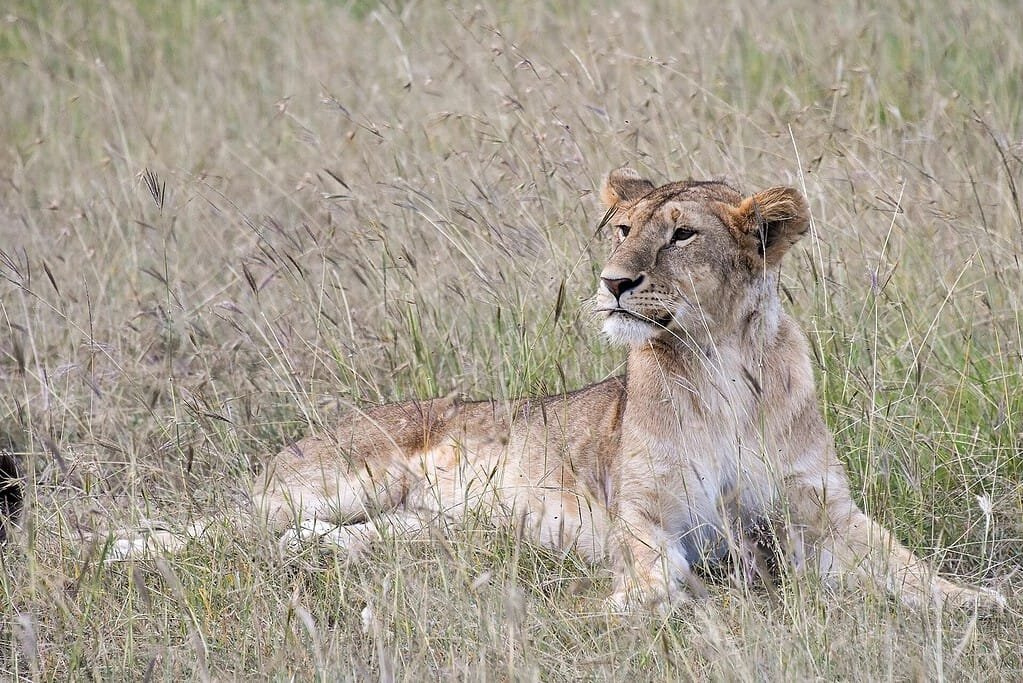
The Maasai Mara is in a high-risk malaria area: British and American travel health advice recommends antimalarial tablets for game parks below 2,500 m. A travel clinic will choose the right tablets for your Maasai Mara safari. Yellow fever vaccination is recommended for travellers to the Mara aged 9 months and over, at least 10 days before travel, and British advice lists hepatitis A, tetanus and typhoid for most travellers to Kenya.
Avoid bites with a DEET repellent, long sleeves and trousers at dusk and a mosquito net at night. Tsetse flies, which bite by day, occur in the Mara, and neutral-coloured clothing helps keep them away. Do not swim or wade in rivers or lakes, and do not touch or feed animals. Medical services are limited in rural areas, so make sure your travel insurance covers treatment and evacuation. The emergency number in Kenya is 999.
Is a Maasai Mara safari safe?
Neither the British nor the American government lists Narok County or the Maasai Mara among the areas of Kenya it advises against visiting; the American advice rates Kenya as a whole at its second level, “exercise increased caution”. British advice for game reserves is to use reputable tour operators, arrive in daylight, never buy safari tours from touts and always follow park rules and wardens’ advice.
Most wildlife injuries happen when visitors ignore the rules, so stay in the vehicle except at designated places and keep your seat belt fastened when the vehicle is moving. Check your government’s current travel advice before you book and again before you go, as it can change.
Which park rules must you follow in the Mara?
- Stay in the vehicle except at picnic spots and other designated places, and stay within 10 metres of it.
- Never get out at a river crossing, and do not block the herds' path.
- Keep at least 25 metres from animals; no more than five vehicles may be at a sighting.
- Do not feed, chase or call to animals, and keep noise down.
- Keep to 50 km/h on graded roads and 30 km/h elsewhere; off-road driving is allowed only to view big cats in the Low Use Zone.
- Be out of the Reserve or back at camp by 7:00 pm; there is no entry after 6:30 pm.
- Leave plastic bags at home, and use a refillable bottle: single-use plastics are banned in protected areas.
How do you get to the Maasai Mara?
Most Maasai Mara safari trips start in Nairobi, by air or by road. Five airlines fly scheduled services to the Mara’s airstrips, all from Nairobi’s Wilson Airport, not Jomo Kenyatta International, and one also flies daily from the coast. Every airline limits you to 15 kg per person including hand luggage, in a soft bag. See flights to the Maasai Mara for airlines, times, airstrips and fares.
By road, the drive from Nairobi takes about five to seven hours via Mai Mahiu and Narok, and the Narok–Sekenani road is tarmac all the way to the gate. Private cars cannot be used for game drives in the main Reserve, while self-drive in a four-wheel-drive vehicle is allowed in the Mara Triangle. See Nairobi to the Maasai Mara by road for the route, gates and road rules.
Where should you stay: the Reserve, the Mara Triangle or a conservancy?
Where you stay shapes a Maasai Mara safari more than anything else. The main Reserve, on the Narok side, is run by Narok County and holds most of the Reserve’s beds. The Mara Triangle, the north-western third of the Reserve west of the Mara River, about 510 km², is run by the not-for-profit Mara Conservancy and has only a few camps. Inside the Reserve, walking safaris, night drives and horseback safaris are not allowed.
The conservancies around the Reserve are partnerships between Maasai landowners and the camps: their association has 24 member conservancies covering about 450,000 acres and over 15,000 landowners. They keep visitor numbers low, and many conservancy camps offer guided walks, night drives and bush meals. Each conservancy sets its own rules and charges its own nightly fee, and some, such as Naboisho, take no day visitors. See Maasai Mara conservancies and where to stay.
What can you do besides game drives?
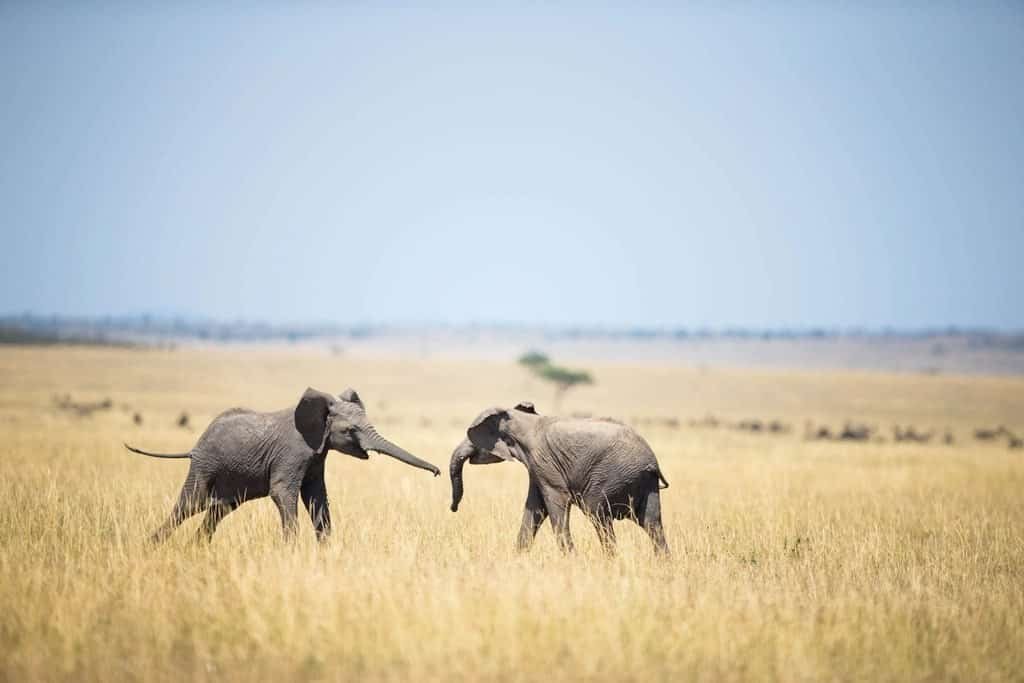
Game drives are the heart of a Maasai Mara safari, but there is more to do. Hot air balloon flights take off at sunrise, between 6:00 and 7:00 am under the Reserve’s rules, fly for about an hour and end with a bush breakfast; balloons carry up to 20 passengers, so book ahead in busy months. Guided walks and night drives run in the conservancies, not in the Reserve.
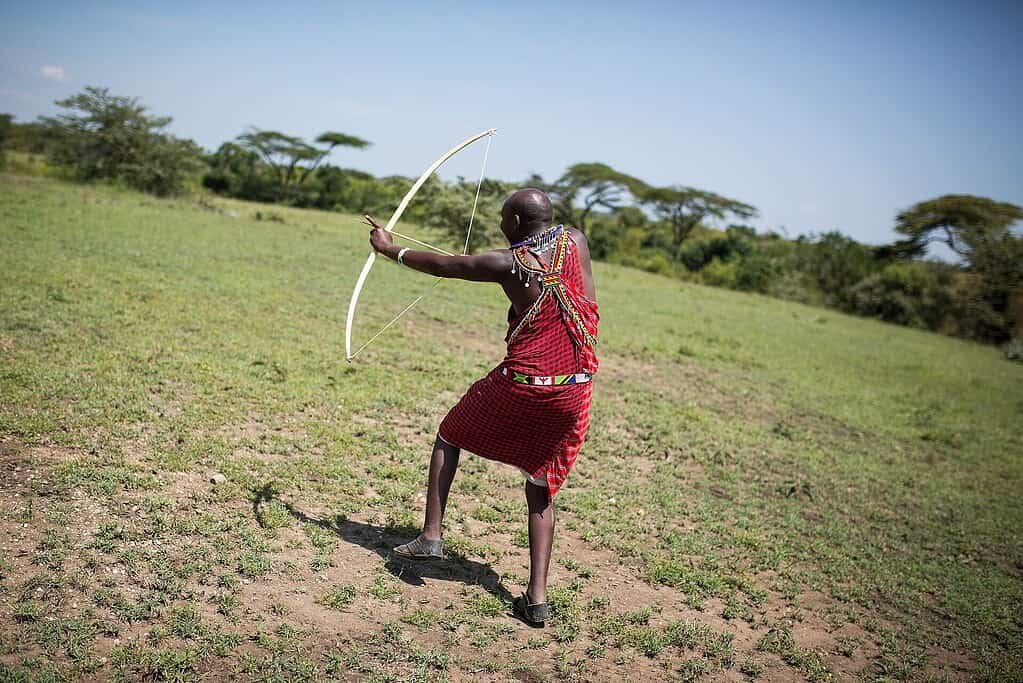
Maasai village visits are best booked through your camp rather than with touts; ask before you photograph anyone. Birdwatching is excellent: counts for the Mara range from more than 470 to over 500 bird species, including 53 birds of prey, and six of Kenya’s seven vulture species can be seen in the Reserve. See activities, balloon safaris and cultural visits.
How much does a Maasai Mara safari cost, and how do you pay?
The main costs are your camp or lodge, park fees, conservancy fees if you stay in a conservancy, flights or a road transfer, activities such as a balloon flight, and tips. Park fees are charged per person per day, with lower rates from January to June than from July to December, and conservancy fees are charged per night on top of the camp rate. Our guide to Maasai Mara safari cost adds it all up, and Maasai Mara park fees lists the rates.
Park tickets are sold through KAPS, online or at the gates, or included by your camp; the Mara Triangle takes M-Pesa or card, not cash. Kenya’s currency is the Kenya shilling. You can register for M-Pesa at a Safaricom shop with your passport, and tips can be given in US dollars or Kenya shillings. See how to pay park fees and tipping on a Maasai Mara safari.
Can you combine a Maasai Mara safari with other parks?
Yes, and flying makes it easy. Daily scheduled flights link the Mara with Amboseli, Nanyuki and the Laikipia and Samburu parks, and with Lake Naivasha, while one airline flies daily between the Mara and the coast at Mombasa, Diani and Malindi. Some park-to-Mara flights route through Wilson in the low season.
To add the Serengeti, airlines connect the Mara with northern Tanzania through Migori in Kenya and Tarime in Tanzania, with a road transfer and immigration in between; the main service does not run from 1 April to 20 May. By road, Lake Nakuru National Park lies 156 km north-west of Nairobi, and a road through Mau Narok links Narok with Nakuru, so a road safari can take in Lake Nakuru or Lake Naivasha on the way to or from the Mara. Parks run by the Kenya Wildlife Service, such as Lake Nakuru and Amboseli, have their own fees, paid through KWS’s own online system, and their own rules.
Can you take children on a Maasai Mara safari?
Yes. Children pay lower park fees than adults, and the youngest enter free; airlines also offer child fares, and children aged 2 to 11 get the full 15 kg baggage allowance on some airlines. Every child needs their own Kenya eTA unless their nationality is exempt.
Some activities on a Maasai Mara safari have age limits: one balloon operator takes children from 8 years old and at least 1.2 m tall, and camps set their own minimum ages for walks and night drives, so check with the camp. For health, DEET repellent is advised for children over two months, and yellow fever vaccination is recommended from 9 months; ask a travel clinic about antimalarials for children.
What should you pack for a Maasai Mara safari?
If you fly to your Maasai Mara safari, keep to 15 kg per person including hand luggage, in a soft bag. Mornings are cool: in August, one camp recorded mornings of 11–15 °C and days of 25–28 °C, so pack layers and a warm top for dawn game drives and balloon flights. Bring a rain jacket in the long rains, which peak in April, and the short rains, usually in November and December.
Pack neutral-coloured clothes, long sleeves, a DEET repellent, sunscreen of SPF 30 to 50 and a refillable water bottle, since single-use plastics are banned in protected areas and plastic carrier bags are banned in Kenya. Carry small notes for tips and a copy of your passport. If you want to bring a drone, note that it needs a Kenya Civil Aviation Authority permit to import and to fly.
Our Maasai Mara planning guides
- Best time to visit the Maasai Mara – month by month: weather, migration and crowds
- Kenya eTA for Maasai Mara safaris – who needs one, how to apply and what it costs
- Flights to the Maasai Mara – airlines, airstrips, fares and baggage
- Nairobi to the Maasai Mara by road – route, drive times, gates and road rules
- Maasai Mara safari cost – what a safari costs, item by item
- Tipping on a Maasai Mara safari – guides, camp staff and rangers
- Maasai Mara park fees – rates for every visitor
- How to pay Maasai Mara park fees – online, through your camp or on arrival
- Maasai Mara FAQs – quick answers to common questions
Ready to plan your Maasai Mara safari?
Send us your dates, group size and what you would like to see, and we will reply by email with a safari quote from our tour operator partners.
