
Ultra-luxury camps and lodges in the Maasai Mara
Ultra-luxury camps in the Maasai Mara combine distinctive accommodation with highly personal hosting, privacy and carefully arranged safari days. Choose by the experience your party will receive: the room and living space, dedicated services, meals, guiding and access to the wildlife areas you want. The most useful upgrade is one that makes your own stay more comfortable, flexible and rewarding.
Choosing ultra-luxury camps
Ultra-luxury is most useful as a way to compare the depth of the stay. A distinctive room is part of the experience, but so are the people looking after you, the privacy of your spaces and the way safari days fit around your interests. The accommodation should support the trip you want to take, from your first arrival through to the final transfer.
Begin with what would make a meaningful difference to your party. Some travellers value a private terrace and quiet meals together. Others prioritise dedicated guiding, flexible time outdoors or a comfortable place to rest between excursions. A carefully chosen stay connects those preferences with a suitable wildlife-viewing base. The same feature can be central to one traveller and little used by another.
The room category, hosting arrangement and safari services give the comparison its substance. These details are especially useful when choosing between a lodge suite, a tented camp and an exclusive house. Ultra-luxury camps can provide very different combinations of space and service. The suitable choice is the product that delivers your priorities together, rather than a longer list of facilities you may never use.
Five checks for ultra-luxury camps
Setting and access
Connect the room location with the wildlife areas, arrival route and activities on your itinerary.
Privacy and space
Identify the suite, terrace and living areas reserved for your party, alongside any shared facilities.
Personal service
Match hosting, dining and assistance to the routine and requirements of your travelling party.
Guiding and flexibility
Build the private vehicle, professional guide and safari rhythm into the complete itinerary.
Complete arrangements
Keep the accommodation product, meals, transfers and compulsory charges clear in the written quote.
Luxury and ultra-luxury accommodation
Luxury accommodation already offers a high level of comfort and service. Ultra-luxury places greater emphasis on how personally the stay is organised, the privacy available to the party and the detail of the experience. The difference is best understood through the actual services and spaces supplied. A memorable room design and a well-hosted safari can matter more than a particular building style.
Personalisation might involve a dedicated hosting arrangement, a private living area or meals organised around the day’s wildlife viewing. These features have value when the party uses them. The luxury category can still be the better fit for travellers who want excellent accommodation with a simpler daily routine. Compare both through the rooms, meals and guiding that form part of the proposed stay.
The distinction also depends on the booked product. A property can offer a main-camp room and a more private suite with different services. The experience attached to that suite may be the reason to choose the higher tier. Our luxury camps and lodges guide provides the adjoining comparison, helping you decide which comforts and arrangements have practical value for your trip.
Suites designed for time at camp
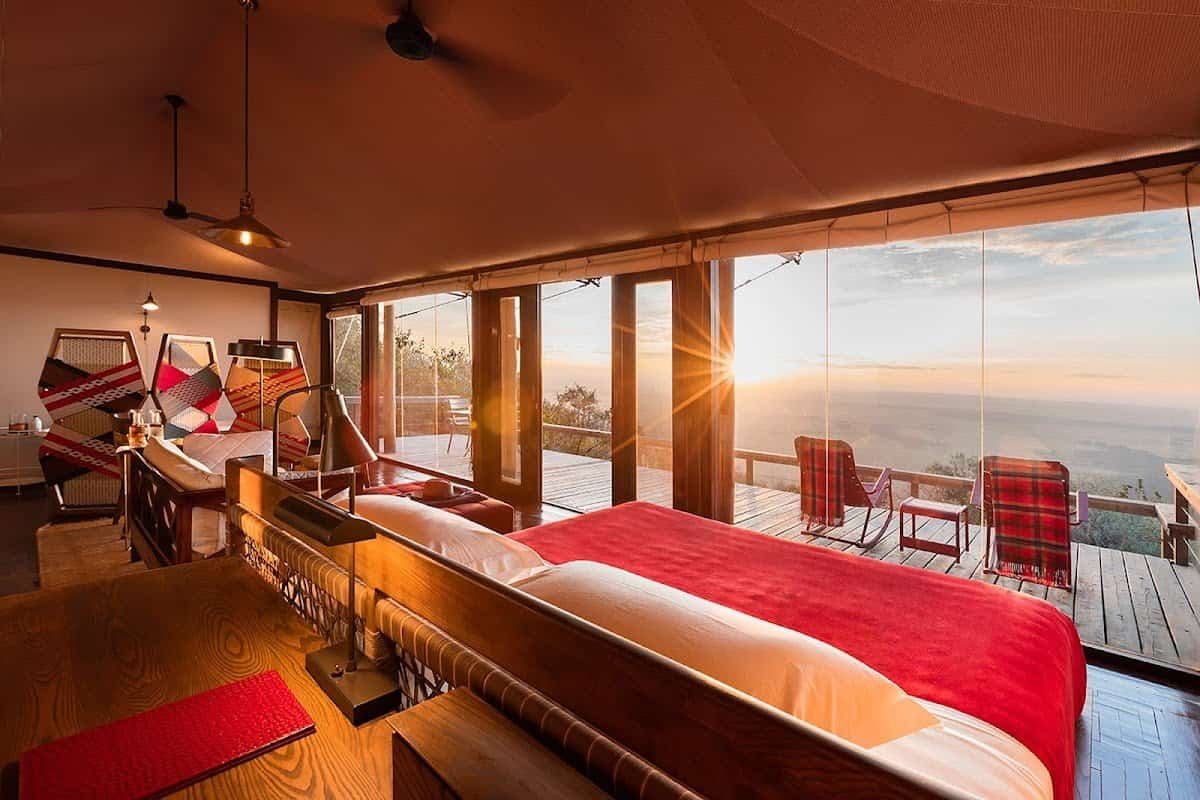
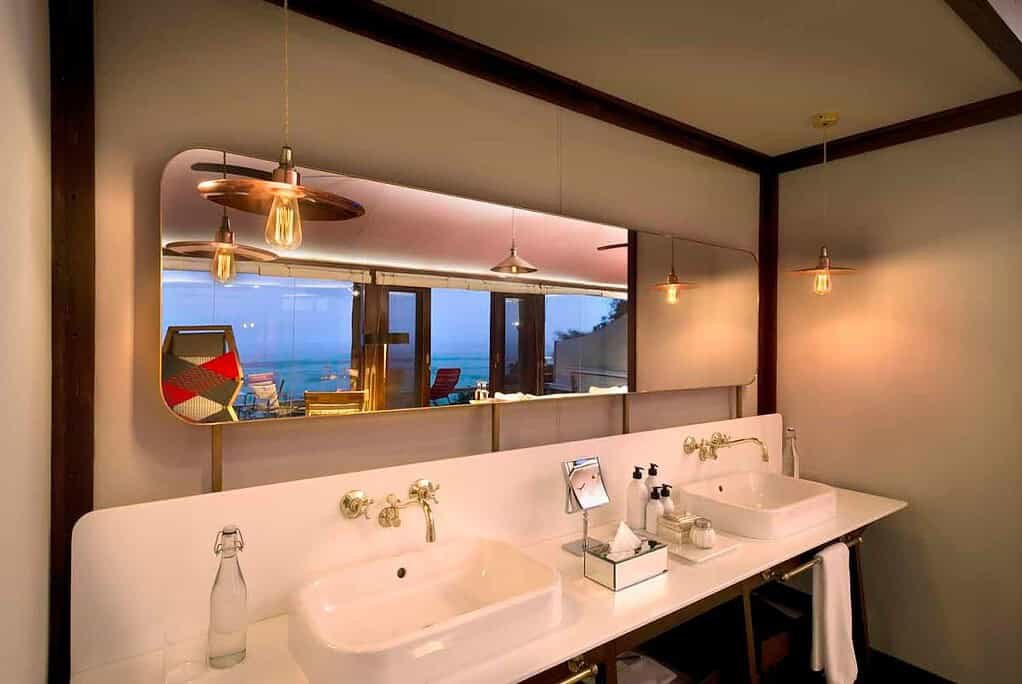
The suite is a place to spend time as well as sleep. Seating, bathroom layout, usable outdoor space and the relationship between the bed and the view can shape the experience of a quiet morning or an afternoon at camp. A generous room is most useful when its layout supports the way your party rests, reads, prepares for drives and enjoys the setting.
Privacy depends on the arrangement around the suite as well as its interior. The terrace, approach, neighbouring accommodation and connection to shared areas all contribute to how the stay feels. Photographs show design and scenery, while the booked room category establishes the spaces available to you. A private deck and a communal lounge offer different ways to enjoy time away from the vehicle.
Consider comfort throughout the day. Lighting, charging, ventilation and a practical bathroom remain important even in an elaborate suite. Access requirements need the particular room layout and routes around the property to be suitable. Ultra-luxury camps should make these ordinary details work comfortably alongside the distinctive design, so the room helps you enjoy the safari rather than requiring you to adapt your routine around it.
Accommodation arrangements and their priorities
| Arrangement | Main benefit | Details that shape the stay |
|---|---|---|
| Tented suite in a hosted camp | Comfort close to the safari setting | Room category, terrace privacy, shared guest areas and meals |
| Lodge suite | Designed living space with organised guest services | Layout, position, dining choices, leisure facilities and guiding |
| Private suite within a camp | Dedicated spaces and a more personal routine | Exclusive areas, assigned services and access to the main camp |
| Exclusive house or camp arrangement | A shared base reserved for your travelling party | Bedrooms, communal spaces, staffing, meals and vehicle arrangements |
Private spaces and exclusive use
Privacy can be achieved in different ways. A well-positioned suite may offer a quiet retreat while the restaurant, pool and lounge remain shared. An exclusive house gives a group its own living space, while a private suite can combine dedicated areas with the wider camp’s services. Understanding that arrangement helps you choose the kind of privacy you will actually enjoy during the stay.
Exclusive use becomes especially valuable when the party wants to spend time together at its own pace. Shared sitting areas, meals and outdoor spaces can support a family gathering or celebration without everyone retreating to separate rooms. The bedroom allocation still matters: comfortable communal space works best alongside a rooming arrangement that gives each traveller an appropriate place to rest.
The distinction between ultra-luxury and private accommodation is useful here. The former describes the level and character of service; the latter describes what is reserved for the group. These requirements can overlap, but each contributes a different benefit. Our private villas and safari houses guide explains the exclusive-use arrangements in more detail, including how bedrooms, staffing and safari services fit together.
Personal hosting and a comfortable routine
Thoughtful hosting connects the different parts of the day. Arrival, meals, departures, room service and time at camp should feel organised around the party’s needs. The most useful personal service anticipates the practical routine: preparing for an early departure, returning from a long drive, accommodating dietary needs and making it straightforward to enjoy the room and shared facilities.
Dedicated service can have different meanings between products. The booking description should establish which assistance is attached to the suite or private space, and which services come through the wider camp. A host’s attention, a dining arrangement and an assigned safari guide serve different purposes. Their value lies in how they work together, with clear responsibilities and a routine that suits the travellers.
A quieter stay does not need to be filled with organised events. Some guests prefer informal meals and unhurried afternoons; others enjoy activities and attentive arrangements throughout the day. Good planning leaves room for either preference. Ultra-luxury camps are most rewarding when their service supports your priorities consistently, allowing you to spend your energy on the experience rather than the logistics between its parts.
Meals around your safari days
Dining contributes to the stay through both the food and its timing. Breakfast before a drive, lunch during a day away and dinner after returning to camp need to work with the itinerary. A hosted meal arrangement can make those transitions easier, while time set aside for dining at the property lets you enjoy its setting and service without rushing between activities.
Private dining and meals in a shared guest area provide different experiences. A quiet meal together may be especially useful for a celebration or family gathering, while the main dining area can be an enjoyable social part of camp life. The booked arrangement determines which choices are available and whether a particular occasion or setting needs separate organisation. Dietary requirements remain part of that preparation.
The meal and drinks inclusions are practical details, even in a highly personalised stay. They identify what the accommodation supplies and how dining away from camp fits the safari. Food preferences, the party’s daily rhythm and planned activities should be considered together. This makes meals a comfortable part of the journey, rather than an interruption to wildlife viewing or time spent enjoying the room.
Guiding that fits your interests
The guide and vehicle shape the time spent outdoors. Wildlife interests, photography, the travelling party and the places visited all influence a rewarding safari rhythm. Our safari arrangements are private to your party, with a professional guide and appropriate vehicle included in the itinerary. That service is planned alongside the accommodation, so the camp and the safari work as a connected experience.
The camp’s own accommodation offer may have a different guiding arrangement. A shared-drive inclusion and an exclusive vehicle are separate services, even when both are available at the same property. The complete itinerary identifies the service your party will use. This is especially relevant when a private suite is selected for its dedicated arrangements or a family needs a routine shaped around its own interests.
Flexibility has value when it improves the safari itself. The party may want a longer wildlife-viewing day, a relaxed return to camp or additional time with a particular sighting. The guide helps organise that rhythm within the rules and access arrangements of the area. Privacy in the vehicle gives your party a common plan, while professional guiding provides context and practical judgement throughout the day.
Location and the wildlife-viewing plan
A distinctive setting can be a major part of the stay, but its relationship with the wildlife-viewing area remains essential. Accommodation inside the Reserve, on an escarpment, in a conservancy or outside a gate has different access arrangements. The location should support the places and experiences on your itinerary, alongside the views and comfort you want to enjoy at camp.
An elevated suite can make time at the property especially appealing, while another camp may give a different connection with its surrounding wildlife area. The useful comparison combines both parts: the room setting and the route used for safari days. A transfer or camp change should have a clear purpose in the plan, particularly when the party values unhurried time in its accommodation.
Activities depend on the setting and provider. The Reserve and surrounding conservancies have their own rules, so walks, night activities and other experiences need the appropriate location and arrangement. Ultra-luxury service helps organise a suitable itinerary within those conditions. Our Mara activities guide describes the wider choices, while the final plan connects the selected experiences with the accommodation and travelling party.
Leisure facilities and time to enjoy them
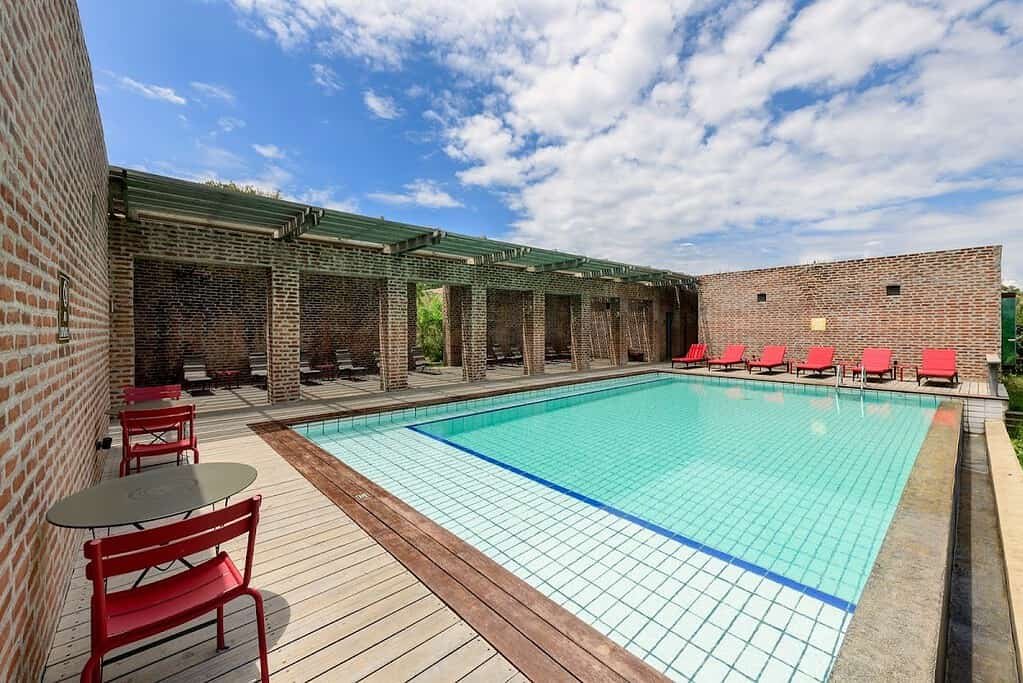
Leisure facilities add most value when the itinerary leaves time to use them. A pool, lounge, fitness space or treatment arrangement can make an afternoon at camp enjoyable, but different parties will prioritise different facilities. The accommodation comparison should reflect the experience you want between safari outings, rather than assume that a longer list of amenities creates a more suitable stay.
Shared and private facilities offer different kinds of privacy. A camp pool can be a pleasant social space, while an exclusive pool may be central to a private-suite experience. The room or house description establishes which arrangement is attached to the booking. Likewise, a treatment offered at the property can be a separate service with its own timing and organisation, rather than part of every stay.
Build room for rest into the itinerary when that is part of the purpose of the trip. A full schedule of drives and transfers can leave little opportunity to enjoy an elaborate suite or the property’s facilities. Ultra-luxury camps work particularly well when the safari rhythm and time at camp complement each other, giving the party a satisfying balance of wildlife viewing, comfortable meals and quieter moments.
Couples and celebrations
A celebration stay is shaped by the moments the travellers want to share. Privacy, a comfortable suite, relaxed meals and a well-paced safari can provide the setting without every day needing a special event. The room and service arrangements should give the couple or group time together, with the wildlife experience remaining an important part of why they chose the Maasai Mara.
An organised occasion needs the property-specific arrangement, including the setting, available service and place in the itinerary. A private meal or particular experience can be meaningful when it fits naturally around the stay. The plan should leave enough flexibility for weather, wildlife-viewing opportunities and the party’s own preferences, while identifying anything that needs advance organisation to work comfortably.
For couples, room privacy and the daily routine often matter more than the size of a property. For a group celebration, communal space and bedroom allocation become more important. Ultra-luxury camps and exclusive suites offer different ways to meet those needs. Choosing the arrangement around the occasion helps direct the budget towards the services and spaces that make the visit memorable for the actual travellers.
Families and mixed interests
Family comfort depends on the rooming arrangement and a routine that works for different ages. Beds, bathrooms, permitted occupancy and the spaces available between drives provide the foundation. The property’s child policy and any adult-sharing requirement belong to the particular accommodation product. A spacious suite can support a family well when those practical arrangements fit the children and adults travelling together.
Personal hosting and private guiding can help the party balance different interests. Some family members may enjoy long days outdoors, while others value time at camp or a quieter meal routine. A useful plan connects those preferences with the available services instead of expecting every traveller to follow the same pace throughout the stay. The accommodation should be comfortable for the time the party actually spends there.
Access and mobility requirements also need the particular room and routes around camp to be suitable. A description of luxury is not enough to establish that fit. These requirements can determine the shortlist early, allowing the rest of the itinerary to be built around usable accommodation and appropriate transport. This approach keeps the family experience coherent, with privacy, meals and wildlife viewing supporting each other.
Environmental practice and the quality of the stay
Personal service and environmental responsibility answer different parts of the accommodation choice. The quality of a suite does not describe how a camp manages energy, water, waste or its relationship with the surrounding community. Property-specific evidence gives those claims substance. It can be considered alongside comfort and privacy without treating a canvas building or an attractive natural setting as the entire environmental story.
Certification, community relationships and operational practices each have their own scope. The useful information relates to the named camp and the current arrangements described by the operator or assessing body. It helps explain how the stay connects with its location and what guests can reasonably understand from a particular claim. A broad promise about being sustainable needs more detail to support a meaningful comparison.
Our eco-friendly camps guide explains how to read that evidence. The requirements can overlap with ultra-luxury when a property offers both a highly personal stay and well-supported environmental practices. Travellers can choose the level of rooms, meals and guiding they want while also considering how the accommodation operates, rather than making one aspect of the decision stand in for all the others.
Arrival and departure as part of the experience
A comfortable stay begins with a practical arrival. The flight or road journey, final transfer, luggage and timing need to connect with the accommodation’s location. These arrangements influence the experience before you reach the suite. A clear itinerary establishes who handles each part of the journey and how the party moves from the arrival point to the property and its safari activities.
Departure deserves the same attention. The final drive, meals, room use and onward transfer should fit the next stage of the trip. Services such as early room access or late departure arrangements vary with the booked product and availability, so they need property-specific confirmation when essential. The ordinary transfer plan should remain clear regardless of which additional services can be organised for the travelling party.
Moving between camps adds another journey and changes the time available to enjoy each base. The reason for moving might be a different wildlife area, room experience or onward connection. Keeping that purpose clear helps avoid a stay dominated by transitions. Ultra-luxury accommodation is most useful when the full route leaves the party time to enjoy the personal service, privacy and setting they selected.

The complete written quote
A useful written quote connects the accommodation product, room arrangement, meal plan and travel dates with the services your party receives. A camp can offer accommodation only, full board and a game package, each covering a different part of the stay. The product description and inclusions therefore matter alongside the property name. Comparing the same arrangement from arrival to departure makes compulsory charges visible and helps you judge the complete cost.
The accommodation tariff covers the services listed by the supplier, which can include shared game drives. Our safari arrangements provide private vehicles and guiding for your travelling party, so the itinerary prices that service alongside the chosen accommodation. Local airstrip transfers and a road transfer from Nairobi cover different parts of the journey. Keeping those arrangements visible gives you a clearer picture of what the trip provides.
Reserve entry, conservancy charges, community levies and compulsory property contributions can be included in a supplier’s accommodation tariff or charged alongside it. Our complete private safari quote includes scheduled Reserve fees and compulsory selected-property charges. The same party size and room occupancy give a fair comparison across options. Single use, children’s arrangements and extra beds can change both the room product and its price, so these belong in the party-specific quote.
Accommodation comparisons help you shortlist a stay; the date-specific quote sets the final cost and availability. The travel season, room occupancy, meal arrangement, included activities, compulsory charges and cancellation terms all affect the decision. Use the safari-cost guide to understand the wider budget before you settle on a stay.
Accommodation and your journey
Accommodation location shapes the arrival route. A road itinerary connects the appropriate gate with the final approach to the property. A flight itinerary connects the airstrip used by the camp with its onward transfer. These are practical service arrangements as well as points on a map. A change of camp introduces another journey, so the route should account for the luggage, travelling party and vehicle arrangements needed between stays.
The road journey from Nairobi and Mara flight options provide different ways to connect with the accommodation. Their value depends on the full arrival and departure arrangement, including the final transfer. When combining areas, the movement of the vehicle, guide and luggage affects the time available for wildlife viewing. A coherent itinerary makes those movements part of the safari plan.
Reserve entry arrangements depend on where you stay and the places your itinerary visits. Read the park-fee guide before purchasing tickets. If your operator arranges the tickets, keep the relevant charges and payment responsibilities clear in your quote. If you need to purchase directly, use the KAPS ticket portal for the appropriate place of stay and visit details.
Leave room in the plan for the experiences that matter to you. A camp’s facilities do not replace time outdoors, and an attractive photograph does not establish convenient access to your preferred wildlife area. Connect the stay with the best-time guides and the activity choices so the accommodation supports the safari you want.
Plan your ultra-luxury Maasai Mara stay
Share your travel dates, party size and the details that matter most, from suite privacy and dining to dedicated guiding. We can shortlist suitable accommodation and arrange a private safari with the transport, professional guide, meals and compulsory charges clearly covered in the itinerary.
