
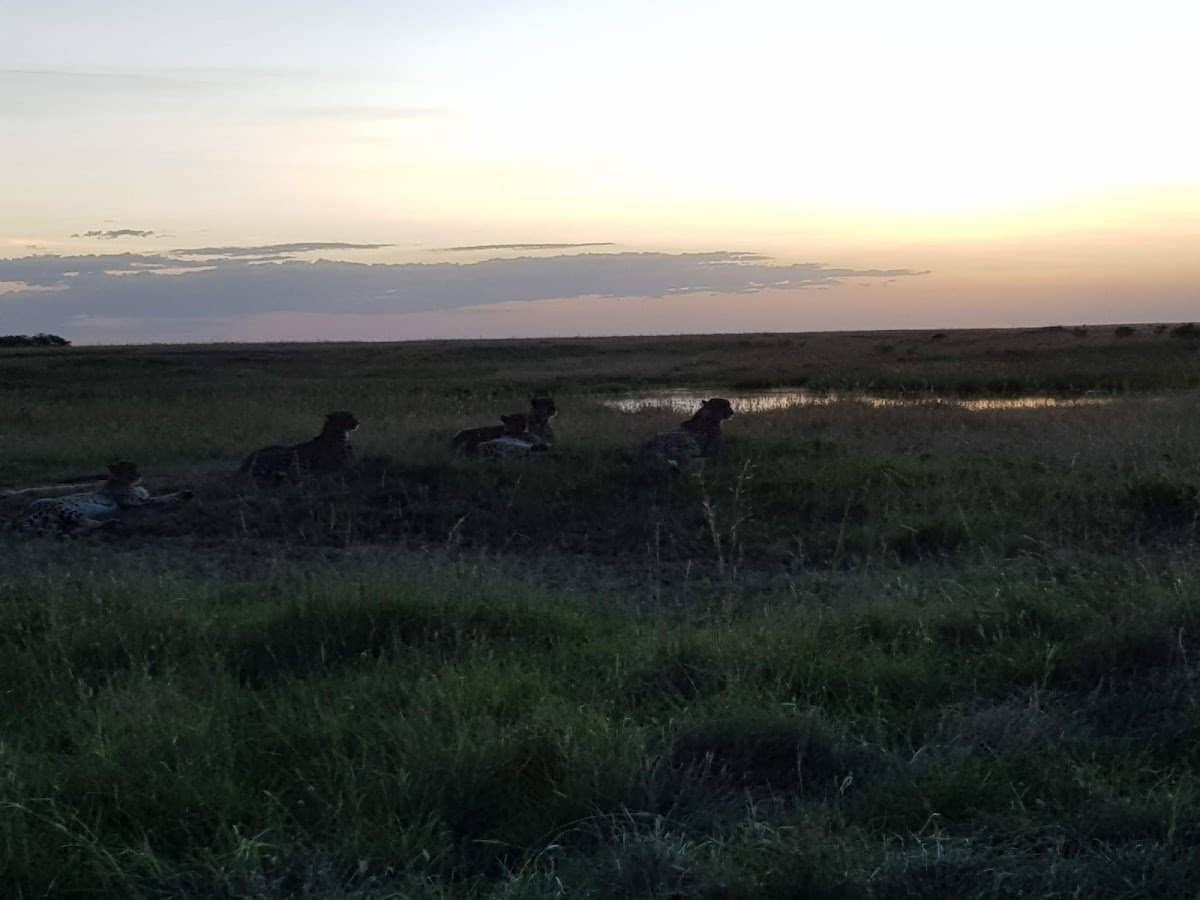
Self-catering accommodation in the Maasai Mara
Self-catering accommodation in the Maasai Mara works best when the guest kitchen, groceries and safari transport are planned together. Compare a shared kitchen with a private cooking space, then check equipment, food storage and optional meals. A room advertised as self-contained does not necessarily include facilities for guests to cook.
Guest kitchens and self-catering accommodation
Self-catering accommodation needs a cooking space that guests are permitted to use. A camp can have a restaurant kitchen without making it available to visitors, and a self-contained room may simply describe its bathroom facilities. The kitchen attached to the particular product determines how guests can prepare meals during that stay. The useful question is what you can prepare, with which equipment, during your stay.
A shared guest kitchen and a private kitchen create different experiences. Shared facilities can suit a party that is comfortable organising around other guests, while a private space can offer more control over meals and storage. Neither description establishes the equipment or ingredients supplied. Those details shape what to bring and the time needed for cooking, so the meal routine can fit around the safari.
Self-catering also leaves other parts of the trip to be arranged. Accommodation alone does not establish a safari vehicle, guide, entry tickets or transport to the property. Our safari arrangements are private to your travelling party and can be planned around your preferred meal model. Compare the stay and the complete itinerary together, rather than assume the room price settles the whole trip budget.
Five checks for self-catering accommodation
Kitchen access
Confirm a real guest kitchen and whether it is shared or private.
Equipment
Check cooking facilities, utensils, dishes and the items you need to bring.
Food storage
Do not assume a refrigerator, freezer or dedicated storage is provided.
Groceries and meals
Plan supplies and confirm any optional catering arrangement.
Safari transport
Arrange the vehicle, guide, transfers and entry separately from a room-only tariff.
Shared and private kitchens
A shared kitchen can offer a practical way to prepare meals without booking a whole house. Shared-kitchen access, any cooking schedule and storage space determine how easily the party can prepare its meals. Different parties may want breakfast or dinner at similar times. Knowing the arrangement in advance helps you decide whether shared facilities suit the way you want to spend the trip.
A private kitchen can give your party a more independent meal routine, but ask what is supplied. A cooker, refrigerator, utensils and dining space should be confirmed individually. Private access does not mean that every appliance or ingredient is included. The product description and your written quote should identify the cooking provision clearly enough for you to plan groceries and luggage.
Compare both with optional catering. You may want to cook some meals while using prepared meals on wildlife-viewing days. A stay can support that combination if it is arranged, but it should not be assumed. Choose the kitchen model because it works for the party and the itinerary, rather than because one label sounds more independent than another.
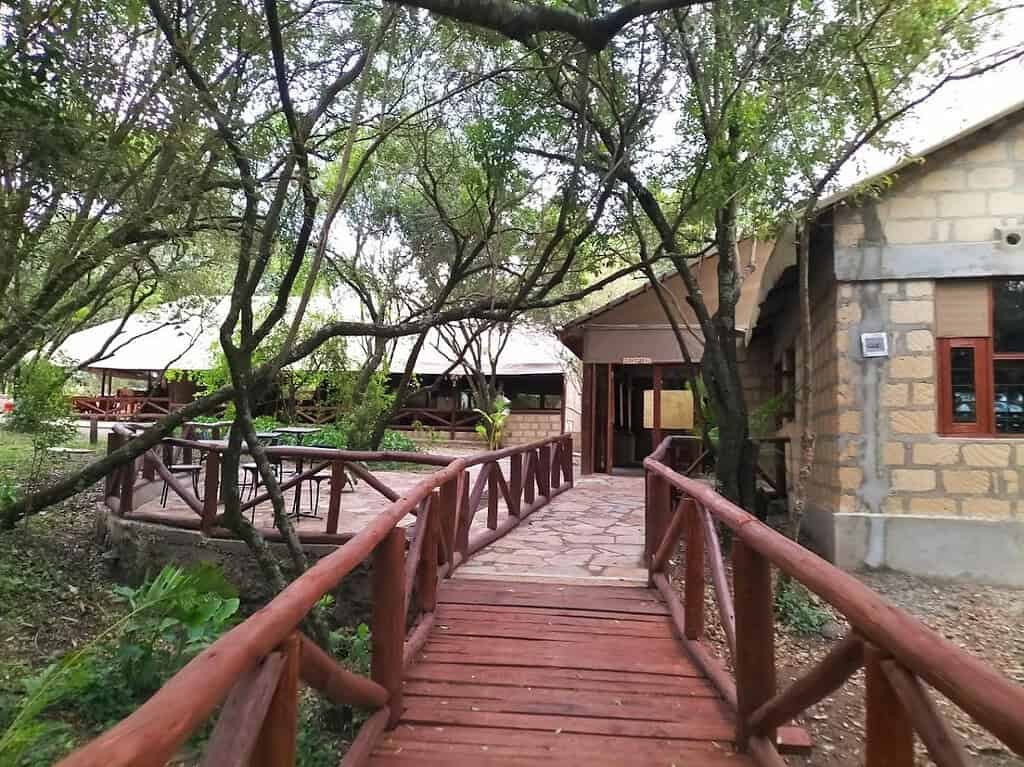
Cooking arrangements compared
| Arrangement | Useful when | Confirm |
|---|---|---|
| Shared guest kitchen | You want cooking facilities without a whole private house | Access, equipment, scheduling, storage and cleaning arrangement |
| Private kitchen | Your party wants its own cooking and meal routine | Appliances, utensils, ingredients, food storage and exclusive access |
| Self-catering with optional meals | You want flexibility around the safari schedule | Advance notice, meal prices, dietary arrangements and which services are available |
| Campsite with cooking facilities | Camping and preparing food are part of the experience | Pitch equipment, cooking permission, water, sanitation and supplies |
Kitchen equipment
A practical kitchen description lists the equipment available for preparing, serving and clearing meals, rather than just naming the kitchen. Cooking facilities, cookware, utensils, crockery and cleaning provision can vary. The supplied equipment and anything the party needs to bring determine which meals are realistic to prepare. A small shared kitchenette may be entirely adequate for simple food, while another plan may require a more substantial setup.
The planned meals give a useful equipment checklist because simple food and more involved cooking need different facilities. Ovens, freezers and other appliances vary between kitchens; the actual equipment list sets what food preparation and storage the stay supports. If the ingredients or equipment need to travel with you, account for luggage and the arrival vehicle. A self-catering plan should be realistic for the actual kitchen and journey, not based on what a city rental usually provides.
The property’s cooking and cleaning arrangements help guests use the facilities responsibly and leave shared spaces ready for others. Shared facilities especially depend on a clear arrangement for using and leaving the space. Water and fuel provision, including any charge, form part of the practical kitchen arrangement alongside cookware and storage. These are ordinary accommodation details that can make the stay simpler when resolved before arrival.
Food storage
Food storage is a separate question from the presence of a cooker. Refrigeration, freezer space and secure grocery storage determine which supplies can be kept and how the meal plan works during the stay. Kambu’s published guest-kitchen information specifically says it has no refrigerator, so visitors should not plan as if chilled storage is part of that product. Match your grocery choices to the facilities actually supplied.
A private house or guest cottage may offer another arrangement, but the details still need confirmation. The available storage and whether it is shared set the usable space for the party’s supplies and ingredients. If you are bringing supplies on a longer journey or changing camps, include those movements in the plan. A meal strategy should work from departure to arrival as well as during the stay itself.
Food storage in a wildlife setting needs the camp’s designated arrangements so groceries and leftovers do not attract animals. Do not leave groceries or leftovers in places that attract animals, and do not feed wildlife. Proper storage and tidying are part of using the accommodation responsibly. The presence of a guest kitchen does not remove the need to follow the property’s instructions and the rules of the areas you visit.
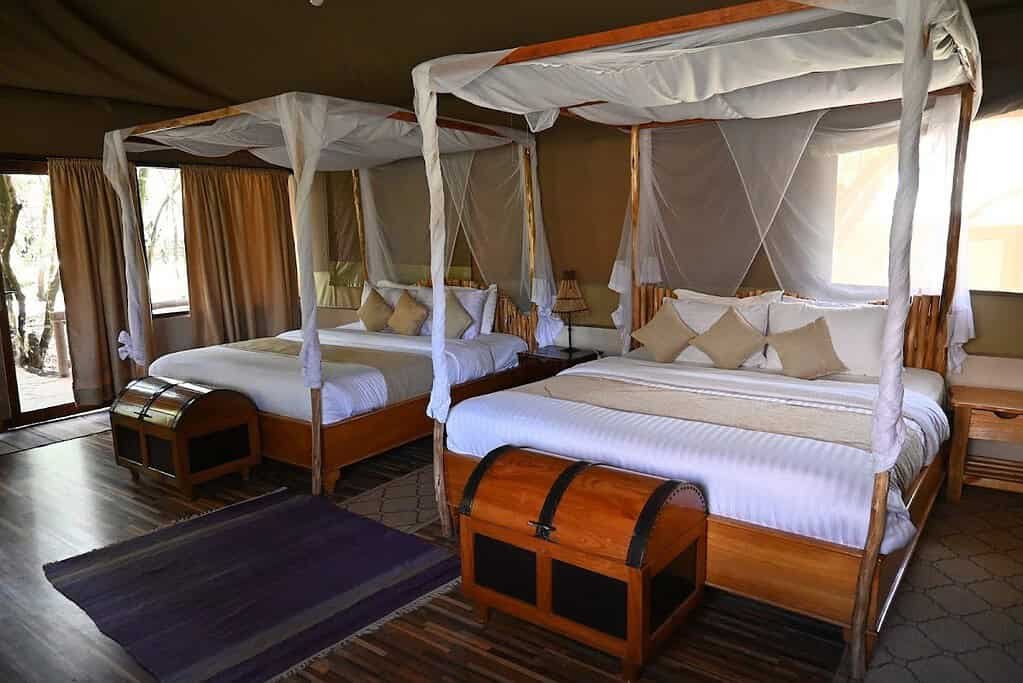
Groceries and supplies for the journey
Plan supplies before travelling to the property. The arrival route and available supply stops shape the grocery plan; the camp’s advice helps identify what needs to travel with the party. A planned grocery list accounts for supplies needed before arrival and the realistic options for replenishing them during the stay. The meal plan should reflect the journey, the storage facilities and the time your party wants to spend organising food.
Consider luggage and transport together. A road trip with supplies has different practical needs from flying with limited baggage or moving between several camps. The arrival arrangement needs space and a practical route for the supplies required by the meal plan. If you intend to cook only some meals, confirm optional catering before relying on it as the alternative.
Keep the shopping and cooking workload in the accommodation comparison. Preparing meals can be an enjoyable part of an independent stay, but it also uses time. Decide who will organise it and whether that fits the wildlife-viewing schedule. The useful savings are the ones that leave the trip working smoothly for everyone in the party.
Self-catering with prepared meals
A flexible meal arrangement can be useful when the property offers it. You might prepare a simple meal at the accommodation and use organised food on days spent away. Optional catering works best when the available meals, advance notice and charges are part of the plan before arrival. The services should be attached to the particular product and dates you book.
Compare the cost and convenience with full board. If prepared meals are required every day, a full-board product may make more sense than paying for them individually. If your party wants to cook, a genuine kitchen can be the more suitable choice. The decision depends on how you will use the stay, not on a rule that one model always costs less than the other.
Dietary needs shape the ingredients and any catering arrangement chosen during planning. Cooking your own food can give you control over ingredients, while optional catering may be useful for early departures or long wildlife-viewing days. Neither should be assumed to solve every requirement without preparation. The available meal service needs to fit the safari schedule, including early departures, time away from camp and arrival days.
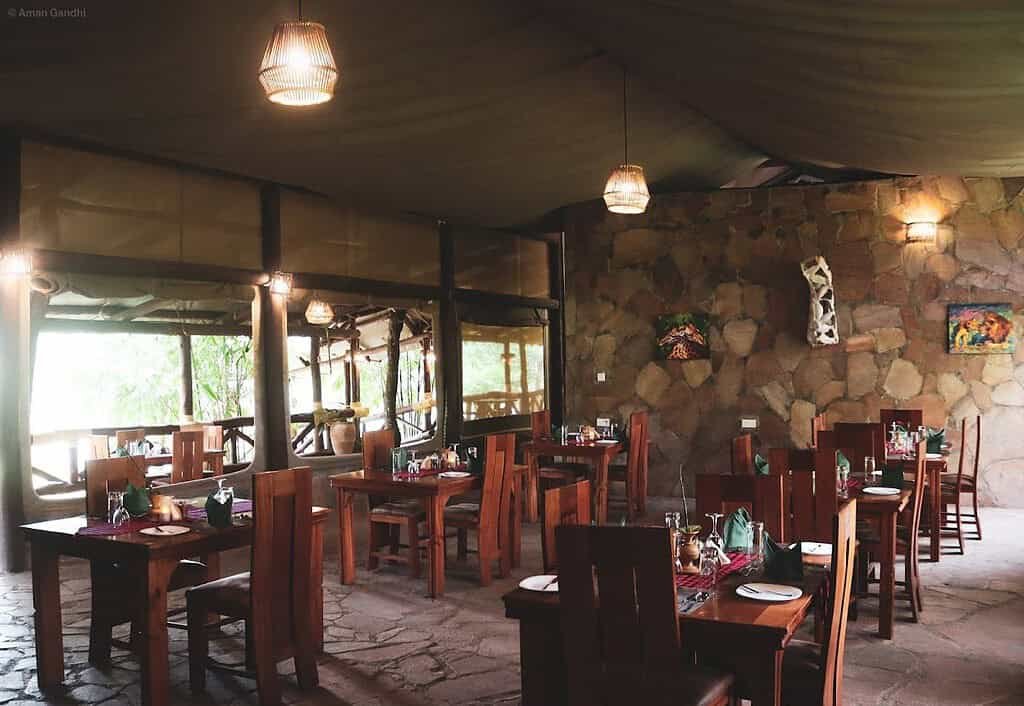
Self-catering accommodation and game drives
An accommodation-only tariff should be treated as the stay, not as the whole safari. Vehicles and guiding are separate parts of the safari plan; accommodation with a guest kitchen can provide or arrange these on its own terms. Cooking facilities do not establish transport or entry into any wildlife area. A guest who prepares meals still needs an appropriate plan for reaching the places they want to visit.
Our safari arrangements are private to your travelling party. The final quote should include the vehicle, guide, scheduled entry and compulsory charges for the selected itinerary, while leaving your meal arrangement clear. A self-catering room price cannot be presented as the private safari total without these services being costed and organised.
Sleeping outside a wildlife boundary does not change the rules inside it. Walking safaris and night drives are not permitted in the National Reserve, including the Mara Triangle. Activities away from the accommodation depend on their setting and provider, as well as the travel and participation arrangements. Do not interpret an independent meal plan as permission to conduct an independent activity in a wildlife area.
Location and kitchen access
A kitchen is useful only when the stay also supports the safari. Compare the route into the wildlife area, your arrival arrangement and the time available for meals. A property may suit a relaxed self-catering visit while requiring a different plan for repeated early departures. Choose the location and cooking model together, rather than find a kitchen first and solve the itinerary afterwards.
A full wildlife-viewing day needs a food arrangement that works away from the kitchen, such as suitable carried meals or organised catering. You may need to prepare food in advance or arrange a meal service with the camp or operator. The equipment and timing needed for the chosen meal approach belong in the day’s plan alongside the drives. The goal is a workable day outdoors, without returning to the accommodation merely because the meal arrangement was left unresolved.
If you change camps, consider the supplies and unused ingredients as well as luggage. A multi-area itinerary can be attractive, but a self-catering plan needs to work through each transfer. Staying longer at one suitable base may simplify the organisation. Compare the benefits of moving with the time and responsibility that the cooking model adds to the trip.
Self-catering for families and groups
It can suit a party that enjoys organising meals and has a workable kitchen and rooming arrangement. Beds, bathrooms and quoted occupancy provide a fair basis for comparing a whole-unit stay with accommodation charged per guest. A family tent, guest cottage and private house can offer different levels of space and privacy. The kitchen is one part of that wider choice.
Agree how the cooking will be organised. Buying food, preparing meals and cleaning up can be enjoyable shared activities or a responsibility one person ends up carrying. Optional catering can ease particular days when the workload of shopping and cooking would interrupt the family’s safari plans. A realistic arrangement should leave everyone able to enjoy the safari rather than create avoidable work.
The property’s child policy and essential facilities determine family suitability alongside the cooking and meal arrangement. Self-catering does not establish any age rule, access feature or particular room setup. The party’s room, kitchen and meal needs define the accommodation choice; private safari transport then connects it with the itinerary. The private-house comparison is useful if exclusive living space is also important.
Comparing the complete cost
Start with the accommodation amount for the actual guests and nights. A per-tent tariff for two guests is different from a per-person price, while a house may be quoted for the whole unit or per adult. Keep occupancy and the rate basis visible. A low amount can be accurately advertised but still be the wrong product for your party.
Add the food arrangement you intend to use, then consider transport, guiding, entry and compulsory property charges. Compare an equivalent itinerary with a full-board or game-package alternative. The point is to understand the trade-off, not to assume that a room-only stay always wins once the other services are included.
Assess convenience and time alongside the budget. A self-catering plan may give you welcome independence, or it may be less suitable for a trip focused on long days outdoors. The budget-camp comparison and mid-range options provide alternatives when organised meals make the stay easier without changing your safari priorities.
Details to confirm before travelling
Obtain a clear description of the booked room, guest kitchen, equipment and storage. The date-specific quote needs the actual party and room arrangement, including any charge for kitchen facilities or optional meals. The supply list and arrival arrangements connect the guest kitchen with the journey to the property. A self-catering booking should leave you knowing which responsibilities are yours and which services the property supplies.
Match the safari vehicle, guide and entry arrangements with the stay. Days away, departure and changes of camp need meal and storage arrangements that work beyond the kitchen itself. Our complete private quote includes the necessary scheduled fees and compulsory selected-property charges, rather than presenting an accommodation-only amount as if it covered the entire trip.
Read the booking and cancellation terms for the chosen product. If cooking facilities or a room feature is essential, confirm it before committing. The useful outcome is a stay that gives your party the independence you want, with practical food, transport and wildlife-viewing arrangements that work together.
The complete written quote
A useful written quote connects the accommodation product, room arrangement, meal plan and travel dates with the services your party receives. A camp can offer accommodation only, full board and a game package, each covering a different part of the stay. The product description and inclusions therefore matter alongside the property name. Comparing the same arrangement from arrival to departure makes compulsory charges visible and helps you judge the complete cost.
The accommodation tariff covers the services listed by the supplier, which can include shared game drives. Our safari arrangements provide private vehicles and guiding for your travelling party, so the itinerary prices that service alongside the chosen accommodation. Local airstrip transfers and a road transfer from Nairobi cover different parts of the journey. Keeping those arrangements visible gives you a clearer picture of what the trip provides.
Reserve entry, conservancy charges, community levies and compulsory property contributions can be included in a supplier’s accommodation tariff or charged alongside it. Our complete private safari quote includes scheduled Reserve fees and compulsory selected-property charges. The same party size and room occupancy give a fair comparison across options. Single use, children’s arrangements and extra beds can change both the room product and its price, so these belong in the party-specific quote.
Accommodation comparisons help you shortlist a stay; the date-specific quote sets the final cost and availability. The travel season, room occupancy, meal arrangement, included activities, compulsory charges and cancellation terms all affect the decision. Use the safari-cost guide to understand the wider budget before you settle on a stay.
Accommodation and your journey
Accommodation location shapes the arrival route. A road itinerary connects the appropriate gate with the final approach to the property. A flight itinerary connects the airstrip used by the camp with its onward transfer. These are practical service arrangements as well as points on a map. A change of camp introduces another journey, so the route should account for the luggage, travelling party and vehicle arrangements needed between stays.
The road journey from Nairobi and Mara flight options provide different ways to connect with the accommodation. Their value depends on the full arrival and departure arrangement, including the final transfer. When combining areas, the movement of the vehicle, guide and luggage affects the time available for wildlife viewing. A coherent itinerary makes those movements part of the safari plan.
Reserve entry arrangements depend on where you stay and the places your itinerary visits. Read the park-fee guide before purchasing tickets. If your operator arranges the tickets, keep the relevant charges and payment responsibilities clear in your quote. If you need to purchase directly, use the KAPS ticket portal for the appropriate place of stay and visit details.
Leave room in the plan for the experiences that matter to you. A camp’s facilities do not replace time outdoors, and an attractive photograph does not establish convenient access to your preferred wildlife area. Connect the stay with the best-time guides and the activity choices so the accommodation supports the safari you want.
Self-contained rooms and self-catering
Self-contained can describe a room with its own bathroom. It does not by itself mean guests have a kitchen. Guest cooking requires a space supplied for that use, with appropriate equipment and a clear shared or private arrangement. Choose from the confirmed facilities rather than use the wording of a general room description as proof that you can prepare meals.
Full board for a busy safari
Full board can simplify meals when your days focus on wildlife viewing, while self-catering can suit a party that enjoys its own routine. Compare the actual facilities, schedule and complete cost. Optional meals can provide a useful middle ground where the property offers them, but confirm that arrangement before relying on it.
Plan a self-catering stay and private safari together
Send your dates, party size, kitchen preferences and rooming requirements. We can compare suitable accommodation and arrange a private safari quote with transport, guiding, scheduled entry fees and compulsory charges clearly included, while leaving your preferred meal arrangement explicit.
