
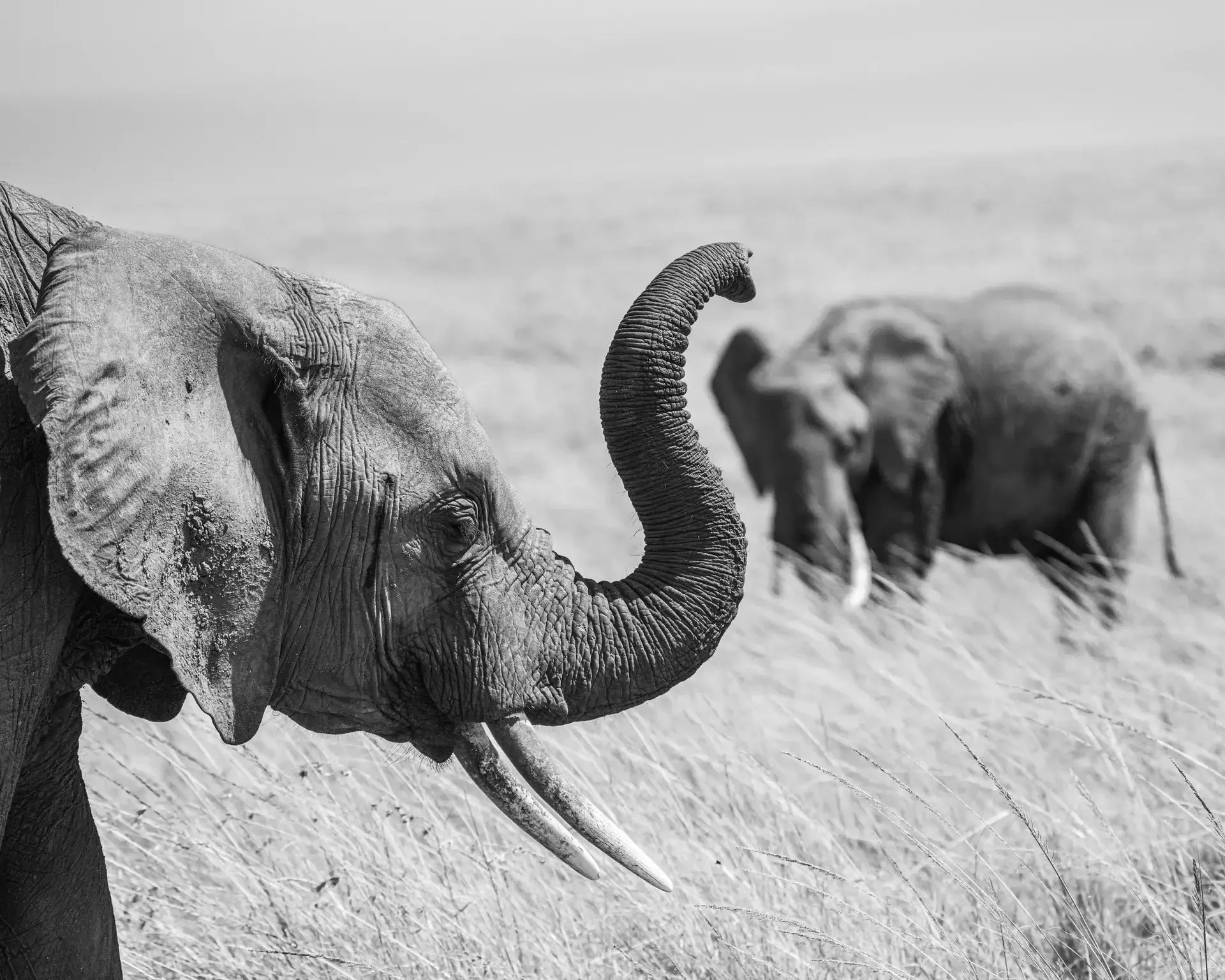
About Maasai Mara National Reserve
Learn about Maasai Mara National Reserve, Kenya's grassland wilderness beside Tanzania's Serengeti: its wildlife, migrating herds, Maasai heritage and history, and how to plan a thoughtful visit.
The Maasai Mara at a glance
Narok County, Kenya
The Reserve borders Tanzania's Serengeti National Park.
Wildlife throughout the year
Resident animals share the landscape with seasonal migrating herds.
A living Maasai landscape
Communities, conservation and tourism shape the wider Mara.
Choose your location carefully
The Reserve, Mara Triangle and surrounding conservancies have distinct arrangements.
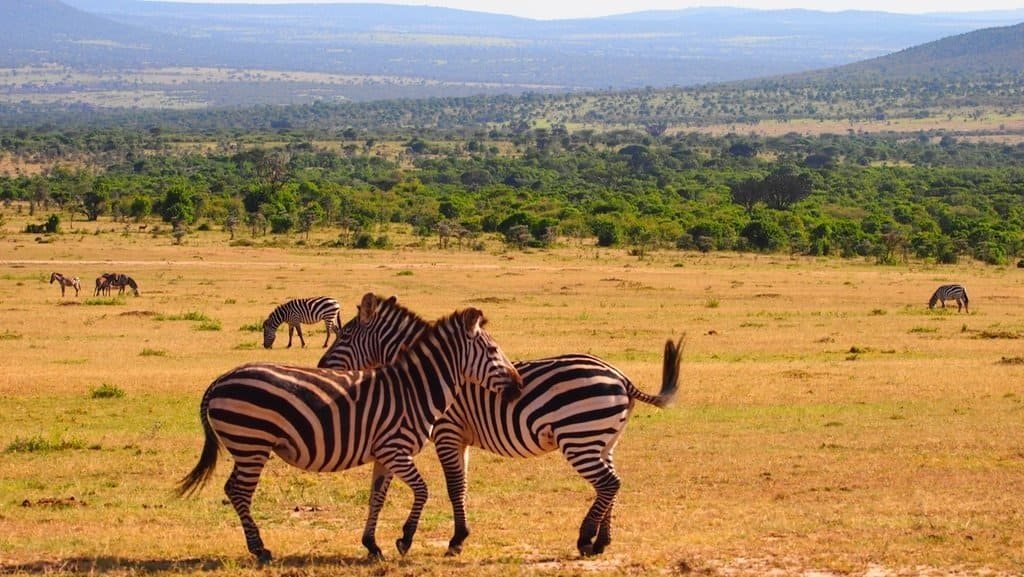
The Maasai Mara National Reserve protects a savannah landscape in Narok County on Kenya’s border with Tanzania. Open grasslands, wooded drainage lines and rivers support large grazing herds and predators. The Reserve forms the northern part of the Serengeti–Mara ecosystem, where wildlife movements cross the international border. It is both a place to watch animals and part of a wider landscape connected to Maasai communities.
A useful introduction to the Maasai Mara goes beyond the famous river crossings. Resident wildlife, the changing light, birdlife and the relationships between people and land all contribute to a visit. This guide explains the setting and its history, then connects those features to the choices that shape your safari. For quick practical answers, use the searchable Maasai Mara FAQs.
Explore this guide
About Maasai Mara: landscape and location
The Maasai Mara lies beside the Serengeti National Park, with the Siria, also called Oloololo, escarpment to the west. Maasai pastoral land surrounds the Reserve to the north, east and west. The international boundary separates Kenya and Tanzania’s administration; the ecological connection extends across it. A Kenyan Reserve booking does not automatically include permission to enter Tanzania or the Serengeti.
Grasslands are the most recognisable habitat, but they are only part of the picture. Acacia trees, bushes, wooded hills and vegetation along watercourses create different feeding, resting and sheltering places. The Mara, Talek and Sand rivers are important features of the Reserve. Riverbanks can hold wildlife even when migrating herds are elsewhere, while open plains make it possible to observe animals across a broad landscape.
The scenery changes with rainfall and grazing. Fresh grass, dry standing vegetation, muddy tracks and clear or stormy skies can all be part of a safari. These changes affect the routes a guide chooses and the way photographs look. A distant animal on an open plain and a leopard concealed in vegetation call for different observation skills; neither habitat guarantees a particular sighting.
Maasai is the name of the people, and Maa is their language. The Maa word mara means spotted, dotted or patchy, and can describe a spotted giraffe. Language is one way to begin understanding the place and its connection with the people who live in the wider landscape. A community visit can offer an opportunity to hear more from Maasai hosts themselves.
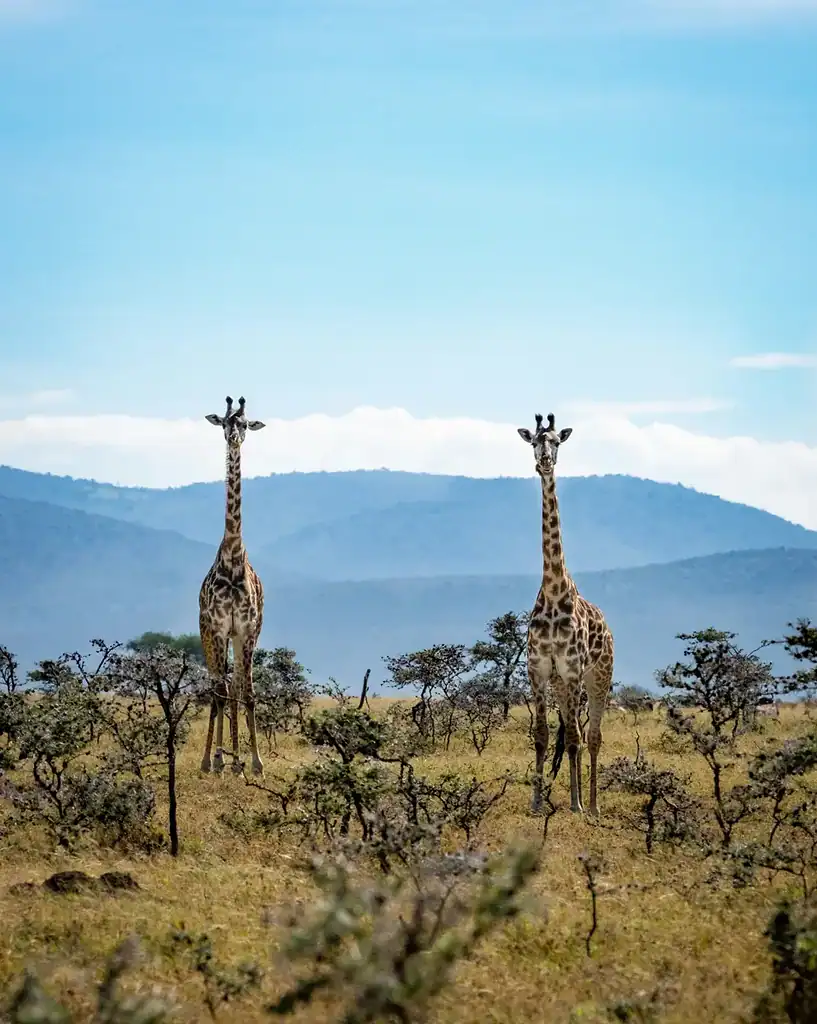
The Reserve, Mara Triangle and Greater Mara
“Maasai Mara” is used for both the National Reserve and the broader safari destination. The Greater Mara includes surrounding community land, conservancies and accommodation outside the protected boundary. Those places connect ecologically, but their tourism arrangements differ. A camp’s address, a conservancy membership and a Reserve ticket describe different things, so location needs to be understood before choosing accommodation or activities.
Narok County Government manages the Maasai Mara National Reserve. The Mara Triangle is the part west of the Mara River, managed by the Mara Conservancy under an agreement with the county. The word “Conservancy” in the management company’s name does not make the Triangle a private conservancy outside the Reserve. It is a sector of the National Reserve, with its own visitor-management arrangements.
Surrounding conservancies are partnerships involving Maasai landowners and tourism partners. They set their own access and operating conditions. Guided walks or night drives may be available where a conservancy permits them; those activities are not allowed in the National Reserve. A conservancy stay can include a visit to the Reserve, but that needs a separate itinerary and the applicable entry arrangements.
Our private safari packages use the National Reserve and suitable nearby Greater Mara camps. They do not include private conservancy stays or conservancy access charges. This gives the visitor a clear basis for comparing itineraries. Use the Mara conservancy guide to understand the wider destination and the Reserve fees and rules guide for the applicable visitor categories and ticket conditions.
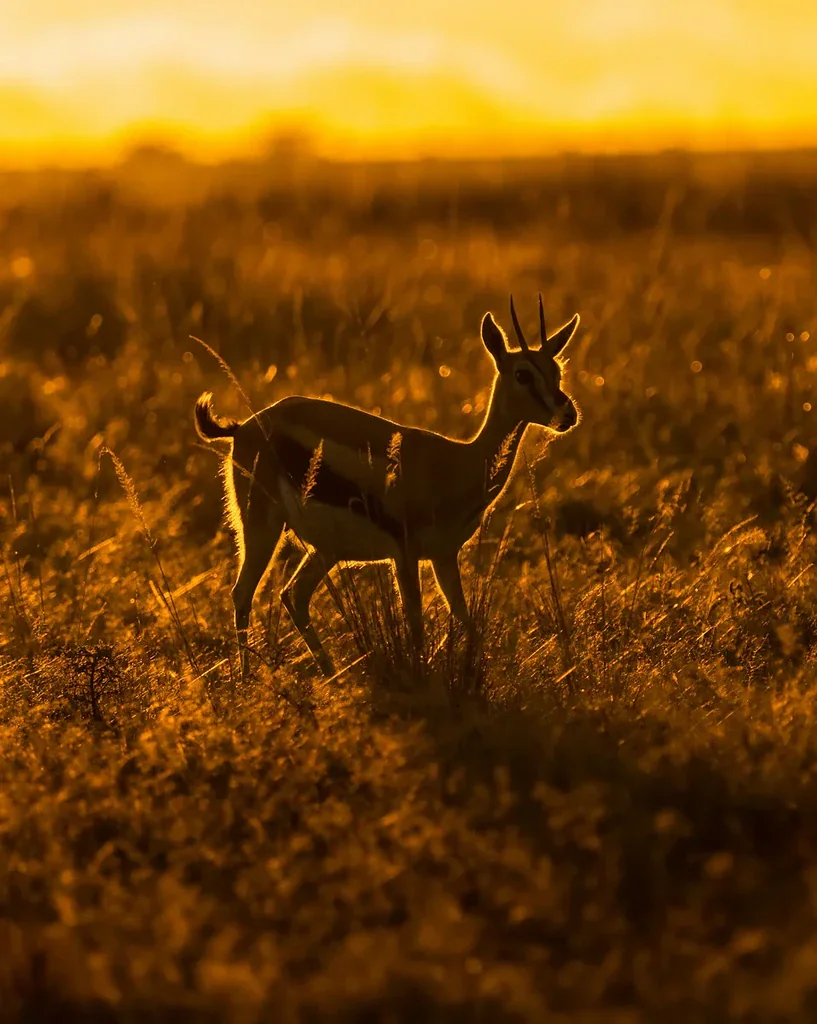
Resident wildlife and birdlife
Lions, leopards, elephants, buffalo and black rhinos live in the Reserve. Together they are known as the Big Five, but the label is a familiar grouping rather than a promise that every guest will see every species. Cheetahs, giraffes, antelope, hyenas and many other animals can be equally memorable. Black rhinos can be particularly difficult to find, and patience matters more than completing a checklist.
Resident wildlife makes the Maasai Mara a destination beyond the peak migration period. A game drive may follow tracks, watch a pride resting, spend time with feeding elephants or pause for small animals that are easily overlooked. The guide’s knowledge helps interpret behaviour and habitat. Animals move freely, and changes in vegetation, weather and visibility affect what can be observed on a particular drive.
Birdlife adds another layer to the experience. Grassland, woodland, water and different seasons support varied species. Birds of prey, vultures, colourful rollers and water-associated birds offer reasons to look beyond the larger mammals. Binoculars help with identification and reduce pressure to move a vehicle closer. A guide can adapt the pace for a keen birder while still balancing the interests of the travelling party.
A broad wildlife introduction is more useful than a single population total. Surveys use defined areas, dates and methods, and a count for the Greater Mara is not necessarily a count inside the Reserve. Our Big Five guide introduces the best-known animals; the FAQs explain the basis and limitations of selected published counts. Treat a safari as an opportunity to observe a living ecosystem rather than a guarantee of a particular encounter.
The Great Migration and river crossings
The Great Migration connects the Serengeti and Maasai Mara through seasonal movements of wildebeest, accompanied by zebras and other grazing animals. The herds respond to grass and water across the wider ecosystem. Their movement is not a fixed procession along a single route, and the Kenya–Tanzania border is not an ecological stopping point. Conditions can draw animals back and forth during the period they use the Mara.
July to October is the familiar planning window for the migration in the Maasai Mara, but arrival, distribution and departure vary. Some animals arrive earlier or remain later, and rain can change where grazing is attractive. A historic observation describes what happened on its recorded date; it is not evidence that herds are in the same place today. Our Great Migration guide separates the seasonal pattern from dated observations.
River crossings are possible highlights, not scheduled performances. Herds may gather, hesitate, move away or cross outside a visitor’s viewing time. A vehicle should not crowd a bank, block an approach or push animals towards the water. Waiting responsibly is part of viewing a natural event. A safari can include river sectors and migration habitat without promising that a crossing will take place.
Choose dates with your wider interests in mind. Predator behaviour, birds, landscape photography and general wildlife viewing remain worthwhile when a crossing does not happen. Migration-focused travel also makes camp location and access important: a beautiful room can still be far from the day’s relevant sector. Compare the month-by-month visiting guide with your itinerary and remember that any seasonal outlook remains a guide to likely conditions.
Maasai heritage and the people of the Mara
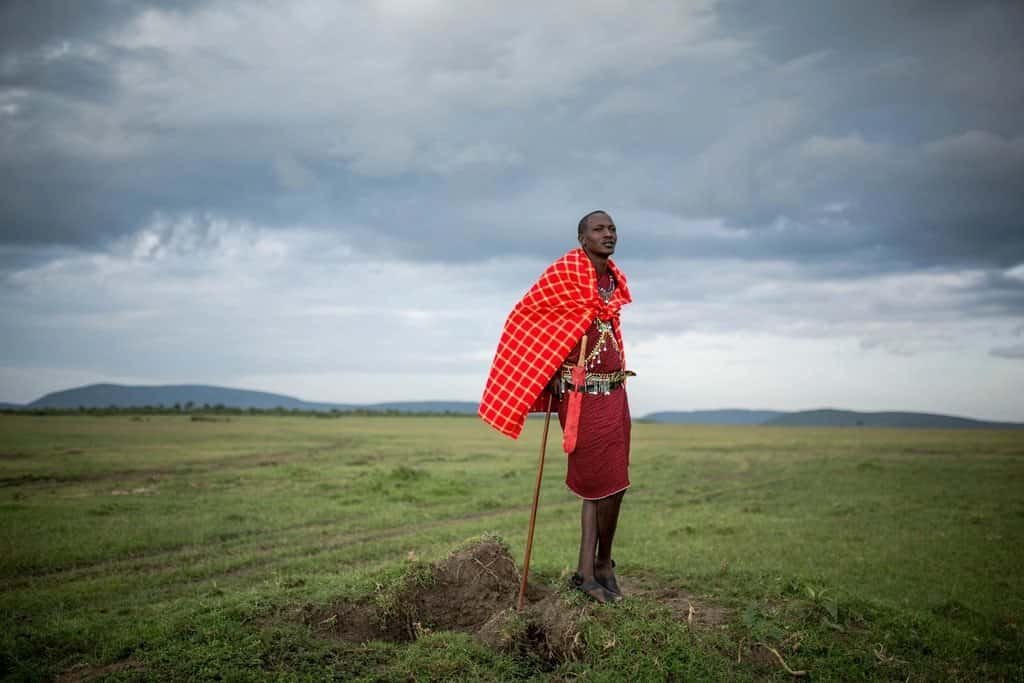
The Maasai Mara is connected to Maasai people through language, land and community life. The wider landscape includes pastoral livelihoods alongside conservation and tourism. Maasai communities are contemporary communities with different experiences, occupations and individual choices. A visitor introduction should make room for that diversity rather than reducing people to dress, a dance or a single account of “traditional life”.
Community visits can offer a chance to hear directly from hosts about their lives, skills and relationship with the land. The quality of the visit depends on who organises it, what the hosts choose to share and how benefits reach the community. The Reserve’s management planning recognises both the value of cultural tourism and concerns about intermediaries and payment arrangements. Transparent, community-supported visits are a more thoughtful choice.
Give people control over photography and participation. Request permission before taking photographs of individuals, explain what you would like to photograph and accept a refusal without pressure. Follow your hosts’ guidance around homes, children and ceremonies. A purchased excursion does not give unrestricted access to every part of someone’s life. A guide can help with introductions and translation while letting the hosts speak for themselves.
A cultural visit should be included clearly in the itinerary, with its arrangements explained before booking. It can complement wildlife viewing, but it should not be presented as an automatic feature of every camp stay. Read our Maasai cultural-visit guide for practical context. Respectful conversation, locally made goods and an interest in the hosts’ own account of their community can contribute more than treating the visit as a photographic stop.
Maasai Mara history and protection
The Maasai Mara’s protection developed through several stages. The area now called the Mara Triangle was first protected in 1948. Administration subsequently passed to Narok County Council, and the reserve extended eastwards. Legal establishment and later boundary changes shaped the National Reserve that visitors explore today. The milestones below trace those stages, while the history of the surrounding communities extends beyond the protected area’s administrative record.
Conservation history also extends beyond a legal notice. The Reserve sits within a landscape used by Maasai communities, with rivers, grazing land and wildlife movements connecting areas under different forms of management. Boundaries matter for governance and visitor access, while the animals and ecological relationships extend beyond them. This relationship helps explain why planning for the Greater Mara accompanies management of the National Reserve itself.
The modern arrangement divides Reserve management between the county’s Narok sector and the Mara Triangle. The Mara Conservancy began managing the Triangle on 12 June 2001 under an agreement with the local authority, subsequently inherited by Narok County Government. Its work includes visitor management and protection of wildlife. The Reserve remains distinct from the surrounding private conservancies, even though those areas contribute to the connected ecosystem.
The Reserve is on Kenya’s UNESCO tentative list, a preliminary stage in the World Heritage nomination process. Its status is tentative rather than an inscription on the World Heritage List. The submission describes the Reserve’s connected savannah ecosystem, migration and importance for wildlife conservation.
Key stages in the Reserve's history
First protection
1948: the area now known as the Mara Triangle was first protected as a national game reserve.
Administration and expansion
1961: administration passed to Narok County Council and the reserve was extended eastwards.
Legal establishment
1974: Legal Notice 271 established the Reserve in the legal record cited by Kenya's tentative-list submission.
Boundary changes
1984: areas were removed for livestock watering points, leading to the present boundary.
Seasons and the changing landscape
The Maasai Mara changes with rainfall, grazing and the movements of wildlife. The long rains generally affect April and May, while the short rains are associated with November and December. Rainfall varies across the landscape and from one year to another. A seasonal description should help you prepare for a range of conditions rather than promise dry weather or a precise rainfall pattern on your travel dates.
Greener periods can bring fresh vegetation, dramatic skies and a different photographic character. Wet ground can also make some tracks difficult, and the guide may need to alter a route. Drier periods can mean more dust and a different balance of grass and open ground. Your clothing, camera protection and expectations should allow for those practical differences. Comfortable preparation matters in every season.
The popular migration period can bring busy wildlife sightings and strong demand for well-positioned camps. Quieter periods can suit visitors interested in resident animals, birding or a less hurried pace. Neither choice guarantees solitude or particular wildlife. School holidays and festive dates can also affect demand. Accommodation’s own seasonal categories may differ from the Reserve’s entry-fee seasons, so a label such as “low season” needs context.
Start by choosing your interests: migration habitat, general wildlife, birds, photography, family time or a particular accommodation experience. Then compare the best time to visit the Maasai Mara with the camp’s location and operating arrangements. The strongest itinerary fits those interests to realistic conditions. It does not rely on a universal “best month” or assume that a headline migration window describes every part of the Mara.
Experiences and responsible wildlife viewing
Daytime game drives are the main way to explore the National Reserve. A private safari gives your travelling party its own vehicle and guiding, with the day’s emphasis shaped by your interests and the applicable rules. Your guide can interpret tracks, behaviour and habitats, but cannot make wild animals appear or promise exclusive sightings. Other visitors may share a wildlife-viewing area even when your vehicle is private.
A balloon flight offers a different perspective over the landscape, subject to weather and the operator’s arrangements. It is normally an optional, separately quoted experience. A private road safari does not make a balloon basket exclusive; a shared flight and a dedicated charter are different products. Photography, birdwatching and community visits can add variety without treating every activity as an included part of the land package.
Reserve rules protect both visitors and animals. Stay within the permitted vehicle arrangements, leave animals room to move, keep noise low and avoid interfering with feeding, hunting or river approaches. Off-road permission is limited by zone and circumstances; it is not a general benefit of a private booking. Leaving the vehicle is restricted to designated locations, and the guide’s instructions apply throughout the visit.
Guided walks and night drives are not National Reserve activities. Where such experiences are offered on surrounding land, their availability depends on the area’s permissions and the provider. Our Mara activities guide explains the choices, while the fees and rules guide describes the visitor conditions. A rewarding safari comes from unhurried observation and an appropriate itinerary, with safety and animal behaviour setting the limits.
Accommodation and the importance of location
Accommodation around the Maasai Mara includes camps and lodges with different room types, facilities and service arrangements. A tented room can be simple or highly appointed, and the word “lodge” alone does not tell you its comfort level. Compare the actual room, bathroom, meals and shared spaces. The accommodation guide explains the different kinds of stay without treating a category label as a complete description.
Location is central to the experience. A property inside the Reserve, a camp close to a gate and a conservancy property have different access arrangements. The route between your room, a gate, an airstrip and a wildlife sector affects the daily itinerary. A scenic setting can still involve substantial transfers. Choose a stay that supports the areas and activities you want to explore.
Meals and guiding need to fit the day as well as the room. An early drive, a longer outing or a transfer may require breakfast or lunch arrangements different from the usual dining service. Written inclusions should identify the selected property and the services it provides. The travelling party’s private vehicle does not mean the whole accommodation property is reserved exclusively for that party.
Families and travellers with mobility needs benefit from specific property information. Paths, steps, room access, vehicle boarding and bathroom arrangements vary. Camps may be unfenced, requiring guests to follow staff guidance and escort procedures after dark. Describe your requirements before booking so the itinerary and room can be assessed together. A broad accommodation category or attractive photograph cannot establish whether a particular stay is suitable for you.
Planning your visit to the Maasai Mara
Nairobi is a common starting point for road safaris and scheduled light-aircraft connections. Mara flights generally use Wilson Airport, which is separate from Jomo Kenyatta International Airport. The appropriate airstrip depends on your accommodation and transfer arrangements. Light-aircraft baggage requirements need particular attention: the allowance on your international ticket does not establish the limit on the Mara sector.
Road travel gives a different journey and needs to be planned alongside the wildlife days. In our road safari base itinerary, the final morning is breakfast and the return journey, without a departure-day game drive or additional Reserve entry. A final-morning drive is optional and must be quoted separately with the applicable entry cost. Stays inside the Reserve also need to meet the relevant direct early-exit conditions; an optional drive is not covered by a no-drive departure exemption.
The Reserve’s visitor categories, ticket validity and sector-specific exit arrangements belong in a clear written itinerary. Our private packages include the scheduled park fees and compulsory charges for the selected property. Optional activities, personal spending and other exclusions should be described before you commit. The safari planning guide and searchable FAQs help you compare the details rather than relying on a headline package name.
Travel preparations include the entry process, health advice and suitable insurance. Use Kenya’s eTA portal for current eligibility and application requirements. A travel-health professional can advise on vaccination and malaria prevention for your circumstances. Insurance should cover the activities, local medical treatment and any necessary evacuation; evacuation membership alone is not equivalent to comprehensive travel insurance. Carry essential medication in your accessible luggage.
A practical safari planning checklist
- Choose your main interests and compare realistic seasonal conditions.
- Match the accommodation location to the Reserve sector, gate or airstrip used by the itinerary.
- Check private vehicle and guiding arrangements, scheduled entries, meals and selected-property charges in the written quote.
- Keep the optional road departure-morning drive and its extra entry separate from the base package.
- Explain room, accessibility, dietary and children's requirements before booking.
- Prepare for sun, cool early starts, rain or dust, and the booked flight's baggage conditions.
- Review entry requirements, personalised travel-health advice, insurance and cancellation terms.
Continue exploring the Mara
- Search the Maasai Mara FAQs – Practical answers on tickets, travel, health, families and booking.
- Explore attractions and activities – Understand what is available in the Reserve and wider landscape.
- Plan your safari – Connect your dates, accommodation, journey and interests.
- Read about MaasaiMara.ke – The separate page about our safari enquiry and booking service.
Plan your private Maasai Mara safari
Share your dates, travelling party and interests. MaasaiMara.ke quotes and books private safaris through authorised tour operator partners, with the selected accommodation and inclusions set out in your offer.
