
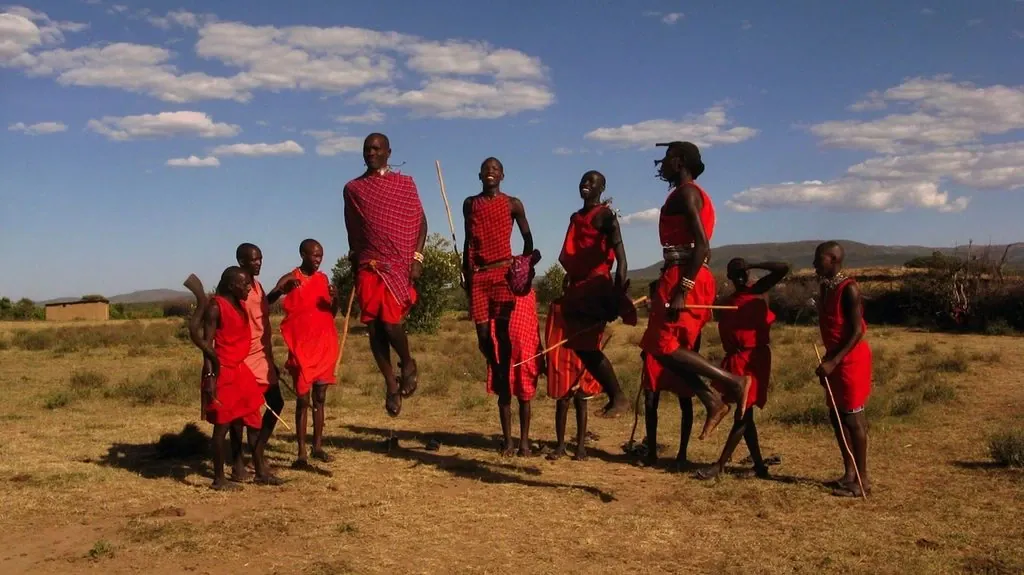
Maasai cultural tour and village visits
A Maasai cultural tour adds conversation and the activities hosts choose to share to your safari. A village visit follows an invited, community-led programme with clear payment arrangements. Listen to the hosts’ explanations, respect private spaces and obtain consent before photographing people or their property.
A visit led by your hosts
A host-led cultural tour
A cultural tour centres on the programme the hosts choose to share. Conversation, a craft explanation or a demonstration can each provide a way to learn about people and place. The exact activities vary, so choose a visit with a clear host-led programme rather than expect every community to offer the same sequence.
Choosing a host community
Ask the organiser which community is proposed and why that arrangement has been selected. A cultural tour should have a named host and an agreed welcome, rather than involve arriving at a settlement and expecting residents to receive the party. Confirm that the programme has been arranged with the people hosting it.
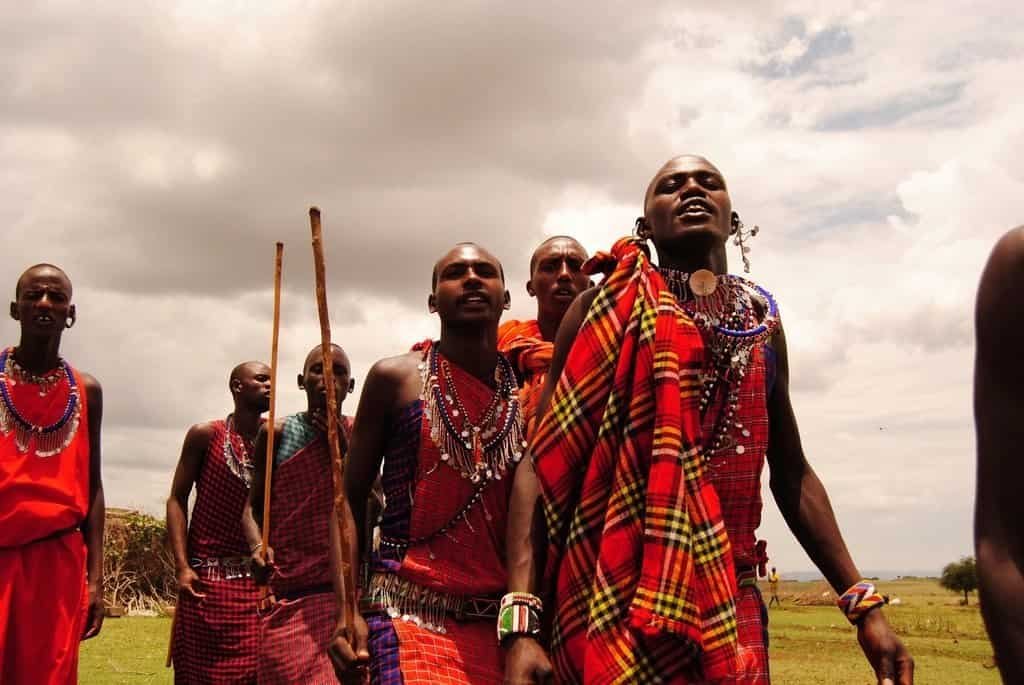
Community payments, crafts and contributions
Transparent community payments
Keep the visit payment distinct from transport, guiding, optional purchases and any photographic arrangement. A clearly organised cultural tour explains what the charge covers and who receives it. A ticket or receipt, where used, makes that arrangement easier to understand and remember.
The Mara’s management plans recognise that cultural visits can spread tourism income more widely, while also identifying problems with intermediaries. Transparent collection and community involvement therefore matter when choosing a programme. A general promise of community benefit is less useful than a clear description of how the booked visit is managed.
Read the inclusions before arrival and resolve any genuinely variable charges with the organiser. Shopping remains a separate choice, and a consent or payment arrangement for a photograph should be agreed before the picture is taken. This keeps the welcome and conversation from becoming a series of unexpected transactions.
The safari-cost page holds current price information. Your cultural tour needs its own stated basis for the selected community, dates and party. Use that written arrangement to compare options instead of treating a generic village-entry figure as a universal charge.
Craft purchases during a village visit
Ask whether a craft display or sales opportunity is part of the confirmed programme. If you are interested in buying, find out who made the item, who receives the payment and how the price is agreed. Do not assume that every item sold at a village visit has the same origin or benefit arrangement.
A purchase should be your choice. Clarify what is included in the cultural tour charge and what is optional, so the party understands the distinction before shopping begins. If you do not wish to buy, decline courteously without treating the hosts’ work as an obligation or a reason for embarrassment.
Avoid making claims about community support that you cannot verify. A direct purchase can be meaningful to the seller, but its wider effect depends on the actual arrangement. Transparent questions are more useful than assuming that a souvenir automatically funds a particular project.
Gifts and voluntary contributions
If you want to contribute beyond the agreed visit payment, ask the community how it prefers support to be arranged. Let the hosts identify their priorities rather than bring an unsolicited gift on the assumption that it will be useful. The organiser should help obtain a clear answer before the village visit.
Keep any voluntary contribution separate from a cultural tour inclusion. Ask who receives it, how it is administered and whether the proposed purpose is agreed by the community. A request for a donation should have enough information for the visitor to make a considered choice.
Respect a host’s preference not to receive gifts or discuss a contribution. A village visit does not need an additional transaction to be worthwhile. Listening carefully, paying the agreed charge and following the programme’s boundaries are practical parts of respectful participation.
Visit payments, transport and Reserve entry
A village visit and a National Reserve visit are different arrangements. Ask whether the proposed route crosses an entry boundary and how transport, visit charges and any required tickets are handled. Do not assume that a cultural tour payment includes a wildlife-area ticket, or the reverse.
If your wider safari requires a separately purchased Reserve ticket, use the KAPS park-ticket portal after the organiser confirms the appropriate ticket. That portal concerns the Reserve visit; the cultural tour’s community payment should be explained separately by the organiser.
Check the entry-fee guide for the broader rules and ask for your itinerary’s complete inclusions in writing. Our all-inclusive land packages cover their scheduled park fees and compulsory selected-property charges, with additional requested experiences confirmed explicitly.
Private spaces, photographs and children
Private-home boundaries
Follow the hosts’ invitation into the visiting area. The cultural tour has an agreed route and purpose; it does not provide unrestricted access to buildings, enclosures or household space. Wait for an invitation before entering and respect a host’s decision to keep part of the setting private.
A home visit, when included, is guided by the household’s own preferences. Listen to the explanation, remain in the areas indicated and avoid touching belongings without permission. An outdoor conversation can be just as informative when that is the welcome the hosts prefer to offer.
Permission for photographs
Obtain permission before photographing people or their property. Ask the person concerned, with the guide helping to interpret if needed, rather than assume that a general tour payment grants consent from everyone present. A refusal should be accepted without negotiation or pressure.
Ask about the intended use when relevant. Someone may be comfortable with a personal travel photograph but have a different view about being featured in promotional material. A cultural tour should not be used to collect a commercial photo library without an appropriate agreement with the people depicted.
Photographing children respectfully
Take particular care when children are present. Ask the responsible adult and follow the host community’s guidance, while respecting the child’s own reluctance. A child standing nearby does not automatically form part of the cultural tour programme or a photograph the party is entitled to take.
Avoid organising poses, asking children to perform or directing them away from their normal activity for a better picture. If the programme includes a family-led discussion, let the hosts manage participation. Visitors should not create their own activity simply because the guide is speaking with another member of the community.
Be cautious about sharing images with identifying details that the family has not agreed to disclose. Explain any proposed public use clearly and accept limits. A brief village visit gives little context for decisions about someone else’s image and privacy.
Conversation and respectful participation
Conversations with your hosts
Begin with what the host has chosen to explain. Ask how a displayed craft is made, how an activity fits into the person’s work or what they would like visitors to understand about the area. Let their answer lead the discussion rather than move immediately through a prepared list.
If you want to ask about a sensitive topic, check with the guide or host first. A paid cultural tour does not oblige participants to explain private matters. Accept a decision to change the subject and do not turn curiosity into an expectation of disclosure.
Allow time for interpretation where required. Speak clearly, listen to the answer and avoid treating a short translated response as the complete view of a community. A village visit is a limited encounter with particular hosts, whose perspectives should be understood in that context.
Respectful descriptions of Maasai communities
Describe the actual people and programme you encounter. Do not use a cultural tour to confirm assumptions that Maasai communities are unchanged, identical or detached from contemporary life. Clothing or a demonstration offered to visitors does not reveal everything about a person’s daily experiences.
Be careful with words such as “authentic” when comparing village visits. A community’s willingness to welcome visitors and offer a programme is not evidence that its members must live according to a visitor’s preferred image. Clear host involvement and fair arrangements are more useful selection criteria.
Family visits and the safari programme
A cultural tour within your private safari
Place the village visit alongside the wildlife outings, meals and transfers in the itinerary. It serves a different purpose from a game drive, with time to meet hosts, listen and take part in the agreed programme. Leave enough room for that exchange rather than turn it into a hurried roadside stop.
Our safaris have dedicated vehicles and guiding for the travelling party. The cultural-tour venue or host community may have its own visitor arrangements, so a private safari vehicle does not make the entire setting exclusive to your party. The visit should be described accurately within the booked programme.
Family village-visit planning
Explain the children’s ages and interests when arranging the cultural tour. Ask whether the host-led programme suits them and how participation is handled. Do not assume that the presence of children in a community means visiting children may join their activities without an invitation.
Prepare the family to ask permission, listen and follow the guide’s directions. Children may have straightforward questions about the objects or activities they see; give the hosts room to answer them. Avoid encouraging comparisons that turn the visit into a judgement about someone else’s home or belongings.
Ask about the setting and any practical requirements that matter to the party. Footing, shade, available facilities and access into the visiting area should be confirmed with the provider. A general description cannot establish whether a particular village visit accommodates a visitor’s mobility or other needs.
Plan the rest of your Maasai Mara stay
- Maasai Mara activities – Compare the experiences that fit your itinerary.
- Game drives – Plan private wildlife outings from a safari vehicle.
- Bird watching – Make time for the wider wildlife of the Mara.
- Where to stay – Match your accommodation to access and activity arrangements.
- Safari costs – Check the current price basis and compare inclusions.
Explore safari packages

From USD 1,200 per person sharing
From USD 1,700 per person sharing
From USD 2,450 per person sharing
From USD 3,000 per person sharing
From USD 1,500 per person sharing
From USD 2,000 per person sharing
From USD 2,350 per person sharing
From USD 1,950 per person sharing

From USD 1,700 per person sharing
From USD 2,900 per person sharing
From USD 3,800 per person sharing
From USD 4,900 per person sharing
From USD 4,550 per person sharing
From USD 3,350 per person sharing
From USD 3,000 per person sharing
From USD 3,150 per person sharing
From USD 3,750 per person sharing
Plan your private Maasai Mara safari
Send your travel dates, party size, accommodation preferences and the experiences you would like to include. MaasaiMara.ke quotes and books private safaris through authorised tour operator partners. We will check the proposed arrangements and explain what can be included in your itinerary.