
Maasai Mara frequently asked questions
Maasai Mara frequently asked questions, answered plainly: where the Reserve is, when to go, what it costs, the park rules, health, safety and travelling with children.
Search practical answers about the Maasai Mara National Reserve, wildlife, private safaris, tickets, travel and health. For the landscape, Maasai heritage and history, start with our full Maasai Mara Reserve guide. The business About MaasaiMara.ke page is separate.
Maasai Mara frequently asked questions: the short answers
Narok County, Kenya
On the Tanzanian border, the northern part of the Mara-Serengeti ecosystem.
Migration: usually July
The herds usually reach the Mara in July; most leave by early November.
Park fee: USD 100 or 200
Per non-resident adult: January–June or July–December.
50 and 30 km/h
Mara Triangle: graded roads and other tracks respectively.
Malaria: high risk
Ask a travel clinic about tablets, and avoid bites.
Under 9s enter free
Children aged 8 and under pay no park fee.
Where is the Maasai Mara?
The Maasai Mara National Reserve is in Narok County, Kenya, on the border with Tanzania. It is the northernmost part of the Mara-Serengeti ecosystem: Tanzania’s Serengeti National Park borders it to the south, the Siria (Oloololo) escarpment to the west, and Maasai pastoral land to the north, east and west.
How big is the Maasai Mara?
Government figures for the Reserve’s size range from 1,510 to 1,560 square kilometres. The Mara Triangle, the part west of the Mara River, covers about 510 square kilometres, roughly a third of the Reserve.
When was the Maasai Mara created?
There is no single founding year. The Mara was first protected in 1948, when the area now called the Mara Triangle was declared a national game reserve. In 1961 the reserve came under the Narok County Council and was extended east; Legal Notice 271 of 1974 established it; and in 1984 parts were excised for livestock watering points, giving it its present boundary.
Who manages the Maasai Mara?
Narok County Government manages the Maasai Mara National Reserve. Since 12 June 2001 the Mara Triangle, the Reserve’s north-western part west of the Mara River, has been run by the Mara Conservancy, a not-for-profit management company, under an agreement that Narok County Government inherited.
What does "Mara" mean?
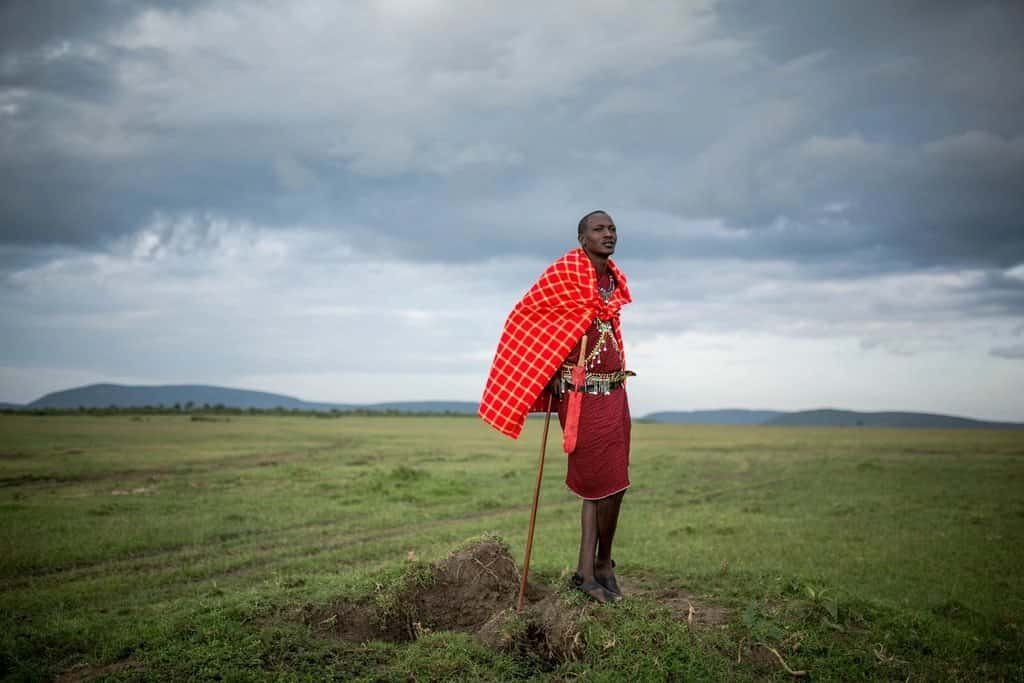
Maasai is the name of the people who live here. In their language, Maa, mara is a word meaning spotted, dotted or patchy, used for example of a spotted giraffe.
Can you see the Big Five in the Maasai Mara?
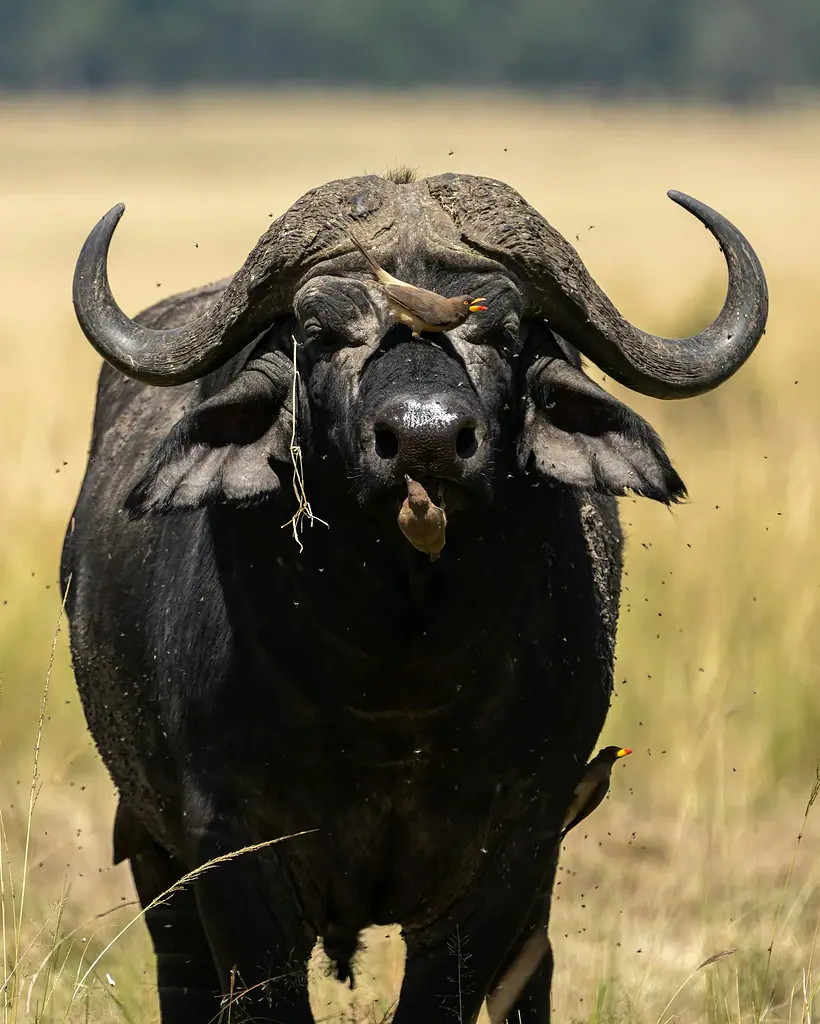
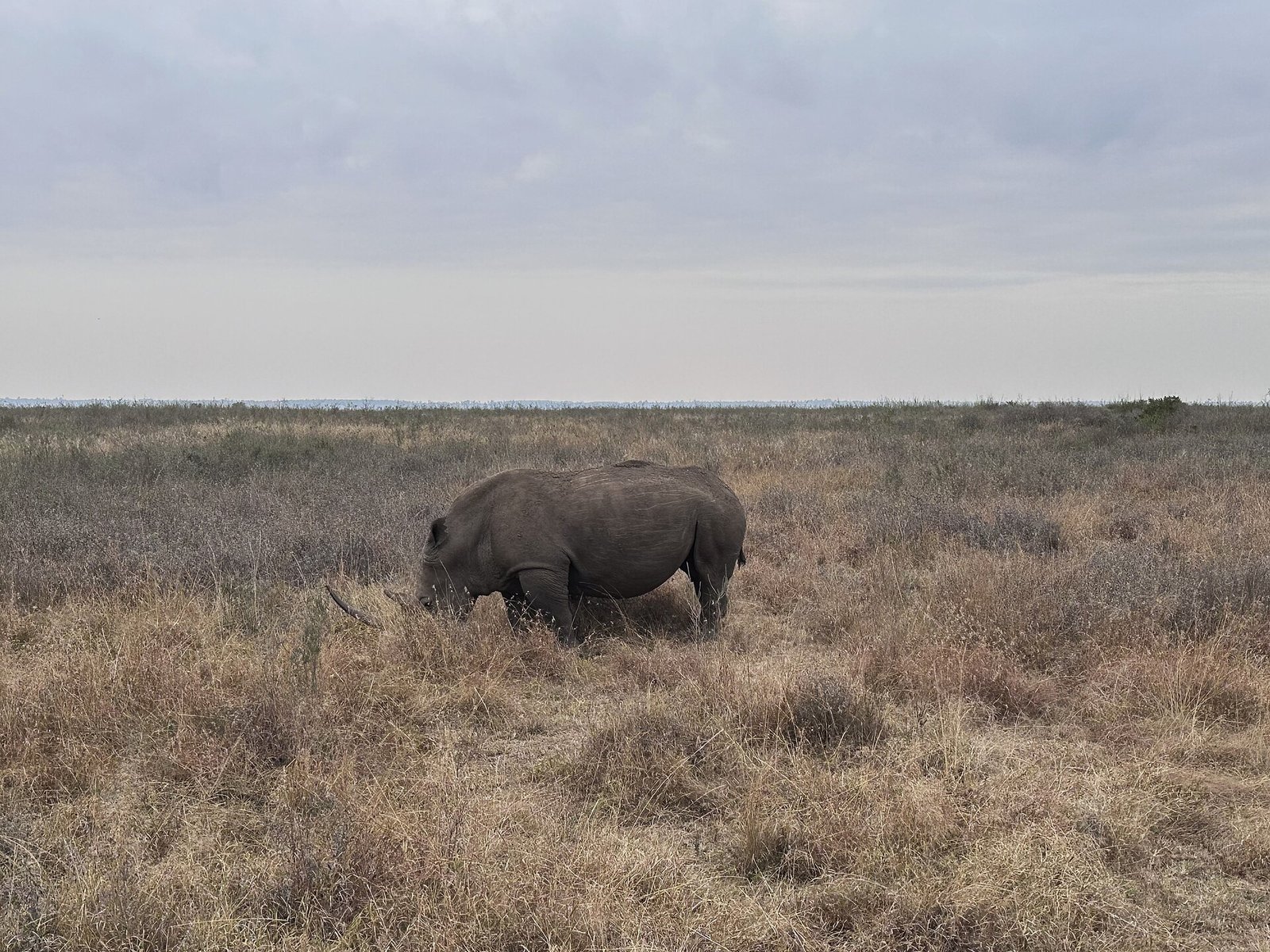
Yes. Lion, leopard, elephant, buffalo and black rhino all live in the Reserve. Seeing every species is not guaranteed: animals move freely, and black rhinos can be particularly difficult to find. Spend time observing the animals you encounter rather than treating a drive as a checklist. Our Big Five guide introduces the species.
How many lions and cheetahs live in the Mara?
A 2025 survey by the Mara Predator Conservation Programme counted 481 lions over one year old in the Reserve and the conservancies around it, against 465 the year before: 183 on the Narok side of the Reserve and 72 in the Mara Triangle. Cubs under a year are not counted.
The same survey found only 16 resident adult cheetahs, up from 12 in 2024. Many more cheetahs pass through the Mara during a year, but the resident population is low, especially the number of adult females.
How many bird species are there?
Figures differ: more than 470 bird species have been recorded inside the Reserve, and over 500 are known from the wider Mara, including 53 birds of prey. Six of the seven vulture species found in Kenya can be seen in the Reserve.
When is the migration in the Maasai Mara?
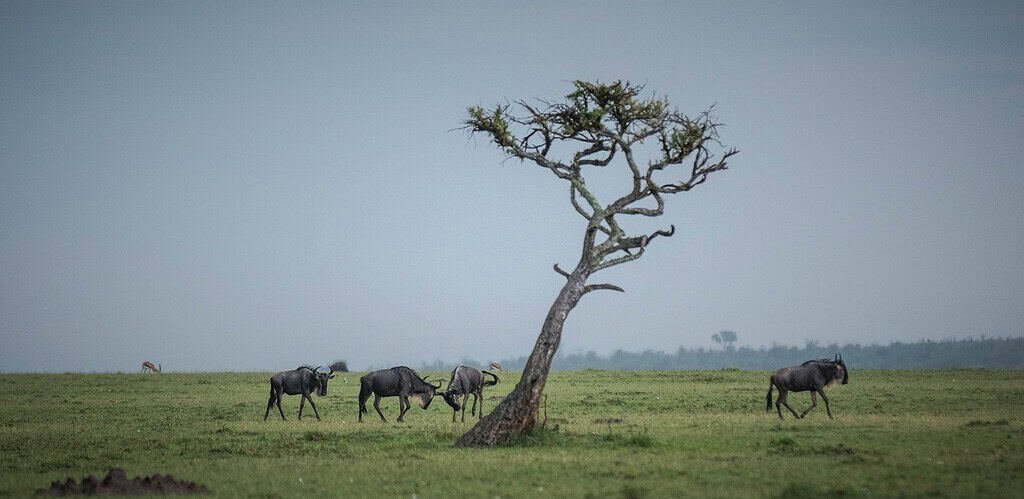
The herds usually reach the Mara in July. The first wildebeest entered between 28 June and about 20 July in 2023–2026; in 2023–2025 most left between late September and early November, and rain in August often sent them back to Tanzania for a while. See our month-by-month guide to the best time to visit for each month’s rain, crowds and migration.
How many animals are in the migration?
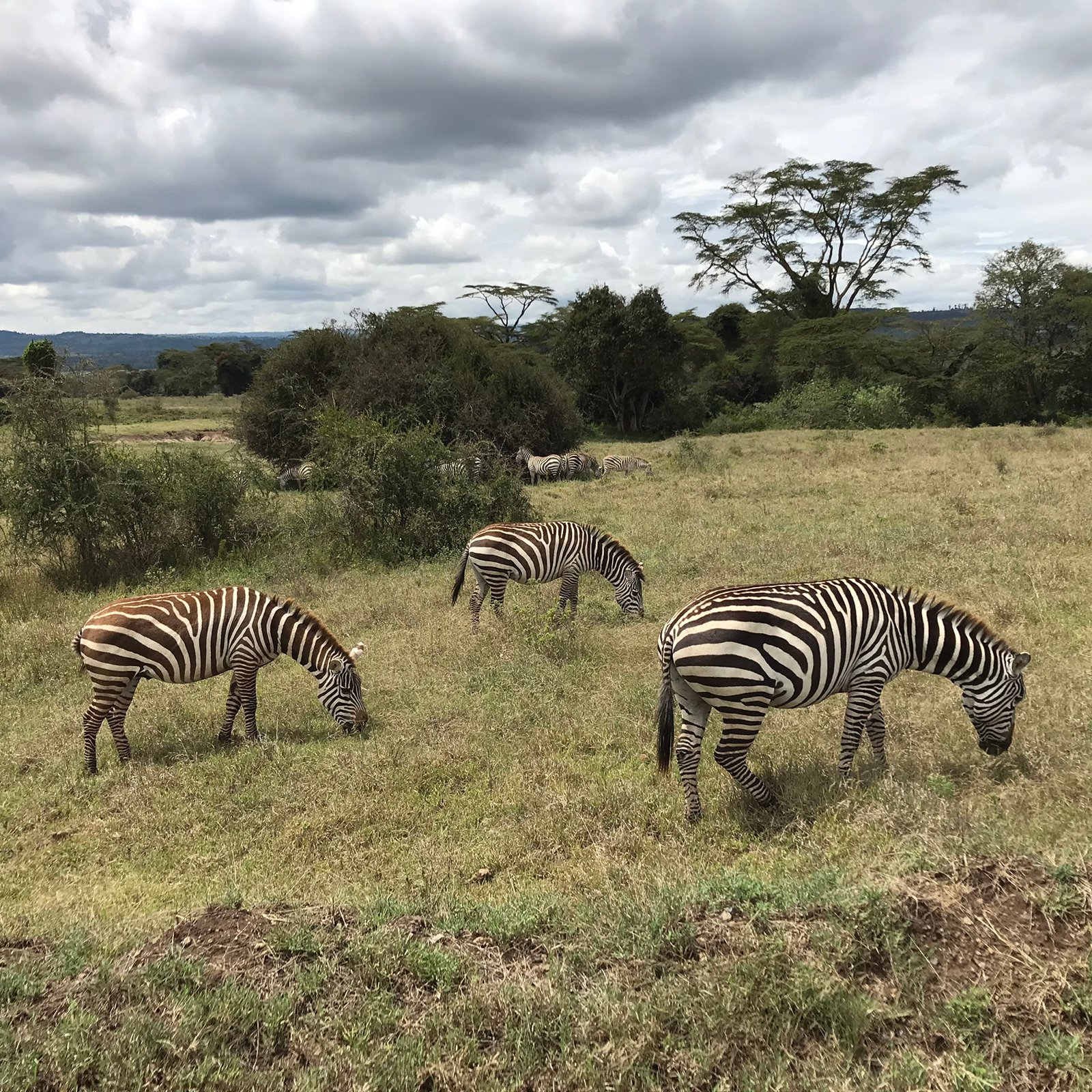
The numbers are contested. The traditional estimate is about 1.3 million wildebeest, but a 2025 satellite count of a 4,000 square kilometre area, using images from August 2023, found 503,000–533,000. More than 200,000 zebras also migrate through the Serengeti-Mara, and some go as far as the Maasai Mara.
Is there wildlife to see outside the migration season?
Yes. The Maasai Mara has resident lions, leopards, cheetahs, hyenas, elephants, buffalo and many other animals throughout the year. The distribution of migrating herds varies with conditions, so a calendar month does not establish that every herd has left. Quieter periods can suit general wildlife viewing and birding; the best-time guide explains the seasonal differences.
How much is the Maasai Mara park fee?
The currently published county schedule, labelled 2025/26, sets two seasons. Non-resident adults pay USD 100 per person from 1 January to 30 June and USD 200 from 1 July to 31 December. Children aged 9–17 pay USD 50 in both seasons; children aged 8 and under enter free.
Kenyan citizens pay KSh 1,500 or KSh 3,000, and East African residents KSh 2,500 or KSh 5,000. Eligibility and proof matter. See the park fees guide for visitor categories, ticket conditions and any later tariff change.
How does the 12-hour ticket work?
A park ticket is valid from 6.00 am to 6.00 pm, regardless of entry time, and does not carry over to the next day. For a stay inside the Reserve, the no-extra-fee departure condition requires a direct exit by 11.00 am and no game drive. A three-night stay with entry and drives on the first three days therefore uses three tickets only if its departure meets those conditions.
For departure from the Mara Triangle via Mara Bridge, leave the Triangle by 9.30 am and exit through Sekenani by 11.00 am. Our road-safari base itinerary excludes a final-morning drive and departure-day entry; adding that optional drive requires the applicable extra entry in the quote. Route, camp and sector conditions still apply.
How do I pay the park fees?
Tickets use KAPS, the Reserve’s ticketing system. A safari operator can include scheduled entry in your package. The Mara Triangle is cashless: payment is by M-Pesa or card, online or through the designated KAPS staff. Carry the identification needed for your fee category: Kenyan national ID for citizen status, or a passport and documents proving qualifying residence. An ordinary visitor visa does not establish resident eligibility.
The park-payment guide explains the process. Our private safari quotes include scheduled park fees, so check the written inclusions before buying a duplicate ticket.
How much does a Maasai Mara safari cost?
The price depends on travel dates, accommodation, party size and the itinerary. Our safaris are private and use the Reserve and nearby Greater Mara camps, without private conservancy stays or conservancy access charges. The written land-package quote includes scheduled park fees and compulsory selected-property charges.
Displayed starting prices are per person sharing and depend on the stated occupancy. Optional activities, gratuities and other exclusions are separate. The road departure-morning game drive and its extra park entry are optional rather than included in the base price. Use the safari cost guide and matching safari detail page for the current price basis.
How much does a balloon safari cost?
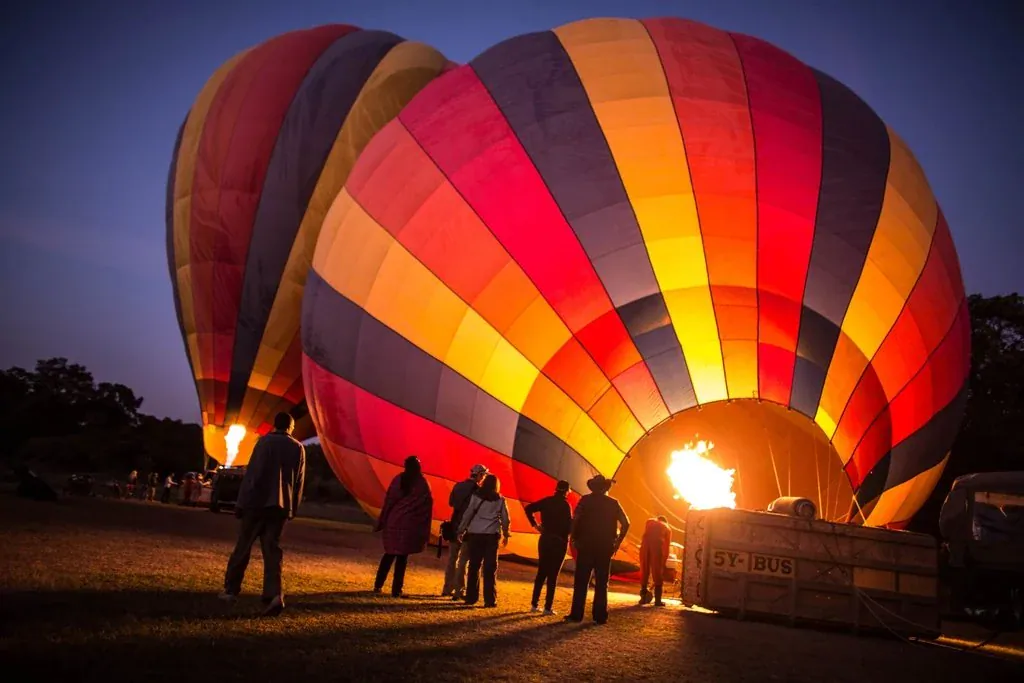
Balloon flights are normally priced per passenger, with rates and inclusions set by the operator and season. Compare the complete offer, including any compulsory landing or community charges, transfers and breakfast, rather than assuming every provider bills them in the same way. A flight is subject to weather and operating conditions.
Child age and height limits are operator-specific. A private road safari does not make the balloon basket exclusive: a dedicated charter needs its own quote. The balloon safari guide explains the experience, and the safari cost guide holds the researched price context.
How much should I tip?
Tipping is customary but optional. A published camp guideline suggests USD 10–20 per guest per day for the guide, towards the upper end for private guiding, and USD 5–15 per guest per day separately for the camp staff tip box. These are guidelines rather than compulsory package charges, and your decision can reflect the service received.
Our safaris are private; the guiding tip relates to your travelling party’s arrangements. See the tipping guide for context and the distinction between guide and staff tips.
What is the difference between the Reserve and the conservancies?
The National Reserve is managed by Narok County, with the Mara Conservancy managing its Mara Triangle sector. The Triangle is part of the Reserve, not a private conservancy outside it. Surrounding conservancies are partnerships between Maasai landowners and tourism partners, with their own access and operating arrangements.
Walking safaris and night drives are not allowed in the National Reserve; some surrounding areas permit them under their own rules. Conservancy fees and Reserve entry are different charges, with inclusions dependent on the property. Our packages use the Reserve and nearby Greater Mara camps without private conservancy stays or access fees. Read the conservancy guide.
Can I visit the Reserve if I stay in a conservancy?
Yes. Many conservancy camps can arrange game drives into the Reserve, often as an extra, and you pay the park fee for each day you spend there: ask your camp. Some conservancies, such as Naboisho, take no day visitors at all, so you can only see them by staying at one of their member camps.
What are the main park rules?
- Keep to 50 km/h on graded roads and 30 km/h on all other roads; the Mara Triangle has speed cameras.
- Keep at least 25 metres from animals. No more than five vehicles at a sighting: if five are there, wait at least 100 metres away.
- When others are waiting, move on after 15 minutes in the Main Reserve, or 10 minutes in the Mara Triangle when more than five vehicles are waiting.
- Get out of the vehicle only at picnic spots or other designated areas, stay within 10 metres of it, and never at a river crossing.
- Don’t feed, chase or harass animals, don’t drive through herds, keep your voice down and don’t sit or stand on the roof.
- Take all your litter away, and leave bones, plants and wood where they are.
Can safari vehicles drive off the road?
Off-road access is restricted by zone and circumstances. It is not allowed in High Use zones or along the Mara River. In designated Low Use zones, a vehicle may leave the road only to view a lion, leopard or cheetah first seen from the road, then must return directly. Your guide must follow the rules for the actual sector.
Unauthorised driving can lead to fines or removal from the Reserve. A private safari is not permission to drive wherever you wish. See the Reserve rules guide for the detailed conditions.
Are there night drives, and what time must I be out?
Night game drives are not allowed in the National Reserve. The Mara Triangle requires visitors to leave or return to their accommodation inside it by 7.00 pm, allows no entry after 6.30 pm, and opens its gates at 6.00 am. Those operating rules are separate from the ticket’s 6.00 am to 6.00 pm validity.
Follow the applicable sector and gate instructions in your itinerary. Night drives offered on surrounding land depend on that area’s permission; they are not included in our Reserve-based road safari packages.
Are drones allowed in the Maasai Mara?
Do not bring or fly a drone without the relevant approvals. Kenya Civil Aviation Authority approval is needed before importing a drone, and operation requires separate authorisation. Reserve or conservancy permission also matters. Paying a filming charge is not a flight permit, and a foreign aviation registration does not grant permission to fly in Kenya.
Contact the authority and the relevant area management well before travel if you intend to film. The Reserve rules guide explains the restrictions; our safari packages do not include drone permissions.
Can I self-drive in the Maasai Mara?
The Mara Triangle publishes self-drive access for four-wheel-drive vehicles, subject to its visitor and camping rules. Main Reserve vehicle access is more restrictive: Narok County’s published directive limits game drives to safari vehicles. Do not assume that an ordinary private or rental car is eligible, or that conditions in one sector apply in another.
Obtain the current vehicle and guiding requirements from the relevant management before planning a self-drive visit. Our own packages use private guided safari vehicles. The road-travel guide gives route context.
Which gates can I enter by?
The Reserve’s public road gates are at Sekenani, Talek, Musiara, Oloolaimutia, Sand River and Oloololo, plus a new gate at Enoompuai, and entering by road anywhere else is not permitted. Check before you go whether Sand River and Enoompuai are open. The Mara Triangle sells tickets at Oloololo Gate and Purungat Bridge. Our guide to driving from Nairobi to the Maasai Mara covers the routes to each gate.
Should I fly or drive from Nairobi?
Scheduled light-aircraft services generally depart from Nairobi’s Wilson Airport, separate from Jomo Kenyatta International Airport. Timetables, stops and the suitable Mara airstrip depend on the carrier and camp. Road travel takes much of the arrival and return days, with conditions depending on the route, weather and traffic.
Choose the journey together with your stay and wildlife itinerary. See the Mara flights guide and Nairobi road-travel guide. Allow for the connection between airports if your international flight and Mara flight use different terminals.
How much luggage can I take on the flight?
A common Mara light-aircraft allowance is 15 kg per person in total, including hand luggage and cameras, in a soft-sided bag. The carrier and fare you book determine the actual allowance, dimensions and excess arrangements; do not assume every airline or charter uses identical conditions.
Read the booked sector’s baggage terms before packing. Your international flight allowance does not establish the Mara allowance. The flights guide explains soft bags, extra weight and possible luggage storage.
Do I need a visa or eTA to visit the Maasai Mara?
Kenya’s eTA requirement depends on nationality and status, and many nationalities are exempt. If an eTA is required, each traveller, including children, needs approval before travelling. The standard base application fee is USD 30, excluding payment charges and any required insurance; it is not a complete arrival-cost total.
Check your eligibility and current application requirements on Kenya’s eTA portal. Current UK travel advice says applicants must buy travel health insurance in the eTA process; the premium and cover are not verified here. The eTA guide explains the application context.
Is there malaria in the Maasai Mara?
Yes. Malaria risk is high across Kenya below 2,500 metres, game parks included, and the Maasai Mara is in the high-risk zone; only Nairobi city and the highlands above 2,500 metres are very low risk. Ask a travel clinic which antimalarial tablets suit you, use insect repellent, wear long sleeves and long trousers, and sleep under a mosquito net.
Which vaccinations do I need for the Maasai Mara?
Yellow fever vaccination is recommended for travellers to the Maasai Mara aged 9 months or over; have it at least 10 days before you travel, and a travel clinic will check that it suits you. A yellow fever certificate is required if you are over 1 year old and arrive from a country with yellow fever risk. Most travellers are also advised to have hepatitis A, tetanus and typhoid. See a travel clinic for advice on your own trip.
Can I drink the tap water?
Treat tap water as unsafe to drink unless your camp tells you it is treated. Drink water from sealed bottles, or water that has been boiled, filtered or disinfected, and use it to brush your teeth too. Avoid ice where clean water is scarce.
What happens in a medical emergency?
Tell your guide or camp staff immediately so they can activate the local response and contact your insurer. Medical services are limited in rural areas, and serious cases may need evacuation for treatment. Carry your insurance assistance details and essential medical information, and discuss specific needs before travel.
Medical evacuation membership does not automatically pay hospital or treatment costs. Use insurance that covers both appropriate medical care and evacuation for your itinerary. Kenya’s emergency number is 999, but do not assume a signal or response time everywhere in the Mara.
Is the Maasai Mara safe to visit?
A safari requires sensible travel preparation and compliance with the guide’s and rangers’ instructions. Country travel advice changes, so review the advice issued by your own government for Kenya and your wider route before departure. No destination or wildlife encounter can be guaranteed risk-free.
Do not approach wild animals, follow designated stopping and vehicle-exit rules, and wear your seat belt while travelling. Camps and operators have their own safety procedures. Explain medical or mobility needs before booking so they can be considered in the itinerary.
Is it safe to stay in an unfenced camp?
Mara camps can be unfenced, allowing animals to move through the property. Follow the camp’s instructions, including its escort arrangements after dark, and do not walk alone where staff advise against it. Keep tent or room openings secured as instructed, and never feed or approach animals.
Learn how to contact staff from your room and what to do if an animal is nearby. The property’s actual layout and procedures matter more than a general camp category; families should consider those arrangements when choosing a stay.
Can children go on a Maasai Mara safari?
Yes, but each camp sets its own minimum age: some take children only from 5, 7 or 8, while others publish child rates with no minimum age stated. At Asilia’s camps, guided walks are not open to under-12s. Governors’ Balloon Safaris takes children from 8 years old and 1.2 metres tall; other balloon operators set their own limits. Children aged 8 and under enter the Reserve free, and where Kenya requires an eTA, children need their own.
Is the Maasai Mara the same place as the Serengeti?
They are connected parts of the Serengeti–Mara ecosystem, but different protected areas in different countries. The Maasai Mara National Reserve is in Kenya; Serengeti National Park is in Tanzania. Wildlife can cross the border, while travellers need the appropriate itinerary, entry permissions and transfers. Read the full Maasai Mara Reserve guide for the landscape and history.
What is the best time to visit the Maasai Mara?
Choose dates around your interests rather than one universal best month. The familiar July–October migration window can suit a herd-focused trip, but movements vary. Resident wildlife can be seen throughout the year. Rain, track conditions, visitor numbers and camp operating arrangements also matter. The month-by-month guide compares the seasonal pattern without promising weather or sightings.
Can you guarantee a river crossing?
No. River crossings depend on the herds and conditions. Animals may gather, move away or cross outside your viewing time. A migration itinerary can include suitable sectors, but cannot promise a crossing. Vehicles must not block approaches or push animals towards the river. Enjoy the wider wildlife experience while allowing the herds to move naturally.
Are MaasaiMara.ke safaris private?
Yes. The vehicle and guiding are private to your travelling party, including the agreed transfers and game drives. You may encounter other vehicles at wildlife sightings and other guests at the accommodation. A private safari does not mean exclusive use of the whole camp or Reserve. Optional balloon flights are normally shared unless you request and book a dedicated charter.
Is the departure-morning game drive included on a road safari?
No. Our standard road itinerary finishes with breakfast and the return journey, with no departure-day game drive or additional Reserve entry in the base price. A final-morning drive is optional and needs a separate quote including the applicable extra park entry. It must fit the return itinerary.
For accommodation inside the Reserve, the standard direct departure still has to meet the relevant early-exit and no-game-drive conditions. A camp outside the Reserve does not need entry when you leave directly for Nairobi. The ticket answer above explains the distinction.
How much time should I allow for a Mara safari?
Allow enough time for the journey and unhurried wildlife viewing. A road itinerary uses much of its first and final days for travel, so compare the actual game-drive days rather than the headline trip length alone. More time can offer flexibility for weather and different habitats, without guaranteeing sightings. A fly-in journey has its own timetable and transfer requirements. Choose an itinerary that fits your available time and interests.
Should I stay inside the Reserve or near a gate?
Consider the wildlife sectors you want to visit, the gate or airstrip used, and the travel between camp and drives. Staying inside the Reserve and staying just outside it create different entry and departure arrangements. A conservancy stay has separate access conditions. Compare the actual room, meals and facilities as well as the location. The accommodation guide explains the options; our packages use the Reserve and nearby camps.
Can a safari accommodate reduced mobility or accessibility needs?
Suitability depends on the specific room, paths, bathroom, vehicle and itinerary. Describe your requirements before booking, including boarding assistance, steps, walking distances and any equipment. Obtain the property’s actual arrangements rather than assuming a whole accommodation category is accessible. A private vehicle allows the itinerary to be tailored, but does not establish that a camp or activity meets every need.
How should I approach a Maasai community visit?
Choose a visit supported by the community with clear arrangements for payment and participation. Let hosts describe their lives in their own terms rather than expecting every person to represent one fixed tradition. Request permission before photographing people, respect privacy and accept refusals. The cultural-visit guide explains the experience. A community visit is included only when it appears in the written itinerary.
What should I pack for the Maasai Mara?
Bring comfortable layers for cool starts and warmer daytime conditions, sun protection, rain protection, closed footwear, insect repellent and essential medication. Binoculars and protection for cameras against rain and dust are useful. Choose luggage that meets your booked flight’s requirements if flying. Equipment, power arrangements and laundry vary by camp, so pack around the actual itinerary rather than relying on a general luxury label.
Will I have Wi-Fi, mobile signal and charging facilities?
Provision varies by camp, room and location. Check whether Wi-Fi is available where you will stay, when charging is possible and whether your equipment needs an adapter. Do not assume continuous mobile coverage on drives or use internet availability as an emergency plan. Carry essential booking, health and assistance information in a form you can access without a connection.
Do I need travel insurance as well as evacuation cover?
Use travel insurance that covers your itinerary, medical treatment and appropriate evacuation. Evacuation membership alone is not the same as hospital, treatment or cancellation cover. Read the policy limits, exclusions and assistance process.
Current UK travel advice says eTA applicants must purchase travel health insurance within the application process. The public application instructions and amounts can change; follow the current requirements shown for your nationality and status. The premium and policy cover are not verified here, so do not assume that entry-related cover replaces insurance for all your needs.
What should I check before confirming a safari booking?
The written offer should identify the selected accommodation and room, private vehicle and guiding, meals, scheduled park entries, compulsory property charges, optional activities and exclusions. Check payment, cancellation and itinerary-change terms. Final prices depend on travel dates, accommodation and party size. MaasaiMara.ke quotes and books through authorised tour operator partners; your offer identifies the operator responsible for the trip. Tips and the optional road departure-morning drive are separate.
Our Maasai Mara guides
- About Maasai Mara National Reserve – landscape, wildlife, Maasai heritage and history
- Plan your Maasai Mara safari – the step-by-step guide
- Best time to visit the Maasai Mara – migration, rain and crowds month by month
- Maasai Mara park fees – rates for every visitor and season
- How much a Maasai Mara safari costs – current researched price context and package terms
- Flights to the Maasai Mara – airlines, times and baggage
- Maasai Mara tipping – how much to tip guides and camp staff
Explore safari packages
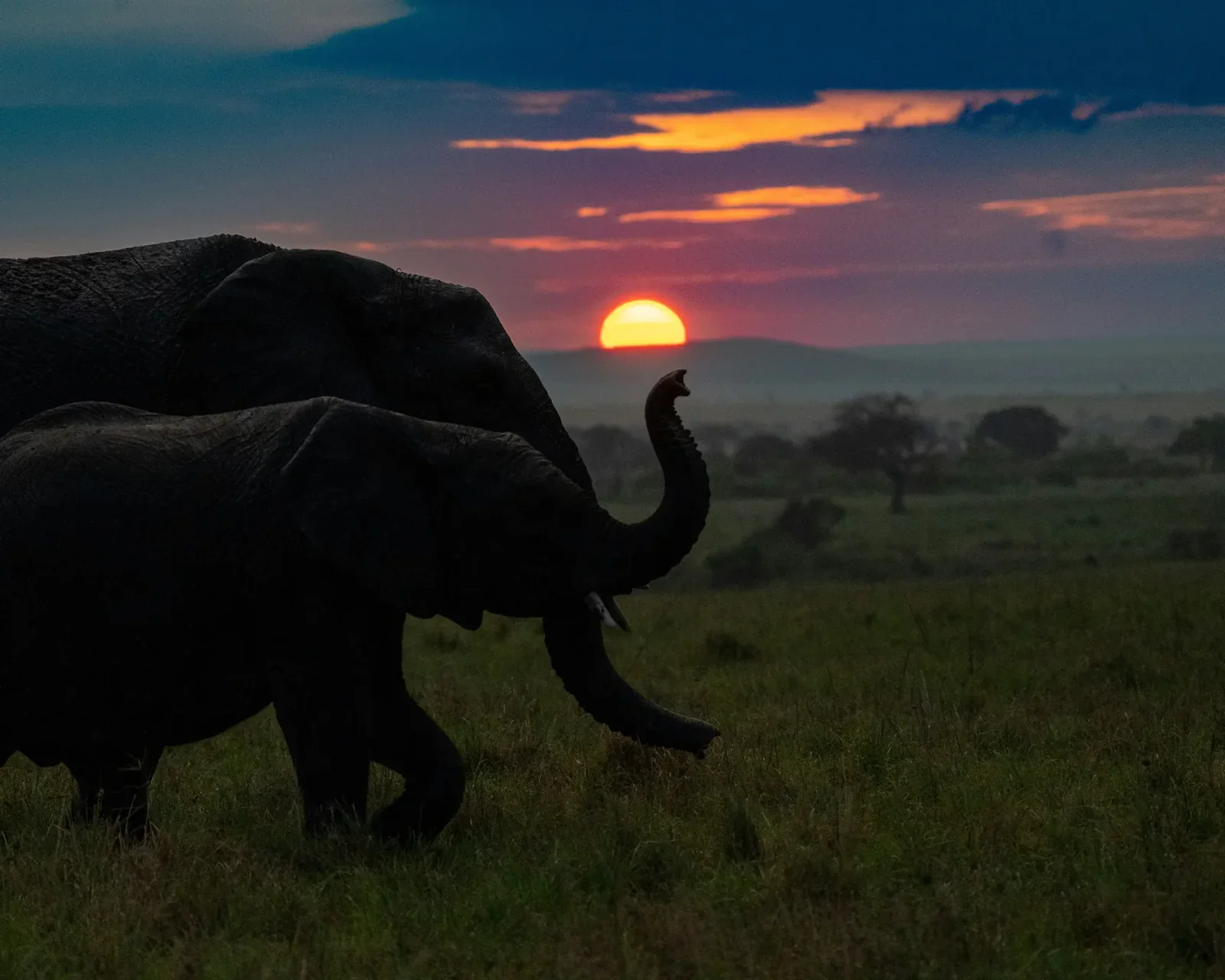
From USD 1,200 per person sharing
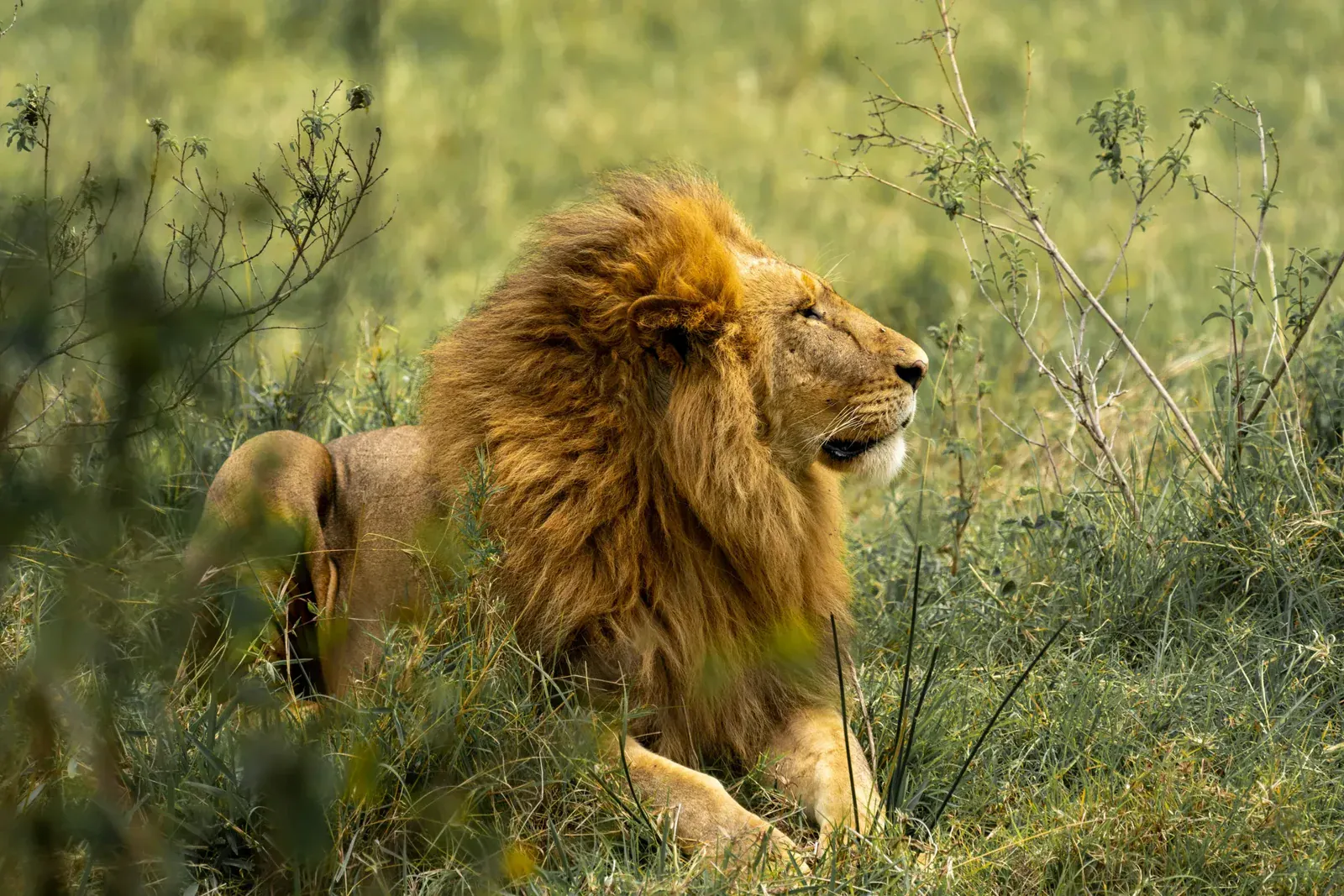
From USD 1,700 per person sharing
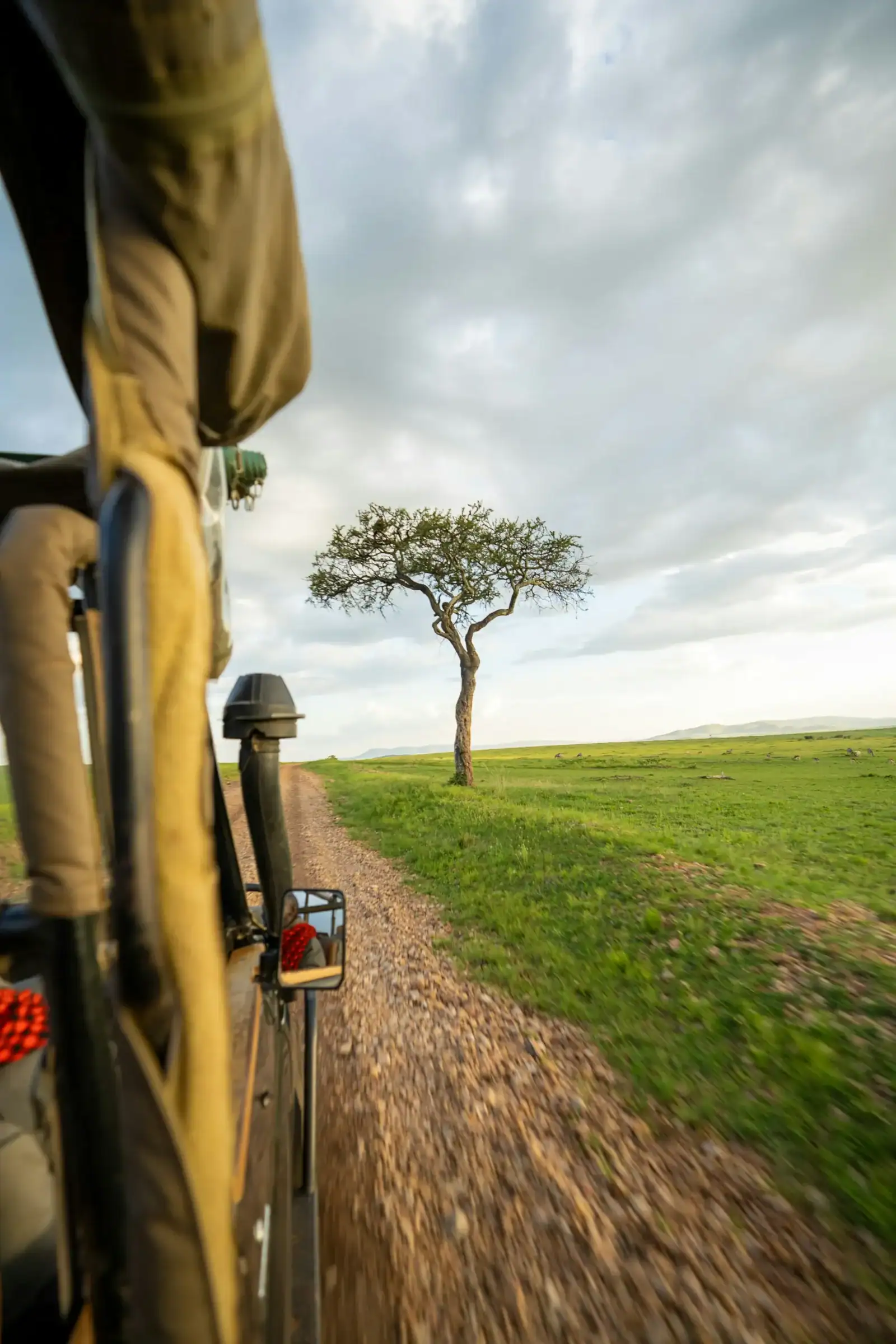
From USD 2,450 per person sharing
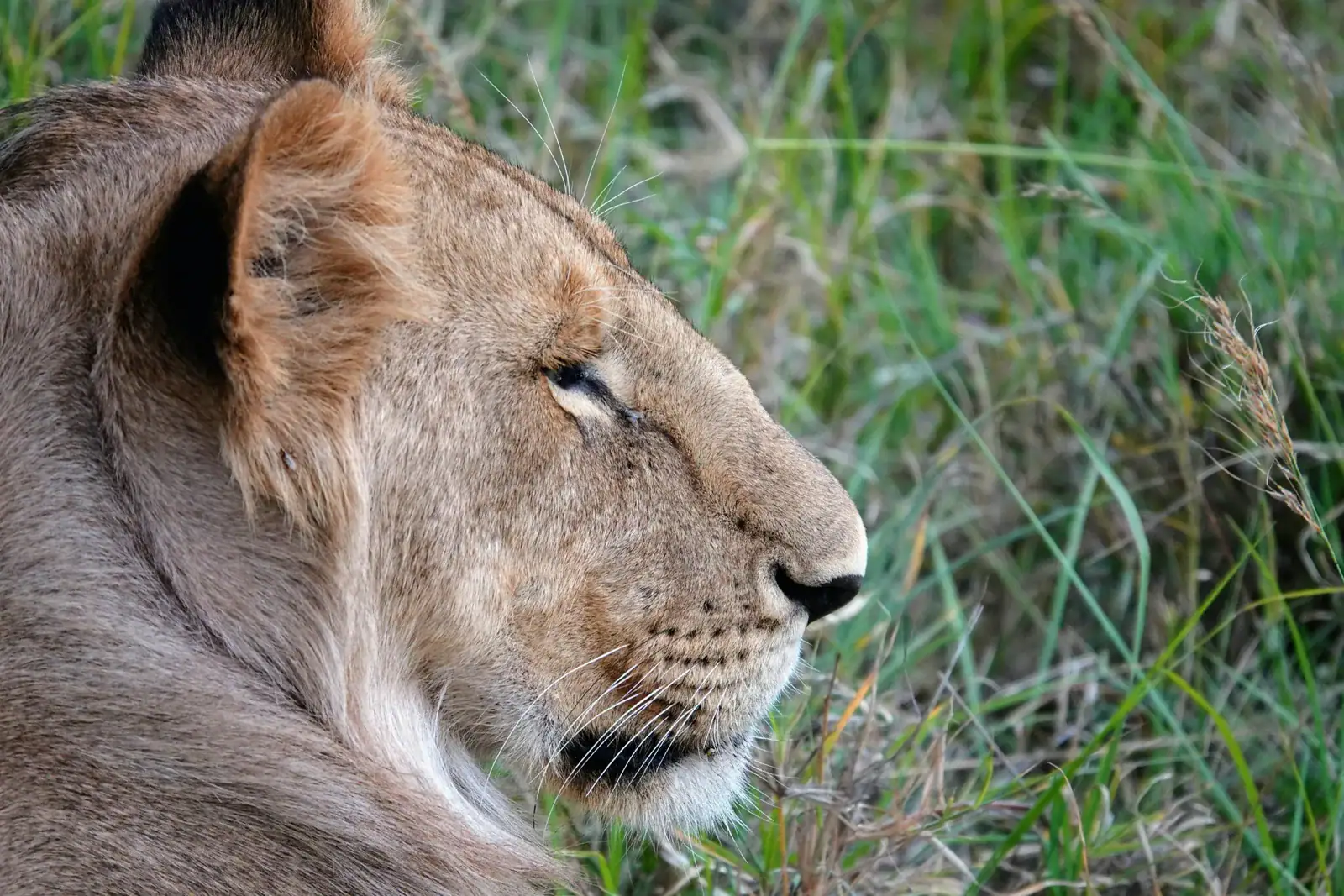
From USD 3,000 per person sharing
From USD 1,500 per person sharing
From USD 2,000 per person sharing
From USD 2,350 per person sharing
From USD 1,950 per person sharing
From USD 1,700 per person sharing
From USD 2,900 per person sharing
From USD 3,800 per person sharing
From USD 4,900 per person sharing
From USD 4,550 per person sharing
From USD 3,350 per person sharing
From USD 3,000 per person sharing
From USD 3,150 per person sharing
From USD 3,750 per person sharing
Have a question we haven't answered?
Send us your question or your travel dates. MaasaiMara.ke quotes and books safaris through authorised, highly rated tour operator partners, and we reply by email.