
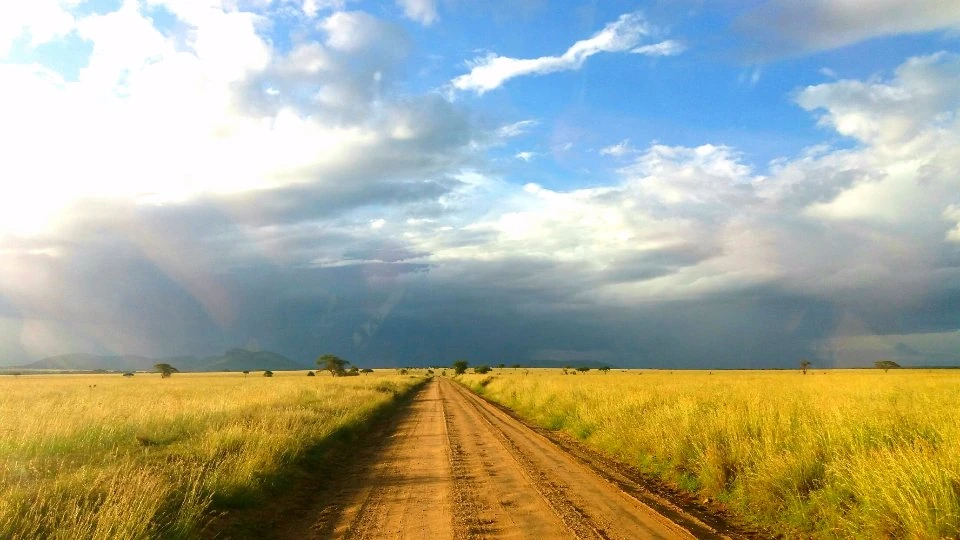
Sekenani Gate
Sekenani Gate connects the tarmacked Narok approach with the main Maasai Mara National Reserve. It is a practical arrival for stays using this side of the Reserve and for the documented through-Reserve route towards Purungat and Mara Serena. Match the entrance with your actual accommodation and admission arrangement, rather than assume it serves every Mara camp equally well.
Sekenani Gate access and camp context
Sekenani Gate is reached by the tarmacked road from Narok. This is a useful distinction for travellers approaching the Reserve by road: the surfaced approach ends at an entrance to a wildlife landscape where the internal tracks have different conditions. The Mara Conservancy identifies the Sekenani route as its preferred approach for Mara Serena, continuing through the main Reserve towards Purungat Bridge. This does not make Sekenani the correct route for every camp around the Mara.
Sarova Mara Game Camp describes its location inside the National Reserve and identifies Sekenani as its road access. Mara Sopa describes an outside-Reserve location and the use of either Oloolaimutia or Sekenani for wildlife access. These examples show why a gate name should be paired with the selected property’s own directions. An entrance may serve both an inside arrival and drives from an outside lodge, with different practical consequences for repeated entry and departure.
Treat arrival at Sekenani as the transition between the public-road journey and the safari itinerary. Have the party’s admission documents and arrangements accessible, rather than buried under luggage. Keep the road transfer realistic, especially if a first wildlife drive is planned before reaching camp. A surfaced road does not guarantee an uninterrupted journey, and an arrival delay should be accommodated by adjusting the programme safely. Read the Sekenani Gate guide for its specific access context.
Gate hours, tickets and the end of a drive
Gate opening, ticket validity and the time to return to camp are related but different rules. The Mara Triangle publishes gate hours of 06:00–19:00 and no vehicle entry after 18:30. Its daytime ticket window is 06:00–18:00. Do not apply those opening hours automatically to every main-Reserve gate. The Reserve management plan requires visitors to leave or be back at their accommodation by 19:00 and bars entry after 18:30; it does not establish every gate’s opening time.
Plan the return around the location where you are sleeping. An outside camp requires an exit, while an inside stay still requires reaching the accommodation within the applicable rules. A wildlife sighting late in the day does not suspend these conditions. The guide can work back from camp or gate, allowing for the actual track and conditions. Keep arrival, ticket and departure terms with the safari plan rather than assuming that all clocks start when your vehicle reaches a barrier.
Payment, documents and practical arrival
The Mara Triangle uses cashless admission payments, accepting M-Pesa and credit card. Its published ticket points include Oloololo, Purungat Bridge and Serena Airstrip, with an authorised KAPS employee. Main-Reserve payment instructions should follow the current admission system and the selected itinerary. This guide does not copy a historic cash-payment description into a promise that every gate currently accepts it. Use the KAPS ticket service for admission bookings.
Keep identification and evidence for the visitor category being used accessible. Resident admission requires the accepted residency documents, rather than a driving licence alone. The vehicle and guide arrangements should also be clear before departure. Save the itinerary and relevant receipts for use when mobile coverage is limited. A smooth gate arrival depends on matching the party, sector and ticket conditions, not simply having a payment card somewhere in the luggage.
Vehicles, tracks and wildlife viewing
The public-road journey and Reserve drives place different demands on a vehicle. The Mara Conservancy recommends four-wheel drive for its roads. Carrying luggage, negotiating tracks and stopping for wildlife need to be considered together. Road surface on an approach should never be treated as proof that all internal tracks will be easy. A driver familiar with the actual route can adapt to wet ground and closed tracks while maintaining the day’s permitted programme.
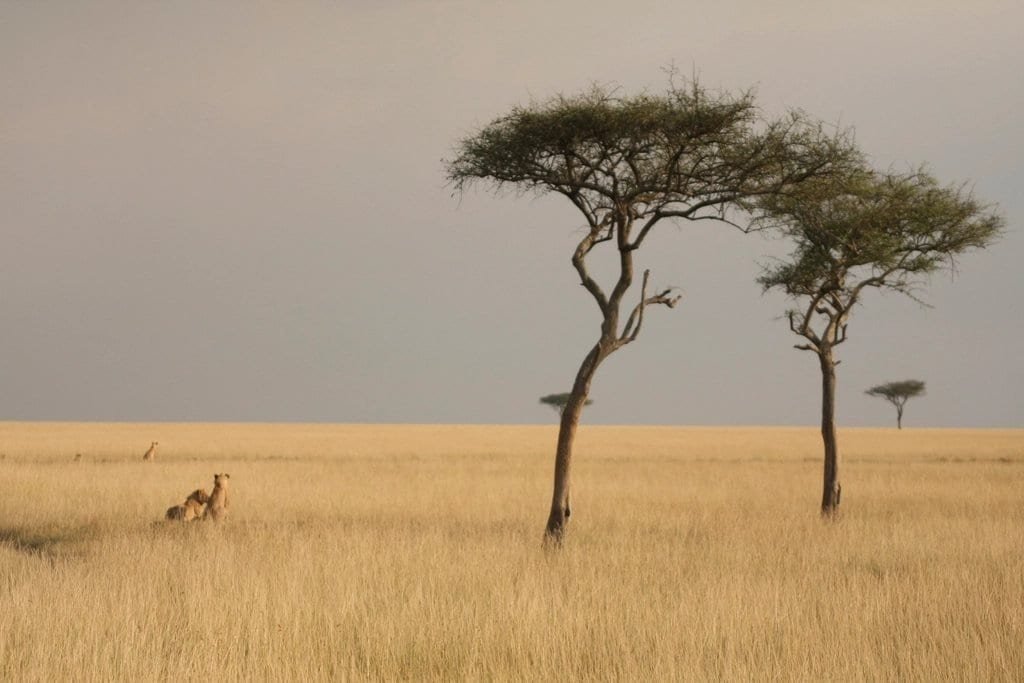
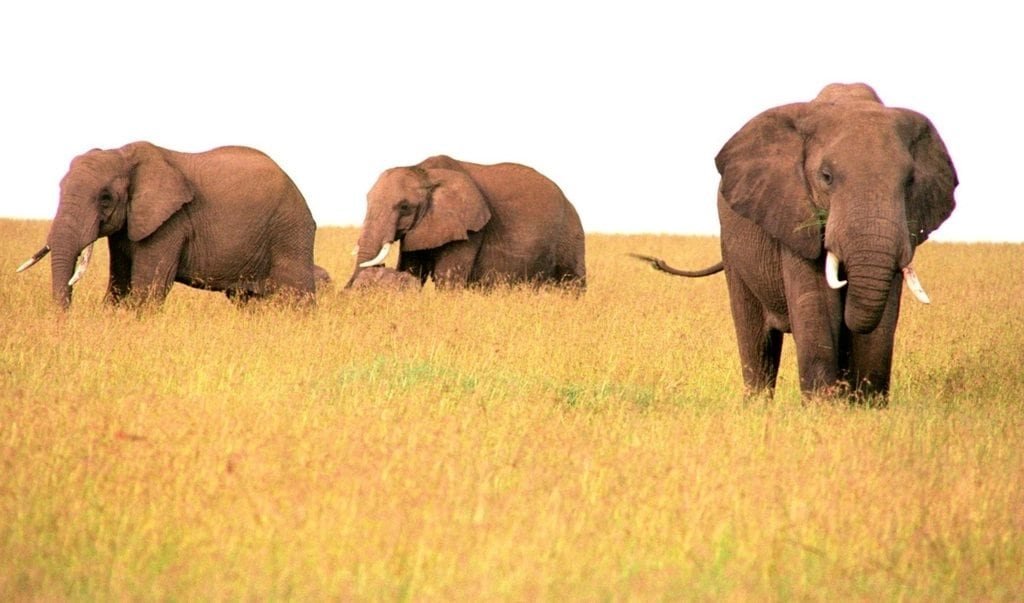
Wildlife has right of way. Stay on permitted routes and follow the applicable zonation and off-road conditions; a sighting does not create permission to drive wherever an animal goes. Leave the animal’s route clear, avoid crowding and follow ranger instructions. The responsible aim is a good observation from an appropriate place. Reaching a gate with plenty of time gives the guide more freedom to make these choices without hurrying towards a distant sighting or a late exit.
Keep the departure connected to the stay
Your arrival choice should also work for the departure. A camp change, an onward road journey or a flight connection can alter the appropriate gate or strip. Keep the organiser informed about the whole route, including the place where the party will sleep next. For a private safari, the dedicated vehicle and guiding programme should be coordinated with those movements rather than added as an afterthought.
Compare the complete arrangement with the access directory, the accommodation guide and the packing list. The relevant services include the selected property, collection, admission and permitted wildlife drives. A named entrance or airstrip is one practical part of that itinerary, not a guarantee of animal sightings or a substitute for the agreed safari programme.
Plan the arrival around the stay
The exact destination
Match the selected entrance or airstrip with the actual accommodation and route.
A connected itinerary
Arrival, camp collection, admission and private guiding belong in the same plan.
Flexible wildlife viewing
The transfer and safari programme adapt to the route, conditions and wildlife.
Seven decisions for a comfortable arrival
- Choose the exact accommodation and understand its boundary location.
- Match the gate or airstrip to the actual route and booked service.
- Connect the arrival with the camp collection and luggage arrangements.
- Include the correct visitor admission and compulsory property charges.
- Plan private guiding and wildlife drives around permitted access.
- Keep documents and the confirmed itinerary accessible during travel.
- Coordinate the departure, onward connection and any route change.
Explore safari packages






From USD 2,000 per person sharing



From USD 2,350 per person sharing

From USD 1,950 per person sharing

From USD 2,350 per person sharing

From USD 1,700 per person sharing

From USD 2,900 per person sharing

From USD 3,800 per person sharing
Plan your private Maasai Mara safari
Tell MaasaiMara.ke your travel dates, party size and interests. We quote and book private safaris through authorised tour operator partners, with the named accommodation, transfers, dedicated guiding and scheduled entry in the written itinerary.
