
For a first Maasai Mara safari, we recommend three nights as a practical starting point, or four nights for a slower stay. Two nights can work when time is tight, but leave only one full day between arrival and departure. Count nights and full days at the camp, then compare the actual road or flight programme. These are planning recommendations; no length of stay guarantees a sighting or river crossing.
Choose a stay that fits your priorities
Two nights: a short introduction
A compact option with one full intervening day. Transfer timing and camp location matter especially.
Three nights: our starting recommendation
Two full intervening days let you repeat outings and vary the pace without changing camp.
Four nights or more: more flexibility
Three or more full intervening days give room for longer observations, rest and a more specialised interest.
How many days becomes useful wildlife time
| Nights at camp | Calendar days including transfers | Full days between arrival and departure | Suggested role |
|---|---|---|---|
| 1 night | 2 days | 0 full days | A very brief visit; arrival and departure shape the whole experience. |
| 2 nights | 3 days | 1 full day | A short introduction when the journey and expectations are realistic. |
| 3 nights | 4 days | 2 full days | Our practical starting recommendation for a first visit. |
| 4 nights | 5 days | 3 full days | A slower safari with more room for an interest or rest. |
| 5 nights | 6 days | 4 full days | A focused wildlife stay or a carefully planned change of base. |
A full day here means a calendar day without an arrival or departure transfer. It is not a promise of uninterrupted driving, wildlife sightings or an included admission day.
Sample programmes for two, three and four nights
| Stage | 2-night stay | 3-night stay | 4-night stay |
|---|---|---|---|
| Arrival | Travel to camp; scheduled viewing only if included and timing permits. | Travel to camp; scheduled viewing only if included and timing permits. | Travel to camp; scheduled viewing only if included and timing permits. |
| First full day | Main wildlife day, using the included programme. | First wildlife day, exploring from the chosen base. | First wildlife day, establishing a comfortable rhythm. |
| Additional full day | None between arrival and departure. | Another wildlife day, adjusted to conditions and interests. | Another wildlife day, with scope to revisit an area. |
| Further full day | None between arrival and departure. | None between arrival and departure. | Wildlife time, rest or an expressly included activity. |
| Departure | Direct road return; no base departure-day game drive. | Direct road return; no base departure-day game drive. | Direct road return; no base departure-day game drive. |
These examples describe the stay pattern only. Standard MaasaiMara.ke road packages have no game drive or departure-day Reserve entry in the base return plan. An optional morning outing needs a separate quote and a suitable return itinerary. Fly-in programmes follow their own confirmed inclusions.
Nights and useful wildlife time
Count the stay at the camp before counting the tour days
The number on an itinerary cover can include both the journey into the Mara and the journey out. A three-day road safari with two nights has a single full day between those transfers. That can still be an enjoyable visit, but it is different from spending three complete days watching wildlife. Compare the arrival time at the actual camp, the scheduled activities and the departure plan rather than assume every calendar day has equal value.
Use the overnight stops as the clearest starting point. Write down where you sleep, which days have no transfer and what the wildlife programme includes on each remaining part-day. Then consider the pace you enjoy: early starts, time for meals, breaks at camp and the effort of travel. A longer headline itinerary can deliver less relaxed observation than a shorter one with a well-chosen base and less movement.
Two nights for a compact first taste
Two nights can suit travellers adding a short safari to a wider Kenya journey. There is one full intervening day, so the stay works best when the arrival and departure arrangements leave a usable programme. A thoughtfully located camp is especially valuable because repeated gate journeys or long transfers compete with a small amount of available time. Keep the priorities simple and enjoy what the landscape offers.
The trade-off is limited room to adapt. An arrival delay, a wet outing or a quiet period uses a greater share of the visit. A short stay should therefore be chosen for its fit with your schedule and budget, rather than a checklist of promised animals. Consider the three-day road safari as a sample of how a compact programme is organised; its actual included outings determine the experience.
Three nights as a practical first-visit starting point
Our recommendation of three nights is an editorial planning choice, not a minimum imposed by the Reserve. It creates two full days between the transfer days. That gives a first-time visitor room to become familiar with the landscape, spend longer at an interesting sighting and vary the following outing. The stay need not become an endurance test of continuous driving. Rest and interpretation are part of a satisfying safari.
Four nights for a less hurried safari
Four nights create three full intervening days at one base. We recommend considering this when the Mara is the main reason for the trip, when photography matters, or when you want wildlife time alongside a gentler daily rhythm. There is more room to shorten an outing, linger over an interesting scene and still have another day ahead. The additional time buys flexibility; it does not buy certainty about a particular species or event.
Longer stays with a clear purpose
Five nights or more can be rewarding for travellers who enjoy sustained observation, birding, photography or a slower holiday. The question is what the extra time makes possible. It might mean revisiting familiar routes, varying habitats, taking proper rest or combining a Reserve stay with an authorised conservancy programme. A longer visit does not need a different camp every night to remain interesting.
Road transfers, flights and the safari base
Road and fly-in arrivals change the available part-days
A road safari gives you a continuous overland journey from Nairobi, while a fly-in arrangement replaces that road leg with airport procedures, a flight and an airstrip transfer. Compare the complete door-to-camp programme. Flying can reduce overland travel, but a flight time alone does not describe the arrival day. Nairobi transfers, check-in, the service routing and the collection from the correct airstrip all contribute to the schedule.
For a short stay, examine the journey in both directions before choosing how many days to book. A suitable outbound flight does not establish the timing of the return service, and a camp name does not identify the correct airstrip. Safarilink directs visitors to match the airstrip with the camp it serves. Use Safarilink’s travel information when arranging that airline’s flight; the chosen camp and booked service must agree.
Treat the transfer as part of the safari design
The road journey needs a realistic start, breaks and arrival arrangement. The Nairobi-to-Maasai-Mara road guide explains the route choices. A late arrival should not create pressure to rush through a gate or extend a drive beyond permitted conditions. If wildlife time is the priority, protect a complete day at the destination rather than rely on an ambitious first afternoon.
Camp location can protect or consume wildlife time
An accommodation description using “Maasai Mara” may refer to a Reserve property, an outside-gate camp or a neighbouring conservancy. That location affects where drives begin, the gate arrangements and how much travel is repeated. A short stay is particularly sensitive to those differences. A room that meets the budget can still be a poor match for a programme concentrated in a distant viewing area.
Compare the base with the activities actually included. Conservancy accommodation does not automatically include Reserve entry, and a Reserve ticket is not a general conservancy pass. Some experiences are available only through particular camps or permissions. The lodge directory can help identify a suitable property, while the area and conservancy guides explain the setting. Keep the planned viewing location clear before deciding that a longer stay or a camp change is necessary.
Migration, photography and the daily rhythm
Game-drive quality matters alongside the number of outings
A list of outings is not a complete description of the safari. The time spent reaching the viewing area, the vehicle arrangement and the guide’s interpretation all shape the experience. A full day can include an extended outing or a programme with a return to camp, depending on the booked product and conditions. Avoid assuming that a full calendar day automatically means a fixed number of drives or uninterrupted wildlife watching.
Migration viewing needs time and realistic expectations
For a trip centred on migration viewing, we recommend considering four nights or more if the wider itinerary permits. Extra time gives the guide more opportunities to assess conditions and avoids making a single outing carry the entire purpose of the holiday. This is a planning preference, not a probability estimate. Herd movements respond to conditions, and a longer booking does not guarantee that herds will be near a chosen camp.
Photography and birding benefit from repeat opportunities
For photography, an additional night can provide another opportunity to work with different light and behaviour. It also reduces the pressure to make every encounter a finished picture. The practical benefit comes from patience and a suitable vehicle position within the rules, rather than a guaranteed list of subjects. The safari photography guide helps connect equipment preparation with responsible field practice.
Families and mixed-interest parties need a comfortable rhythm
Families may prefer an extra night because it gives more freedom to shorten an outing or spend time at camp. More nights need not mean more hours in the vehicle every day. The right balance depends on the children, the journey, the accommodation and the activities they can actually join. Avoid treating a longer booking as a reason to fill every part of the day.
Entry fees, complete cost and combined itineraries
Fees follow the programme, not just the room nights
Accommodation nights, calendar days and chargeable wildlife entry dates describe different parts of the trip. The Mara Triangle publishes a daytime ticket valid from 06:00 to 18:00 on the entry date; it does not carry overnight. An afternoon arrival therefore should not be treated as a rolling ticket into the next day. Use the Triangle fees guide for that sector and the entry-fees hub for the wider comparison.
The final morning needs an accommodation-specific plan. There is no blanket promise that an early exit removes every charge or that a last game drive is free. Standard MaasaiMara.ke road packages plan a direct early return without a departure-day game drive or Reserve entry; optional morning viewing requires the applicable entry, enough return time and a separate quote. Flying guests should use the inclusions and departure timing of their own programme.
Compare the complete trip cost before adding a night
An extra night can add accommodation, meals, vehicle and guiding time, admission or conservation charges and transfer changes, depending on the product. It may offer better value than changing camps or taking a more complicated route, but that judgement depends on the full quote. A nightly room comparison alone does not establish the total cost of a longer private safari. Use the maintained safari cost guide to understand the components.
A combined Kenya trip should preserve time in each destination
Adding another destination can broaden a Kenya itinerary, but each move takes part of the holiday. Before shortening the Mara stay, identify the reason for the second stop and the travel it introduces. A contrasting landscape or a different activity may justify the move; another overnight label alone does not. A combined itinerary should be assessed as a journey, rather than a collection of isolated camp nights.
Explore safari packages






From USD 2,000 per person sharing



From USD 2,350 per person sharing

From USD 1,950 per person sharing

From USD 2,350 per person sharing

From USD 1,700 per person sharing

From USD 2,900 per person sharing

From USD 3,800 per person sharing
From USD 4,550 per person sharing
From USD 3,000 per person sharing
From USD 3,150 per person sharing
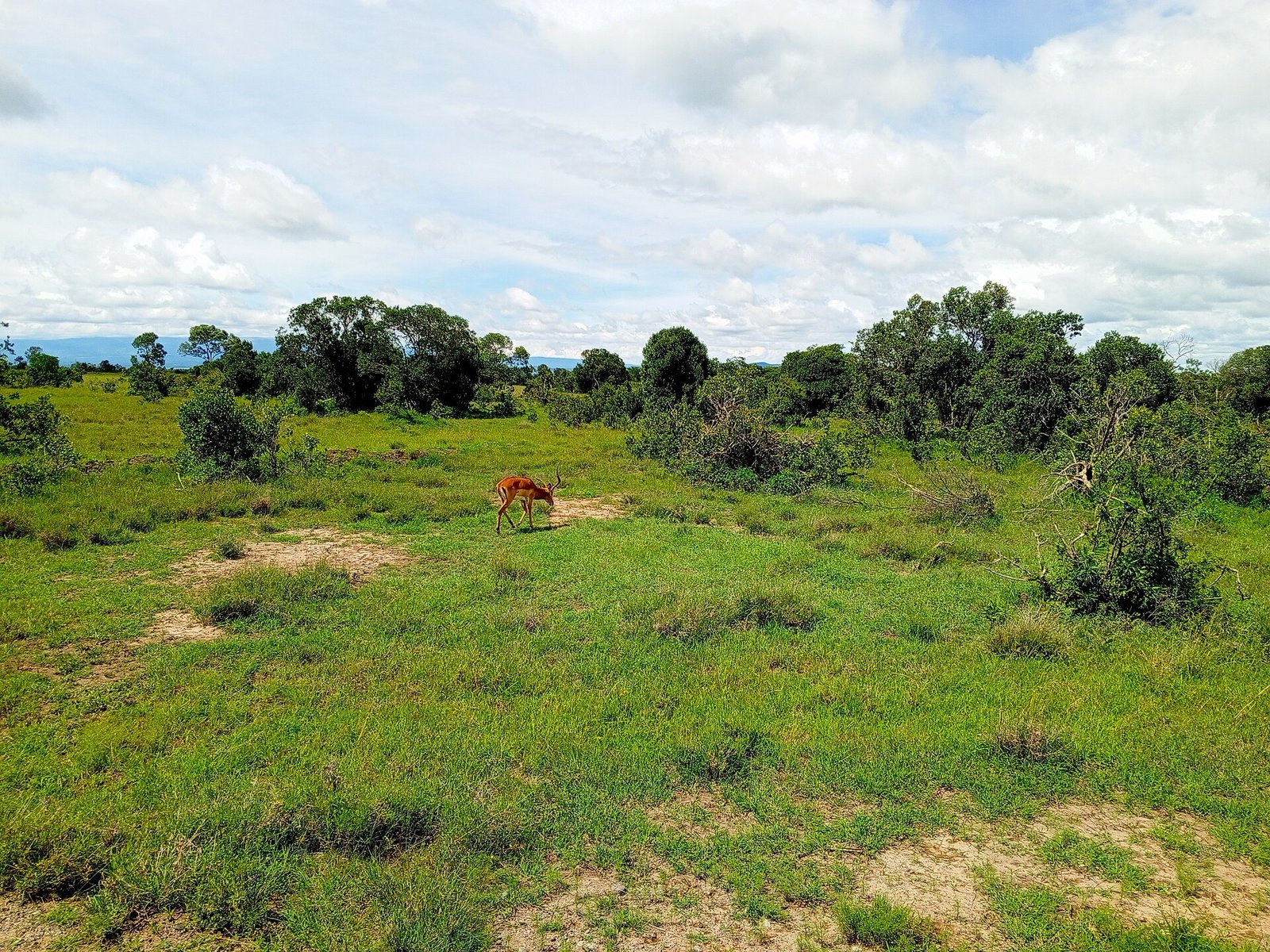
Plan a Maasai Mara stay that fits your trip
Tell MaasaiMara.ke your travel dates, party, preferred pace and whether you favour road or fly-in travel. We quote and book private safaris through our authorised tour operator partners, with the camp, transfers, included wildlife programme and full price set out for your trip.