
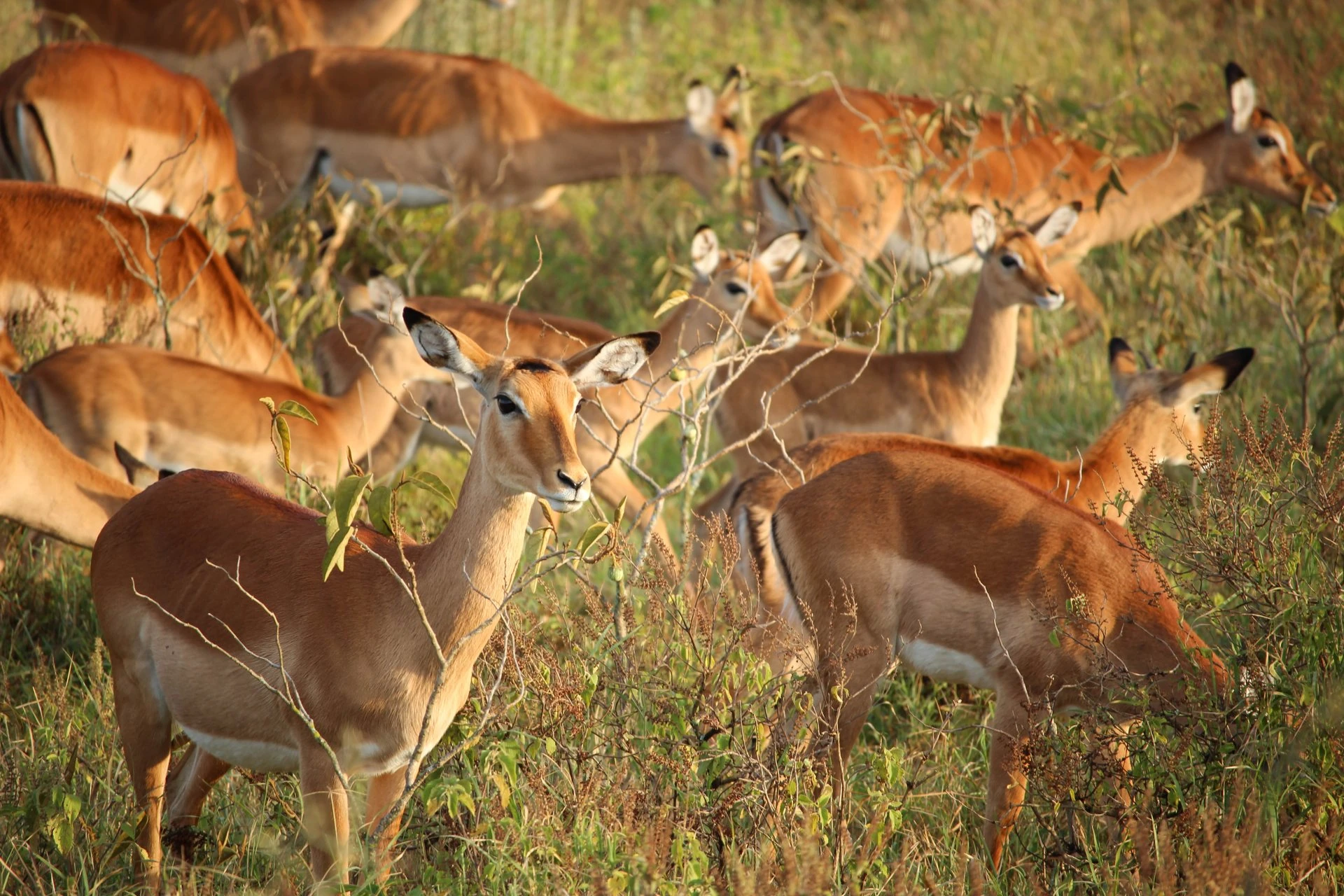
Mara Serena Airstrip
Mara Serena Airstrip is listed by the Mara Conservancy for the Mara Triangle and as an authorised admission-ticket point. It is relevant to Mara Serena Safari Lodge and other Triangle arrivals arranged by the selected property. A flight ticket does not replace admission or a camp transfer. Keep the strip, accommodation and sector procedures together when planning the arrival and any later movement across the Reserve.
Mara Serena Airstrip access and camp context
The Mara Conservancy lists Mara Serena Airstrip for the Mara Triangle and identifies it as an authorised admission-ticket point. Mara Serena Safari Lodge is an inside-Triangle property. A Serena flight arrival can therefore connect directly with a Triangle stay, subject to the selected property’s transfer and the carrier’s actual service. The airstrip’s presence is useful access information; it is not a general exemption from entry procedures or applicable charges.
Other Triangle and surrounding properties can also use Serena under their own arrangements. Angama’s published material distinguishes air transfers for Angama Mara and Angama Safari Camp, with Serena appearing for the latter alongside Kichwa Tembo in its wider terms. The actual camp location matters more than the shared brand name. Do not assume that every Angama guest, every Triangle camp or every airline uses the same strip.
Read the Mara Serena Airstrip guide with the entry-rules page when planning this arrival. If the safari later crosses into the main Reserve, include that movement in the admission and vehicle plan. A fly-in arrival is simply another way to reach the managed wildlife landscape. The day’s drives still need to respect permitted routes, return times and the location where you will sleep.
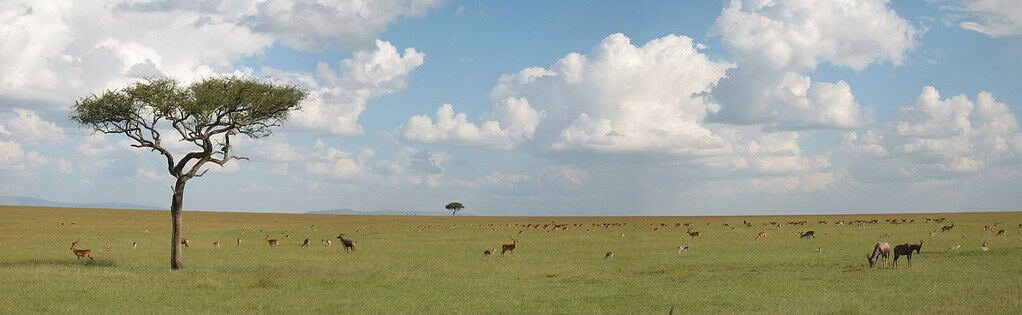
Choose Maasai Mara airstrips around the camp
The useful question is which strip the selected camp uses for your actual arrival, not which place on a map seems closest. A river, reserve boundary or controlled approach can make a short straight-line distance misleading. Airline camp-allocation lists also overlap. The same property can appear under different strips, and a camp may use an alternative arrival for a particular flight. Connect the air ticket with the ground collection and accommodation before choosing an itinerary.
Treat the aircraft journey and the transfer as one arrival arrangement. The passenger names, travel date, booked destination and camp collection should agree. A destination described simply as Maasai Mara can hide the detail that matters to the driver. Keep the named strip in the itinerary, along with the camp and organiser’s contact information. This is particularly useful when a safari combines properties or includes a change between the Reserve and a conservancy.
Our flights to the Maasai Mara guide covers the wider flying decision. This directory focuses on the places where passengers arrive and how those places relate to stays. Neither a low fare nor a famous airstrip name establishes that the complete route suits your trip. Compare the connection, luggage conditions, camp transfer and departure plan alongside the flight itself. A well-matched strip supports a calm arrival and a useful first drive.
Intermediate stops and flight routing
Mara flights can collect or drop passengers at different strips. The first Mara landing and your own destination may therefore be different points in the journey. A general flying-time description should not be treated as a guaranteed duration to the selected camp. The day’s aircraft routing, other passengers and operational decisions affect the experience. Keep the booked destination distinct from any intermediate stop described in a timetable or itinerary.
At each landing, follow the crew’s instructions about whether to remain aboard or disembark. Listen for the exact strip name, especially when several passengers are travelling to different camps. Your luggage should be handled according to the airline’s procedure. A camp pickup is organised around the flight’s actual arrival information, rather than a passenger walking between nearby airstrips. An aircraft apron and runway are working areas; crew and ground staff direct movements there.
Multi-stop routing can be an enjoyable aerial introduction to the landscape, but it should not be sold as a wildlife-viewing guarantee. Animals seen from the air are incidental observations. The ground safari remains the main opportunity for patient viewing with a guide. Plan a modest arrival-day programme that fits the flight and camp transfer, rather than promising a distant river crossing before lunch solely from an advertised flight duration.
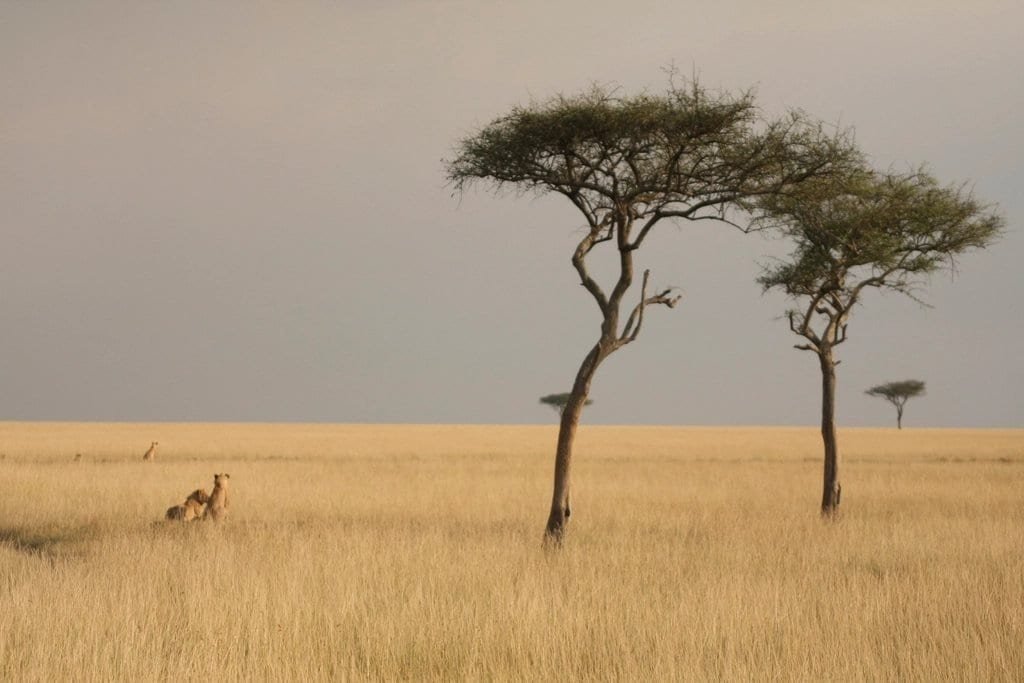
Baggage and a comfortable aircraft journey
Pack around the actual carrier’s baggage conditions. Soft bags, total weight including hand luggage and camera equipment, and the shape of the bag matter on small aircraft. The Maasai Mara packing list explains the retained airline allowances and useful safari essentials. Do not assume that an international airline’s checked-bag allowance applies unchanged to the domestic flight into the Mara.
Keep essential travel documents and usual medicines accessible, and follow the carrier’s prohibited-item rules. A large camera case should be considered alongside the rest of the baggage rather than treated as automatically outside the allowance. Excess baggage arrangements are carrier-specific and should be settled before departure. If luggage storage elsewhere is needed, include its location and collection in the itinerary. The useful aim is a manageable bag for both aircraft handling and the onward safari vehicle.
Departures, connections and changing conditions
Plan the departure from camp with the same care as the arrival. The driver needs the actual strip and flight information, while the party needs time for packing and any permitted morning programme. Do not insert a long wildlife drive merely because a general timetable suggests a late departure. The operational routing and camp collection determine the practical day. Keep Nairobi airport transfers and any onward international flight connected to the domestic arrival plan.
Weather, maintenance and operational requirements can affect bush flying. A destination listed online is a planning reference rather than a guarantee of current strip availability. The airline controls the aircraft decision, and the organiser coordinates any amended ground collection. Use the Safarilink flight booking service for an external flight action. The best airstrip choice is the one that fits the selected camp, actual service and complete private safari itinerary.
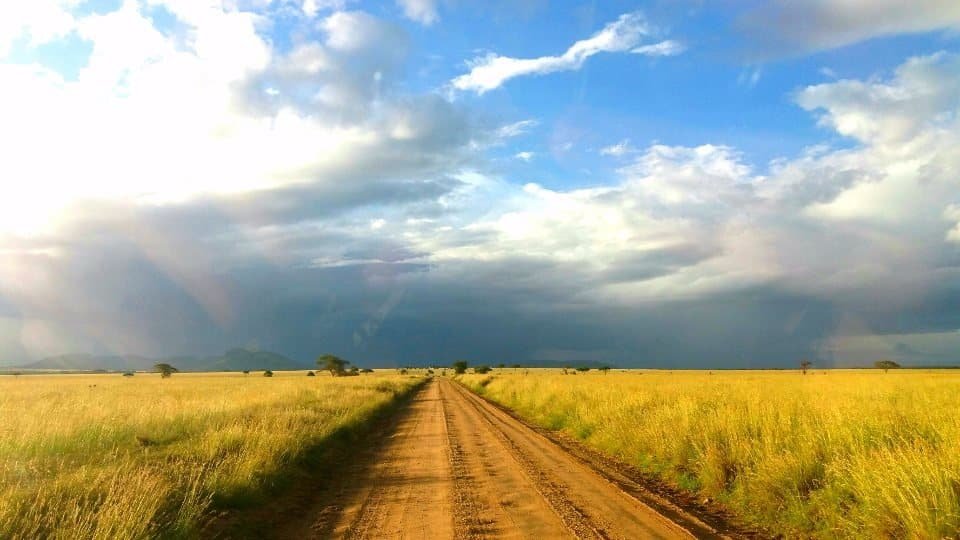
Keep the departure connected to the stay
Your arrival choice should also work for the departure. A camp change, an onward road journey or a flight connection can alter the appropriate gate or strip. Keep the organiser informed about the whole route, including the place where the party will sleep next. For a private safari, the dedicated vehicle and guiding programme should be coordinated with those movements rather than added as an afterthought.
Compare the complete arrangement with the access directory, the accommodation guide and the packing list. The relevant services include the selected property, collection, admission and permitted wildlife drives. A named entrance or airstrip is one practical part of that itinerary, not a guarantee of animal sightings or a substitute for the agreed safari programme.
Plan the arrival around the stay
The exact destination
Match the selected entrance or airstrip with the actual accommodation and route.
A connected itinerary
Arrival, camp collection, admission and private guiding belong in the same plan.
Flexible wildlife viewing
The transfer and safari programme adapt to the route, conditions and wildlife.
Seven decisions for a comfortable arrival
- Choose the exact accommodation and understand its boundary location.
- Match the gate or airstrip to the actual route and booked service.
- Connect the arrival with the camp collection and luggage arrangements.
- Include the correct visitor admission and compulsory property charges.
- Plan private guiding and wildlife drives around permitted access.
- Keep documents and the confirmed itinerary accessible during travel.
- Coordinate the departure, onward connection and any route change.
Explore safari packages






From USD 2,000 per person sharing



From USD 2,350 per person sharing

From USD 1,950 per person sharing

From USD 2,350 per person sharing

From USD 1,700 per person sharing

From USD 2,900 per person sharing

From USD 3,800 per person sharing
Plan your private Maasai Mara safari
Tell MaasaiMara.ke your travel dates, party size and interests. We quote and book private safaris through authorised tour operator partners, with the named accommodation, transfers, dedicated guiding and scheduled entry in the written itinerary.
