
Naboisho Conservancy
Naboisho Conservancy is a community-led wildlife area outside the Maasai Mara National Reserve, visited through its tourism partners. It suits a camp-based safari focused on resident wildlife, local guiding and permitted walking or night drives. Naboisho access belongs to the particular camp arrangement; it is not included automatically with a Reserve ticket. Choose the exact property, activity programme and private guiding, then include a separately planned Reserve excursion if migration river viewing is a priority.
Naboisho Conservancy at a glance
Wildlife landscape
A camp-based conservancy stay outside the National Reserve.
Natural observations
Resident wildlife, changing habitat and seasonal possibilities; sightings remain conditional.
Practical access
Use the selected camp’s actual road or air arrival and authorised guiding arrangement.
Seven useful planning decisions
- Choose the exact camp and establish its boundary location.
- Match the wildlife programme to your party’s interests.
- Include the correct entry or conservation charges.
- Specify the private vehicle and guiding arrangement.
- Coordinate the actual road or air arrival and camp transfer.
- Select permitted activities that suit the party and season.
- Allow flexibility for weather, wildlife movement and viewing rules.
Access and fee basis
| Item | Applicable basis |
|---|---|
| Managing arrangement | Landowner and tourism conservancy partnership |
| Entry / conservation | Published 2026 non-resident charge: USD 130 adult / USD 65 child per night; child age bands and camp inclusions differ. |
| Accommodation | Selected-property tariff; compare the full occupancy, board and compulsory-charge conditions. |
| Complete private safari | Written quote names the accommodation and includes scheduled entry and compulsory selected-property charges. |
Naboisho Conservancy and community management
Naboisho brings Maasai landowners and tourism partners together to keep wildlife habitat connected while supporting local livelihoods. Land agreements and visitor income contribute to the conservancy’s operation alongside ecological management and community work. The landscape is therefore both a wildlife destination and a conservation partnership. Staying with an authorised tourism operation links the visitor experience to that arrangement rather than treating the land as an open-access extension of the National Reserve.
The conservancy’s published approach limits tourism development and emphasises conduct standards, qualified guides and responsible operations. For a visitor, the value lies in how those policies shape the stay: managed vehicle use, time in wildlife habitat and an activity programme that responds to conditions. Terms such as private or exclusive describe an access arrangement; they do not guarantee that every sighting will be empty, or that wildlife will behave according to the itinerary.
Naboisho has its own identity within the Greater Mara. Its name should not be used as a general label for every camp in the surrounding region. The Reserve and other conservancies have separate visitor systems. Read the wider Maasai Mara conservancies guide alongside this page to understand those distinctions. A carefully planned conservancy safari starts with the accommodation’s actual partnership, location and permitted access, before considering the extra experiences available nearby.
Wildlife habitat and the pace of a Naboisho safari
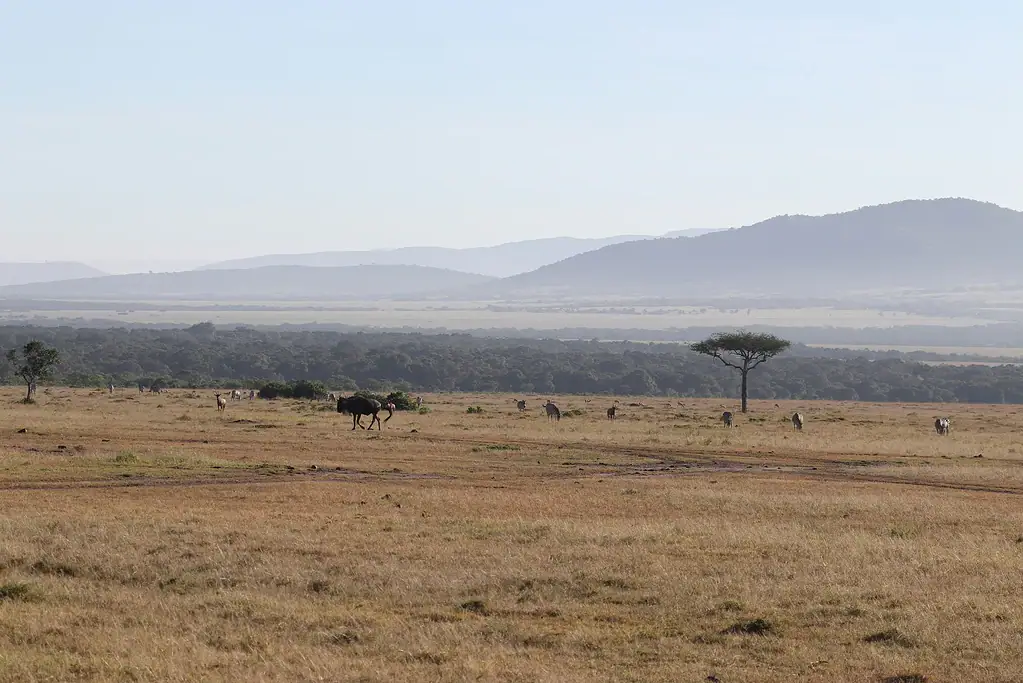
Naboisho protects habitat used by predators, elephants, giraffes, grazing antelope and birds. Open country, scattered trees and drainage lines provide different viewing opportunities. A guide moves between these environments according to fresh signs and the conditions rather than treating the same circuit as productive every day. This makes the camp-based approach useful: returning to a promising area can reveal changes in animal behaviour that a brief visit would miss.
The conservancy is known for big-cat viewing, but a lion or cheetah is never a scheduled attraction. Predators may rest out of sight, move through different habitat or spend an entire observation doing very little. A thoughtful guide interprets those quiet moments as well as active ones. On a Naboisho safari, allow time for social behaviour, interactions with prey and the wider habitat instead of expecting every drive to deliver a hunt or close portrait.
Resident wildlife also gives the trip a purpose outside the migration season. Herds, birds and smaller species reward attention, and the landscape changes with rain and grazing. A conservancy safari can be especially satisfying for visitors who want to learn how these connections work. Bring binoculars and leave room in the daily programme for observations that were not named in the original wish list. The guide can then respond to what is happening naturally around the base.
Partner camps and their actual locations
Naboisho’s tourism information names camps including Asilia Naboisho Camp, Encounter Mara, Mara Nyika, Hemingways Ol Seki Mara, Kicheche Valley Naboisho, Saruni Leopard Hill, Saruni Eagle View and Basecamp Wilderness. These names provide a useful starting point for researching accommodation and guiding. The stay styles differ, so the conservancy name alone cannot establish room layout, family arrangements, accessibility, service level or the precise activity package you will receive.
Porini Mara is also a Naboisho tourism partner, but its camp is physically in neighbouring Ol Kinyei. Its published partner information describes access to Naboisho as part of that relationship. This distinction is particularly important when comparing camps: membership and access are not the same as sleeping inside the boundary. The actual programme should identify where you stay and where the game drives operate, rather than merge adjacent conservation areas into one place.
Use the accommodation guide to compare comfort and stay styles, then obtain the selected camp’s exact arrangements. A traditional small camp, a larger hospitality offer and a property with family-focused rooms can all serve different parties well. A private Naboisho safari needs the vehicle and guiding basis stated explicitly, particularly where a camp’s ordinary tariff includes shared activities. Do not infer a dedicated vehicle from the conservancy’s controlled-access policy.
Choosing a camp for the wildlife experience
The camp setting influences the atmosphere of the stay and the start of each outing. A tent overlooking open country gives a different immediate view from a property in a sheltered valley or on higher ground. These differences can matter for landscape photography, relaxation between drives and the feel of the accommodation. They are less useful as a promise of a particular predator or a fixed transfer time to the best wildlife on any given day.
Choose accommodation around the way your party likes to travel. Birders may value a guide who spends time identifying smaller species; photographers may want equipment space and unhurried sightings; a family may need flexible meals and suitable activity options. These are practical product differences within a Naboisho safari. Match them to the particular camp and private programme rather than assuming that every property provides an identical experience because it shares access to the conservancy.
The daily rhythm also matters. Returning to camp between outings creates a different pace from spending a longer period out with an arranged meal. Walking, night viewing and Reserve excursions need to fit around the party’s comfort and the available programme. A well-chosen conservancy safari provides enough time to enjoy the accommodation as well as the drives. It should not require the party to spend every waking hour moving simply to justify the camp choice.
Conservation charges and inclusions
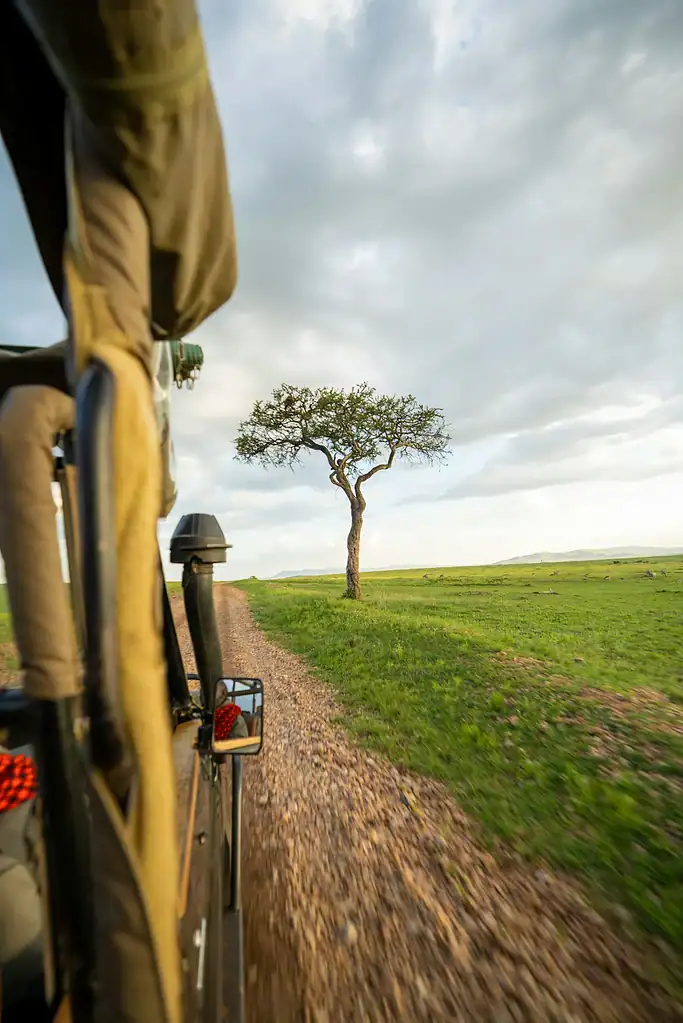
Published Naboisho camp tariffs for 2026 commonly list a non-resident conservation charge of USD 130 per adult and USD 65 per child per night. The child age band differs by camp. These amounts are conservation charges attached to the stay, not the total room price and not a National Reserve entry ticket. A property may include a fee component in its package or show compulsory charges separately, so the full tariff conditions are essential to a fair comparison.
Hemingways Ol Seki also publishes a Naboisho Reserve Fund charge of USD 5 per person per night in its applicable tariff. That named-property addition should not be presented as a universal charge at every partner camp. Likewise, the conservation treatment within Asilia’s package has its own included and excluded components. Read the selected camp’s actual offer instead of assuming that a general nightly fee line explains every compulsory part of the booking.
A complete private safari quote should name the camp, accommodation basis, conservation inclusions and scheduled Reserve entry. It should distinguish compulsory charges from genuinely optional activities. Use the safari cost guide when comparing whole trips and the Reserve fee guide for Reserve admission. This keeps a Naboisho safari financially clear without turning a conservation charge into a misleading standalone accommodation price.
Access through tourism partners
Naboisho does not offer day trips: access is arranged through its tourism partners. A guest based elsewhere cannot simply arrive at the boundary, pay a fee and gain permission to drive inside. The camp’s partnership and the particular itinerary determine the access, including arrangements for authorised partners based in adjacent habitat. This matters especially when a wider Mara trip includes accommodation outside protected areas or in a neighbouring conservancy.
An authorised transfer also differs from permission for a game drive. A vehicle passing through an agreed route does not thereby gain unrestricted wildlife-viewing rights throughout the area. The operator should identify the transport and guiding arrangements attached to the stay. If a party changes camps, the movement between them needs a coherent plan that respects the relevant land and activity permissions rather than relying on a navigation app’s shortest route.
For a conservancy safari, settle the access with the accommodation before building optional activities into the programme. This prevents disappointment when a nearby property cannot offer the same drives as a Naboisho member camp. The Mara areas guide explains the different Reserve bases if day-entry flexibility is important to your trip. Naboisho is best selected for its own camp-based experience, with the partnership and activity programme understood from the start.
Game-drive conduct and responsible viewing
Naboisho actively enforces its tourism codes and environmental standards. Visitors should give animals room to move, keep noise low, avoid feeding wildlife and follow their guide’s instructions. A controlled-access conservancy safari is not permission to drive as close as possible or remain in an animal’s path. The aim is to observe natural behaviour while preserving the habitat and the quality of the experience for other guests.
Any authorised off-road viewing must follow the conservancy’s conditions and the guide’s judgement. Sensitive ground, wet tracks, thickets and animal behaviour can make a route inappropriate even if a vehicle could physically reach the sighting. Naboisho’s local viewing code determines distances and vehicle conduct; another area’s rules are a different arrangement. The selected camp briefs the party on the practice that applies to its outings.
Crowded or active sightings call for patience. A guide may wait, change position or leave when continuing would disturb wildlife. Photographers should expect to work within those decisions rather than request a better angle at any cost. The same applies around young animals and dens. These boundaries make a Naboisho safari more responsible and can also produce a more interesting observation by allowing the animal to settle and continue its normal activity.
Guided walking in Naboisho
Guided walking is one of the distinctive experiences described in Naboisho’s tourism programme. On foot, the scale of the landscape changes: tracks, plants, insects and the signs left by larger animals become part of the outing. A walk can complement vehicle viewing by explaining the habitat rather than seeking the closest possible encounter with big game. It is led and managed, with the route chosen for the group and conditions.
The camp’s actual walking offer determines eligibility, duration and safety arrangements. Age limits, fitness expectations and availability may vary. A family room booking does not establish that children can join every activity, and an adult’s enthusiasm for walking does not replace a suitability assessment. Discuss the party’s needs while planning the Naboisho safari, so that the programme includes experiences everyone can enjoy or appropriate alternatives for members who do not join.
Walking permission does not extend to independent movement outside camp. Follow the guide and camp instructions, including any escorted movement around the property after dark. Our walking-safari guide explains the wider visitor experience. Within a conservancy safari, the useful question is how the selected camp runs that outing for your party, not merely whether a website lists walking among the activities possible somewhere in the landscape.

Night drives and other camp experiences
Night drives offer a different view of the conservancy after daylight fades, with the possibility of nocturnal wildlife and a changing soundscape. Naboisho lists them among its permitted tourism experiences, but the selected camp determines the actual programme. Lighting and vehicle behaviour must respect wildlife. A night drive is an opportunity to observe, not a promise of rare species or permission to interfere with a predator’s hunt.
Bush meals and fly camping are also described in the conservancy’s tourism information. They require specific arrangements and may not be included in the standard stay. Their availability can depend on the property, season, party and conditions. Decide which experience is a genuine priority and arrange it early, rather than accumulate optional activities that leave little time for wildlife viewing or rest. A comfortable Naboisho safari can be varied without being constantly busy.
Our night-drive guide explains what visitors can expect more broadly. Do not transfer another conservancy’s return time or lighting code to Naboisho without the local policy. The camp’s briefing is the practical basis for the outing. A private conservancy safari should make clear which experiences are arranged specifically for the travelling party and which require a different group or operational format that the party has agreed to.
Seasonal wildlife and the best travel priorities
For Naboisho, resident wildlife supports travel beyond a migration-focused window. Drier weather can improve the ease of moving around tracks and scanning open habitat, while greener conditions change the scenery and birding experience. Rain can make particular routes unsuitable and influence where animals feed or shelter. These changes are part of the safari rather than proof that the entire conservancy becomes unproductive outside one advertised season.
The wider Mara migration pattern often draws visitors between July and October, but Naboisho should not be chosen on the assumption that the main herds will stand beside the camp. If river crossings are central, plan the relevant Reserve portion of the trip and accept that movements vary. A conservancy safari can complement that experience through resident animals, guided walking and quieter habitat exploration without promising an identical migration event in both places.
For birding and landscape photography, greener periods can be appealing, provided the party is comfortable with weather-related flexibility. Some camps close seasonally or for maintenance, so the accommodation’s operating dates remain a separate check. The best-time guide helps match interests to the wider seasonal cycle. Build the Naboisho safari around what suits your dates and priorities, with enough room for the guide to adapt to conditions.
Air arrival and the camp transfer
Several Naboisho properties describe arrival through Mara Ol Seki Airstrip, but the correct landing point depends on the selected camp and booked service. The airstrip and accommodation transfer need to be arranged together. A map pin or a general list of Mara airstrips does not establish that a particular flight will meet your camp’s arrival plan. The booking should name the actual service, strip and meeting arrangement.
Flight routing and baggage conditions belong in the same practical planning. A scheduled service can make intermediate stops, and the camp transfer adds its own travel after landing. Keep the arrival day’s activity expectations sensible, especially when the party is connecting from another journey. On departure, the local pickup and flight should fit the onward itinerary without relying on an unverified direct route or an assumed transfer time.
Use the flight guide for wider booking considerations, then follow the property’s actual access arrangement. A fly-in Naboisho safari can offer a convenient start to the stay, but the value still lies in the accommodation, wildlife and guiding once you arrive. Compare complete programmes rather than choosing a conservancy safari only because the first flight leg appears short in a brochure.
Road travel and combining the Reserve
For road arrival, the operator should use the camp’s approach directions and a vehicle suited to the conditions. Local tracks are not interchangeable with public main roads. A navigation app may suggest a route through land with restricted access or across a watercourse that is unsuitable. The final approach is therefore a property-specific part of a Naboisho safari, even when the wider journey begins along a familiar Nairobi-to-Mara route.
A Reserve excursion needs its own allowance for transport, entry and useful viewing time. The fact that Naboisho sits within the Greater Mara does not make every named river site close to every camp. If the Reserve is a major focus, compare a split stay with a longer excursion from the conservancy. Each can be sensible when it fits the party, but neither should be inserted automatically into an already full programme.
Read the road travel guide and compare the Mara Triangle or other Reserve bases. The written itinerary should show the actual transition between accommodation and wildlife areas. This makes a combined conservancy safari easy to understand: the Naboisho portion has its own purpose, and the Reserve portion provides the access needed for the experiences selected there.
Conservation work and respectful community engagement
Naboisho’s conservation work addresses habitat, wildlife monitoring and the pressures that arise when people, livestock and wild animals share a landscape. Human–wildlife conflict is part of that reality. The conservancy’s approach connects ecological management with community development rather than treating local livelihoods as separate from conservation. A visitor can better understand the place when the guide explains these relationships alongside the wildlife observations.
Community experiences should be agreed and respectfully hosted. Ask permission before photographing people, follow local guidance and avoid treating everyday life as an unrestricted visitor attraction. An organised visit can provide context about land use, livelihoods or conservation work without promising an invented personal encounter or claiming that every safari booking funds a named project. Keep the explanation tied to the real programme and the host community’s choices.
Visitors interested in contributing beyond their stay can explore participation with Naboisho Conservancy. Safari accommodation and transport remain part of the selected camp and operator arrangement. A conservancy safari supports the wider model through legitimate tourism, but the precise flow of a donation or project contribution needs its own real terms. The visitor’s most immediate contribution on the ground is also simple: respect habitat, animals, guides and residents throughout the trip.
Choosing Naboisho for your party
Naboisho is a strong option when the party wants a coherent camp-based experience with resident wildlife and suitable permitted activities. Families should put room arrangements, children’s eligibility and daily pacing ahead of a long activity list. Photographers should specify vehicle use and the time they value at sightings. Birders should make that interest clear early so that the programme gives smaller species and varied habitat appropriate attention.
Compare Mara North and Olare Motorogi on the same practical basis. A camp’s setting and programme can matter more to the party than the wider conservancy’s reputation. For visitors who want flexible Reserve exploration instead, compare our Talek guide. Different bases serve different interests, and a tailored itinerary can combine them when the time and transfers make sense.
The final written programme should identify where you sleep, where you drive, who guides the party and which activities and compulsory charges are included. A Naboisho safari is then a clear choice rather than a broad promise of exclusivity. Give the stay enough time to appreciate resident animals, the landscape and the community conservation setting. That is where a well-planned conservancy safari becomes more meaningful than a collection of impressive names.
Explore safari packages






From USD 2,000 per person sharing



From USD 2,350 per person sharing

From USD 1,950 per person sharing

From USD 2,350 per person sharing

From USD 1,700 per person sharing

From USD 2,900 per person sharing

From USD 3,800 per person sharing
Plan your Maasai Mara safari
Tell us your travel dates, party and wildlife interests. MaasaiMara.ke quotes and books private safaris through authorised tour operator partners, with dedicated vehicles and guiding. Your written quote names the accommodation and includes the scheduled park fees and compulsory selected-property charges.
