
Maasai Mara wildlife photography: the art of waiting
← Mara Journal / Wildlife & migration · By Maasai Mara
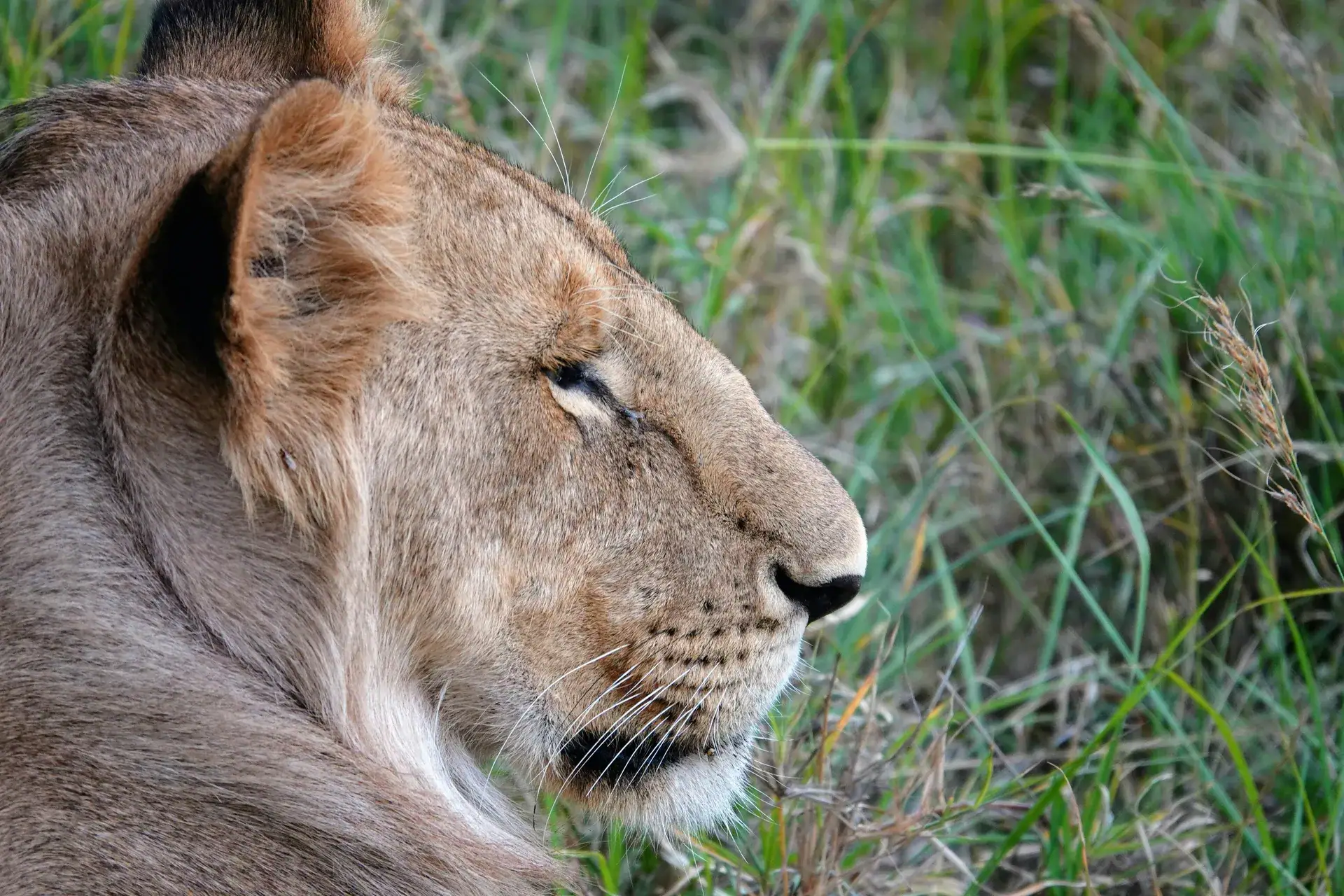
Maasai Mara wildlife photography becomes more rewarding when you spend time watching before taking the picture. Notice the animal's position, its surroundings and the direction of the light. A brief conversation with your guide can help you understand the scene before you become absorbed in camera settings.
Maasai Mara wildlife photography: begin by putting the camera down
A resting animal may appear uneventful until a small movement changes the frame. Watching helps you recognise these moments. It also gives you a memory of the encounter beyond the viewfinder. The aim is not to make every stop last longer, but to know when staying with a subject serves the photograph you want.
Explain your interests before the drive
Tell your guide whether you prefer portraits, behaviour or animals within a wider landscape. Discuss how much time you like to spend at a sighting and whether other members of your party share that interest. A vehicle dedicated to your travelling party makes those conversations particularly useful when shaping the day.
Vehicle position affects the background and light, but viewing rules and animal welfare remain the limit. Your guide may be unable to take the angle you imagined. Work with the safe, permitted position available instead of asking for a closer approach or a route that disturbs the scene.
Make familiar equipment work well
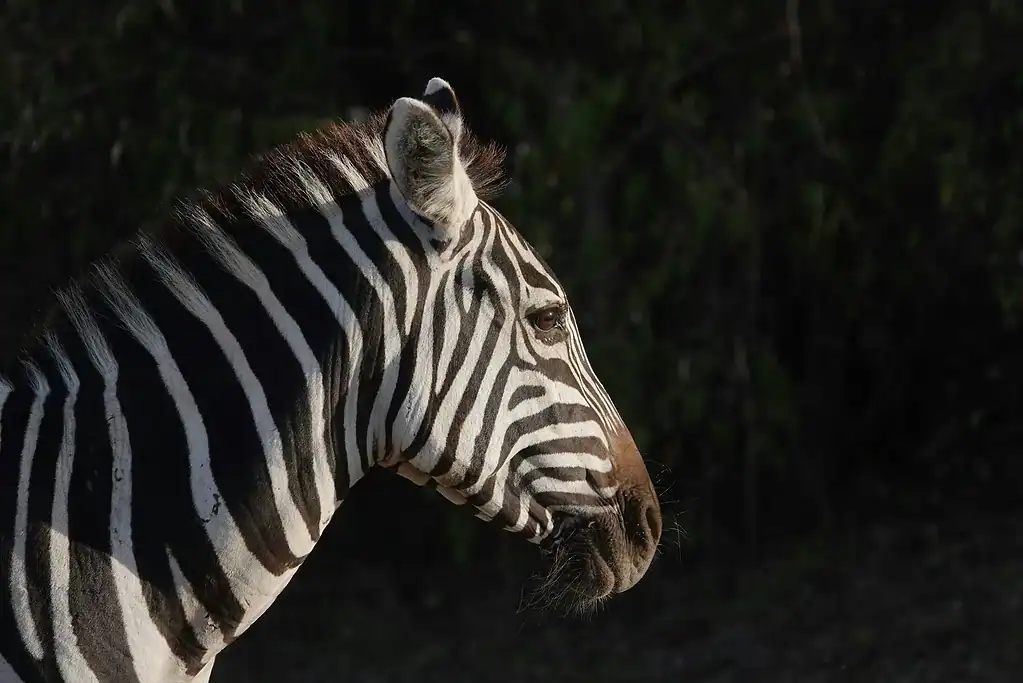
Choose equipment you can operate without losing track of what is happening. Practise changing the settings you expect to use, finding a moving subject and reviewing a picture quickly. A camera you understand is more useful than complicated equipment that needs your attention at every sighting.
Keep dust protection, charging equipment and storage organised. If you are flying, count the camera kit within the transport conditions that apply to your actual service. Avoid building a bag around an assumed allowance. Our packing story explains how to plan around your route.
Give the landscape a place in the frame
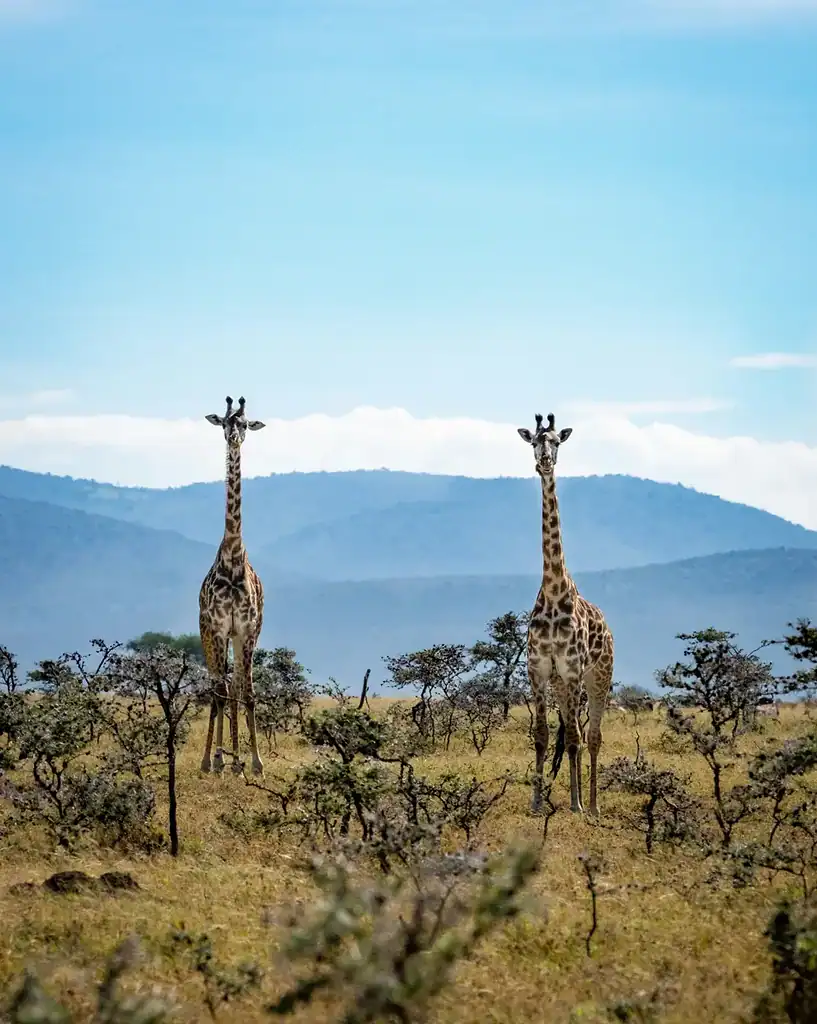
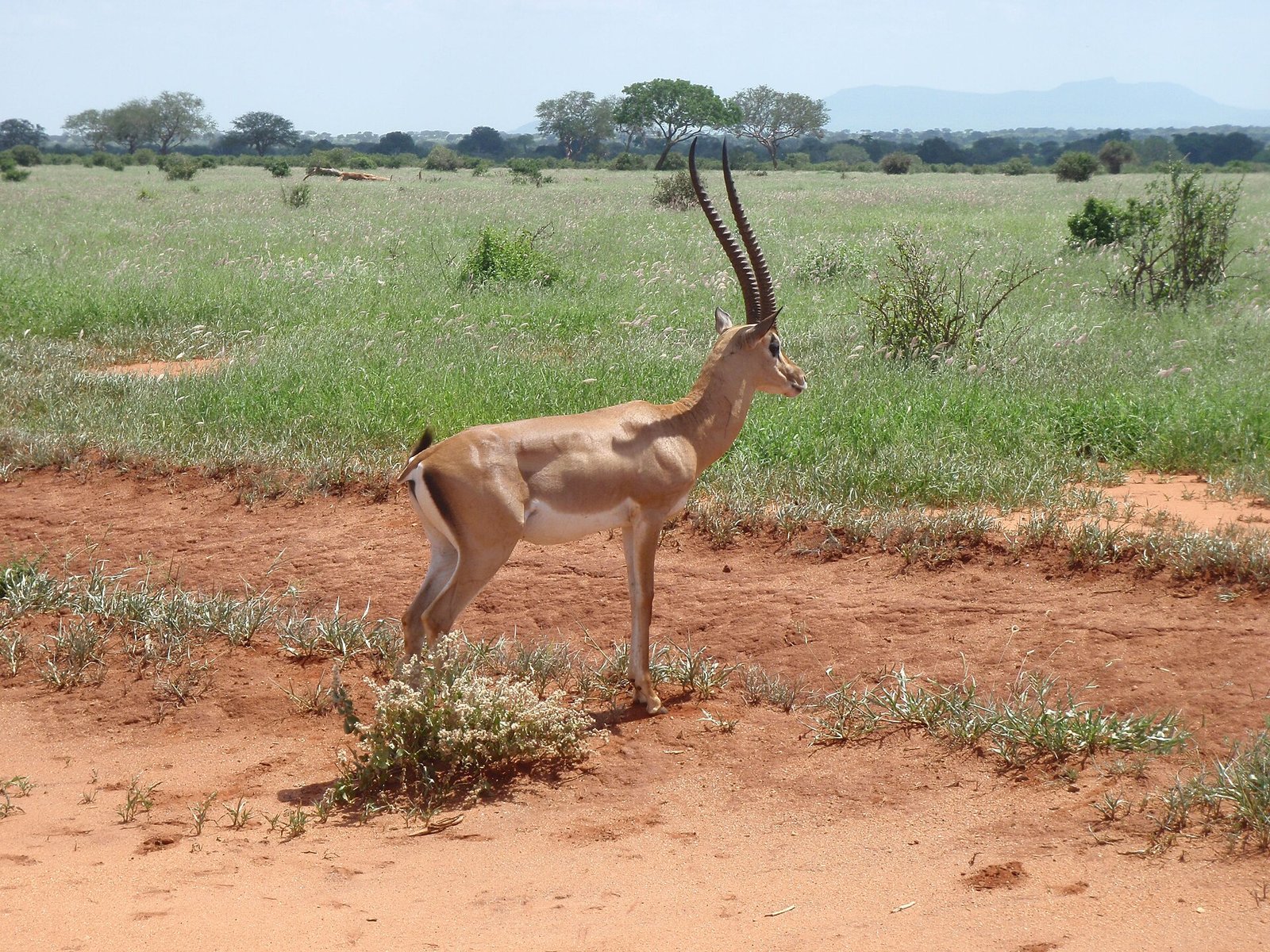
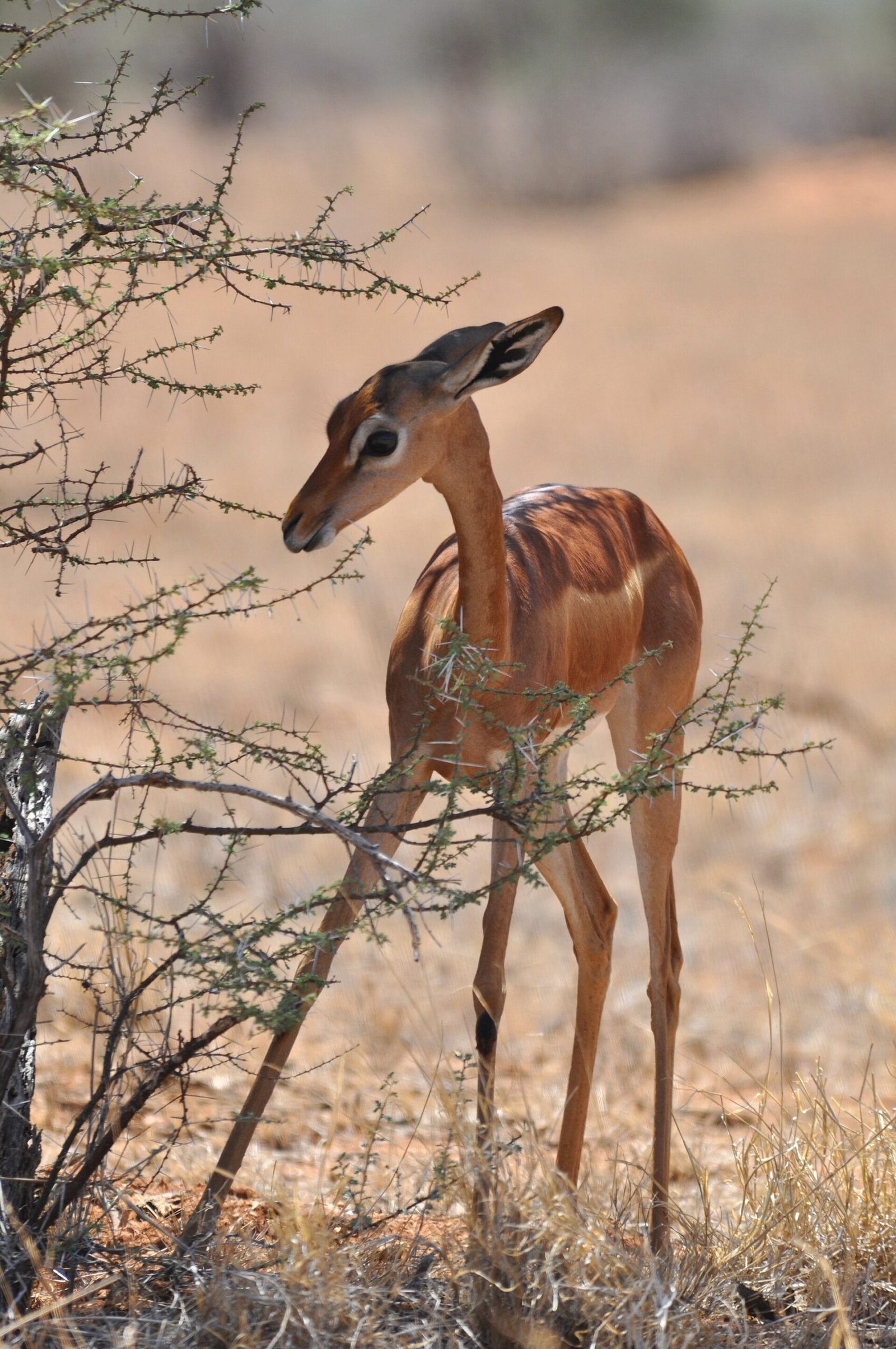
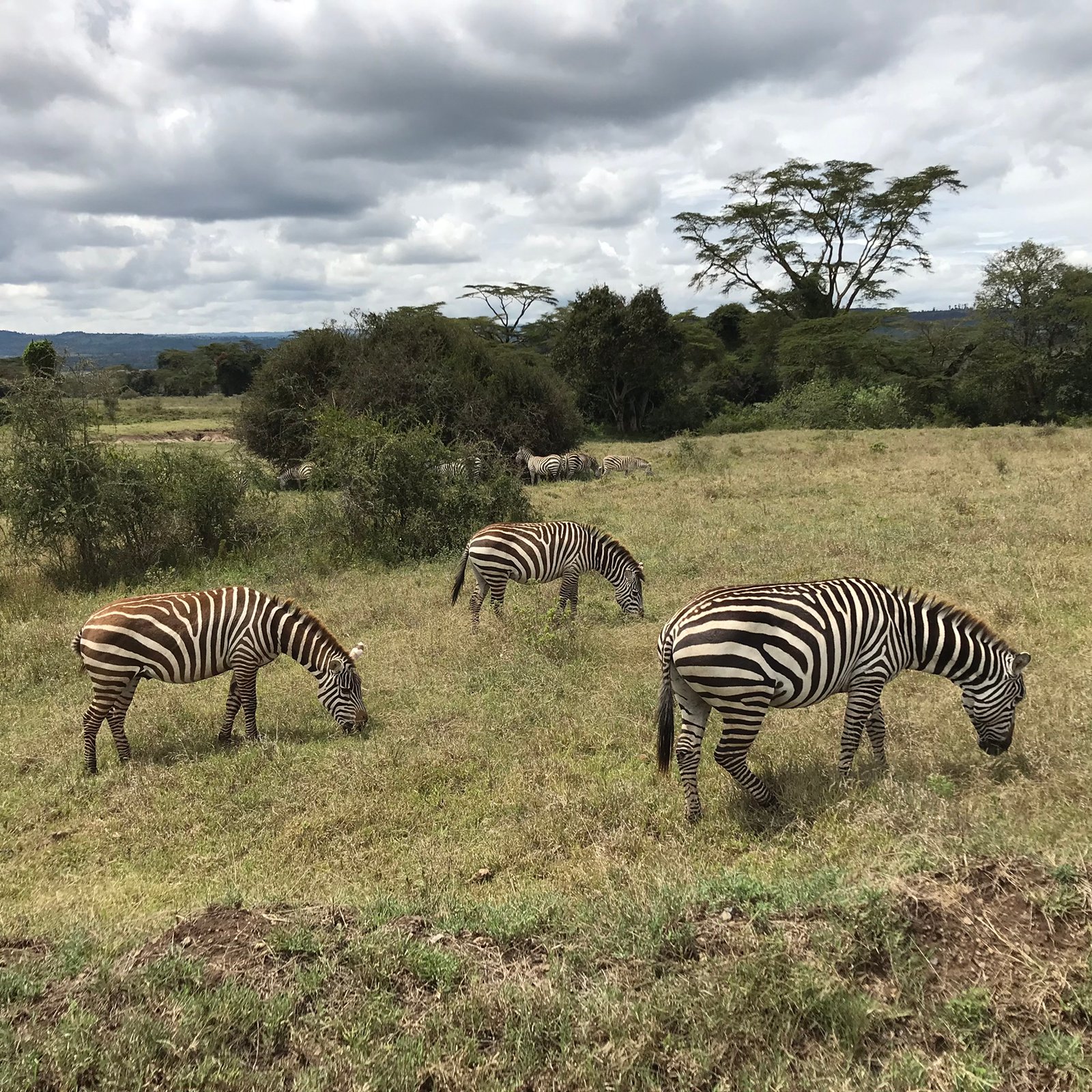
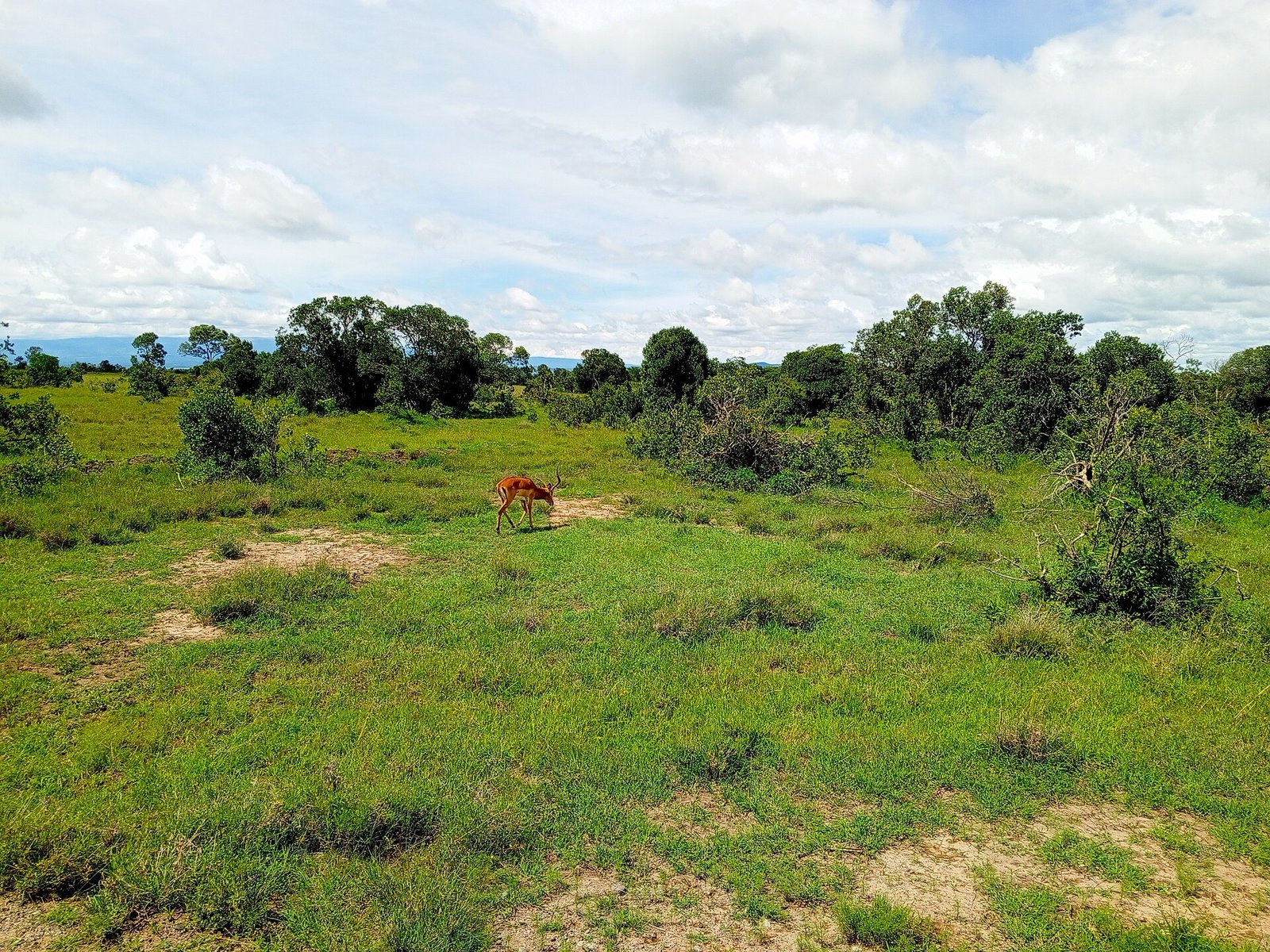
A wildlife photograph can show more than the animal’s face. Include grass, trees, cloud or the shape of the land when those elements explain the setting. A wider frame may communicate distance, scale or the relationship between a subject and its habitat more clearly than another close portrait.
Try making a deliberate choice before each sequence: an intimate view, behaviour, or an environmental picture. Then watch what the scene offers. Changing your intention is often more productive than making repeated images simply because the animal is still in front of you.
Wait with an open mind
Waiting is useful when it is attentive. Look for a shift in posture, an interaction or a change in the surrounding scene. Ask the guide what is visible rather than demanding a prediction. No guide can promise that a resting predator will hunt or that a gathering herd will cross a river.
Be willing to leave when the encounter has run its course or the viewing rules require it. A patient safari does not mean holding a position at the expense of wildlife or other visitors. You can bring the same attention to an unfamiliar bird, a grazing animal or a quiet stretch of landscape.
Photograph people with respect
A cultural visit needs a different conversation from a wildlife drive. Ask permission before photographing a person, and accept the answer. A host may welcome conversation without wanting a photograph, or may have specific expectations about how photography is handled during the visit.
Do not assume that joining a paid activity provides unlimited photographic permission. Let the host or organiser explain the arrangement clearly. Read our cultural-visit story before planning images of people, and keep the experience worthwhile even when the camera stays away.
Bring home a coherent story
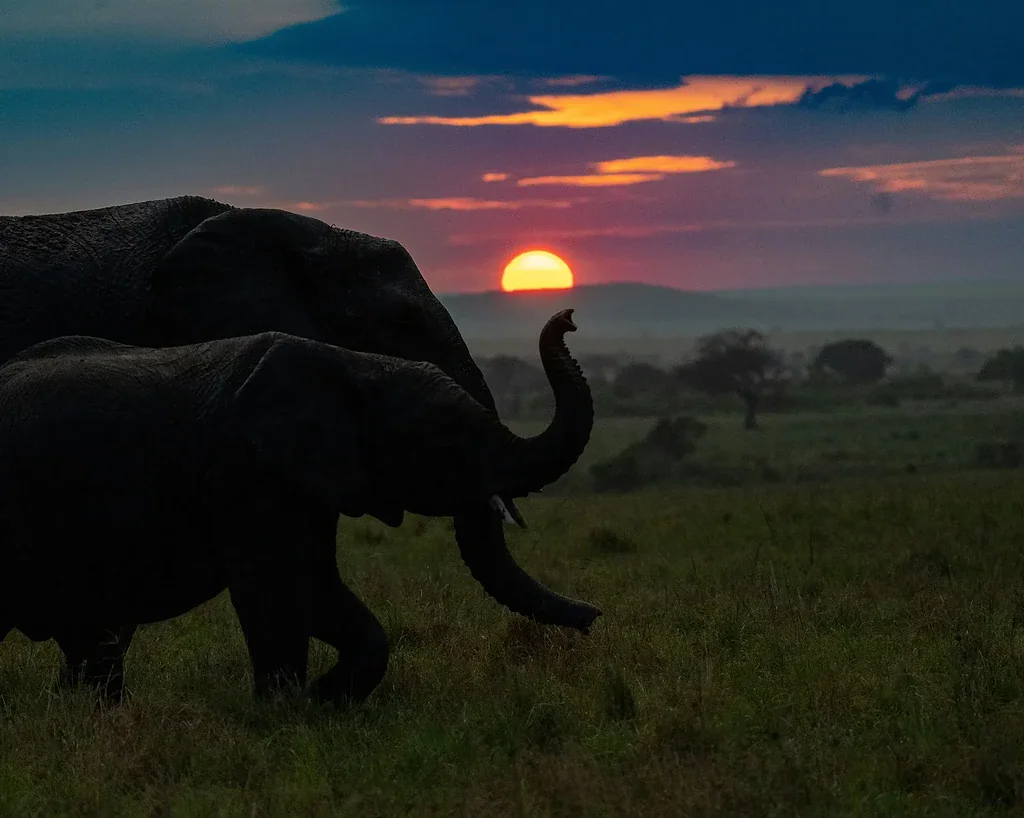
When reviewing your photographs, look for images that work together: a sense of place, a closer subject and a moment of behaviour. Make notes about what you actually observed while the encounter is fresh. Avoid captions that present an interpretation, an old photograph or a seasonal pattern as a current wildlife report.
The full photography guide covers practical planning. For the wider experience, explore migration beyond the river crossing and our activity guides. Good Maasai Mara wildlife photography starts with enough understanding and space to pay attention.
More from the Mara Journal
- Your first Maasai Mara game drive – From leaving camp to lingering at a sighting, discover how a game drive unfolds and how to enjoy it at your own pace.
- Packing light for a Maasai Mara safari – Pack for the day you will actually have: comfortable layers, a useful day bag and equipment you can carry easily.
Explore safari packages






From USD 2,000 per person sharing



From USD 2,350 per person sharing

From USD 1,950 per person sharing

From USD 2,350 per person sharing

From USD 1,700 per person sharing

From USD 2,900 per person sharing

From USD 3,800 per person sharing
From USD 4,550 per person sharing
From USD 3,000 per person sharing
From USD 3,150 per person sharing
Plan a safari around your interests
Tell us what you would like to experience, your travel dates and who is travelling. MaasaiMara.ke quotes and books safaris through authorised tour operator partners.