
Mara conservation: wildlife, habitat and communities
Mara conservation connects wildlife protection, healthy habitat and the livelihoods of people living around the Reserve. Understand the roles of Reserve management, conservancies and field projects, and how a safari can respect animals, support appropriate local arrangements and reduce pressure on the landscape.
Mara conservation across a living landscape
Mara conservation protects wildlife and the habitats used by it while addressing the needs of people who live around the Reserve. The National Reserve is an important refuge, but animals and water do not stop at its administrative boundaries. Understanding the surrounding landscape helps explain why conservation work includes land-use decisions, community partnerships and practical coexistence.
The word conservation covers several kinds of work. Reserve rangers protect wildlife and maintain visitor rules; researchers study animals and habitat change; conservancies work with landowners and tourism partners; community initiatives address the costs of living beside wildlife. These roles overlap, but no single organisation should be presented as managing every part of the Mara.
For visitors, the most useful starting point is the place where the safari takes place. The main Reserve, Mara Triangle and named conservancies have their own access arrangements. A camp’s conservation message should be considered alongside its actual location, guiding, facilities and relationship with the surrounding community. A good wildlife experience and responsible conduct belong together.
Reserve management and the Mara Triangle
Narok County is responsible for the National Reserve. The Mara Conservancy manages the Mara Triangle on the County’s behalf, while the Narok sector has its own day-to-day arrangements. The Mara River helps visitors understand that distinction on a map, but both sectors belong to the Reserve. The Mara Conservancy is not the same organisation as the association of surrounding conservancies.
Protection involves routine work that visitors may not see: ranger patrols, responding to incidents, maintaining access and managing the impacts of tourism. Rules about roads, wildlife distances and river areas give those responsibilities practical form. A good guide understands the applicable sector and follows ranger instructions even when a sighting attracts many vehicles.
Use the Mara Triangle guide and entry-fees and rules guide for visitor arrangements. Paying an entry charge does not remove the obligation to follow the rules, and staying outside the Reserve does not automatically provide unrestricted access inside it. The itinerary should identify the areas included and how access is arranged.
Community land and conservancy agreements
The land around the Reserve is part of a lived landscape. Participating conservancies bring landowners, tourism partners and wildlife management together through their individual arrangements. Lease income and employment can make keeping land available for wildlife a practical livelihood choice. The strength of that relationship depends on the actual agreement and how it works for local people.
Conservancies are not all identical. They can differ in visitor access, partner camps, permitted activities and the terms attached to a stay. A walking safari or night drive may be possible in an authorised conservancy setting without being allowed in the Reserve. The conservancy guide compares the visitor implications without treating the whole surrounding ecosystem as one unrestricted park.
When choosing accommodation, look for concrete information rather than a broad green label: which conservancy the camp belongs to, the access included and the work its operators support. A conservation fee and a community project contribution may serve different purposes. They should be explained in the trip arrangements without inventing a universal charge or claiming that every payment reaches the same organisation.
Keeping wildlife routes connected
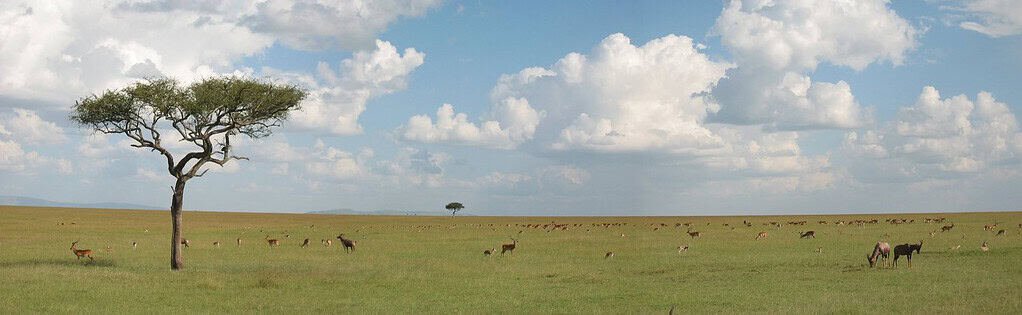
Wildlife can need different parts of the landscape at different times. Grazing animals follow changing feeding opportunities, while elephants and predators use areas beyond the busiest safari routes. A corridor is valuable because it allows movement between habitats; a boundary on a visitor map does not necessarily describe the animals’ ecological needs.
Agriculture, settlement and fencing can make movement more difficult. A route that is blocked can increase contact between animals, crops and livestock, creating costs for neighbouring communities as well as risks to wildlife. Conservation work therefore includes planning how land is used and where connected habitat can be maintained.
Visitors should avoid describing the conservancies as spare space around the main attraction. Their land and partnerships can matter to the functioning of the wider ecosystem. The wildebeest guide distinguishes the main migration from the Mara-Loita herd, which helps explain why protecting movement is not only about the famous river-crossing season.
Predator research and practical coexistence
The Mara Predator Conservation Programme is a Kenya Wildlife Trust initiative. Its work connects research on predators with practical conservation and community engagement. Identifying individual animals and understanding their movements can support management decisions, while research findings need to be interpreted within their study area and period.
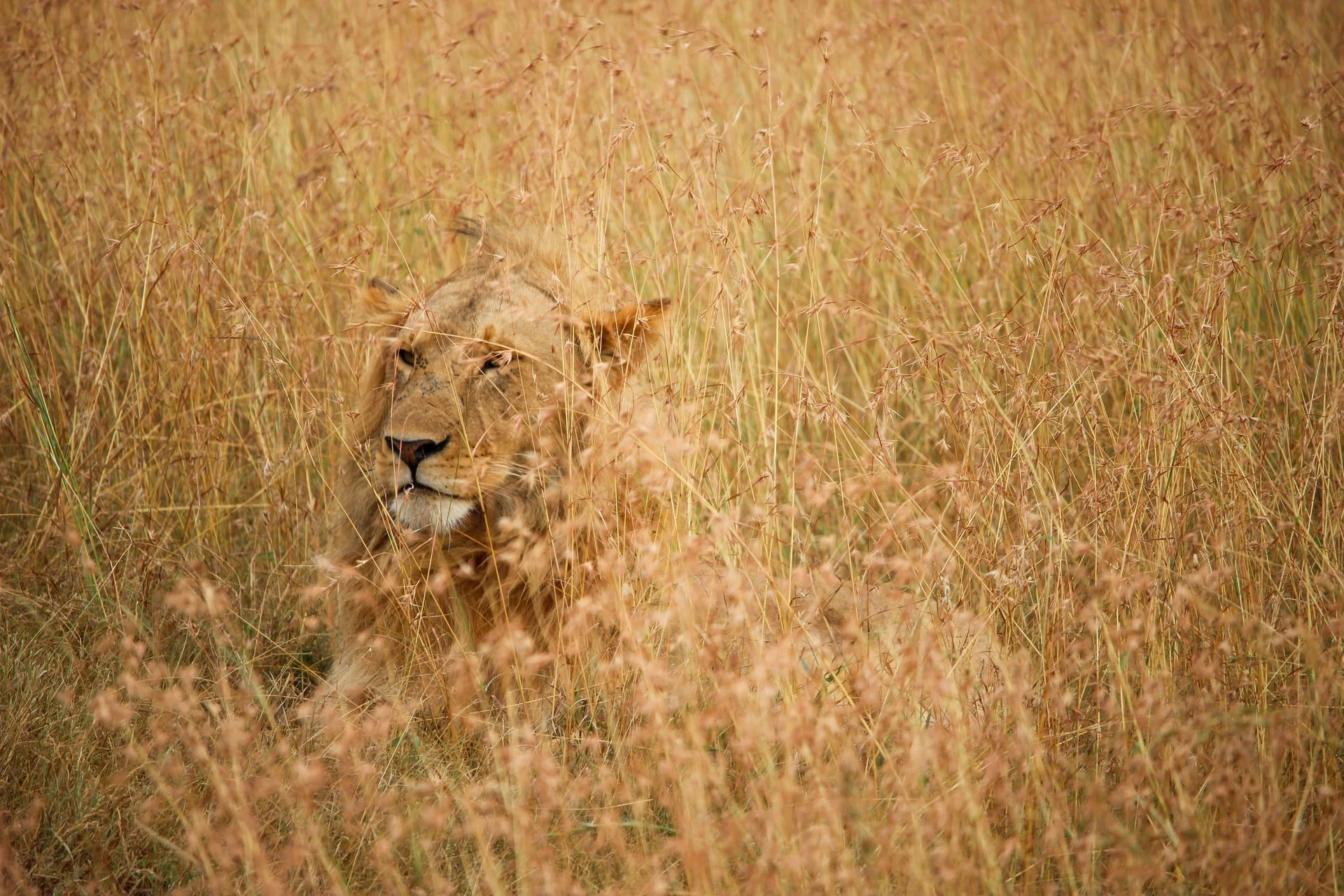
A predator population count is not a promise of how many animals a guest will see. Survey boundaries, age categories and methods matter, and figures for a Greater Mara study should not be relabelled as a count inside the Reserve alone. Visitors can enjoy seeing a lion or cheetah while also recognising that the animals move through a landscape shared with people.
The Big Five guide includes wildlife context and responsible viewing. On the drive, your guide can explain the animal actually present and the pressures associated with its habitat. Supporting conservation does not require turning every sighting into a dramatic success story; ordinary observation and careful reporting also have value.
Livestock protection and poisoning prevention
Conflict with predators can impose real losses on livestock owners. Better protection for livestock is a practical conservation issue because preventing attacks can reduce the pressure for retaliation. Measures such as strengthened enclosures and locally appropriate deterrents should be understood as responses to a livelihood problem, not as evidence that people are separate from conservation.
The predator programme’s anti-poison work addresses the use of poison against carnivores and promotes alternative responses to conflict. Poison can affect animals beyond the intended target, including scavengers feeding on a contaminated carcass. A healthy wildlife landscape needs approaches that protect people’s livelihoods without exposing the wider food web to that danger.
Visitors who encounter a suspicious carcass or an injured animal should alert the guide, who can contact the appropriate authorities. Do not touch an animal, collect material or attempt a rescue from the vehicle. A safari guest’s useful role is to provide a clear observation and allow trained people to respond safely.
Elephants and the costs of sharing land
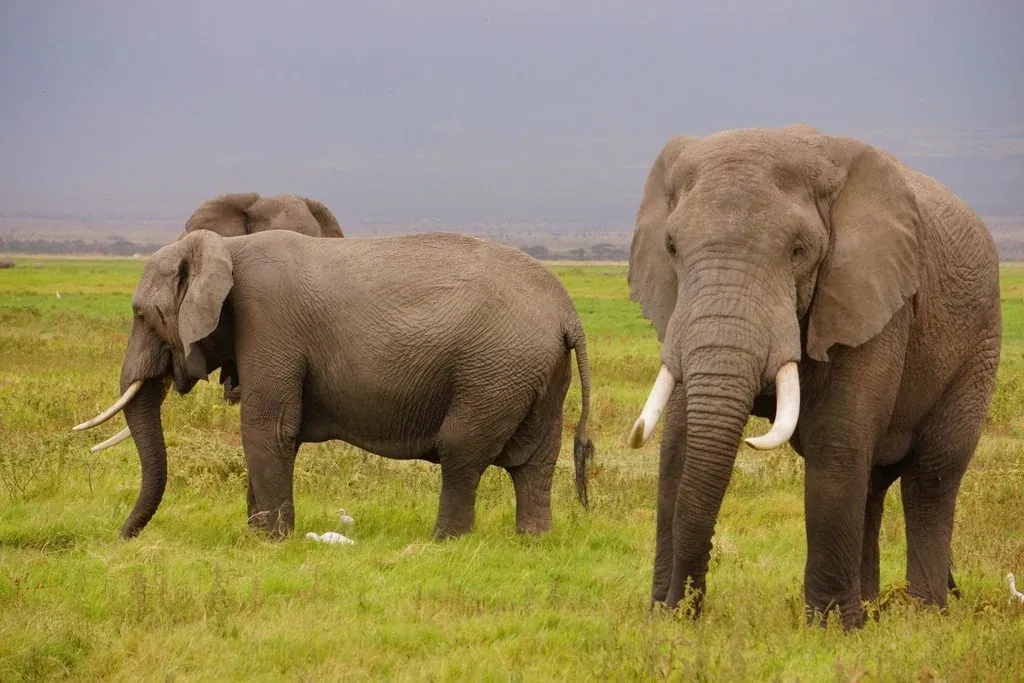
Elephants are a major part of the Mara’s wildlife landscape, but their movement can also bring them into contact with farms and settlements. Crop damage and safety risks make coexistence a daily concern for affected households. Conservation must take those consequences seriously rather than treating every conflict as a failure of local tolerance.
The Mara Elephant Project works on elephant protection, habitat and coexistence in the Greater Mara. Monitoring and field responses can help teams understand where animals move and where conflict occurs. Location information serves a conservation purpose; it should not be turned into a promise of a live tourist tracking service or a guarantee that a safari can find a particular elephant.
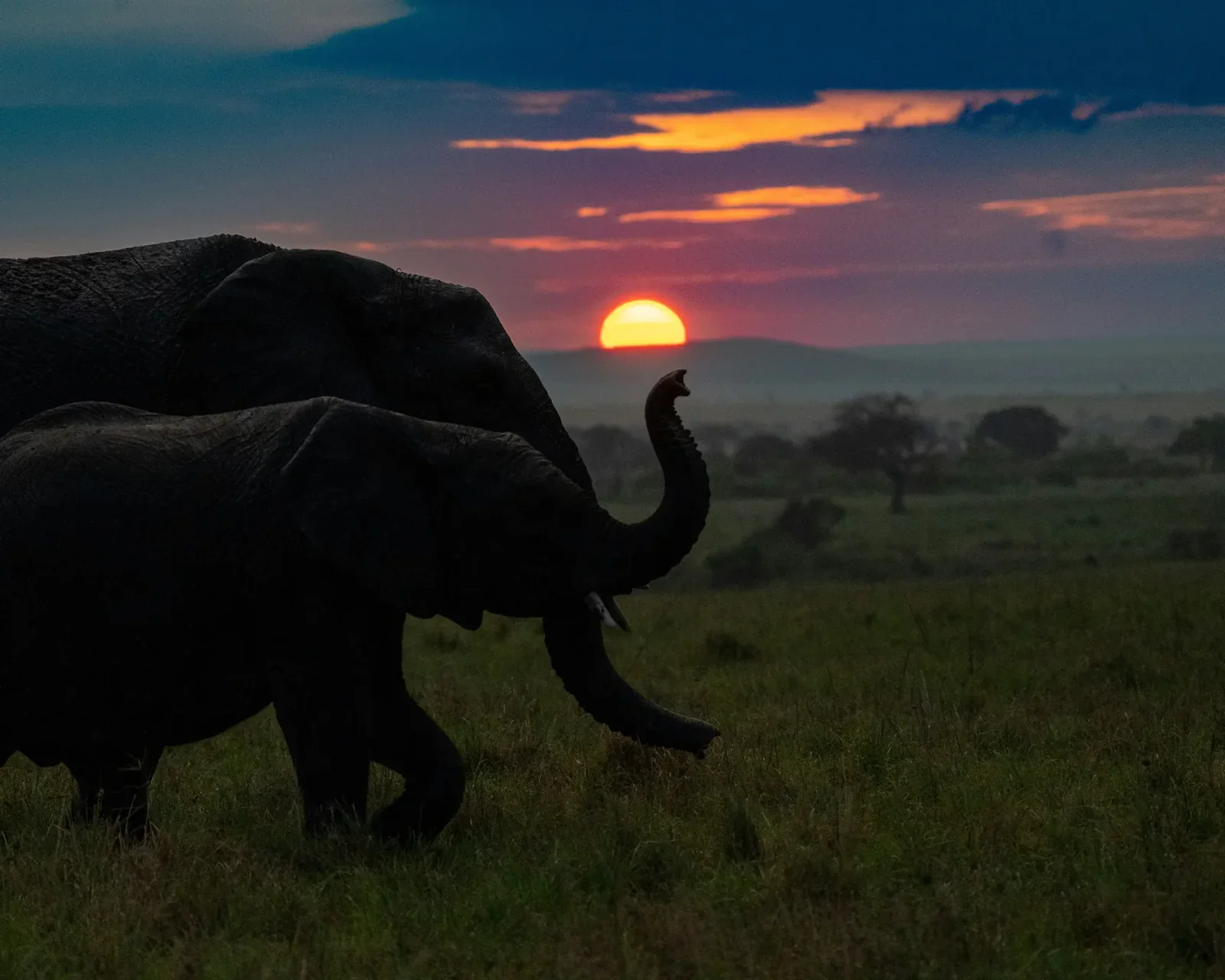
Give elephants room during a drive, especially when a group is moving across the track. A guide can choose an appropriate viewing position and allow the animals to continue. An encounter that respects their movement helps connect the visitor experience with the larger conservation problem: wildlife needs space both inside the protected area and beyond it.
Water, riverbanks and the wider ecosystem
The Mara River is part of the shared Kenya–Tanzania ecosystem. Water connects habitats and human uses across a much wider area than a single crossing viewpoint. The river’s role in supporting wildlife makes its banks and associated habitat important even when migrating herds are elsewhere.
Visitors often focus on a dramatic crossing, but a river drive can also reveal birds, crocodiles, hippos and the relationship between grassland and wooded banks. Follow the applicable access rules and keep the herd’s approach routes clear. Damage to a bank or interference with animals is not justified by the hope of a better photograph.
The crossing-points guide explains the viewing landscape. Its named areas do not establish where animals will cross on a future day. Seeing the river as habitat, rather than simply a stage for one event, gives a more useful perspective on Mara conservation.
Tourism pressure and responsible game drives
Tourism provides income and employment, but its impacts need to be managed. Roads, buildings and repeated vehicle pressure can affect wildlife habitat and the quality of a sighting. The most popular seasons and locations can make it harder to keep an animal’s space clear, so guiding decisions matter as much as the number of wildlife encounters.
Choose a programme that allows time rather than requiring the guide to race between sightings. Stay on permitted routes and follow the relevant off-road rules. Walking, night driving and other activities need an authorised setting; they are not automatically included everywhere because a camp advertises them.
The game-drive guide explains what to expect. A quieter observation of grazing animals or birds can be a valuable part of the day. Judging a safari only by closeness to a big cat or by the number of vehicles at a crossing can encourage precisely the pressure that conservation management is trying to reduce.
Community visits, employment and respectful contact
A conservation landscape includes people, their work and their cultural life. A village visit should have a clear host and an understood arrangement, including how the visit benefits those involved. It should not be presented as an unscripted encounter with an entire community or as a licence to photograph anyone present.
Ask permission before photographing people and accept a refusal. Respect the activities and boundaries of the place being visited. The cultural-visit guide explains how to choose an appropriate visit and what questions help clarify the experience. Cultural engagement can be worthwhile without treating a staged activity as the whole of Maasai life.
Employment, skills and local purchasing also belong in the discussion. A camp may support conservation through several channels, but broad claims should be supported by details of the actual arrangements. Visitors can value good guiding and service while looking for a clear explanation of the community relationships associated with the stay.
Choosing accommodation with meaningful conservation information
An eco-friendly description is useful only when it explains something concrete. Relevant details can include how a property handles waste and water, its energy limitations, its wildlife access and the partnerships it supports. A tented style or an isolated location is not, by itself, proof of a lower environmental impact.
Compare the accommodation and safari product together. A camp’s facilities, the activities included and the area used for drives shape the practical experience. The eco-friendly accommodation guide explains how to consider these details without replacing a factual comparison with a badge or slogan.
Keep conservation charges separate from optional donations and from the price of accommodation. Your safari quote should make compulsory inclusions and exclusions understandable. A clear arrangement helps you see what supports access and the stay, while any additional charitable contribution should go through the verified channel of the organisation concerned.
How visitors can support Mara conservation
Begin with conduct on the safari. Follow the guide and rangers, give animals room, leave their paths clear and dispose of waste properly. Refillable water arrangements and sensible packing can reduce avoidable rubbish, while a flexible itinerary allows responsible choices when weather, tracks or crowds change.
For donations or volunteering, use an organisation’s verified information and understand the purpose of the programme. Do not assume that paying for close contact with a wild animal supports conservation. A genuine field project may have limited opportunities for visitors, and the absence of an interactive tourist activity does not make its work less important.
You can also take home a more accurate account of the landscape. Describe what you saw, distinguish historical reports from current observations and avoid repeating unsupported population claims. A thoughtful account of wildlife, people and the places visited gives others a better understanding of Mara conservation than a promise that every safari will see the same animals.
Birds, scavengers and the complete wildlife community
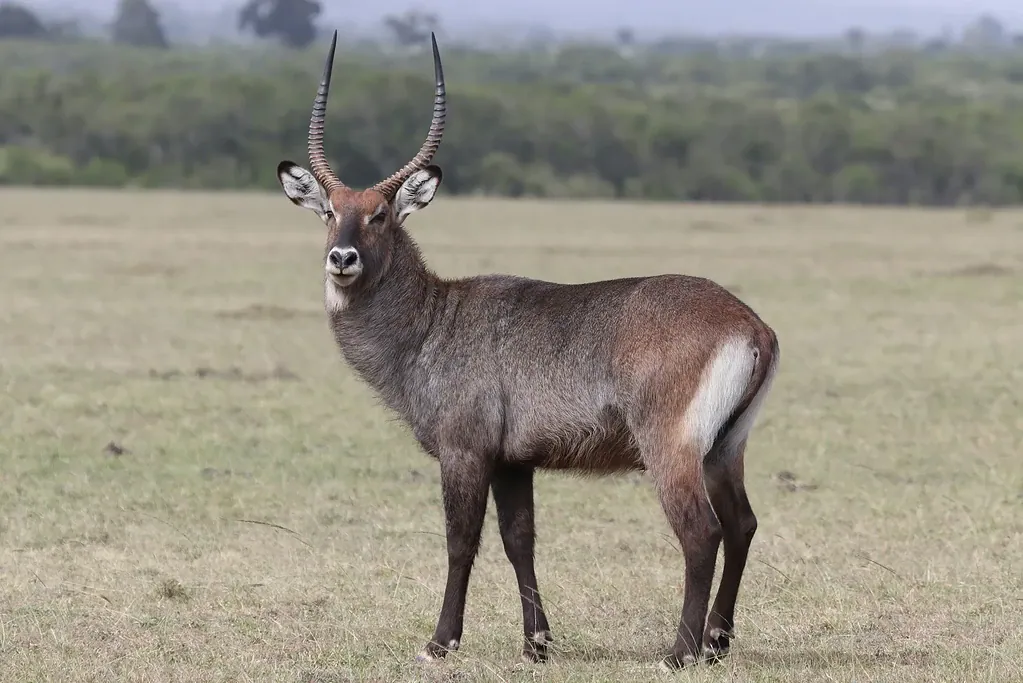
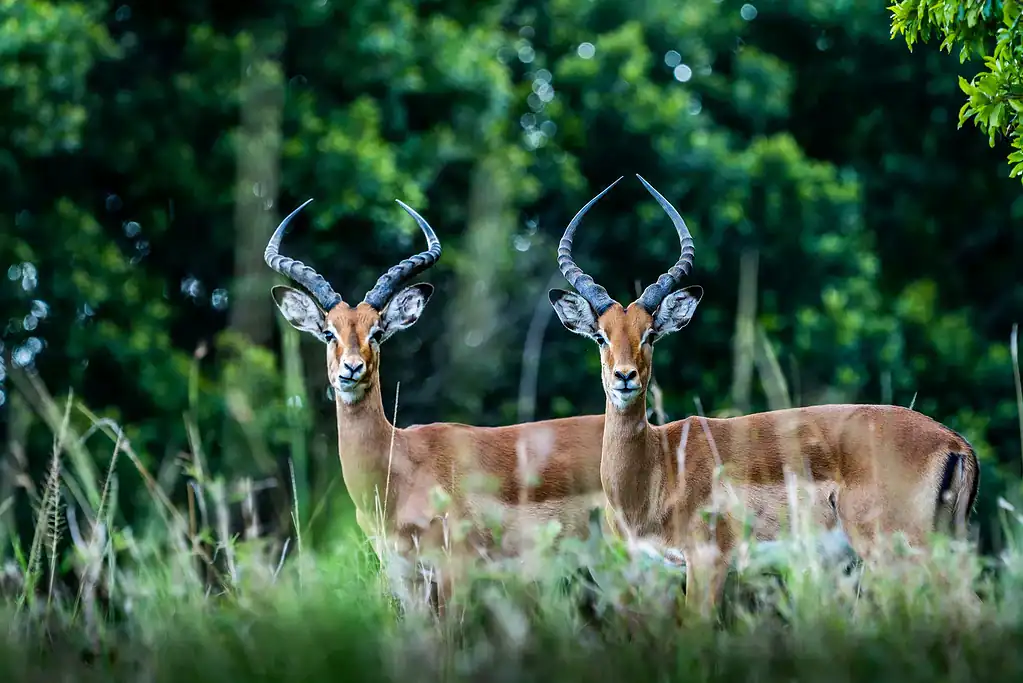
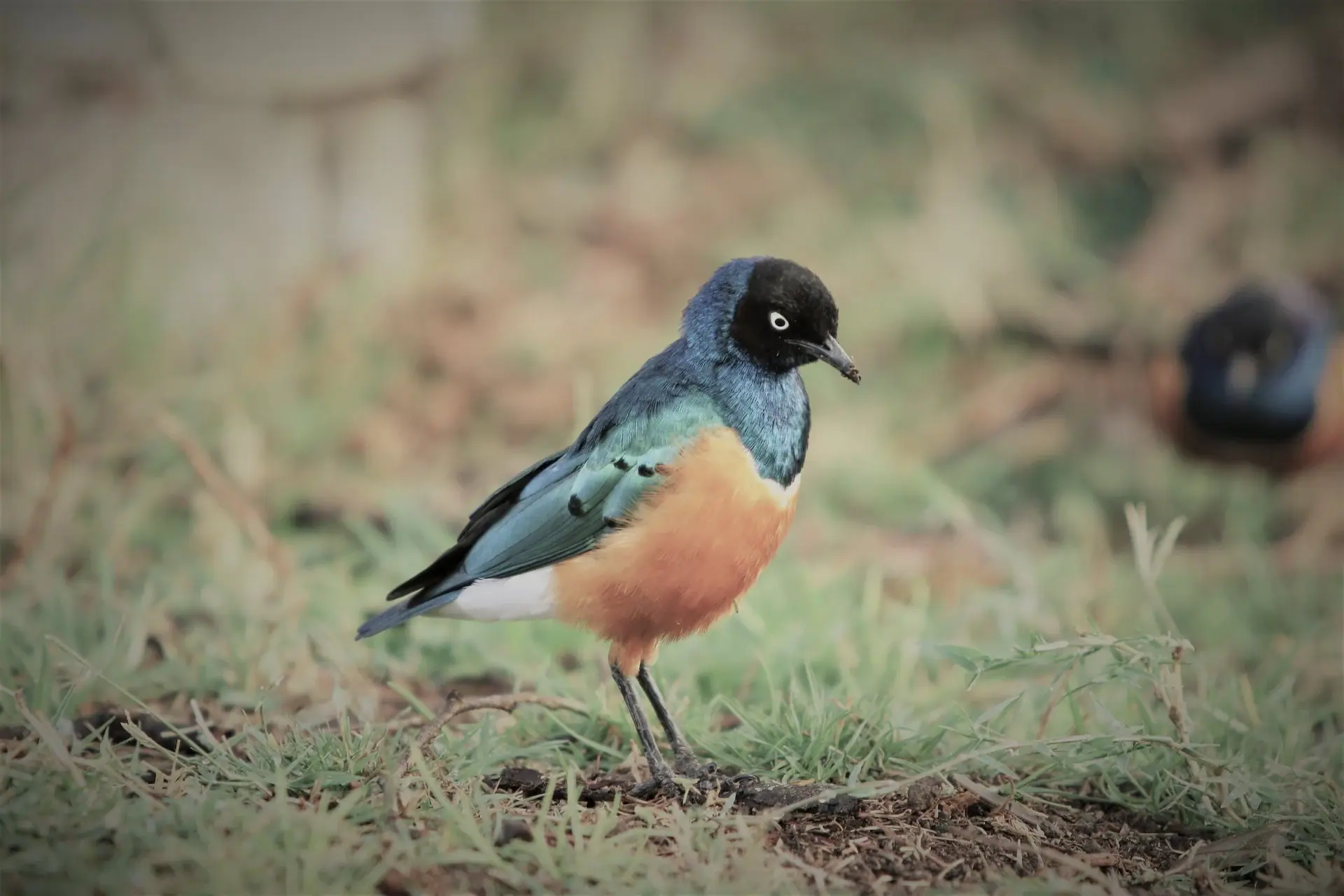
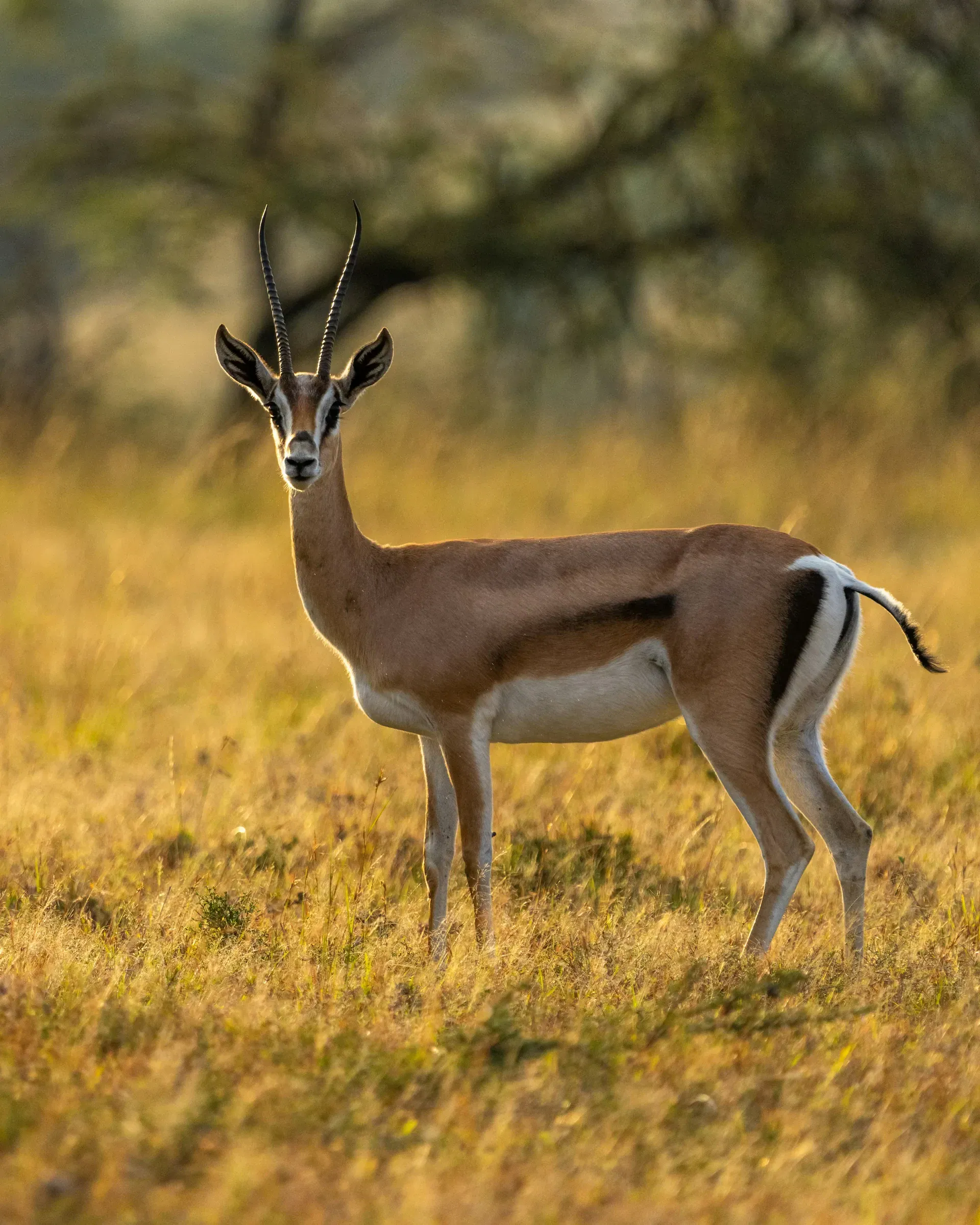
Conservation is relevant to the less celebrated animals on a game drive as well as the best-known mammals. A bird beside a watercourse, an antelope in open grassland or a scavenger near a carcass belongs to the same functioning landscape. Guiding that gives time to these encounters can make the ecological relationships easier to understand.
Scavengers have a role in consuming carrion, while poisoning can expose them to hazards intended for another animal. Protecting predators and livestock through suitable coexistence measures is therefore relevant beyond the original conflict. Visitors can help by reporting an unusual observation to the guide and avoiding contact with a carcass or injured wildlife.
A birding interest can also broaden the itinerary beyond heavily visited sightings. The habitat around a river, marsh or woodland may offer a different kind of observation from an open-plain drive. Our bird-watching guide explains practical arrangements. A safari that recognises this variety can support patient, responsible viewing while showing why Mara conservation concerns the whole wildlife community.
Practical next steps
Explore verified ways to support predator conservation: predator conservation involvement.
Read the Maasai Mara history guide for the documented protection, boundary and management chronology.
Explore safari packages
From USD 1,200 per person sharing
From USD 1,700 per person sharing
From USD 2,450 per person sharing
From USD 3,000 per person sharing
From USD 1,500 per person sharing
From USD 2,000 per person sharing
From USD 2,350 per person sharing
From USD 1,950 per person sharing
From USD 1,700 per person sharing
From USD 2,900 per person sharing
From USD 3,800 per person sharing
From USD 4,900 per person sharing
From USD 4,550 per person sharing
From USD 3,350 per person sharing
From USD 3,000 per person sharing
From USD 3,150 per person sharing
From USD 3,750 per person sharing
Plan your private Maasai Mara safari
Send your dates, travelling party and wildlife interests. MaasaiMara.ke can quote and book your safari through our tour operator partners.