
Maasai Mara history: people, protection and the Reserve
Maasai Mara history includes first protection in the Mara Triangle in 1948, expansion under Narok in 1961, the legal notice of 1974 and later boundary and management changes. These are different milestones, not competing answers to a single founding-date question. Follow the documented chronology and understand how the Reserve fits its wider human and wildlife landscape.
The Maa word and the place name
In Maa, mára means spotted or dotted; Maasai is the name of the people. A dictionary meaning is different from documentary proof of a place-name origin. The river’s name and a description of trees or cloud shadows should not be presented as a verified explanation of how the Reserve was named.
The destination introduction gives an English pronunciation aid. The chronology below distinguishes the Reserve’s different protection and management milestones.
Maasai Mara history at a glance
First protection
1948 — The Mara Triangle was declared a National Game Reserve.
Expansion under Narok
1961 — Control moved to the County Council of Narok and the core area expanded eastwards.
The legal notice
1974 — Legal Notice 271 is recorded in Kenya’s UNESCO tentative-list submission.
Boundary adjustment
1984 — Parts were excised to provide access to livestock watering points.
Management split
1995 — The Narok and Trans Mara councils managed the eastern and western sectors.
Triangle management agreement
2001 — Day-to-day Triangle management was contracted to the Mara Conservancy.
County-government reform
2013 — Narok County succeeded the former county councils.
The management framework
2023 — The Reserve’s management plan for 2023–2032 was approved and launched.
Maasai Mara history before the Reserve boundary
Maasai Mara history belongs to a landscape with a long human and ecological story. The Reserve’s legal creation did not mark the beginning of wildlife, pastoral land use or Maasai connections to the area. A useful account distinguishes those wider relationships from the dates on which protected-area boundaries and management responsibilities changed.
The Reserve management plan recognises the Mara as both natural and cultural heritage. That perspective matters for visitors: the wildlife landscape is not an empty setting detached from the people living around it. Local livelihoods, access to water and the benefits generated by tourism have been part of the questions surrounding protection and management.
The Reserve’s history spans successive protection, boundary and management changes. Oral history and individual family experience can add further context, but a visitor should not assume that one brief village performance speaks for all Maasai people. Respectful encounters leave room for the people involved to explain their own lives.
The name and the landscape
Maasai is the name of the people, while mára in Maa carries the meaning spotted or dotted. The name’s linguistic meaning and the Reserve’s legal history are distinct parts of its story. The legal milestones below trace the development of the protected area.
The landscape helps make the place understandable: grassland, river corridors, wooded areas and the Siria or Oloololo escarpment provide distinct settings for wildlife. These are useful geographical features to recognise during a drive, but the way they look today should not be used to invent what a particular historical observer saw.
Our Reserve overview introduces the setting, while the areas guide explains present-day safari bases. Geography, legal protection and later management changes each explain a different part of the Reserve’s history. A name can carry cultural meaning without supplying a precise boundary or a complete account of how land management developed.
First protection in the Mara Triangle
The Reserve management plan records first protection in 1948, when the Mara Triangle was declared a National Game Reserve. The Triangle lies between the Siria escarpment, the Tanzanian border and the Mara River. That first protected area is not the same as the full extent of the modern National Reserve.
For visitors, the important distinction is between the original protected core and later changes. Describing the entire present Reserve as if it had one unchanged boundary from the beginning obscures the development of the place. The Triangle remains an identifiable sector, but the arrangements under which it is managed today belong to a later part of the history.
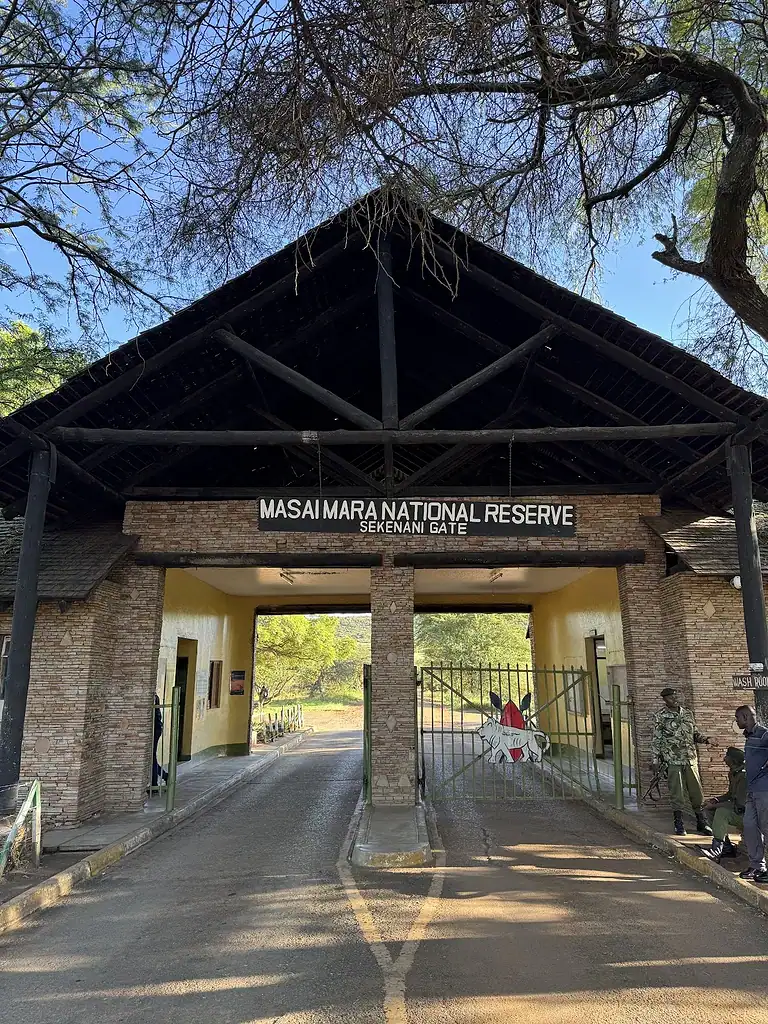
The Mara Triangle guide explains current access and wildlife viewing. A modern gate, airstrip or camp is a way to visit the landscape, not proof of the exact arrangement used in the earliest period. Present-day photographs on this page show the current environment; they are not archival images of the Reserve’s establishment.
Expansion and the Narok County Council
In 1961, the Reserve came under the County Council of Narok and was extended eastwards. That stage helps explain why modern Maasai Mara history cannot be reduced to the earlier Triangle declaration. The protected area had grown, and the administration responsible for it had changed.
The difference between the western Triangle and land east of the Mara River later became significant in management arrangements. Today those names are still useful to visitors comparing routes and accommodation. They should be understood within the National Reserve rather than treated as unrelated wildlife destinations.
When reading a historical description, check which area it describes. A statement about the Triangle can be accurate without applying to the entire Reserve. Similarly, a modern accommodation location should not be projected backwards into a period when the boundaries or facilities were different. The date and the geographical scope need to travel together.
The legal notice and later boundary changes
Kenya’s UNESCO tentative-list submission records Legal Notice 271 of 1974 as the instrument establishing the Maasai Mara Game Reserve. That legal reference sits alongside the management plan’s account of first protection in 1948 and expansion in 1961. Each date marks a different stage of protection, boundary definition or management.
The management plan also records boundary changes in 1984 to provide access to livestock watering points. This is a reminder that water and neighbouring livelihoods are part of the Reserve’s history. The protected landscape developed through decisions about people as well as wildlife.
For a visitor, the practical lesson is to use current boundaries and access instructions. An old map can be useful historical evidence but may not describe today’s permitted route. The gate directory explains current arrival choices, while the chronology here explains why several establishment dates can appear in otherwise credible accounts of Maasai Mara history.
Management on either side of the Mara River
After the creation of Trans Mara District, Reserve management was split in 1995 between the Narok and Trans Mara county councils. The Narok council was responsible for land east of the Mara River and the Trans Mara council for the western Triangle. The river became an important way of describing these administrative responsibilities.
This division concerned management within the Reserve; it did not turn the animals’ habitat into separate ecological systems. Wildlife and water continued to connect the landscape. The distinction between an administrative sector and an ecosystem helps readers understand both history and the modern safari map.
Different visitor procedures can develop under different management arrangements. The correct response is to identify the sector and the current instructions rather than assume that an old account applies everywhere. The payment guide covers practical visitor arrangements without treating a historical administrative split as a separate universal ticket system.
The Mara Conservancy management agreement
In 2001, day-to-day management of the Mara Triangle was contracted to the Mara Conservancy, a non-profit protected-area management company. This was a management agreement for the Triangle, not the creation of a new Reserve or a transfer of every surrounding conservancy into one organisation.
The distinction between Mara Conservancy and the surrounding wildlife conservancies is important. The first is the organisation managing the Triangle on the County’s behalf. The others are named land and tourism arrangements outside the Reserve, involving their own landowners and partners. Similar words should not obscure different responsibilities.
Maasai Mara history therefore includes changes in how protection is delivered as well as changes in boundaries. For today’s visitor, ranger instructions and the actual sector’s access arrangements remain the relevant practical guidance. The historical contract helps explain the institution; it does not replace the rules that apply on a current safari.
County government and the modern Reserve
In 2013, the former county councils were superseded by Narok County under Kenya’s local-government reforms. The County became responsible for the whole Reserve, while the Mara Conservancy continued managing the Triangle on its behalf. A modern account should keep those responsibilities clear rather than refer to the earlier councils as if they still represented the current structure.
The Reserve is distinct from Kenya Wildlife Service national parks. A safari combining several destinations can therefore involve different managing bodies and payment arrangements. The fact that the trip is marketed as one holiday does not make the destinations one administrative unit.
Use the planning guide to connect the places in your itinerary. MaasaiMara.ke quotes and books safaris through its tour operator partners; it is not the Reserve’s managing authority. The historical explanation here helps identify the real institutions without turning a travel website into an official ticket seller or Reserve operator.
Conservancies and the wider Mara story
The National Reserve is part of the Greater Mara landscape. Surrounding conservancies bring participating landowners, tourism partners and wildlife management together under their individual arrangements. Their development adds another dimension to Maasai Mara history: protection and safari activity are not confined to the Reserve boundary.
This wider story should not be described as unused land becoming useful only when visitors arrive. Local people have livelihoods and rights, and conservancy arrangements must work in that context. Tourism income can support keeping land available for wildlife, while the actual agreements and permitted activities differ from place to place.
The conservancy guide explains the present visitor choices. A conservancy stay may include activities that are not permitted inside the Reserve, but that difference reflects the applicable authorisation rather than a general exemption from wildlife rules. The history and the practical safari product are connected, while remaining distinct subjects.
Tourism, protection and the visitor experience
Tourism is an important part of the Mara’s modern story because it generates employment and revenue linked to wildlife and the landscape. It also creates pressures that management must address. A successful safari destination needs to maintain the habitat and quality of wildlife viewing on which the visitor experience depends.
The growth of tourism should not be told only through famous camps or dramatic photographs. Ranger work, local businesses, guiding skills and community relationships are also part of the story. A camp’s current facilities do not establish its historical role, and a claim to be the first or oldest requires specific evidence.
When selecting accommodation, compare the current product rather than rely on a historical reputation alone. The accommodation guide explains location, stay types and safari arrangements. Understanding Maasai Mara history can add depth to the trip, but practical choices still depend on the camp and activities actually available for your dates.
The management plan and continuing responsibilities
The Reserve management plan for 2023–2032 brings conservation, tourism, community partnerships and protected-area operations into a documented framework. Its launch is a dated historical step; its proposals should not be described as proof that every action has already been implemented everywhere.
The plan addresses the pressures associated with wildlife habitat, visitor use and the relationship with neighbouring communities. These subjects connect the early purpose of protection with current management questions. A protected-area history is not finished when a boundary is drawn: the practical work continues as conditions and demands change.
For visitors, a useful approach is to follow current rules and use the plan as context. The conservation guide explains habitat, coexistence and responsible tourism. An itinerary that gives animals space and allows the guide to adapt helps translate the larger conservation purpose into decisions made during an ordinary game drive.
Reading maps, dates and historical claims
A map is most useful when its date and purpose are understood. It may show a legal boundary, a wildlife habitat, a tourist route or a management sector. Those are related but different things. Comparing an old map with a current safari map can reveal change, provided the labels are not treated as interchangeable.
The same care applies to dates. First protection, expansion, a legal notice, a management contract and a county-government reform are separate milestones in Maasai Mara history. A short summary can include them without claiming that one date cancels the others. Where a source gives a figure for area or wildlife, its period and scope should be retained.
Read the chronology by milestone: early protection, legal boundaries, management and tourism development. Camp histories and personal accounts add context when tied to their dates and locations.
Experiencing Maasai Mara history on a safari
A game drive can connect the written chronology to the present landscape. Recognising the Mara River, the Triangle and the surrounding escarpment gives geographical context to the management story. Observing grazing animals and the habitat they use shows why wildlife protection remains central to the place.
A respectful cultural visit can add another perspective when the host and arrangement are clear. Ask permission before photographing people and allow those involved to describe their own experience. The cultural-visit guide explains practical considerations. A visitor encounter should not be presented as a complete reconstruction of historical Maasai life.
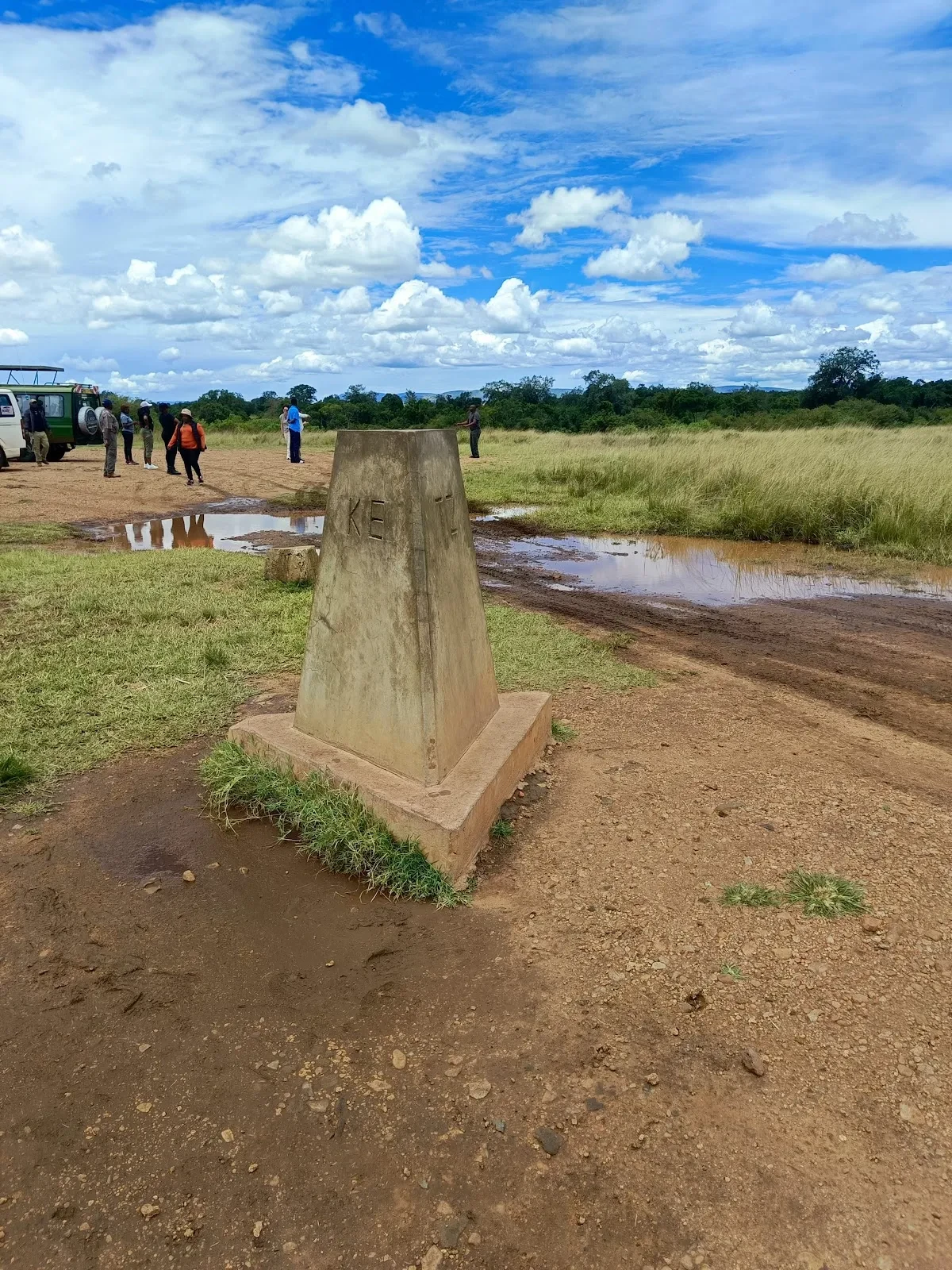
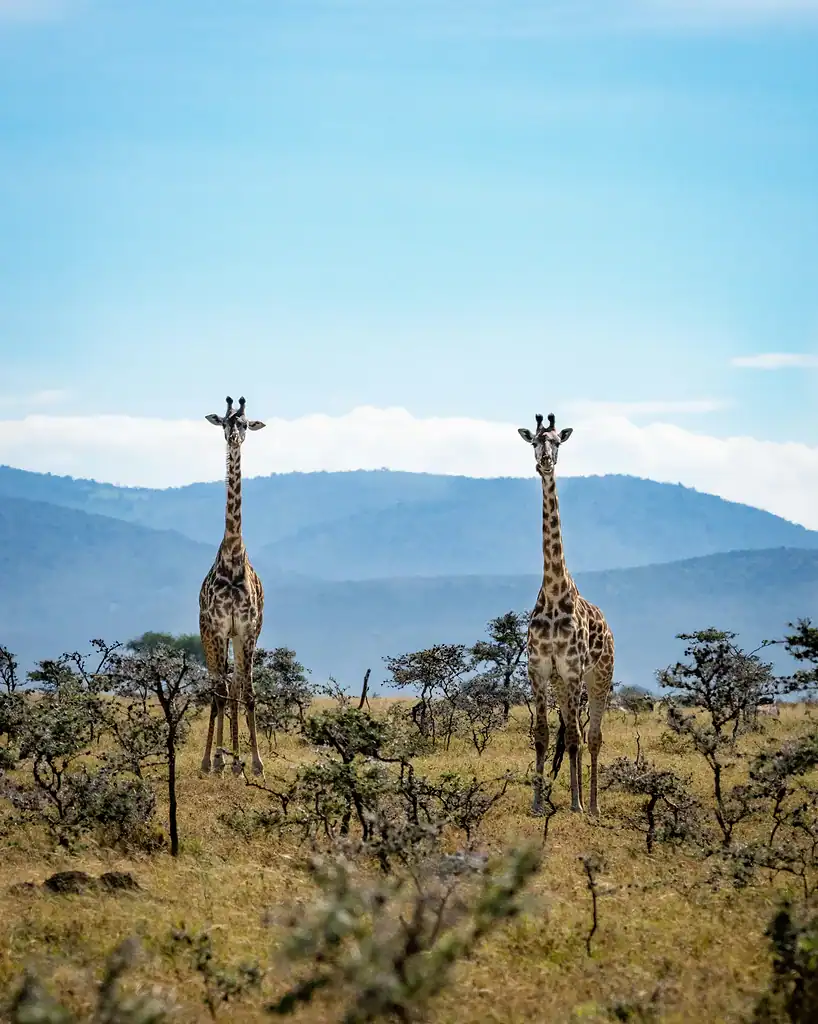
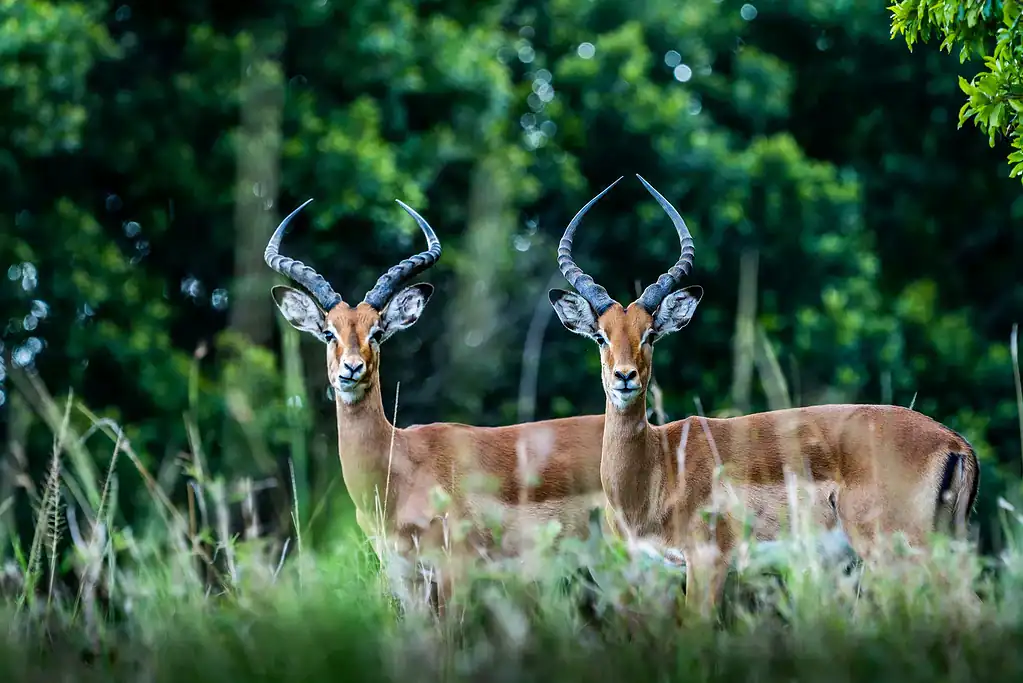
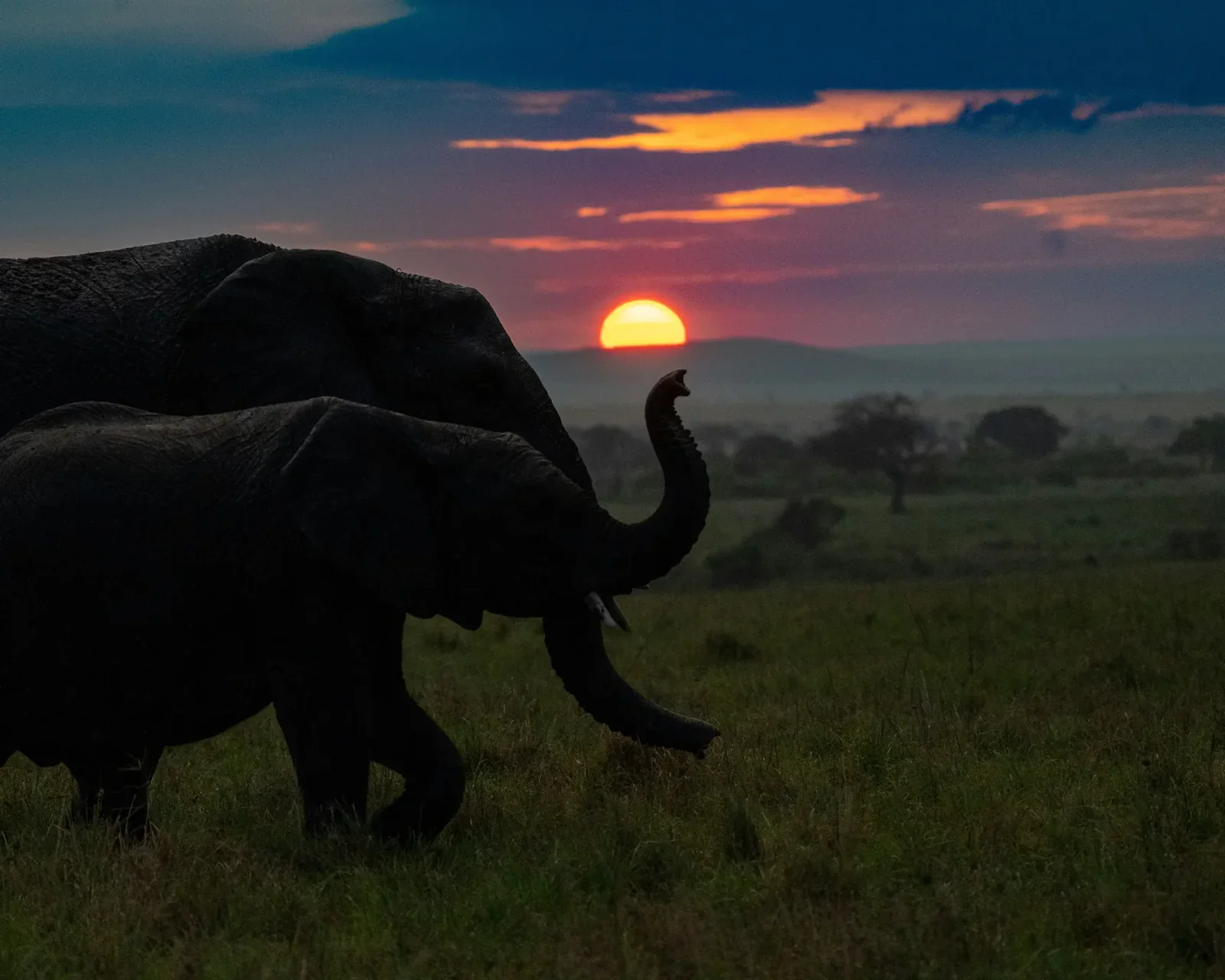
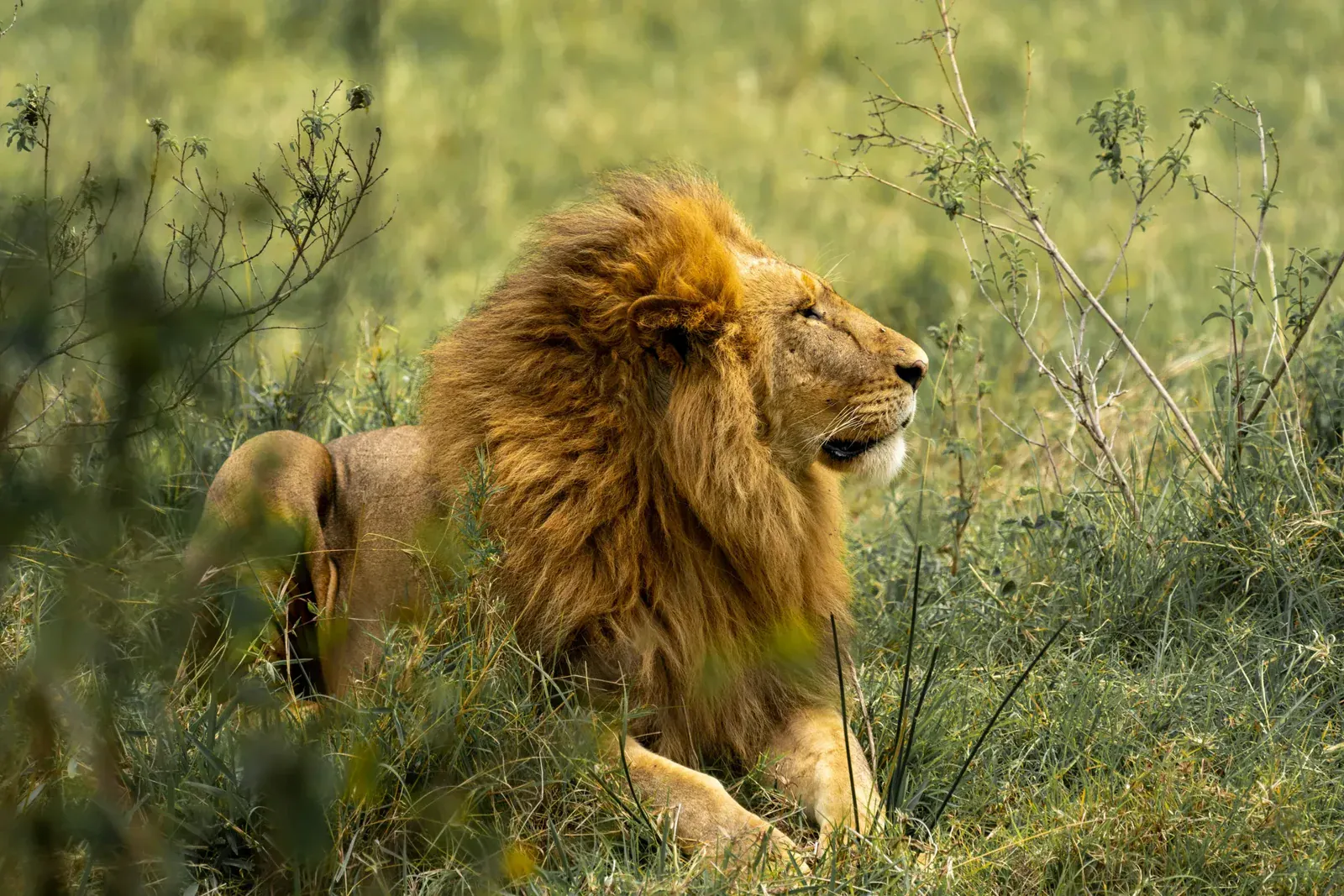
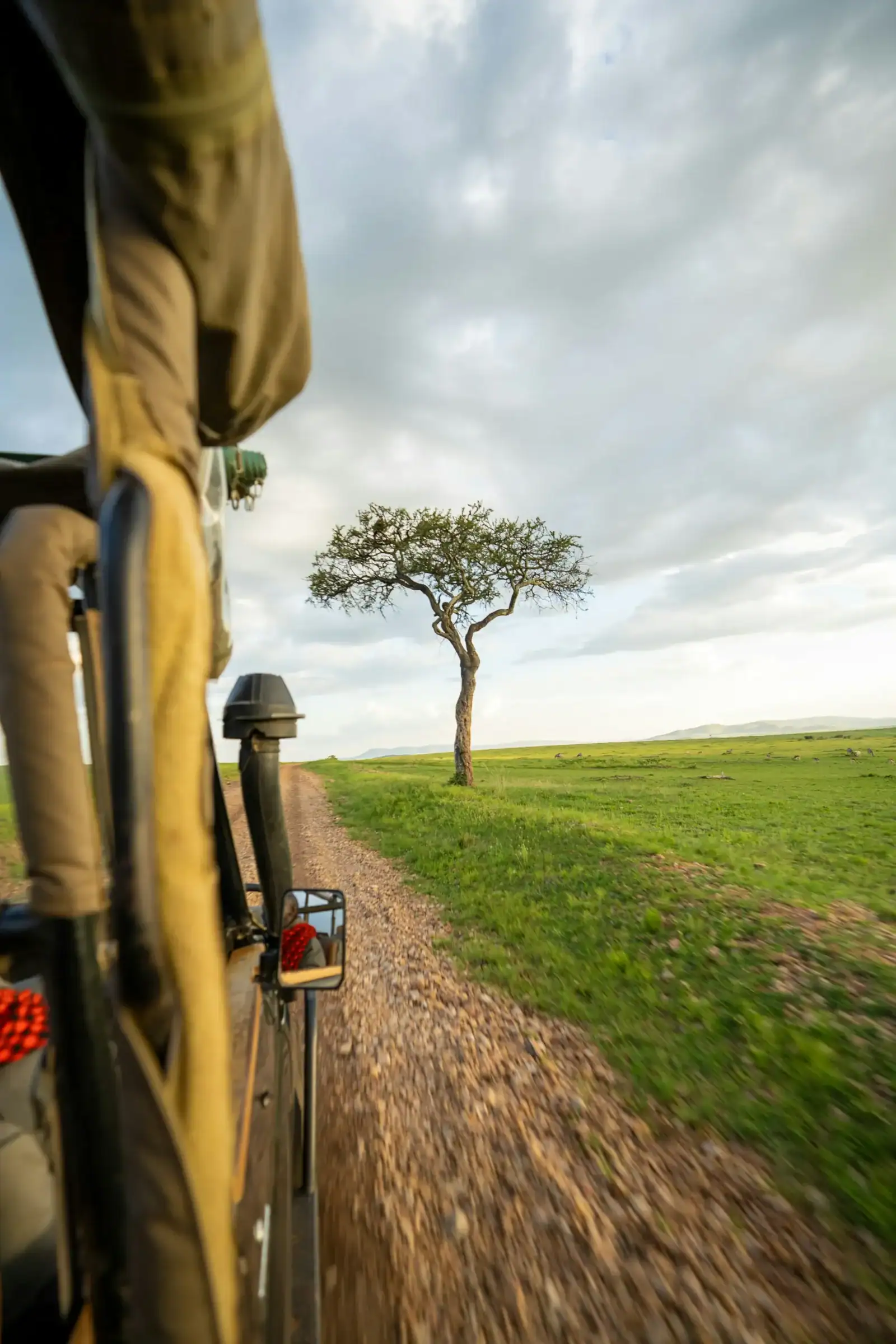
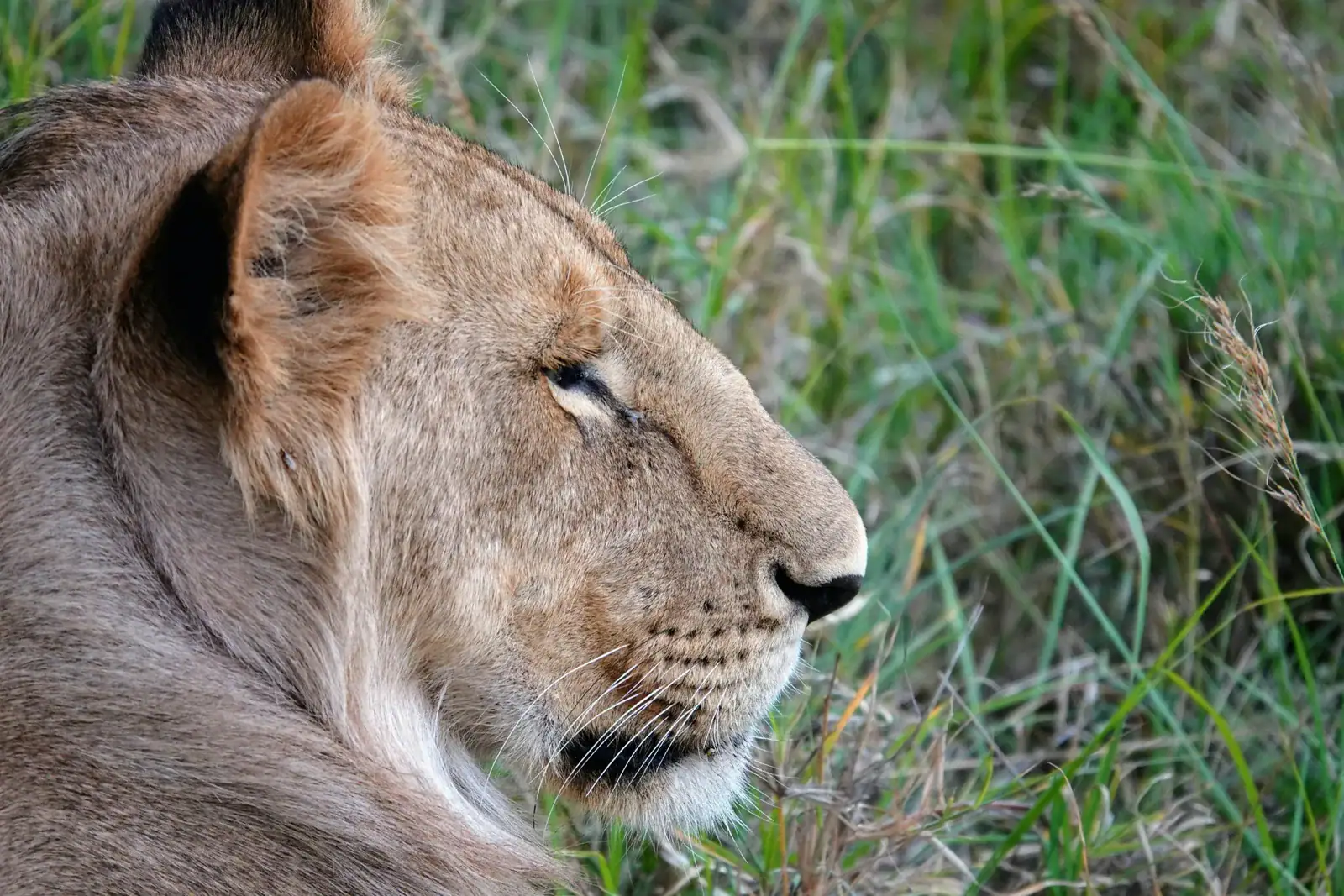
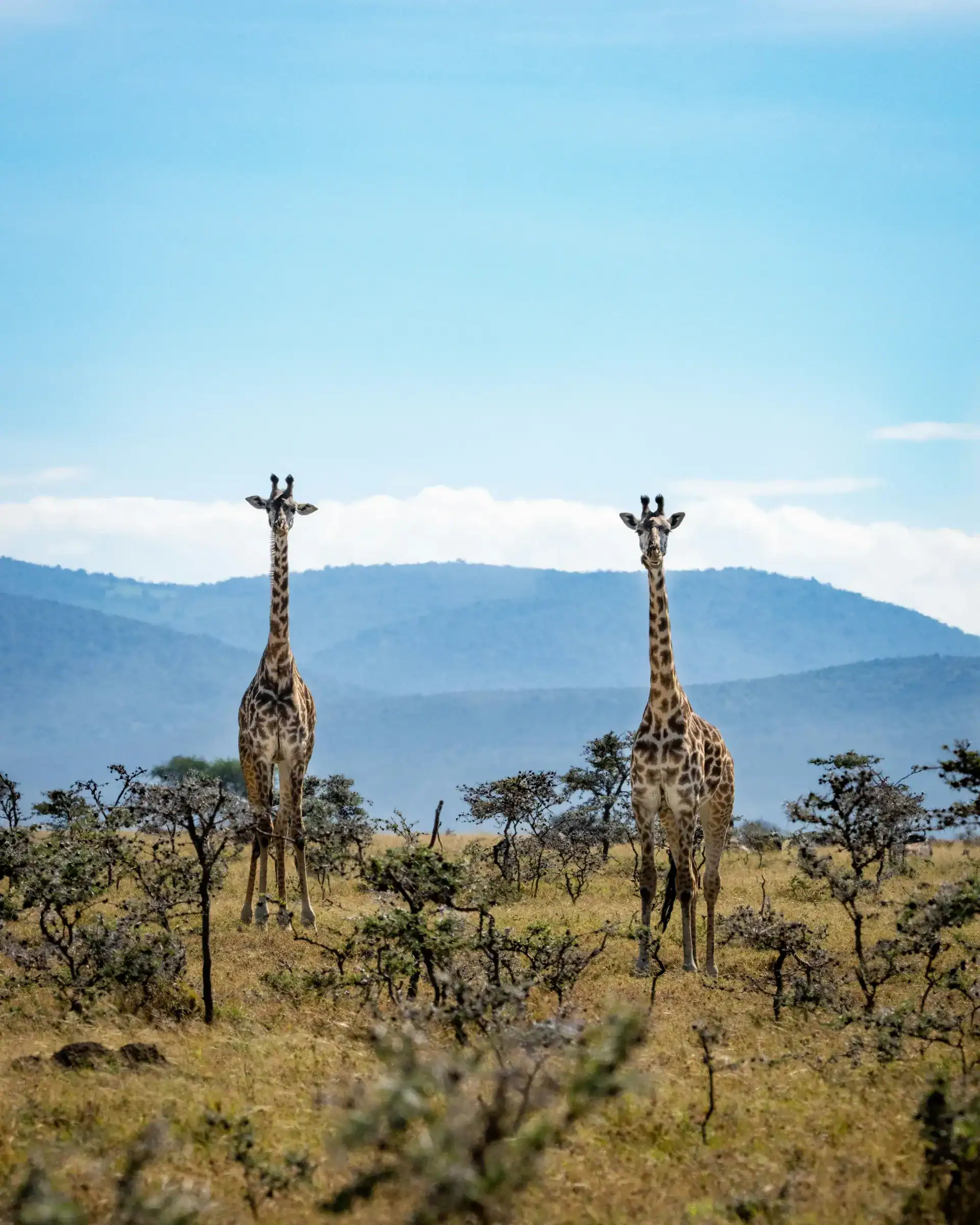
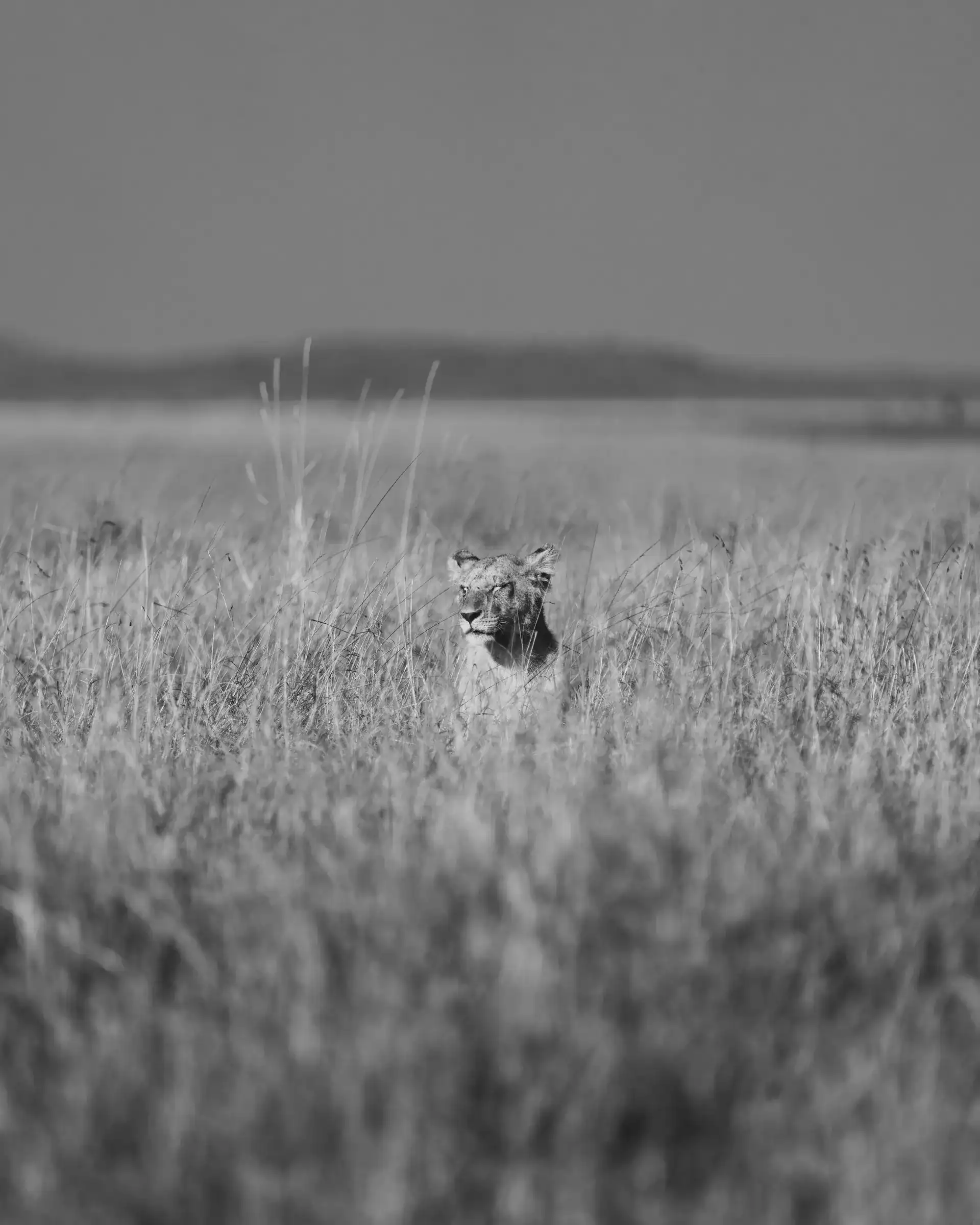
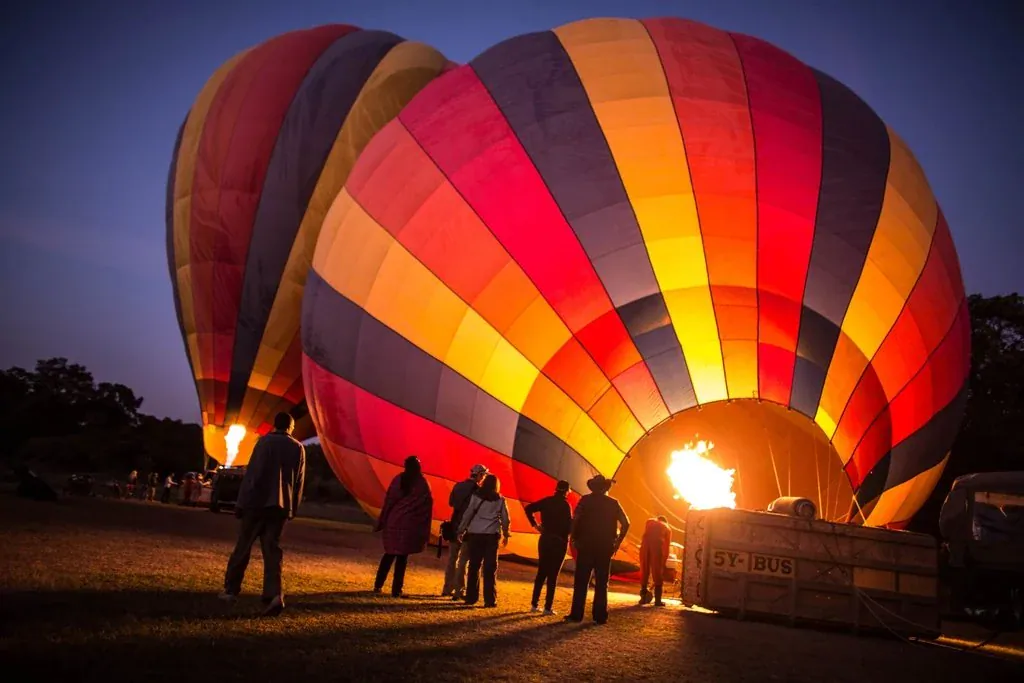
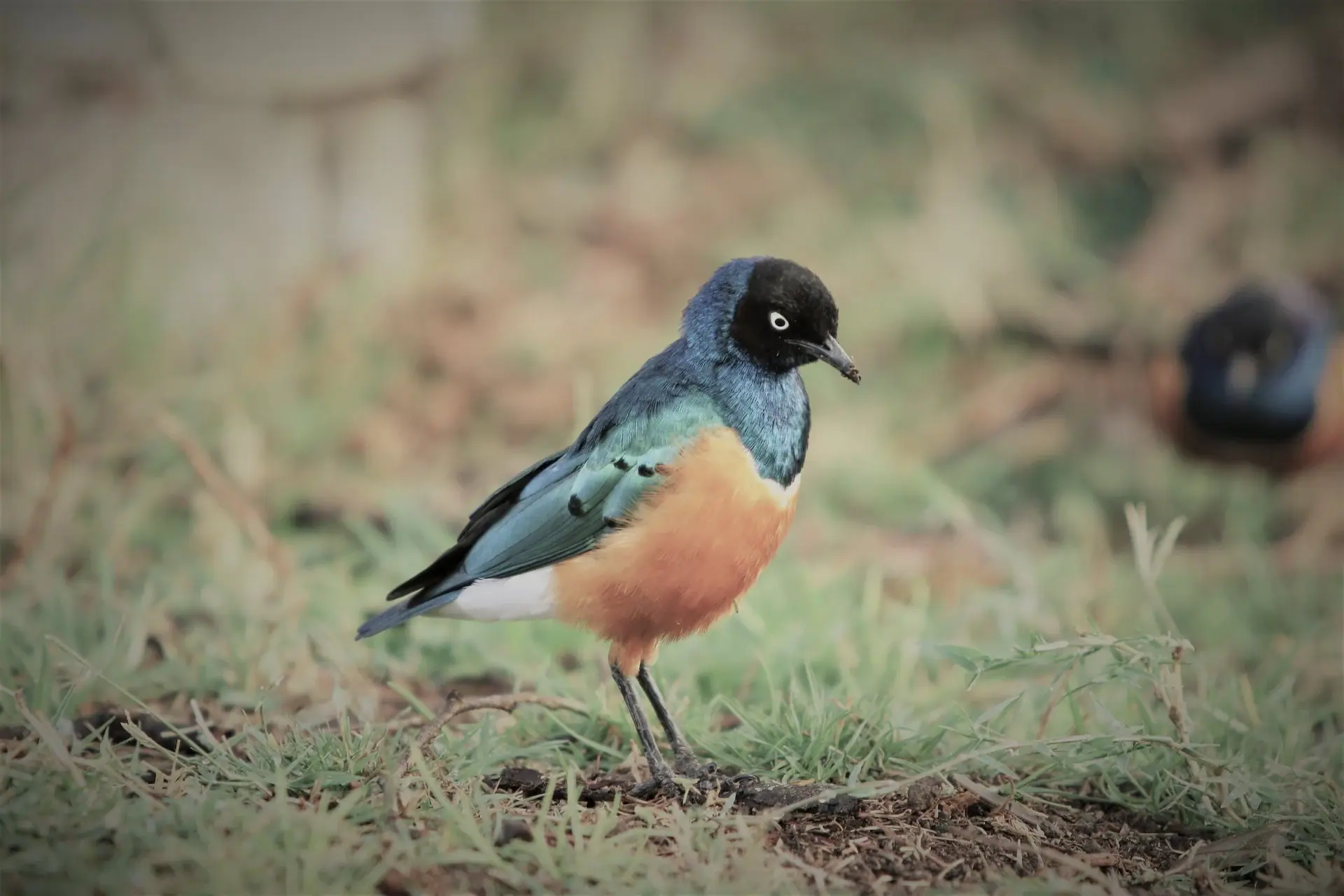
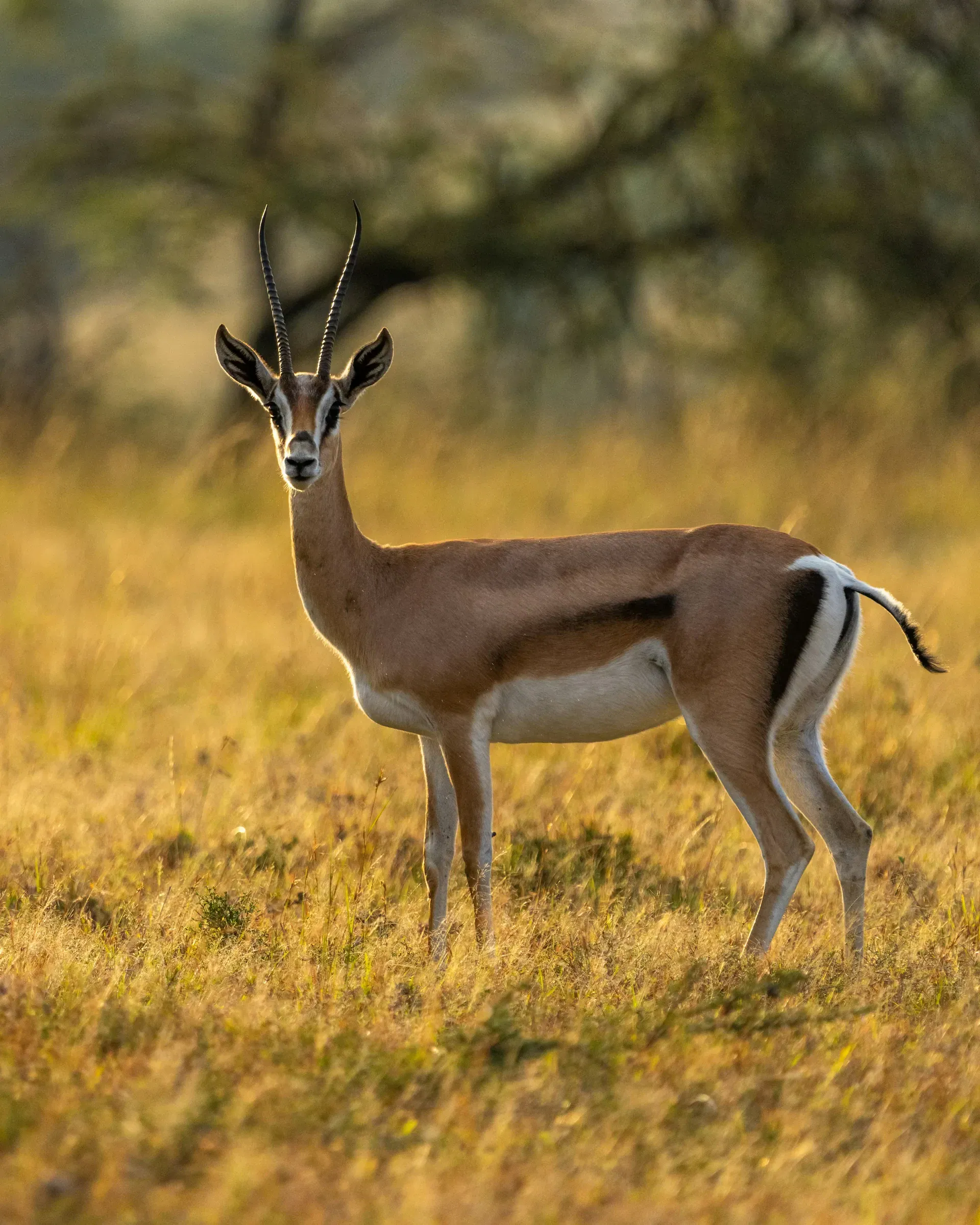
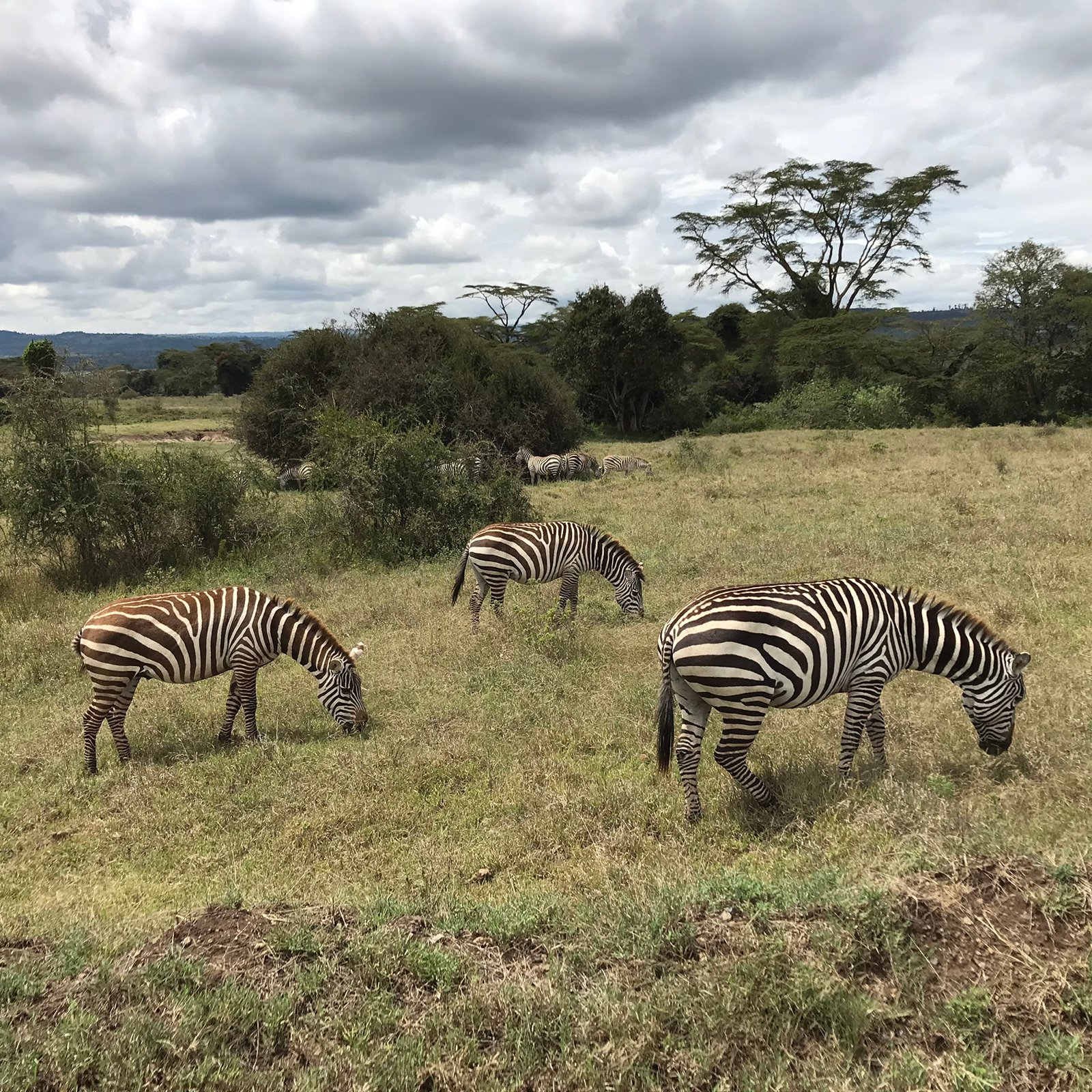
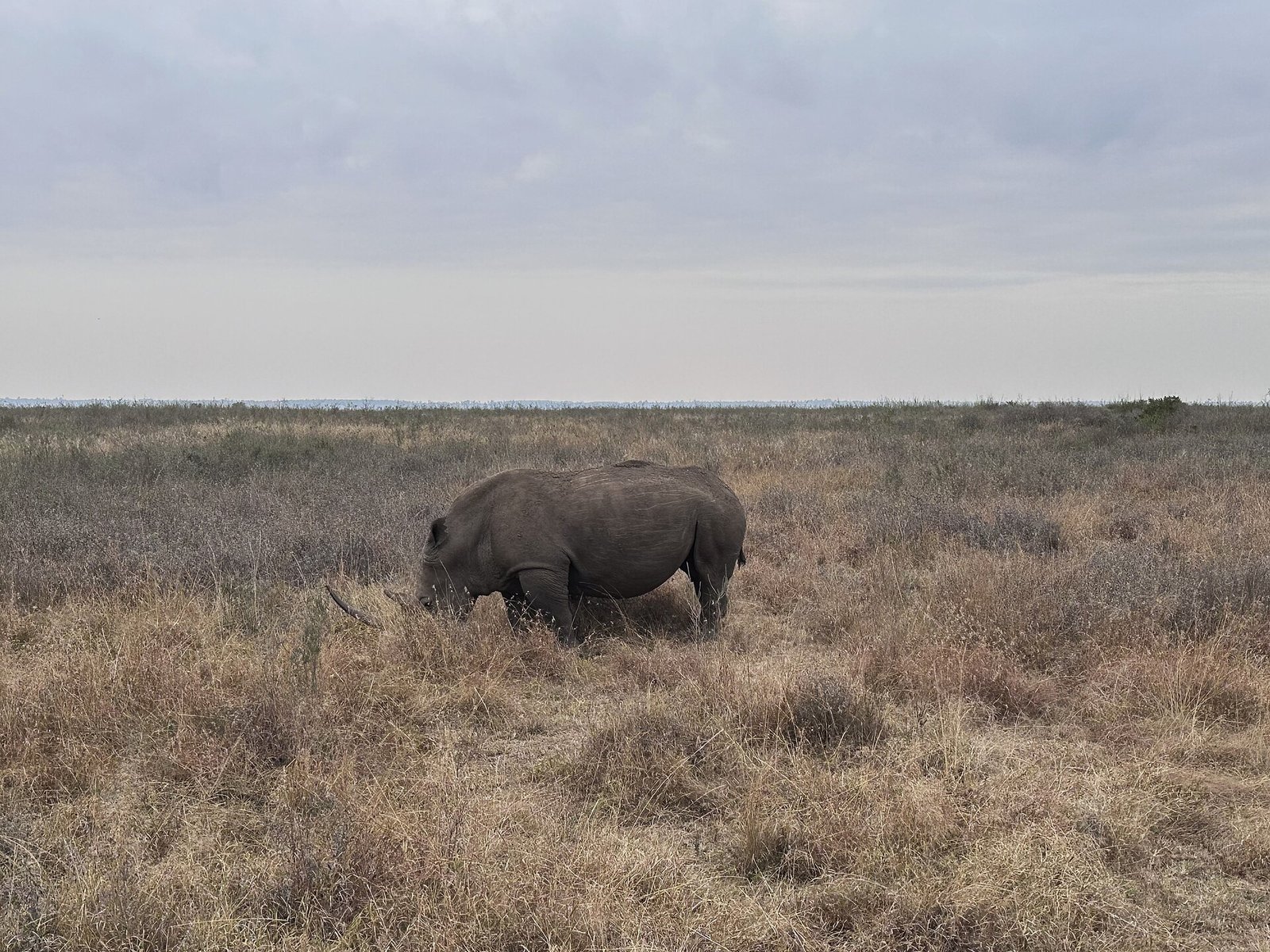
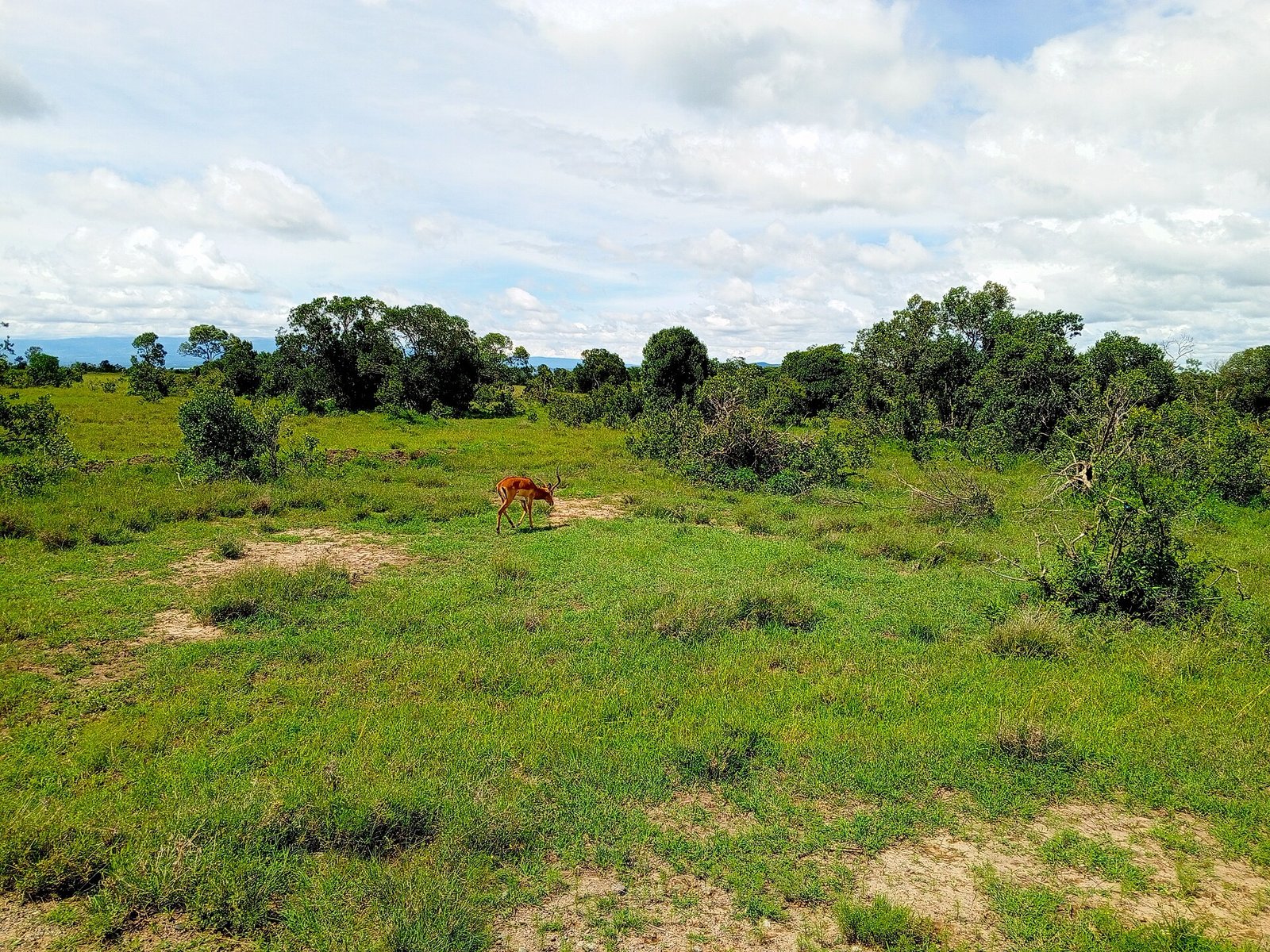
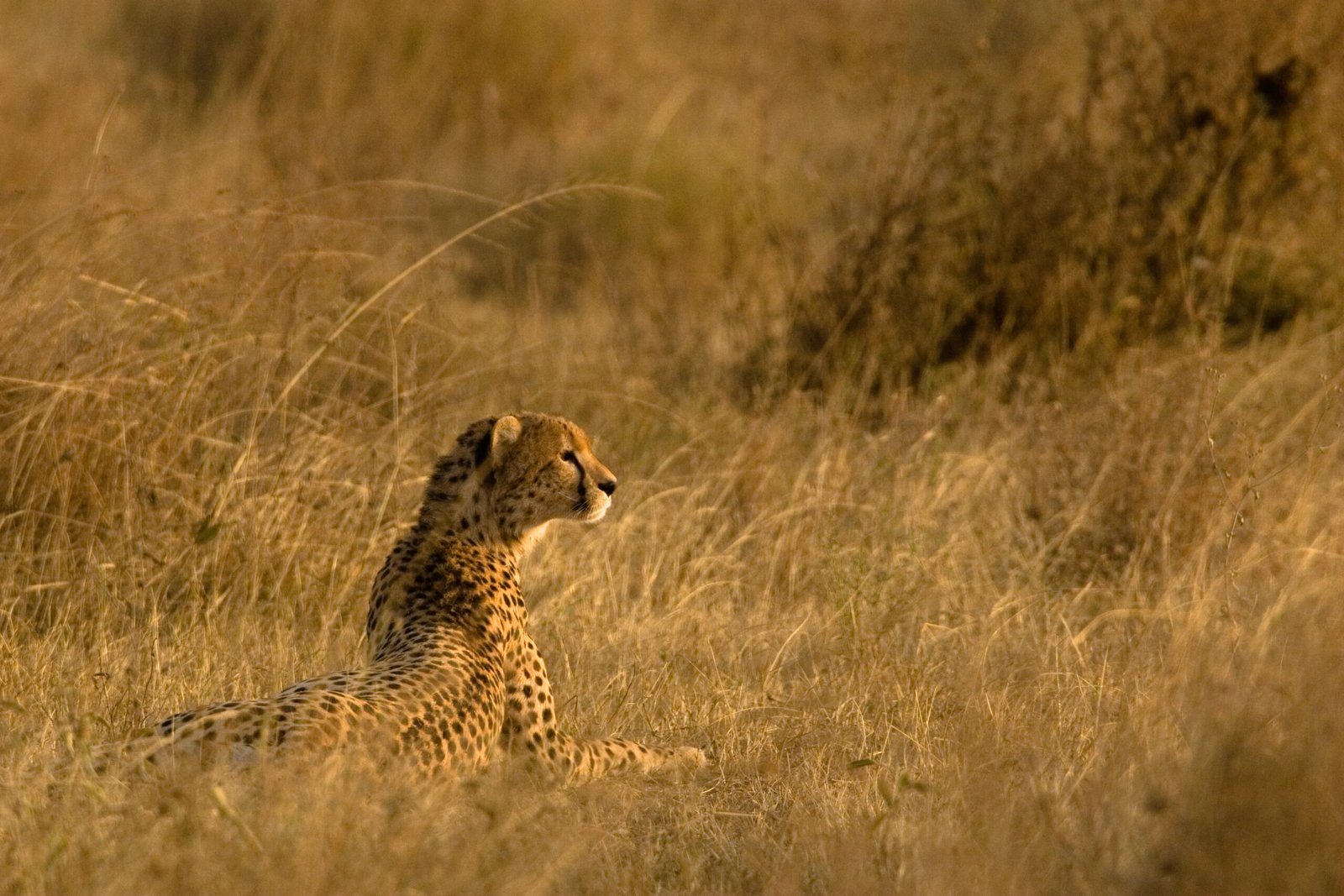
Plan the history interest alongside wildlife, accommodation and transport. The Kenya–Tanzania border is an international boundary; a sightseeing stop near a marker is not permission to cross into another country. The photographs on this guide show contemporary scenes. They introduce the landscape alongside the historical chronology.
A practical reading route through the Mara
Begin with the Reserve overview, then compare its managed sectors and surrounding conservancies. That sequence keeps the National Reserve, the Greater Mara and the wider Serengeti–Mara ecosystem distinct. It also makes it easier to understand why a safari quote needs to identify the actual accommodation and wildlife access included.
Use the migration guide for seasonal animal movement, rather than try to infer a future herd position from a historical description. Resident wildlife can make a Mara visit worthwhile outside the main migration period. The seasonal planning guide helps connect travel interests with conditions without promising that a historical scene will repeat.
Maasai Mara history can be part of a private safari designed around your interests. A clear programme gives time for wildlife, landscape and appropriate cultural encounters while retaining the practical arrangements needed for travel. The value of the history is the understanding it adds to the places visited, not a claim that today’s safari can reproduce the past.
Practical next steps
Use the KAPS service for current Reserve admission arrangements: Reserve ticket service.
Explore safari packages
From USD 1,200 per person sharing
From USD 1,700 per person sharing
From USD 2,450 per person sharing
From USD 3,000 per person sharing
From USD 1,500 per person sharing
From USD 2,000 per person sharing
From USD 2,350 per person sharing
From USD 1,950 per person sharing
From USD 1,700 per person sharing
From USD 2,900 per person sharing
From USD 3,800 per person sharing
From USD 4,900 per person sharing
From USD 4,550 per person sharing
From USD 3,350 per person sharing
From USD 3,000 per person sharing
From USD 3,150 per person sharing
From USD 3,750 per person sharing
From USD 5,850 per person sharing
From USD 3,850 per person sharing

From USD 3,900 per person sharing
Plan your private Maasai Mara safari
Send your dates, travelling party and wildlife interests. MaasaiMara.ke can quote and book your safari through our tour operator partners.