
Nairobi to the Maasai Mara by road
Nairobi to Maasai Mara by road: the route, distances, drive times, road rules, gates and what to see on the way
The journey from Nairobi to Maasai Mara by road heads west to Rironi, drops down the Mai Mahiu escarpment into the Great Rift Valley, and runs through Mai Mahiu and Suswa to Narok town. From Narok, the Narok–Sekenani road takes you to Sekenani Gate; this last stretch is tarmac all the way, 84–86 km. Expect about five to seven hours for the drive from Nairobi, depending on your gate and the traffic, and set off early: there is no entry into the Reserve after 6:30 pm.
Heavy rain can slow the road to the Mara, especially near Suswa, so check conditions before you leave. If you are not driving yourself, a safari operator’s driver-guide will usually do the drive from Nairobi and the game drives in the same vehicle.
The drive at a glance
Nairobi to Sekenani
Via Rironi, the Mai Mahiu escarpment, Suswa and Narok town.
84–86 km of tarmac
From Narok town all the way to Sekenani Gate.
About 5–7 hours
The drive from Nairobi, depending on the gate and the traffic.
Fill up in Narok
The last large fuel stop on the road to the Mara; fuel further on is scarcer and dearer.
No entry after 6:30 pm
Reach your gate in daylight, with time to pay.
Card or M-Pesa
The Mara Triangle takes no cash; carry a card or M-Pesa for the main Reserve too.
Which route do you take from Nairobi to Maasai Mara by road?
Step 1
Leave Nairobi westwards to Rironi, near Limuru.
Step 2
Drive down the Mai Mahiu escarpment into the Rift Valley to Mai Mahiu.
Step 3
Take the Mai Mahiu–Suswa–Narok road to Narok town, the last large fuel stop.
Step 4
From Narok, follow the Narok–Sekenani road, tarmac all the way, to Sekenani Gate.
Step 5
For Oloolaimutia Gate, continue on the 12 km Oloolaimutia road from Sekenani; for Musiara or Oloololo, leave Narok on the Aitong road instead (see the gate table below).
On the road to the Mara we name roads by towns rather than numbers: Kenya reclassified its roads, and many guides and maps still use the old numbers. Road signs in Kenya are in English.
How far is it from Nairobi to the Mara, and how long does the drive take?
Published distances and drive times vary with the gate and the route, so the table gives the range rather than a single figure. Drive times are typical estimates, not official figures.
| Leg | Distance | Drive time |
|---|---|---|
| Narok to Sekenani Gate | 84–86 km, tarmac all the way | About 1 to 2 hours (estimates differ) |
| Nairobi to Narok | — | 2.5 to about 4 hours, depending on traffic at Mai Mahiu (estimates differ widely) |
| Nairobi to the Mara (any gate) | Published totals range from 225 km to 306 km, depending on the gate and route | About 5–7 hours, depending on the gate and traffic |
| Nairobi to Sekenani, Talek or Oloolaimutia | — | 5.5–6 hours |
| Nairobi to Musiara or Oloololo | — | 6–6.5 hours |
| Oloololo Gate to Purungat Bridge Gate (inside the Mara Triangle) | — | A little over one hour at 50 km/h |
Allow extra time in the rains and for stops: a drive from Nairobi that starts after mid-morning can reach the gates close to the 6:30 pm entry cut-off.
What are the road conditions like?
Nairobi to Narok. The road drops down the Mai Mahiu escarpment, a busy route with heavy lorries, where repairs and slow traffic can cause delays. The Kenya National Highways Authority (KeNHA) posts traffic advisories when it works on the road.
Mai Mahiu to Narok. Heavy rain can flood the road near Kedong Ranch, close to Suswa, where silt washes down from Mount Longonot; flooding has closed this stretch for short periods before.
Narok to Sekenani. The last part of the road to the Mara is tarmac all the way to Sekenani Gate. Beyond the gates the roads are graded murram rather than tarmac.
Inside the Reserve. The Mara Conservancy grades the main roads inside the Reserve, such as Sekenani to Mara Bridge and Mara Bridge to Keekorok and Talek. Big storms can damage bridges and cut roads, and floods have cut the Mara Triangle off by road for days. In the rains, allow extra time and ask your camp about the latest conditions before you set off.
When are the rains, and how do they affect the drive?
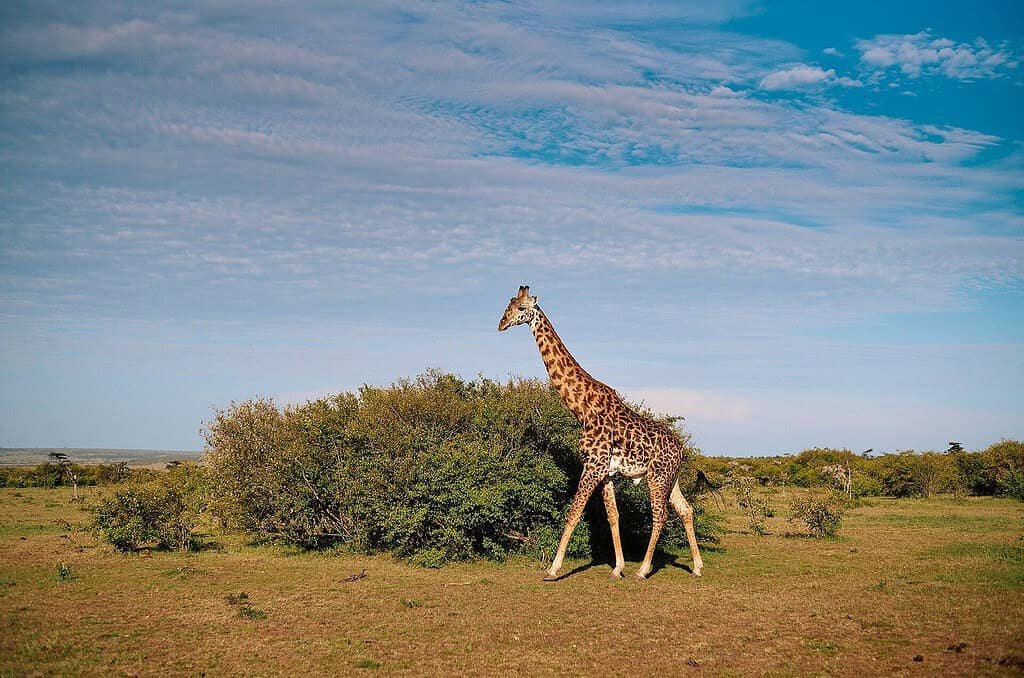
Kenya has two rainy seasons. The long rains usually run from March to May, with the wettest spell in April. The short rains fall from October to December; in the Mara they usually come in November and December, though the timing varies from year to year.
These are the months when the road to the Mara is most likely to flood near Suswa and when murram tracks inside the Reserve turn slippery and rutted. If you are driving from Nairobi to Maasai Mara by road in the rains, leave early, travel in a four-wheel-drive vehicle and keep an eye on the weather: Kenya Meteorological Department forecasts and KeNHA advisories are the places to check. Outside the rains, the road is usually dry and the drive is simpler.
Which gate should you drive to?
Your camp decides your gate: ask which gate it uses before you drive from Nairobi. The Reserve’s public road gates include Sekenani, Oloolaimutia, Talek, Musiara and Oloololo; the Mara Triangle’s ticket-selling road gates are Oloololo and Purungat Bridge. Entering the Reserve by road anywhere other than an approved gate is not permitted and is penalised.
| Gate | Part of the Mara | How to get there |
|---|---|---|
| Sekenani | Main Reserve | Narok–Sekenani road, tarmac all the way from Narok |
| Oloolaimutia | Main Reserve | The 12 km Oloolaimutia road from Sekenani Gate, a Narok County road |
| Talek | Main Reserve | Ask a Talek-based camp or guide for the approach from outside the Reserve. Inside the Reserve, roads link Sekenani and Keekorok to Talek |
| Musiara | Main Reserve | From Narok on the Aitong road rather than the Narok–Sekenani road; a rougher road |
| Oloololo | Mara Triangle | From Narok via Nkorkorri, Lemek, Aitong and Mara North Conservancy (fastest for camps on the escarpment side); or from Kisii in western Kenya via Kilgoris and Lolgorian, down the Siria escarpment |
| Purungat Bridge | Mara Triangle | Through the main Reserve from Sekenani Gate, past Keekorok towards Mara Serena (fastest for Mara Serena) |
The Mara Triangle also has barriers at Little Governor’s, Angama and Kilo Two, which do not sell tickets. Some camps have their own access points, which are not for public use.
What time must you reach the gate, and can you drive after dark?
There is no entry into the main Reserve after 6:30 pm. If you are staying outside the Reserve, leave it by 7:00 pm; if you are staying inside, be back at your camp or lodge by 7:00 pm. There are no night game drives in the Reserve itself: night drives and walks happen in the conservancies around it. In the Mara Triangle, leave the park or be in your camp by 7:00 pm.
The park ticket runs from 6:00 am to 6:00 pm whatever time you enter, and it does not carry over to the next day, so arriving late in the afternoon still costs a full day’s fee. British government travel advice is to arrive at game reserves in daylight and to avoid driving at night where possible. With a drive from Nairobi of five to seven hours, an early start is the safe plan.
Where do you pay park fees when you arrive by road?
Main Reserve. If you travel to the Maasai Mara by road, tickets can be bought at the entry gates, or in advance on the KAPS ticket portal, which also sells Mara Triangle tickets. Narok County has published no notice listing what each gate accepts, so carry a card or M-Pesa. Your camp may also include park fees in your booking.
Mara Triangle. Buy online, or on arrival from KAPS staff at Purungat Bridge, Oloololo Gate or Serena airstrip: M-Pesa or card only, no cash. If you are staying in the Triangle and drive in through Sekenani, do not pay at Sekenani; pay when you enter the Triangle at Purungat Bridge. Bring a passport or national ID, as a driving licence is not accepted. Triangle vehicle fees are valid for 12 hours with unlimited exits and re-entries, and vehicles passing through to another destination get two hours’ transit before fees apply.
Rates are in our Maasai Mara park fees guide, and how to pay park fees explains every way to buy a ticket.
Can you drive in Kenya on your own licence?
Yes, for a while, so you can drive from Nairobi to the Mara yourself. Kenya’s traffic rules let a visitor who lives abroad drive on their home country’s licence for 90 days from the day they enter Kenya, for the vehicle classes it covers. Licences from Uganda, Tanzania and Ethiopia are also accepted, and so is an international driving permit held by someone who lives outside Kenya. Kenyan rules and British advice name different international permit versions, so ask whoever issues your permit which one Kenya accepts.
Carry your licence whenever you drive: the law requires you to show it to a police officer on request. If you hire a self-drive safari vehicle, a valid licence for that class of vehicle is enough. A driver supplied by a tour operator must also hold a public service vehicle licence and a driver-guide licence from the Tourism Regulatory Authority.
What are the rules of the road in Kenya?
Kenya drives on the left and overtakes on the right, and only with a clear view of the road ahead. Speed limits for cars are 110 km/h on dual carriageways and 100 km/h on single carriageways, falling to 50 km/h in towns and trading centres on the road to the Mara, such as Mai Mahiu and Narok; buses, matatus and lorries are limited to 80 km/h. Everyone in a seat fitted with a seat belt must wear it. Posted signs take precedence.
Police checkpoints may be set up only at places the Inspector-General of Police has gazetted, except in exceptional circumstances. British government travel advice notes that on-the-spot fines from traffic police are common but illegal, so ask for the correct paperwork if you are stopped, and that carjackers sometimes set up bogus checkpoints. On the drive from Nairobi, keep the windows closed and the doors locked, and carry your ID: a copy of your passport is normally accepted, but keep the original within reach.
What vehicle do you need for the Mara?
Any car can manage the tarmac on the road to the Mara as far as Sekenani Gate, but the roads inside the Reserve are graded murram, and the Reserve’s management plan keeps two-wheel-drive vehicles out of its Low Use Zone except on the main transit roads. Vehicles with more than 12 seats, overland trucks and buses are also kept out of that zone. In the Mara Triangle, self-drive is allowed only in a four-wheel-drive vehicle.
Safari operators drive licensed tourist service vehicles, usually four-wheel-drive Land Cruisers or vans with a raised roof for viewing, and their drivers hold the extra licences described above. In the rains, a four-wheel-drive vehicle is the safe choice for the whole journey from Nairobi to Maasai Mara by road.
Can you self-drive in the Maasai Mara?
Main Reserve. If you drive from Nairobi in your own or a hired car, note that Narok County has barred private vehicles from game drives in the Maasai Mara National Reserve; only safari trucks, safari Land Cruisers and safari vans may be used. County rules can change, so check with your camp before you plan a self-drive in the main Reserve.
Mara Triangle. Self-drive is allowed in a four-wheel-drive vehicle, and campers must park at public or private campsites and hire two rangers for night security. The speed limit is 50 km/h on graded roads and 30 km/h on other tracks, and automated speed cameras are in use on various roads. The main Reserve sets the same limits.
How should you drive inside the Reserve and the Triangle?
- Keep to 50 km/h on graded roads and 30 km/h on other tracks.
- Stay on the roads and marked tracks; a track closed with logs or rocks across it is closed.
- Leave the road only to view lion, leopard or cheetah in the Low Use Zone, and return by the route you came.
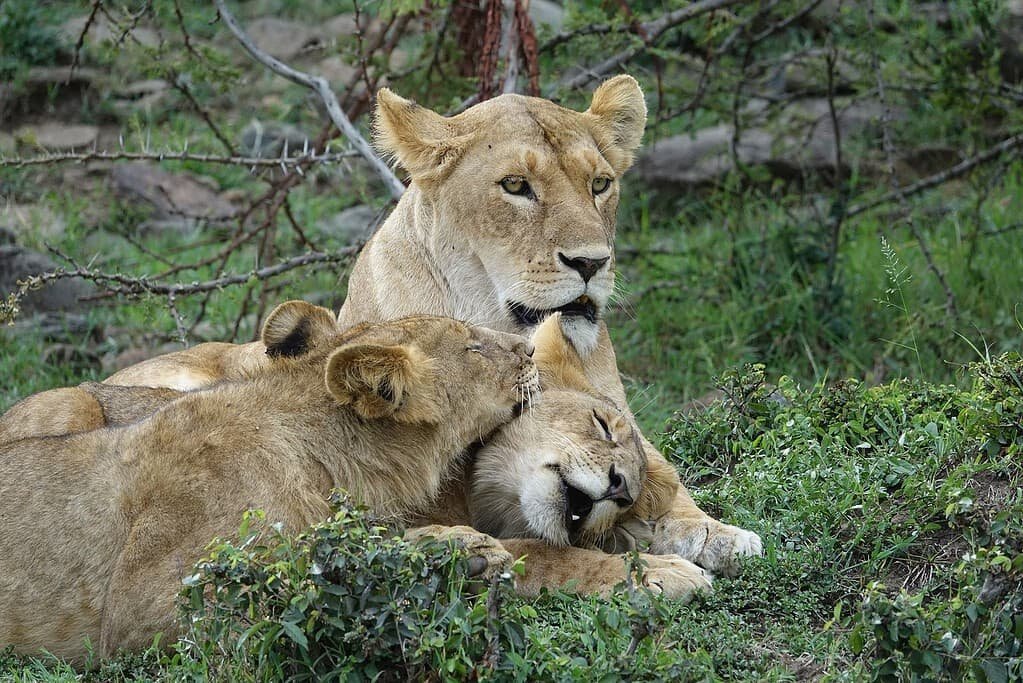
- Stop and give animals on the road the right of way; never drive through a herd.
- Keep at least 25 metres from animals; if five vehicles are already at a sighting, wait at least 100 metres away.
- Do not sit or stand on the roof, and get out only at picnic sites and other designated places, never at a river crossing.
- Do not cross the unfenced border into Tanzania, which is marked by white beacons.
Can you drive from the Mara into Tanzania and the Serengeti?
Not directly. The Sand River crossing on the Mara’s southern border is marked closed on Kenya’s list of border points, and both the Reserve and the Mara Triangle forbid crossing the border: the Reserve’s management will not take responsibility for anyone arrested in Tanzania after crossing illegally. The nearest open road crossings to Tanzania are border posts such as Isebania, west of the Mara, and Namanga, south of Nairobi, both open 24 hours. You need a Kenya eTA to come back into Kenya, unless your nationality is exempt.
The usual way to combine the Mara and the Serengeti is by air through Migori and Tarime; see our guide to flights to the Maasai Mara.
What is there to see on the drive from Nairobi?
The descent of the Mai Mahiu escarpment, early on the road to the Mara, gives wide views over the floor of the Great Rift Valley, and Mount Longonot rises beside the road to Naivasha. Mount Longonot National Park protects a young volcano that last erupted in 1863; it lies about 90 km from Nairobi on the Nairobi–Nakuru road, and its gates are open from 6:00 am to 6:00 pm, so a climb needs an early start or a night nearby.
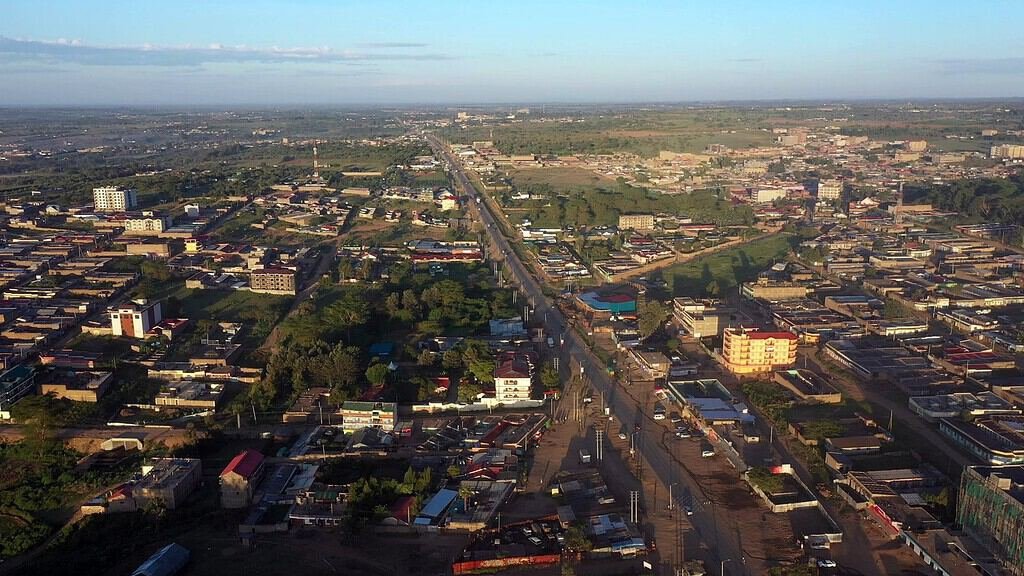
Narok town is the last large town on the drive from Nairobi, with banks, supermarkets and the last large fuel stations. Fill up there: fuel at Talek and Sekenani is scarcer and dearer, and camp fuel stations inside the park sometimes run short.
Can you combine the Mara with Lake Nakuru, Naivasha or Amboseli by road?
Lake Nakuru National Park is 156 km north-west of Nairobi on the main Nairobi–Nakuru road, and Hell’s Gate National Park is reached from Naivasha by the Moi South Lake Road, with Elsa Gate 25 km from the junction. A road through Mau Narok links Narok with Nakuru, so a road safari can visit Lake Nakuru or Naivasha on the road to the Mara or on the way back.
Amboseli lies on the other side of Nairobi: 204 to 240 km from the city, depending on the gate. Most visitors fly between Amboseli and the Mara rather than drive back through Nairobi. The Kenya Wildlife Service parks have their own rules: gates open from 6:00 am to 6:00 pm, a 40 km/h speed limit and a minimum distance of 20 metres from animals.
Before you set off
- Confirm which gate your camp uses, and allow 5–7 hours for the drive from Nairobi; start early to reach the gate well before 6:30 pm.
- In the rains, check the weather and the road advisories for the road to the Mara, especially the escarpment and Suswa.
- Fill up in Narok town: it is the last large fuel stop, and camp fuel stations inside the park sometimes run short.
- Carry your driving licence, a passport or national ID for Mara Triangle tickets, and a card or M-Pesa for park fees.
- If you are self-driving, plan game drives in the Mara Triangle in a four-wheel-drive vehicle; private cars cannot be used for game drives in the main Reserve.
More help with getting to the Mara
- Flights to the Maasai Mara – airlines, airstrips, fares and baggage
- How to pay Maasai Mara park fees – where to buy tickets and how to pay
- Maasai Mara park fees – current rates for every visitor
- Maasai Mara safari cost – what a road or fly-in safari costs
- Tipping on a Maasai Mara safari – driver-guides, camp staff and rangers
- Kenya eTA for Maasai Mara safaris – the entry permit most visitors need
- Plan your Maasai Mara safari – the step-by-step guide
Planning the road trip from Nairobi to the Mara?
Tell us your dates and where you are staying, and we will quote a road safari with a driver-guide through our tour operator partners.
