
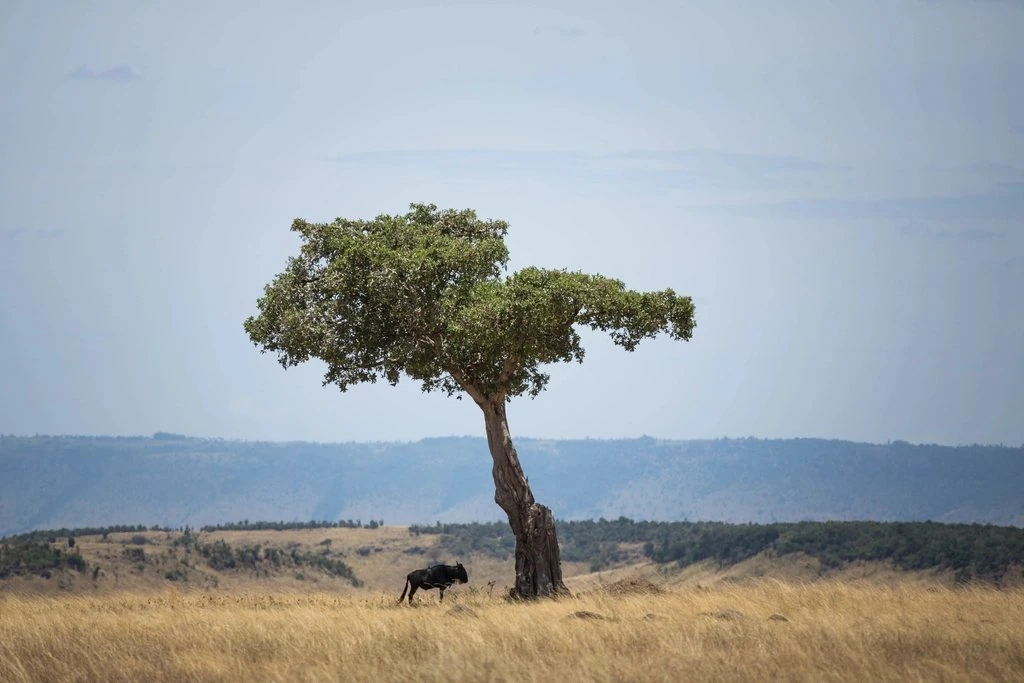
Maasai Mara airstrips
Maasai Mara airstrips serve different camps and safari areas, rather than one interchangeable destination. Choose your accommodation first, then match its arrival airstrip, airline and ground transfer. The Reserve and surrounding conservancies use strips including Ol Kiombo, Musiara, Mara Serena, Kichwa Tembo, Mara North, Olare Orok, Ol Seki, Keekorok and Ngerende, with other named arrivals appearing in airline lists. A destination listing identifies a booking option; it does not by itself prove today's operating status or guarantee a particular flight routing.
Choose Maasai Mara airstrips around the camp
The useful question is which strip the selected camp uses for your actual arrival, not which place on a map seems closest. A river, reserve boundary or controlled approach can make a short straight-line distance misleading. Airline camp-allocation lists also overlap. The same property can appear under different strips, and a camp may use an alternative arrival for a particular flight. Connect the air ticket with the ground collection and accommodation before choosing an itinerary.
Treat the aircraft journey and the transfer as one arrival arrangement. The passenger names, travel date, booked destination and camp collection should agree. A destination described simply as Maasai Mara can hide the detail that matters to the driver. Keep the named strip in the itinerary, along with the camp and organiser’s contact information. This is particularly useful when a safari combines properties or includes a change between the Reserve and a conservancy.
Our flights to the Maasai Mara guide covers the wider flying decision. This directory focuses on the places where passengers arrive and how those places relate to stays. Neither a low fare nor a famous airstrip name establishes that the complete route suits your trip. Compare the connection, luggage conditions, camp transfer and departure plan alongside the flight itself. A well-matched strip supports a calm arrival and a useful first drive.
Choose your arrival point
Ngerende Airstrip appears in Mara airline destination lists, with camp associations including Fairmont Mara Safari Club and Ngerende Island Lodge.
Angama Airstrip appears in aviation material under labels including Angama and Ol Kurruk.
Siana Springs Airstrip is covered here through the Siana destination label in Mara airline booking material.
Ol Seki Airstrip appears under labels including Naboisho (Ol Seki) in Mara aviation material.
Olare Orok Airstrip is identified in Olare Motorogi Conservancy's own access guidance.
Mara North Airstrip is named in Mara North Conservancy's own access guidance and airline Mara destination lists.
Kichwa Tembo Airstrip appears in Mara Conservancy flying guidance and airline camp-allocation lists.
Musiara Airstrip is the arrival strip expressly identified by Governors' Camp.
Mara Serena Airstrip is listed by the Mara Conservancy for the Mara Triangle and as an authorised admission-ticket point.
Ol Kiombo Airstrip, often written Olkiombo by airlines, is listed for Mara flight arrivals.
Keekorok Airstrip appears in Mara airline destination lists and camp-arrival guidance, including associations with Keekorok Lodge, Sarova Mara and Mara Sopa.
Wilson Airport and Nairobi connections
Mara scheduled services commonly use Nairobi’s Wilson Airport. An international arrival at Jomo Kenyatta International Airport is a separate airport arrival, followed by a ground transfer if the onward flight leaves from Wilson. Include immigration, baggage collection, airport transfer and the carrier’s check-in requirements in that connection. Do not read a domestic departure time as though the aircraft leaves from the same terminal where your international flight lands.
For a trip beginning in Nairobi, the hotel pickup and flight check-in belong in the itinerary. For an international connection, consider whether an overnight city stay makes the journey more comfortable and resilient. The appropriate choice depends on your actual incoming flight and onward service. A very tight connection can turn a small delay into a missed safari arrival. Leave the organiser enough information to plan the airports and ground transport as a connected journey.
Wilson is not the only possible origin for every carrier or itinerary. Services from the coast and links with other safari destinations have their own routings and conditions. A carrier’s list of Mara destinations does not mean each strip has a direct flight from every departure point. Use the actual booked route and date. For a private safari, specify how your accommodation and first wildlife programme adapt if the arrival service includes other stops.
Intermediate stops and flight routing
Mara flights can collect or drop passengers at different strips. The first Mara landing and your own destination may therefore be different points in the journey. A general flying-time description should not be treated as a guaranteed duration to the selected camp. The day’s aircraft routing, other passengers and operational decisions affect the experience. Keep the booked destination distinct from any intermediate stop described in a timetable or itinerary.
At each landing, follow the crew’s instructions about whether to remain aboard or disembark. Listen for the exact strip name, especially when several passengers are travelling to different camps. Your luggage should be handled according to the airline’s procedure. A camp pickup is organised around the flight’s actual arrival information, rather than a passenger walking between nearby airstrips. An aircraft apron and runway are working areas; crew and ground staff direct movements there.
Multi-stop routing can be an enjoyable aerial introduction to the landscape, but it should not be sold as a wildlife-viewing guarantee. Animals seen from the air are incidental observations. The ground safari remains the main opportunity for patient viewing with a guide. Plan a modest arrival-day programme that fits the flight and camp transfer, rather than promising a distant river crossing before lunch solely from an advertised flight duration.
Ol Kiombo Airstrip and Reserve camp transfers
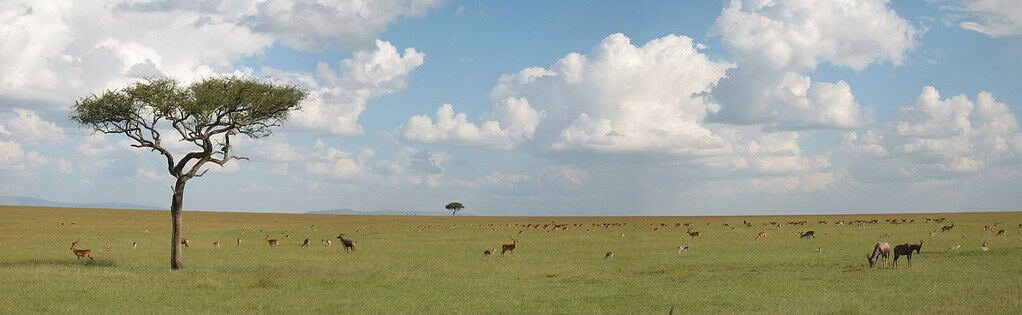
Ol Kiombo, often written Olkiombo by airlines, appears in the published Mara destination lists. Airkenya and other carriers associate it with a range of Reserve-area camps, including Mara Intrepids, Basecamp Maasai Mara and Fig Tree. These associations help identify a possible arrival but do not settle the best transfer for every property. An airline’s broad list is different from a dated instruction for the camp you have booked.
Several properties also appear under another strip in a different airline’s material. Read those lists as service guidance, rather than a ranking of geographical proximity. The final arrangement should name the strip actually used and the camp collection. A Reserve arrival may introduce wildlife viewing on the drive to accommodation, but the transfer’s length and sightings depend on the route. No universal airstrip-to-camp drive time is supplied here.
The Ol Kiombo Airstrip guide explains this camp-allocation context. It is useful for comparing a fly-in Reserve stay with a road arrival through an appropriate gate. Flying removes much of the long-distance road journey; it does not make admission, vehicle arrangements or the selected accommodation interchangeable. Your safari programme should still distinguish arrival transport from the private guiding and drives agreed for the stay.
Musiara Airstrip and Governors' arrivals
Governors’ Camp explicitly identifies Musiara Airstrip as its arrival strip. Its operator describes an all-weather gravel strip and publishes coordinates for that strip, separately from the camp itself. Airkenya’s destination list also associates Musiara with Governors’ properties, Il Moran and other camps. This is a stronger camp-specific starting point than inferring an arrival from a generic Mara address. The actual booking still provides the flight and collection details.
Musiara Airstrip should not be confused with Musiara Gate or Musiara Marsh. The gate controls road access, the strip handles aircraft arrivals and the marsh is a wildlife habitat. Their names connect the broader area but do not supply identical directions. A road-transfer driver needs a gate and camp route; a fly-in passenger needs the booked strip and camp pickup. The appropriate instruction depends on how you are arriving.
The Musiara Airstrip guide covers the supported surface and camp association. Governors’ describes its camp beside the marsh inside the Reserve, where riverine vegetation, grassland and wetland support varied viewing. That setting does not guarantee a particular lion pride encounter or migration crossing. Build the safari around the actual stay and guide’s permitted routes, with enough flexibility to enjoy resident wildlife beyond a headline sighting.
Mara Serena Airstrip and the Triangle
The Mara Conservancy lists Mara Serena Airstrip for the Mara Triangle and identifies it as an authorised admission-ticket point. Mara Serena Safari Lodge is an inside-Triangle property. A Serena flight arrival can therefore connect directly with a Triangle stay, subject to the selected property’s transfer and the carrier’s actual service. The airstrip’s presence is useful access information; it is not a general exemption from entry procedures or applicable charges.
Other Triangle and surrounding properties can also use Serena under their own arrangements. Angama’s published material distinguishes air transfers for Angama Mara and Angama Safari Camp, with Serena appearing for the latter alongside Kichwa Tembo in its wider terms. The actual camp location matters more than the shared brand name. Do not assume that every Angama guest, every Triangle camp or every airline uses the same strip.
Read the Mara Serena Airstrip guide with the entry-rules page when planning this arrival. If the safari later crosses into the main Reserve, include that movement in the admission and vehicle plan. A fly-in arrival is simply another way to reach the managed wildlife landscape. The day’s drives still need to respect permitted routes, return times and the location where you will sleep.
Kichwa Tembo Airstrip and escarpment-side stays
Kichwa Tembo is another strip listed by the Mara Conservancy in its Triangle flying guidance. Airline camp lists associate it with Kichwa Tembo, Bateleur, Kilima, Sanctuary Olonana and other nearby stays. Angama Mara’s current published transfer inclusions identify Kichwa Tembo. These examples explain its relevance to an escarpment-side safari without turning every property association into a promise of the shortest transfer.
A view over the Triangle and a location inside its boundary are different things. Properties on the surrounding escarpment or outside the park have their own access to game drives. The transfer and admission plan should reflect that distinction. Do not infer that an aircraft landing at Kichwa Tembo makes every onward camp an inside-Triangle stay. Likewise, the camp’s included collection may depend on the named strip rather than any arrival in the wider Mara.
The Kichwa Tembo Airstrip guide explains the useful property associations. Coordinate the strip with the selected camp and the actual booking, especially when combining properties or arranging a private vehicle. If the journey involves moving to another sector afterwards, consider the complete ground route. An attractive first landing is only one part of the itinerary; the accommodation and permitted wildlife programme remain central.
Mara North Airstrip and conservancy stays
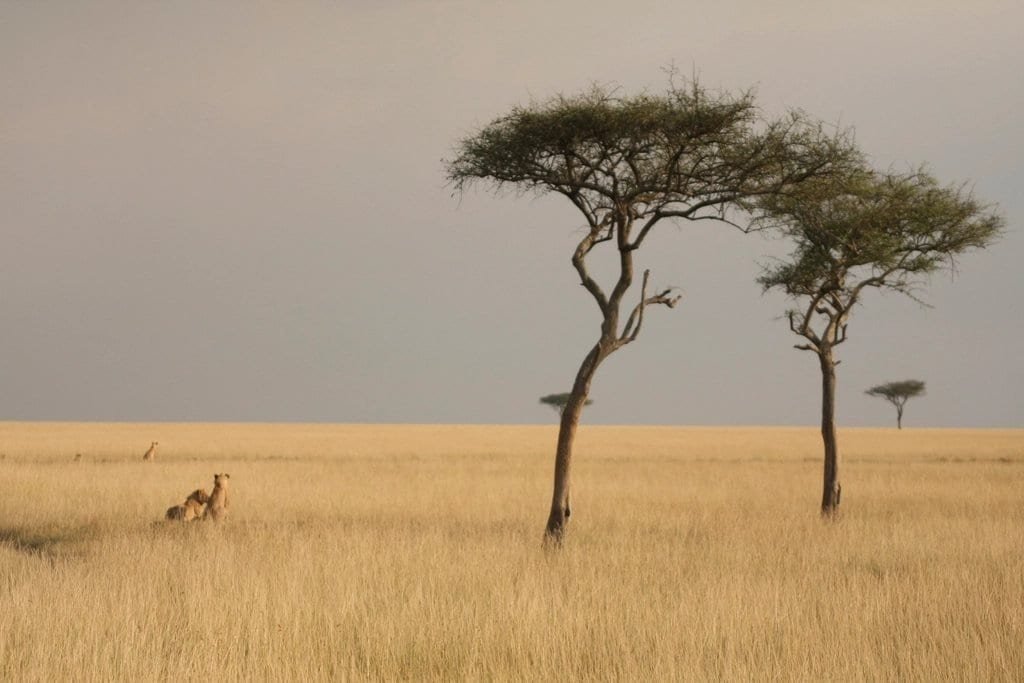
Mara North Conservancy’s own access guidance names Mara North Airstrip and airlines using it. Airline lists connect it with properties including Elephant Pepper, Kicheche Mara and Serian. This creates a supported starting point for a Mara North stay. Conservancy access is organised around the participating camp and its permitted programme, rather than an assumption that a National Reserve ticket grants every activity on neighbouring land.
The Mara North Airstrip guide explains flight arrival and camp collection in that context. The camp’s conservation charges, vehicle programme and any Reserve excursion should be part of the safari arrangement. A landing in the conservancy does not itself supply unlimited access to the entire ecosystem. Keep accommodation, local drives and optional travel into the Reserve clear in the written plan.
Olare Orok Airstrip and Olare Motorogi
Olare Motorogi’s own guidance identifies Olare Orok as its bush airstrip. Airkenya lists Olare, with camps including Olare Mara Kempinski, Mahali Mzuri and Porini Lion. The spelling in an airline booking may differ from the fuller name used by the conservancy. Match the destination with the camp’s instructions instead of treating similar names as separate places without evidence.
For a participating conservancy camp, arrival can lead naturally into the local wildlife programme. That does not guarantee a sighting during the transfer, and any excursion into the National Reserve has its own access treatment. Use the Olare Orok Airstrip guide to connect the strip with the stay. Conservation, accommodation and private guiding arrangements should be clear before comparing this option with a Reserve-based safari.
Ol Seki, Naboisho and neighbouring camps
Airlines use names including Ol Seki and Naboisho (Ol Seki) for Mara arrivals. Camp lists associate this service with Naboisho properties and other camps in the wider landscape. Porini also identifies Ol Seki for its Ol Kinyei accommodation. This demonstrates that a strip’s booking label does not define the boundary of every camp it serves. A transfer may lead into a different conservancy from the one a traveller associates with the name.
Use the Ol Seki Airstrip guide alongside the selected camp’s directions. The itinerary should identify the actual property, its conservancy and the permitted drives. Do not create an unsupported second airstrip solely because a carrier lists both Naboisho and Ol Seki in its marketing. The booked destination, airline instruction and camp collection need to agree for the journey you are taking.
Keekorok Airstrip and operating-status caution
Keekorok appears in airline destination and camp-allocation lists, with associations including Keekorok Lodge, Sarova Mara and Mara Sopa. However, a Mara Conservancy report recorded repair closure, and the retained research does not establish a subsequent reopening. A booking-list appearance is insufficient to resolve that gap. This directory therefore gives no current open-status assertion and does not promise that a listed service will land there on your travel date.
The Keekorok Airstrip guide explains its established role and the need for a flight-specific arrival arrangement. If an alternative strip is used, the ground collection should be changed with it. The camp, airline and organiser can coordinate that decision without passengers selecting an unverified replacement independently. Keep the actual ticket and transfer consistent, especially for a short stay where a changed arrival can affect the first drive.
Ngerende, Siana Springs and Angama labels
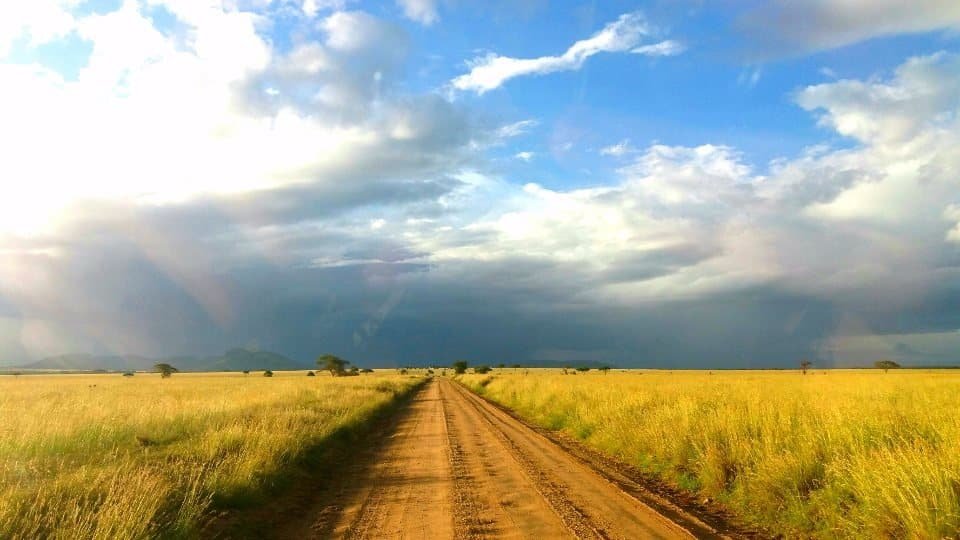
Ngerende appears in airline Mara lists with associations including Fairmont Mara Safari Club and Ngerende Island Lodge. These are useful service connections, rather than proof that all associated camps are equally close or within a particular conservancy. Read the Ngerende Airstrip guide for its supported camp context. The selected property determines the arrival and collection appropriate to your booking.
Siana appears in Safarilink’s booking options and other carrier lists. The Siana Springs Airstrip guide treats the name and airline service carefully, without assuming the current operation of every similarly named camp. Angama or Ol Kurruk appears in aviation material, while Angama Mara’s current standard transfer terms name Kichwa Tembo. The Angama Airstrip guide separates those references so a historic or charter label does not replace current accommodation instructions.
Baggage and a comfortable aircraft journey
Pack around the actual carrier’s baggage conditions. Soft bags, total weight including hand luggage and camera equipment, and the shape of the bag matter on small aircraft. The Maasai Mara packing list explains the retained airline allowances and useful safari essentials. Do not assume that an international airline’s checked-bag allowance applies unchanged to the domestic flight into the Mara.
Keep essential travel documents and usual medicines accessible, and follow the carrier’s prohibited-item rules. A large camera case should be considered alongside the rest of the baggage rather than treated as automatically outside the allowance. Excess baggage arrangements are carrier-specific and should be settled before departure. If luggage storage elsewhere is needed, include its location and collection in the itinerary. The useful aim is a manageable bag for both aircraft handling and the onward safari vehicle.
Ground collection, admission and the first drive
The camp transfer begins after the crew and ground staff direct you from the aircraft. Remain with the designated meeting arrangement, especially if several camp vehicles are collecting passengers. The transfer can pass through wildlife habitat, but it is still an arrival journey with luggage and accommodation to reach. An unscheduled distant sighting should not turn a comfortable collection into an unrealistic cross-Reserve chase before check-in.
Admission and conservation arrangements remain relevant after a flight. Serena has a published Triangle ticket point; other arrivals follow the applicable camp and sector procedures. Use the entry fees and rules guide for categories and conditions. A flight ticket and accommodation confirmation are different from the complete safari package. The written arrangement should include scheduled entry and compulsory selected-property charges, alongside transfers and private guiding.
Departures, connections and changing conditions
Plan the departure from camp with the same care as the arrival. The driver needs the actual strip and flight information, while the party needs time for packing and any permitted morning programme. Do not insert a long wildlife drive merely because a general timetable suggests a late departure. The operational routing and camp collection determine the practical day. Keep Nairobi airport transfers and any onward international flight connected to the domestic arrival plan.
Weather, maintenance and operational requirements can affect bush flying. A destination listed online is a planning reference rather than a guarantee of current strip availability. The airline controls the aircraft decision, and the organiser coordinates any amended ground collection. Use the Safarilink flight booking service for an external flight action. The best airstrip choice is the one that fits the selected camp, actual service and complete private safari itinerary.
Plan the arrival around the stay
The exact destination
Match the selected entrance or airstrip with the actual accommodation and route.
A connected itinerary
Arrival, camp collection, admission and private guiding belong in the same plan.
Flexible wildlife viewing
The transfer and safari programme adapt to the route, conditions and wildlife.
Seven decisions for a comfortable arrival
- Choose the exact accommodation and understand its boundary location.
- Match the gate or airstrip to the actual route and booked service.
- Connect the arrival with the camp collection and luggage arrangements.
- Include the correct visitor admission and compulsory property charges.
- Plan private guiding and wildlife drives around permitted access.
- Keep documents and the confirmed itinerary accessible during travel.
- Coordinate the departure, onward connection and any route change.
Explore safari packages






From USD 2,000 per person sharing



From USD 2,350 per person sharing

From USD 1,950 per person sharing

From USD 2,350 per person sharing

From USD 1,700 per person sharing

From USD 2,900 per person sharing

From USD 3,800 per person sharing
Plan your private Maasai Mara safari
Tell MaasaiMara.ke your travel dates, party size and interests. We quote and book private safaris through authorised tour operator partners, with the named accommodation, transfers, dedicated guiding and scheduled entry in the written itinerary.
