
A Maasai Mara family safari works best when the accommodation, travel days and wildlife drives suit the children travelling. A private vehicle gives your family flexibility, while suitable sleeping arrangements, sensible breaks and clear activity rules make the stay easier. This guide helps international families plan the experience before choosing a package or camp.
Start with these decisions
Choose the room layout
Match sleeping arrangements and bathroom access to your family.
Use a private pace
Dedicated guiding lets your party discuss its interests and breaks.
Use ages at travel
Supplier child rules and activity conditions are separate.
In this guide
- Shape a Maasai Mara family safari around your children
- Understand child acceptance and activity rules
- Choose sleeping arrangements before choosing a room label
- Match the camp setting to supervision and downtime
- Use your private vehicle to create a comfortable pace
- Plan transfers as part of the family experience
- Arrange meals around wildlife outings and ordinary routines
- Prepare for malaria, vaccinations and individual medical needs
- Set wildlife expectations that children can enjoy
- Choose dates for weather, interests and school commitments
- Compare the family price on actual occupancy and ages
- Give the safari room for rest and changing interests
Family needs and practical choices
| Family need | Accommodation choice | Safari planning choice |
|---|---|---|
| Younger children | Close sleeping arrangements and straightforward bathroom access | Manageable outings and dependable meal opportunities |
| Older children | Suitable beds and useful privacy | Interests such as photography, birds and animal behaviour |
| Diet or allergy | A property able to assess the specific requirement | Accurate advance information and prescribed emergency supplies |
| Mobility or equipment | Actual pathways, steps, room access and power arrangements | A suitable vehicle and activity assessment |
| Rest time | Approved areas and a comfortable room | A settled base with room for breaks |
Shape a Maasai Mara family safari around your children
The best starting point is the family that will actually travel. Children differ in their interests, patience, sleep patterns and confidence around unfamiliar places. A wildlife-loving teenager may enjoy a long quiet wait for animal behaviour, while a younger child may need shorter outings and a dependable meal routine. Build the plan around those differences before choosing accommodation from a photograph.
Include the adults’ interests as well. A family safari can accommodate photography, birds and general wildlife without expecting everyone to enjoy the same activity for the same length of time. Decide which experiences you most want to share and where a relaxed camp break is useful. A comfortable rhythm gives the guide room to respond to wildlife and helps the family enjoy the surprises.
Think about how your children manage travel at home: long car journeys, early starts, different meals and sleeping in an unfamiliar room. Those experiences offer a practical starting point. The safari adds wildlife, outdoor conditions and remote locations, so plan a manageable version rather than assuming excitement will remove every ordinary need for rest or food.
Our family safari itinerary is a useful example of a private trip. This planning guide complements the package by explaining room choices, ages, transfers and daily pace. The final arrangement should reflect your family’s dates, party and accommodation needs rather than asking the children to fit a fixed adult schedule.
Understand child acceptance and activity rules
A camp accepting children does not establish that every activity is suitable for every age. Accommodation rules, wildlife drives, walking, ballooning and particular conservation activities can have separate conditions. A property may offer a family room while restricting an activity because of the environment or operating requirements. Keep those questions separate when choosing the stay.
Use each published lodge profile for supported child information. Where a child policy is unknown, the absence of a statement does not mean children are accepted or excluded. The directory’s suitability labels also depend on established property data; an unlabelled camp should not acquire a family promise by assumption. The exact family accommodation must fit the children travelling.
Children’s ages at the time of travel matter for supplier and admission rules. Provide those ages when requesting the trip, rather than only the ages when you first enquire. Different providers can define their child categories differently. A reduced admission category does not automatically create an identical reduction in rooms, flights, meals or private guiding.
Keep specialist activities as separate additions to the wildlife plan. The core experience can be ordinary guided drives, wildlife observation and time together at camp. You do not need a long list of extra activities to make the holiday feel special. Choose an addition because the family wants it and meets its specific conditions, not because it appears on another family’s itinerary.
Choose sleeping arrangements before choosing a room label
Family rooms, interconnecting rooms and extra beds describe different layouts. A large tent is not automatically a family unit, and a room’s maximum occupancy does not tell you whether the arrangement is comfortable for your party. The useful description includes who sleeps where, the bed configuration and how the bathroom is reached.
For younger children, closeness to the adults and a simple night-time routine may matter more than a separate room. For older children, privacy and space can become more important. Discuss the actual sleeping arrangement with everyone travelling. If a camp proposes separate accommodation, understand the path between the units and the escort arrangements after dark before deciding whether it suits your family.
Bathroom access, steps, decks and pathways influence daily comfort. A private bathroom can simplify routines, while an outdoor or separate bathroom has different practical implications. A room picture rarely shows the whole journey from bed to bathroom or dining area. Use the property details to understand those parts of the stay rather than relying on the word luxury or family alone.
The accommodation guides explain the wider stay types, and the lodge directory links to the available published profiles. Room choice is a useful place to spend the budget when it solves a real family need. A simpler property with a suitable configuration may work better than a more elaborate stay with awkward sleeping arrangements.
Match the camp setting to supervision and downtime
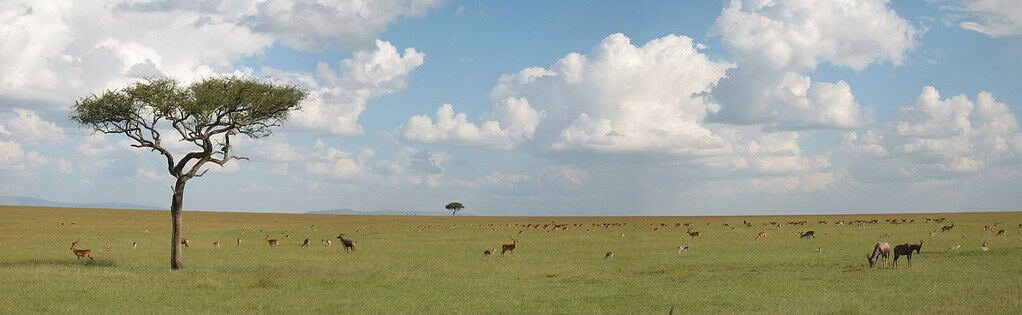
Wildlife can move through unfenced safari properties. Attractive grounds and outdoor decks are not automatically safe places for children to wander alone. Follow the camp briefing and the staff’s movement arrangements. Adults should understand how escorts, communal areas and paths work, especially after dark or when animals are nearby.
A pool or lawn can be useful for downtime, but its presence does not imply supervision, childproofing or unrestricted use. The property’s actual facilities and rules matter. Choose the stay for a comfortable combination of wildlife access and family time rather than assuming that a photograph of a pool establishes a complete children’s programme.
Camp downtime can be quiet and simple. Reading, drawing animals, sorting photographs and watching birds from an approved area can help children absorb what they have seen. A full schedule is unnecessary when the wildlife experience itself is new. Adults can give the holiday more breathing room by letting a break remain a break instead of filling it with another organised activity.
Accessibility also belongs in the accommodation decision. A stroller, limited mobility, sensory needs or medical equipment can affect the room and camp layout you require. Give specific practical details so the arrangement can be assessed accurately. A general accessibility or family-friendly label cannot establish step-free access, suitable surfaces, room dimensions or dependable support for an individual need.
Use your private vehicle to create a comfortable pace
MaasaiMara.ke safaris are private to the travelling party, with dedicated vehicles and professional guiding. This gives the family room to discuss the day’s pace with the guide. You can communicate interests, comfort needs and suitable breaks without balancing them against unrelated guests. The wildlife route still follows the applicable rules and practical conditions.
A shorter outing can be a rewarding family drive. Children may enjoy common animals, tracks, birds and the landscape as much as a long search for a particular cat. Let the guide know what holds their interest. A good wildlife experience is not measured by the number of sightings or the time spent at a crowded scene.
Give everyone a comfortable viewing position and keep loose equipment organised. Seat belts and appropriate child restraints belong in transfer planning; do not assume every vehicle has the same fittings. The suitability of the actual transport should be established before travel. Children should remain inside the vehicle during sightings and follow the guide’s instructions about movement and noise.
The family can agree on a simple routine for breaks and requests. Tell the guide early when someone needs food, rest or a toilet stop; suitable stopping places must be chosen safely. Asking to stop does not mean getting out wherever the vehicle happens to be. Wildlife areas require the adults and guide to manage ordinary needs within the permitted arrangements.
Plan transfers as part of the family experience
Road and fly-in travel have different demands. A road safari connects Nairobi with the Mara through a longer journey in a private vehicle. A flight adds airport procedures, baggage conditions and airstrip collection. Neither option is automatically best for every family. Compare the actual journey, your children’s travel tolerance and the onward connections.
For a road transfer, accessible snacks, water, a warm layer and a quiet activity can make the journey more comfortable. Keep important medicines and items needed by the children where an adult can reach them. A small day bag is easier to use during a transfer than repeatedly opening the main luggage.
A fly-in itinerary needs a practical luggage plan. The total allowance and permitted bag shape come from the actual carrier, not your international airline. The flight guide explains that distinction. If your route uses Safarilink, review its baggage information before packing the family’s bags and camera equipment.
Build onward connections with the transfer in mind. A timetable is not a guarantee against weather, operational changes or traffic. Avoid an itinerary that depends on every leg arriving at the most optimistic moment. The family benefits from enough room to manage a delay without turning the return journey into a rush. Our road guide provides the complementary planning context.
Arrange meals around wildlife outings and ordinary routines
Food can make a substantial difference to family comfort. Understand the booked meal basis and how meals fit arrival, camp time and the drives. A room rate with breakfast is a different arrangement from full board. The itinerary should account for food during transfers and outings rather than leaving the children dependent on an assumed meal stop.
Share dietary needs and allergies accurately before the trip. Describe the practical requirements and severity, and carry any prescribed emergency medication according to your clinician’s advice. A general promise of flexible menus does not establish that every ingredient or preparation arrangement is available at a remote camp. The actual property needs enough information to assess what it can provide.
For younger children, familiar food and predictable eating opportunities can be helpful. A safari may involve early starts or a picnic, so the daily plan should be compatible with their routine. Keep the approach simple: the children do not need to try every unfamiliar dish, and a meal should not become another performance to complete during the holiday.
Drinking water and food hygiene also matter. Use safe drinking water and ordinary hand hygiene, especially before eating. The health guide covers preparation and practical precautions. If a child becomes unwell, adapt the safari and seek appropriate medical advice rather than relying on a camp menu or familiar snacks to resolve the problem.
Prepare for malaria, vaccinations and individual medical needs
Arrange travel-health advice using the full itinerary, including Kenya stopovers and any onward country. Children need an individual assessment; an adult’s prescription or vaccination plan cannot simply be copied. Give the clinician the child’s medical history, usual medicines and vaccination record. The camp and activities are part of the travel context, alongside the destination name.
Malaria prevention and bite protection belong in Mara preparation. Use any prescribed prevention as directed and choose child-appropriate repellents according to the product label and professional advice. Long clothing, suitable sleeping arrangements and attention to bites help support the plan. A cool evening, a highland description or a comfortable lodge does not establish that malaria precautions are unnecessary.
Keep the family’s usual medicines and essential supplies accessible during the journey. Carry their original labelled packaging and any documents needed for the medicines or equipment. Describe storage or charging needs when choosing accommodation, without assuming that every room provides continuous refrigeration or power. A practical supply plan is especially useful when the safari is part of a longer holiday.
Children’s travel preparation includes planning for illness and injury. Fever or worrying symptoms during or after travel deserve prompt medical assessment, with the travel history explained. Do not wait for the safari to finish before raising a concern. Our malaria and vaccinations guide gives general preparation information; a qualified clinician makes individual recommendations.
Set wildlife expectations that children can enjoy
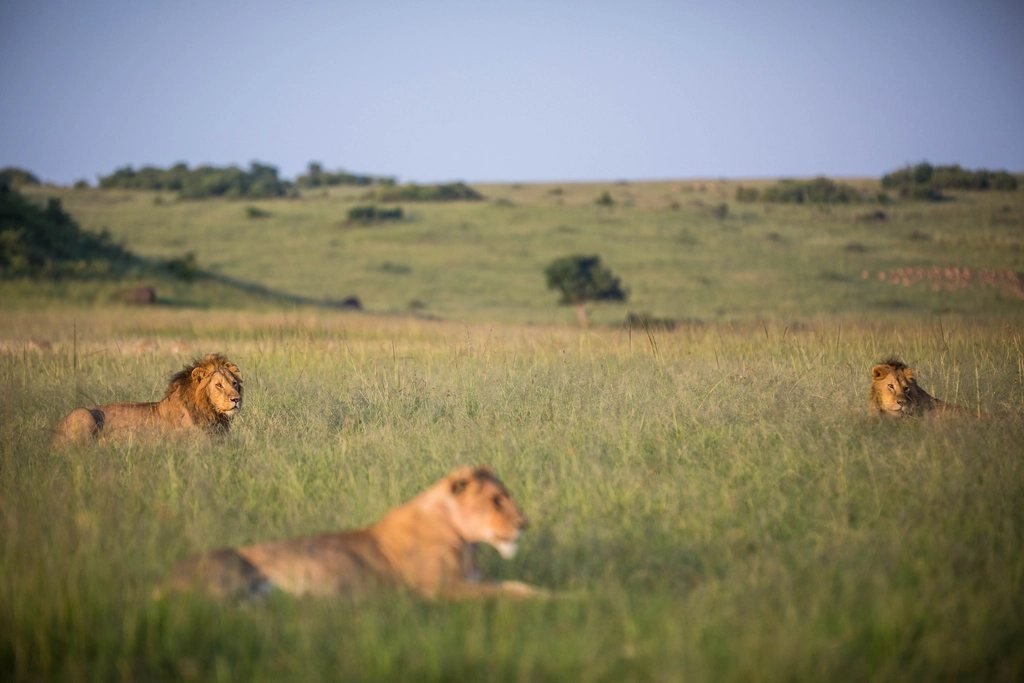
The Mara is rewarding because wildlife behaves independently. A lion may sleep through a sighting; a cheetah may remain out of view; migrating herds may be elsewhere. Explain those possibilities before the trip. The experience becomes more enjoyable when children understand that a safari is observation rather than a performance with an agreed cast of animals.
Encourage attention to more than the largest mammals. Birds, hoofprints, different antelope, animal calls and the changing landscape give the guide many ways to make a drive interesting. Drawing an animal or describing its behaviour can be more memorable than ticking its name off a list. The Big Five guide is a useful introduction, but it need not become a test the family must complete.
River crossings need especially patient expectations. A seasonal visit can put you in a relevant area, but it cannot guarantee herds, a crossing or a particular timing. Long waits at busy scenes may not fit every child. Choose a family itinerary that would still be enjoyable without a crossing and leave the guide room to find other worthwhile wildlife experiences.
Respectful viewing is part of the lesson. Quiet behaviour, space around animals and following the guide demonstrate how visitors share the landscape. Children can learn that a better photograph does not justify crowding, feeding or disturbing wildlife. Adults set the tone by valuing observation and considerate conduct over the closest possible encounter.
Choose dates for weather, interests and school commitments
Family travel dates are often constrained by school holidays, so begin with the period you can realistically use. The Mara’s resident wildlife offers a safari beyond the migration season, while weather, demand and accommodation conditions vary. Use the best-time guide to understand the general seasonal pattern instead of assuming that only a single period is worthwhile.
If a river crossing is the family’s main interest, compare the seasonal outlook with the children’s patience and the overall route. If your dates favour a quieter resident-wildlife visit, choose a suitable base and enjoy that experience on its own terms. The best family period is one that fits the wildlife expectations and the practical needs of everyone travelling.
Pack for changing conditions. Cool drives, warmer daytime weather, dust and showers can all affect comfort. Layers are easier to adjust than a heavy outfit chosen for only one part of the day. The packing list explains how clothing, day bags and transport fit together without prescribing an identical suitcase for every traveller.
Prepare children for the sensory side of safari: unfamiliar sounds, bumpy tracks, insects, darkness and the scale of the landscape. A simple conversation or wildlife book can help them arrive curious and comfortable. Avoid using danger to build excitement; explain the routines that keep the visit orderly, such as staying with adults and listening to the guide.
Compare the family price on actual occupancy and ages
An adult per-person-sharing headline amount is not a complete family total. Children can have different room, meal, flight and admission treatment, and the sleeping configuration can change the accommodation product. Give the exact party and children’s ages at travel so the quote uses the appropriate basis. Do not multiply a child-free adult rate across the family and assume it will remain correct.
The entry-fees page keeps the maintained admission categories, while the cost guide explains safari pricing. Camp child rules and Reserve admission rules are separate. A child qualifying for a particular admission category may still require a paid bed, meal arrangement or flight seat according to the supplier’s terms.
Compare room configuration, private transport, guiding, scheduled park charges, meals and the actual daily activities together. A family room may solve comfort needs that separate low-priced units do not. A dedicated vehicle can support a flexible pace, but the complete itinerary still has to fit the party, route and permitted wildlife access.
Optional activities and preparation belong in the holiday total as well. Keep the extras purposeful so the budget supports the family’s main experience. An enjoyable trip can be built around wildlife drives and camp time without every specialist activity. The budget guide explains useful ways to simplify a safari while preserving a coherent private arrangement.
Give the safari room for rest and changing interests
A settled base can make family travel easier by reducing packing and repeated check-ins. Consider moving accommodation when it adds a meaningful setting or fits an onward route, rather than assuming that more camps make a better safari. Children often benefit from learning the layout and routine of one place while the wildlife outings provide variety.
Leave space for changing energy levels. A child may be fascinated by the first drive and tired by the next early start. Discuss the rhythm with the guide and use suitable camp time when needed. Flexibility works within the booked services and access rules; it does not mean every activity can be added or moved without practical consequences.
The adults can prepare a small selection of quiet activities for the room or approved communal areas. Books, sketching and reviewing photographs help children enjoy downtime without treating every pause as a failure to maximise the holiday. Keep devices and camera equipment manageable so they support the experience rather than filling every moment of it.
Before booking, bring together the essential details: dates, ages at travel, sleeping needs, dietary or medical requirements, transport preferences and main wildlife interests. MaasaiMara.ke can use these to arrange a private safari through its authorised tour operator partners. A well-matched family plan gives everyone a clear picture of the journey, the stay and the experience they can look forward to.
Continue planning your safari
- Plan your safari
- Safari costs and inclusions
- Reserve entry fees
- Accommodation choices
- Published lodge profiles
- Private safari itineraries
- Budget planning
- Safari safety
- Malaria and vaccinations
- Mara or Serengeti
- Packing list
- Best time to visit
- Road travel
- Flights and baggage
- Four-day family itinerary
- Migration month by month
Explore safari packages






From USD 2,000 per person sharing



From USD 2,350 per person sharing

From USD 1,950 per person sharing

From USD 2,350 per person sharing

From USD 1,700 per person sharing

From USD 2,900 per person sharing

From USD 3,800 per person sharing
Plan your private Maasai Mara safari
Share your travel dates, party and interests with MaasaiMara.ke. We quote and book private safaris through our authorised tour operator partners.
