
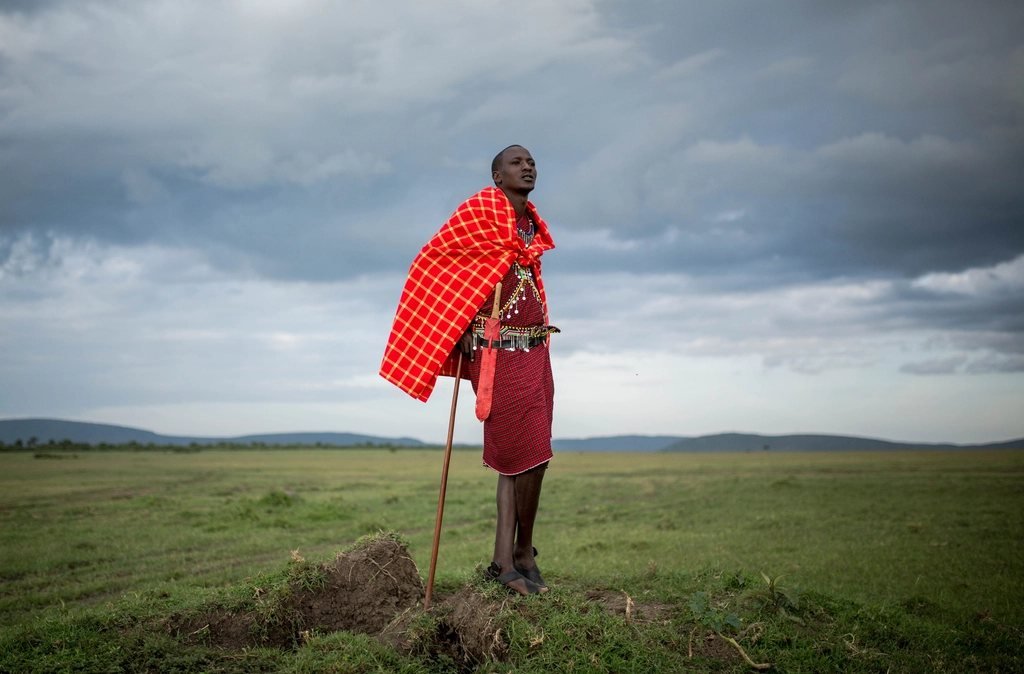
Maasai people are central to the Mara’s history, land and present-day conservation. Maa language, pastoral heritage and contemporary livelihoods form a living culture with local and individual differences. A respectful visit begins with permission, clear hosting arrangements and an interest in people’s own explanations.
Maasai people and the Mara
People and place
Maasai communities live in Kenya and Tanzania, including the wider Mara.
Language
Maa is central to Maasai identity and oral knowledge.
Living culture
Pastoral heritage, contemporary livelihoods and community priorities coexist.
Maasai people are part of a living landscape
Maasai communities are part of the history and present of the Mara. People work in pastoralism, conservation, tourism, business, education and many other fields. A visitor should not expect every person to have the same occupation, clothing, home or daily routine. Culture is lived and changing, rather than a fixed scene arranged for a safari photograph.
The wider Maasai homeland extends across Kenya and Tanzania. Maa language, shared history and social relationships connect communities, with local differences and individual choices. A short visit introduces particular people and their explanations; it does not make one household a model for everyone.
Pastoral heritage and knowledge of land
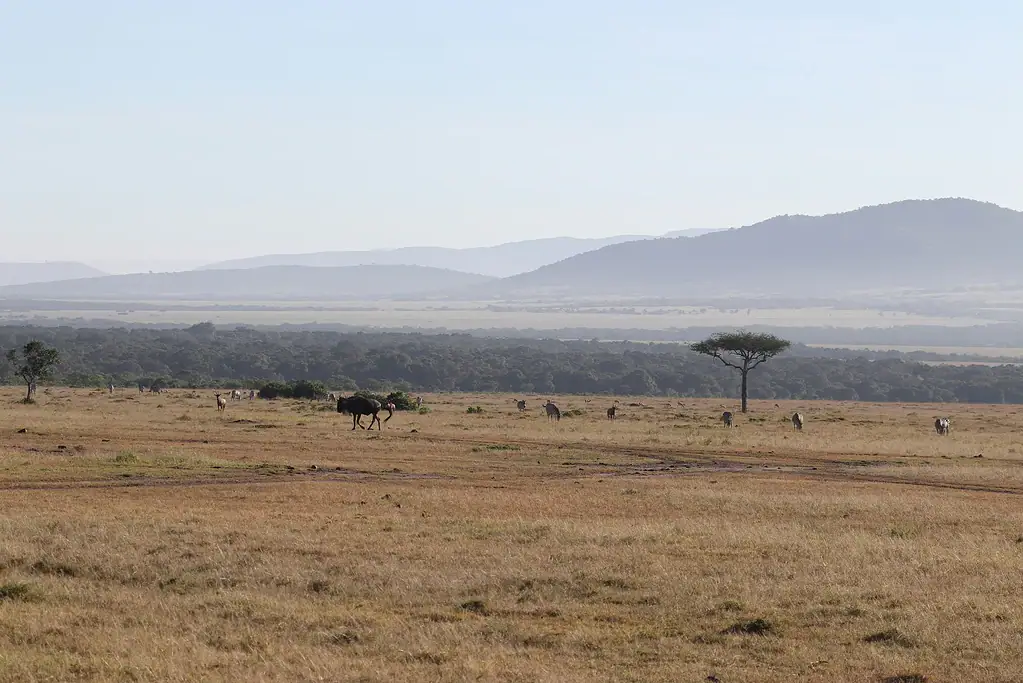
Livestock have an important place in Maasai heritage, livelihoods and social life. Knowledge of grazing, water, weather and animal movement has developed through living in this landscape. Contemporary land use also includes conservancies, settlement, schooling and other work, with different priorities across households and places.
The Mara’s wildlife story therefore includes the people who own and manage surrounding land. Conservation arrangements must work with local livelihoods. The conservancy guide explains how landowners and tourism partnerships extend wildlife habitat beyond the National Reserve.
Conservation and community enterprise
Community conservation links land use with tourism, ranger work and livelihood opportunities. Its arrangements vary by conservancy. A general claim that tourism helps communities is less useful than identifying the specific project, local participants and payment arrangement for a visit or purchase.
The Maa Trust supports community-prioritised work in education, health and livelihoods, including beadwork enterprise. Its headquarters and beading workshop receive organised visitors. A workshop visit introduces contemporary skills and work; it is different from permission to enter a private home or attend a private ceremony.
Visit with permission and clear arrangements
A cultural visit should identify the hosts, the activity, any payment and how the visit is organised. Meet people as hosts and participants, rather than treating homes as open attractions. Listen to the explanation given by the people involved and leave space for questions without demanding a performance of private life.
Use The Maa Trust’s visitor contact information to arrange its workshop experience. Other community visits have their own hosts and arrangements. Do not assume that a payment to an intermediary reaches every household or that an advertised village visit includes access to any ceremony.
Photography, purchases and personal respect
Obtain permission before photographing people or their property. Consent to a conversation or visit does not automatically include photographs, especially of children. Accept a refusal without pressure and keep the camera away where the host requests privacy.
For crafts, agree the item and price directly with the seller or the organised enterprise. Buying a piece of beadwork can be an exchange with a maker, not a licence to photograph or enter private spaces. Avoid direct gifts to children that bypass parents, teachers or the host organisation; use the community’s organised channels when supporting a project.
Continue planning your Maasai Mara safari
Explore safari packages






From USD 2,000 per person sharing



From USD 2,350 per person sharing

From USD 1,950 per person sharing

From USD 2,350 per person sharing

From USD 1,700 per person sharing

From USD 2,900 per person sharing

From USD 3,800 per person sharing
From USD 4,550 per person sharing
From USD 3,000 per person sharing
From USD 3,150 per person sharing
Plan your private Maasai Mara safari
Share your dates, party and interests with MaasaiMara.ke. We quote and book private safaris through authorised tour operator partners, with dedicated vehicles and guiding for your travelling party.