
Maasai Mara birdwatching between the big sightings
← Mara Journal / Wildlife & migration · By Maasai Mara
Maasai Mara birdwatching can begin during an ordinary game drive. You do not need a complete species list or specialist equipment to notice a bird on a branch, movement in the grass or a shape passing overhead. Start with what you can see, ask your guide for help and let the interest develop. Birds give quieter stretches of a safari their own direction.
Start your Maasai Mara birdwatching with a description
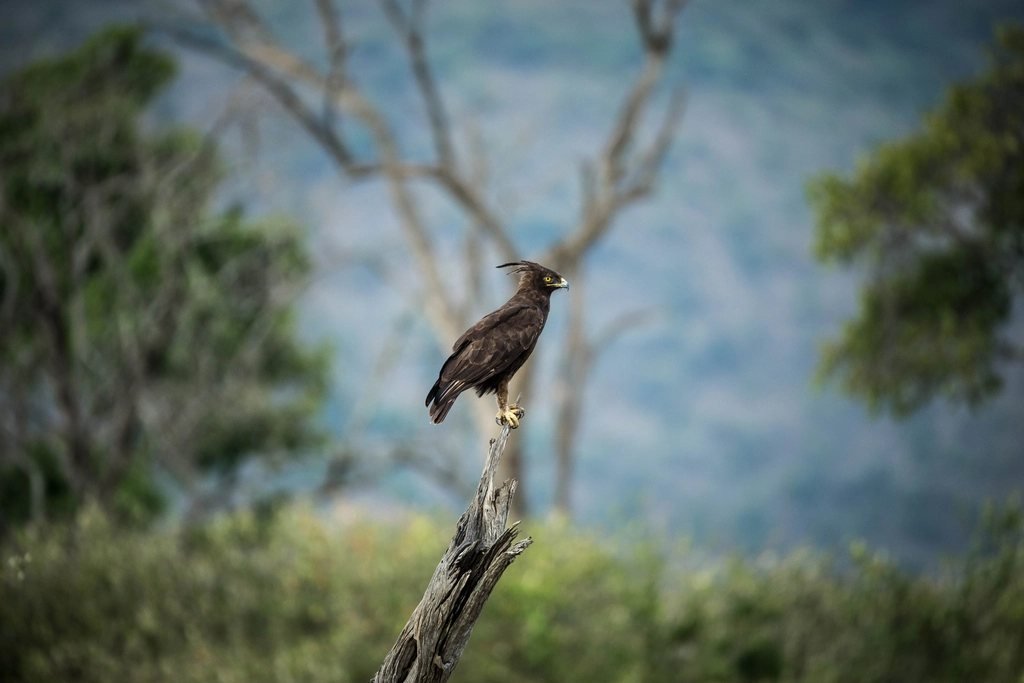
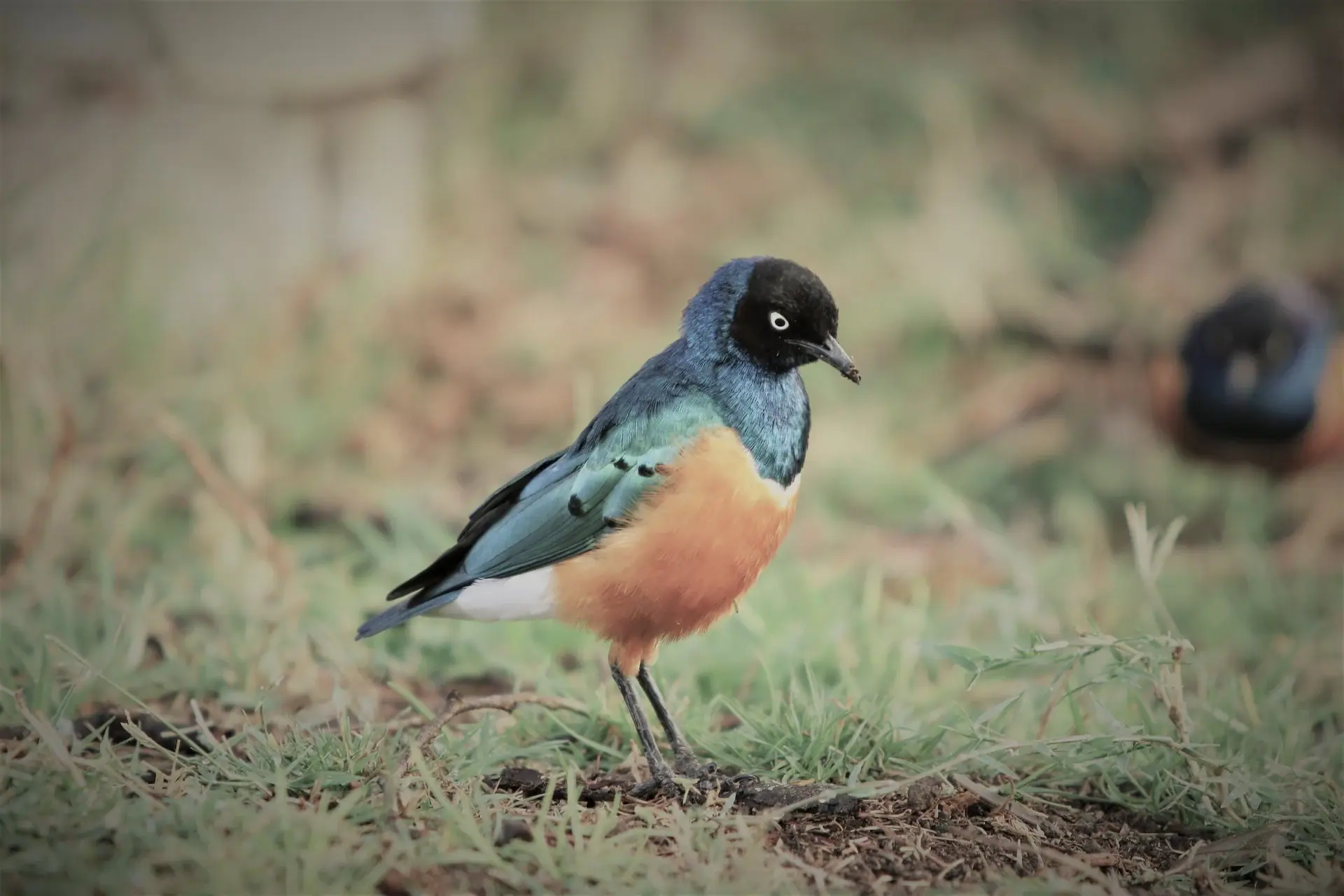
Before reaching for an identification, notice the bird’s size, outline and position. Is it on the ground, on an exposed perch or partly hidden in leaves? Look at how it moves. These observations give your guide something useful to work with, even if the bird disappears before everyone has a clear view.
Do not worry about getting a name immediately. Being able to describe a bird you have watched is a more useful beginning than collecting a name after a fleeting glimpse. If the identification remains uncertain, keep the note descriptive. A safari notebook can hold questions as well as answers.
Let the habitat widen your attention
The Greater Mara contains grassland, riverine forest, acacia woodland, scrub and wetland habitats. That variety offers different settings for watching birds. You do not need to design a special route to begin noticing the change in surroundings, though a traveller with a strong birding interest should discuss guiding and access during planning.
Avoid treating a habitat as a guaranteed species location. Vegetation and water help explain the setting, but an individual sighting still depends on what is present and visible. Our birdwatching guide provides broader planning advice, and the game-drive guide explains how an outing can follow your interests.
Ask for a pause that helps you see
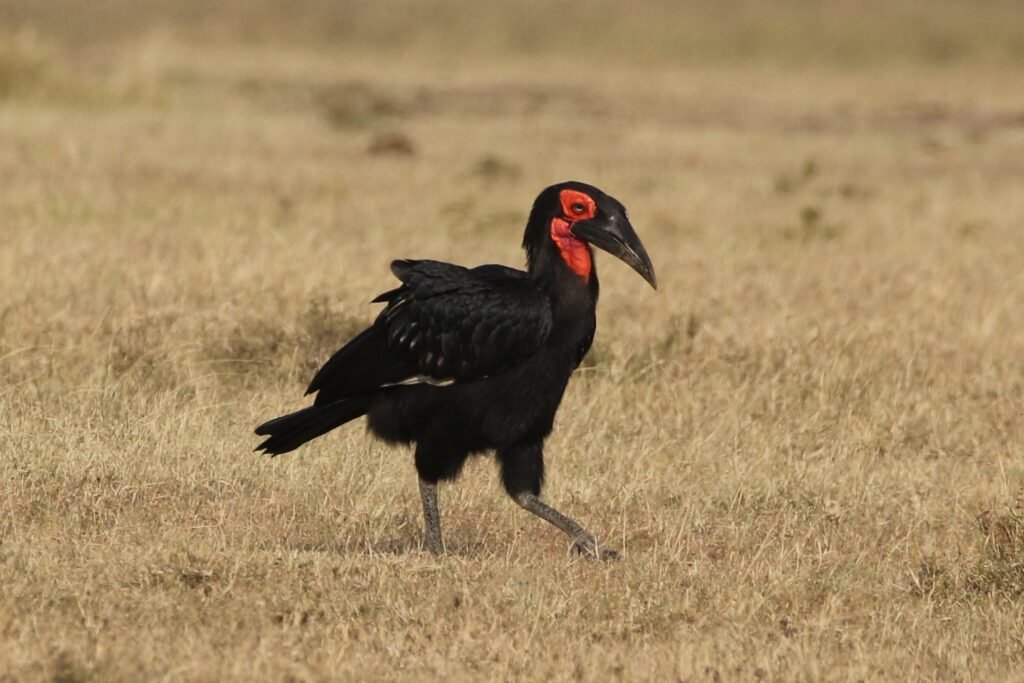
Tell the guide early that birds interest you, even if large mammals remain a priority. A short pause can give everyone time to find the same perch or follow the same movement. Use a clear landmark when pointing something out; a precise description is more helpful than a hurried gesture towards a whole tree.
Keep expectations realistic when travelling with people whose interests differ. Agree a comfortable rhythm and enjoy the opportunities that fit it. A dedicated birding emphasis should be part of the trip discussion, rather than a surprise change imposed on companions midway through a drive.
Make binoculars familiar before the safari
If you bring binoculars, practise finding an ordinary object through them before travelling. During the drive, first locate the bird with your eyes, then raise the binoculars while keeping your attention on that spot. Familiar equipment removes a small frustration that can otherwise consume the moment you hoped to enjoy.
The same principle applies to cameras. A record photograph may help with later discussion, but it should not replace watching the bird. Read the photography guide for a practical approach, and protect equipment from dust when it is not in use. Keep straps and bags contained in the vehicle.
Put the bird's welfare first
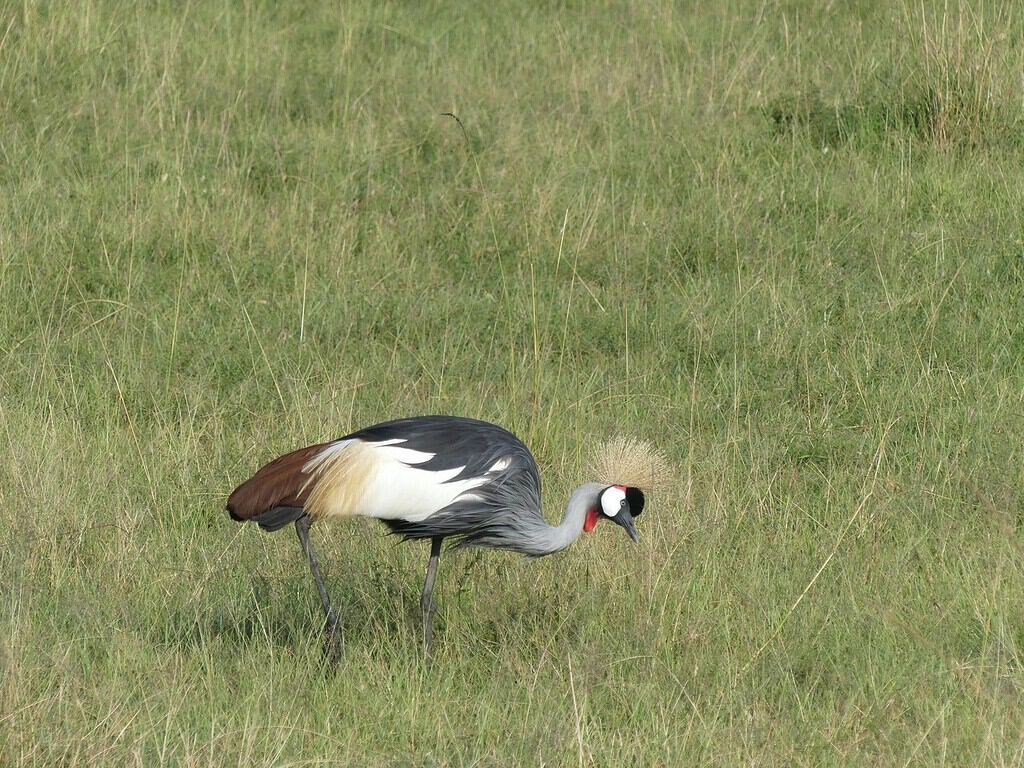
Watch from the position your guide considers appropriate. Do not use playback, bait or an approach to a nest to manufacture a sighting. Avoid removing vegetation to improve a photograph. A bird continuing its ordinary activity is a better outcome than an image obtained by making it leave a feeding or resting place.
Respect the site’s access rules as well as the bird. Seeing a promising perch does not authorise leaving the vehicle or entering a restricted area. The welfare of wildlife and habitat comes before an identification, photograph or personal list. That approach makes beginner birdwatching easier: you can enjoy the view available without chasing a better one.
Keep a small record of what interested you
After a drive, write down the description, setting and behaviour of a bird you remember. Add a name only when the identification is dependable. A photograph can support the note, but even an unfinished description may help you recognise something on a later outing.
Birdwatching changes the spaces between the sightings you expected to care about. A quiet stop becomes an opportunity to notice something rather than a delay before the next large mammal. Explore more ideas in the Mara Journal and our article about patient observation. Let curiosity, rather than a target list, decide how far the interest grows.
Explore safari packages
From USD 1,200 per person sharing
From USD 1,700 per person sharing
From USD 2,450 per person sharing
From USD 3,000 per person sharing
From USD 1,500 per person sharing
From USD 2,000 per person sharing
From USD 2,350 per person sharing
From USD 1,950 per person sharing
From USD 1,700 per person sharing
From USD 2,900 per person sharing
From USD 3,800 per person sharing
From USD 4,900 per person sharing
From USD 4,550 per person sharing
From USD 3,350 per person sharing
From USD 3,000 per person sharing
From USD 3,150 per person sharing
From USD 3,750 per person sharing
Shape a safari around your interests
Share your travel dates, travelling party and the experiences you would like to include. MaasaiMara.ke quotes and books private safaris through authorised tour operator partners.