
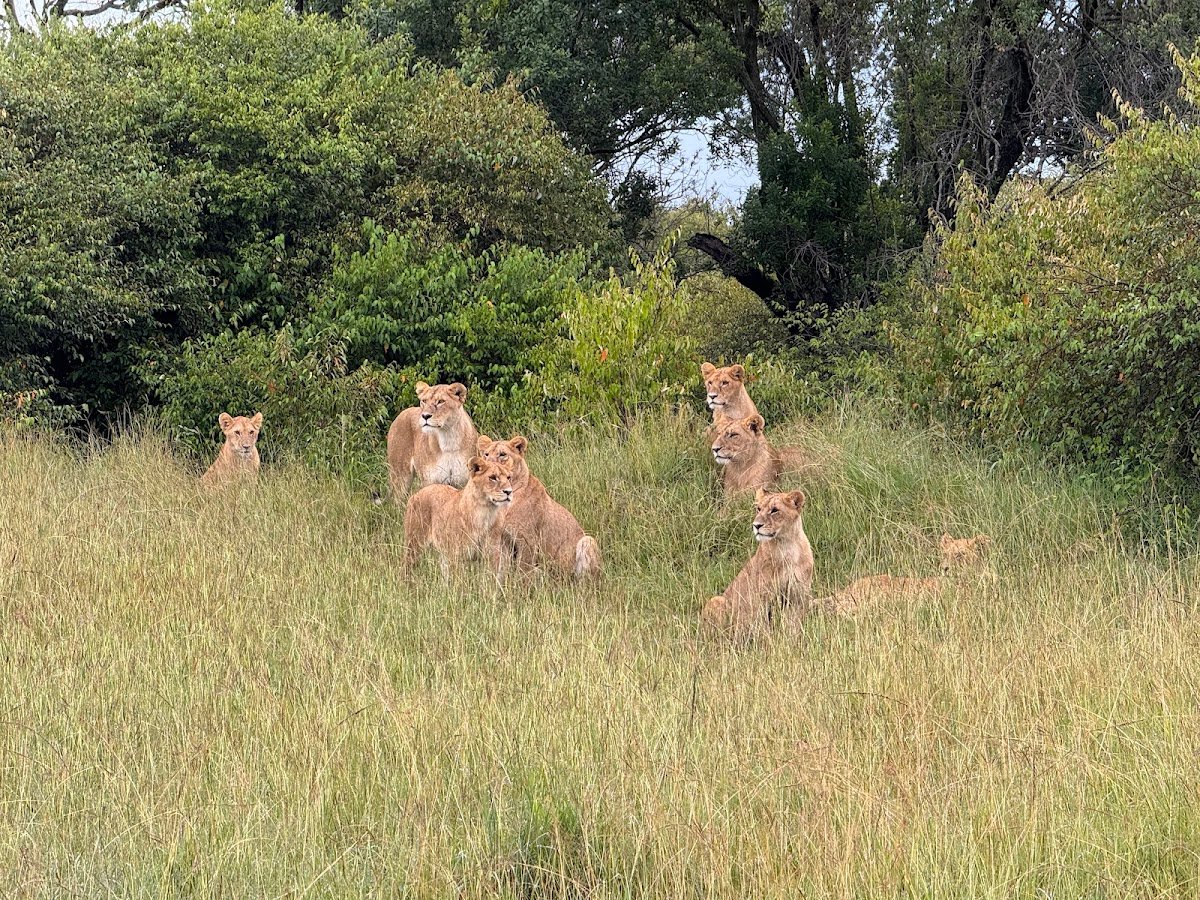
The drive back: my quiet Maasai Mara safari evening
← Mara Journal / Experiences & culture · By Maasai Mara
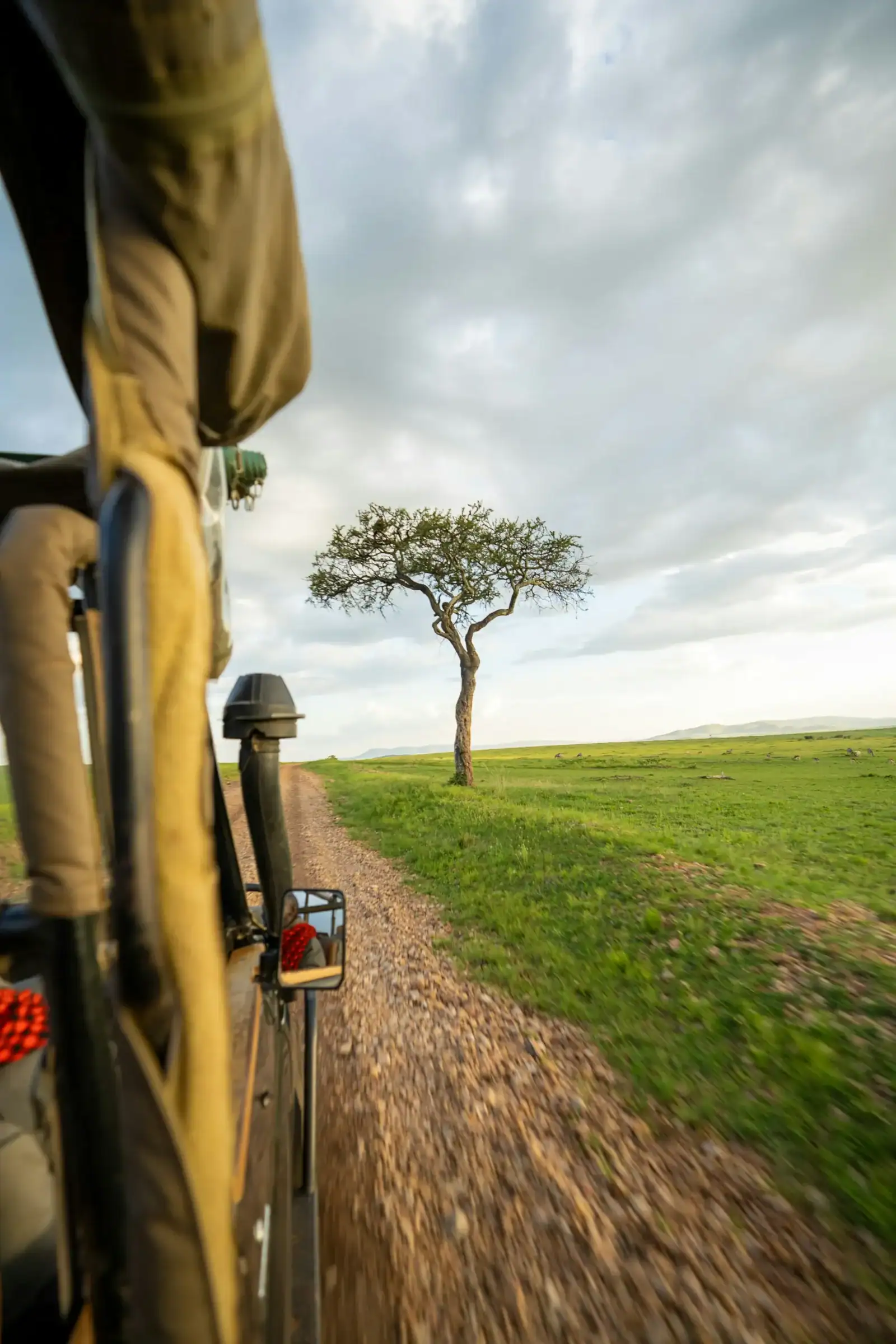
I had expected my Maasai Mara safari evening to end when we turned towards camp. I put the camera away, settled my bag between my feet and began thinking about dinner. Then I looked out again. The track was still carrying us through the same country, but I had stopped asking it to produce a sighting. That small change in attention made the return feel like a new part of the drive.
Letting my Maasai Mara safari evening unfold
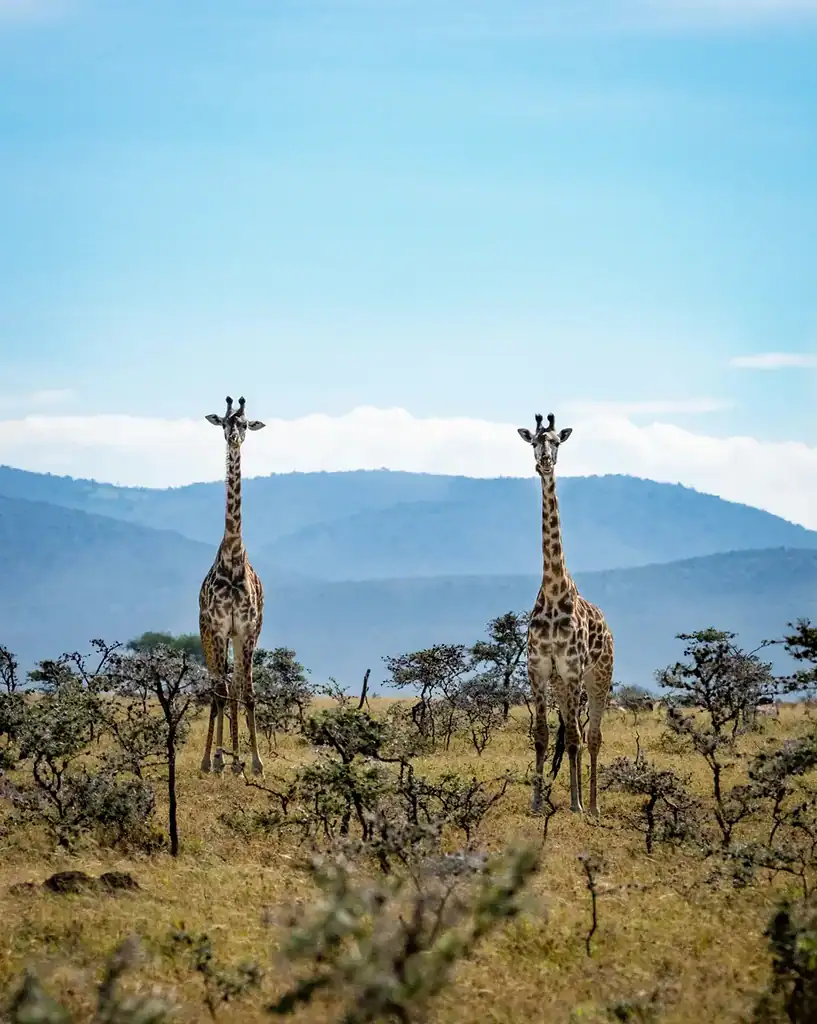
Earlier, I had been counting experiences without quite admitting it. Each stop seemed to invite a comparison with the safari I had imagined before travelling. Had I looked carefully enough? Had I missed a photograph? Had there been something more exciting around the bend we had not taken?
On the way back, those questions began to lose their hold. We were returning within the day’s agreed plan, and I did not need to propose another search. The absence of a demand made room for a different kind of looking. I watched the view pass without deciding whether it was worth stopping for.
The landscape without a subject
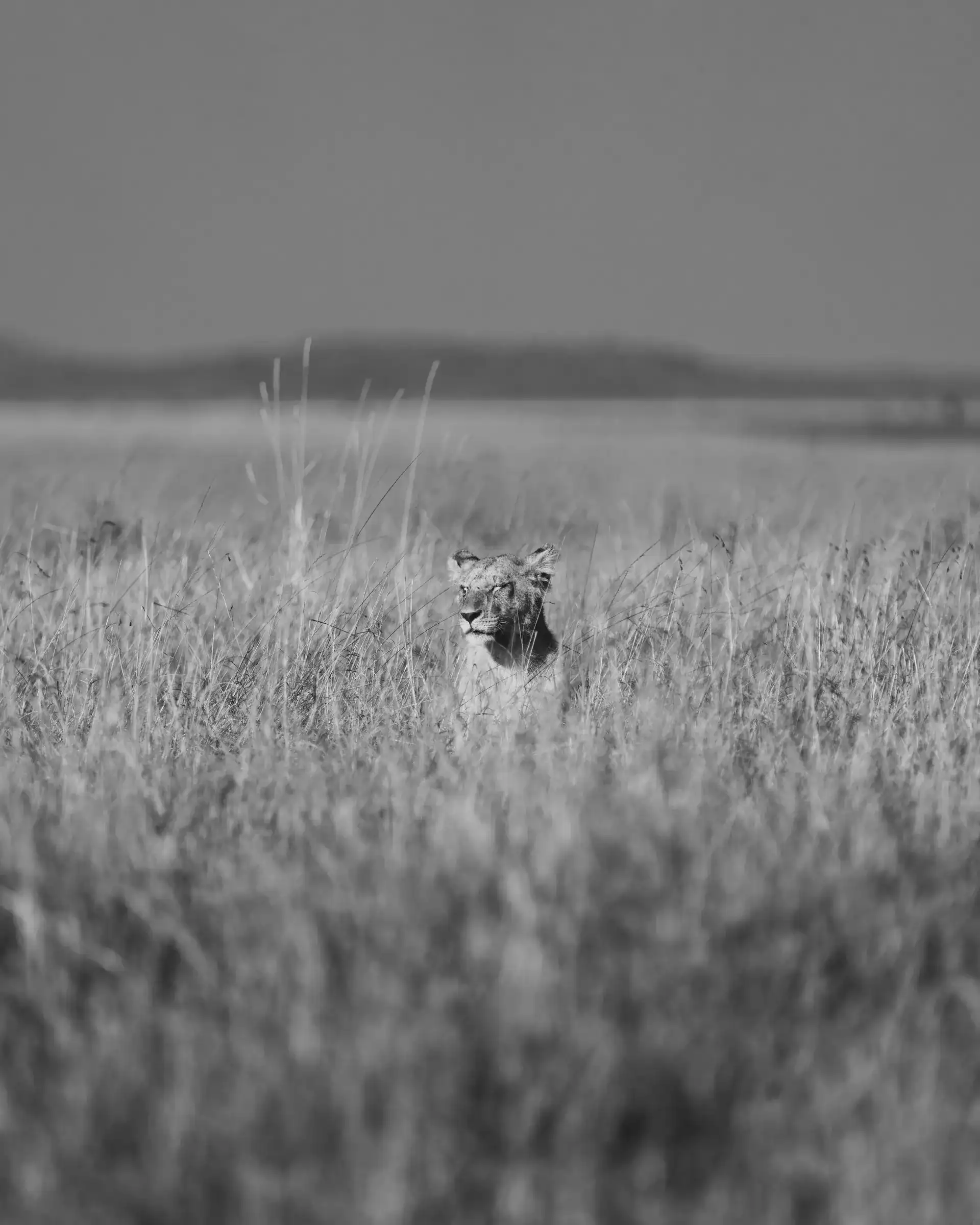
There was no single animal organising my attention. I could look at the line of the ground, the darker shapes of trees and the pale track ahead. It felt strange to realise how often I had treated these things as background. They had been part of every sighting, yet I had barely allowed them a place of their own.
I reached for the camera, then left it where it was. I did not want to make a rule about taking fewer photographs. I simply wanted this stretch of the journey to remain something I had watched directly. The memory did not need a close-up or a caption before I could keep it.
A question for the guide
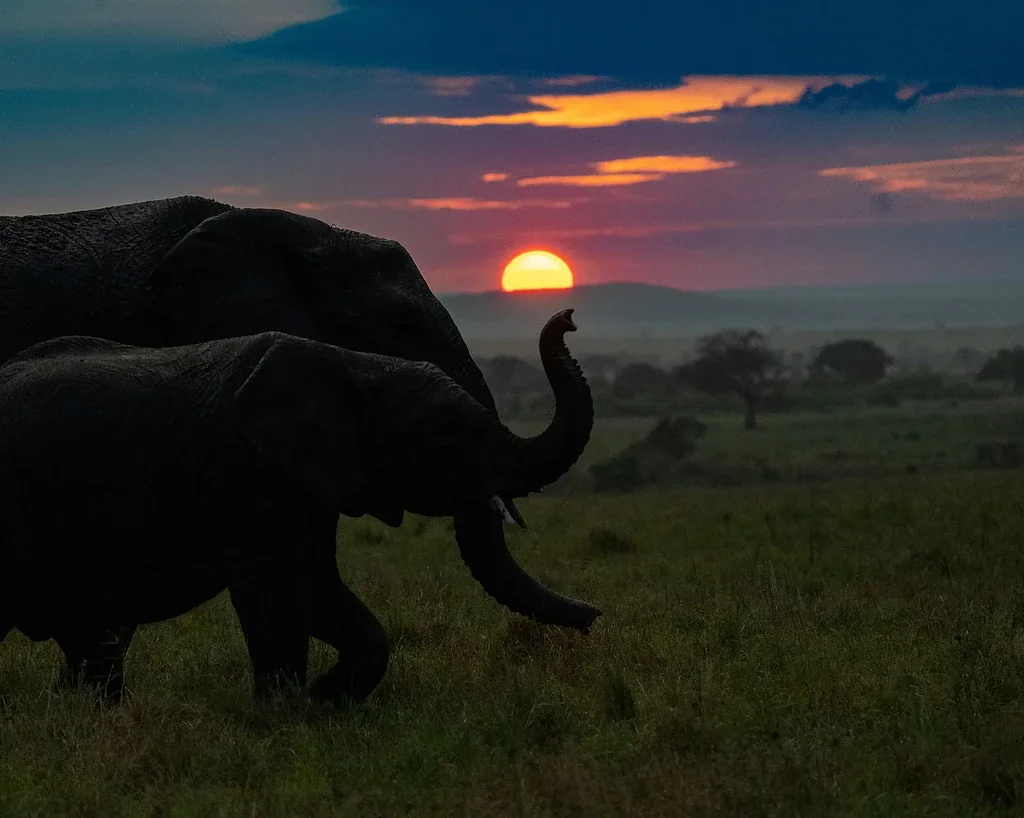
I asked how the guide remembered a landscape that, to me, still seemed full of similar tracks and distant trees. It was less a request for a navigation lesson than an admission of how little I had noticed. The question moved our conversation away from what we had seen and towards how to pay attention.
I did not write down a polished answer or try to turn the conversation into a quotation. What mattered was the shift it prompted. I began looking for the details that might make a place recognisable on another drive. The country felt less anonymous once I approached it with that simple task.
Returning without squeezing in another stop
Part of me still wanted to ask for a last detour. I understood the temptation: after travelling so far, it was easy to behave as though every unused opportunity was a loss. But the return arrangements were part of the safari too, and I let the guide manage them without asking the day to stretch beyond its plan.
The quiet return did not make the outing smaller. It gave the earlier moments somewhere to settle. I could remember what I had actually watched rather than immediately replacing it with a new objective. Our first game-drive article explores that kind of pacing from a practical point of view.
Camp came back into focus
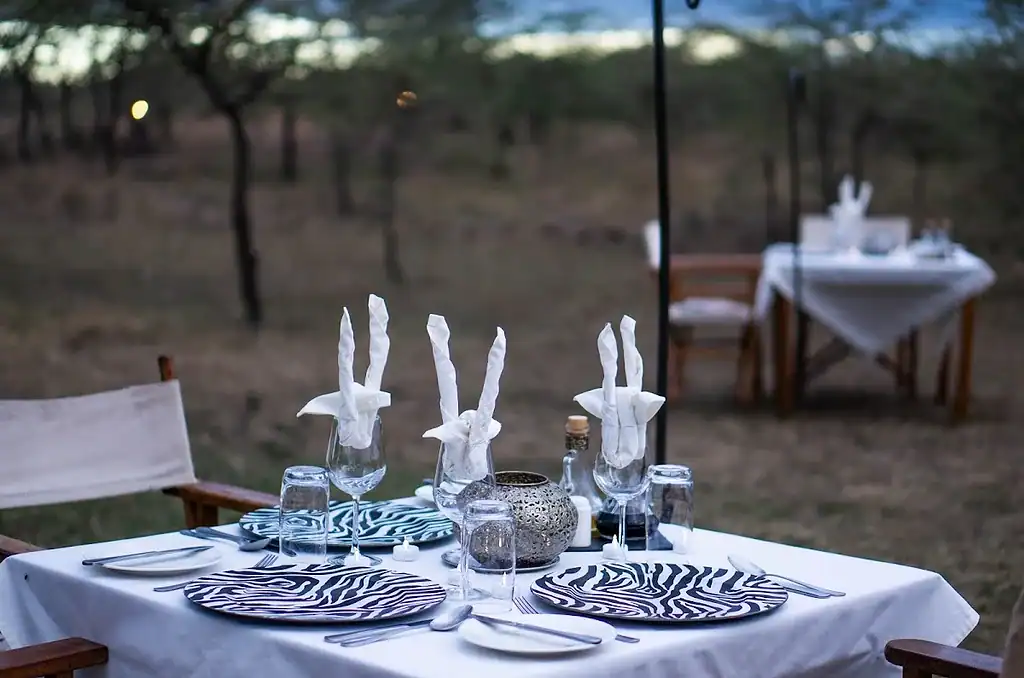
Back at camp, ordinary things felt welcome: putting the bag down, finding a comfortable seat and remembering the questions I had meant to ask. I followed the camp team’s movement instructions and let the evening take its own shape. The adventure did not require another activity to remain interesting.
When I looked through the photographs later, I noticed the gaps between them. Those gaps held parts of the drive I had enjoyed without recording. I made a short note about the return so that the quiet ending would not disappear behind the more obvious images. It belonged to the day just as much as the stops did.
Planning an evening with room to enjoy it
For a real trip, discuss the return plan, camp routine and your party’s comfort with the safari team. Do not assume that an evening drive includes a night drive or a sundowner stop. Those are separate arrangements where authorised, and the Reserve and conservancies do not have interchangeable activity rules.
Read the game-drive guide, the bush dining guide and the conservancies guide for the practical distinctions. Find more in the Mara Journal. In this story, the lasting moment was the decision to stop demanding one more highlight and enjoy the journey already unfolding.
Explore safari packages
From USD 1,200 per person sharing
From USD 1,700 per person sharing
From USD 2,450 per person sharing
From USD 3,000 per person sharing
From USD 1,500 per person sharing
From USD 2,000 per person sharing
From USD 2,350 per person sharing
From USD 1,950 per person sharing
From USD 1,700 per person sharing
From USD 2,900 per person sharing
From USD 3,800 per person sharing
From USD 4,900 per person sharing
From USD 4,550 per person sharing
From USD 3,350 per person sharing
From USD 3,000 per person sharing
From USD 3,150 per person sharing
From USD 3,750 per person sharing
Shape a safari around your interests
Share your travel dates, travelling party and the experiences you would like to include. MaasaiMara.ke quotes and books private safaris through authorised tour operator partners.