
Reading the Maasai Mara landscape on a game drive
← Mara Journal / Wildlife & migration · By Maasai Mara
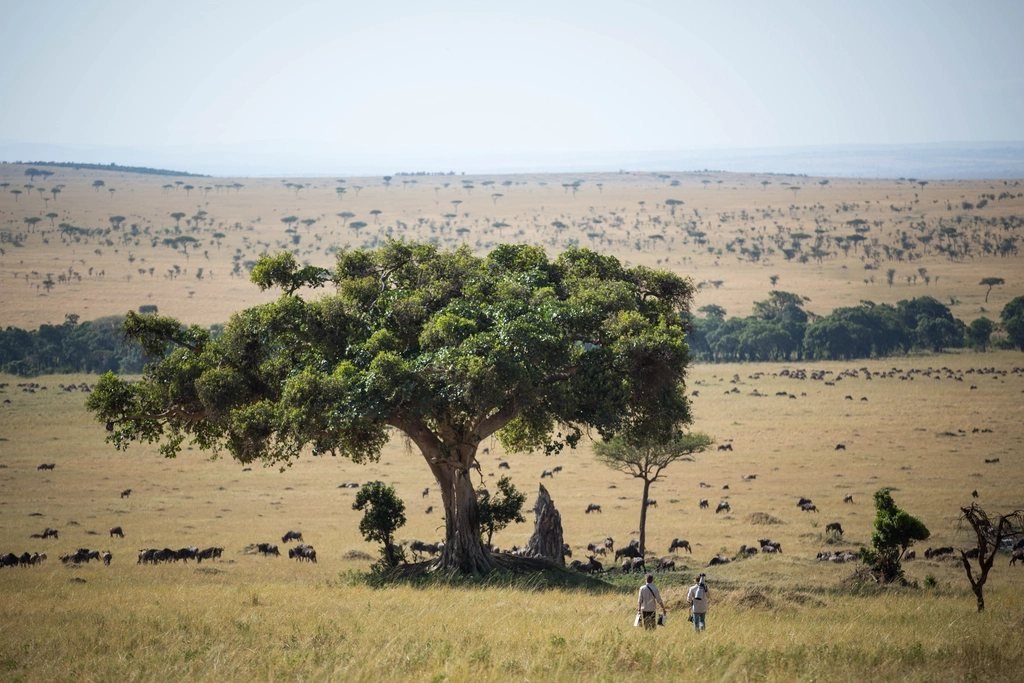
A Maasai Mara landscape is more than the space between wildlife sightings. Grassland, woodland, riverine forest and wet areas give a game drive its changing character. Learning to notice those transitions makes the journey more absorbing, even when no large animal is close to the vehicle. Start by looking at the setting, then let your guide help you understand what is happening within it.
Reading the Maasai Mara landscape
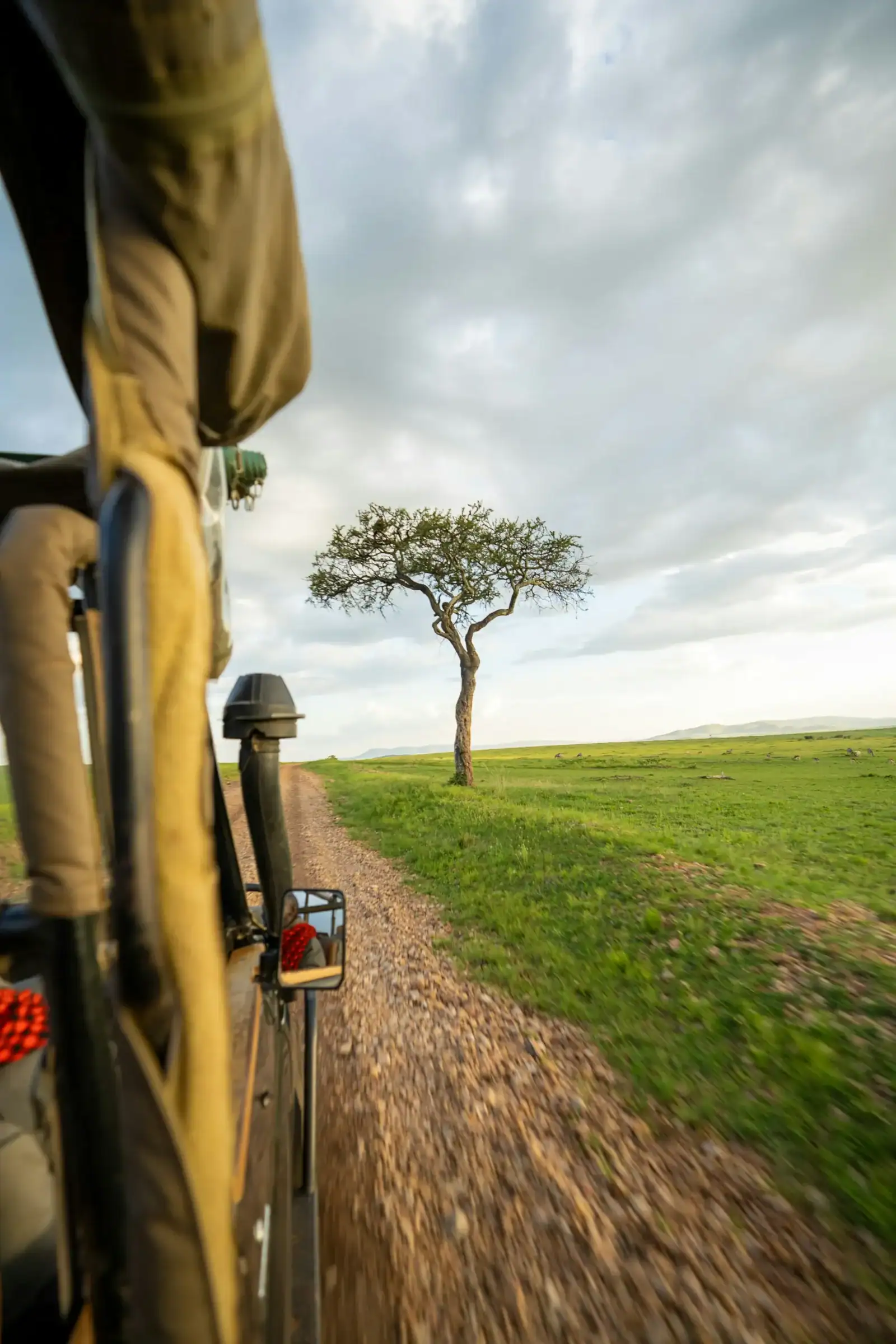
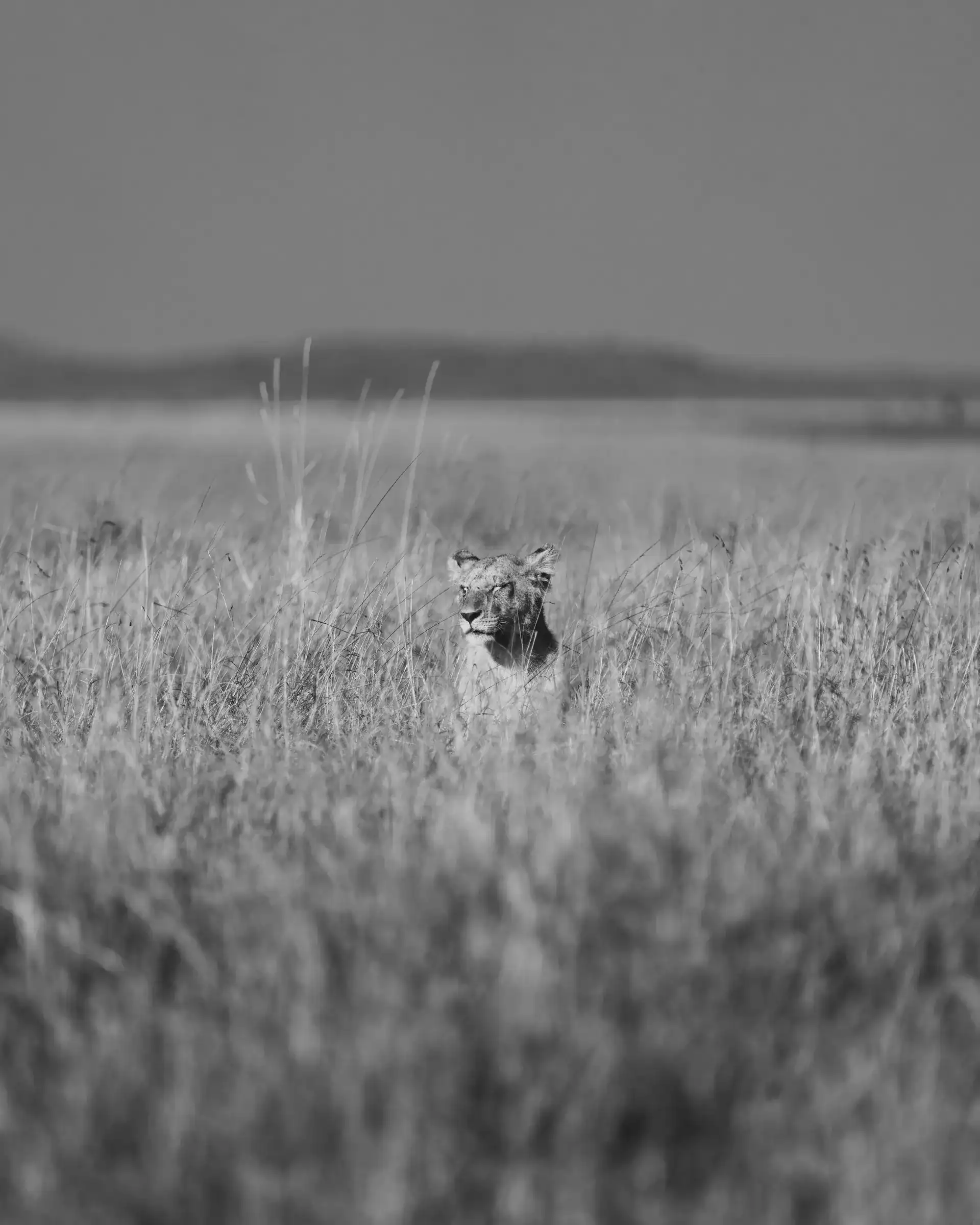
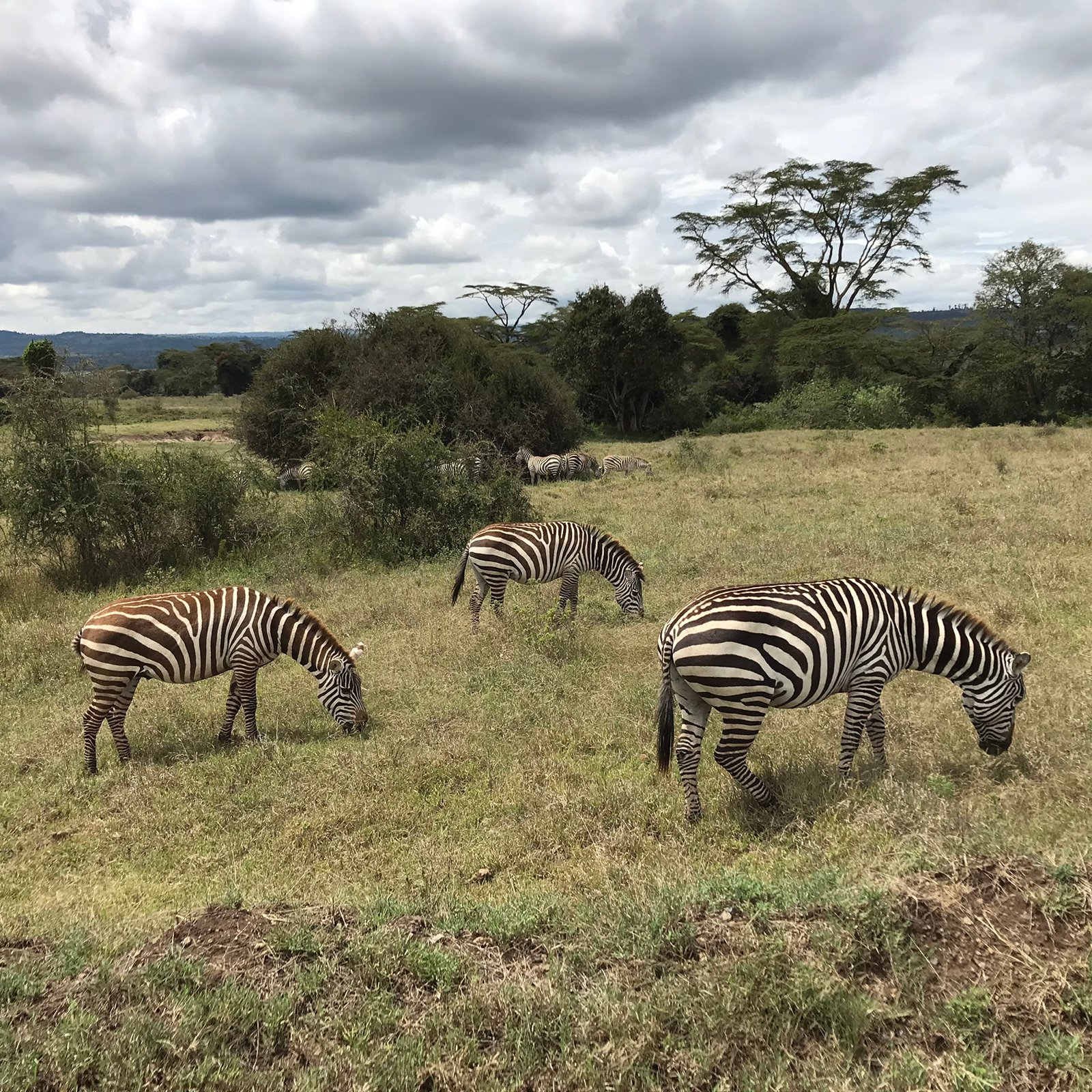
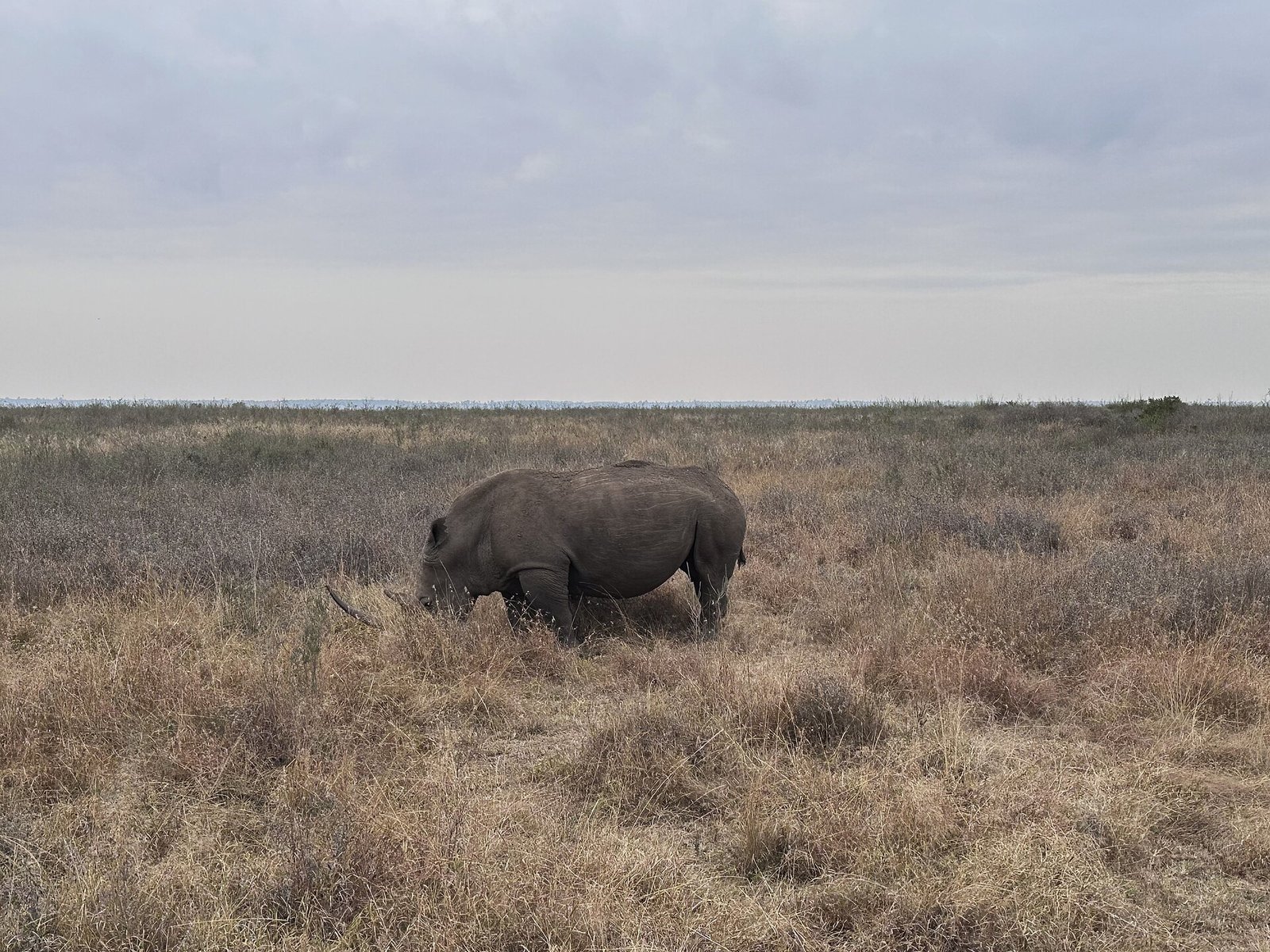
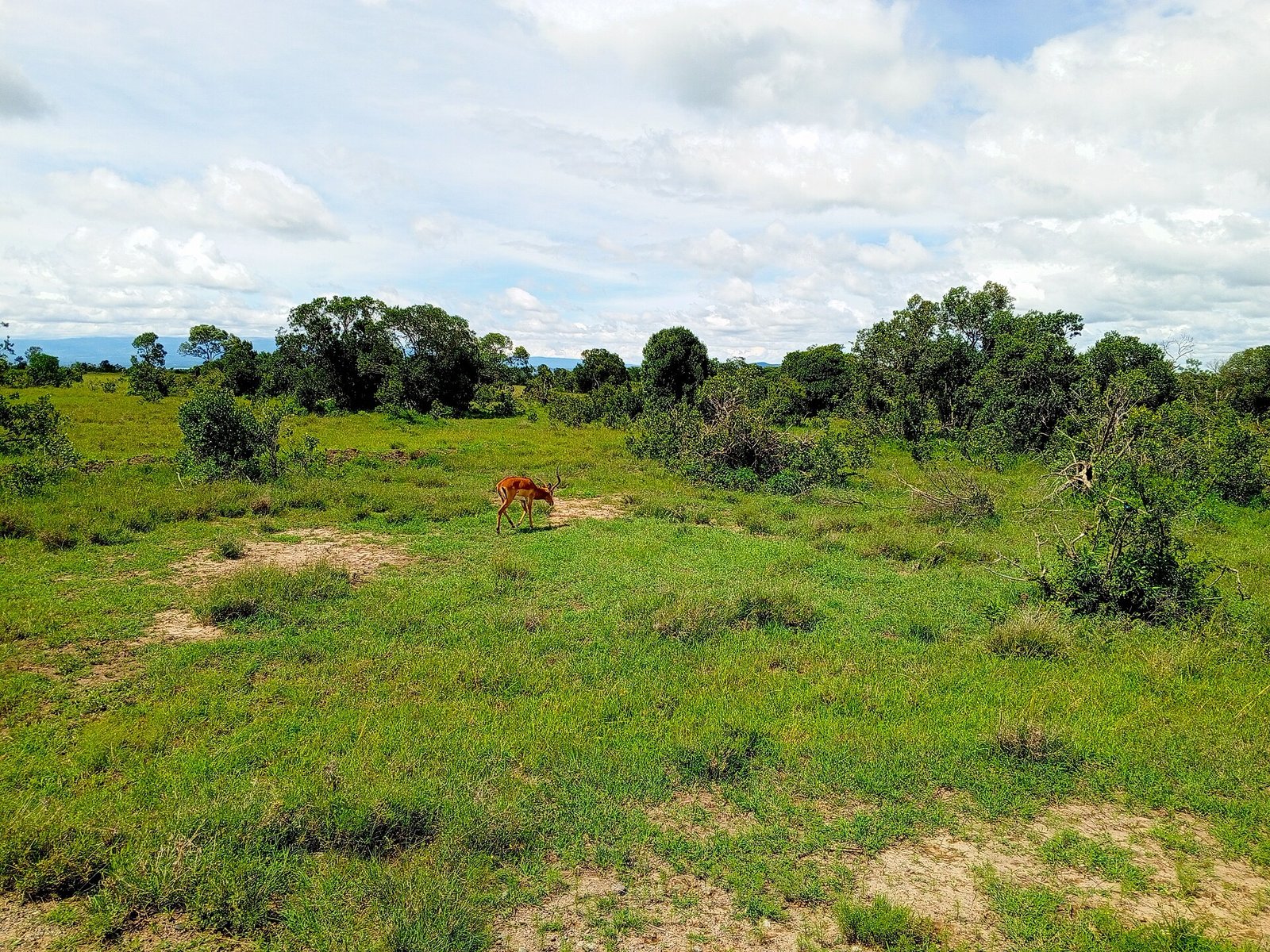
It is tempting to treat the open plains as a search screen: scan for an animal, take a photograph and move on. Try a wider view. Notice how the ground rises, where the vegetation becomes thicker and how a line of trees interrupts the grass. These details give the landscape structure before a guide has named anything in it.
Ask for an explanation of the area you are travelling through. A useful question is what makes this stretch of habitat different from the one behind you. That opens a conversation about the place itself without demanding a prediction of where an animal will appear. The guide’s knowledge becomes part of the experience rather than simply a means of finding the next sighting.
Recognise a changing habitat
The Greater Mara includes open rolling grassland, riverine forest, acacia woodland, scrub and wetlands. A drive can therefore contain very different settings without feeling like a move to a different destination. Keep watching as the vehicle leaves open ground or approaches denser cover; the visual change is worth noticing in its own right.
These are habitat descriptions, not a promise of sightings. A riverbank does not guarantee a predator, and a seemingly empty plain is not evidence that a drive has failed. Read the game-drive guide for the practical structure of an outing, then give the landscape room to surprise you within that plan.
Watch a scene before naming it
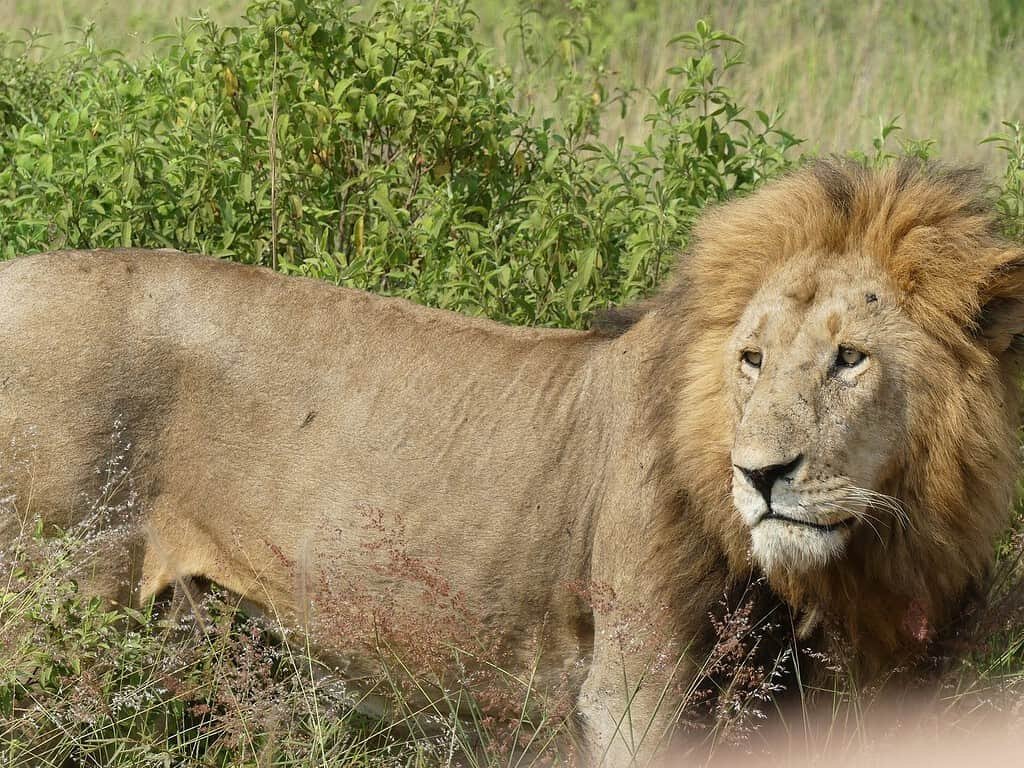
At a stop, try describing what you can actually see before asking for an interpretation. Is an animal standing, feeding or moving? Is it alone or near others? Is your view partly hidden by grass? Separating observation from explanation helps you follow the guide’s reasoning and avoids turning a brief glimpse into an elaborate story unsupported by the sighting.
This approach works for children and adults alike. Everyone can contribute an observation without needing specialist knowledge. If the identification or behaviour remains uncertain, leave that uncertainty intact. A safari is more interesting when a question leads to closer attention than when every moment has to produce a definite answer.
Give the photograph a setting
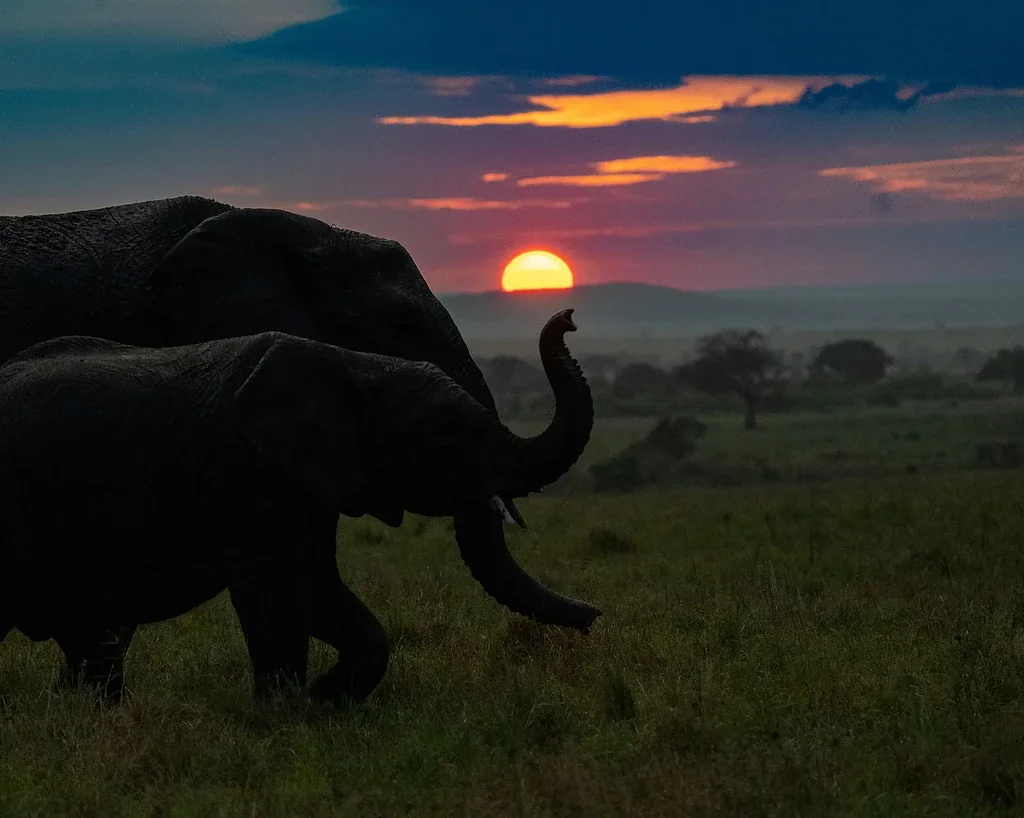
An animal portrait and a landscape photograph tell different parts of the same story. Include the slope, trees or surrounding grass when those details explain what caught your attention. You do not need a particular lens to begin thinking this way; use familiar equipment and work with the view available from the permitted vehicle position.
Avoid asking the driver to leave an authorised route merely to improve the background. Read our wildlife photography guide for a practical approach to equipment and light. During the drive, a quieter moment with the camera lowered may help you notice the scene you want to remember.
Make room for the quieter stretches
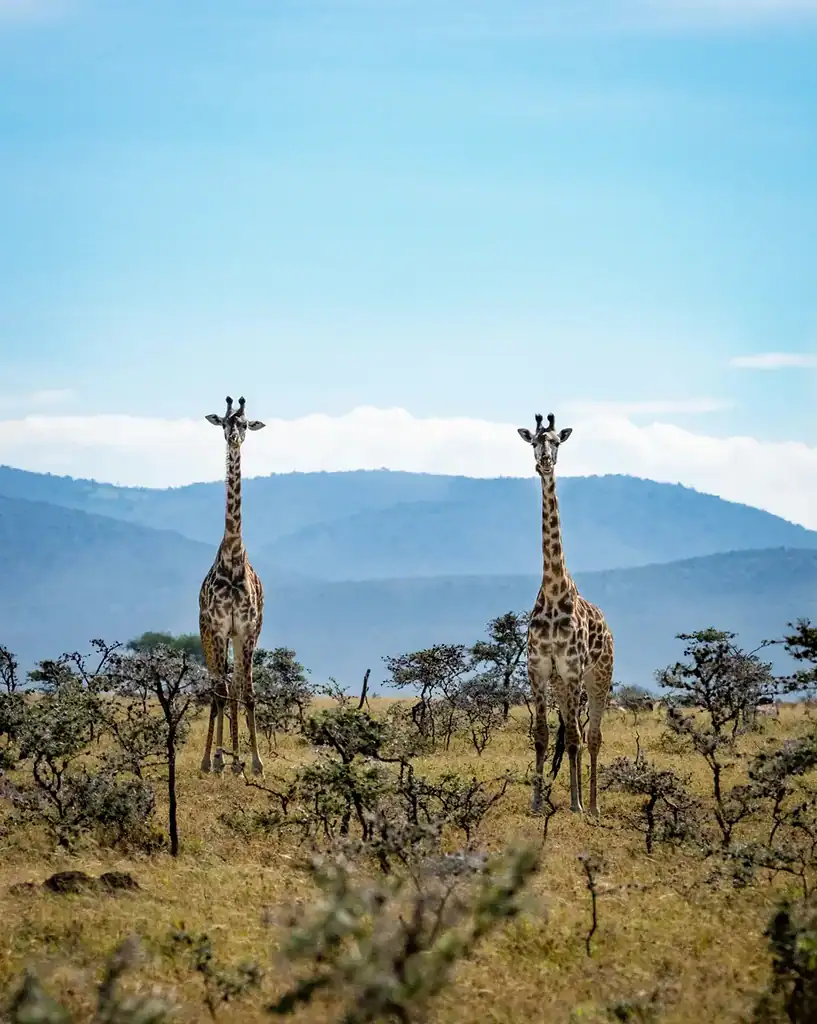
Tell your guide that landscape and habitat interest you. That simple preference gives the drive a broader purpose, especially when travelling companions enjoy different things. A birdwatcher, a photographer and someone happy to sit and look can all find something in the same stretch of country without pursuing an identical checklist.
Choose a rhythm that leaves time to look. Our story about patient wildlife photography explores this slower approach, while the packing guide helps keep the vehicle space comfortable. A light, organised day bag is easier to manage than equipment spread across the seats.
Carry a better question into the next drive
When you return to camp, note a habitat change you noticed and a question it raised. You might want to understand the wooded section of a route, compare a different area or revisit a view in different light. These are useful interests to share when discussing the next outing.
The reward is a more connected journey. Instead of remembering isolated animals against an anonymous background, you begin to remember places: a sweep of open ground, a shaded edge, a track that revealed a different view. Explore more practical stories in the Mara Journal, then let your next drive begin with the landscape.
Explore safari packages
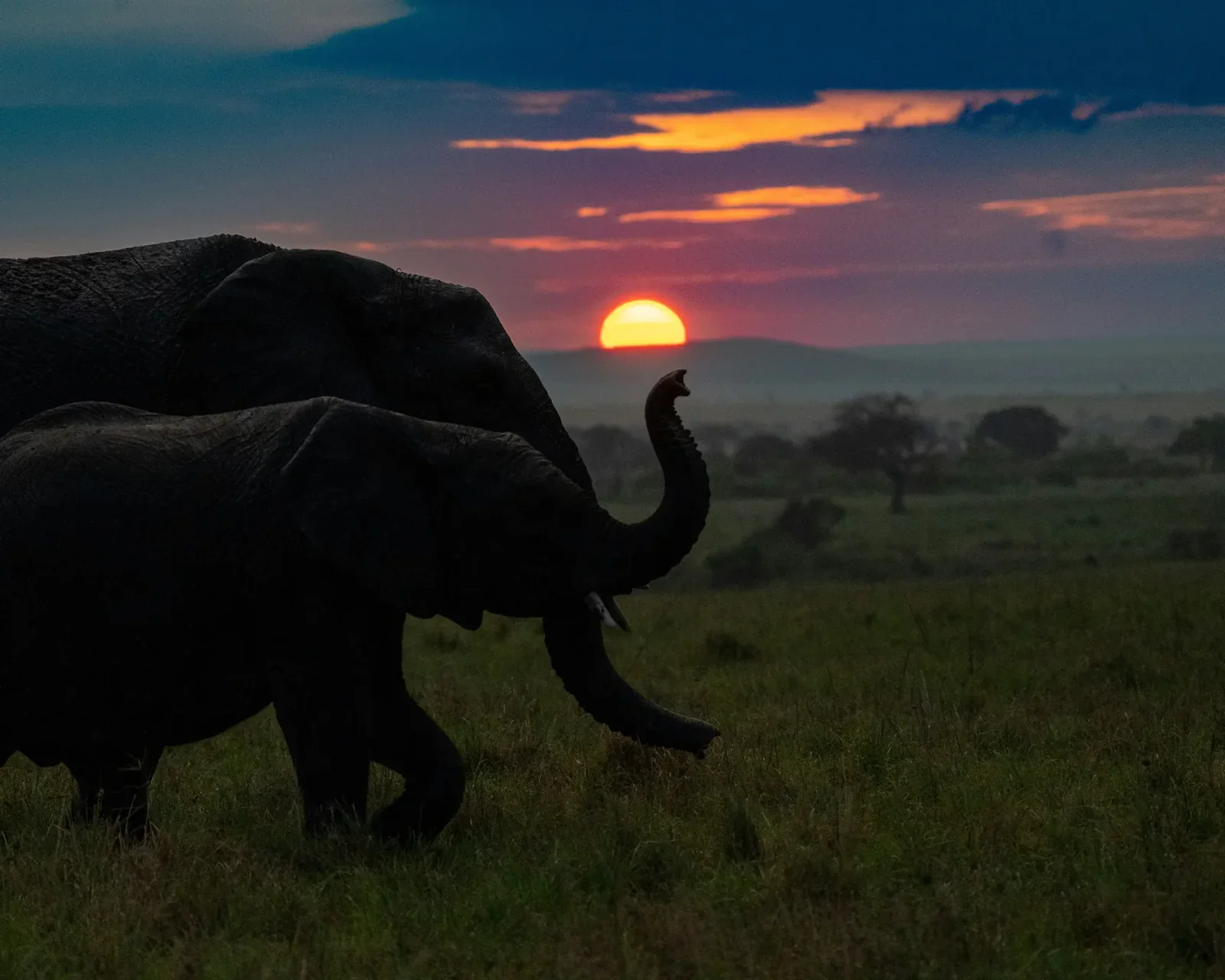
From USD 1,200 per person sharing
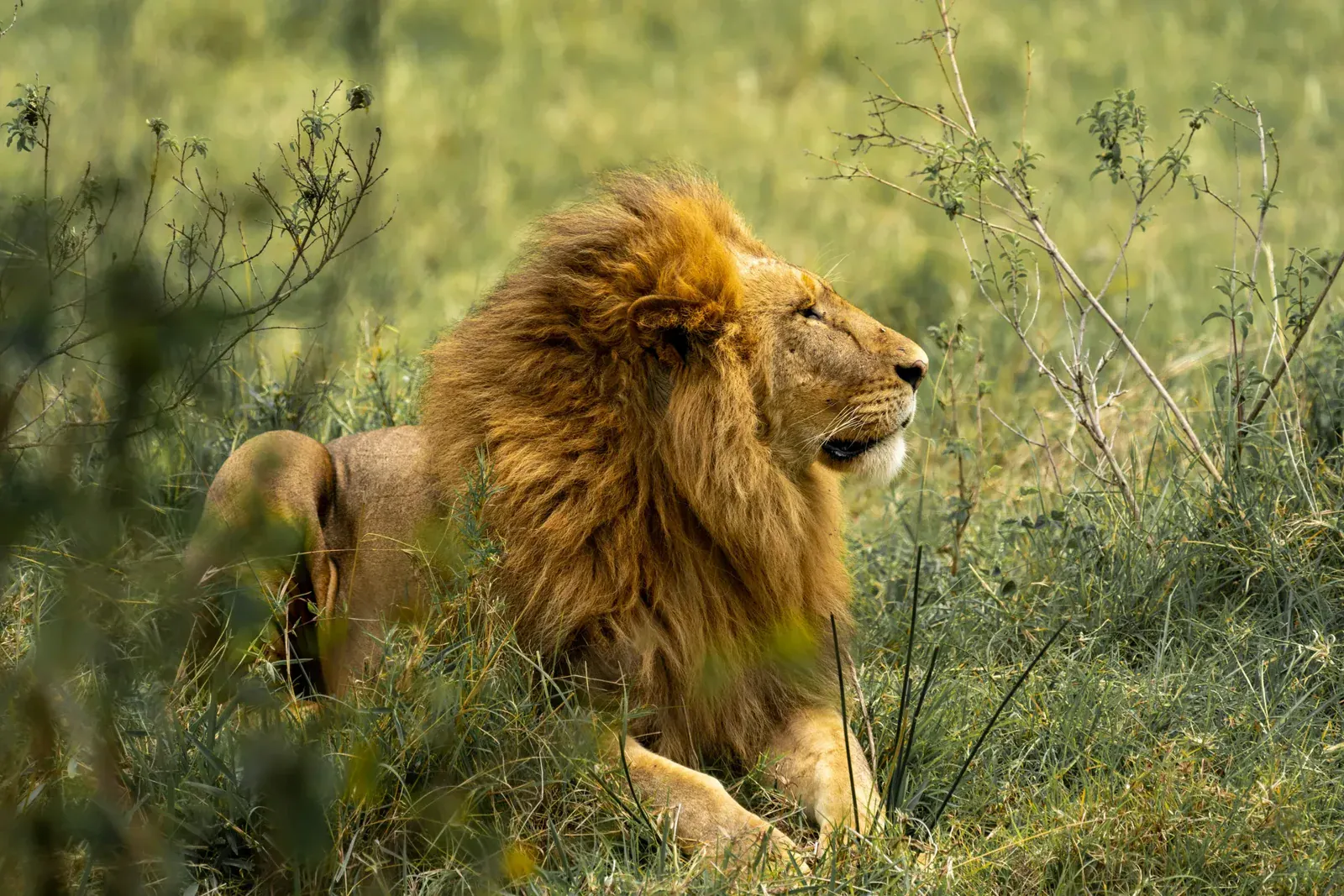
From USD 1,700 per person sharing
From USD 2,450 per person sharing
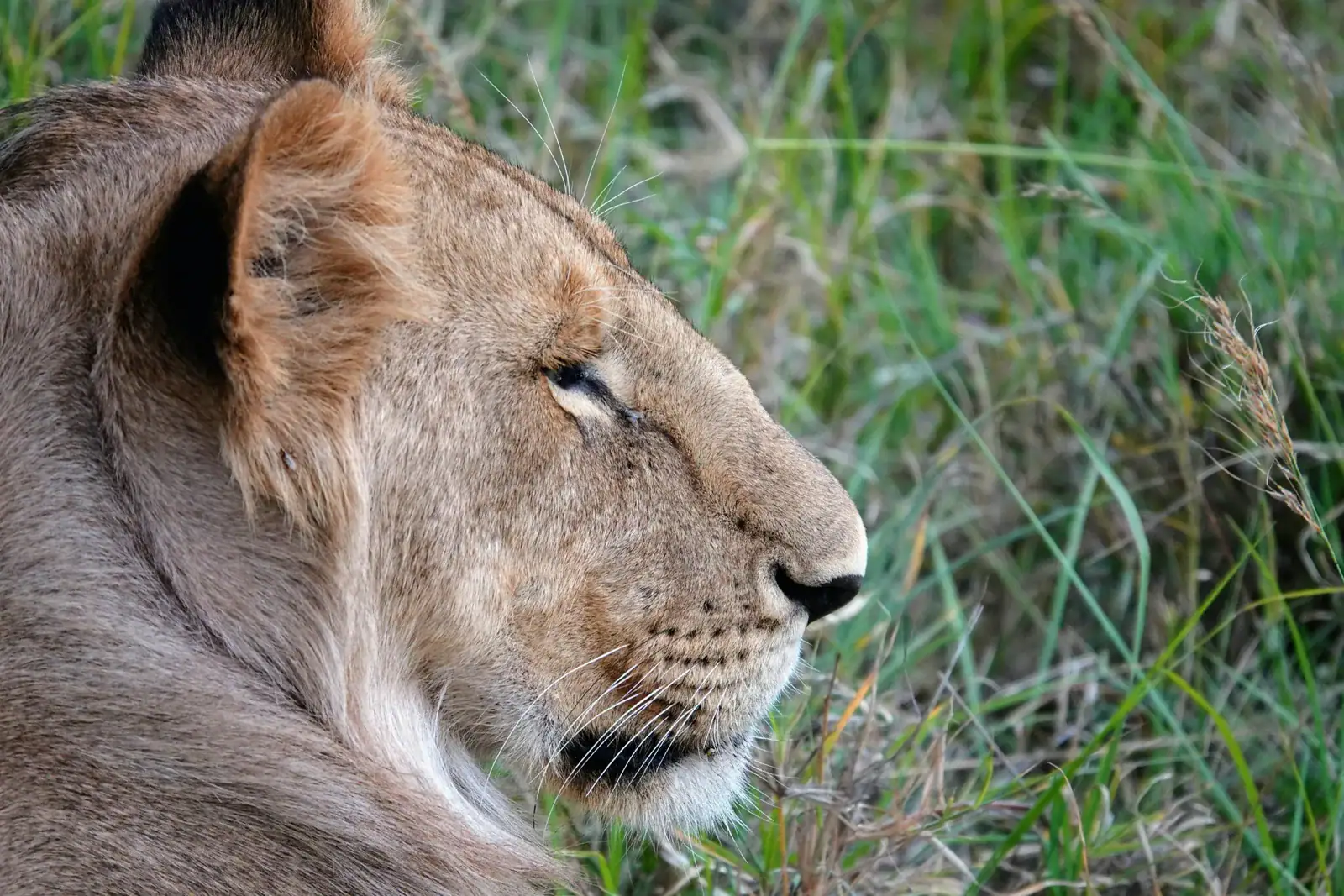
From USD 3,000 per person sharing
From USD 1,500 per person sharing
From USD 2,000 per person sharing
From USD 2,350 per person sharing
From USD 1,950 per person sharing
From USD 1,700 per person sharing
From USD 2,900 per person sharing
From USD 3,800 per person sharing
From USD 4,900 per person sharing
From USD 4,550 per person sharing
From USD 3,350 per person sharing
From USD 3,000 per person sharing
From USD 3,150 per person sharing
From USD 3,750 per person sharing
Shape a safari around your interests
Share your travel dates, travelling party and the experiences you would like to include. MaasaiMara.ke quotes and books private safaris through authorised tour operator partners.