
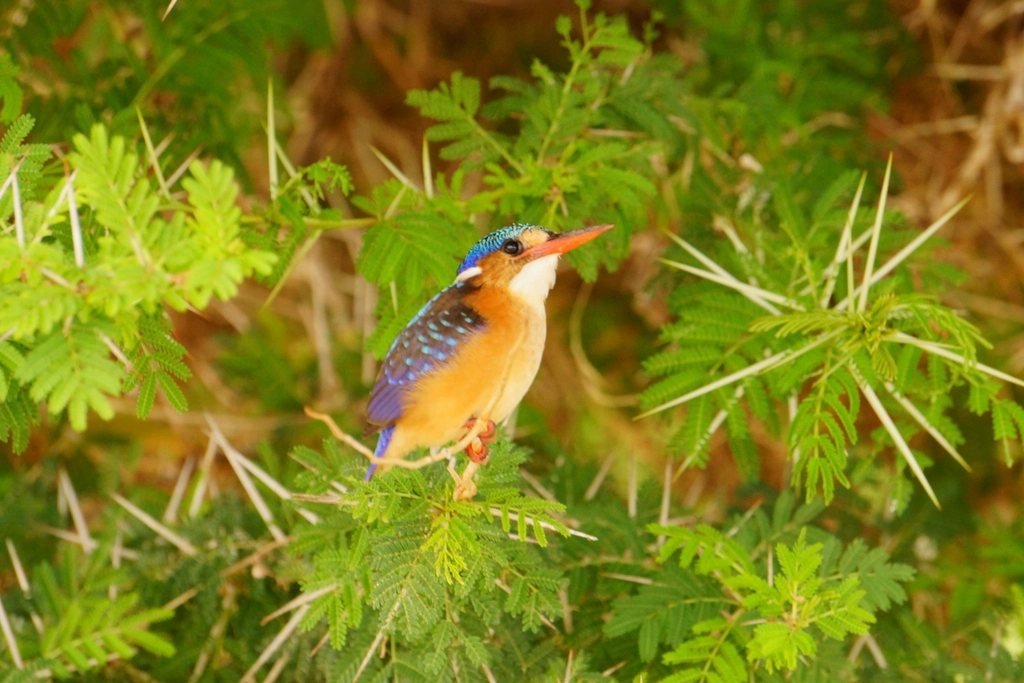
Maasai Mara birds occupy grassland, river margins, woodland and wetlands. Raptors, vultures, rollers, bee-eaters and waterbirds add a distinct layer to a safari. Birdwatching works best when the guide knows it is a priority and allows time for careful identification.
Birds of the Maasai Mara at a glance
Grassland
Watch terrestrial birds and raptors over open country.
Water and woodland
River edges and trees support different bird communities.
Identification
Use shape, behaviour, plumage and call together.
Read the habitat before compiling a list
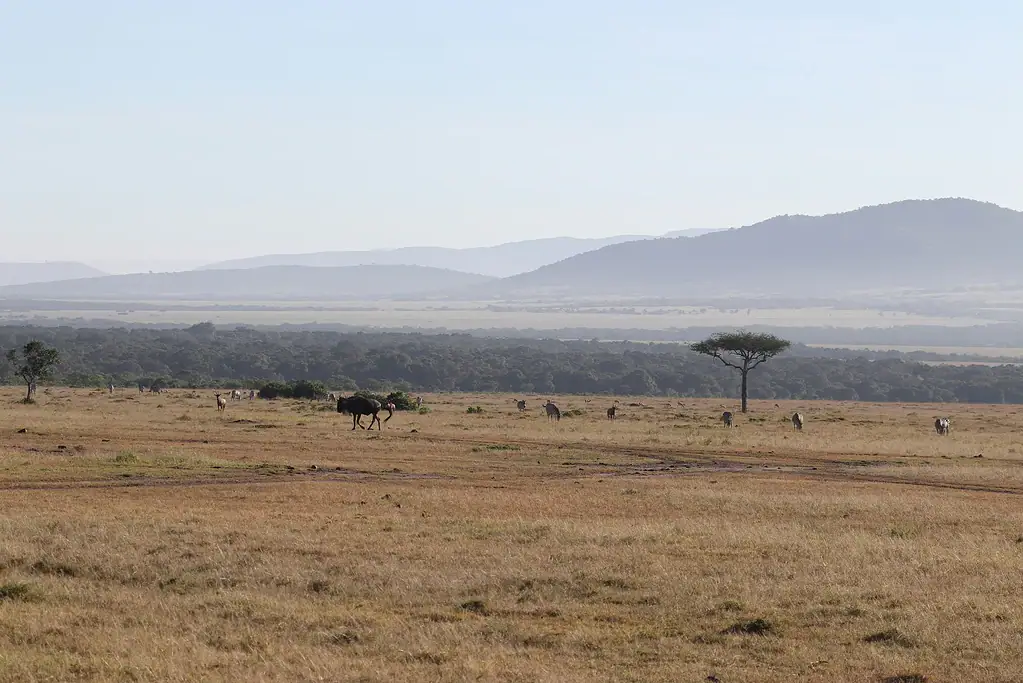
The Mara’s bird interest comes from its varied habitats as well as its mammals. Scan grassland for birds on the ground, trees for perched species and river margins for water-associated birds. A route chosen only to reach a big-cat sighting can pass through those habitats without giving enough time to observe them.
Raptors and scavengers reveal activity
Raptors occupy different feeding roles, and vultures are an important part of the scavenger community. A group in the sky is a reason to look carefully, not proof of a predator kill directly below. Identification uses wing shape, flight, plumage and behaviour; distant silhouettes sometimes remain unidentified without better views.
A birding drive has a different rhythm
Tell the guide that stopping for small birds and listening to calls matter to the party. Binoculars make identification easier without approaching nests or leaving the vehicle in unauthorised places. A camera record helps later checking, but prolonged pursuit of a single bird should not displace considerate viewing.
Seasonal variety needs accurate records
Resident birds form part of the Mara’s wildlife, while seasonal movements change the mix. Different published checklists use different boundaries and records, so this guide does not present a disputed total as a complete current list. Record the actual place, date and identification evidence for the birds you observe, especially unusual sightings.
Keep nesting and feeding undisturbed
Do not use playback, approach nests or feed wild birds to obtain a picture. Follow the guide’s position and avoid crowding a perch. A distant view with an identification explanation is more useful than a disturbed close view. The same principles apply at camp, where birds remain wild even around paths and dining areas.
Build a wildlife-focused stay
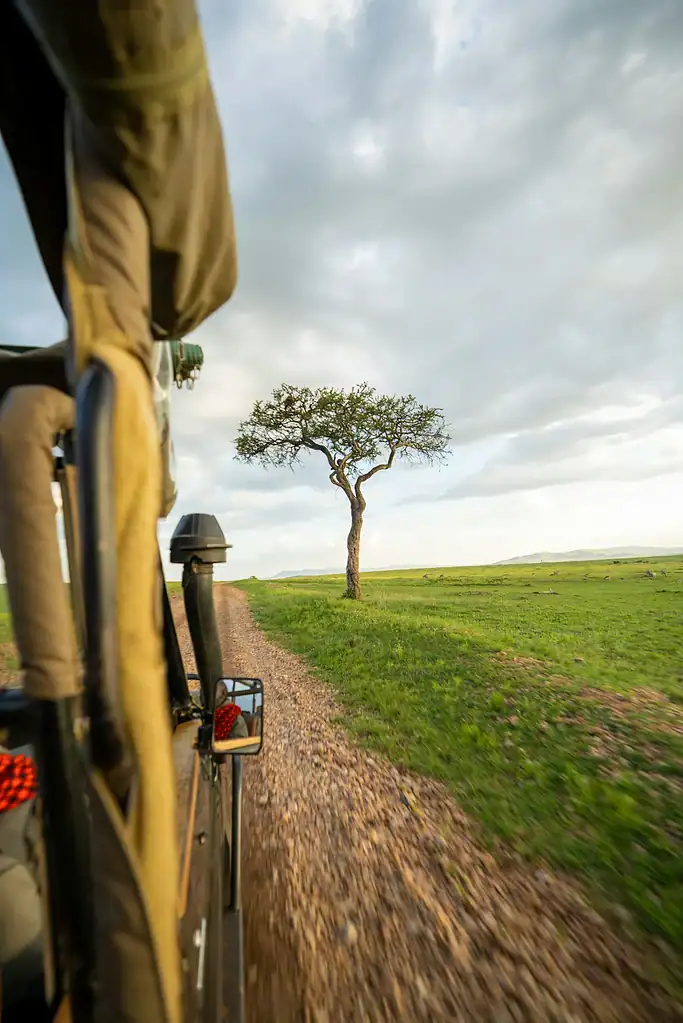
Combine this interest with the wider Maasai Mara wildlife guide and allow time to revisit suitable habitat. The stay-length guide separates nights from full wildlife days. Extra time creates flexibility; it does not establish a numerical probability of a sighting.
Continue planning your Maasai Mara safari
Book the correct arrival service
For a flight-based stay, use the airline’s airstrip and baggage information for the booked service. The correct strip follows the named camp and collection arrangement.
Explore safari packages






From USD 2,000 per person sharing



From USD 2,350 per person sharing

From USD 1,950 per person sharing

From USD 2,350 per person sharing

From USD 1,700 per person sharing

From USD 2,900 per person sharing

From USD 3,800 per person sharing
From USD 4,550 per person sharing
From USD 3,000 per person sharing
From USD 3,150 per person sharing
Plan your private Maasai Mara safari
Share your dates, party and interests with MaasaiMara.ke. We quote and book private safaris through authorised tour operator partners, with dedicated vehicles and guiding for your travelling party.