
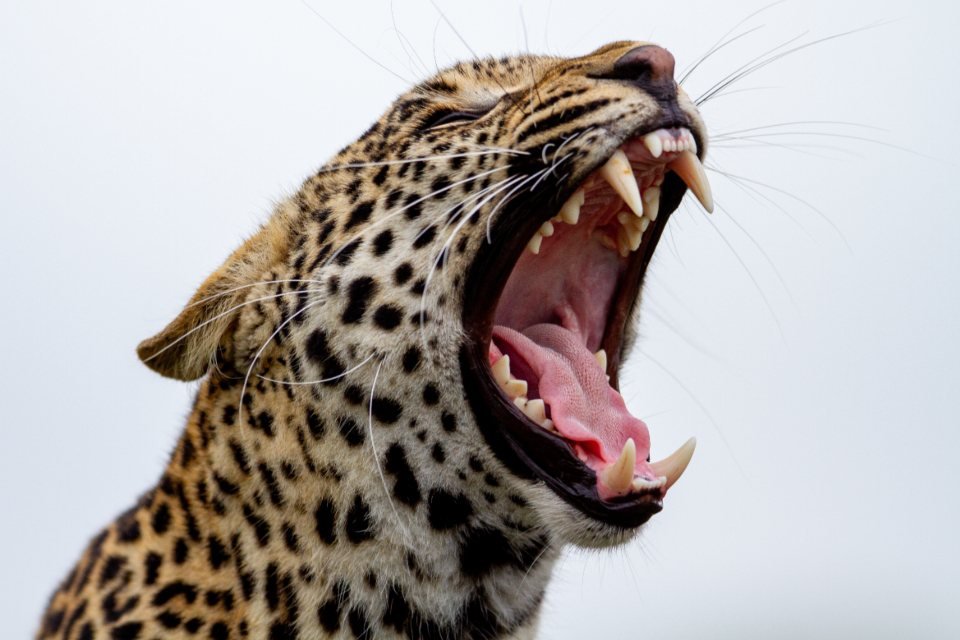
Leopards are mostly solitary predators in the Maasai Mara. Their rosette-patterned coats, powerful build and use of trees distinguish them from cheetahs. Riverine woodland and dense cover are important viewing habitats, with sightings shaped by the animal’s movements.
Leopards in the Maasai Mara at a glance
Identity
Panthera pardus; rosette-patterned coat.
Habitat
Woodland, riverine cover and varied surrounding habitat.
Behaviour
Mostly solitary; strong climber and adaptable hunter.
Separate leopard and cheetah features
A leopard has a powerful body and dark rosettes rather than the cheetah’s separate solid spots. Cheetahs have conspicuous dark facial tear marks and a lighter, longer-legged build. Use several features together, especially when only part of an animal is visible through vegetation. A long tail in a tree is a clue, rather than a complete identification.
Look at the tree and the ground
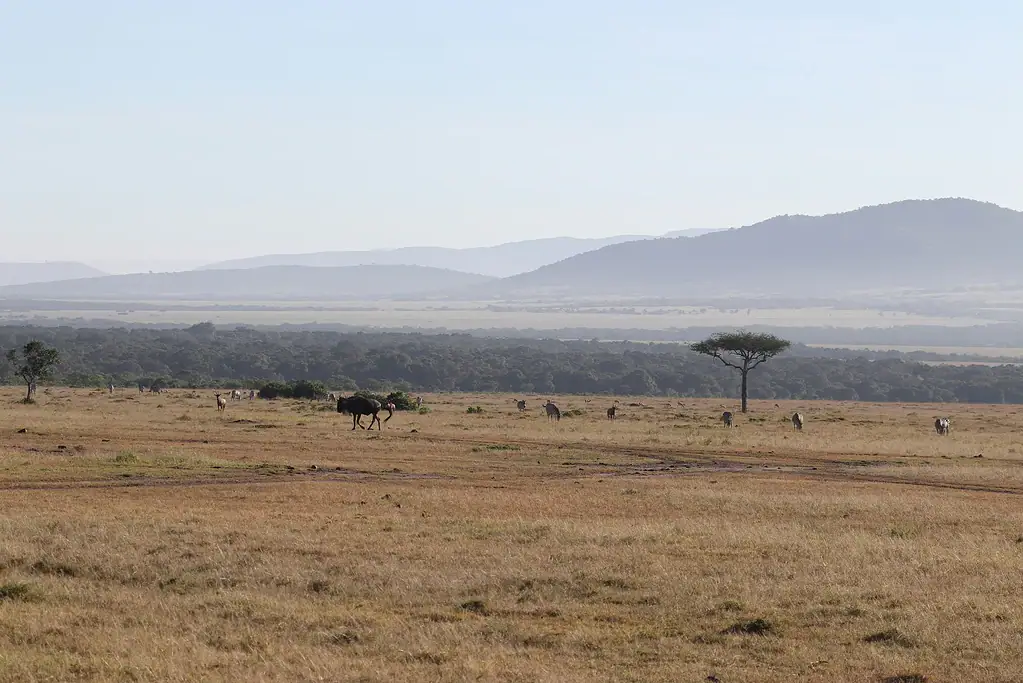
Leopards are capable climbers and use trees for resting and storing prey away from competing carnivores. They also travel and hunt on the ground. A search restricted to branches misses part of their behaviour; a careful guide reads cover, tracks and the surrounding habitat without turning every tree into a promised sighting.
Solitary behaviour needs patient viewing
Adults generally occupy overlapping home ranges rather than live in lion-like prides. A mother with cubs is a family association, not evidence of a permanent social group. Leopards are predominantly nocturnal, but daytime observations occur. Visibility varies with cover, light and movement; there is no published reliable viewing probability for a visitor’s stay.
Woodland conservation matters
Habitat fragmentation, loss of prey and conflict where livestock and predators meet threaten leopards across their range. Protecting riverine cover and connected habitat matters alongside protecting individual animals. During a sighting, keep noise low and leave a route away from vehicles. Never surround a tree, bait an animal or press a guide to reveal a hidden den.
Build a wildlife-focused stay
Combine this interest with the wider Maasai Mara wildlife guide and allow time to revisit suitable habitat. The stay-length guide separates nights from full wildlife days. Extra time creates flexibility; it does not establish a numerical probability of a sighting.
Continue planning your Maasai Mara safari
Book the correct arrival service
For a flight-based stay, use the airline’s airstrip and baggage information for the booked service. The correct strip follows the named camp and collection arrangement.
Explore safari packages






From USD 2,000 per person sharing



From USD 2,350 per person sharing

From USD 1,950 per person sharing

From USD 2,350 per person sharing

From USD 1,700 per person sharing

From USD 2,900 per person sharing

From USD 3,800 per person sharing
From USD 4,550 per person sharing
From USD 3,000 per person sharing
From USD 3,150 per person sharing
Plan your private Maasai Mara safari
Share your dates, party and interests with MaasaiMara.ke. We quote and book private safaris through authorised tour operator partners, with dedicated vehicles and guiding for your travelling party.