
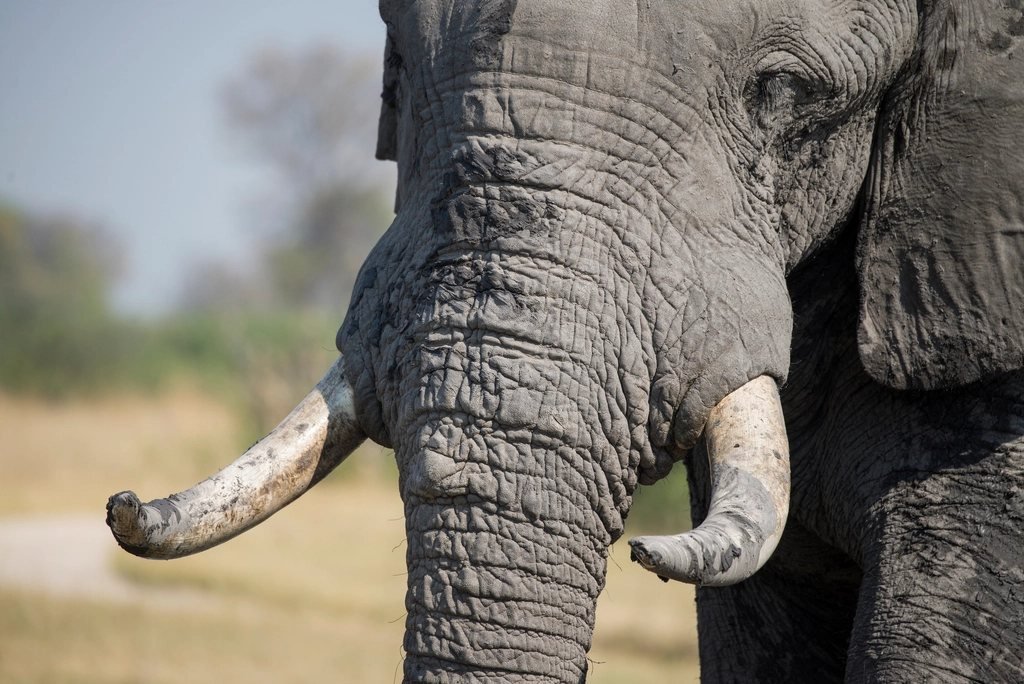
African savannah elephants are part of the Maasai Mara’s resident wildlife. Family groups, large bulls and movements between grassland, woodland and water create rewarding observations throughout a safari. Their presence does not depend on the wildebeest migration.
Elephants in the Maasai Mara at a glance
Identity
African savannah elephant, Loxodonta africana.
Diet
Plant food including grasses, leaves and woody material.
Behaviour
Related females and young form family groups.
Recognise family groups and bulls
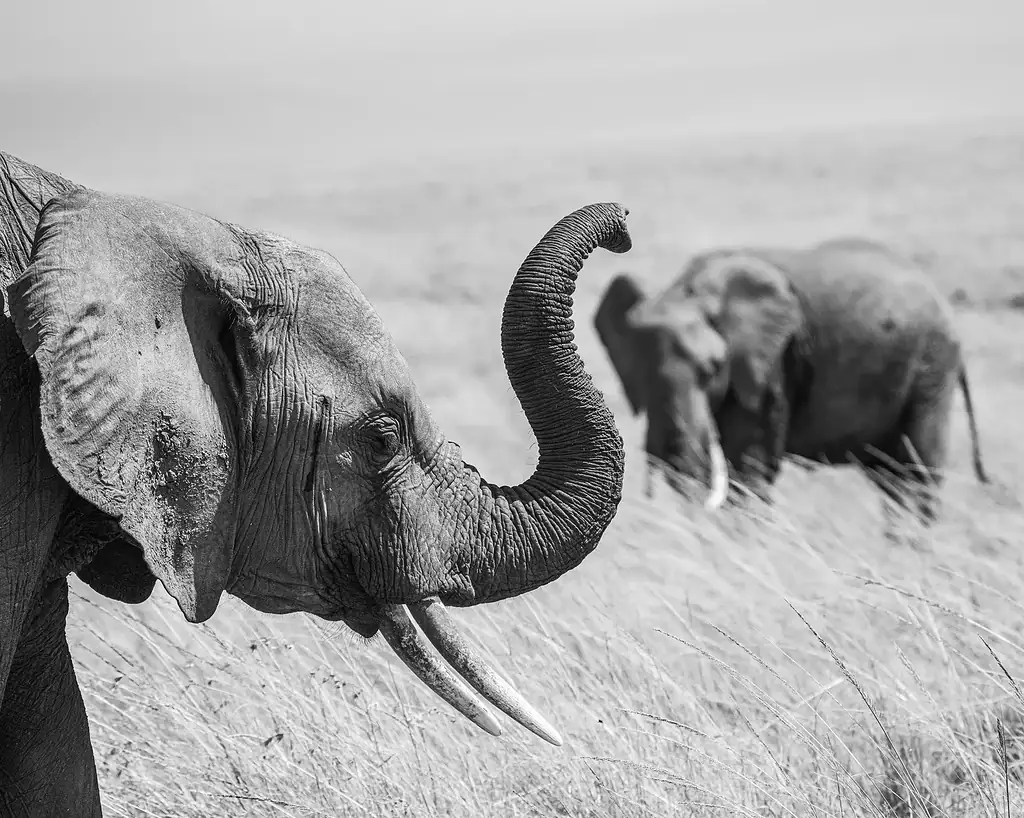
Elephant social life includes related females with their young, led through experience within the family. Adult males have a different social pattern and also associate with other bulls. The largest elephant in view is not automatically the family leader. Watch interactions, feeding and the position of calves to understand a group.
Follow habitat rather than a fixed pin
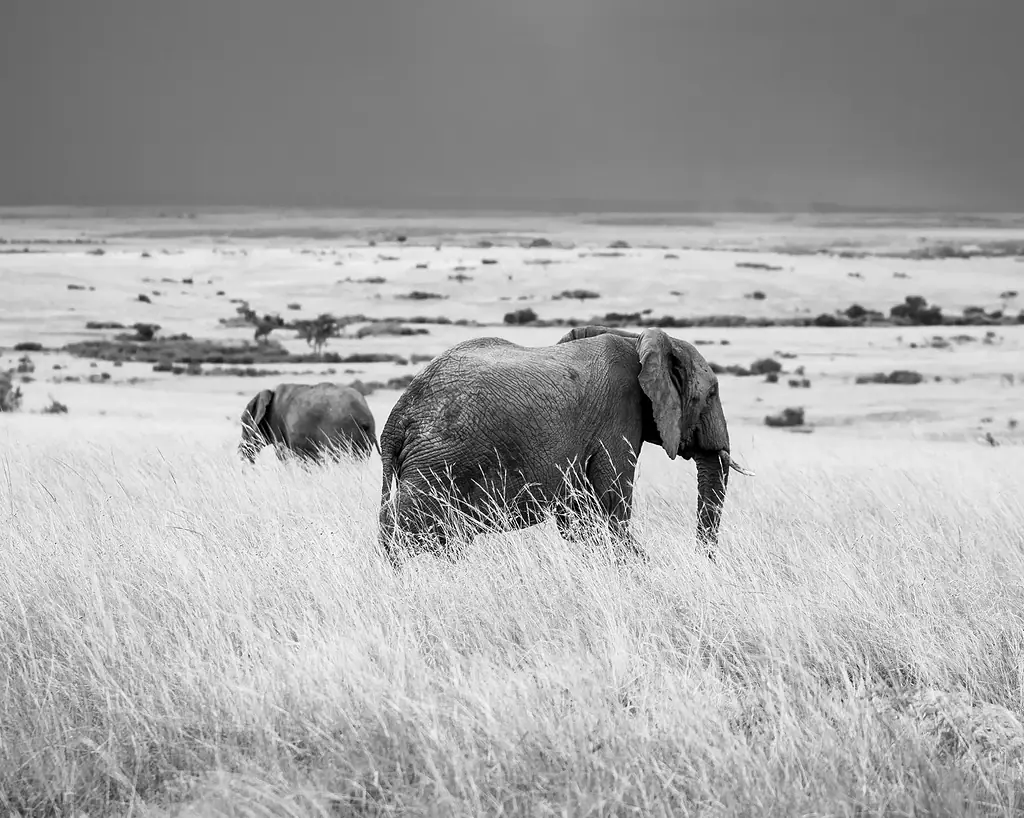
The Mara provides grassland, wooded areas and water within a wider ecosystem used by elephants. Feeding and water needs influence movements. A river-side sighting on a past visit does not make that location a permanent elephant station; a guide adjusts the route to current observations and authorised access.
Give an elephant room to move
The vehicle must leave space for a herd to pass. Never position between a calf and its family or approach an elephant on foot for a photograph. The guide reads the animal’s posture and the route ahead; the correct response is to preserve distance and a clear exit. A close encounter should never depend on testing an elephant’s tolerance.
Conservation extends beyond the Reserve
Habitat loss, fragmented movement routes, human–elephant conflict and ivory poaching are significant pressures. Connected land and workable coexistence with surrounding communities are central to elephant conservation. The conservancy landscape helps explain why wildlife protection reaches beyond a single Reserve boundary.
Build a wildlife-focused stay
Combine this interest with the wider Maasai Mara wildlife guide and allow time to revisit suitable habitat. The stay-length guide separates nights from full wildlife days. Extra time creates flexibility; it does not establish a numerical probability of a sighting.

Continue planning your Maasai Mara safari
Book the correct arrival service
For a flight-based stay, use the airline’s airstrip and baggage information for the booked service. The correct strip follows the named camp and collection arrangement.
Explore safari packages






From USD 2,000 per person sharing



From USD 2,350 per person sharing

From USD 1,950 per person sharing

From USD 2,350 per person sharing

From USD 1,700 per person sharing

From USD 2,900 per person sharing

From USD 3,800 per person sharing
From USD 4,550 per person sharing
From USD 3,000 per person sharing
From USD 3,150 per person sharing
Plan your private Maasai Mara safari
Share your dates, party and interests with MaasaiMara.ke. We quote and book private safaris through authorised tour operator partners, with dedicated vehicles and guiding for your travelling party.