
Sand River
A Sand River safari explores the southern Maasai Mara National Reserve near the Tanzania border, with river habitat and open country connected to the wider Serengeti–Mara ecosystem. It suits visitors who want this border-landscape focus and a carefully selected camp. Seasonal herd movement is possible, but no crossing is guaranteed. The Sand River is distinct from the Mara River, and being near the international boundary does not establish an authorised road crossing into Tanzania.
Sand River at a glance
Wildlife landscape
A Reserve safari with its own local habitat and access context.
Natural observations
Resident wildlife, changing habitat and seasonal possibilities; sightings remain conditional.
Practical access
Use the selected camp’s actual road or air arrival and authorised guiding arrangement.
Seven useful planning decisions
- Choose the exact camp and establish its boundary location.
- Match the wildlife programme to your party’s interests.
- Include the correct entry or conservation charges.
- Specify the private vehicle and guiding arrangement.
- Coordinate the actual road or air arrival and camp transfer.
- Select permitted activities that suit the party and season.
- Allow flexibility for weather, wildlife movement and viewing rules.
Access and fee basis
| Item | Applicable basis |
|---|---|
| Managing arrangement | National Reserve under Narok County arrangements |
| Entry / conservation | National Reserve per-person entry and applicable vehicle charges; use the published visitor-category schedule. No separate universal Sand River admission tariff. |
| Accommodation | Selected-property tariff; compare the full occupancy, board and compulsory-charge conditions. |
| Complete private safari | Written quote names the accommodation and includes scheduled entry and compulsory selected-property charges. |
Sand River safari within the Maasai Mara
Sand River describes a watercourse and the surrounding southern Reserve landscape, rather than a separate private conservancy. Its position near Tanzania gives it a recognisable geographical identity within the Greater Mara. Wildlife habitat connects across the ecosystem while visitor access remains subject to Reserve management and international-border arrangements. A safari programme should keep those distinctions clear, especially when a camp brochure also describes the wider Serengeti connection.
The area is under the applicable National Reserve arrangements on the Narok-managed side. A camp’s actual position and programme determine its entry treatment, arrival route and activities. The Sand River name does not create a separate universal admission ticket or permission to move across every nearby track. It is a useful planning focus for the landscape and accommodation, with the practical safari details still attached to the actual property and itinerary.
Our Maasai Mara areas guide compares Sand River with the Triangle, Talek and Musiara Marsh. Choose the southern setting because it serves the party’s wildlife interests and a suitable camp, rather than because a border or migration photograph implies every desired event is close by. A good safari base gives the guide room to explore appropriate habitat and the party enough time to appreciate it.
River margins, plains and wildlife habitat
Riverine vegetation and surrounding open country offer different wildlife observations. A guide may scan grazing areas for predators, spend time with animals using cover or follow fresh signs into suitable habitat. The best route changes with conditions and activity. A Sand River safari should not be described as a fixed circuit of guaranteed species locations, even when a particular camp is associated with rewarding wildlife viewing.
Resident animals give the southern landscape interest beyond a migration event. Predators, grazers, elephants, giraffes, buffalo and birds use the wider Reserve habitat according to food, water and natural movement. A quiet outing can still reveal useful behaviour and relationships. Allow time for observations that differ from the original wish list, rather than treat every drive without a crossing or big-cat hunt as a missed opportunity.
The watercourse also changes with rain. Ground conditions and river levels affect suitable approaches, and the guide must respect sensitive margins. A riverside room does not create permission to walk along the bank independently or enter the water. Follow camp escort and movement instructions between outings. The appeal of a Sand River safari lies in natural habitat, with the accommodation supporting access rather than controlling where animals appear or how they behave.
Sand River and Mara River geography
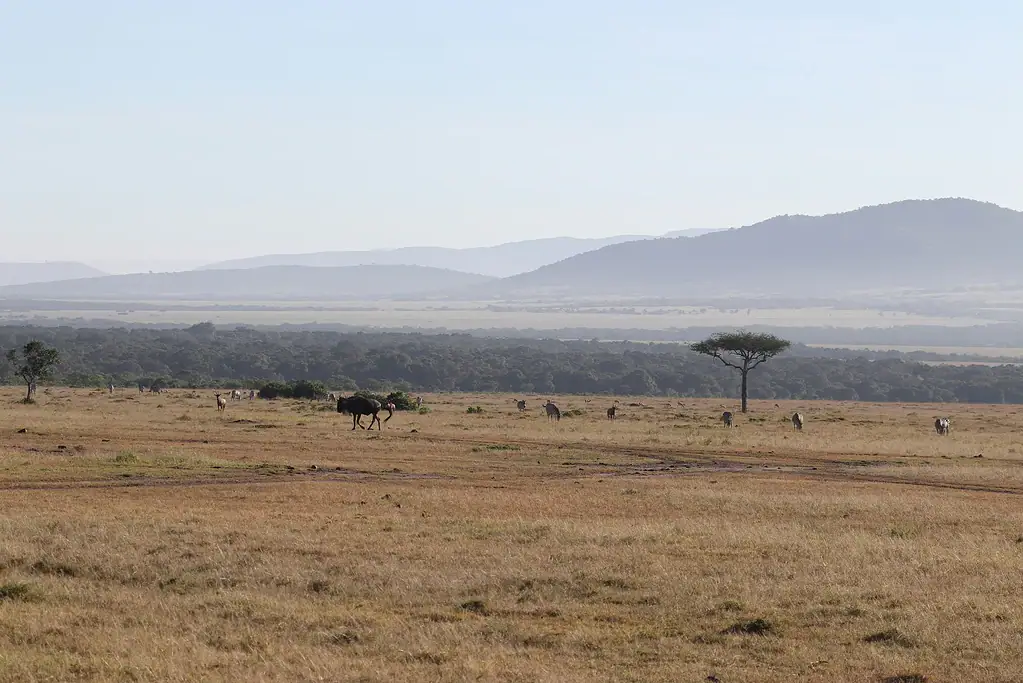
The Sand River and Mara River are different watercourses with different positions in the landscape. This is essential when reading migration descriptions. An image of a well-known Mara River crossing cannot be used to promise the same event beside a Sand River camp. The wider ecosystem links the experiences, but the itinerary should identify the actual place and habitat it plans to explore.
A southern safari base can serve border-landscape observations and resident wildlife while a Mara River excursion may require another route and time allowance. A camp’s description of migration access does not establish that every named river-viewing site is equally convenient. Decide whether the trip primarily values the southern setting or whether another base better serves a crossing-focused portion. A combined plan can work when it gives each place a clear purpose.
Use our Great Migration guide to understand the broader movement, then compare the Mara Triangle and Musiara Marsh where relevant. These descriptions help select a coherent programme without merging every river photograph into one event. A well-planned Sand River safari makes its southern focus clear and allows the guide to respond to natural conditions rather than chase an assumed crossing location.
Migration movement near the border
The Sand River landscape lies within the wider route between Serengeti and Mara habitat. Herds can move through the southern area when grazing and water make it suitable. The broad Mara migration season is a planning guide, with arrival, departure and routes varying between years. Wildlife does not recognise a visitor’s booking dates, and the presence of animals nearby does not mean a dramatic river crossing will occur during the stay.
Herd behaviour can involve gathering, dispersing, turning back or remaining on the plains. These are natural events and can be interesting in their own right. A guide may spend time observing movement or choose another productive habitat when waiting is less useful. A Sand River safari should leave room for those decisions. It is better understood as access to a landscape with seasonal possibilities than a reservation for one televised-style spectacle.
For travel often planned around the broader July-to-October migration pattern, include the appropriate habitat and enough flexibility. A party mainly interested in a Mara River crossing should identify that separate viewing programme and access. Sand River can complement it through its southern setting and resident wildlife. Keep the expectations geographical and realistic, rather than assume the international boundary or a riverside camp guarantees a crossing beside the accommodation.
The Tanzania boundary and visitor access
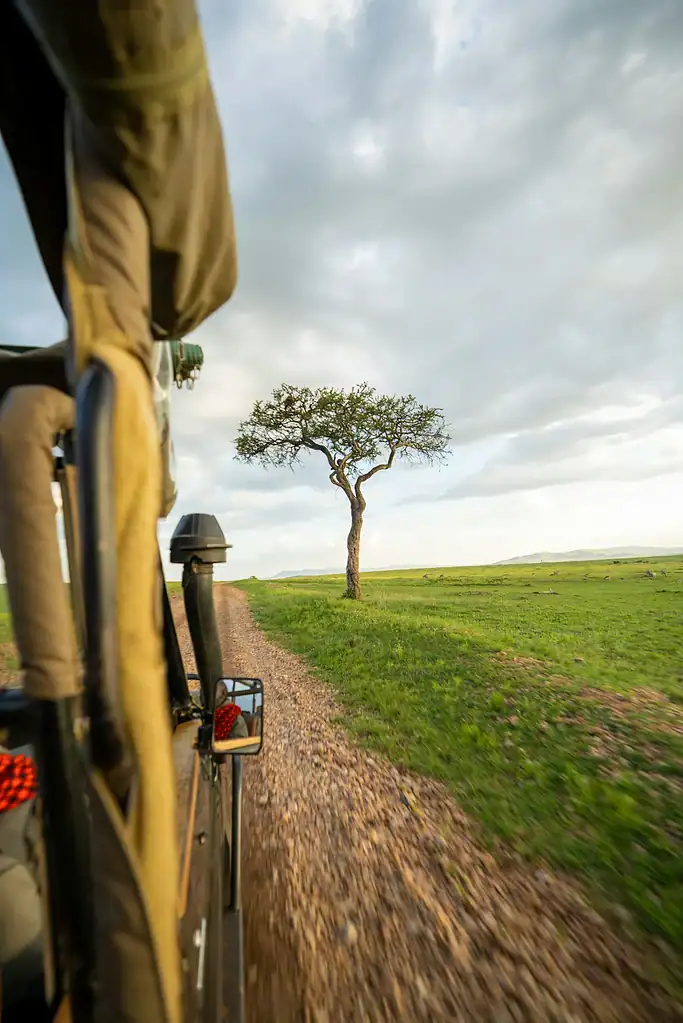
The Kenya–Tanzania boundary is part of the Sand River setting, but proximity is not permission to cross it. A border pillar or a track continuing towards the Serengeti does not establish an open international visitor route. The Sand River border point has been listed as closed by Kenya’s revenue authority. Do not plan a direct safari transfer across it simply because an older map or itinerary describes movement between the neighbouring protected areas.
Cross-border travel requires the actual authorised route, immigration arrangements and transport permissions for the trip. These should be planned separately and verified for the booked itinerary. Wildlife movement across the ecosystem does not create the same access for visitors or vehicles. A Sand River safari can appreciate the connected landscape while remaining a Kenya Reserve programme, with any Tanzania portion clearly routed through the arrangements that apply to people.
This distinction is particularly useful when comparing a Kenya-only stay with a combined safari. The latter needs realistic travel time and a defined connection; it should not rely on an informal shortcut through the Reserve boundary. Our planning hub provides wider travel context. Keep the Sand River base selected for its own wildlife and accommodation experience, rather than treat an unverified direct border crossing as part of its appeal.
Camps and the exact southern base
Elewana Sand River Maasai Mara describes its camp beside the river within the National Reserve and close to Tanzania. Its location makes it a relevant example for understanding this southern setting. The accommodation programme, room arrangement and actual inclusions still need to be read as a particular camp product. A destination description should not be used to infer every activity, vehicle arrangement or transfer attached to a stay.
Other accommodation can serve southern Reserve country from different locations. A marketing reference to Sand River is not enough to establish that a camp stands on its bank, inside the Reserve or beside an authorised visitor crossing. Use the exact property identity and boundary location in the itinerary. Avoid substituting a similarly named camp or an old product description when the party expects a particular setting and stay.
The accommodation guide explains comfort and stay styles. Compare room layout, family suitability, meals, accessibility and private guiding alongside the location. A safari base should fit the party between outings as well as provide the habitat focus. A room with a river view may be appealing, but the full programme determines whether the Sand River stay works practically for the wildlife interests and the onward journey.
Reserve fees and the area’s admission basis
The applicable fee basis is National Reserve per-person entry, with relevant vehicle charges and the selected property’s compulsory charges. There is no verified universal Sand River-area ticket to add simply because the itinerary visits this watercourse. Accommodation can package entry with activities or quote components separately. Keep the real tariff conditions together when comparing a room price with an inclusive private safari.
The Reserve fee guide explains the published categories, seasons and qualifying conditions. The visitor’s actual status and identification matter, and a discounted category should not be assumed from a general description of residency or study. A programme combining the southern Reserve with the Triangle or a private conservancy needs the relevant access treatment for each place, rather than interpret one ticket as admission to the entire ecosystem.
A complete quotation should name the camp, accommodation basis, dedicated transport and guiding, transfers, scheduled entry and compulsory selected-property charges. The safari cost guide helps compare whole trips. This gives a Sand River safari a clear financial basis without inventing an area tariff, assuming conservation fees are already included or treating a room-only amount as the total cost of the wildlife programme.
Game-viewing rules in the southern Reserve
The Reserve code applies to the Sand River programme. Give wildlife room, keep noise low and follow the guide’s instructions. Do not feed animals, block their route or make a resting predator move for a photograph. Sensitive situations around young animals, dens and hunts call for restraint. A private vehicle serves the travelling party, but it remains subject to the same wildlife and habitat requirements as other authorised safari vehicles.
Off-road movement depends on designated zones and the applicable conditions. High-use and river areas have restrictions, and authorised viewing elsewhere is not permission to enter any ground that a vehicle can physically reach. Sensitive vegetation, watercourses and wet tracks need particular care. The guide may wait, alter the route or leave when continuing would disturb wildlife or damage the habitat. Those decisions belong to a responsible Sand River safari.
Leave vehicles only where permitted and follow the accommodation’s movement instructions. Activities associated with private conservancies, including walking, night drives and horseback safaris, should not be assumed to operate inside the National Reserve. Our conservancies guide explains that alternative programme. A combined trip can offer different experiences when they are arranged in the places that permit them, rather than described as available everywhere in the Mara.

Road arrival and the southern approach
The road approach must serve the actual property and authorised route. A camp’s local directions and the operator’s assessment of conditions are more useful than a generic map estimate for reaching the Maasai Mara. Navigation apps can show shorter lines through restricted land or unsuitable tracks. The Sand River arrival should be coordinated with the selected camp, with the meeting point and entry arrangement clear before travel.
Rain and watercourses can affect the final approach. Use a suitable vehicle and leave practical flexibility for conditions, rather than turn an unverified driving time into a promise. Arrival-day activity expectations should also fit the journey. A comfortable local first outing after settling into camp can be more enjoyable than another long transfer to a distant river-viewing area, particularly for families or parties who value a slower wildlife programme.
Our road travel guide explains the wider journey. The property supplies the final southern approach. Include the return route and onward connection in the same planning. A coherent safari base protects useful wildlife time by making transfers practical; it should not rely on an informal track, a river crossing or the closed international point as a guaranteed quick connection to the next destination.
Air arrival through the booked camp arrangement
Elewana’s Sand River camp information identifies Keekorok as an air arrival point for its programme. The actual booked service and local pickup still need to be coordinated with the selected property. That example should not be converted into a universal landing requirement for every southern camp. A general list of Mara airstrips or a nearby map pin cannot establish the correct arrival point for an individual booking.
Scheduled flights can make intermediate stops, and baggage conditions depend on the service. The local transfer after landing is another part of the journey. Keep equipment needs and the party’s comfort in mind, and match the first outing to the actual arrival. On departure, the camp pickup and flight should fit the onward plan. The entire arrangement is more useful than a headline flying time that omits the local connection.
The flight guide provides wider booking context. When combining a Sand River safari with another Mara base, determine whether an authorised road movement is the practical transfer instead of automatically adding a flight. Smooth coordination makes the arrival understandable and preserves time to enjoy the southern habitat. It also avoids treating the Tanzania boundary as an implied air or road connection that has not been arranged.
Seasons and the best reason for travelling
Sand River offers resident-wildlife interest through the wider seasonal cycle, with migration adding a variable dimension. Drier periods can ease movement on tracks and scanning across open habitat; greener conditions change the scenery, light and birding opportunities. Rain can affect the watercourse and routes. A productive programme lets the guide select suitable habitat rather than repeat a fixed circuit because it appears in an older dry-season itinerary.
For migration travel, the broader July-to-October Mara pattern is useful but uncertain. Herds can arrive or leave at different times, and a southern route does not mean a crossing event occurs beside the camp. Photographers, birders and returning visitors may find another season equally appealing for their priorities. Camp operating dates and maintenance are separate considerations, so the accommodation’s availability must fit the wildlife-focused date choice.
Read the best-time guide alongside the selected camp’s programme. With fixed dates, plan a Sand River safari around what is realistic and interesting then, leaving room for conditions and animal movement. A wet morning or absent herd need not make the outing unsuccessful. The southern habitat remains a place for natural observation, provided expectations do not depend on an event the guide cannot guarantee.
Photography and unhurried observations
Photographers can value the relationship between riverine vegetation, open country and changing light. A private vehicle arrangement allows the party’s equipment and pace to be included in the programme, within the Reserve rules. State whether the main interest is landscapes, predators, birds or herd movement. The guide can then balance those interests rather than assume every outing must pursue the same famous wildlife event.
Natural obstacles are part of the work. An animal can remain in cover, a bank approach can be unsuitable and the light can change before the hoped-for movement occurs. Patience, a different subject or a wider composition may be more rewarding than pressing for an unauthorised position. A Sand River safari should also leave time for resident wildlife and quieter interactions, which can tell a fuller story than a single crossing image.
The photography guide provides practical context. Select the camp and vehicle arrangement that fit the real needs rather than infer them from a promotional photograph. Repeated outings and useful time at the safari base give the guide and party a framework for responding to the landscape. The resulting images depend on the wildlife and conditions that occur naturally, not on the geographical name printed in the booking.
Families, accessibility and camp comfort
Families should match the accommodation and daily programme to the children’s attention, meals and rest. The southern setting can be rewarding without a long drive to every recognised Mara attraction. A private programme can give different party members time with their interests while keeping outings comfortable. The selected camp’s room and activity policies matter more than a broad promise that the area is ideal for every family.
Travellers with mobility or other access needs require specific information about room entry, paths, bathroom arrangements and vehicle boarding. These features vary by property and cannot be established from the words luxury or tented. A suitable safari base is comfortable between outings as well as useful for wildlife access. Obtain the actual details while choosing the stay, so the programme does not depend on assumptions that are only tested after arrival.
Daily pacing can involve longer outings with an arranged meal or returning to camp between drives. Choose what serves the party and allow the guide to adapt to conditions. A Sand River safari does not become better simply by adding more travel or optional activities. Time to rest, observe the surroundings and return to promising habitat can make the stay more meaningful than an ambitious route whose constant movement leaves little space to appreciate the setting.
Combining the southern landscape with other areas
Compare Sand River with Talek, Musiara Marsh and the Mara Triangle through habitat, camp position and access. Talek offers a different boundary and accommodation context, Musiara gives a northern wetland focus and the Triangle has its own western-sector management. None is a universal improvement over the others. The useful choice follows the party’s interests and a practical itinerary.
A combined trip makes sense when the next base provides a meaningful contrast or better access to another priority. Include the transfer, entry and useful time at each stay. Moving merely to increase the number of area names can be less rewarding than another local drive, particularly for families or photographers who value repeated observations. Sand River can also be the main southern focus of a coherent Reserve programme without requiring every other area to be visited.
If a conservancy stay adds walking or night viewing, its own access and activities need to be arranged separately. The conservancies hub explains those choices. Keep the role of every safari base clear: where the party stays, what habitat it serves and what the move adds. This produces a trip with understandable reasons for its route, rather than a collection of appealing destinations linked by transfers that were never properly planned.
Tickets, transfers and the complete programme
For visitors arranging Reserve entry directly, use the KAPS park-booking portal and follow the actual visitor-category conditions. A complete private safari should coordinate entry in the quotation. Accommodation-only products remain different from programmes including transport and guiding, even when both use the same Sand River property. Compare the actual inclusions rather than the room location alone.
The final itinerary should name the accommodation, boundary position, dedicated vehicle and guiding, arrival and departure arrangement, scheduled entry and compulsory property charges. Optional experiences should be distinct. For a Kenya–Tanzania programme, the authorised international route and immigration arrangements also belong in the plan; a border photograph or an old track on a map cannot supply those details.
Choose Sand River for a clear reason: its southern Reserve habitat, a suitable camp and the wildlife interests the party wants to explore there. Leave room for weather, natural movement and the guide’s judgement. A well-planned safari gives those interests a comfortable, responsible framework without promising crossings or international shortcuts. The value lies in useful time appreciating the landscape and the wildlife encountered naturally during the stay.
Explore safari packages






From USD 2,000 per person sharing



From USD 2,350 per person sharing

From USD 1,950 per person sharing

From USD 2,350 per person sharing

From USD 1,700 per person sharing

From USD 2,900 per person sharing

From USD 3,800 per person sharing
Plan your Maasai Mara safari
Tell us your travel dates, party and wildlife interests. MaasaiMara.ke quotes and books private safaris through authorised tour operator partners, with dedicated vehicles and guiding. Your written quote names the accommodation and includes the scheduled park fees and compulsory selected-property charges.
