

Choosing Maasai Mara vs Serengeti means matching the season, wildlife interests, route and time available. Both belong to the same wider migration ecosystem, but a safari in the Kenyan Mara and a journey through Tanzania’s Serengeti can feel very different. Start with the region that suits your dates, then compare realistic itineraries rather than photographs of a guaranteed sighting.
Start with these decisions
Season and region
Match migration interests to the relevant part of the ecosystem.
Time and connections
Compare settled wildlife days with the travel between them.
Broad wildlife interests
A rewarding safari need not depend on a river crossing.
In this guide
- Choose Maasai Mara vs Serengeti by dates and route
- Understand the connected ecosystem and separate rules
- Follow the migration’s seasonal pattern without guarantees
- Match the early-year and rainy-season journey to the region
- Compare mid-year movement and the northern phase
- Treat the late-year transition as variable
- Compare resident wildlife and landscape interests
- Match access to the time available
- Compare accommodation by setting and services
- Evaluate family comfort and daily pace
- Compare complete costs instead of declaring a cheaper country
- Combine the destinations only when the journey adds value
Choose by the experience you want
| Priority | Maasai Mara planning fit | Serengeti planning fit |
|---|---|---|
| Focused Kenya holiday | Settled stay connecting with Nairobi | Requires the Tanzanian leg and its connections |
| Southern migration calving | Resident-wildlife safari rather than southern herd access | A southern-region itinerary in the relevant season |
| Northern migration phase | Relevant Mara camp and river-sector planning | Relevant northern-region camp and river-sector planning |
| Different landscape regions | Reserve, Triangle and conservancy choices | A route connecting chosen Serengeti regions |
| Family or specialist interests | Room, private vehicle and pace matched to the party | Room, guiding and pace matched to the actual regional route |
| Budget comparison | Complete Kenyan trip on its actual service basis | Complete Tanzanian trip on its actual service basis |
Choose Maasai Mara vs Serengeti by dates and route
The Maasai Mara and Serengeti belong to a connected wildlife ecosystem, but they are different safari destinations in different countries. The Kenyan Mara sits to the north of Tanzania’s Serengeti. Choosing between them starts with your dates, the time available, the wider journey and the wildlife experience you most want to protect.
Avoid treating the comparison as a contest with one permanent winner. A settled Mara stay can suit a focused Kenya holiday, while a Serengeti route can explore different Tanzanian regions. Either can offer rewarding wildlife viewing when the itinerary fits the location and season. The more useful question is which route works well for your trip.
List your main priorities before comparing proposals: general wildlife, migration, a family pace, photography, a particular accommodation style or connections to other destinations. Then compare the actual camp locations and daily plan. A brochure heading that says Serengeti or Mara does not establish that the camp is in the region relevant to your interests.
Use the Mara best-time guide alongside the seasonal comparison below. For Tanzania planning, TANAPA’s trip-planning information is a useful action point for the national-park journey. The final route needs the actual access arrangements and accommodation, rather than a promise based on the destination name alone.
Understand the connected ecosystem and separate rules
The migration moves through a wider landscape, not a single enclosed attraction. Wildlife does not recognise the international border, but visitors, vehicles and bookings must follow the access and entry arrangements on each side. Sharing an ecosystem does not mean a park ticket, guiding arrangement or accommodation booking covers both destinations.
Within the Mara, the Main Reserve, Mara Triangle and neighbouring conservancies also have distinct management and access conditions. A property described as a Mara camp may sit outside the Reserve boundary or in a conservancy. Those differences matter when comparing the wildlife area used for drives, optional activities and compulsory charges.
The Serengeti has different regions and habitat settings. A central-region stay, a northern river-sector itinerary and a southern-plains safari serve different purposes. The relevant camp location is therefore central to a migration-focused Tanzania plan. Adding a familiar destination name to an itinerary is not enough to establish that you will be near the herds.
Compare the actual permitted activities in each proposal. Vehicle drives form the usual core wildlife experience; walking, night viewing, riding or other specialist activities depend on the specific location and provider. A conservancy permission in Kenya should not be transferred to the Reserve, and an activity available in one Tanzanian setting should not be assumed available across the whole park.
Follow the migration’s seasonal pattern without guarantees
The general migration cycle links the southern Serengeti’s wet-season plains with movement through western and northern areas and the Kenyan Mara. Rainfall and grazing influence where the animals go and how long they stay. The broad pattern helps select a region, but it is not a fixed timetable for an individual holiday.
For the southern calving-season experience, the relevant planning region is in Tanzania rather than the Kenyan Mara. The Mara still has resident wildlife during that period, but a Kenyan stay should not be sold as access to the southern migratory calving concentrations. These are different wildlife interests that can both support a rewarding safari.
Northern Serengeti and Mara river-sector planning become relevant during the migration’s northern phase. Being in a suitable region does not guarantee that the herds will cross during your visit. Animals can gather, turn back or use another route. A river photograph represents a possible event, not an inclusion attached to the itinerary price.
Our migration month-by-month guide explains the Mara planning context and historical variability. Keep broader wildlife interests in the trip so it remains valuable when the herds behave differently from expectations. Guides can respond to local conditions, but no responsible route can make wildlife follow an appointment.
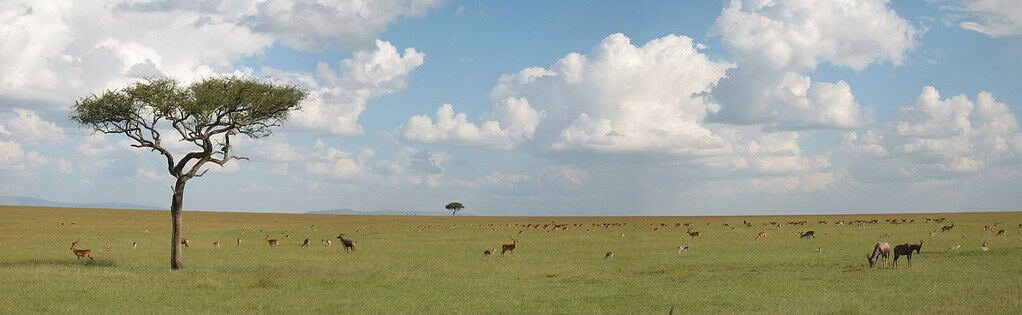
Match the early-year and rainy-season journey to the region
In January, February and March, southern Serengeti planning is associated with the wet-season grazing and calving chapter of the migration. A route for that interest needs accommodation and wildlife access suited to the southern region. It should not rely on a central or northern camp simply because it also carries the Serengeti name.
The Mara offers a different reason to visit during those months: resident wildlife, the landscape and a focused Kenyan safari. Travellers whose main goal is general wildlife may find that appealing without needing the main migratory herds. Use the relevant month guides to understand the historical seasonal character rather than treating their observations as a current herd report.
During April and May, rain and the transition in grazing patterns need thoughtful routing on either side of the ecosystem. Southern and western Serengeti movement is part of the broad migration story, while the Mara remains a resident-wildlife destination. The practical camp, access roads and seasonal operations matter alongside the appeal of greener scenery.
A quieter travel period can suit visitors who value the general landscape and wildlife, but it does not guarantee empty sightings or an identical discount at every property. Decide whether the seasonal conditions fit the experience you want, then compare specific accommodation and transport. A cheaper booking is useful only when the full route remains practical and enjoyable.
Compare mid-year movement and the northern phase
June is a transition period in migration planning. The herds’ western and northward movement in Tanzania is relevant, while arrival in the Mara can vary. Do not treat an early Kenyan arrival in one recorded year as a promise for another. A Mara safari during that transition should have enough resident-wildlife interest to stand comfortably without a major herd concentration.
From July through September, northern Serengeti and the Kenyan Mara are common planning choices for the migration’s northern chapter. The relevant part of either destination still matters. A camp convenient for a river-sector outing has a different route from a base selected mainly for another landscape or wildlife interest.
Crossings can happen on either side of the wider river landscape, and a country choice does not guarantee a particular scene. Patient viewing, sensible camp location and flexibility improve the quality of a migration-focused plan, but they cannot make an event certain. The Mara crossing-points guide explains the Kenyan viewing setting.
Think about the whole safari around the river outing. Cats, elephants, antelope, birds and the plains offer a broader experience than a single crossing photograph. A comfortable itinerary leaves room for other drives when a river scene is quiet or crowded. Families and first-time visitors may particularly value that balance.
Treat the late-year transition as variable
October can retain migration interest in northern areas, but departure and return movements vary. A Mara visit should not depend on the assumption that herds remain until a particular date. Historical observations show why seasonal guidance needs qualification. Choose the camp and route for an experience that includes resident wildlife as well as the possibility of migration.
November and December are part of the broader southward and wet-season transition in Tanzania. A Serengeti migration proposal needs to reflect the region suited to the intended travel period. The Kenyan Mara remains worthwhile for general wildlife, but it is not the same product as a route designed around the southern grazing and calving cycle.
Rain can influence access and daily decisions across the landscape. The operator should plan the actual route and adjust it when necessary. A simple seasonal label is not a weather forecast, and a photograph of a dry track does not establish the conditions during your stay. Leave enough flexibility for practical judgement.
If your dates are fixed, select the best attainable experience for that period rather than choosing a famous event first and forcing the calendar to fit it. You can enjoy an excellent wildlife holiday without the particular scene that initially caught your attention. The seasonal match makes the itinerary more credible and gives you a clearer reason to choose either country.
Compare resident wildlife and landscape interests
Both destinations offer wildlife viewing beyond the migration. Predators, elephants, buffalo, giraffes, antelope and birds are part of the wider ecosystem, with habitat and regional differences shaping the outings. A good guide uses local knowledge and current observations to find worthwhile viewing, while individual sightings remain uncertain.
The Mara’s open plains, river habitats and neighbouring conservancy settings can support a focused wildlife stay. The Serengeti’s different regions can create a journey through changing habitats and scenery. Decide whether you want to settle into one base or make the movement between regions part of the experience. Neither style is automatically better for every visitor.
For photographers, the camp’s location, vehicle arrangement and time available can matter more than a general ranking of countries. Light, animal behaviour and the ability to wait patiently shape the experience. A specialist interest needs the actual plan to fit, rather than a promise that a named park guarantees dramatic action or an unobstructed sighting.
The Big Five guide helps introduce the Mara’s large mammals, and the birding guide broadens the view. Use those interests to evaluate your itinerary. A safari can be memorable through small details and behaviour as well as famous species, so avoid making the holiday depend on completing a fixed checklist.
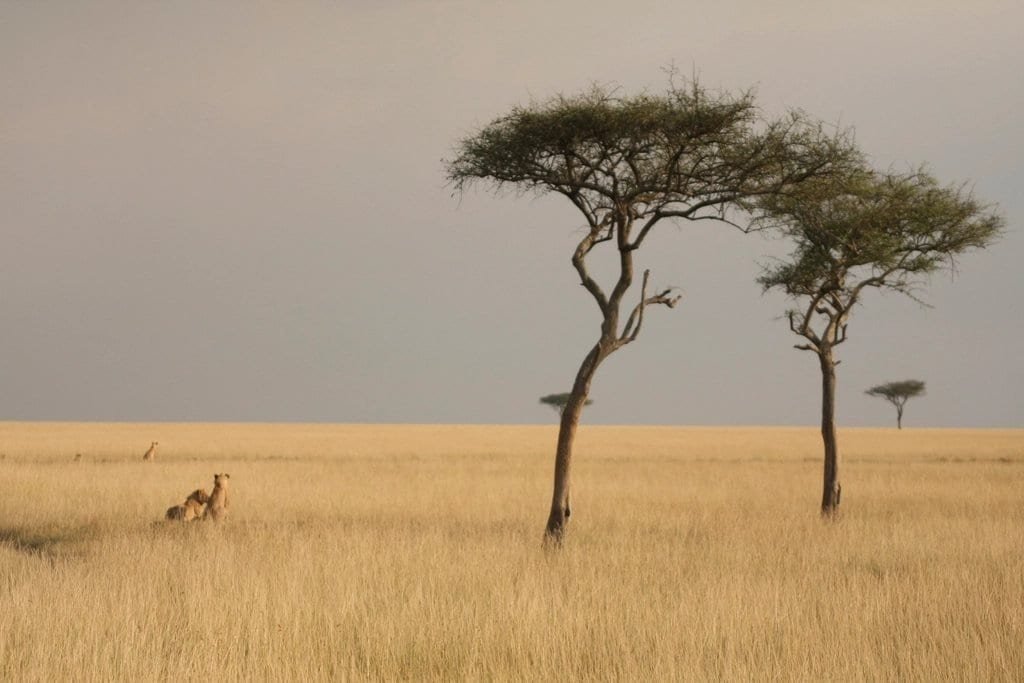
Match access to the time available
A Mara trip commonly connects with Nairobi by road or scheduled bush flight. The choice affects transfer experience, luggage and how the camp’s wildlife operation joins the journey. Our road guide and flight guide explain the alternatives without treating one journey time as guaranteed for every camp.
A Serengeti plan needs a comparable discussion about the Tanzanian arrival point, the region visited and the road or air connection. A southern, central or northern stay can have different access implications. The route should make sense as a whole, including any other parks and the return journey, rather than assuming the nearest-sounding airport solves every transfer.
Short holidays benefit from protecting usable wildlife time. Look at the actual daily plan and separate travel days from settled drives. A compact single-base safari can provide a different experience from a broader circuit with repeated transfers, even when the brochure durations appear similar. Count the moments that matter to you rather than the number of destination names.
Flights can reduce some road travel while adding baggage, airstrip and connection requirements. Roads can make the landscape and wider route part of the holiday but use time in transit. Choose the travel style that fits your comfort and priorities. A sensible comparison shows the actual transport and how it supports the wildlife stay.
Compare accommodation by setting and services
Both destinations offer different accommodation styles, from simpler camps to more elaborate stays. The category name is only a starting point. Compare the actual room, setting, meal basis, guiding and included activities. A tent can be a comfortable furnished suite or a much simpler product; the word alone does not establish the experience.
In the Mara, location within the Reserve, Triangle, conservancies or surrounding area affects access and the type of stay. The accommodation hub explains the options and the directory links to individual published profiles. Read those details alongside the itinerary so the accommodation and wildlife plan match.
For a Serengeti stay, understand the camp’s regional and seasonal position. A mobile or seasonal product needs the actual operating arrangement for your dates, not simply a photograph and a broad park label. The room you choose should also fit your party’s comfort, accessibility and meal requirements throughout the planned route.
Avoid comparing a full-board room with a complete private safari as if their headline amounts describe the same service. The accommodation may be excellent while leaving transport, guiding and access to be arranged separately. Put the products on a common basis before deciding which offers better value for your trip.
Evaluate family comfort and daily pace
Either destination can suit a family when the accommodation and itinerary match the children travelling. The camp’s child acceptance, room configuration and activity conditions matter more than an unsupported claim that one country is universally easier for families. Consider the actual transfers, rest opportunities and wildlife outings.
A private Mara safari arranged through MaasaiMara.ke provides dedicated vehicles and guiding for the travelling party. That helps the family communicate its pace and interests within the booked route and applicable rules. A Tanzanian proposal should identify its own guiding and vehicle basis just as clearly; private service should not be assumed from a photograph.
The family planning guide explains sleeping arrangements, meals, supervision and medical preparation. Those are useful comparisons for either side of the journey. A settled base and suitable breaks can be more valuable than adding another park when children already have a full and unfamiliar experience to absorb.
For couples, friends and solo travellers, the same principle applies: match the route to the party. Photography, birds, quieter camp time and the migration can coexist when the plan gives them room. Discuss those interests before choosing accommodation so the guide and daily schedule support the experience you want.
Compare complete costs instead of declaring a cheaper country
There is no useful universal price verdict for every Mara and Serengeti trip. Dates, camps, rooms, vehicle arrangements, flights, guiding and park charges all influence the total. A short road safari and a longer fly-in regional circuit are different products. Their prices can differ without establishing that one destination is always cheaper.
For a fair comparison, use the same party, travel period, comfort needs and service basis. Identify the compulsory charges and the activities actually included. A lodge’s From amount and a private safari package should retain their own units and conditions. The Mara cost guide holds the maintained price context for the Kenyan side.
Keep optional activities and the wider journey in the holiday total. International flights, onward travel, preparation and personal spending can influence which route fits the available budget. If Kenya is already part of your trip, a focused Mara stay may fit differently from a journey that needs separate Tanzanian arrival and departure arrangements.
The budget guide explains ways to simplify accommodation, extras and movement while preserving useful wildlife time. Apply the same reasoning to a Tanzania proposal. Spend on the aspects that matter most to you, then compare a complete route rather than choosing a country solely from an isolated advertised rate.
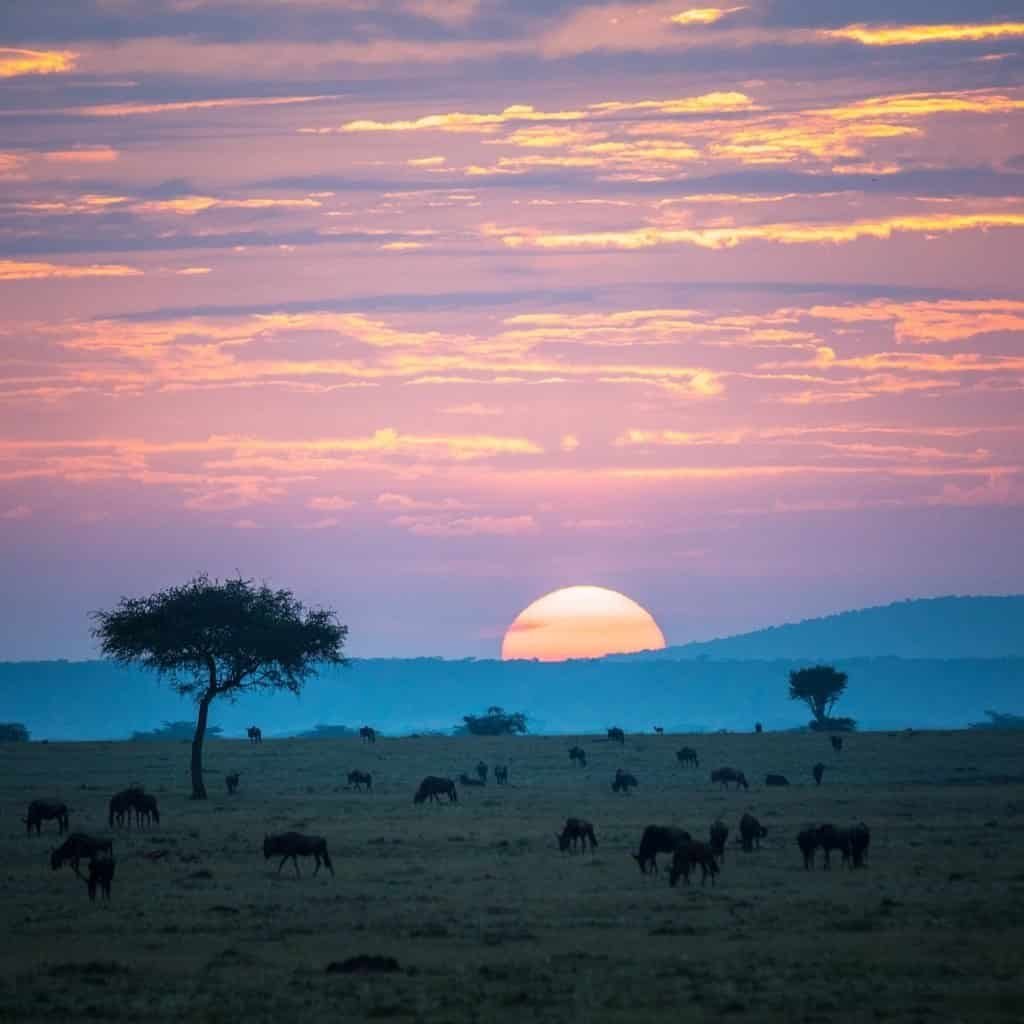
Combine the destinations only when the journey adds value
A combined Kenya–Tanzania safari can explore more of the ecosystem, but the international connection needs deliberate planning. Do not assume a direct tourist crossing through Sand River simply because the parks meet on a map. Visitor entry points, vehicle arrangements and flight connections are operational and immigration matters, not wildlife routes.
The travel documents and health preparation must cover both countries and any transit. Kenya’s eTA arrangement does not serve as Tanzania’s entry permission, and a vaccination-document discussion for a direct Kenya trip may differ for the combined route. Give the complete journey to the relevant travel-health and document advisers.
Allow time for the connection instead of adding both destinations to a short itinerary at the expense of the wildlife stay. The combined route should create a worthwhile difference in region, landscape or season. It does not guarantee a more complete migration event or a particular sighting merely because the trip visits both sides.
For a focused Mara visit, choose a well-matched base and private itinerary. For a broader ecosystem journey, compare the actual Kenyan and Tanzanian regions, transfers and services. Share your dates, party and main interests with MaasaiMara.ke so the proposal begins with the experience you want. The strongest choice is the itinerary that fits your time and expectations comfortably.
Continue planning your safari
- Plan your safari
- Safari costs and inclusions
- Reserve entry fees
- Accommodation choices
- Published lodge profiles
- Private safari itineraries
- Budget planning
- Family safari planning
- Safari safety
- Malaria and vaccinations
- Packing list
- Best time to visit
- Road travel
- Flights and baggage
- Four-day family itinerary
- Migration month by month
Explore safari packages






From USD 2,000 per person sharing



From USD 2,350 per person sharing

From USD 1,950 per person sharing

From USD 2,350 per person sharing

From USD 1,700 per person sharing

From USD 2,900 per person sharing

From USD 3,800 per person sharing
Plan your private Maasai Mara safari
Share your travel dates, party and interests with MaasaiMara.ke. We quote and book private safaris through our authorised tour operator partners.
