
Conservancy fees vary by the named area, booked camp and charging basis. Start with the supported tariff comparison, then check which conservation charges and extra funds the quotation includes. A conservancy stay and a National Reserve visit have separate admission arrangements.
Conservancy fees at a glance
| Conservancy / published basis | Non-resident adult | Children and conditions |
|---|---|---|
| Mara North: current camp sheets, per night | USD 130 or USD 150 | Published child amounts USD 65–75; age bands vary by camp. The newest reviewed amended sheet lists USD 150 for adults. Confirm with the booked camp. |
| Naboisho: Kicheche Valley 2026, per night | USD 130 | USD 65 for ages 7–17 on this tariff; do not apply this age band to every camp. |
| Olare Motorogi: Kicheche Bush Olare 2026, per night | USD 130 | USD 65 for ages 7–17 on this tariff. |
| Olare Motorogi: Porini Lion 2026, per day | USD 130 | Porini lists a separate Wildlife Habitat Trust payment of USD 5 per person per night. |
| Ol Kinyei: Porini Mara / Cheetah / Ol Kinyei Cottages 2026, per day | USD 130 | Separate Porini Wildlife Habitat Trust payment: USD 5 per person per night; confirm child treatment with the booked property. |
Mara North camp sheets disagree: USD 130 or USD 150 per adult per night, with published child amounts USD 65–75. Age bands differ. These are reported camp tariff bases, not a universal conservancy pass. Charges remain subject to the actual booking terms.
Compare the charges that matter
What conservancy fees buy
Maasai Mara conservancy fees are conservation and access charges associated with a particular conservancy and camp arrangement. They are distinct from the price of sleeping in a tent, the vehicle and guide, and admission to the National Reserve. A conservation charge on an invoice does not by itself describe all the activities or access rights included in the stay.
The neighbouring conservancies are based on partnerships between landowners and tourism operations. Their visitor model can link a camp stay to authorised access and activities, with rules intended to control tourism pressure. The arrangements differ between conservancies and individual camps. Compare the named place and product rather than a generic promise of an unrestricted private Mara.
This guide brings together supported conservancy fees and explains the conditions that change a quote. The conservancies hub describes the landscapes and member-camp model. For a location decision, use the Reserve-versus-conservancies guide; for Reserve admission, use Maasai Mara entry fees.
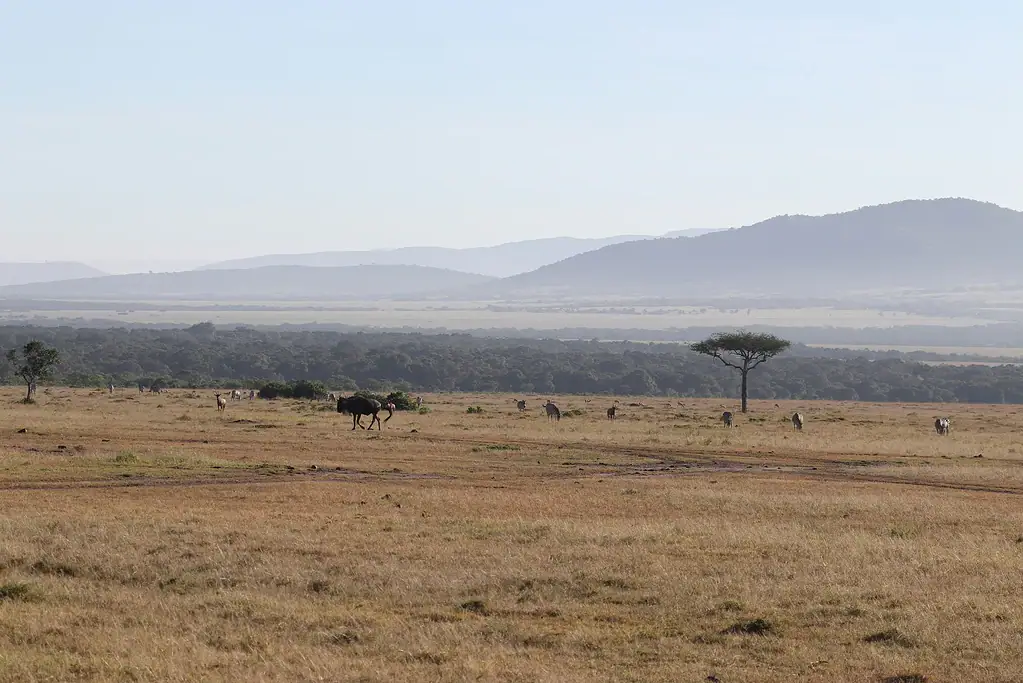
Mara North fees need camp-specific confirmation
The reviewed Mara North tariff sheets do not all give the same conservation charge. Several camp sheets list the lower amount in the table, while the amended current sheet lists the higher amount. A traveller should not resolve the difference by choosing the cheapest number from a search result. The booked camp must confirm the applicable adult amount, child band and charging unit.
Request a quotation that identifies Mara North Conservancy by name and separates any conservation charge excluded from the accommodation headline. If the complete safari includes that charge, the inclusion should still be explicit. An apparent discount on a tent is not automatically a discount on compulsory conservancy fees.
Use the Mara North guide for camp and location context. A Reserve excursion from a Mara North base needs its own entry and transport treatment. Do not assume paying conservancy fees purchases a Reserve ticket, or that a day in the Reserve automatically removes the camp’s nightly conservation charge.
Naboisho conservation charges and partner-camp access
Naboisho’s published visitor arrangement is through partner camps; the conservancy does not offer day visits. This means a fee comparison should begin with an eligible camp stay rather than a plan to buy a gate ticket and drive in from any nearby accommodation. Confirm the access arrangement with the selected camp.
The Naboisho row above uses the Kicheche Valley nightly tariff and its own child band. Other camps can have different age categories and additional funds. Ol Seki Hemingways also lists a Naboisho Reserve Fund contribution of USD 5 per person per night; keep that separate from the conservation charge and confirm whether it is already included in the final quote.
A named inclusion is more useful than a broad “all activities” label. Ask about private guiding, authorised night viewing, walking eligibility and the actual airstrip collection. The Naboisho guide provides location context. Conservancy fees establish one part of the cost; they do not make every activity suitable for every child or every traveller.
Olare Motorogi and Ol Kinyei charging units
The Olare Motorogi rows show why the charging unit matters even when the adult number agrees. Kicheche’s tariff is presented nightly, while Porini’s published schedule uses a daily basis. The booked camp should specify how arrival, overnight stays and departure are counted. Avoid silently changing “per day” into “per night” when comparing proposals.
Porini’s Ol Kinyei tariff covers its specified camp and cottage arrangements. Its separate Wildlife Habitat Trust contribution remains a distinct line from conservancy fees. The existence of a supported tariff does not imply that every vehicle from another accommodation can enter, or that there is unrestricted reciprocal access between Ol Kinyei and another conservancy.
For local residents, Porini lists KSh 2,500 per person per day for Ol Kinyei and Olare Motorogi. This is the published Porini basis, not a resident rate to apply across all conservancies. Obtain confirmation of eligibility and the booked product. The Olare Motorogi guide explains that conservancy’s camp and management context.
Daily and nightly conservancy fees
A daily charge and a bed-night charge can produce different totals even if their headline amounts match. Compare the arrival date, the accommodation nights, the departure plan and any separately charged viewing dates. The unit printed on the quotation should remain attached to the rate throughout the calculation.
Ask the organiser to explain the counting rule in plain language. If a late flight, early arrival or extra game drive creates another charge, it should be priced before confirmation. An accommodation promotion can reduce room costs while compulsory conservation charges still apply to the promoted night. Do not assume “stay longer” offers waive conservancy fees.
Once the counting basis is confirmed, the conservation subtotal is the relevant rate multiplied by the chargeable units for each eligible traveller. Keep age groups separate where the tariff requires it. Then add only those compulsory funds or Reserve outings that are excluded from the package being compared. This method avoids both overlooked charges and double counting.
An illustrative conservation-only budget
| Component | Calculation | Subtotal |
|---|---|---|
| Adult conservation charges | 2 adults × 3 nights × USD 130 | USD 780 |
This example covers the stated conservation charge only. It excludes accommodation, guiding, transfers, flights, optional activities, additional fund charges and Reserve entry. Actual dates, counting rules and inclusions require a written quote.
Compare a complete safari with accommodation alone
An accommodation tariff may describe room and meals while leaving the conservation charge, private vehicle and certain transfers outside its headline. Another camp product may bundle drives but use shared vehicles. A complete private safari has a different scope again. Bring the products onto the same basis before treating their totals as competing prices.
MaasaiMara.ke’s safari arrangements are private to the travelling party, with dedicated vehicles and guiding. A camp’s standard shared-drive tariff should not be represented as that private arrangement without the appropriate vehicle allocation. Scheduled entry and compulsory selected-property charges are included in an all-inclusive land quote; they should not appear later as unspecified extras.
The safari cost guide separates transport, accommodation and itinerary components. For a lodge-only enquiry, ask which camp charges remain additional. For a complete safari, provide travel dates, the party and the preferred camp so the operator can cost the actual programme. The client pays the operator that plans and fulfils the safari.
Other conservancies: keep unconfirmed amounts out
| Location | Treatment before booking |
|---|---|
| Lemek | Ask the selected camp for its current dated conservation charge and child bands. |
| Enonkishu | Confirm the season, visitor category and daily or nightly charging unit. |
| Leopard Gorge | Confirm the current Kandili product and any excluded access charge. |
| Olarro | Request the booked property’s current conservation charge and inclusion basis. |
| Siana | Confirm the exact conservation area and product; area-wide figures cannot safely be applied to every camp. |
| Olderkesi | Check the specific Cottar’s camp or villa quotation and which conservation charges are included. |
No amount shown means the charge is not confirmed here. It does not mean free access, no conservation charge, or no eligible accommodation.
The limits of a fee comparison
Conservancy fees should not be ranked without considering the programme they accompany. A nightly conservation charge at a participating camp is not directly comparable with a daytime Reserve ticket plus accommodation outside the park. Each arrangement has a different access and travel pattern. Compare complete useful safari time, the viewing area and the guiding product.
The table deliberately leaves some amounts unquoted. An old operator listing, an incomplete payment page or a fee with no stated unit is insufficient for a dependable current budget. Ask for the missing conditions instead of interpreting a blank as a saving. Where named properties within an area have different tariffs, their charges need not be competing versions of a universal area-wide fee.
For Siana and similar broad location labels, identify the actual camp land and access product first. For a camp that says conservation is included, retain that inclusion in the product comparison; do not add an unsupported standalone levy. Any later change should be reconciled with the dated quotation before the booking is confirmed.

Reserve excursions are a separate admission decision
A conservancy stay can be combined with the National Reserve, but its conservation charge does not automatically cover Reserve entry. Name the intended Reserve sector and the relevant dates, then confirm admission, guiding and transfer logistics. Wildlife can move across ecological boundaries while visitor access remains regulated.
The Mara Triangle fees guide explains the western Reserve sector. The Mara Conservancy manages that sector; its name should not be confused with the community conservancies covered here. Selecting the Triangle on a ticket portal does not buy access to all the neighbouring conservancies.
Keep the cost of a Reserve visit attached to its purpose. If the interest is river habitat or a specific landscape, ask whether the travel time fits the stay. If the primary interest is resident wildlife and quieter repeated outings, an authorised conservancy programme may make better use of the day. Neither location guarantees a particular sighting.
If you are arranging the Reserve admission yourself, use KAPS to purchase the applicable Reserve tickets after confirming the itinerary. Select the correct destination and place of stay. A Reserve payment cannot replace a camp’s conservancy access arrangement. When the complete safari quote already includes scheduled admission, agree with the organiser who buys the tickets to avoid paying the same component twice.
Children, residents and private vehicles
Children’s conservation categories vary by camp. They also differ from room-sharing rules, minimum admission ages, walking restrictions and flight fares. Give ages at the travel date, and request each applicable line rather than assume a single child percentage governs the whole trip. An activity can be unavailable to a child even where the room is bookable.
Citizen or resident concessions need their own confirmation. Do not reuse the National Reserve’s visitor categories as a substitute for a camp’s conservancy tariff. A resident accommodation promotion and a conservation concession may have different eligibility requirements. Keep proof requirements and the accepted price basis explicit.
Vehicle arrangements deserve equal attention. Low visitor density does not mean every camp provides a private vehicle as standard. Our private safari quotation must specify the dedicated arrangement, while a comparison of camp-only products should label shared and private drives accurately. Conservancy fees alone never establish exclusive use of a safari vehicle.
A clear record of inclusions
The final quotation should make it possible to understand the trip without reconstructing the tariff from several web pages. Keep the chosen camp, room occupancy, board, viewing location, conservation charge basis and compulsory funds together. Include the dates and conditions that affect the quoted product.
If two proposals differ, ask for the missing line items before deciding. A price excluding private guiding, Reserve admission or an obligatory fund can look attractive but describe less of the desired trip. Conversely, adding conservation again to a genuinely inclusive proposal exaggerates its cost. The useful comparison is the complete agreed programme.
Keep the quotation and payment confirmation available through travel. A change of camp or viewing area can change both the charge and the access rights, so confirm revisions with the organiser. This is particularly useful when a route crosses several areas: a familiar destination name does not make the visitor permissions interchangeable.
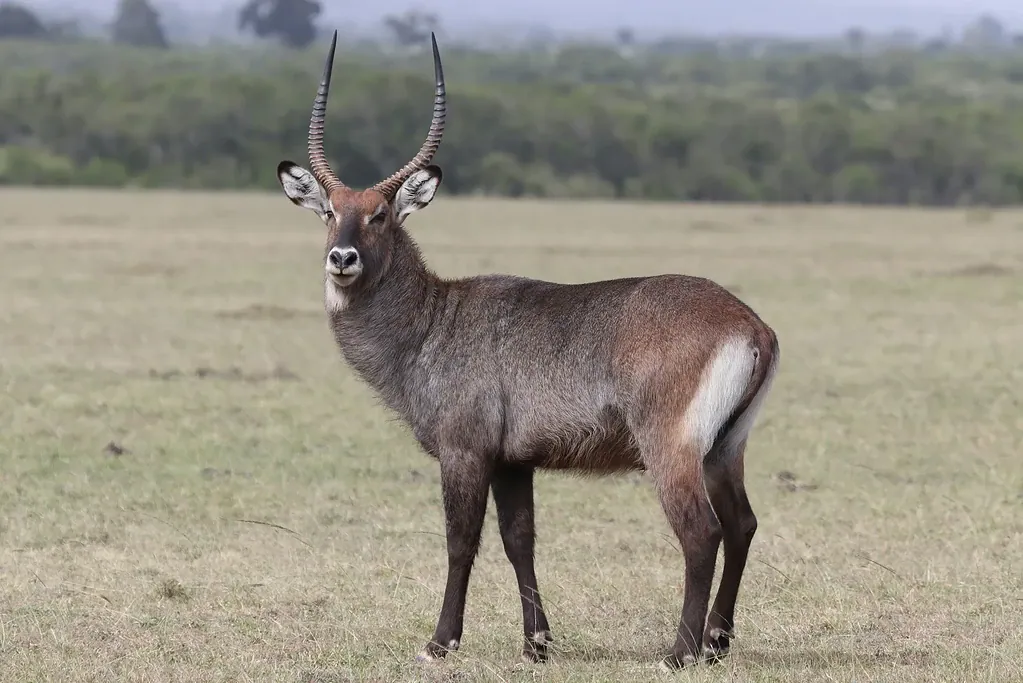
Confirm the conservation lines
- Named conservancy and booked camp or villa.
- Travel dates and the adult, child or resident categories.
- Exact daily or nightly counting basis.
- Conservation charge included or itemised outside accommodation.
- Separate habitat, reserve-fund or other compulsory contribution.
- Private vehicle and guiding allocation.
- Any National Reserve excursion and its entry treatment.
- Late departure or promotional-night charge conditions.
Explore safari packages






From USD 2,000 per person sharing



From USD 2,350 per person sharing

From USD 1,950 per person sharing

From USD 2,350 per person sharing

From USD 1,700 per person sharing

From USD 2,900 per person sharing

From USD 3,800 per person sharing
From USD 4,550 per person sharing
From USD 3,000 per person sharing
From USD 3,150 per person sharing
Compare a conservancy safari clearly
Send your dates, party and preferred camps. We will arrange a private safari quote that identifies the conservation charges, guiding and any Reserve visits.