
Maasai Mara park rules protect wildlife, habitat and visitors through driving limits, viewing distances, permitted routes and evening return requirements. Use the rules for the actual Reserve sector, with the Mara Triangle’s guidance kept distinct where it differs. The fine comparison below identifies its dated schedules rather than promising one uniform current penalty.
Maasai Mara park rules: the useful starting points
Give wildlife room
Keep the required distance, avoid crowding and leave animals a clear route.
Use permitted routes
Zoning, closed tracks and ranger directions control where vehicles can go.
Return in time
Gate operating hours, daylight viewing and ticket validity are separate arrangements.
Find the rules for your visit
One wildlife destination, distinct rule arrangements
Maasai Mara park rules apply to the way visitors use the protected landscape, not just to the purchase of an entry ticket. The Narok-managed sector and the Mara Triangle are both parts of the National Reserve, but published visitor instructions and penalty schedules need to be read on their own terms. Neighbouring conservancies have separate camp-based permissions. A familiar destination name does not make every activity or road equally accessible.
Start with the visitor behaviour that protects wildlife: suitable driving, space around animals, authorised stopping places and a timely return. Then use the specific rules for the area being visited. Viewing rules apply in the relevant wildlife area. The fine schedules below retain their publication dates and issuing authorities. The planning hub and areas guide help establish the actual programme.
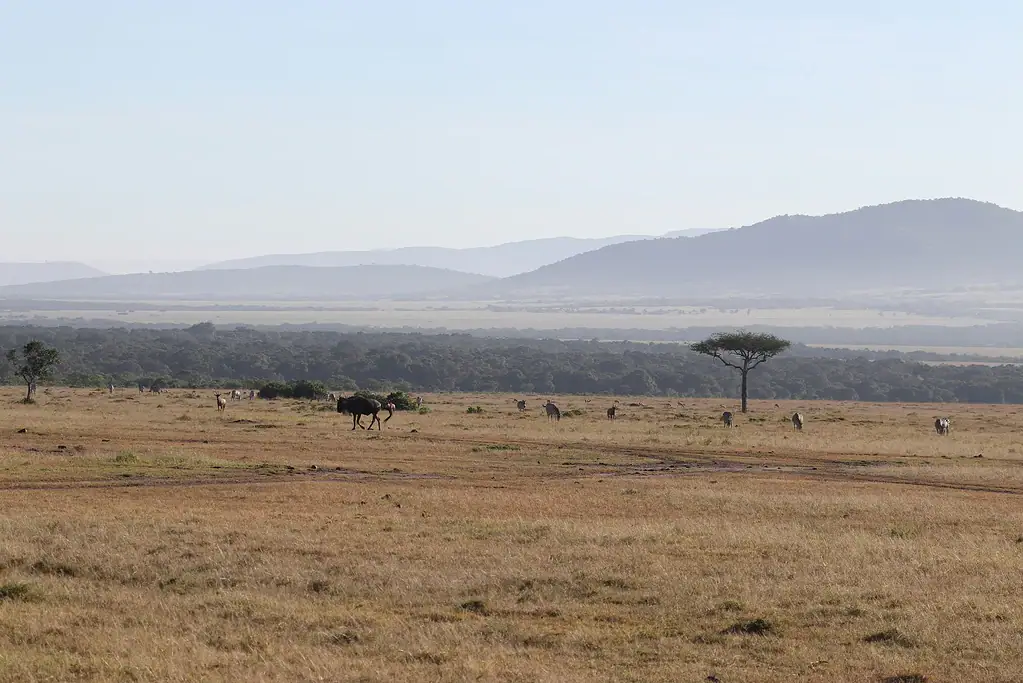
Speed and the end of the viewing day
| Rule | Published basis | Useful distinction |
|---|---|---|
| Graded roads | Maximum 50 km/h | Slow further for wildlife, visibility and conditions. |
| Other roads or tracks | Maximum 30 km/h | A quieter route is not permission to drive faster. |
| Evening return | Leave the Reserve or be back at camp by 19:00 | No night game drives in the National Reserve. |
| Triangle gates | 06:00–19:00; no entry after 18:30 | Gate hours differ from the daytime ticket’s 06:00–18:00 validity. |
Driving that gives animals priority
The speed limits are ceilings, not target speeds. Slow down for an animal beside the road and stop when it needs to cross. Never drive through a herd to reach a preferred viewpoint. The vehicle should remain predictable, with enough time for the driver to respond to wildlife and other road users. In the Triangle, automated speed cameras form part of the published driving arrangements.
Dust, rain and other vehicles can reduce visibility even on a graded road. Choose a pace that suits the actual conditions and follow local signs or ranger instructions. A transfer deadline or a report of a distant sighting is not a reason to rush. The self-drive guide explains the separate question of whether the vehicle and driving arrangement are permitted for the selected area.
Plan the return before extending an outing
The end of the wildlife day must fit the required return to camp or departure from the Reserve. Keep the remaining route in mind before moving towards another sighting. A journey that looks short on a map can take longer when animals, road conditions or necessary stops affect progress. The published evening rule does not provide a special allowance for a delayed photograph or an ambitious final circuit.
Do not confuse that operating rule with the admission ticket’s validity. The Triangle daytime ticket covers its stated visit period rather than a rolling allowance beginning at arrival. Admission, accommodation and departure-day viewing need a coherent arrangement. Use the Triangle fees guide for ticket treatment and avoid assuming that a late arrival buys the following morning or that every early departure is free.
Wildlife distances and waiting rules
| Area / circumstance | Published viewing instruction |
|---|---|
| Main Reserve big-cat viewing | Minimum 25 metres; maximum five vehicles at a sighting. If five are present, wait 100 metres away. When others are waiting, move on after 15 minutes. |
| Mara Triangle distance | Its rules sheet requires more than 25 metres from animals. |
| Mara Triangle crowded sightings | When more than five vehicles are waiting, viewing is restricted to 10 minutes; waiting vehicles stay 100 metres away. |
The Triangle driving FAQ has different distance wording. Use the stricter rules-sheet distance and ranger directions rather than treating the wording as permission to approach more closely.
Space around the animal and the sighting
Distance is only part of responsible viewing. Leave room for an animal to move away, approach cover or cross the track. A vehicle parked at the stated minimum can still obstruct movement if other vehicles complete a circle around it. Do not crowd an animal merely because there is a gap beside another car. Choose a position that protects the sighting and lets both wildlife and vehicles leave without pressure.
A private safari vehicle gives the party its own guiding arrangement; it does not reserve an animal sighting for that party. Waiting visitors need a fair chance to observe, and rangers can direct the order and positions. Keep the driver’s attention on the animal’s behaviour as well as the viewing limit. If a scene becomes congested, moving to another habitat can be more rewarding than adding another vehicle to the crowd.
A quiet, unhurried observation
Maasai Mara park rules prohibit disturbing wildlife through chasing, following, shouting, clapping or cheering. Quiet behaviour lets the party observe without trying to provoke a response. Do not use the vehicle to make an animal stand, turn its head or approach another animal for a photograph. A guide’s knowledge is most useful when it interprets natural behaviour rather than creates a scene for the camera.
Keep the party’s expectations realistic. An entry payment does not guarantee a hunt, a crossing or a close encounter. Some useful observations involve waiting, while others are best left undisturbed. The game-drive guide explains how a wildlife outing can be shaped around varied habitats and interests. Respectful viewing often provides more to notice than repeatedly moving the vehicle for a different angle.
River crossings and animal movement
River-viewing sites require particular restraint. Do not block an approach to the river or drive through a herd. Remain in the vehicle at migration crossings and keep the animal’s route clear. A vehicle should not press a hesitant herd towards the bank or place visitors where the animals need to move. Ranger instructions and natural behaviour determine the opportunity, rather than a visitor’s wish to see a crossing.
The river-crossing guide gives geographic context, while the migration guide explains seasonal expectations. Planning a visit to river habitat does not establish that a crossing will happen. Keep other wildlife interests in the programme and accept that leaving a congested or sensitive scene can be the right decision. A photograph should never depend on obstructing animal movement.
Off-road zones and limited viewing permissions
Maasai Mara park rules do not reduce to either “off-roading everywhere” or “every departure from a track is allowed for wildlife”. The Reserve management plan and Triangle guidance distinguish high-use, river and low-use areas. Off-road driving is prohibited in the restricted high-use and river zones; limited low-use viewing of big cats already seen from the road follows the applicable conditions. The vehicle must return to the authorised route after the permitted observation.
If the zone is uncertain, remain on the track and follow ranger directions. A guide, a rental vehicle or a payment does not remove a zoning restriction. Closed tracks should not be bypassed by making a new route across vegetation. Restrictions also protect soils and grassland from repeated vehicle damage, so an apparently empty patch is not evidence that driving over it is acceptable.
The Triangle’s controlled border area
The Triangle has a separate controlled off-road arrangement along the border. Its published conditions require a vehicle fitted with a Maasai Mara tracking device, authorisation and supervision by an anti-harassment team, and compliance with normal park rules. This is an equipment and permission condition. It does not mean that hiring someone called a tracker gives an ordinary vehicle unrestricted off-road access.
Keep this arrangement distinct from the general low-use description. The boundary with Tanzania also remains a national border; following animals or another vehicle does not create crossing permission. Use the actual approved programme and ranger directions. If a proposed outing cannot meet the controlled-area conditions, choose a permitted alternative rather than improvise a route or treat the payment of a possible penalty as an access option.
Leaving the vehicle and stopping for a picnic
Leave the vehicle only at picnic spots or other designated places, following the area’s visitor instructions. River crossings and wildlife sightings are not places to get out for a closer view. Do not sit or stand on a vehicle’s roof or windows. The useful distinction is between an authorised stopping place and an attractive-looking place where wildlife happens to be visible.
A planned picnic should be part of the route and the permitted arrangement. Keep food and waste controlled, avoid feeding animals and leave the site clean. The picnic guide explains suitable planning. If the intended place is closed or unsuitable under current directions, change the stop. A meal booking or a photographic preference does not override a closure or wildlife safety instruction.
Camping, walking and night activities
Overnight camping requires the authorised campsite arrangement, including any applicable security and booking conditions. It is not permission to sleep in a vehicle wherever a drive ends. Fires belong only in authorised campsites under the relevant rules. Keep camping permissions separate from daytime passenger admission and any vehicle charge.
Walking safaris, night drives and horseback safaris are not permitted in the National Reserve under its management plan. Some neighbouring conservancy programmes offer authorised alternatives with their own eligibility and safety conditions. Use the walking safari, night-viewing and location comparison guides to choose those experiences in the correct setting.
Habitat, litter and objects in the landscape
Take litter away and do not remove bones, flowers, plants, wood or other objects from the Reserve. A found object can have a role in the habitat even when it appears small or commonplace. Keep waste secured in the vehicle so that a breeze or an animal cannot scatter it. The party’s behaviour at a stop matters as much as the driver’s route.
Avoid feeding wildlife or leaving food where animals can reach it. Wildlife should remain able to behave naturally rather than learn to approach visitors for food. For children, these rules can be part of understanding the safari: look closely, photograph where appropriate and leave the habitat intact. The value of the visit comes from observing the place, not taking a piece of it home.
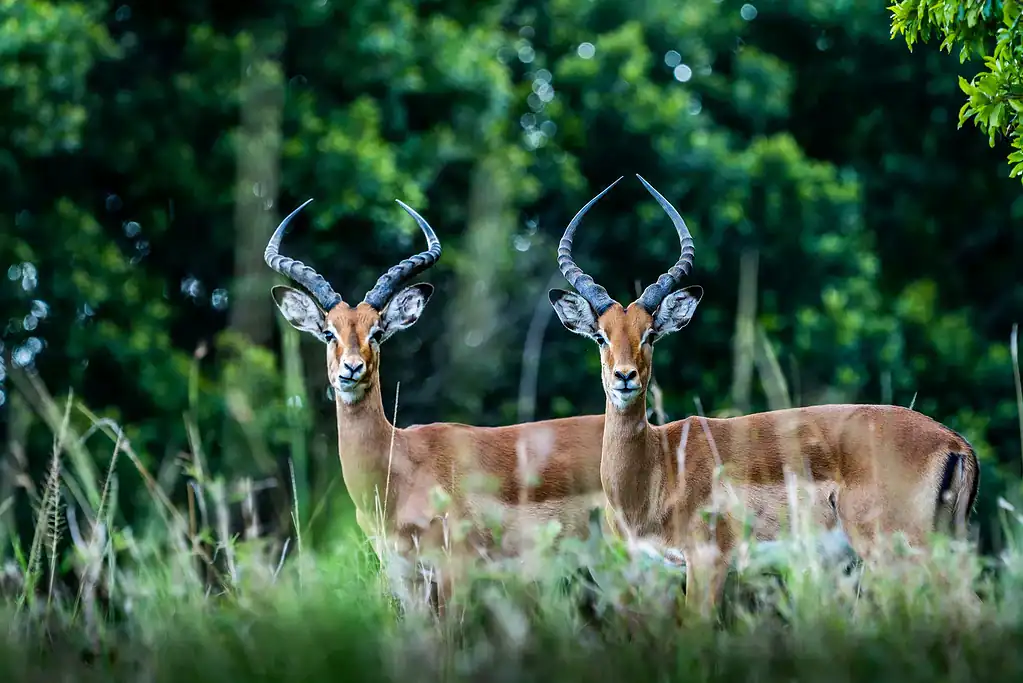
Published fines: separate the dated schedules
| Offence | Narok Finance Act amount | Mara Triangle published chart |
|---|---|---|
| Unauthorised off-road driving | KSh 50,000 per instance; KSh 70,000 repeat offence | KSh 10,000 for prohibited high-use and river-zone off-roading. |
| Wildlife disturbance / harassment | KSh 30,000 per vehicle | KSh 10,000 for listed disturbance offences. |
| Littering | KSh 10,000 per person | KSh 500. |
| Entry or exit through non-designated payment points | KSh 100,000 per entry or exit | Do not substitute a general Triangle figure for the county offence. |
Published schedules differ by authority, date and offence. Rangers can also remove visitors or vehicles and impose bans under the applicable rules. Obtain the actual offence, applicable schedule and receipt rather than assuming an old online amount settles a current incident.
A fine is not permission to break a rule
The penalty amounts should not be treated as a menu of optional access charges. Wildlife disturbance, unauthorised routes and unpaid admission can have consequences beyond the amount printed in a table. Ranger directions govern the immediate situation, and removal or a ban can affect the rest of a trip. An accommodation booking does not prevent enforcement.
The dated reference table deliberately avoids combining county and Triangle amounts into a single “Maasai Mara fine”. The published Narok Act and Triangle chart describe different offences and units. Older online claims of a uniform off-road amount or a fixed one-year ban are not a dependable substitute for the applicable rule. Keep the date and authority attached to a penalty reference rather than present it as a guaranteed current settlement.
Handling an incident calmly
If a ranger directs a vehicle to stop or leave an area, follow the instruction calmly. Establish the location and the alleged offence, and retain the relevant ticket or booking record. A disagreement at a sighting should not become further wildlife disturbance. The immediate aim is to cooperate with the authorised process while keeping a clear record of what happened.
The Triangle states that fines are paid at the rangers’ office before departure and visitors should obtain a receipt. Its published wording also allows a ban for unpaid fines, depending on the offence. Do not make informal payments to someone whose authority has not been established. If the vehicle is part of an arranged safari, involve the operator so the incident and any revised programme are recorded accurately.
Tickets, documents and the viewing programme
Correct admission remains part of complying with Maasai Mara park rules. Use the actual visitor category, accommodation and entry arrangement; retain the supporting identification and ticket. The entry-fees guide and payment guide explain the practical distinctions. An invoice for accommodation is not automatically proof that the required park admission has been paid.
For a self-arranged Reserve visit, purchase the applicable tickets through KAPS after choosing the correct destination and stay. For a complete private safari, scheduled entry and compulsory selected-property charges should already be clear in the quotation. A change of camp, viewing area or final-day activity may change the arrangement; keep the admission treatment aligned with the agreed programme.
Reporting a problem without adding another one
Rule-breaking can be reported to the responsible rangers. Note the location, time and vehicle details when it is safe to do so, without following an animal or obstructing another vehicle to obtain evidence. Avoid turning an incident into a confrontation with another visitor. Clear factual information is more useful than a speculative accusation about motives or an argument at a wildlife sighting.
Visitors can also raise a concern with their own organiser when the programme appears inconsistent with the agreed permissions. Describe the actual behaviour or route rather than assume the whole destination operates that way. Responsible guiding and respectful visitors work together: the party can express its interests while accepting the limits needed to protect wildlife, habitat and other people’s experience.
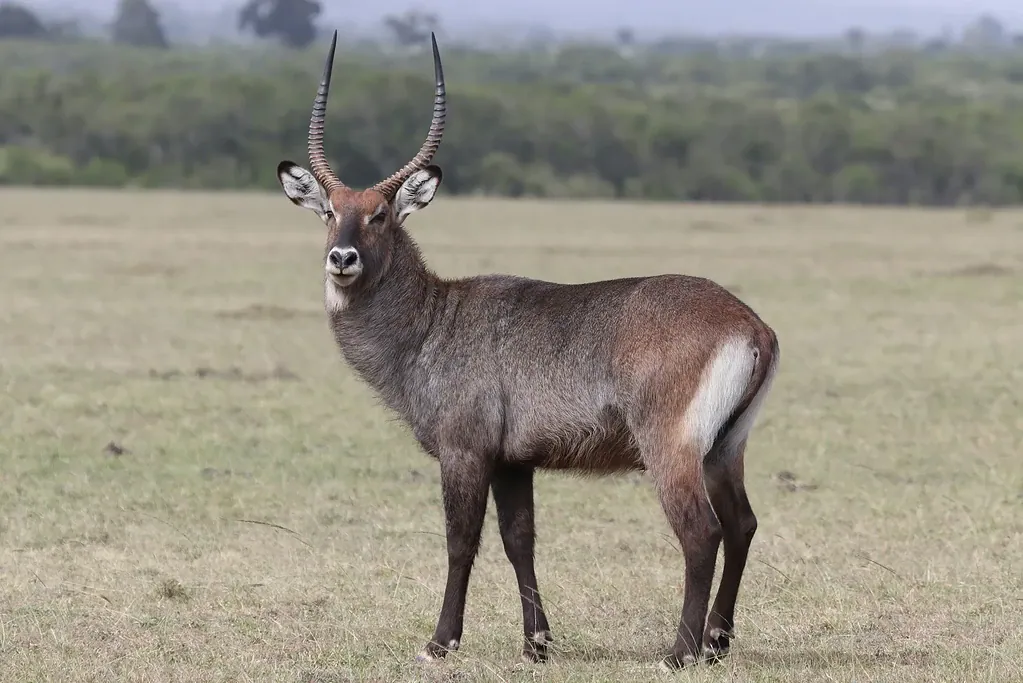
A practical visitor rules checklist
- Use the permitted vehicle and route for the actual viewing area.
- Drive below the applicable limit and slow for animals.
- Give wildlife space and a clear route away.
- Wait fairly and follow sighting limits and ranger directions.
- Do not block herds or alight at river crossings.
- Treat off-road zones and closed tracks as real restrictions.
- Use designated picnic places and authorised campsites.
- Return to camp or leave within the operating rules.
- Carry admission evidence and the appropriate identification.
- Take waste away and leave habitat objects where they are.
Explore safari packages
From USD 1,200 per person sharing
From USD 1,700 per person sharing
From USD 2,450 per person sharing
From USD 3,000 per person sharing
From USD 1,500 per person sharing
From USD 2,000 per person sharing
From USD 2,350 per person sharing
From USD 1,950 per person sharing
From USD 1,700 per person sharing
From USD 2,900 per person sharing
From USD 3,800 per person sharing
From USD 4,900 per person sharing
From USD 4,550 per person sharing
From USD 3,350 per person sharing
From USD 3,000 per person sharing
From USD 3,150 per person sharing
From USD 3,750 per person sharing
From USD 5,850 per person sharing
From USD 3,850 per person sharing
From USD 3,900 per person sharing
Plan a responsible private safari
Share your dates, party and wildlife interests. We will arrange a private programme with the appropriate vehicle, permitted activities and clear entry inclusions.