
A self-drive Maasai Mara safari needs an area-specific plan. The Mara Triangle publishes four-wheel-drive guidance; private-vehicle game drives in the Narok-managed sector need their own permission check. Match the viewing area, vehicle, accommodation and ticket arrangements before booking. Driving yourself to a camp and using that car for game drives are different decisions.
Self-drive Maasai Mara access by area
| Area | Useful starting position | Before relying on self-drive |
|---|---|---|
| Mara Triangle | Its published driving guidance calls for a four-wheel-drive vehicle. | Use the permitted routes, authorised accommodation and current ranger directions. |
| Narok-managed Reserve sector | Private-vehicle game drives are subject to county restrictions. | Establish whether your exact vehicle and guiding arrangement are permitted; do not assume a hired SUV qualifies. |
| Neighbouring conservancies | Access follows the named conservancy and camp arrangement. | A Reserve ticket or vehicle rental does not provide conservancy permission. |
Road arrival and game drives are different
Driving yourself to accommodation near the Reserve does not establish permission to use that vehicle for wildlife viewing. Choose the viewing area and permitted vehicle arrangement before booking the car.
Plan the driving arrangement
A self-drive plan that matches the area
A self-drive Maasai Mara safari is easiest to assess when the accommodation, viewing area and vehicle are considered together. The Mara Triangle publishes four-wheel-drive advice for visitors arriving by road. That guidance should not be transferred automatically to the Narok-managed sector or a neighbouring conservancy. Each has its own visitor arrangements, and the place where you sleep can affect the entry route and daily programme.
Self-drive can mean different things: driving from Nairobi to a lodge, using a hired vehicle for wildlife viewing, or combining a road arrival with camp-arranged drives. Be clear about which version you intend. The practical choice is a programme that gives you permitted access and useful wildlife time. A car rental and a park ticket are separate purchases; neither alone establishes that the full planned route is allowed.
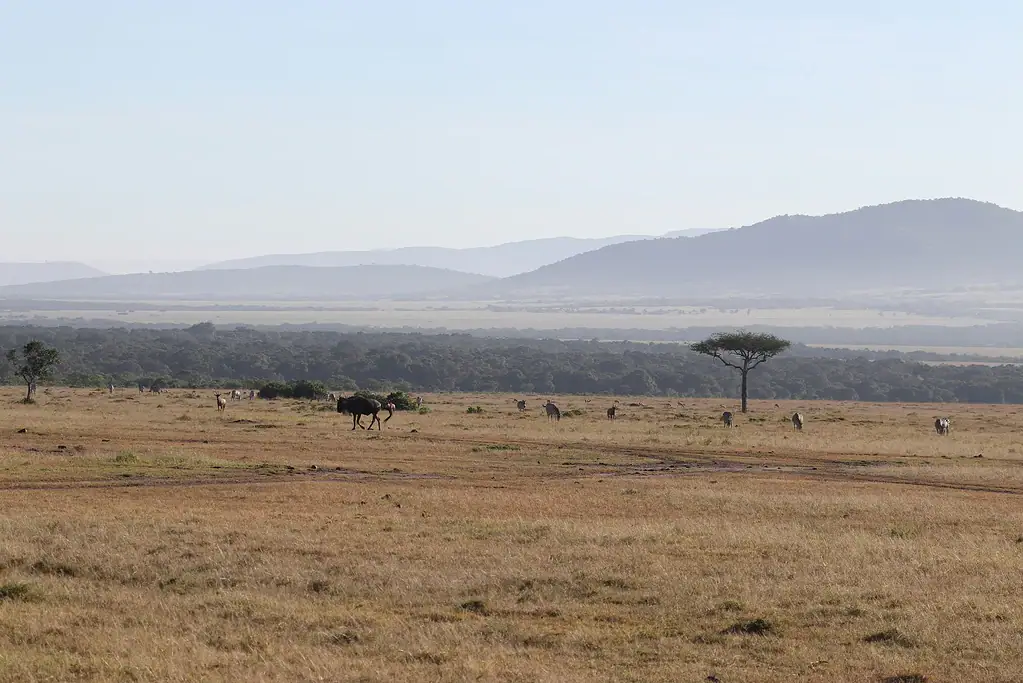
The Narok-managed sector and private vehicles
Narok County’s private-vehicle game-drive restriction was reported in June 2024. The current admission treatment for a particular privately hired vehicle should be established with the Reserve authorities before that vehicle becomes the basis of a safari booking. A description such as “SUV”, “four-wheel drive” or “safari car” on a rental website is not proof of acceptance for game drives in the Narok-managed sector.
Do not rely on an assumed ranger workaround or a blanket statement that all self-drive is permitted across the Reserve. Driving a vehicle yourself and the vehicle’s eligibility for wildlife viewing are different questions. A road arrival can still be paired with an authorised guided game-drive arrangement. If that is your chosen product, keep the parking, camp transfer and viewing vehicle clear rather than expect to resolve them after reaching the gate.
Mara Triangle as a distinct driving destination
The Triangle is part of the Maasai Mara National Reserve, managed by the Mara Conservancy. Its road guidance explicitly calls for four-wheel drive, and camping vehicles must use public or private campsites. The Mara Triangle guide explains the setting. Its published driving advice is a useful starting point for a self-drive Maasai Mara plan focused on that sector, subject to the applicable admission and ranger instructions.
Choose the actual accommodation before choosing an approach road. A camp inside the Triangle and one outside the boundary can have different arrival and entry arrangements. An itinerary that crosses another sector to reach the Triangle needs a clear passage plan; it is not an invitation to make unapproved wildlife detours. The Oloololo Gate and Purungat Bridge guides help distinguish those access points.
Conservancies are not open extensions of the Reserve
The surrounding conservancies have their own landowner and tourism arrangements. Staying near a conservancy does not establish access, and a National Reserve admission ticket does not buy a general conservancy pass. Some programmes use the participating camp’s vehicles and guiding. A self-drive itinerary needs the named camp’s actual access arrangement rather than a route drawn across neighbouring wildlife land on a phone map.
Naboisho, for example, admits visitors through partner-camp stays rather than day visits. Other conservancies must be treated according to their own rules. Use the Reserve-versus-conservancies comparison to choose a suitable base. A quieter camp-based programme can be combined with a road arrival without requiring the visitor’s rental vehicle to become the game-drive vehicle. Wildlife moves between habitats; visitor permissions remain separate.
Vehicle suitability and the rental agreement
For a Triangle self-drive, start with genuine four-wheel-drive capability and a vehicle whose condition suits the planned roads. The driver needs to understand its controls and limitations before leaving the rental collection point. Ground clearance, tyres, visibility and luggage storage matter alongside the vehicle description. A road vehicle that looks substantial is not automatically appropriate for wet tracks, and mechanical suitability does not replace permission to enter the chosen viewing area.
The rental agreement should cover the actual destination and permitted use. Clarify damage and recovery responsibilities, the equipment supplied, breakdown support and any restrictions on tracks or cross-border travel. These are provider-specific terms, so retain them in writing. An attractive daily hire price tells you little about the total commitment if support or use in the planned area is excluded. Check the vehicle at collection and report existing defects before departure.
Driving skill and the workload of the safari
A self-drive Maasai Mara itinerary asks the driver to manage navigation, road conditions and wildlife behaviour while the rest of the party observes. That workload is different from ordinary sightseeing on a marked urban route. Consider whether the driver is comfortable with the terrain and whether someone else can help with navigation. A wildlife sighting should not distract the driver from the track, other vehicles or an animal moving towards the road.
A local guiding arrangement can be valuable even where driving yourself is permitted. It can help interpret habitats, identify suitable viewing routes and understand current ranger instructions. Guiding does not remove the driver’s responsibility or authorise restricted access. Choose the arrangement according to the party’s confidence and interests. If the main aim is photography, birding or relaxed observation, a dedicated driver-guide can let the whole party concentrate on those interests.
Road arrival from Nairobi
Choose the approach for the booked camp, not for a generic destination pin. The Nairobi-to-Maasai-Mara road guide covers the broader journey. The final approach is part of the accommodation choice: road surfaces and routing can change between the main road, a gate and a camp. Have the correct camp location available before leaving the better-connected part of the journey.
Build the arrival day around daylight, rest and the camp’s actual check-in or collection arrangement. A long road arrival followed immediately by ambitious wildlife viewing can make the driver tired and create pressure to rush. If a delay makes the original plan impractical, adapt the programme. A booked room does not justify a late gate entry or unsafe driving. Keep an agreed fallback for an arrival that cannot reach the intended stop as planned.
Accommodation as a practical base
An inside-Reserve camp, an outside-gate property and a conservancy camp can all be marketed as Maasai Mara accommodation. Their practical roles differ. For a self-drive plan, the location affects gate travel, parking, the place to return before dark and the viewing arrangements available if the rental vehicle is not accepted for drives. Compare those details with the room and board product.
Use the accommodation guide to choose the stay style, then match the selected property to the route. A camp should be able to explain its own arrival and parking arrangement. If game drives are purchased separately, establish the departure point and whether they are private or shared. Room availability alone does not confirm vehicle access, a campsite booking or an included wildlife programme.
Entry tickets and the complete cost
Passenger admission, vehicle entry, accommodation, fuel and guiding are separate components unless the booked product explicitly combines them. A self-drive Maasai Mara budget should reflect the actual chargeable entry dates and the vehicle category. Keep monetary amounts on the maintained entry-fees guide and Triangle fees guide, where the visitor categories and conditions can be checked together.
For the Triangle, park entry is cashless through M-Pesa or card, and the payment arrangement depends on where the visitor stays. Use KAPS for the applicable park-ticket purchase once the route and accommodation are settled. Carry the identification supporting the visitor category and retain the ticket confirmation. A failed connection or incomplete payment is not a reason to substitute an informal entry arrangement.
Gate hours and ticket validity are different
| Arrangement | Published basis | Planning implication |
|---|---|---|
| Triangle gates | 06:00–19:00; no vehicle entry after 18:30 | Allow enough time to reach camp or leave within the operating rules. |
| Triangle daytime entry ticket | 06:00–18:00 on the visit date | An afternoon purchase does not create a rolling overnight ticket. |
| Reserve evening return | Be outside the Reserve or back at camp by 19:00 | The final outing and route must fit the required return. |
Arrival, departure and useful viewing time
The gate closing time and the admission ticket period answer different questions. A late arrival can leave little useful wildlife time even where entry is still possible. Keep the planned drive modest enough to return safely under the operating rules. Do not turn the published closing time into a target arrival time or assume that a room inside the Reserve provides permission for night driving.
A final morning also needs a clear admission and departure plan. There is no blanket promise that an early exit or an overnight stay removes every additional charge. The applicable treatment depends on the accommodation and actual programme. If a departure-day game drive is wanted, include it expressly in the arrangement. For standard private road packages offered through MaasaiMara.ke, the base departure plan has no game drive or departure-day Reserve entry.
Navigation and open tracks
Use a route that follows authorised roads and current local instructions. A track shown on a digital map can be closed or unsuitable, and a line used by another driver is not evidence of permission. Avoid turning a missed junction into an improvised wildlife detour. Plan a manageable circuit from the camp or gate and retain a clear return route rather than keep extending the day whenever a distant sighting is reported.
The Triangle marks closed tracks with barriers such as logs or rocks. Those closures protect habitat and should be treated as instructions to use another permitted route, not as obstacles to drive around. Reserve zoning also affects off-road permissions. The park rules guide explains the conduct and viewing distinctions. Follow ranger directions when signs, a map and on-the-ground conditions appear inconsistent.
Wildlife viewing from the vehicle
Give animals space and let them cross the route without pressure. Stop and observe rather than drive through a herd to improve a photograph. Avoid chasing, following or crowding wildlife, and keep voices quiet. A visitor driving without a professional guide still needs to recognise when a viewing position is obstructing animal movement or adding pressure to an already busy sighting.
The Triangle’s rule sheet calls for more than 25 metres between vehicles and animals. Its viewing limits and waiting arrangements should be followed alongside ranger instructions. Stay inside the vehicle except at authorised stopping places; river crossings are not places to get out for photographs. The goal is a useful observation with an easy exit for the animal and the vehicle, not the closest possible image.
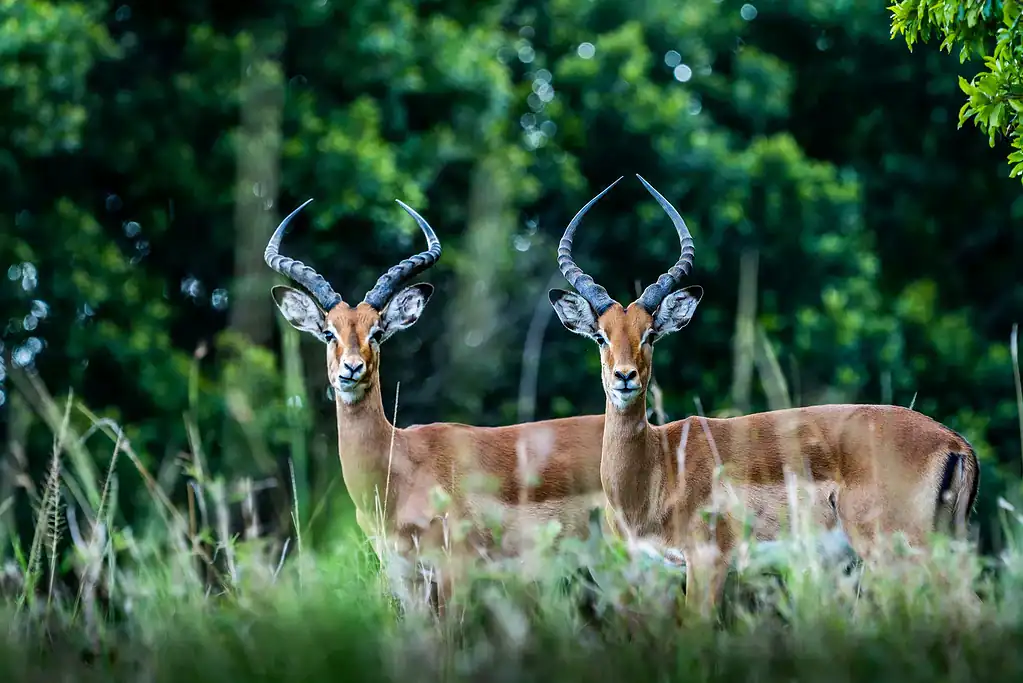
Off-road viewing and the controlled border area
Off-road permission is zoned and conditional. It does not follow simply from hiring a four-wheel-drive vehicle. High-use and river areas have restrictions; limited big-cat viewing in low-use areas follows the applicable rules. If the zone or permission is unclear, remain on the authorised track and follow ranger directions. Do not use another vehicle’s tracks as a substitute for knowing the rule.
The Triangle’s controlled border-area arrangement requires a vehicle fitted with a Maasai Mara tracking device, authorisation and supervision by an anti-harassment team, and compliance with normal park rules. Hiring a person described as a tracker does not meet that equipment condition. Keep the border area distinct from general low-use guidance, and do not cross into Tanzania because wildlife or another vehicle has moved towards the boundary.
Weather, fuel and support
Rain can change the driving task quickly. An approved route may still be a poor choice for the conditions or the driver’s experience. Do not enter water or difficult ground when the situation cannot be assessed safely. Turning back or using a guided alternative can preserve the day better than attempting an uncertain passage. The weather guide provides seasonal context rather than a promise of track conditions.
Fuel and breakdown support need to be planned for the chosen camp and vehicle. The Triangle’s guidance notes that lodge or camp fuel availability can be affected by shortages. Avoid relying on a speculative refill during a wildlife circuit. Keep the rental support arrangement and accommodation contact available, together with the agreed response if the vehicle becomes unusable. A support number is useful only when the service can actually cover the booked destination.
Camping, rest stops and the travelling party
Camping is an authorised accommodation arrangement, not permission to spend the night wherever the car is parked. Reserve campsites can have separate booking and security requirements. The camp plan should include where the party will sleep, the facilities available and the required arrival arrangements. Stops for a picnic or photographs must use designated places and follow the local rules; a pleasant-looking tree beside a sighting is not automatically a permitted stopping point.
Travelling with children or someone with mobility needs adds practical considerations. Keep seating, vehicle entry, shade, drinking water, luggage and the length of outings aligned with the party’s comfort. A shorter circuit or a guided day can be a better choice than a strenuous drive. Do not let a rental booking dictate an unsuitable pace. The party’s ability to enjoy the safari should guide the programme alongside permission and vehicle suitability.
A guided alternative without losing flexibility
Self-drive is one possible transport arrangement, not a requirement for an unhurried or personalised safari. A dedicated vehicle and driver-guide can provide a private programme while removing the navigation and driving workload from the travelling party. It also helps keep the selected camp, viewing area and access arrangements coherent. Compare the actual inclusions rather than assume that a guided journey necessarily means joining a shared group.
MaasaiMara.ke arranges safaris private to the travelling party through authorised tour operator partners. The client pays the operator that plans and fulfils the trip. For an all-inclusive land package, scheduled entry and compulsory selected-property charges belong in the quote. The safari cost guide helps compare the complete programme with the separate components of a self-drive booking.
Before leaving with the vehicle
- The actual viewing area and camp are chosen.
- The vehicle and any required guiding arrangement are accepted for that area.
- The rental terms cover the intended destination and use.
- Passenger and vehicle entry, campsite or camp bookings are arranged.
- Gate, ticket and final-day conditions fit the route.
- Open tracks and the return route are understood.
- Fuel, breakdown and arrival alternatives are workable.
- The travelling party is comfortable with the driving workload.
Explore safari packages
From USD 1,200 per person sharing
From USD 1,700 per person sharing
From USD 2,450 per person sharing
From USD 3,000 per person sharing
From USD 1,500 per person sharing
From USD 2,000 per person sharing
From USD 2,350 per person sharing
From USD 1,950 per person sharing
From USD 1,700 per person sharing
From USD 2,900 per person sharing
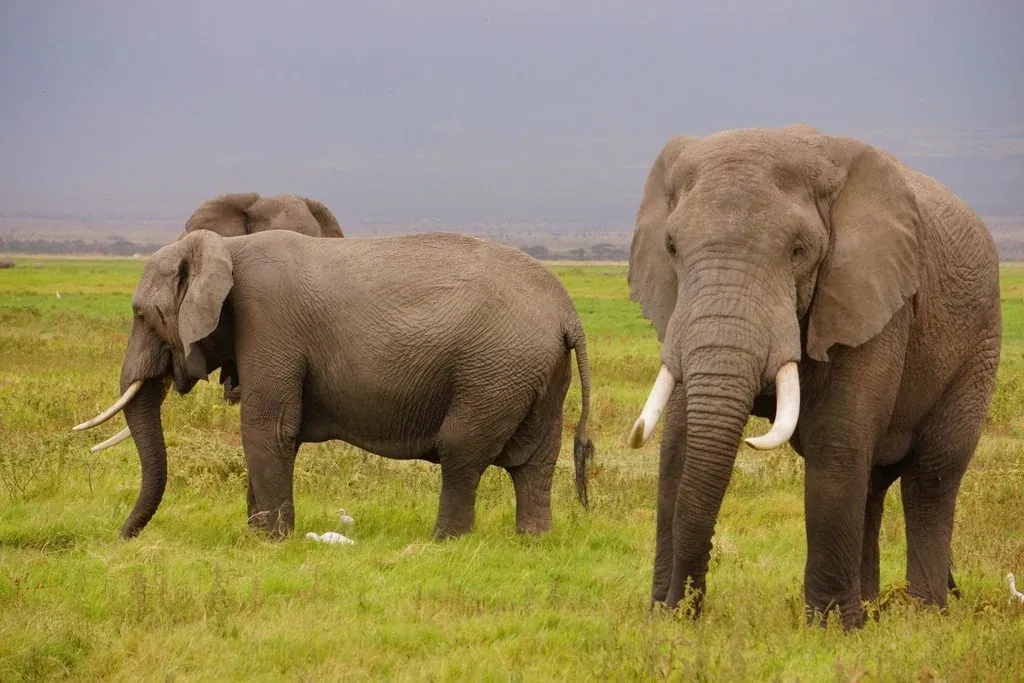
From USD 3,800 per person sharing
From USD 4,900 per person sharing
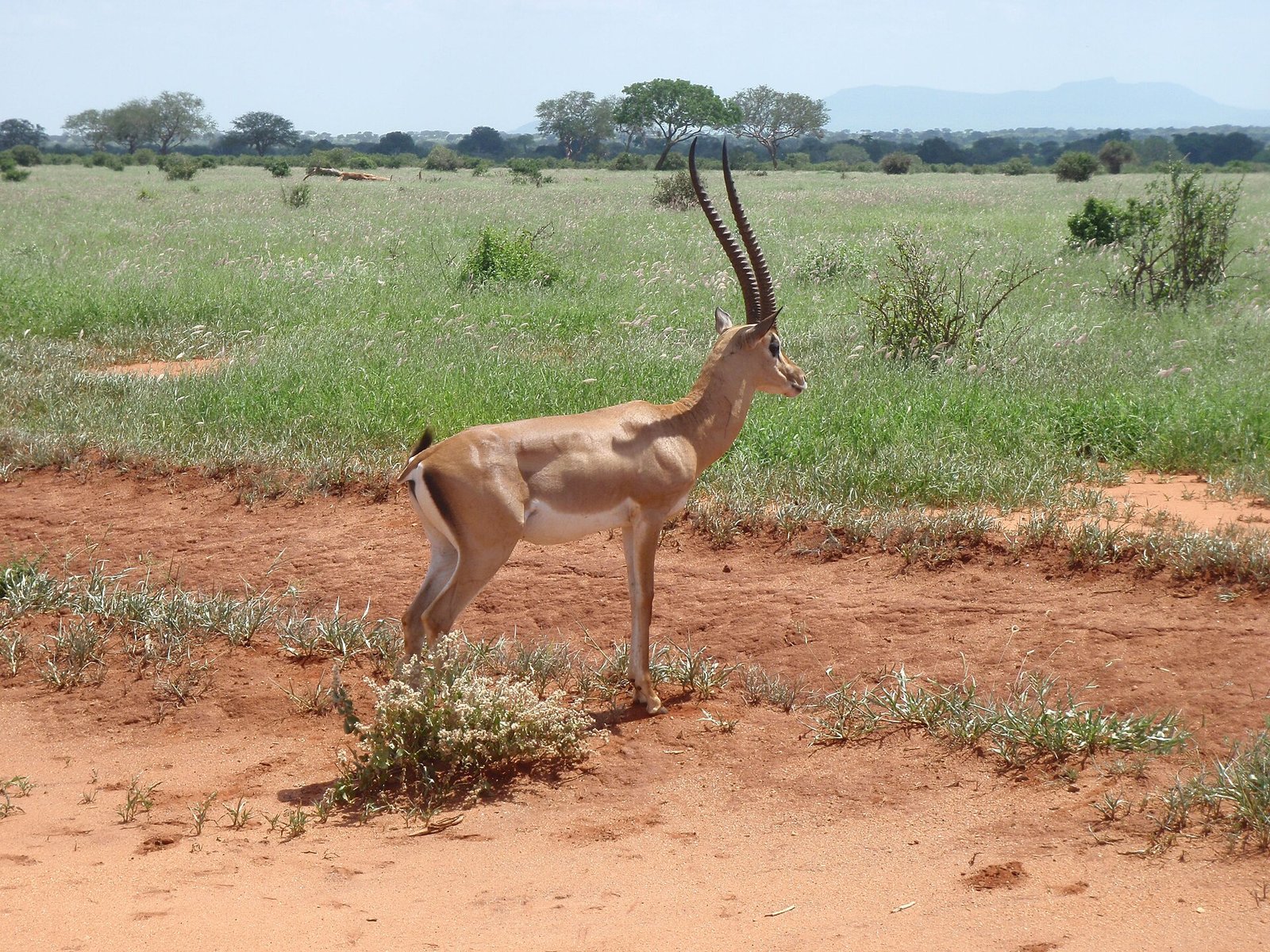
From USD 4,550 per person sharing
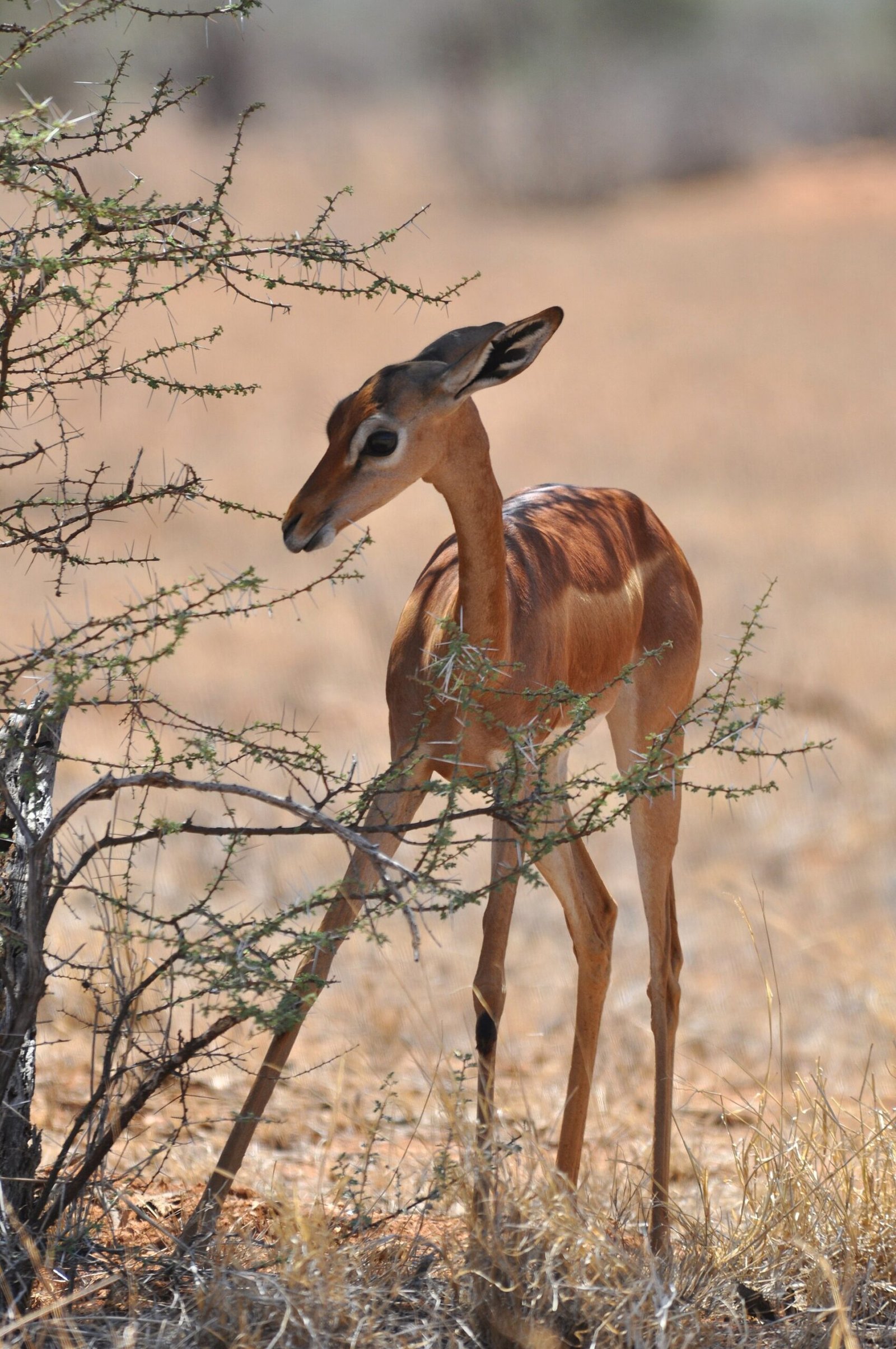
From USD 3,350 per person sharing
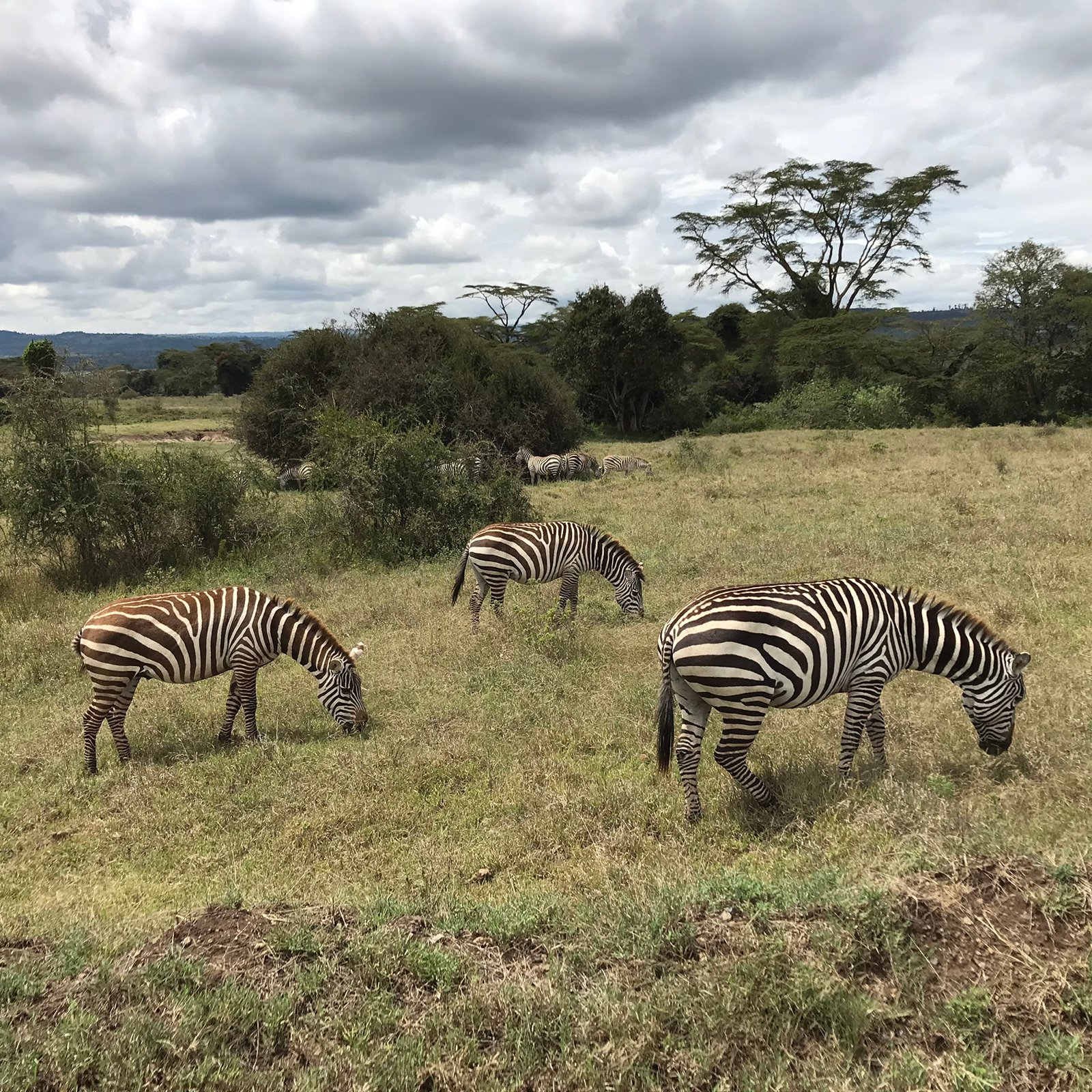
From USD 3,000 per person sharing
From USD 3,150 per person sharing
From USD 3,750 per person sharing
From USD 5,850 per person sharing
From USD 3,850 per person sharing
From USD 3,900 per person sharing
Arrange the right private driving programme
Tell us your dates, camp preferences and planned road arrival. We can arrange a private guided safari or suitable game drives with clear vehicle, entry and accommodation inclusions.