
The Maasai Mara migration beyond river crossings
← Mara Journal / Wildlife & migration · By Maasai Mara
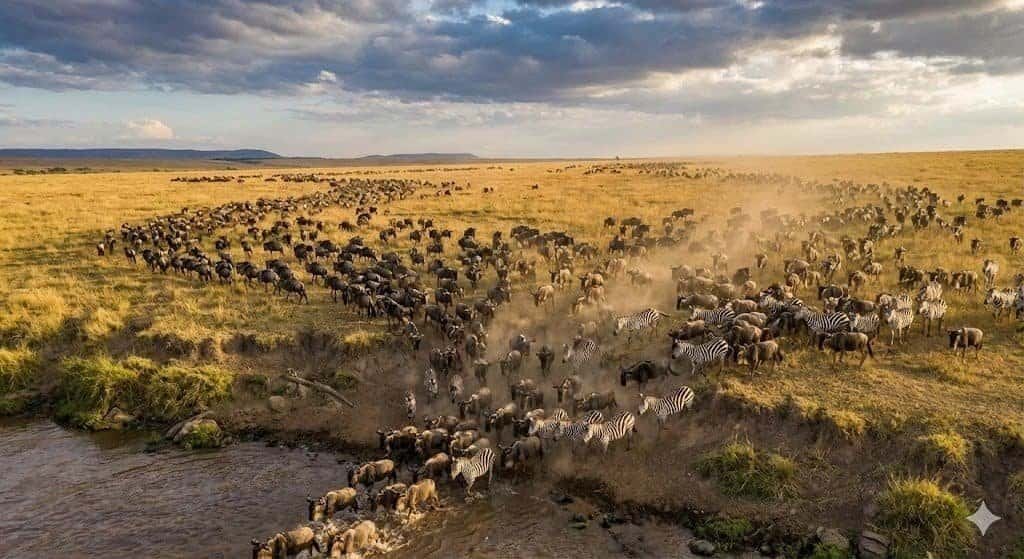
The Maasai Mara migration is part of a wider movement through the Serengeti–Mara ecosystem. The river crossing is a dramatic moment within that movement, rather than the whole story. Herds grazing, resting and travelling across the plains are also part of the experience, and can be absorbing subjects in their own right.
Maasai Mara migration: see the migration as a moving landscape
A useful migration safari begins with that wider view. Follow the shape of a herd across the landscape, listen to its calls and watch how animals respond to one another. You may find the sense of scale more memorable than the event you initially hoped to photograph.
Understand what a seasonal map can show
Rainfall and grazing conditions influence the migration. A seasonal map helps explain the broad pattern, but does not locate a herd on the day you travel. Movement varies, and a historical pattern should not be read as a promise that animals will be at a particular riverbank or camp.
Use our migration guide and seasonal map to understand the ecosystem before choosing a trip. Compare the setting and the likely seasonal context with your other interests. A camp should suit the complete safari you want, rather than only an assumed crossing location.
Let a riverbank wait remain a choice
A guide can interpret current conditions and decide whether waiting at a crossing point makes sense. The animals still determine whether they enter the water. A herd may gather, move away, return or continue grazing. Neither the date of your visit nor the length of your wait guarantees a crossing.
Discuss how much waiting your party enjoys. A photographer may value a long, quiet observation, while another traveller may prefer exploring a wider area. Agreeing that preference early lets the guide shape the outing without making the entire day depend on a single unpredictable event.
Watch the quieter behaviour
The spaces between dramatic events offer plenty to notice. Look at how animals spread out while grazing, gather before moving and react to changes around them. Ask your guide to explain what can be observed directly and what is an interpretation. That distinction makes the story more interesting without turning a guess into a fact.
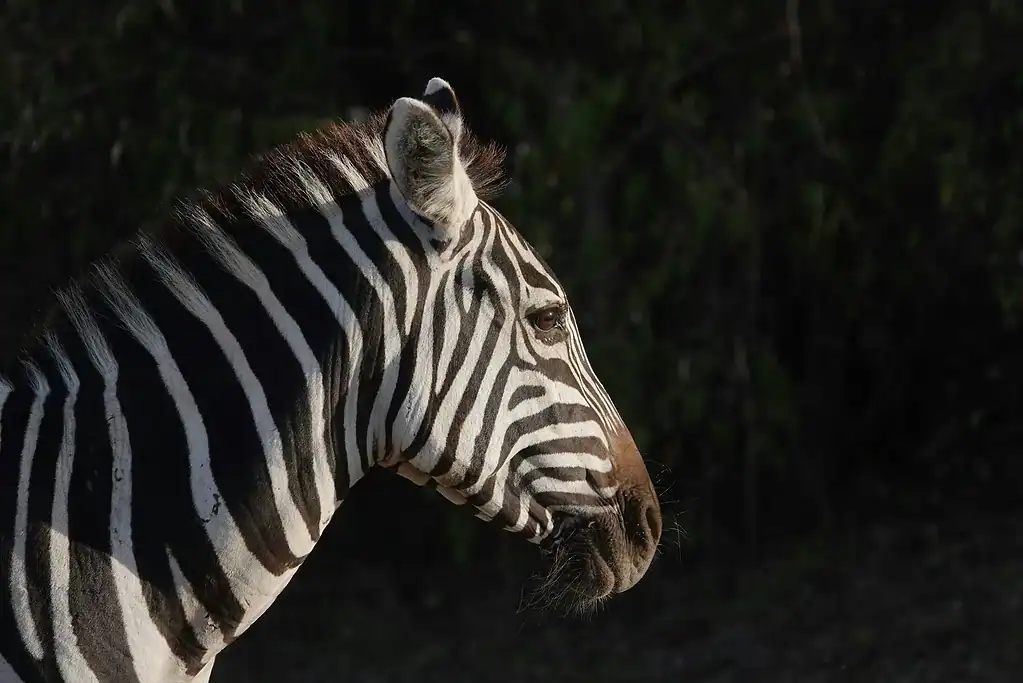
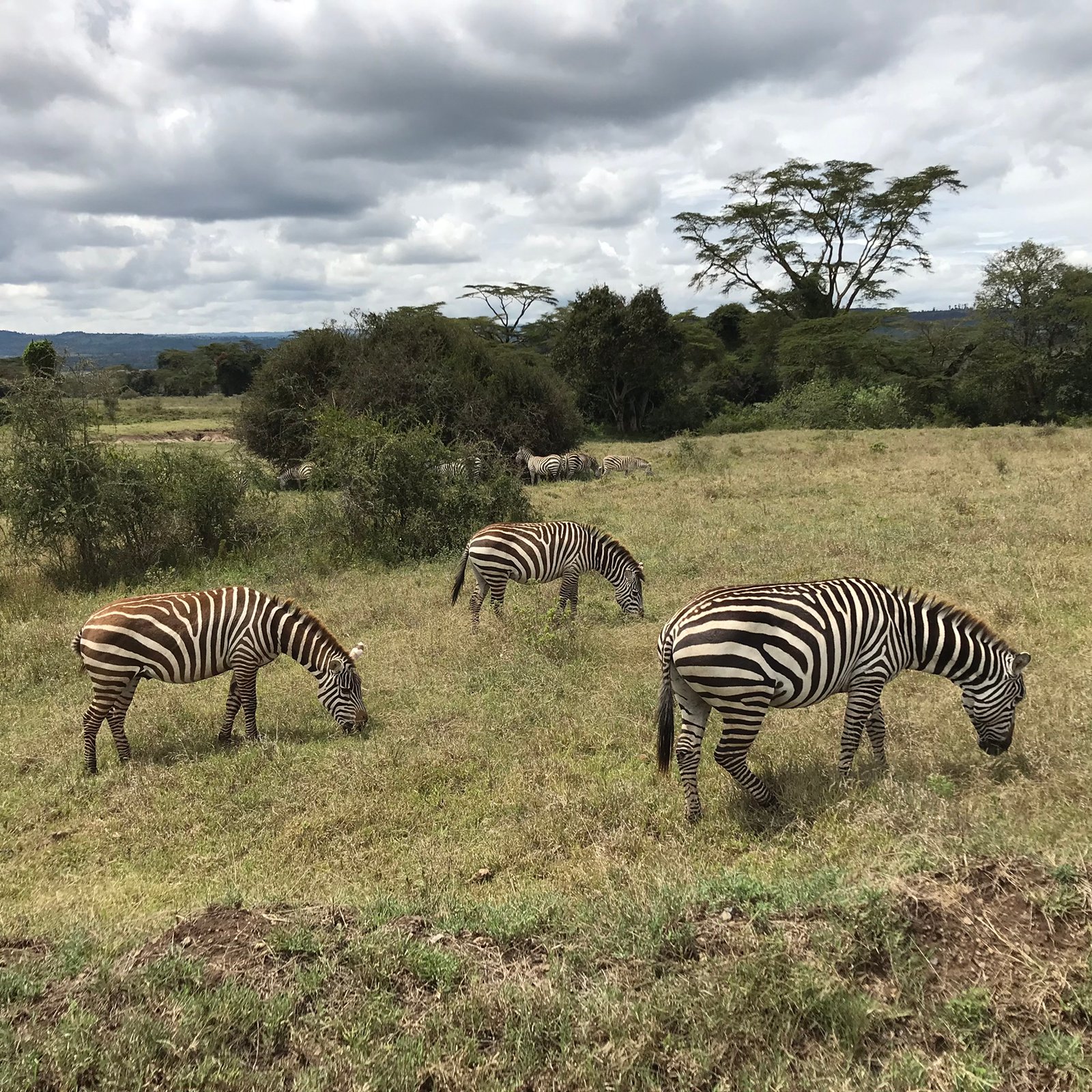
Zebra form part of the wider migration scene alongside wildebeest. Instead of treating a mixed herd as background, watch individual animals and the way the groups occupy the grassland. Photographs that include habitat, light and movement can tell a more complete story than a tight frame of an isolated subject.
Keep the animal's route open
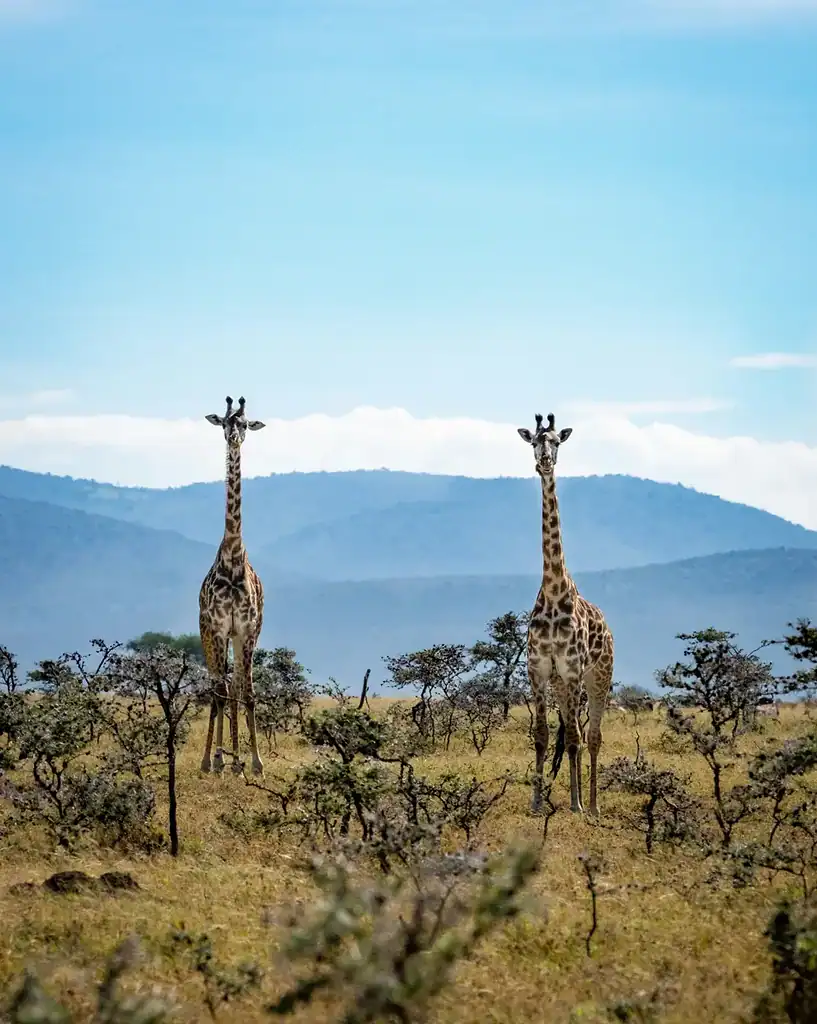
The wish to see a crossing should never determine where an animal is allowed to move. Follow the guide’s instructions and the rules of the area. Do not encourage crowding or request a position that obstructs the animals. A responsible viewing position protects the experience as well as the wildlife.
The same care applies away from the river. Patience does not mean pressing closer until something happens. Observe from an appropriate position and let the guide decide when to leave. Our photography guide explains how practical planning and respectful viewing fit together.
Separate a report from a forecast
A dated observation describes what someone saw at a stated place and time. It can be useful evidence, but it is not a guarantee for your arrival. A seasonal outlook describes a pattern; a photograph illustrates a moment. Reading each for what it actually provides makes planning clearer.
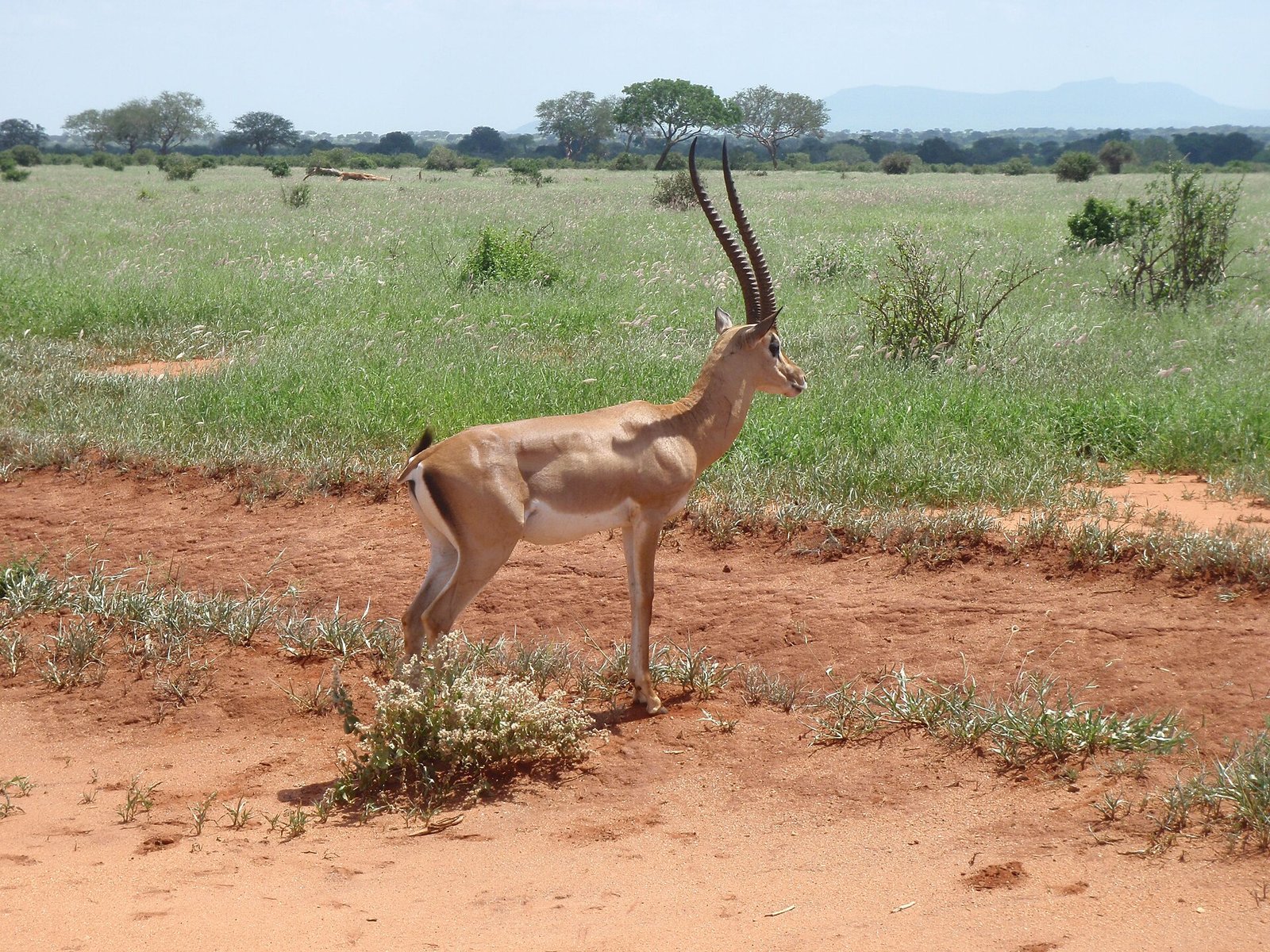
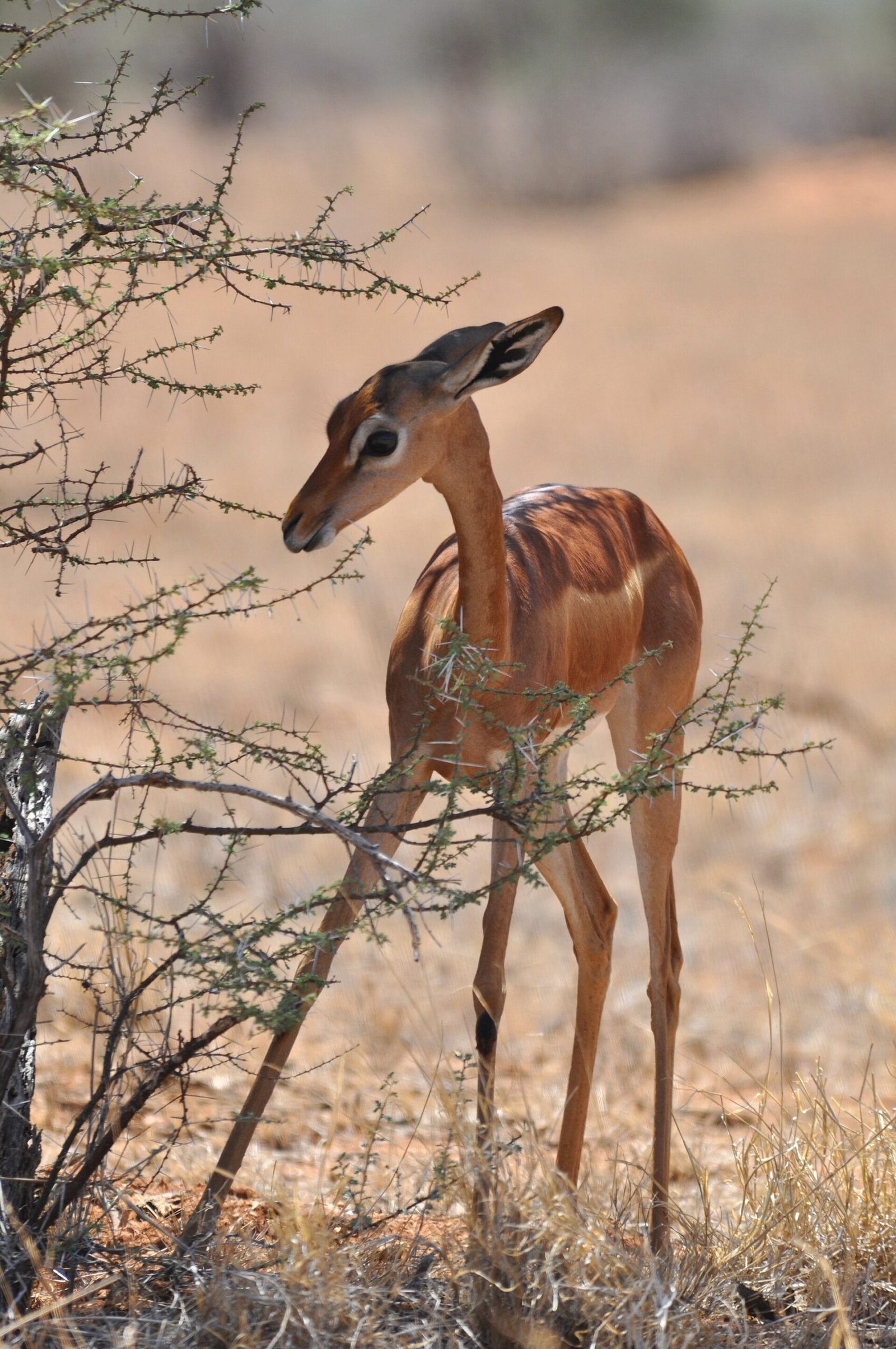
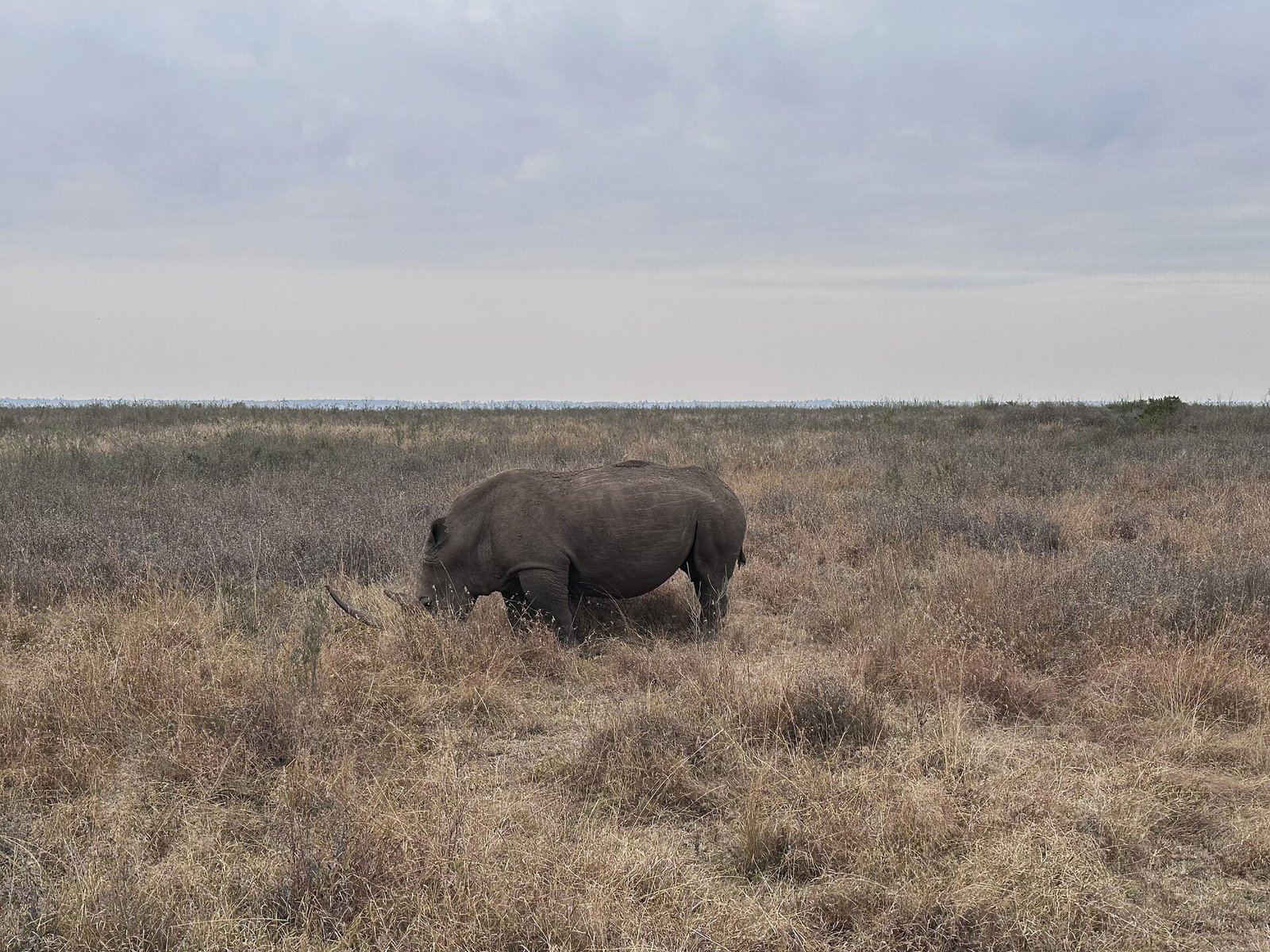
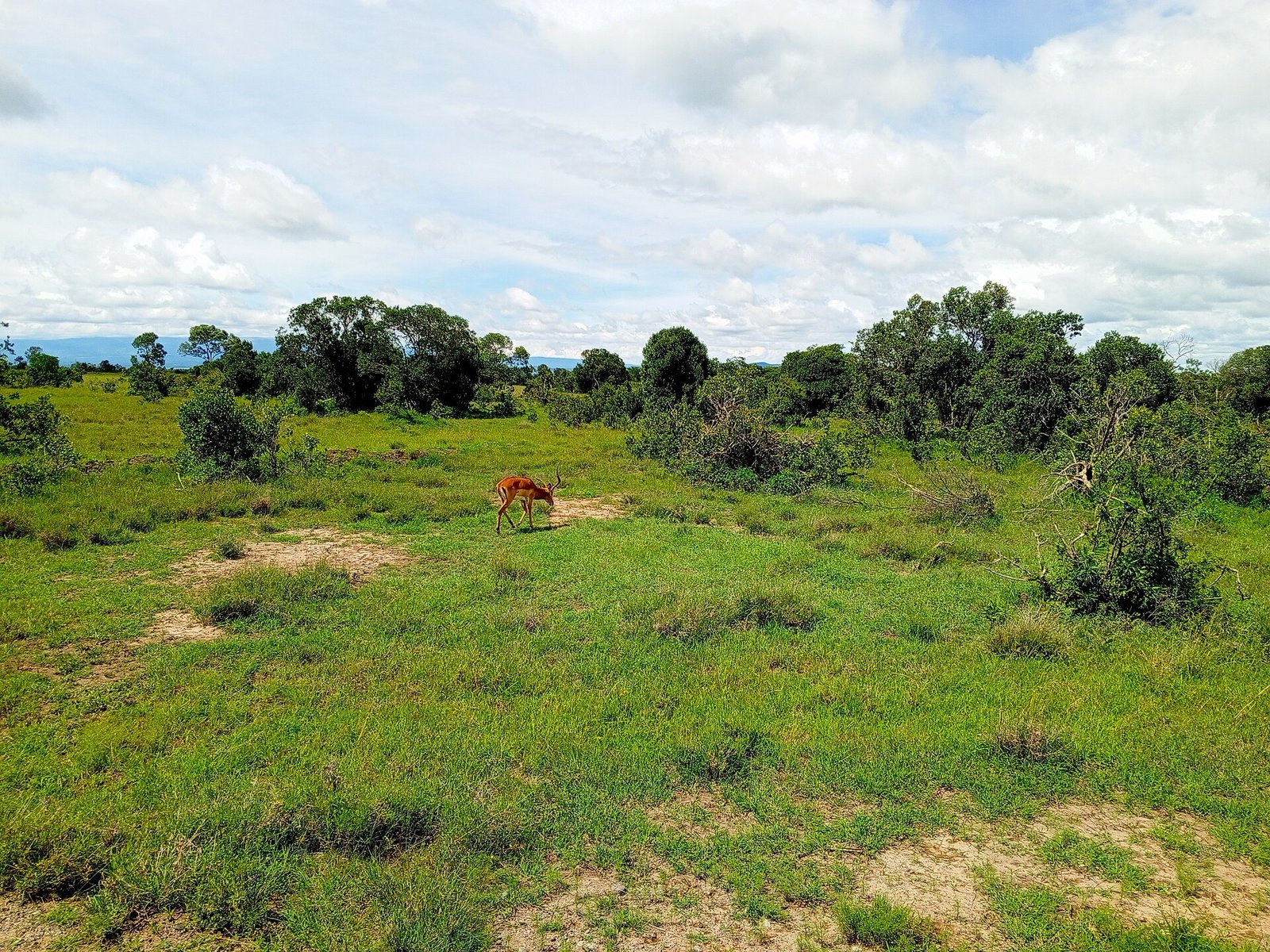
The photographs in this article illustrate the migration landscape and do not claim to show the herds’ present location. Use the crossing-points guide for geography, and discuss current conditions with the guide responsible for your trip close to travel.
Build a safari with more to enjoy
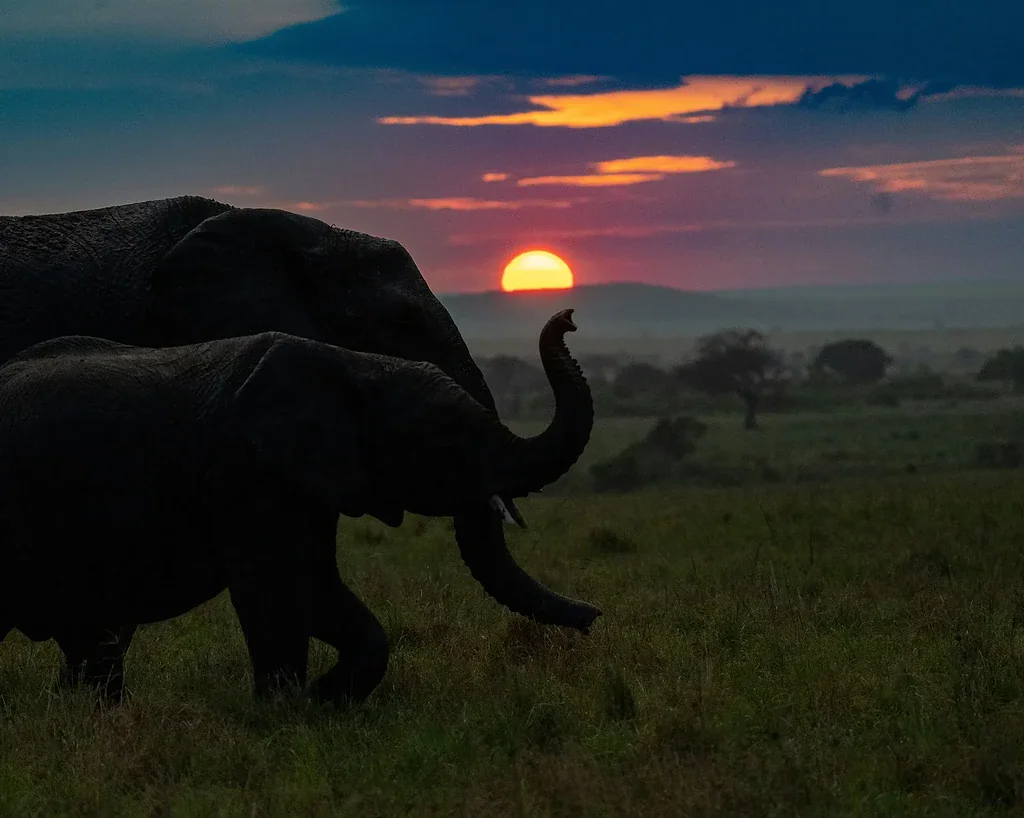
Leave time for the wider wildlife, varied habitats and quieter sightings that give a Mara journey its character. A migration interest can guide your plans without excluding everything else. Tell the person arranging your trip whether your priority is herd movement, riverbank observation, photography or a balanced introduction to the area.
For a complementary perspective, read why patience matters in wildlife photography and how a first game drive unfolds. The best Maasai Mara migration plan gives an uncertain natural event room to be itself while making the rest of the journey worthwhile.
More from the Mara Journal
- Your first Maasai Mara game drive – From leaving camp to lingering at a sighting, discover how a game drive unfolds and how to enjoy it at your own pace.
- Packing light for a Maasai Mara safari – Pack for the day you will actually have: comfortable layers, a useful day bag and equipment you can carry easily.
Explore safari packages






From USD 2,000 per person sharing



From USD 2,350 per person sharing

From USD 1,950 per person sharing

From USD 2,350 per person sharing

From USD 1,700 per person sharing

From USD 2,900 per person sharing

From USD 3,800 per person sharing
From USD 4,550 per person sharing
From USD 3,000 per person sharing
From USD 3,150 per person sharing
Plan a safari around your interests
Tell us what you would like to experience, your travel dates and who is travelling. MaasaiMara.ke quotes and books safaris through authorised tour operator partners.