
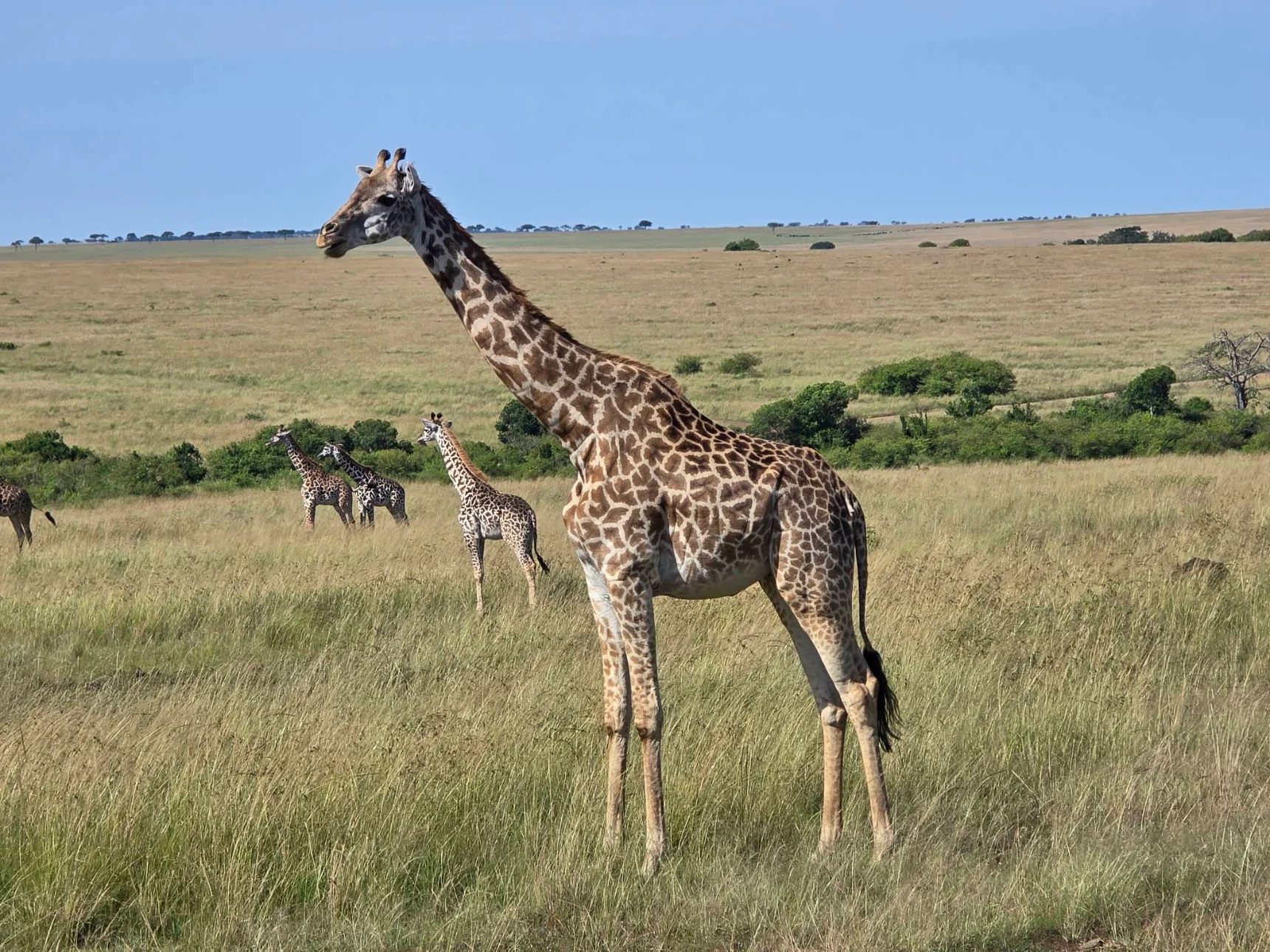
Lemek Hills forms part of the northern Greater Maasai Mara landscape, where the hill country of Mara North connects wildlife habitat, Maasai land and community life. The area adds geographical and conservation context to a Mara safari: wooded slopes, neighbouring plains and local water initiatives all belong to the wider ecosystem. Plan a visit around your camp’s permitted routes and a locally guided programme.
Lemek Hills at a glance
Landscape
Northern Mara hill country within the wider Mara North landscape.
Ecosystem
A community-owned conservation landscape linking wildlife habitat and livelihoods.
Visit style
A guided experience with the camp and relevant land managers.
Lemek Hills and the northern Mara landscape
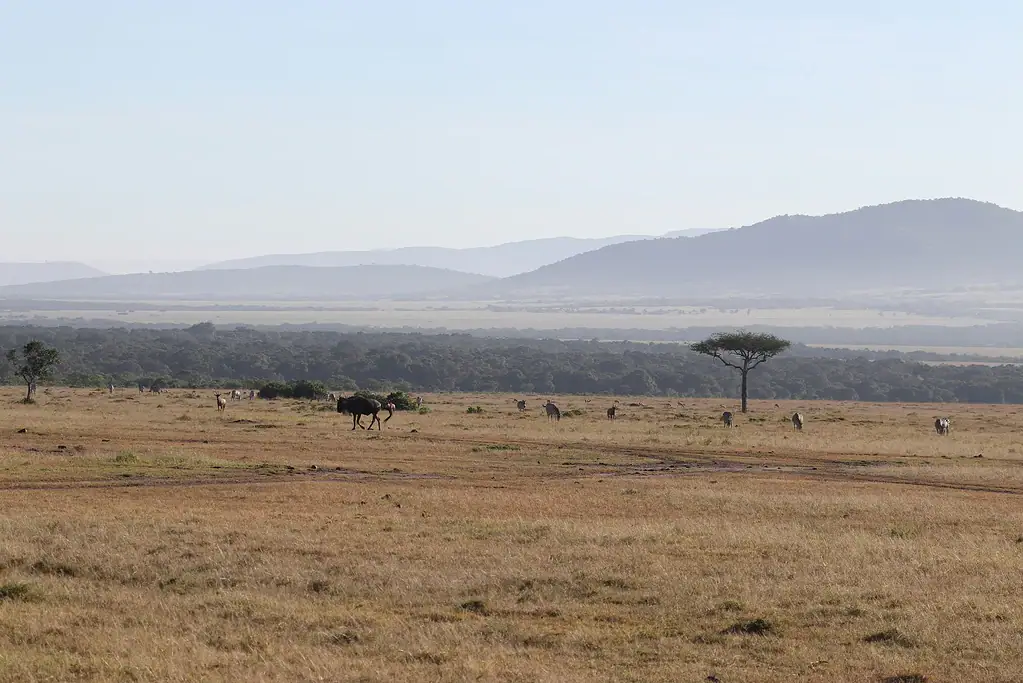
Lemek Hills belongs to the hill country described in Mara North’s management geography. The northern part of the conservancy rises above its more gently rolling plains, adding changes in terrain and vegetation to the wider safari landscape. For visitors, this is a useful way to understand the Greater Mara beyond the familiar open-grassland image.
The landscape includes Maasai land, conservation leases and community uses. A safari here connects the place you stay with the land on which wildlife viewing takes place. The Mara North Conservancy guide explains that setting, while our Maasai Mara areas guide puts it alongside other safari landscapes.
Lemek Hills, Mara North and Lemek Conservancy
Lemek Hills is a landscape name associated with the northern Mara North area. Mara North and Lemek Conservancy are separate conservancies within the Greater Maasai Mara. Their names are related to the wider local geography, but each conservancy has its own management and visitor arrangements.
Choose your safari base around the named property and the wildlife area included in its programme. A camp’s postal address or use of a regional place name does not define its driving rights. The actual conservancy, collection point and agreed activities determine the practical itinerary.
Habitats and wildlife in the surrounding ecosystem
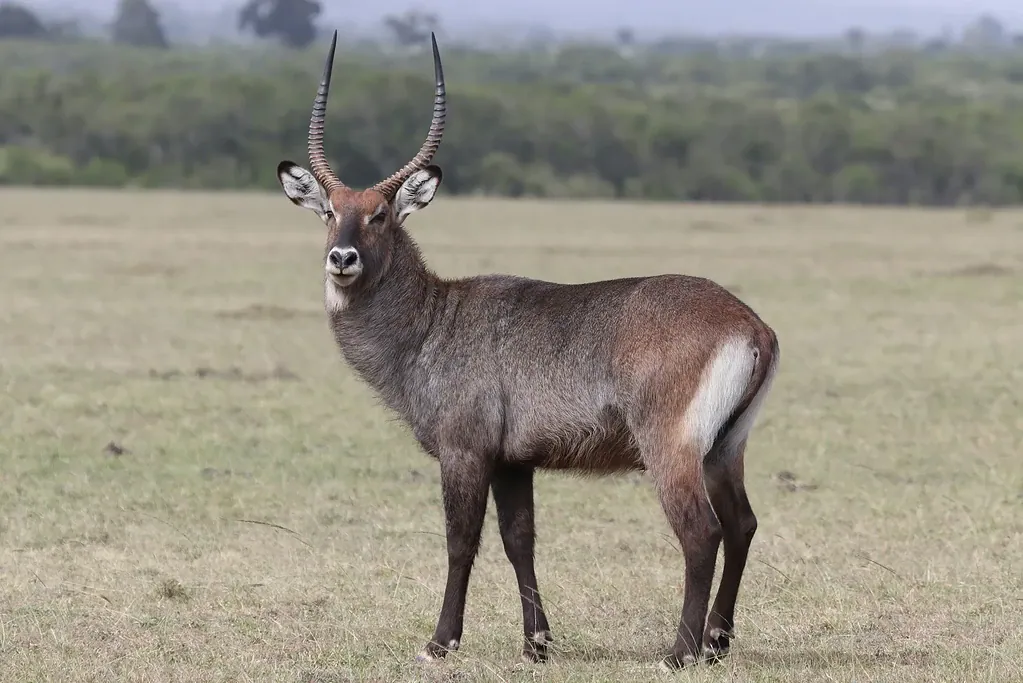
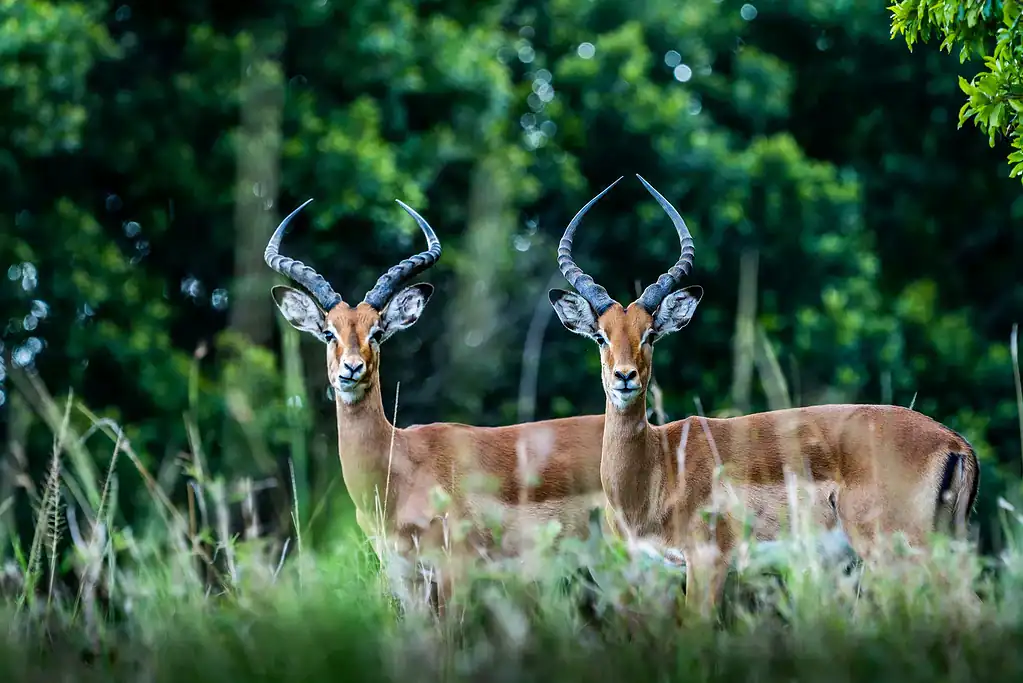
Mara North combines savannah vegetation, wooded areas and the Mara River’s riverine habitat. Its hill country contributes another part of that habitat mix. Grazing animals, predators and birds use the broader conservancy landscape according to food, water, cover and disturbance; a named hill is one part of that wider system.
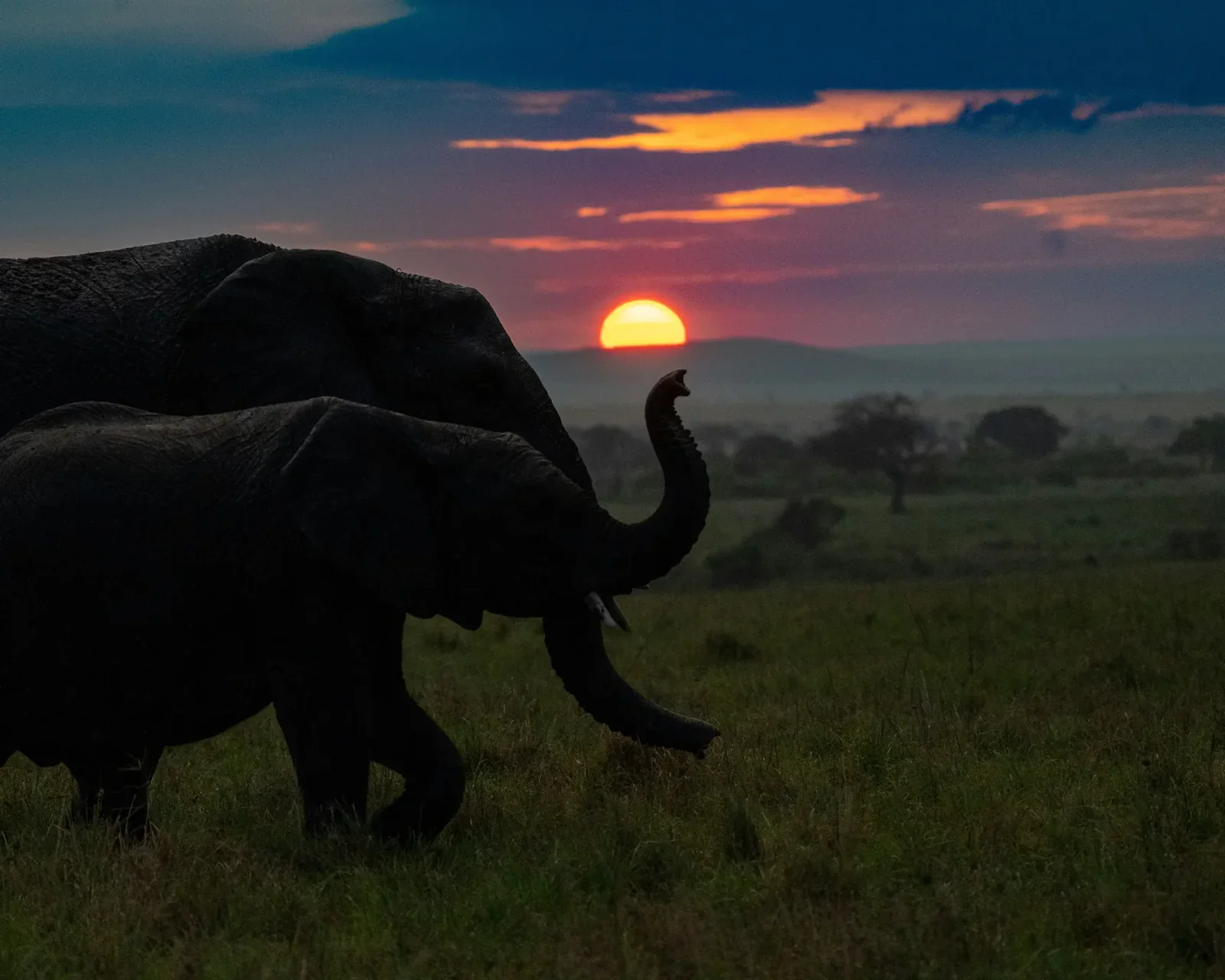
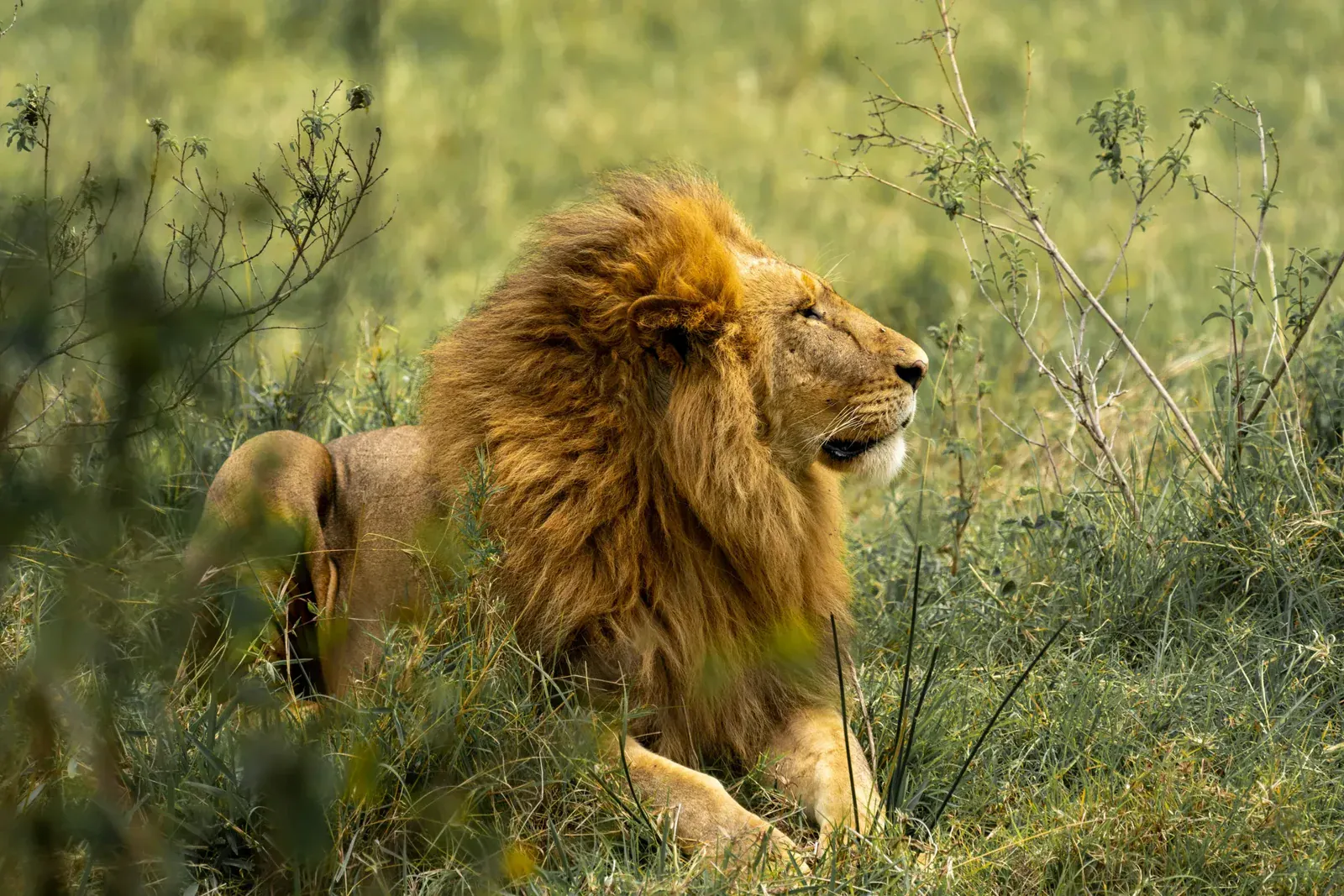
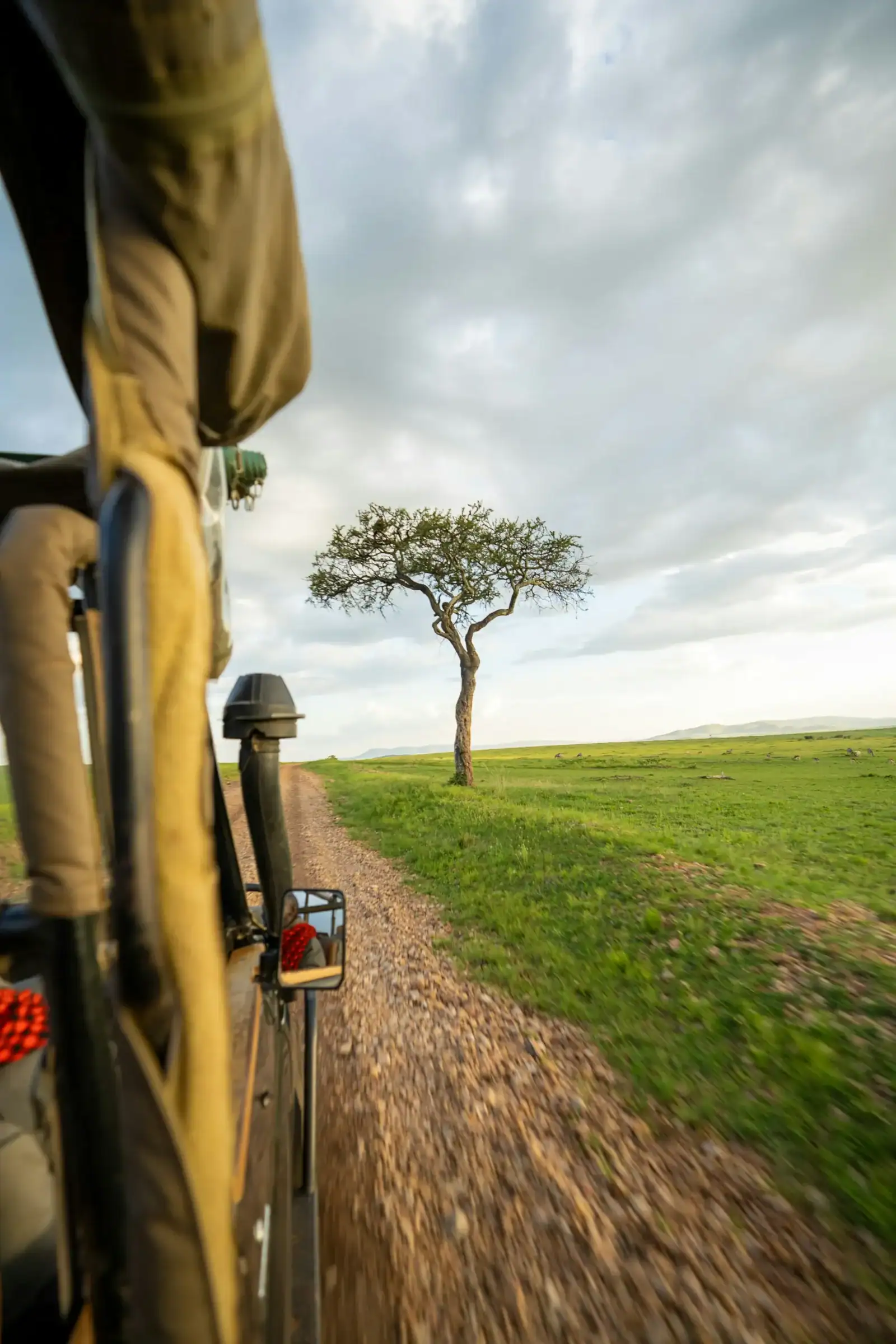
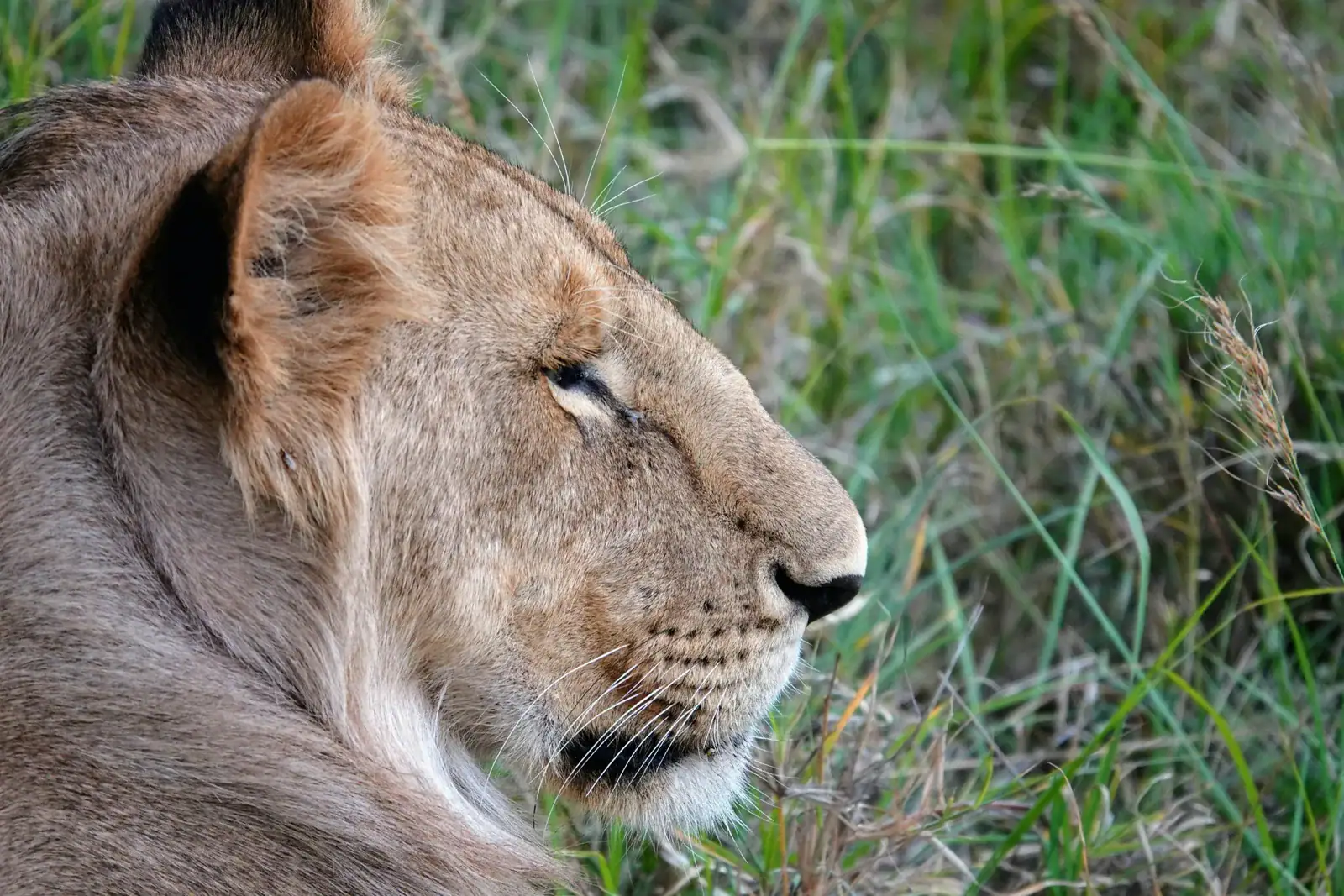
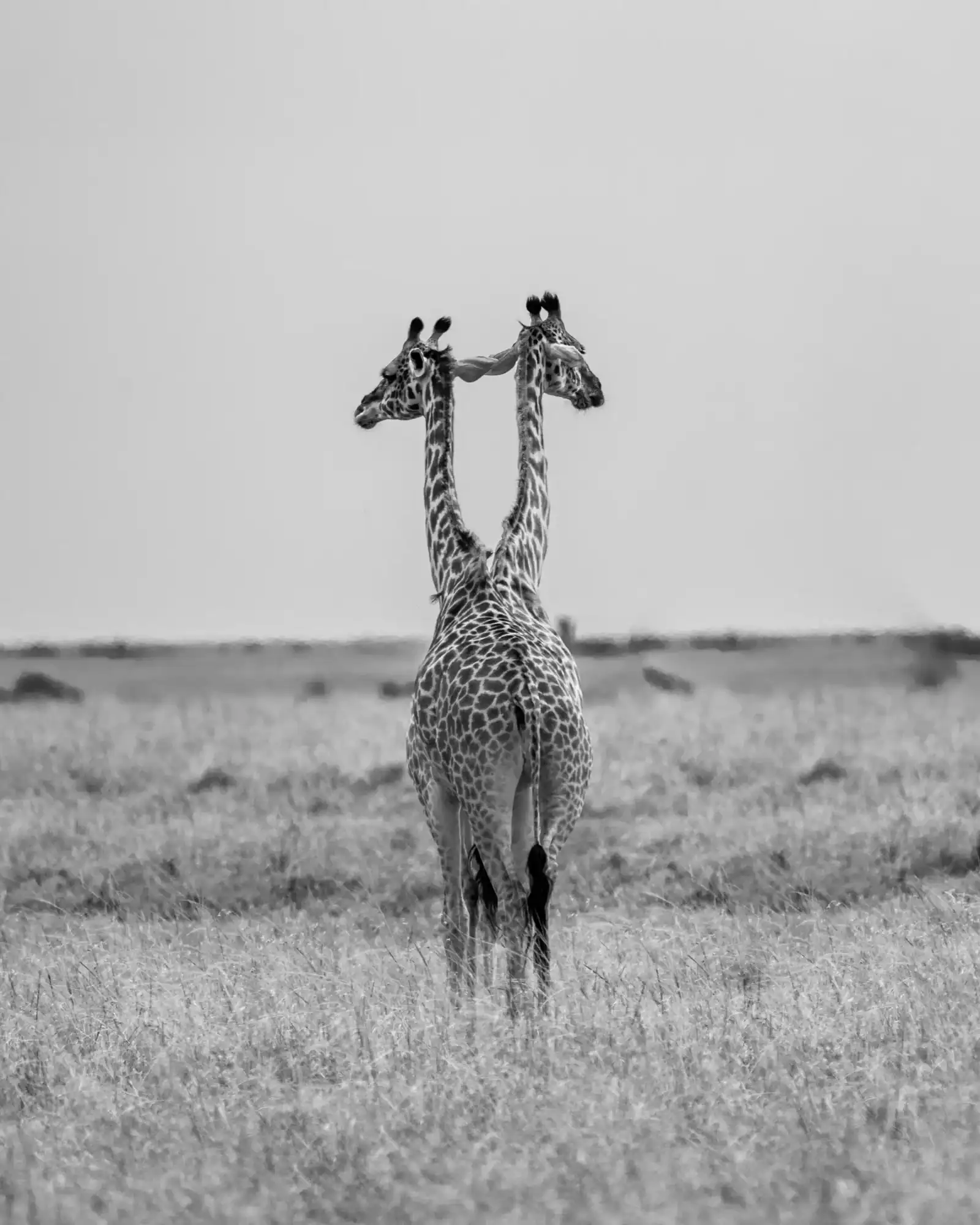
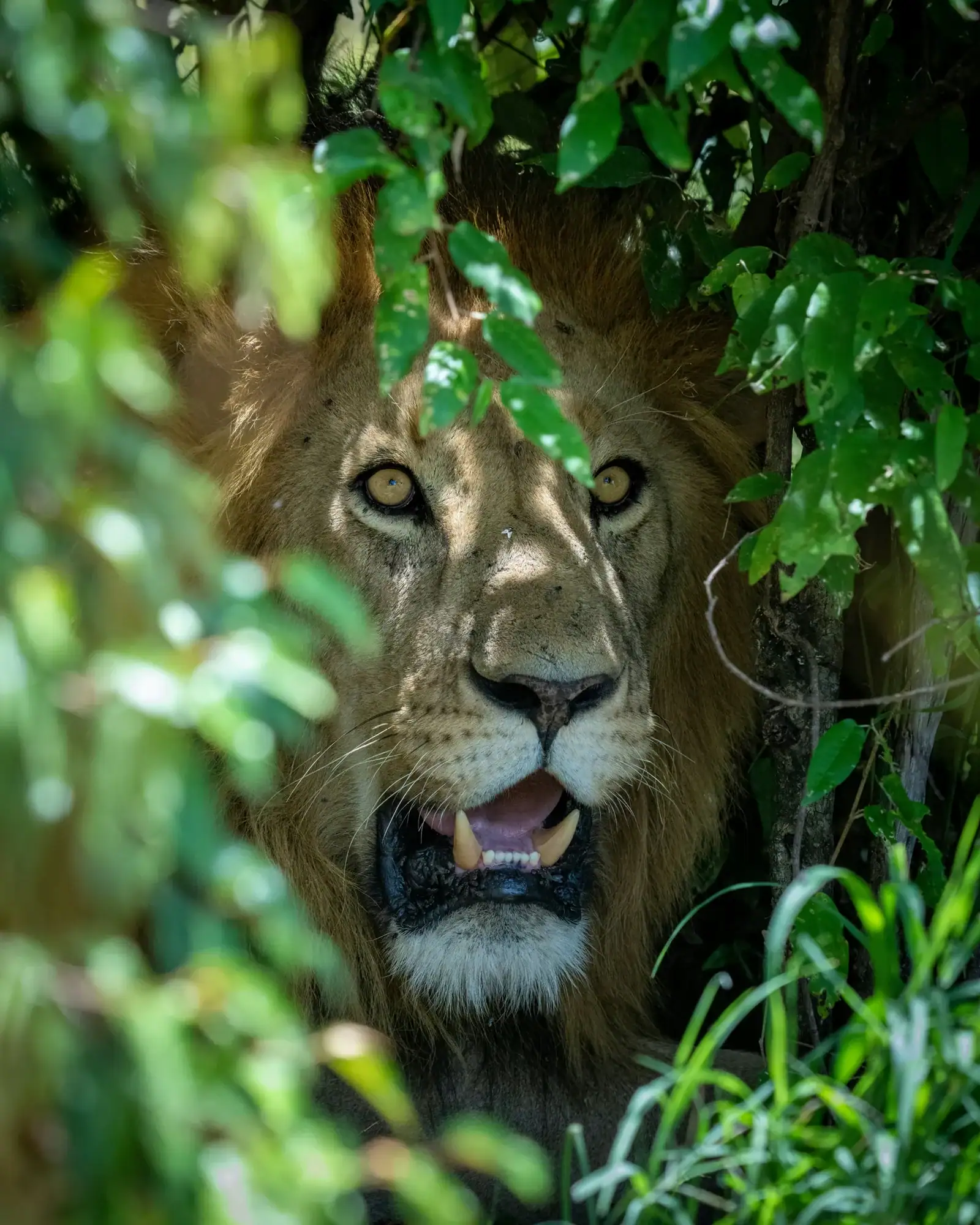
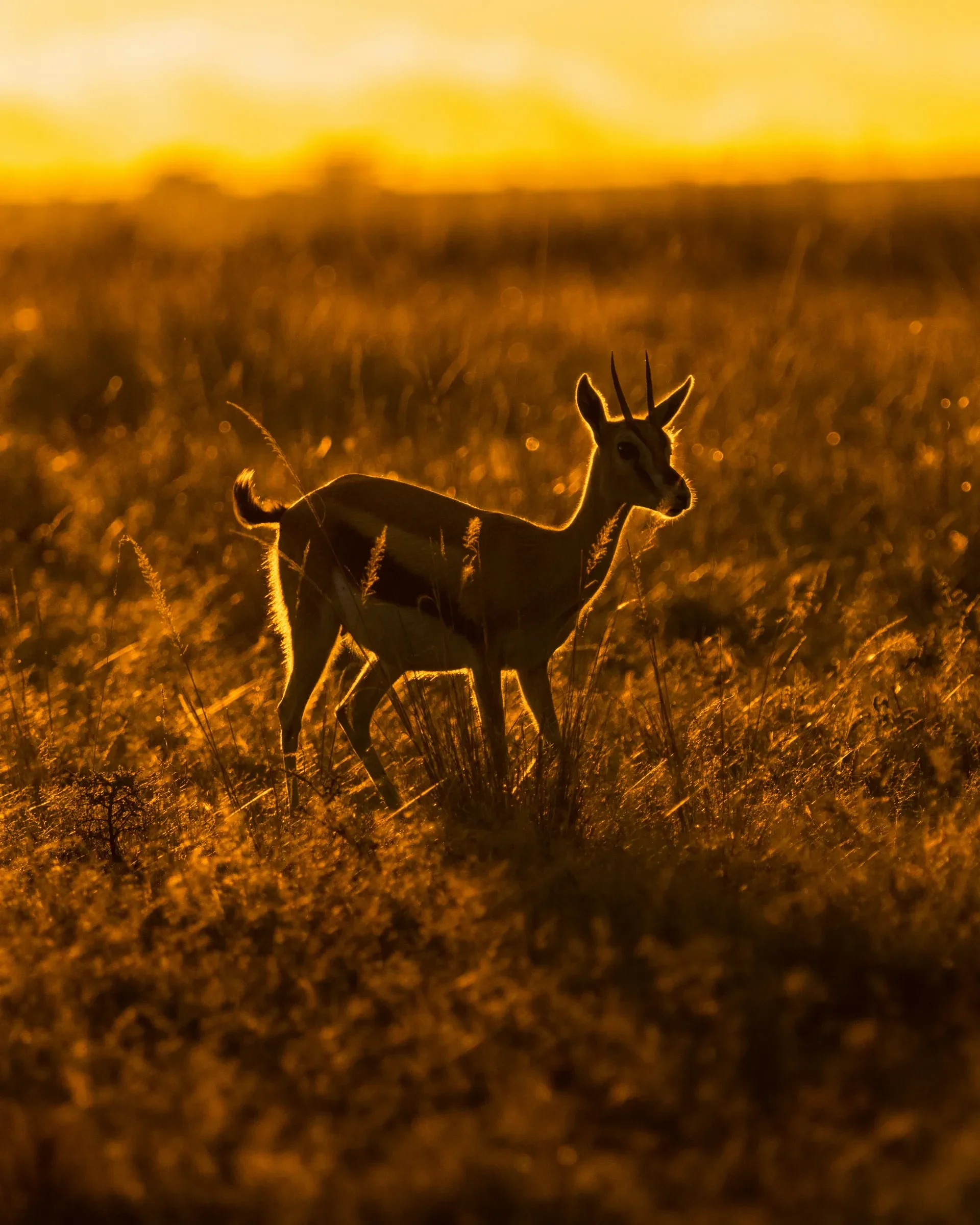
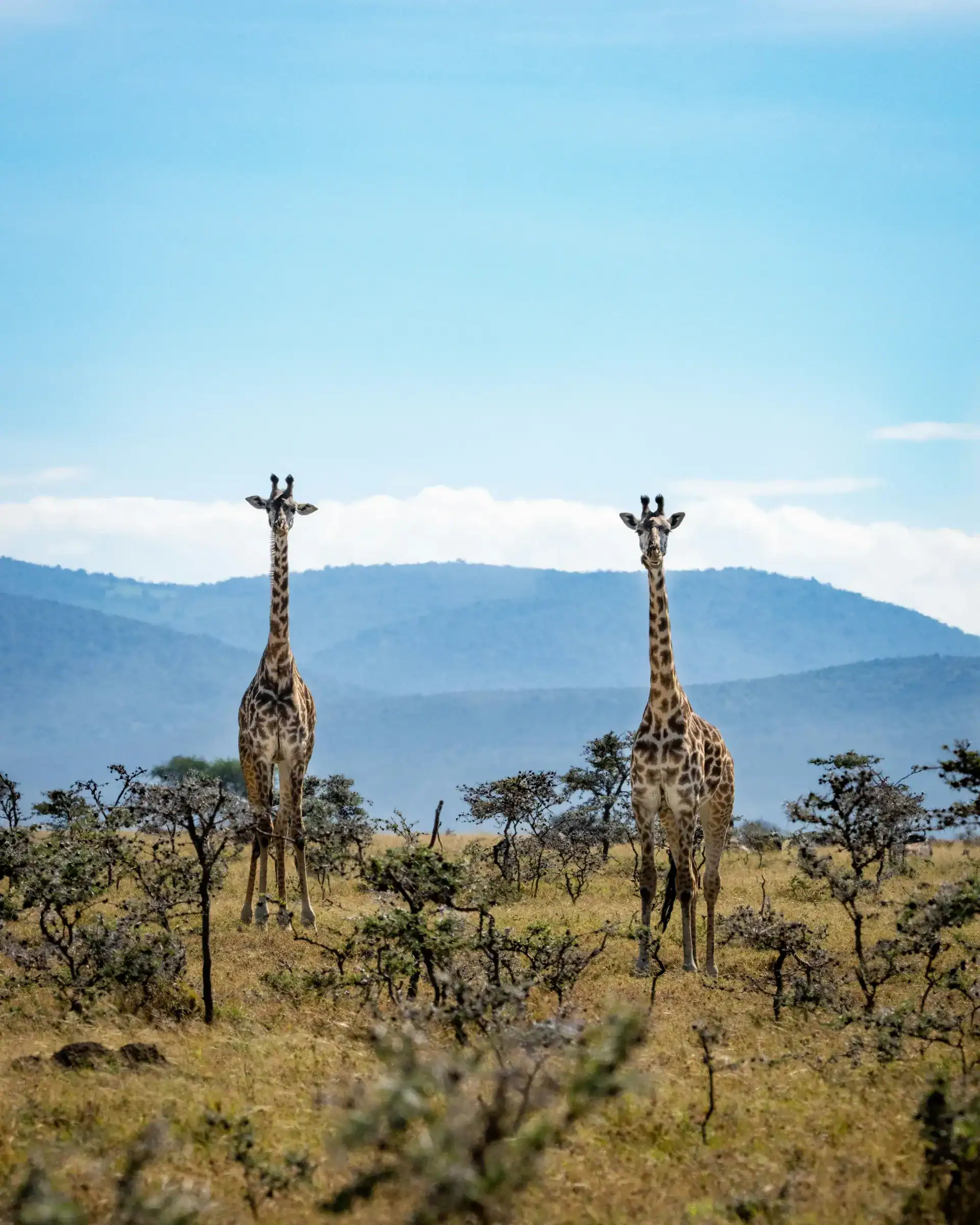
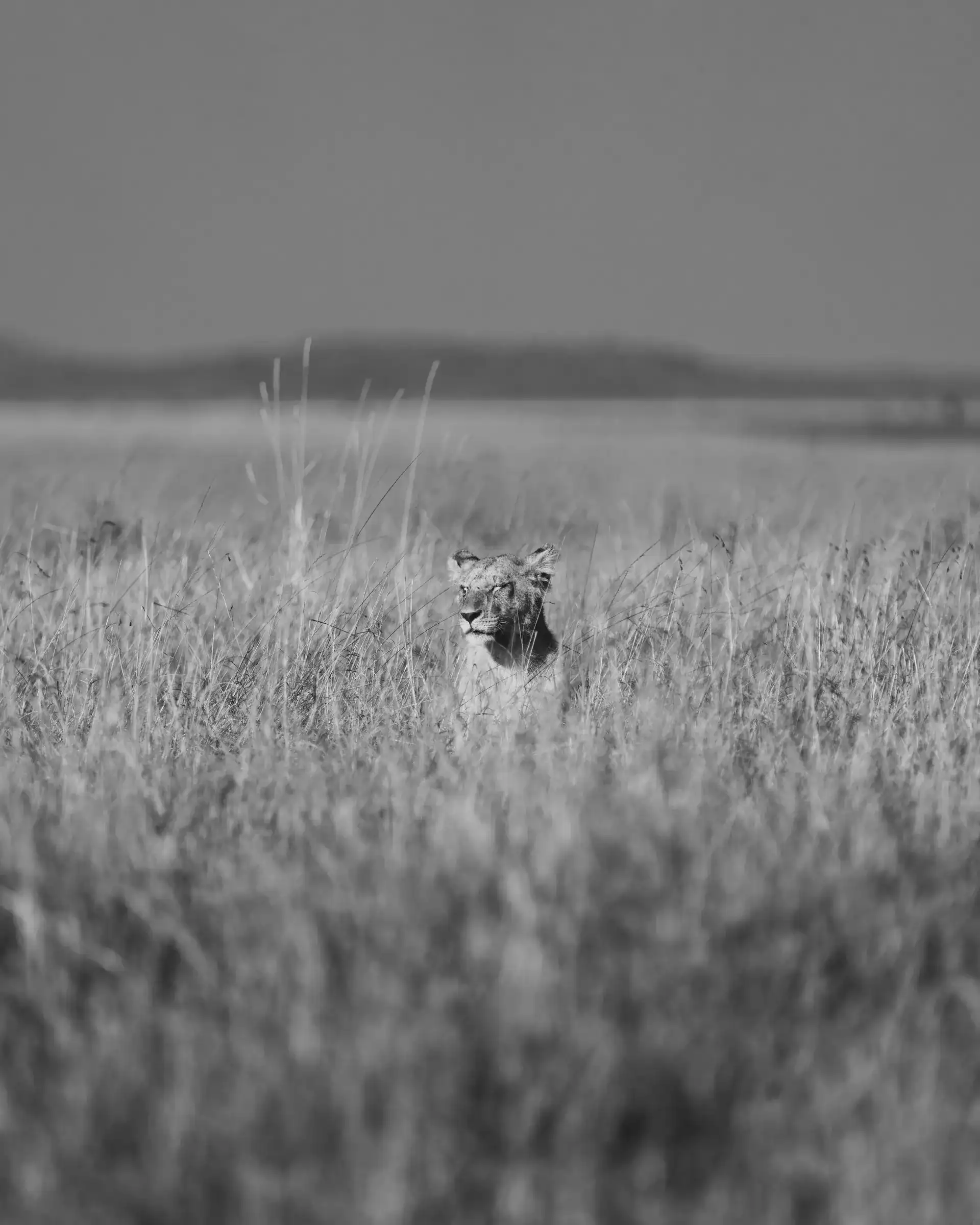
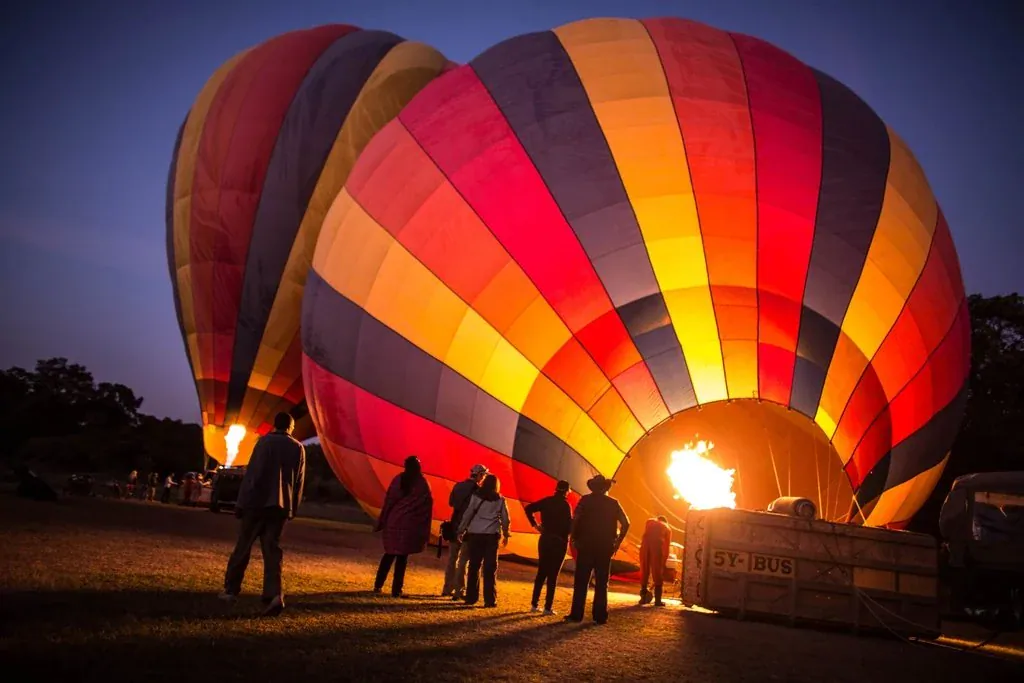
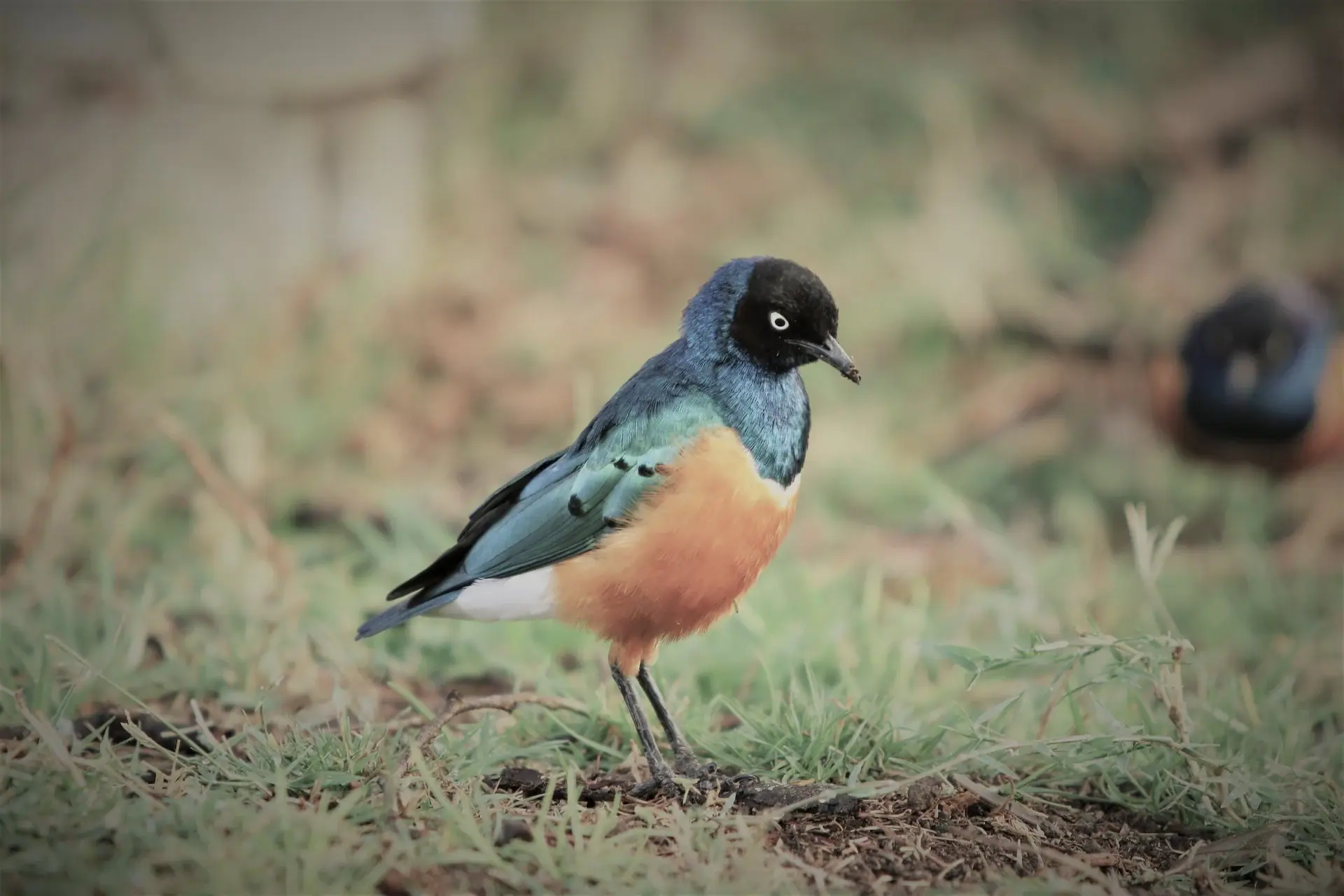
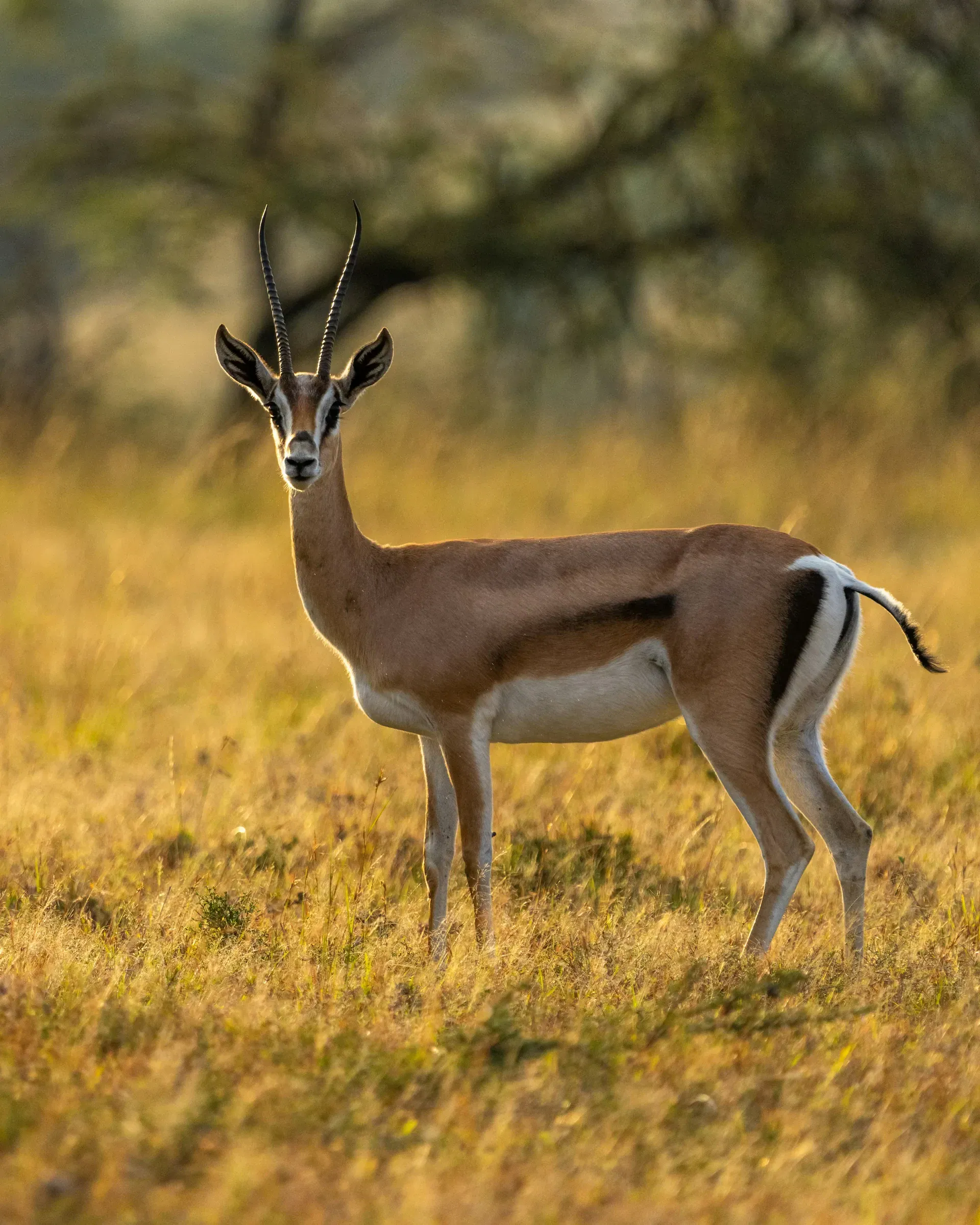
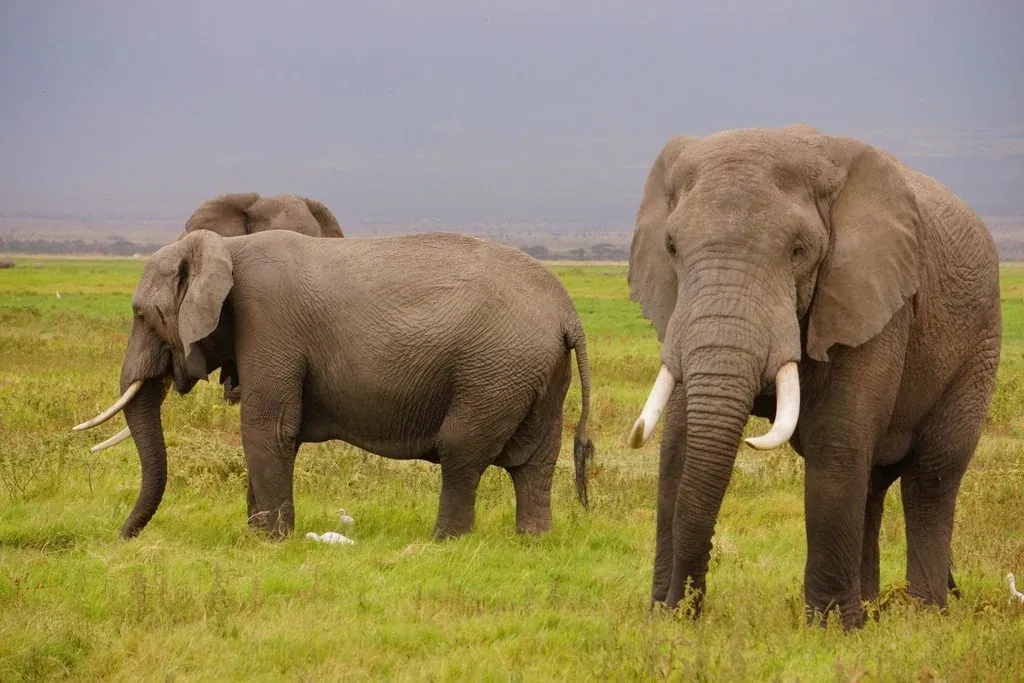
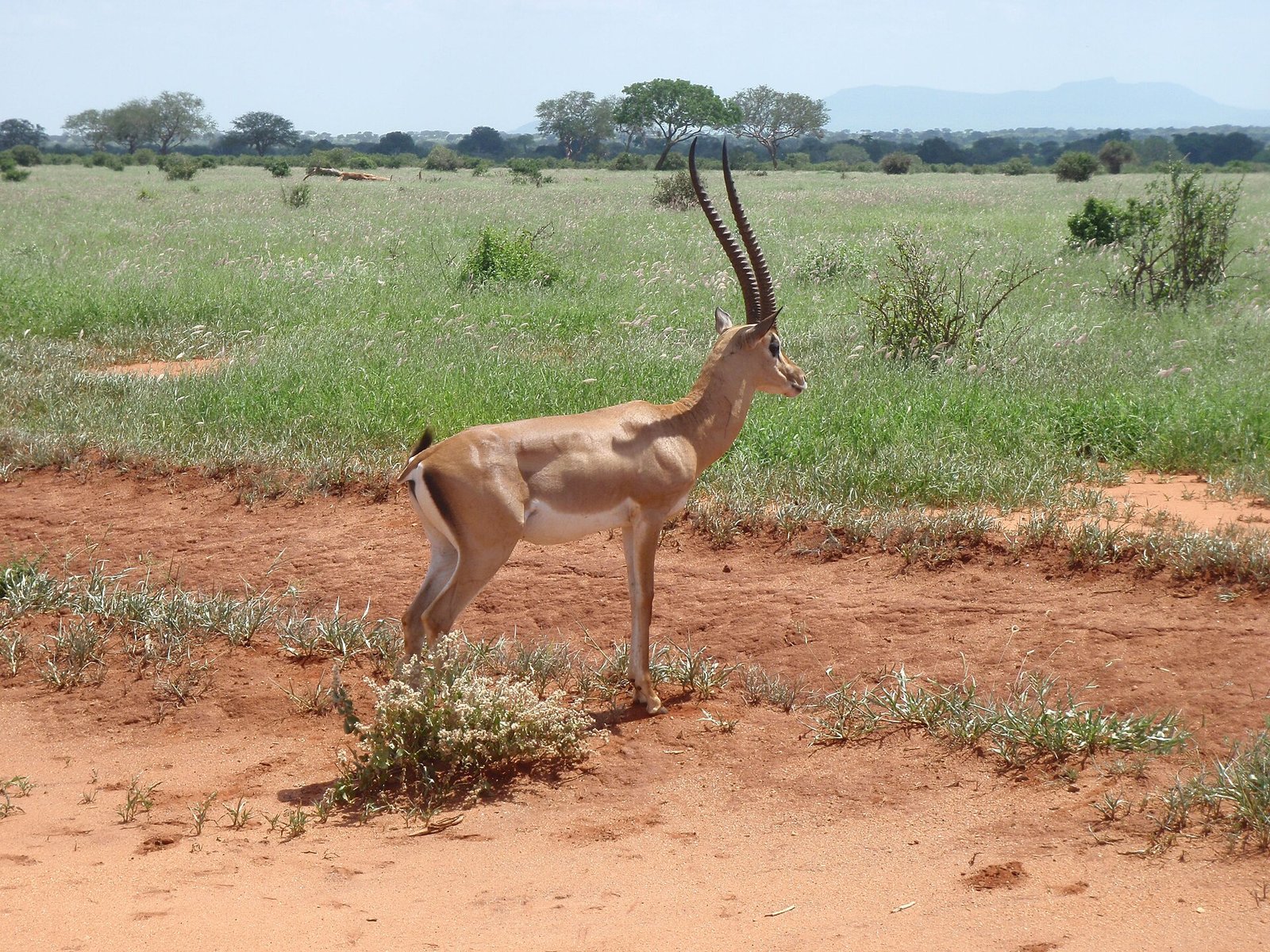
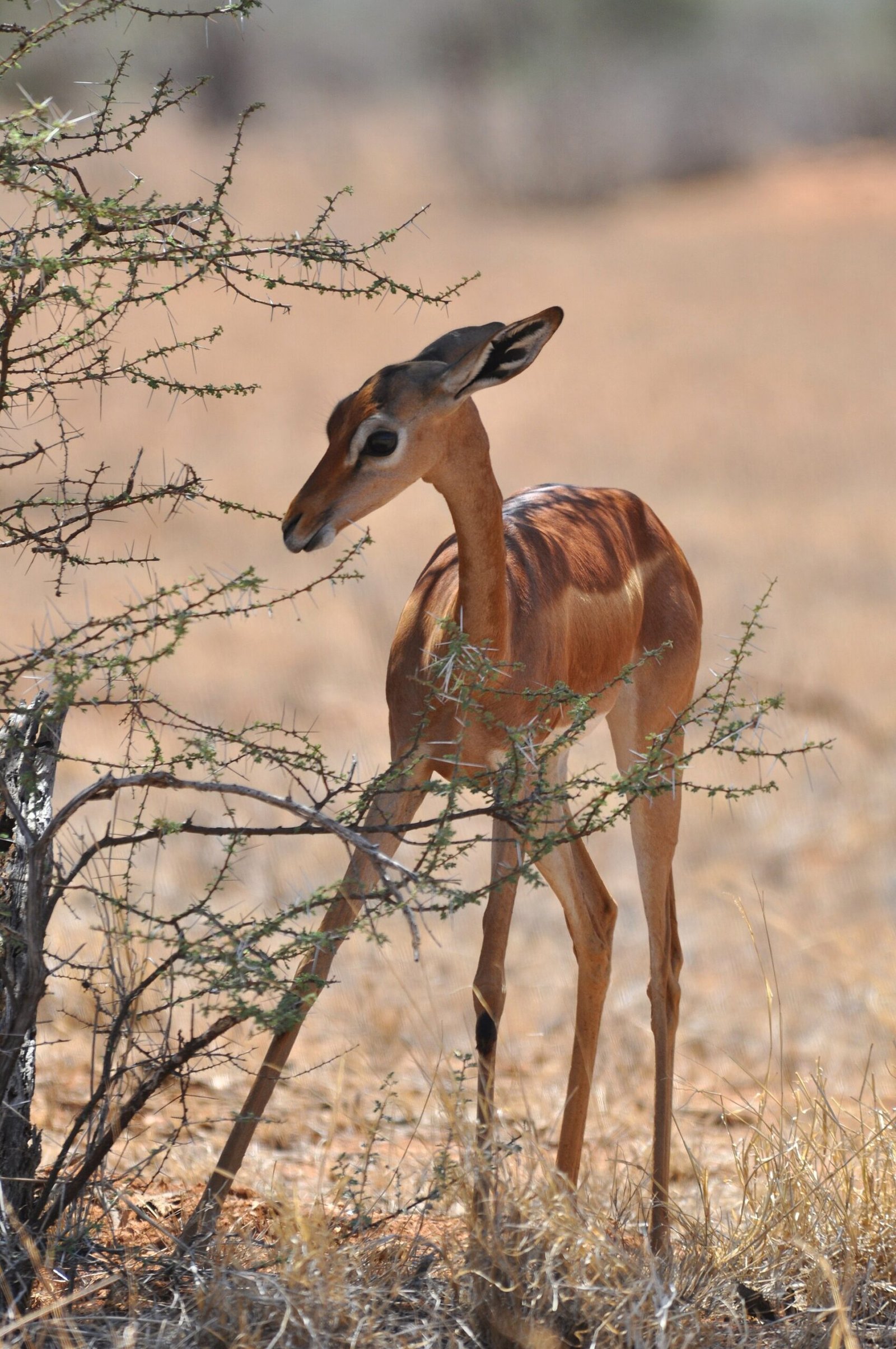
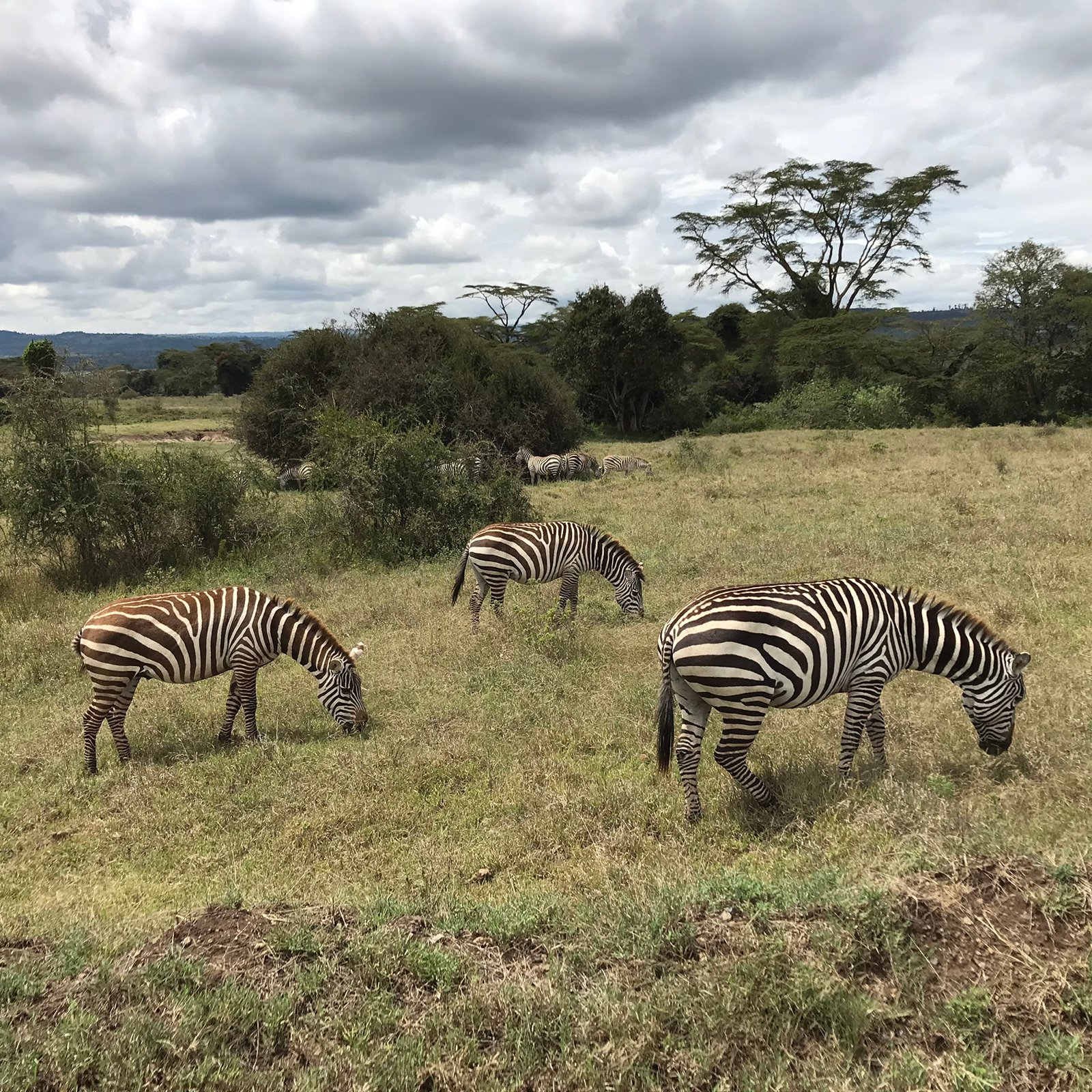
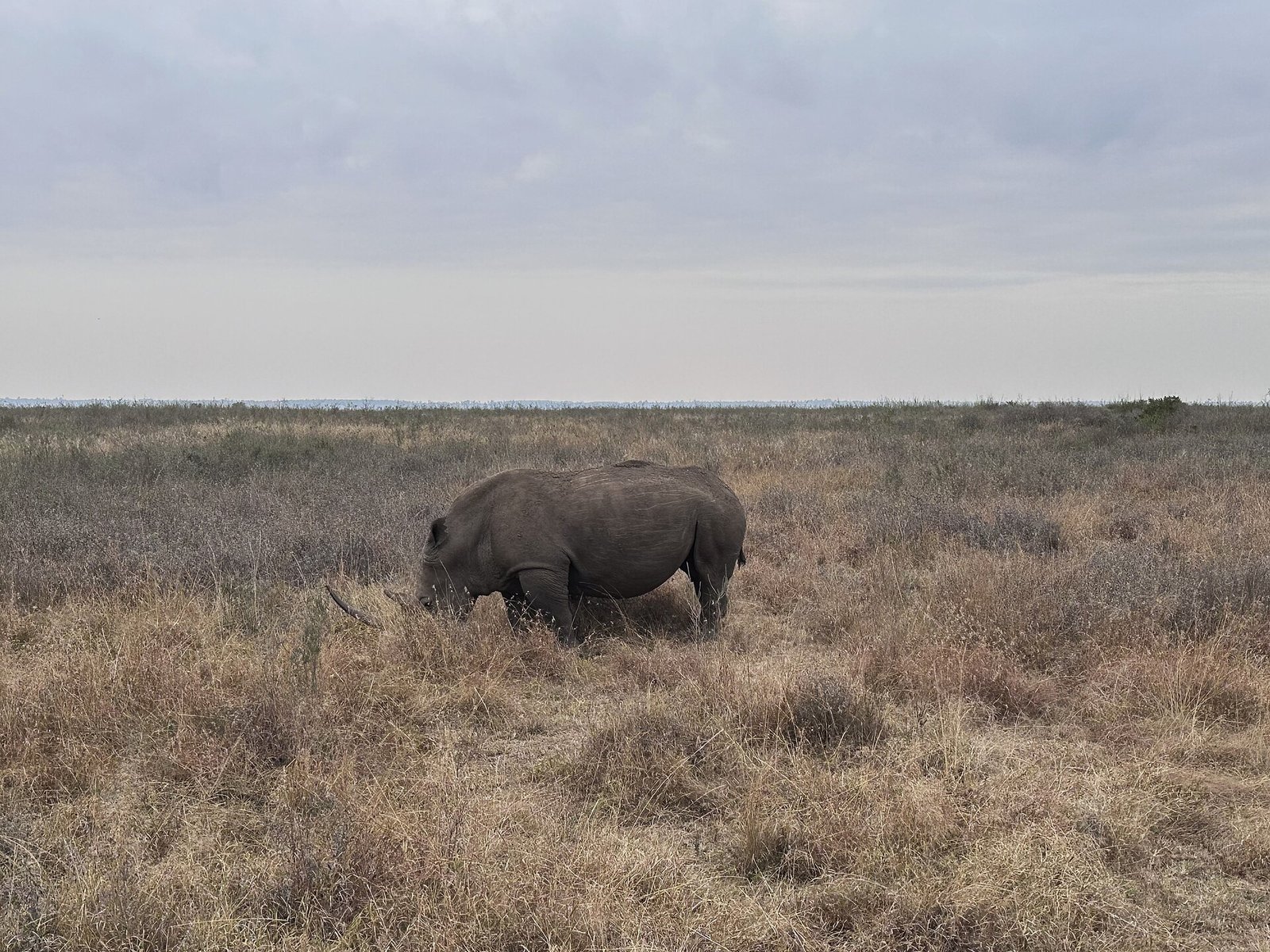
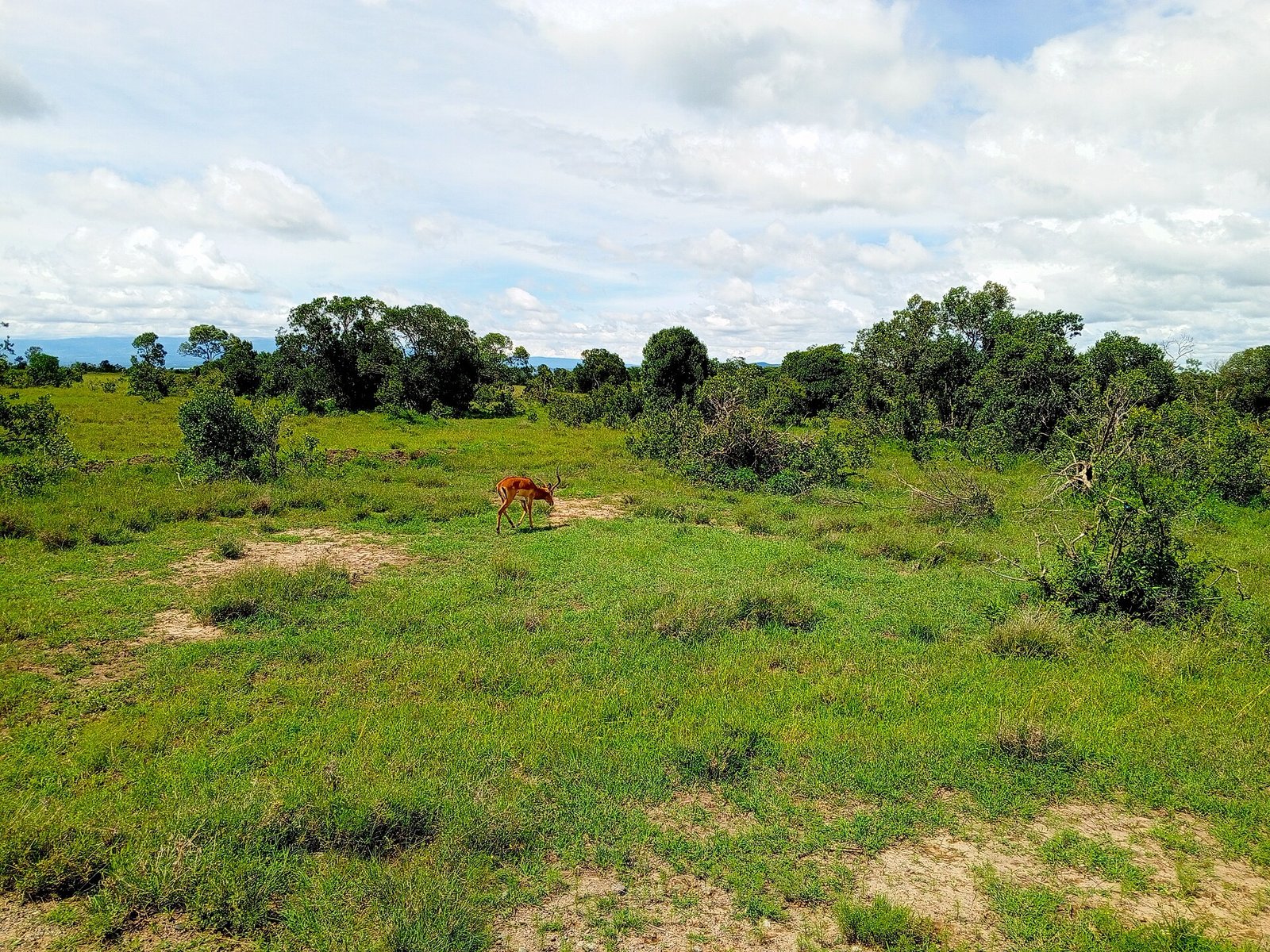
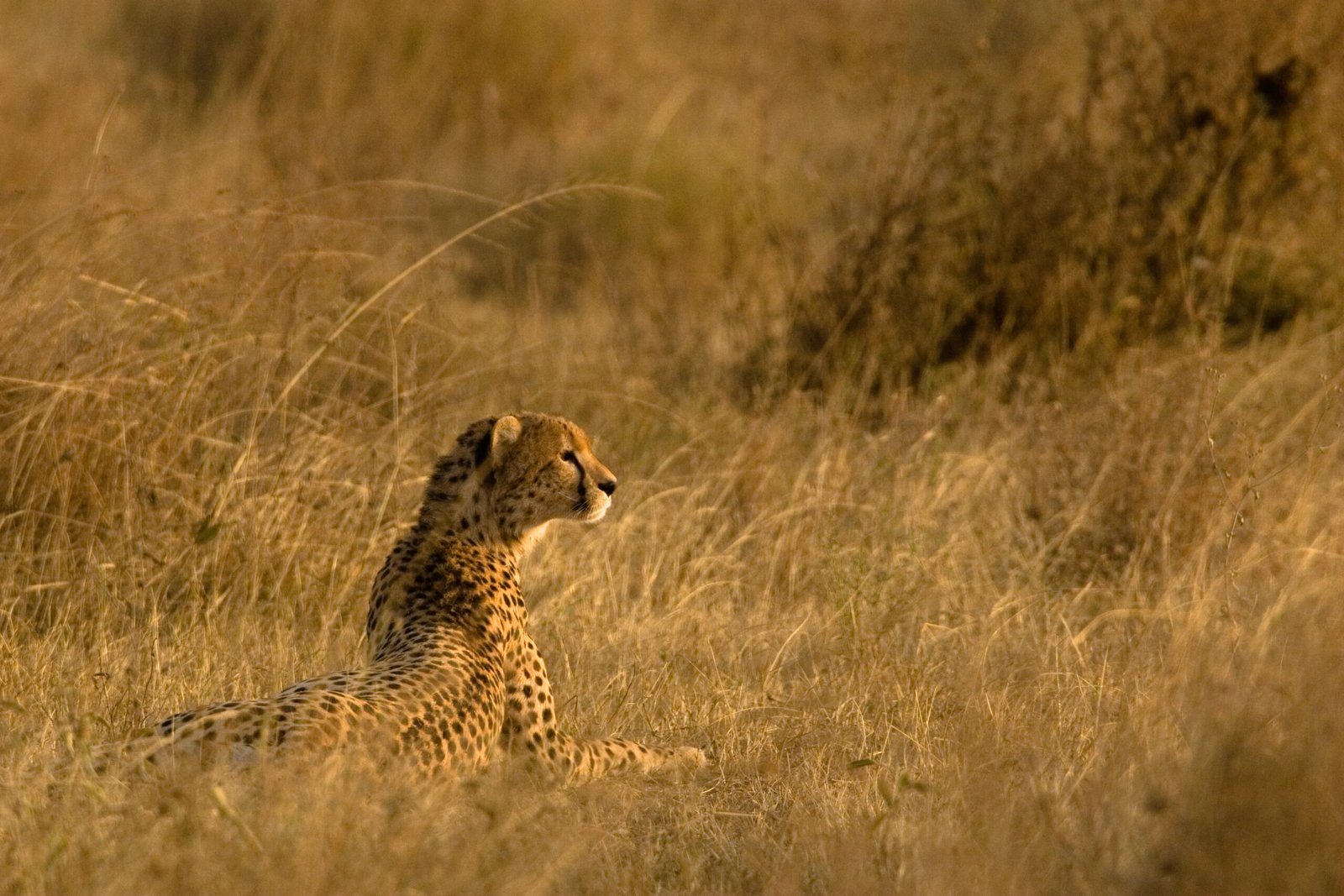
Allow the guide to work with the day’s conditions instead of treating a particular slope as a fixed wildlife appointment. Landscape observation, birds and the changes between wooded ground and open country can make a drive worthwhile alongside larger animals. The photographs on this guide illustrate wildlife and scenery in the wider Maasai Mara.
Community conservation and the Lemek Hills water initiative
Mara North’s conservation model links Maasai landowners and tourism partners through land leases and conservation management. The relationship between wildlife habitat and local livelihoods is central to understanding the area: the landscape is a working home as well as a safari setting.
The Lemek Hills name is also used by a community water initiative. Oliveseed describes the Lemek Hills Purified Water Facility in Mara North, developed with Global Water First. Its account connects groundwater, purification and distribution with household water needs and local livelihoods. This gives the place a community story alongside its landscape role.
Treat a community visit as a hosted appointment. Agree the purpose and arrangements with the host through your guide or camp, respect working areas and seek permission before photographing people. An encounter works best when it follows the host’s priorities and ordinary daily activities.
Plan access around the actual place you will visit
| Part of the trip | What to arrange |
|---|---|
| Conservancy wildlife viewing | Access through the named camp and conservancy programme. |
| Guided walking | A permitted route, qualified local guide and the applicable safety arrangements. |
| Community visit | A hosted appointment with the relevant community or project. |
| Reserve excursion | Separate National Reserve admission and a practical vehicle route. |
Guided visits and conservancy rules
Arrange wildlife activities through the camp and the relevant conservancy. Mara North describes guided drives and guided bush walks as part of its managed visitor experience. The permitted route, guide and activity conditions belong to that programme. Follow ranger directions, stay clear of sensitive vegetation and give wildlife space.
A walking interest should shape the choice of guide and camp from the beginning. Discuss the terrain, expected pace, weather and the needs of everyone travelling. Walking in wildlife country requires its own arrangements; the vehicle portion of a safari and a guided walk are different activities.
For a programme involving Mara North, use the conservancy’s visitor contact information alongside the named camp. Our Reserve entry guide covers a separate Reserve excursion, and the safari cost guide explains how accommodation, transport and visitor charges fit together.
Choose a base for the wider Mara North experience
Compare actual Mara North properties such as Saruni Mara, Kicheche Mara North and Offbeat Mara Camp by their setting, accommodation and included safari programme. These are individual properties within the broader conservancy experience; their own profiles explain their facilities and stay conditions.
For a short visit, a well-chosen base leaves more time for observation than repeated camp moves. If your main interests combine hill-country scenery, community context and general wildlife, give the guide room to connect them in a practical route. Share your interests before the accommodation and transport are selected.
Weather and seasonal planning
Rain changes the condition of rural tracks and the character of the surrounding grassland. On a wet day, a different route or a slower programme may suit the conditions better. Dry-weather scenery and greener periods offer different photographic opportunities, while wildlife movements continue to respond to habitat and water.
Use our best time to visit the Maasai Mara guide to choose the broader travel period. The Great Migration guide explains seasonal herd movements across the ecosystem. Lemek Hills adds a northern landscape interest to that trip rather than setting a timetable for a particular wildlife event.
Explore more of the Maasai Mara ecosystem
Explore safari packages
From USD 1,200 per person sharing
From USD 1,700 per person sharing
From USD 2,450 per person sharing
From USD 3,000 per person sharing
From USD 1,500 per person sharing
From USD 2,000 per person sharing
From USD 2,350 per person sharing
From USD 1,950 per person sharing
From USD 1,700 per person sharing
From USD 2,900 per person sharing
From USD 3,800 per person sharing
From USD 4,900 per person sharing
From USD 4,550 per person sharing
From USD 3,350 per person sharing
From USD 3,000 per person sharing
From USD 3,150 per person sharing
From USD 3,750 per person sharing
From USD 5,850 per person sharing
From USD 3,850 per person sharing
From USD 3,900 per person sharing
Plan your private Maasai Mara safari
Share your dates, party and interests. We will help choose a Mara base and a private safari programme with the appropriate guiding, access and transport.