

Maasai Mara safety depends on how the whole safari is organised: wildlife viewing, camp movement, transfers, health preparation and a workable response to problems. Use a professional guide, respect the rules at each destination and plan arrivals in daylight. Follow current travel advice for your full Kenya route, rather than treating the safari area as separate from the journey.
Start with these decisions
Guide-led wildlife viewing
Give animals space and use approved stopping arrangements.
Practical transfers
Plan daylight arrivals and realistic onward connections.
Prepare for assistance
Keep medical, insurance and booking contacts accessible.
In this guide
- Build Maasai Mara safety into the whole itinerary
- Follow the guide during wildlife sightings
- Treat rivers and crossing scenes as wildlife areas
- Move around camp according to the property briefing
- Keep road transfers realistic and comfortable
- Connect flights and airstrip transfers carefully
- Prepare health needs before remote travel
- Use food, water, sun and insect precautions consistently
- Make insurance and emergency arrangements usable
- Protect documents and belongings during the wider journey
- Match specialist activities to permission and suitability
- Keep the safari plan clear before departure
Safety routines by setting
| Setting | Useful routine | When plans change |
|---|---|---|
| Wildlife drive | Remain within the safe vehicle arrangement and follow the guide | Give animals room and adapt the viewing position |
| River sector | Use approved stopping and movement arrangements | Follow guide and ranger directions |
| Camp | Follow the briefing and required escorts | Contact staff when wildlife affects movement |
| Road transfer | Use the planned vehicle and realistic daylight routing | Allow the operator to adjust for conditions |
| Illness | Raise symptoms promptly and share your travel history | Seek appropriate clinical assessment |
Build Maasai Mara safety into the whole itinerary
A safe safari starts with a workable journey, suitable accommodation and professional guiding. Consider the full route, including airports, Nairobi transfers, road travel and any onward destinations. Risks and practical arrangements differ between a city, a highway and a wildlife area. The Mara portion should fit that wider plan rather than being treated as an isolated holiday inside the holiday.
Give the itinerary enough room for daylight arrivals, rest and realistic connections. A route that depends on an unusually fast drive or a perfect flight connection can create avoidable pressure. Your guide and operator need a plan they can adjust when conditions change. Comfort and safety often improve together when the daily schedule is sensible.
Read the Kenya travel advice before booking and again before departure, alongside the advice issued by your own country. The current advisory applies to the route you actually intend to use, and conditions can change. An evergreen guide explains useful habits; it cannot replace a current government notice or the instructions of authorities at the destination.
MaasaiMara.ke arranges private safaris through authorised tour operator partners, with the operator planning and fulfilling the trip. Use the booking information to understand your transport, accommodation and contact arrangements. The objective is a coherent plan with identifiable services and a practical response to disruption, not a blanket promise that any destination or activity is free of risk.
Follow the guide during wildlife sightings
Wild animals behave independently, including animals that appear relaxed around vehicles. Remain in the vehicle during sightings unless the guide directs you to an approved safe arrangement. A photograph, dropped item or apparently quiet patch of ground is not a reason to step out. Let the guide manage the vehicle’s position and the way you watch the animals.
Keep your body and equipment within the vehicle’s safe viewing arrangement. Avoid sudden movement, loud calls or attempts to attract an animal’s attention. Feeding wildlife changes behaviour and creates risks for visitors and animals. The useful encounter is one in which you can observe without forcing a response or blocking the animal’s movement.
The guide follows the access and viewing rules for the sector you are visiting. Rules in the Main Reserve, Mara Triangle and conservancies should not be assumed identical. Permission for an activity in one area does not extend automatically to another. Our conservancy guide and area guides help explain the different settings.
Raise a concern calmly if you feel uncomfortable with a vehicle position or activity. You do not need to accept a close approach to enjoy wildlife. Space can improve observation by letting an animal continue its behaviour. A good safari experience depends on judgement and patience, rather than approaching every sighting as closely as the vehicle can reach.
Treat rivers and crossing scenes as wildlife areas
The Mara’s rivers are wildlife habitat. Hippos and crocodiles are part of that environment, and a riverbank is not an ordinary picnic or swimming location. Follow the guide’s stopping and movement instructions. A calm-looking stretch of water does not establish that it is safe to enter or approach on foot.
Migration crossings can attract many vehicles and patient waits. Allow the guide to choose an appropriate position and follow ranger directions. Do not pressure the driver to crowd the bank, obstruct an animal’s route or create a rushed approach when the herds begin moving. Wildlife access and visitor conduct remain important even during an exciting event.
Crossings are uncertain. Herds may gather without entering the water, move to a different point or remain elsewhere. A worthwhile safari should include broader wildlife and landscape interests so a quiet river does not become a reason to abandon sensible behaviour. The crossing-points guide explains the viewing context without promising an event.
Floodwater and damaged tracks require a different route or a delayed journey when the operator considers that necessary. Do not treat water depth or track condition as something a visitor can judge from a photograph. The practical decision belongs to the people responsible for the vehicle and local operation. Keep schedule flexibility so they can make that decision without unnecessary pressure.
Move around camp according to the property briefing
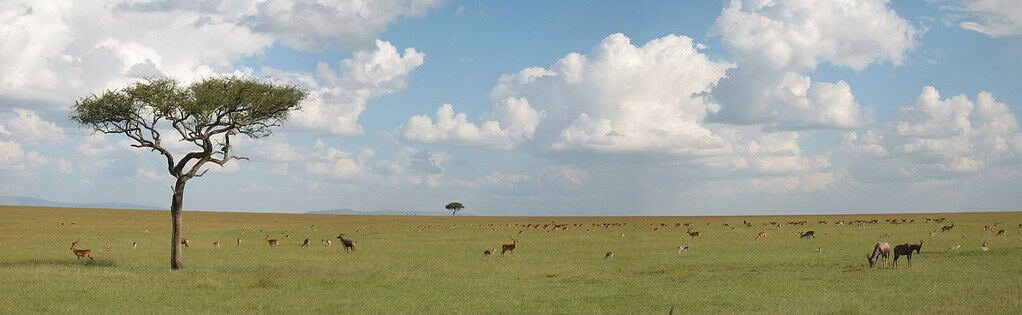
Many safari properties have open boundaries or sit near wildlife routes. A room, deck or dining area can feel comfortable while still being part of a landscape used by animals. Listen to the arrival briefing and follow the staff’s arrangements for moving between buildings. The correct routine comes from the property, especially after dark.
Use an escort where the camp requires one. Do not leave your room to investigate animal sounds or walk alone because the path was clear earlier. If an animal is near your accommodation, stay in a safe position and contact staff through the established arrangement. The camp team manages the situation with knowledge of the site and its normal wildlife movement.
Keep food and personal items in the manner explained by the property. Avoid attracting wildlife to a room or terrace, and do not leave tempting items unattended in open areas. Close the room appropriately when leaving and use screens or nets as intended. These ordinary routines support both wildlife management and a comfortable stay.
Children need adult supervision within the camp’s rules. A pool, garden, pathway or communal deck does not automatically provide a supervised play space. Families should understand the actual room layout, routes and approved areas before allowing independent movement. The family planning guide covers those accommodation decisions in more detail.
Keep road transfers realistic and comfortable
Road travel is part of the safari plan, not simply a distance between accommodation bookings. Use the agreed private vehicle and professional driver, with a sensible departure and daylight arrival. Allow for traffic, stops and the condition of the final access roads. A rushed transfer can undermine both comfort and the wildlife time you intended to enjoy.
Use seat belts where provided and arrange appropriate child restraints before travel. Do not assume every vehicle has identical fittings. Keep luggage and loose equipment secured so the passenger area remains usable. A comfortable viewing vehicle is still a moving vehicle, and ordinary road-safety routines apply during transfers as well as game drives.
The road travel guide describes the journey and access planning. The actual camp and sector influence the final route. A map pin or shortest-distance result cannot establish the road that is appropriate for the accommodation, weather or vehicle. Let the operator plan the route using the current practical conditions.
Rest matters during long travel days. Tell the driver about comfort needs early so breaks can be arranged at suitable locations. Avoid creating an itinerary that depends on skipping meals, rest or necessary stops. If an onward flight is important, plan the connection with enough room for a realistic return rather than using the fastest possible journey as the expected outcome.
Connect flights and airstrip transfers carefully
Bush flights require a joined-up plan for baggage, check-in, arrival and collection. The relevant allowance comes from the actual carrier and service; it is different from an international airline’s baggage policy. Review the flight conditions before packing and keep essential documents, medicines and valuables accessible during the journey.
The airstrip directory and flight guide help connect a service to a camp. The booking should identify the intended airstrip and collection arrangement. A nearby-sounding strip does not automatically serve every property, and a scheduled flight can have operational routing or timing changes.
Treat the airstrip as an operational area. Follow staff and crew instructions, keep away from aircraft until directed and let the collection team manage the departure from the landing area. Children and loose equipment need particular attention. An open-looking runway or apron is not a place to explore independently while waiting.
Give onward connections sensible room. Weather, operational changes and road delays can affect a combined route. The response to a disruption should come through the carrier and operator handling the booking, rather than improvised transport chosen under pressure. Keep the relevant contact details and booking references where you can find them without an internet connection.
Prepare health needs before remote travel
Arrange a travel-health consultation using the full itinerary, medical history and usual medicines. The Mara requires attention to malaria prevention and bite protection; individual vaccination and medication decisions belong with a qualified clinician. A comfortable lodge or a cool evening does not remove the need for the appropriate preparation.
The malaria and vaccinations guide explains general preparation and the distinction between vaccine recommendations and entry requirements. If a condition affects mobility, diet, medicine storage or charging equipment, include the practical needs when choosing accommodation. A general facility label cannot establish the exact support available in a particular room.
Carry essential medicines in original labelled packaging with documents where needed, and keep them accessible during transfers. Pack the supplies that are difficult to replace on the journey. The room’s storage and power arrangements should fit your requirements; do not assume continuous refrigeration or charging because electricity is listed as a camp facility.
If you develop fever or worrying symptoms during or after travel, seek prompt medical assessment and explain where you have been. Do not delay a concern until the safari ends or assume prevention makes illness impossible. The guide and camp can help organise the practical response, but they do not replace diagnosis or treatment by a qualified medical professional.
Use food, water, sun and insect precautions consistently
Safe drinking water, ordinary hand hygiene and sensible food choices support a comfortable safari. Use the camp’s drinking-water arrangements and avoid assuming that untreated water is suitable because it looks clear. Give dietary needs accurately before travel so the property can assess the arrangements rather than improvising when you arrive.
Protect yourself from sun and heat with suitable clothing, shade where available and regular fluids. A breeze in an open vehicle can make the day feel cooler than expected. Take a hat and the protection you normally use, and carry enough suitable drinking water for the outing. Adapt the day if you feel unwell instead of trying to complete the schedule regardless.
Use bite protection according to product instructions and the advice you received before travel. Long clothing, repellent and appropriate sleeping arrangements can work together. Different insects can bite at different times, so protection should not be restricted to a single evening routine. Discuss suitable products for children, pregnancy or medical sensitivities with the relevant professional.
The packing guide helps keep these items accessible in a practical day bag. A layer, water, repellent and usual medicines are useful only when you can reach them during the outing. Pack for the activities actually included and let the main luggage remain organised for the transfer and camp stay.
Make insurance and emergency arrangements usable
Suitable travel insurance should match the full trip and planned activities. Medical treatment, evacuation, repatriation and cancellation are different forms of protection, and the actual policy wording determines the cover. Do not assume that a safari booking, airline ticket or evacuation membership automatically provides every part of a travel-insurance policy.
Give the insurer an accurate description of pre-existing medical conditions and the activities you intend to undertake. Walking, ballooning or a wider adventure itinerary may have specific treatment. Advice against travel can also affect cover. The useful policy is one whose conditions fit your route and circumstances, not simply the one with the most reassuring headline.
Keep policy details, emergency assistance instructions and booking references accessible offline. Share the practical contact arrangement with someone travelling with you. If an emergency occurs, tell the guide or camp staff promptly and follow the established assistance procedure. Early communication gives the people coordinating the response a clearer picture of the problem.
Do not assume that a remote property has a resident doctor, a nearby hospital or an immediately available aircraft. The response depends on location, clinical need, communications and operating conditions. Understand the operator’s practical emergency arrangements before the trip, while recognising that the timing and form of assistance cannot be guaranteed in advance for every incident.
Protect documents and belongings during the wider journey
Keep passports, travel documents and valuables organised through airports, transfers and hotel stays. Carry the items you need without displaying unnecessary valuables, and use the property’s secure arrangements where available. Have accessible copies of important documents, while retaining the originals needed for admission or travel.
Use the planned airport and city transfers instead of accepting unsolicited offers under pressure. Nairobi is part of many Mara itineraries, with its own traffic and personal-security considerations. A safari booking does not make every part of the urban journey identical to a guided wildlife drive. Follow the advice from your hotel, operator and relevant authorities.
Avoid demonstrations, political gatherings and large crowds when travel advice identifies a risk. Conditions can change quickly, and the operator may need to alter the transfer. Stay informed without turning a general guide into an unsupported current-events bulletin. A changed route or timing can be a sensible practical response to the conditions on the day.
Photography also needs judgement. Respect restrictions at airports, official buildings and sensitive locations, and ask before photographing people. Keep expensive equipment under control during transfers and at camp. The wildlife experience does not require displaying every lens or device throughout the journey; take the equipment that supports your interests and can be carried comfortably.
Match specialist activities to permission and suitability
Walking, riding, ballooning and other specialist activities have different operating conditions from a standard vehicle drive. Their location, permissions, age rules and physical demands need to match the participants. An activity available through one camp or conservancy should not be assumed available inside every part of the Reserve.
Use the activities guide to understand the options, then assess the specific booked product. A general heading such as walking safari does not establish a route, guide arrangement, participant requirement or included price. The practical details are what make the activity suitable for your party.
Tell the operator about a relevant mobility, health or comfort need before the activity is added. That information lets the actual provider assess the arrangement. Do not treat a reassuring category label as a substitute for the physical details, and do not assume an activity can be modified freely once the group is at the starting point.
During the activity, follow the staff’s briefing and instructions. Wildlife and weather remain variable, and the provider may change or stop the plan. A safe experience depends on responding to those conditions rather than treating a paid booking as a promise that the activity must proceed exactly as imagined.
Keep the safari plan clear before departure
Bring the practical details together before travelling: accommodation, rooms, transport, scheduled activities, admission, meals and the return journey. Keep the contacts and documents you need in an accessible place. A clear plan makes it easier to identify which provider handles a change and reduces the need to make hurried decisions in unfamiliar surroundings.
Check that the daily pace suits the travelling party. Fatigue, hunger and discomfort can create pressure to rush or ignore a concern. A sensible itinerary gives the family or group room to rest and communicate needs early. The family guide and budget guide explain how those choices can fit the wider holiday.
Use current travel advice shortly before departure and follow local instructions during the trip. Keep broad wildlife expectations and let the guide adjust viewing around the conditions. Responsible conduct is part of the experience: give animals space, use approved stopping arrangements and respect the camp routines that connect comfortable accommodation with a wildlife landscape.
Share your dates, party, interests and practical needs with MaasaiMara.ke when requesting a safari. We can arrange a private plan through authorised tour operator partners that fits the route and accommodation choices. The strongest preparation is a combination of clear services, appropriate health and insurance arrangements, professional guiding and a realistic daily rhythm.
Continue planning your safari
- Plan your safari
- Safari costs and inclusions
- Reserve entry fees
- Accommodation choices
- Published lodge profiles
- Private safari itineraries
- Budget planning
- Family safari planning
- Malaria and vaccinations
- Mara or Serengeti
- Packing list
- Best time to visit
- Road travel
- Flights and baggage
- Four-day family itinerary
- Migration month by month
Explore safari packages






From USD 2,000 per person sharing



From USD 2,350 per person sharing

From USD 1,950 per person sharing

From USD 2,350 per person sharing

From USD 1,700 per person sharing

From USD 2,900 per person sharing

From USD 3,800 per person sharing
Plan your private Maasai Mara safari
Share your travel dates, party and interests with MaasaiMara.ke. We quote and book private safaris through our authorised tour operator partners.
