
Mara North Conservancy
Mara North Conservancy offers a camp-based safari on Maasai-owned land north of the National Reserve. Its landowner and tourism partnership supports wildlife habitat and community livelihoods, with game viewing governed by a detailed conservancy code. Choose Mara North for resident wildlife, varied camp settings and permitted guided activities; include a separately planned Reserve excursion if river crossings are a priority. Access, conservation charges and private guiding should be stated in the camp and itinerary arrangements.
Mara North Conservancy at a glance
Wildlife landscape
A camp-based conservancy stay outside the National Reserve.
Natural observations
Resident wildlife, changing habitat and seasonal possibilities; sightings remain conditional.
Practical access
Use the selected camp’s actual road or air arrival and authorised guiding arrangement.
Seven useful planning decisions
- Choose the exact camp and establish its boundary location.
- Match the wildlife programme to your party’s interests.
- Include the correct entry or conservation charges.
- Specify the private vehicle and guiding arrangement.
- Coordinate the actual road or air arrival and camp transfer.
- Select permitted activities that suit the party and season.
- Allow flexibility for weather, wildlife movement and viewing rules.
Access and fee basis
| Item | Applicable basis |
|---|---|
| Managing arrangement | Landowner and tourism conservancy partnership |
| Entry / conservation | Published non-resident range: USD 130–150 adult and USD 65–75 child per night in 2026; camp child bands differ. Confirm the selected camp’s actual charge. |
| Accommodation | Selected-property tariff; compare the full occupancy, board and compulsory-charge conditions. |
| Complete private safari | Written quote names the accommodation and includes scheduled entry and compulsory selected-property charges. |
Mara North Conservancy and its managing partnership
Mara North is managed through a partnership of Maasai landowners and tourism operators. The land remains part of a lived-in pastoral landscape, with conservation agreements, lease payments and managed tourism helping to keep habitat connected. The visitor experience therefore depends on more than the scenery. By staying with an authorised member operation, your trip participates in an arrangement that supports land management and conservation alongside the accommodation and guiding you receive.
This is a conservancy outside the Maasai Mara National Reserve. It is not the Mara Triangle, and a Reserve ticket is not a universal pass into Mara North. The conservancy’s own rules guide the activity programme. For visitors, this means the camp’s membership and access rights matter when comparing apparently similar properties. A nearby map location cannot establish that an outside camp has permission to conduct game drives within the conservancy.
The landscape offers a mixture of wildlife habitat and camp settings rather than a single attraction. A good conservancy safari gives time to observe what is happening around the chosen base. Think of Mara North as a place to explore with knowledgeable guiding, rather than a shortcut to every famous Reserve sighting. The wider Maasai Mara conservancies guide explains how this access model differs from a conventional Reserve stay.
Wildlife and habitat in Mara North
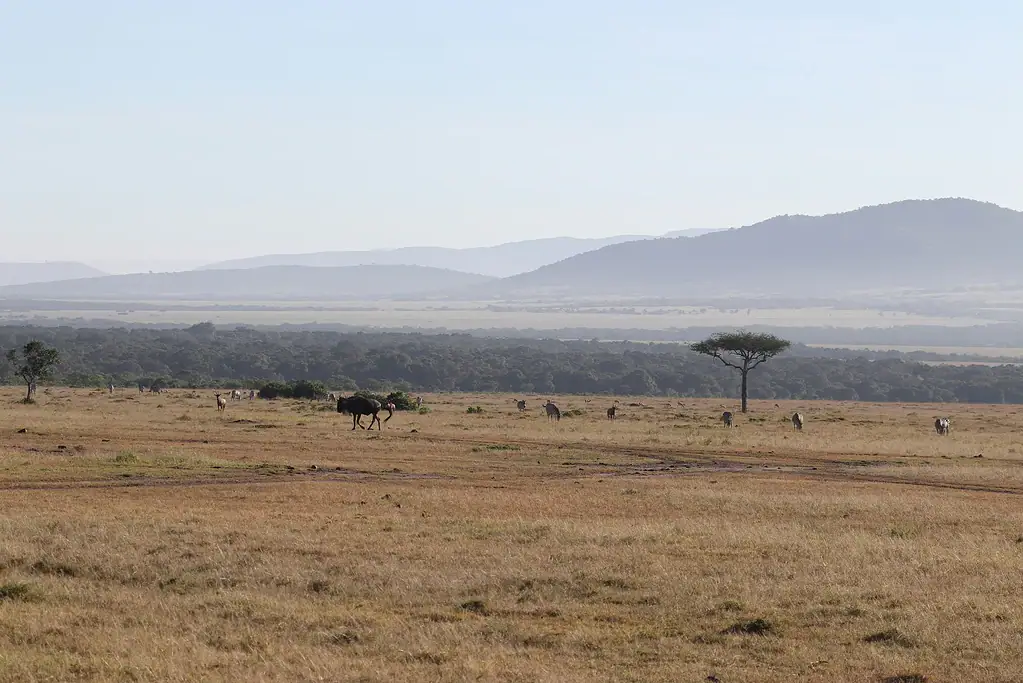
Resident wildlife is the strongest reason to choose a Mara North safari. Predators, grazing animals and river-associated wildlife use different parts of the landscape as conditions change. Open grassland can be productive for scanning herds and looking for predator movement; bush and drainage lines reward slower observation. The camp’s immediate surroundings affect how a drive begins, but an attractive view from the tent should not be treated as a guarantee of a particular species.
Lions, leopards and cheetahs are among the animals visitors hope to see in the Greater Mara. Mara North’s own wildlife updates illustrate its resident predators, while its rules protect their ability to behave naturally. A guide may spend a long time watching a resting animal or follow fresh signs without finding it. Those are normal parts of a safari. The experience becomes richer when the party values animal behaviour and habitat rather than only collecting sightings.
Elephants, giraffes, buffalo, antelope and birds offer reasons to enjoy the landscape beyond big cats. Repeated visits to an area can reveal changing interactions, feeding behaviour or different light. This suits photographers and returning visitors, but also helps a first-time party understand how the habitat works. Make room for these observations in a conservancy safari instead of assuming that only a dramatic hunt or a large migrating herd counts as a successful drive.
Migration expectations and Reserve excursions
Mara North is connected to the wider ecosystem, but the movement of migratory herds is not a fixed appointment. Grazing, water and changing conditions influence where wildebeest and zebra travel. A general migration photograph in a camp brochure does not establish that the main herds will pass that property during your stay. Resident animals remain a sound basis for planning a Mara North safari throughout the broader seasonal cycle.
If watching the migration at Reserve river-viewing areas is central to your trip, include the Reserve in the itinerary explicitly. The plan should name the excursion, describe the transport arrangement and include the applicable Reserve entry charges. A conservancy stay and a Reserve drive are related experiences with different access systems. The journey between them also uses safari time, so avoid treating a river visit as a brief, automatic addition to every day.
For a combined trip, decide whether the Reserve visit is an occasional excursion or whether another accommodation base better serves the river-focused portion. Either can work when the programme is coherent. Our Great Migration guide explains the broad seasonal pattern, and the Mara areas guide helps compare Reserve bases. Mara North can then be chosen for the particular conservancy safari it offers, without promising a crossing beside the camp.
Member camps and the setting you choose
Mara North’s published member network includes Elephant Pepper Camp, Karen Blixen Camp, Kicheche Mara Camp, Mara Expedition Camp, Offbeat Mara Camp, Hemingways River Camp, Royal Mara Safari Lodge, Saruni Basecamp operations and Alex Walker’s Serian. The network also includes specialist safari operations. This is useful for identifying relevant tourism partners, but the name of an organisation may cover more than one product. Establish the exact camp or itinerary attached to your booking.
Riverside, open-plains and hillside settings create different accommodation experiences. A river camp may offer views of water and associated habitat; a plains camp may open towards grazing areas; a hillside setting can provide a broader outlook. These differences affect the atmosphere of the stay and where outings start. They do not guarantee that a particular animal will appear beside the room, or that one camp is always closer to the best wildlife on a given day.
Compare the stay itself as carefully as the conservancy safari: room configuration, family arrangements, accessibility, meals, vehicle use and the activities actually included. A tourism-partner listing confirms a relationship, not every commercial detail. Use our accommodation guide to distinguish comfort and stay styles. Where a property’s standard offer uses shared drives, a private safari for your travelling party needs a separately specified vehicle and guiding arrangement.
Published conservation fees and their qualification
Mara North camp sheets do not all show the same non-resident conservation charge. The published range recorded for 2026 is USD 130–150 per adult per night, with child figures of USD 65–75 and different age bands. The newer amended Offbeat sheet shows the higher adult amount. This disagreement matters: an amount from another member camp should not be assumed to be the compulsory charge for your selected stay.
These are conservation charges, not the full accommodation rate and not a ticket into the National Reserve. The camp’s actual tariff and quotation determine whether the charge is included or added to its accommodation figure. Child eligibility must follow that camp’s age definition. The quoted range should therefore be read as a transparent explanation of the published difference, rather than a guarantee that every guest can choose the lower charge.
Your written safari quote should state the selected property, visitor category, charging period and conservation inclusion, together with any scheduled Reserve entry. Resident charges follow the camp’s applicable resident tariff and eligibility conditions; the non-resident amount is a different category. Refer to the Reserve fee guide for Reserve entry and the safari cost guide for complete-trip comparisons. This keeps the Mara North conservancy safari on a clear financial basis.
Game-viewing rules and vehicle conduct
The current Mara North game-drive etiquette page limits a sighting to five cars. Additional vehicles wait away from the animals, and viewing vehicles normally give way after ten minutes when others are waiting; the vehicle that found the sighting has a stated exception. The code asks visitors to remain at least twenty metres from animals. These are Mara North’s published rules, not a set of figures to apply automatically in every conservancy or the Reserve.
The published speed limit on that etiquette page is forty kilometres per hour. Drivers should keep to roads and tracks, with off-road wildlife viewing subject to the conservancy’s specific conditions. Sensitive vegetation and thickets are not places to force a vehicle through for a better angle. Wildlife must retain space to move; a vehicle should not block its route, separate animals or make a resting predator get up for a photograph.
Guests should keep voices low, avoid feeding animals and take litter back to camp. Leaving a vehicle close to wildlife is prohibited. Do not press a guide to break the rules, and cooperate with rangers who are managing the sighting or protecting habitat. A responsible conservancy safari includes accepting that the best photograph or closest view may be unavailable. The viewing standard is part of what makes Mara North worth selecting in the first place.
Night drives and guided walking
Mara North permits night game drives only in designated areas, with red filters used for lighting. Its published code requires a return to camp by ten in the evening and includes protections for hunting predators and breeding animals. This creates a different experience from daytime viewing, but it remains a controlled activity. A night drive should never be described as unrestricted spotlighting or a promise of a particular nocturnal species.
Guided walking and riding are separately managed experiences, with other vehicles required to give them space. A walking safari draws attention to tracks, plants, smaller animals and the relationship between habitats. It is not permission for a guest to wander outside camp alone. The actual outing depends on the camp’s programme, appropriately qualified guiding, the traveller’s eligibility and conditions on the day. Fitness, age requirements and route choices belong to that specific arrangement.
If these experiences are a main reason for choosing Mara North, make them part of the initial itinerary discussion. The night-drive guide and walking-safari guide explain what visitors can expect. A camp may offer either activity differently from its neighbour, and a private conservancy safari should state how it is arranged for your party. The conservancy’s permission does not mean every camp includes every activity without an extra booking.
Seasons and useful travel priorities
Mara North is well suited to travellers who place resident wildlife ahead of a fixed migration event. Drier periods can offer easier movement on local tracks and open views across the grassland. Greener periods can bring attractive scenery and a different birding and photographic atmosphere, while rain may make some tracks less practical. The guide’s local judgement remains useful in either season because wildlife responds to habitat and weather rather than a brochure calendar.
For a migration-focused safari, the broader July-to-October pattern in the Mara is a planning starting point, not a guarantee of herds in Mara North. Build the trip around the relevant Reserve access and accept that timing varies. For birding, landscape photography and slower resident-wildlife viewing, other seasons can be rewarding. The important question is which conditions support your interests, rather than whether a single month is labelled the best for every kind of visitor.
Some camps have seasonal closures or maintenance periods, and activities can change with conditions. Read the best-time guide alongside the selected camp’s operating programme. Fixed travel dates do not need to be a disadvantage when expectations and the itinerary fit the season. A thoughtful conservancy safari leaves room for changing routes, unhurried observations and the possibility that a wet morning will favour a different part of the landscape.

Road arrival and the final approach
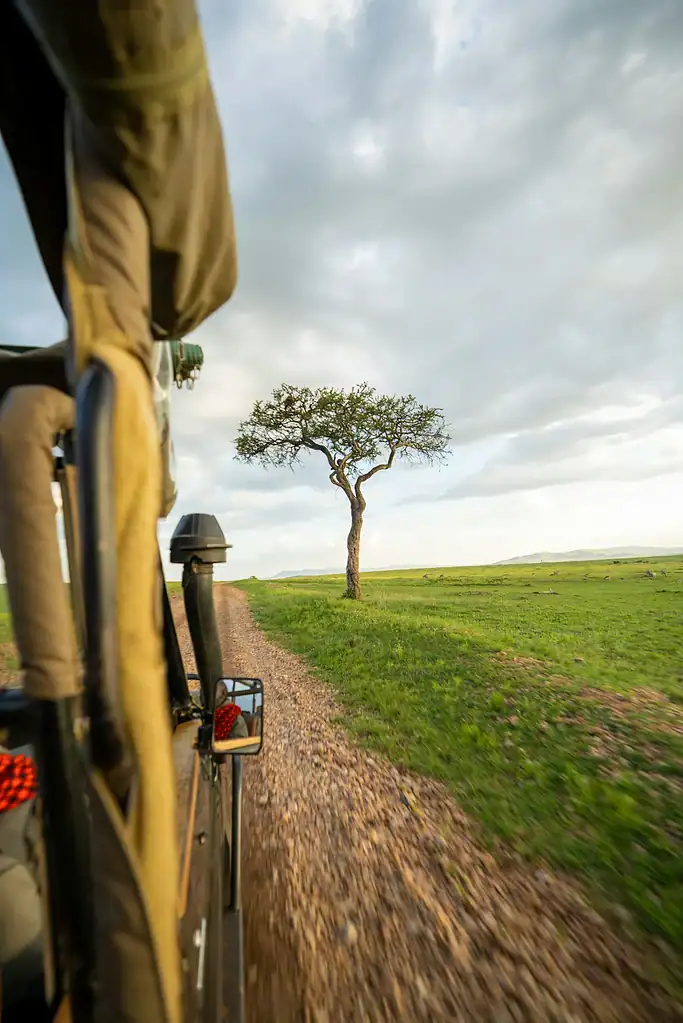
For road travel, use the selected camp’s approach information and a vehicle suited to local tracks. The conservancy is a managed landscape with authorised access, not an open route network to explore from a navigation app. A shorter line on a screen can cross private land or an unsuitable track. The operator should plan arrival around the actual camp meeting point and the route that the camp recommends for the conditions.
The road journey and the first wildlife outing should also fit together. Arriving after a long transfer can leave little useful time for an ambitious activity programme. A comfortable first drive near the base may be more enjoyable than immediately adding another long journey into the Reserve. This matters for families and travellers who want a measured pace. The itinerary should protect the experience rather than try to fit every possible attraction into arrival day.
Our Nairobi-to-Mara road guide explains the wider journey. The final Mara North approach remains camp-specific. Include the return route in the same planning, especially when a transfer connects to a flight or another destination. A conservancy safari works best when the travelling arrangements are practical in both directions and do not depend on using a wildlife track as a guaranteed fast transit route.
Fly-in access and coordinated transfers
A fly-in safari can reduce the overland journey, but the landing strip must match the camp and its meeting arrangement. The nearest-looking airstrip on a map is not necessarily the booked or appropriate arrival point. Scheduled services can route through different stops, and the camp transfer is a separate part of the itinerary. Establish the actual flight and pickup before treating the arrival as a confirmed Mara North connection.
Keep flight details, baggage conditions and the camp transfer coherent. The booking should identify who meets the party, what happens if the routing changes and how departure connects with onward travel. These practical details are particularly valuable when a conservancy safari combines different camps or the National Reserve. Moving between properties may require a planned road transfer rather than a new flight merely because the accommodation names appear in different marketing areas.
The Mara flight guide explains the broader booking considerations. Your selected property supplies the local arrival arrangement. Mara North should be compared on the complete stay and guiding experience after those transfers are understood, not only on the apparent flight duration. A smooth arrival gives the party more opportunity to settle into the landscape and enjoy the first outing without unnecessary uncertainty about the meeting point.
Community land, grazing and responsible visits
The conservancy model links wildlife habitat with Maasai landowner livelihoods. Tourism partners contribute through their agreements and operation, while conservation management works within a pastoral landscape. Seeing livestock or community activity is not evidence that the area has failed to become a safari destination. The relationship between grazing, people and wildlife is part of the reason this land can remain connected habitat rather than being treated as a separate world from its residents.
Community visits should be arranged with the participants’ agreement, appropriate hosting and respect for privacy. Ask before photographing people and avoid treating homes or daily work as an unrestricted attraction. A guide can explain land-use patterns and the local conservation arrangement without turning every community encounter into a staged activity. The same respectful approach applies when wildlife and livestock are using nearby habitat: follow the guide’s instructions and give both space.
Visitors who want to support the wider work can explore participation with Mara North Conservancy. Accommodation and safari arrangements remain part of the selected camp and operator booking. A conservancy safari can make a useful contribution through that stay, but no visitor should be promised that a particular booking directly funds an invented project or specific outcome. Keep the conservation explanation tied to the real partnership and its published work.
Photography, families and daily pacing
Photographers can benefit from the chance to revisit habitat and spend time with natural behaviour. A private vehicle arrangement helps align the daily pace with your party’s interests, but it never removes Mara North’s sighting rules. Discuss equipment space and the sort of observations you enjoy when planning the trip. The guide can then balance time at predators with birds, herd interactions and landscape light rather than assume every drive should follow the same priorities.
Families need an itinerary that fits the children’s attention, meals and rest as well as activity eligibility. Walking and night-drive policies can differ from the standard daytime programme. A camp with a suitable family room is not automatically suitable for every proposed activity. Clear accommodation and guiding arrangements prevent the party from choosing a stay around experiences some members cannot join, and give everyone a more comfortable conservancy safari.
Travellers with mobility or other access needs should obtain specific room, path and vehicle-boarding information. These features vary between properties, even when the conservancy experience is broadly similar. Choose a daily programme that lets the party enjoy observations without unnecessary transfers. A relaxed Mara North stay can still be wildlife-rich; the aim is useful time in the landscape, not the longest possible list of activities or the greatest distance travelled on each drive.
Comparing Mara North with neighbouring choices
Compare Mara North with Naboisho and Olare Motorogi using the actual camp, access and activities. All can serve a conservancy safari, but their property settings and operating arrangements differ. A recommendation should follow the party’s priorities rather than claim that one name guarantees the highest wildlife density, the fewest vehicles or a better sighting on the dates you have selected.
Choose Mara North when its resident-wildlife focus, member-camp options and managed activities fit the trip you want. If broad Reserve exploration is the main interest, compare the Mara Triangle and other Reserve bases as well. A combined itinerary can work when it provides enough time in each setting and treats the move as part of the safari, rather than an extra journey squeezed between already full days.
The final decision should be visible in the written programme: the named accommodation, private vehicle and guiding, arrival and departure transfers, permitted activities, conservation charges and any Reserve excursions. This gives you a clear basis for comparing value and expectations. Mara North is then a deliberate choice for a particular safari experience, with the partnership, wildlife and pace of the stay understood before you travel.
Explore safari packages






From USD 2,000 per person sharing



From USD 2,350 per person sharing

From USD 1,950 per person sharing

From USD 2,350 per person sharing

From USD 1,700 per person sharing

From USD 2,900 per person sharing

From USD 3,800 per person sharing
Plan your Maasai Mara safari
Tell us your travel dates, party and wildlife interests. MaasaiMara.ke quotes and books private safaris through authorised tour operator partners, with dedicated vehicles and guiding. Your written quote names the accommodation and includes the scheduled park fees and compulsory selected-property charges.
