
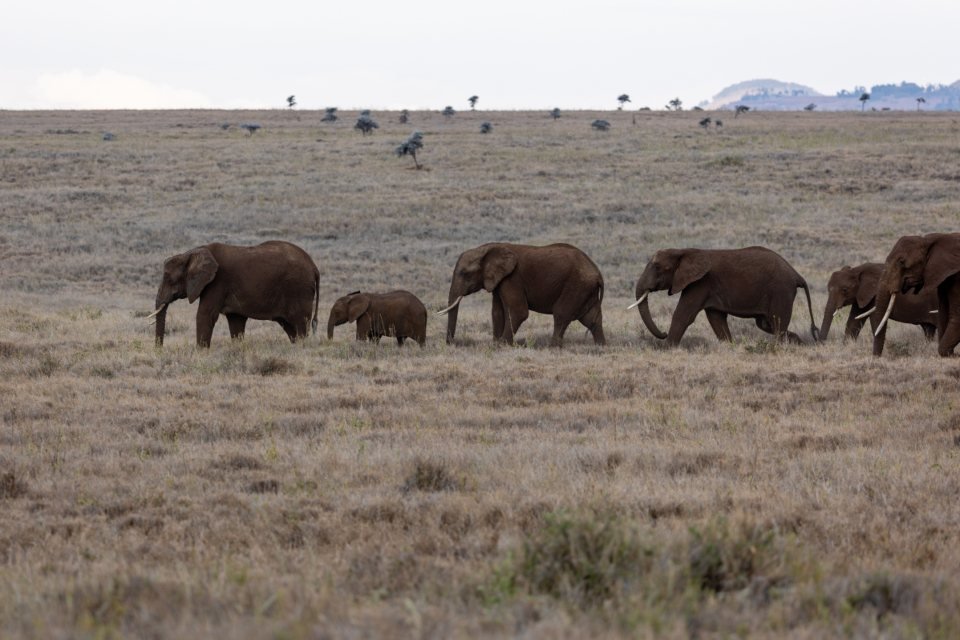
Maasai Mara wildlife includes resident big cats, elephants, buffalo, black rhinos, antelope and birds, alongside seasonal migratory herds. Explore the main species, their habitats and responsible viewing, then choose a camp and programme matched to your interests.
Maasai Mara wildlife at a glance
Resident mammals
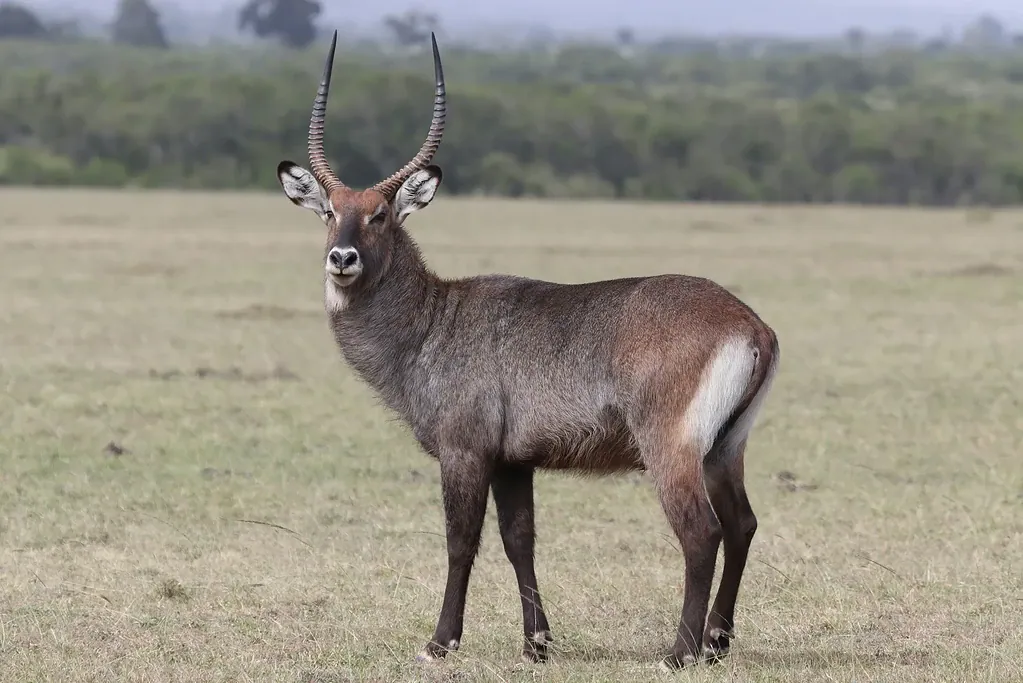
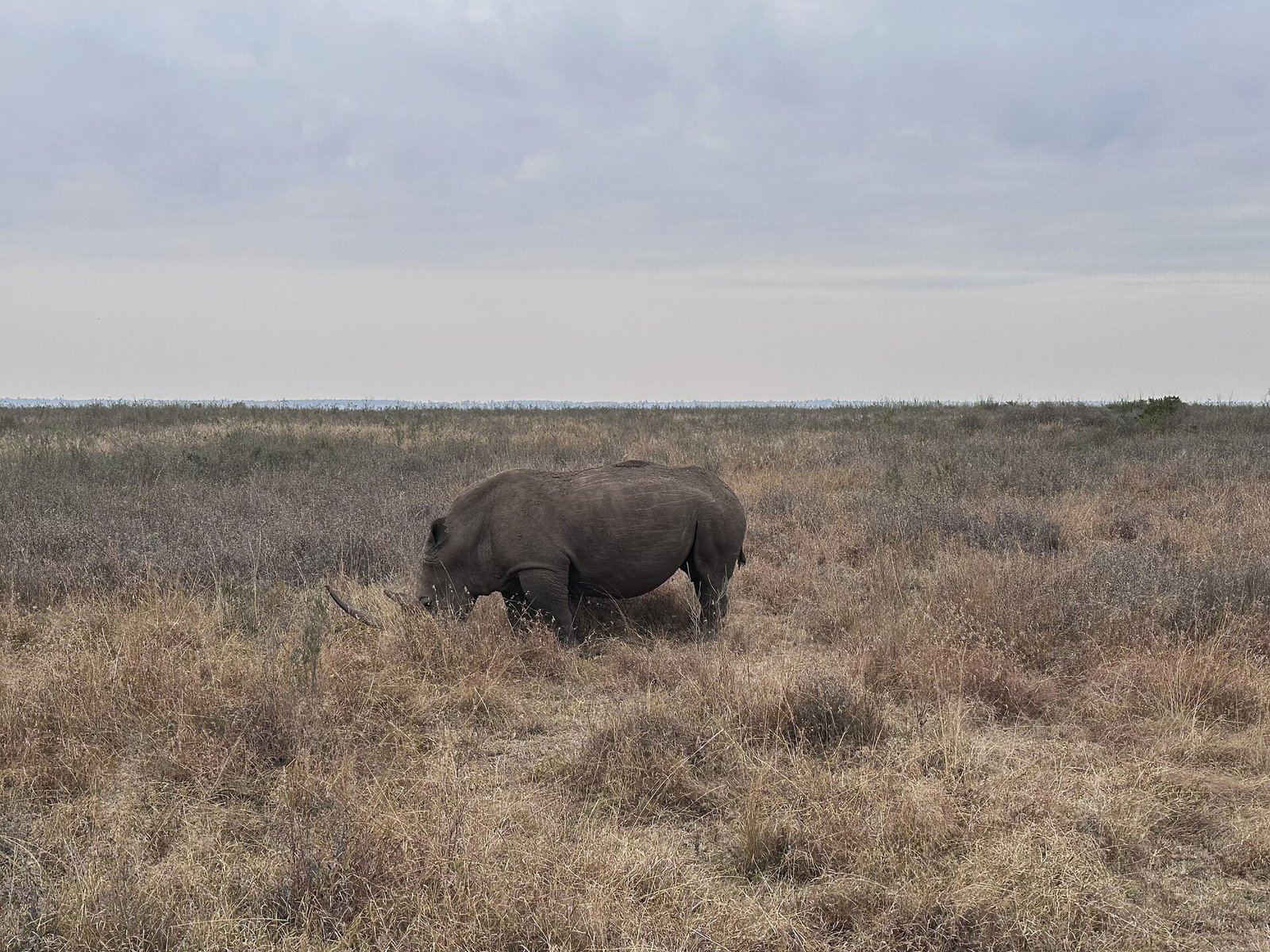
Lions, leopards, elephants, buffalo and black rhinos live in the Mara ecosystem.
Seasonal herds
The Serengeti–Mara migration adds moving wildebeest and zebra herds.
Varied habitats
Grassland, woodland and river margins support different wildlife communities.
Resident wildlife gives the Mara its year-round identity
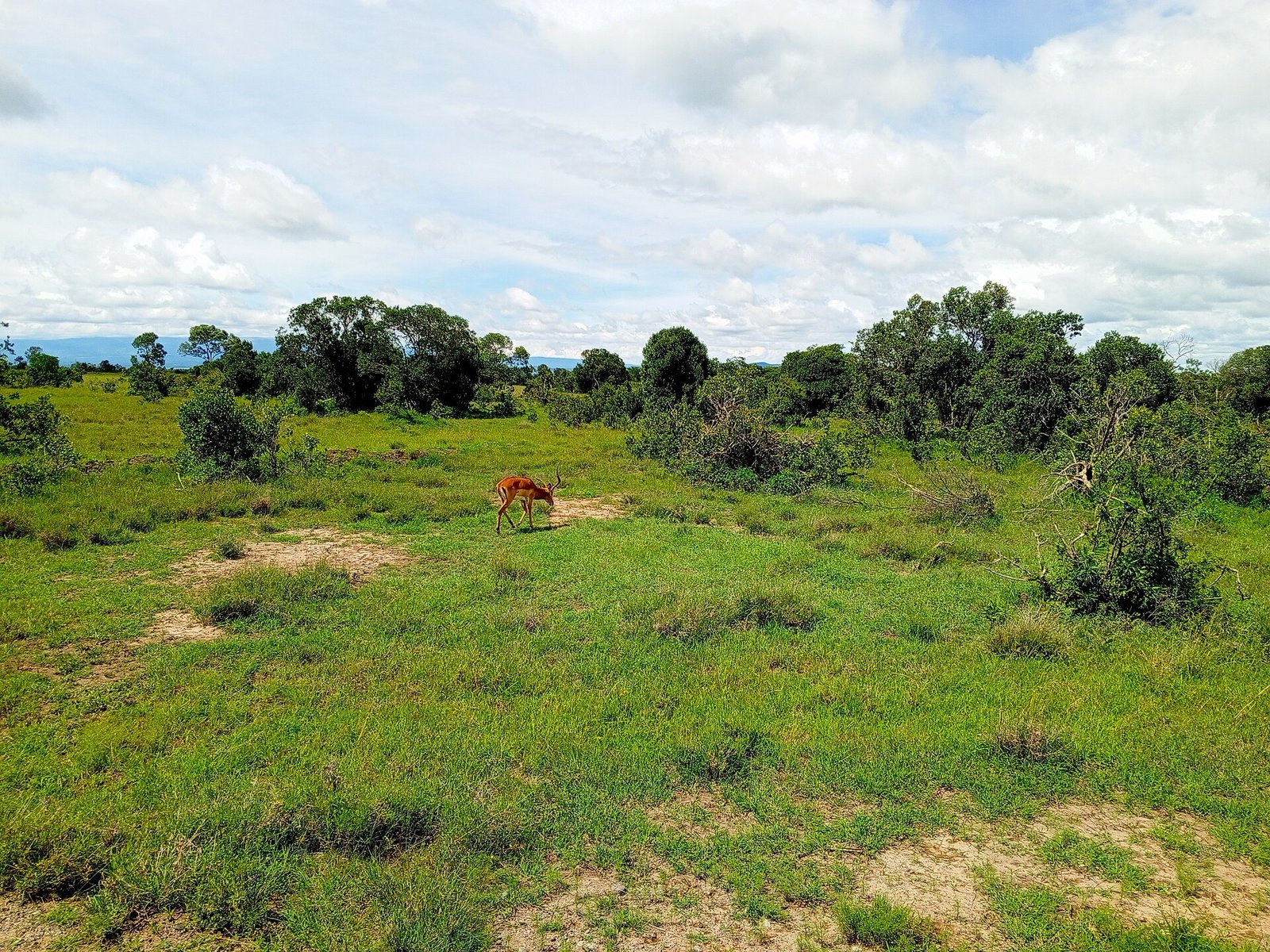
The Maasai Mara is more than a migration destination. Resident predators, elephants, buffalo, antelope and birds form part of the ecosystem through the seasons. Wildlife changes its use of habitat with food, water, cover and breeding behaviour. A visit outside the migration period still has a clear wildlife purpose.
Use the species guides to understand identification and behaviour. The familiar Big Five list includes lion, leopard, elephant, buffalo and rhino; it is not a complete description of the ecosystem or a guarantee that a short stay delivers every species.
Predators, prey and habitat belong together
Lions are social cats; leopards are mostly solitary and make extensive use of cover; cheetahs have a lighter build and a different hunting strategy. Hyenas and other scavengers contribute to the same food web. Understanding behaviour makes a quiet period of observation as valuable as a dramatic encounter.
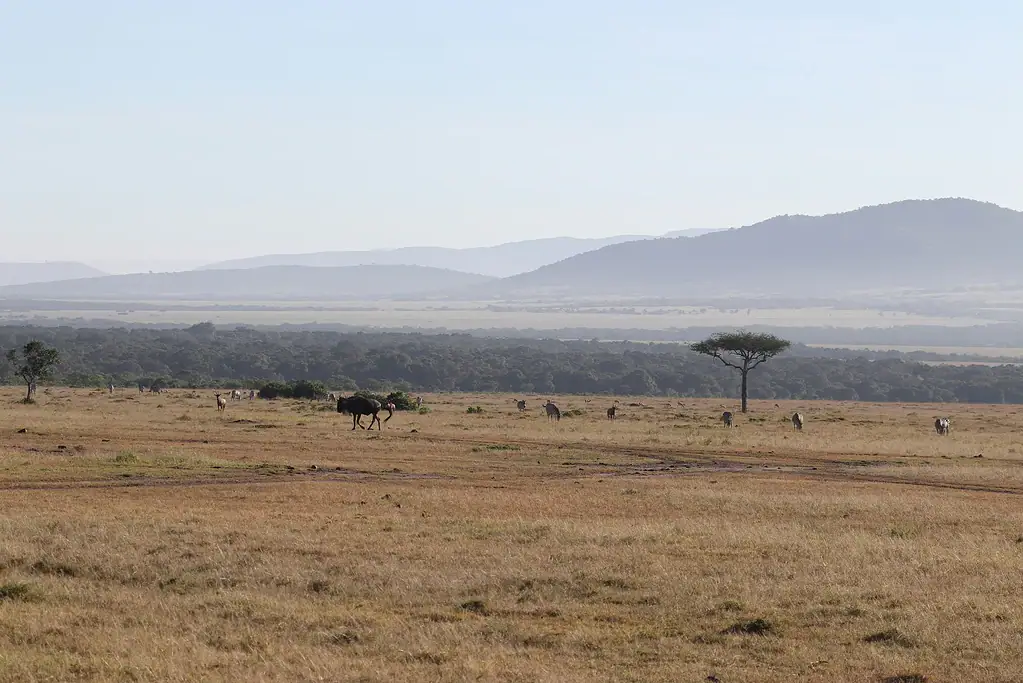
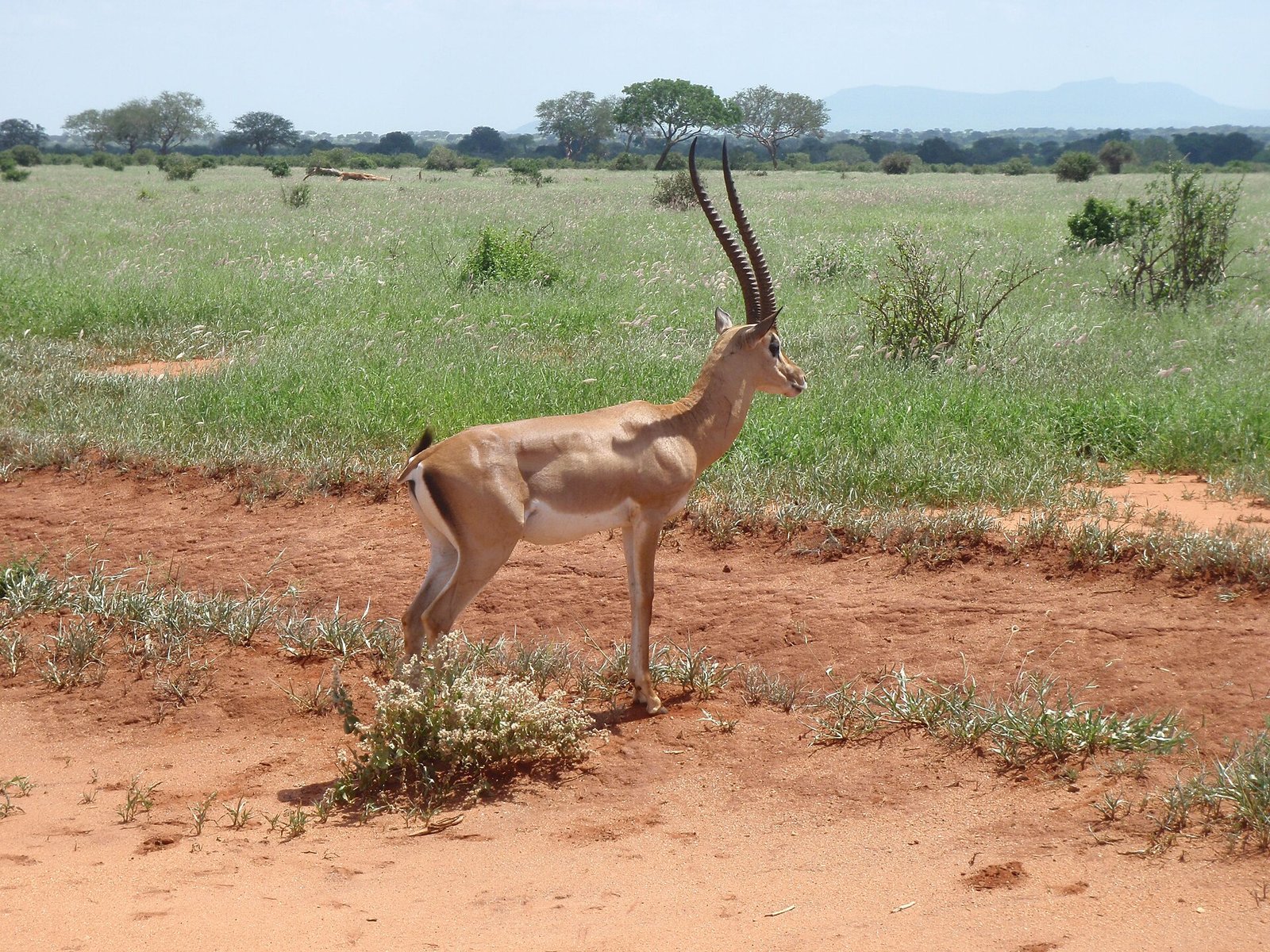
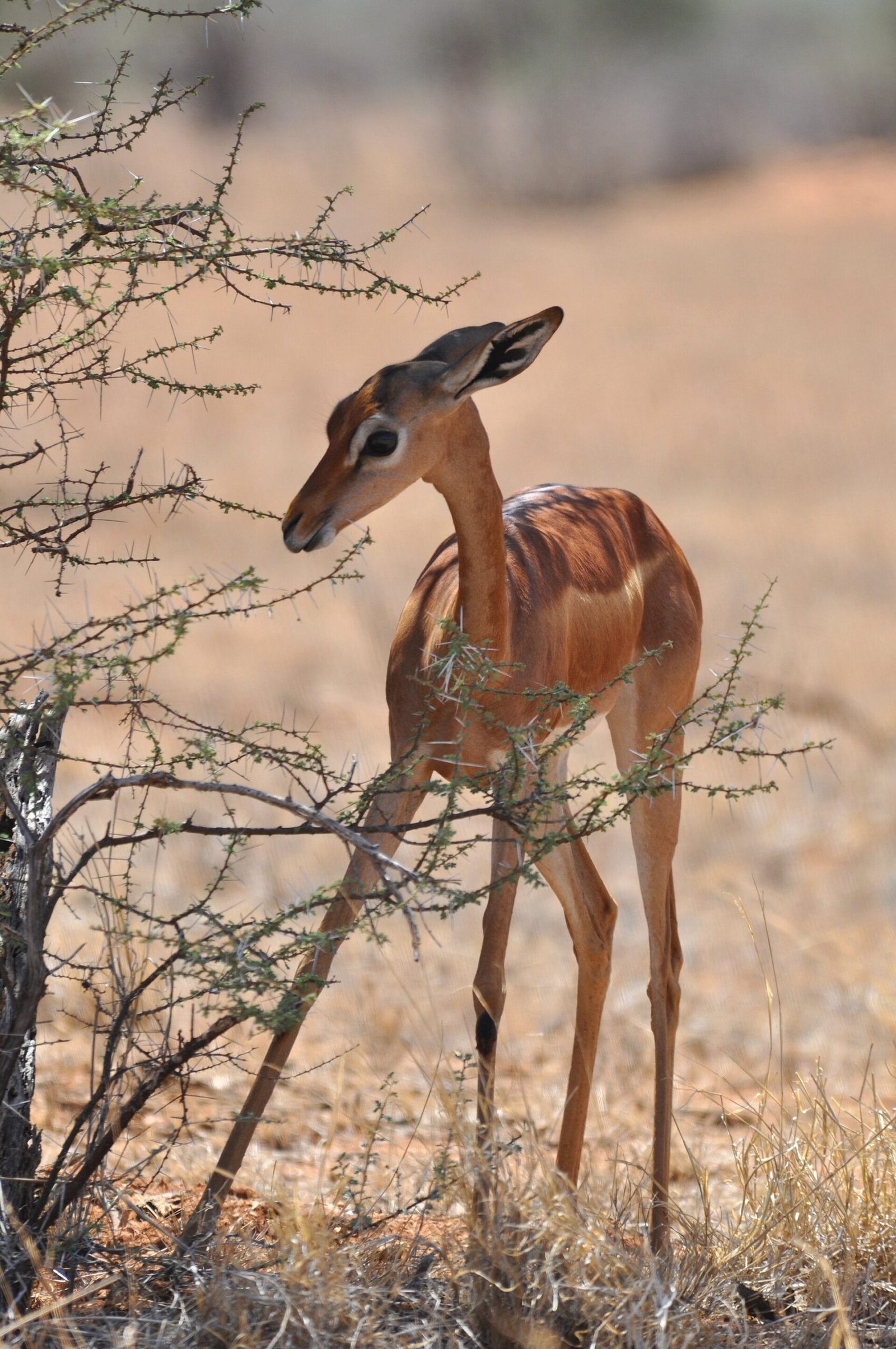
Open plains are important for grazing animals and visibility. Trees, riverine cover and water support different animals and birds, including species that are less conspicuous from a moving vehicle. A varied route explores those habitats rather than concentrating every outing on a single checklist.
The migration is seasonal movement, not a permanent event
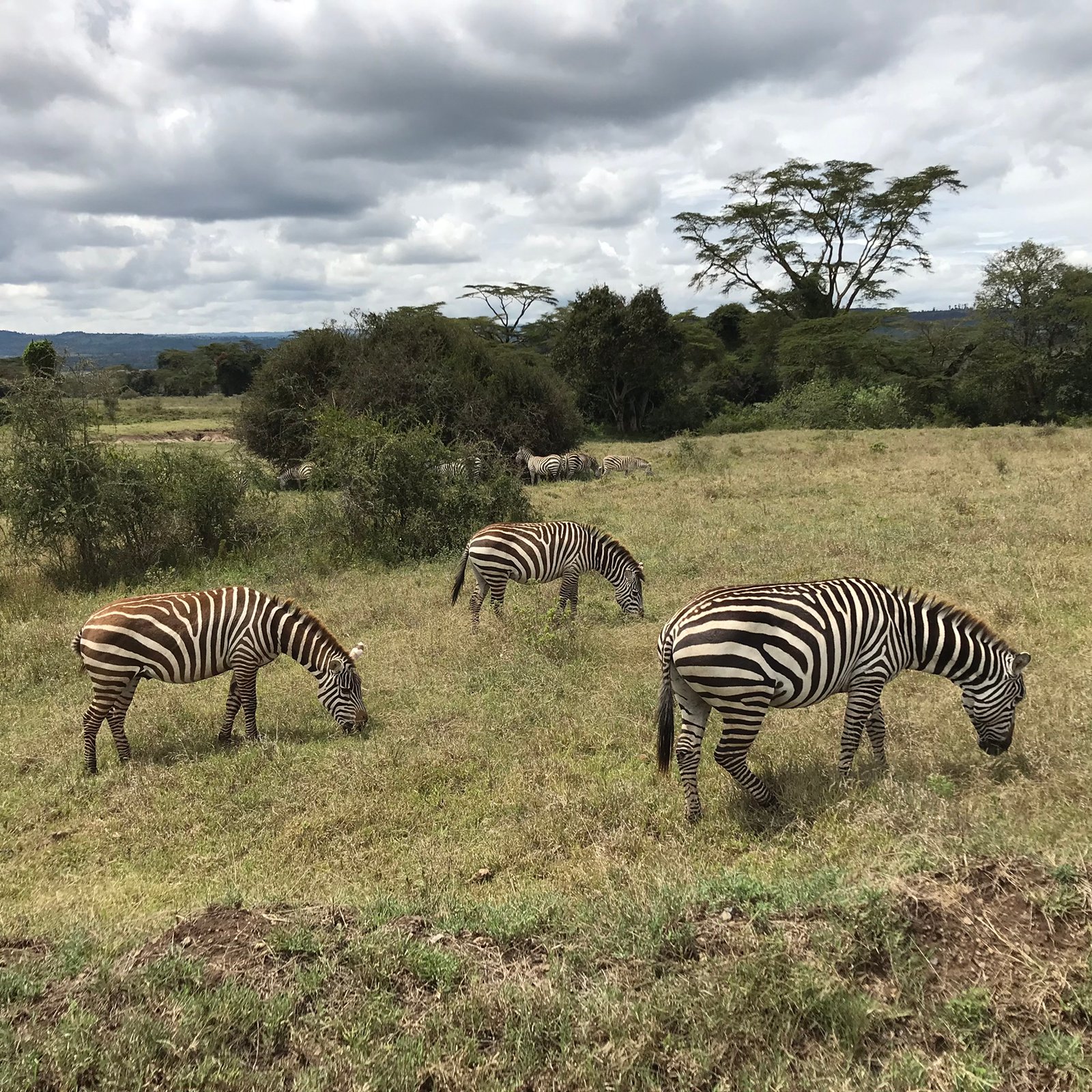
Migratory wildebeest and zebra move through the Serengeti–Mara ecosystem in response to changing conditions. The Great Migration guide explains the broad pattern. It does not establish current herd positions or guarantee a river crossing during a particular booking.
The Mara River also provides habitat for hippos, crocodiles and birds. Riverbank viewing has its own safety and conservation constraints. Remain in the guide’s authorised position and value the wider river ecosystem instead of treating every stop as a wait for a crossing.
Choose the base for the viewing programme
The National Reserve and surrounding conservancies form a connected wildlife landscape with separate visitor access. A camp’s location determines the practical starting point for outings. The quote and itinerary identify scheduled drives and admissions; animal movement across a boundary does not give vehicles unrestricted access.
MaasaiMara.ke safaris use dedicated vehicles and guiding for the travelling party. This supports time for the group’s interests, including birding, photography and a family pace. It does not remove wildlife-viewing rules or turn animal behaviour into a scheduled inclusion.
Responsible observation protects better encounters
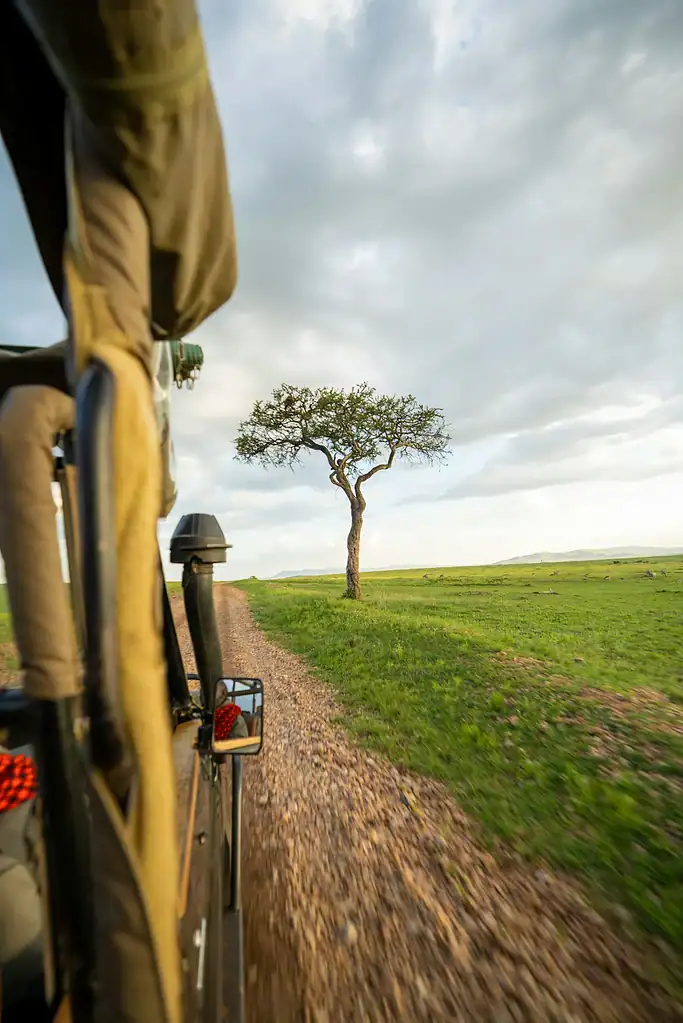
Stay inside the vehicle during wildlife sightings, keep noise low and leave animals space to move. Never feed, bait or provoke wildlife. Give nesting birds, cubs and other young animals particular space, and follow the guide’s instructions around large mammals and riverbanks.
Use binoculars and an appropriate lens rather than pressure for a closer approach. Conservation in the wider Mara depends on connected habitat and the people living alongside wildlife; the conservancy guide explains that wider setting.
Continue planning your Maasai Mara safari
Book the correct arrival service
For a flight-based stay, use the airline’s airstrip and baggage information for the booked service. The correct strip follows the named camp and collection arrangement.
Explore safari packages






From USD 2,000 per person sharing



From USD 2,350 per person sharing

From USD 1,950 per person sharing

From USD 2,350 per person sharing

From USD 1,700 per person sharing

From USD 2,900 per person sharing

From USD 3,800 per person sharing
From USD 4,550 per person sharing
From USD 3,000 per person sharing
From USD 3,150 per person sharing
Plan your private Maasai Mara safari
Share your dates, party and interests with MaasaiMara.ke. We quote and book private safaris through authorised tour operator partners, with dedicated vehicles and guiding for your travelling party.