
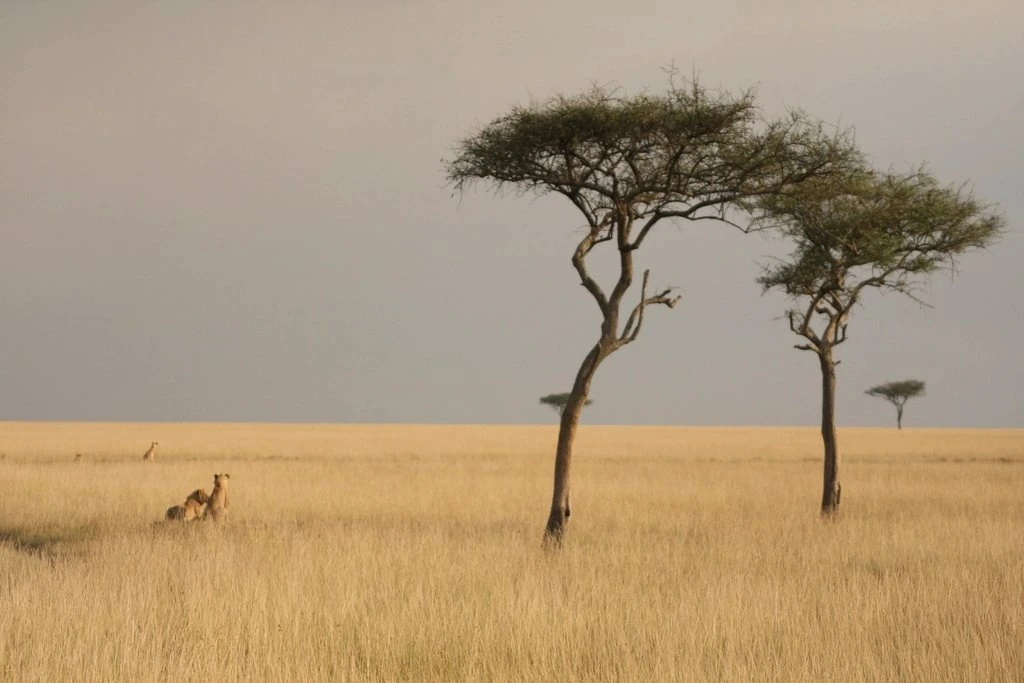
Maasai Mara gates
Maasai Mara gates are controlled road entry points, and the right entrance depends on your accommodation and the journey you are making. Sekenani, Talek, Oloolaimutia and Musiara serve the main Reserve, while Oloololo and Purungat Bridge provide access to the Mara Triangle. Sand River needs particular care: a named Kenyan gate does not establish permission to cross into Tanzania. Choose your camp and safari sector first, then arrange the approach, admission and vehicle route together.
Choose Maasai Mara gates around your accommodation
The name of an entrance is only useful when it is connected to an actual stay. A lodge inside the Reserve, a camp outside its boundary and a conservancy camp can have quite different arrival arrangements even when their advertisements all say Maasai Mara. Begin with the property’s physical location, rather than a general map search for the destination. Your driver needs to know where you will sleep, where the wildlife drives take place and which admission arrangements apply along the route.
For a private safari, the road transfer and the game drives form a connected itinerary. Entering through a convenient gate can make the first drive a natural part of the journey to camp. Entering through an unsuitable one can introduce a long internal transfer or a change of sector. The relevant comparison is the complete route from your starting point to the selected property, with its permitted wildlife programme. A short distance on a map does not explain river crossings, controlled access or wet tracks.
There is no universal best gate for every visitor. A traveller staying near Talek has different priorities from someone heading to Mara Serena or a camp on the Oloololo escarpment. Likewise, an entrance useful for an arrival from Narok may not be suitable for a departure towards western Kenya. Keep both arrival and departure in the plan. Our Nairobi to the Maasai Mara by road guide explains the wider journey before the final approach.
Explore this guide
Choose your arrival point
Sand River Gate is named in the Reserve's geography and gate records, but that identity does not establish current visitor access through the international boundary.
Purungat Mara Bridge Gate is an authorised Mara Triangle ticket point on the river-crossing road route.
Oloololo Gate provides road entry to the Mara Triangle and is an authorised admission-ticket point.
Musiara Gate is a main Maasai Mara National Reserve road entrance, distinct from Musiara Airstrip and Musiara Marsh.
Oloolaimutia Gate, also called Ololaimutiek in travel material, is a documented main-Reserve entrance.
Talek Gate is a main Maasai Mara National Reserve road entrance relevant to Talek-area stays.
Sekenani Gate connects the tarmacked Narok approach with the main Maasai Mara National Reserve.
Main Reserve and Mara Triangle admission
The Mara Triangle is part of the Maasai Mara National Reserve, with management by the Mara Conservancy on behalf of the local authority. Its visitor procedures should be considered alongside those of the main Reserve. Crossing the Mara River into another managed sector is a practical planning decision, not simply a scenic detour. The route, entry evidence, vehicle treatment and planned wildlife viewing all need to match the sector you will use.
Use the entry fees and rules guide for the current visitor categories and admission conditions. This gate guide explains access without duplicating changing monetary amounts. Accommodation charges, visitor admission and vehicle charges are different things. A room booking outside the Reserve does not automatically supply entry for every drive. An inside stay also needs an itinerary that respects the applicable arrival, departure and admission conditions. The written safari quote should show the intended arrangement clearly.
MaasaiMara.ke quotes and books private safaris through authorised tour operator partners. Scheduled park entry and compulsory selected-property charges belong in the agreed land package, alongside the named accommodation and guiding. The client pays the tour operator, who fulfils the safari. When comparing an accommodation-only offer with a complete private trip, compare the services and conditions as well as the headline. The convenience of an entrance cannot compensate for missing admission or an unspecified transfer.
Sekenani Gate and the Narok approach
Sekenani Gate is reached by the tarmacked road from Narok. This is a useful distinction for travellers approaching the Reserve by road: the surfaced approach ends at an entrance to a wildlife landscape where the internal tracks have different conditions. The Mara Conservancy identifies the Sekenani route as its preferred approach for Mara Serena, continuing through the main Reserve towards Purungat Bridge. This does not make Sekenani the correct route for every camp around the Mara.
Sarova Mara Game Camp describes its location inside the National Reserve and identifies Sekenani as its road access. Mara Sopa describes an outside-Reserve location and the use of either Oloolaimutia or Sekenani for wildlife access. These examples show why a gate name should be paired with the selected property’s own directions. An entrance may serve both an inside arrival and drives from an outside lodge, with different practical consequences for repeated entry and departure.
Treat arrival at Sekenani as the transition between the public-road journey and the safari itinerary. Have the party’s admission documents and arrangements accessible, rather than buried under luggage. Keep the road transfer realistic, especially if a first wildlife drive is planned before reaching camp. A surfaced road does not guarantee an uninterrupted journey, and an arrival delay should be accommodated by adjusting the programme safely. Read the Sekenani Gate guide for its specific access context.
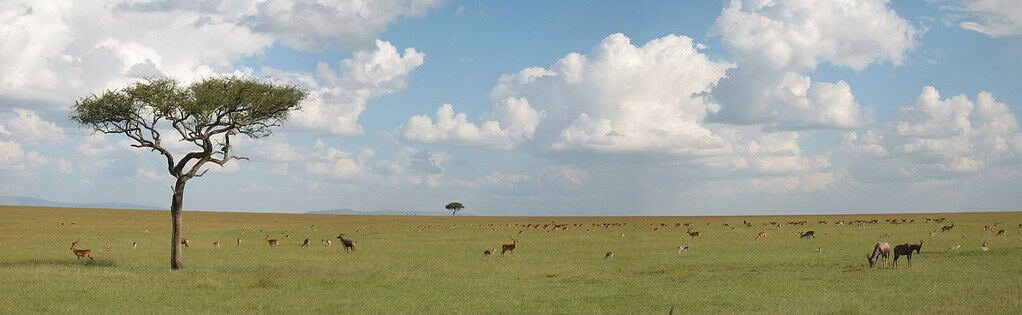
Talek Gate and riverside stays
Talek Gate is one of the main Reserve’s documented road entrances. It belongs in the planning conversation for a stay around Talek, where the distinction between an outside camp and a property inside the Reserve matters. The Talek area combines accommodation, settlement access and a river landscape. A camp name containing Talek does not by itself settle which side of the boundary you occupy or how a game drive begins. Use the property’s actual arrival arrangement.
Published descriptions of the outside approach from Narok disagree, so this guide does not supply an unsupported turn-by-turn shortcut. The supported point is that internal Reserve roads connect the Sekenani, Keekorok and Talek areas. A through-Reserve route and an outside approach are not interchangeable without considering admission. Your transfer plan should say which is intended. A navigation application may offer a plausible line without identifying a controlled entrance or the appropriate ticket arrangement.
Talek can be a useful base for visitors who want to understand the relationship between a riverside stay and Reserve drives. Choose it on the basis of accommodation, guiding and the wildlife programme, rather than promises that predators or migration crossings will be nearby throughout your stay. Rainfall and animal movement change what a guide can find. The Talek Gate guide addresses entry, while the area guide explains the broader safari setting.
Oloolaimutia Gate and the Sopa-side approach
Oloolaimutia is also written as Ololaimutiek in travel material. Use the spelling on the actual arrival instructions when coordinating with a driver, while retaining the identity of the same gate. Narok County documents the road linking Oloolaimutia and Sekenani. The county’s description does not establish the complete surface or current condition, so no general all-tarmac promise is made here. Conditions on the final approach matter separately from the main road to Narok.
Mara Sopa Lodge identifies either Oloolaimutia or Sekenani as entrances for wildlife access from its outside-Reserve location. This is a useful property-specific example, not a claim that every nearby lodge shares the same transfer. Hill settings and boundary locations can produce quite different routes. The camp’s road directions should be part of the transfer arrangement. A lodge description saying Maasai Mara does not remove the need to distinguish a hillside stay from admission to the Reserve.
For Oloolaimutia arrivals, leave room in the programme for the last approach and the handover to the lodge. Do not make the day’s success depend on a rushed drive to a distant sighting before check-in. A calm first drive near the route can be more useful than crossing the Reserve with tired travellers and packed luggage. The Oloolaimutia Gate guide explains the supported road connection and the accommodation context without invented travel times.
Musiara Gate and the northern wildlife landscape
Musiara Gate is a documented main-Reserve entrance. It is distinct from Musiara Airstrip: one is a road barrier and the other is an aircraft arrival point. They need different transfer information. A traveller arriving by road should not use an airstrip instruction as a substitute for the gate route. Conversely, a fly-in passenger should coordinate the booked strip and camp collection, rather than assume that the gate is the place to meet.
Governors’ Camp describes a location adjacent to Musiara Marsh inside the Reserve and identifies Musiara Airstrip for its flight arrivals. The marsh, riverine vegetation and open grassland offer different wildlife-viewing contexts. These features explain the area’s appeal without promising a particular lion sighting or crossing. A road itinerary using Musiara still has to match the actual property and permitted drives. Camps outside the boundary should be distinguished from the inside Governors’ setting.
The road approach associated with Musiara differs from the Narok–Sekenani route. Surface and timing claims should not be borrowed from Sekenani simply because both lead to the same Reserve. Seasonal conditions and the selected camp’s directions shape the final plan. See the Musiara Gate guide for road access, and use the airstrip directory when comparing flight arrivals. The named gate alone does not establish a guaranteed quick transfer to every camp in the area.
Oloololo Gate and the escarpment side
Oloololo Gate is a Mara Triangle entrance and an authorised point for obtaining its admission tickets. The Mara Conservancy distinguishes the approach via Aitong from the Sekenani route through the main Reserve. Its road guidance identifies the Aitong approach for camps outside the park on the escarpment side. It also describes a western Kenya approach through Kisii, Kilgoris and Lolgorian. That western route should not be presented as the same journey as an arrival from Nairobi.
Kichwa Tembo, Bateleur, Kilima and other escarpment-side properties appear in the Conservancy’s route guidance. Their precise location and final access should remain part of the selected stay’s instructions. Sleeping above or outside the Triangle is different from sleeping inside it. A scenic view across the Reserve does not itself confer game-drive admission. The private safari arrangement should connect the camp, descent or approach, gate and planned drives into a workable day.
The Oloololo Gate guide covers this entry in more detail. Gate choice here often comes down to whether you are staying on the escarpment side or travelling through to an inside-Triangle lodge. Avoid judging the route only by the apparent directness of a road on a map. Vehicle suitability, the last approach and the sector’s procedures are all part of the journey. Wildlife has right of way after you enter.
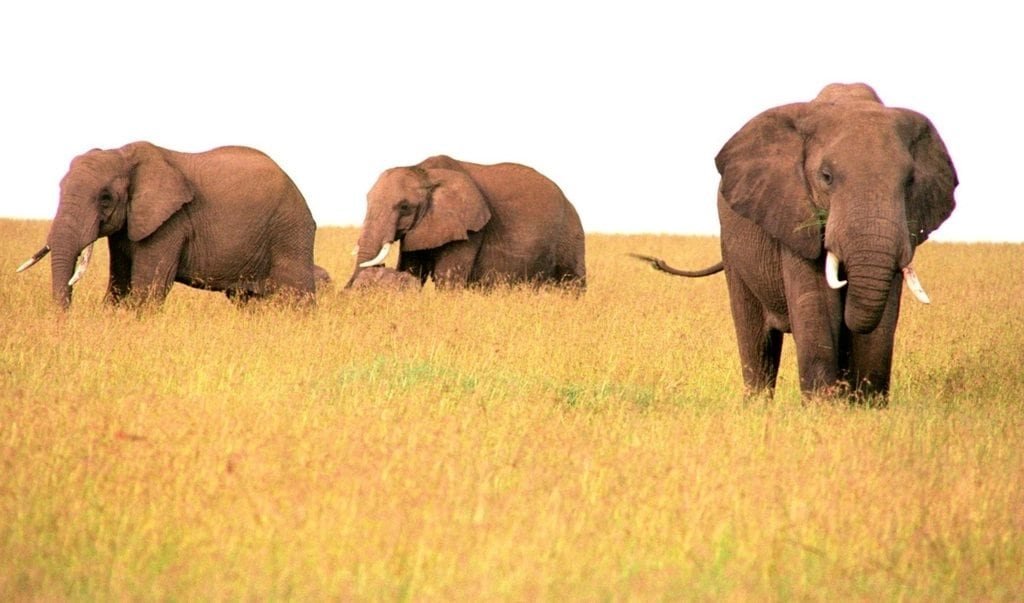
Purungat Bridge and movement between sectors
Purungat Bridge, also described as Mara Bridge in visitor material, is an authorised Mara Triangle ticket point. It matters particularly on an itinerary approaching Mara Serena through Sekenani and the main Reserve. The bridge connects a road journey with a sector change. Do not confuse it with a named wildebeest crossing point: a vehicle bridge and an animal river crossing have different roles, even when both feature in a Mara River itinerary.
The Mara Conservancy publishes separate vehicle transit conditions. A transit journey means passing through towards another destination; a wildlife drive is a different use. Do not turn a transit arrangement into an assumed general entitlement to tour both sectors. The driver and safari organiser should set out the intended route and admission treatment before travel. Keep the relevant receipts and party documents available for the controlled crossing, especially when luggage and a camp transfer are involved.
For an inside-Triangle stay, planning Purungat can make the relationship between road arrival and accommodation clear. For an excursion from another sector, consider the complete outward and return journey, rather than treating the bridge as the day’s only constraint. A distant sighting should not force a late return across the Reserve. Read the Purungat Bridge guide alongside the entry-rules page when organising this part of a trip.
Sand River Gate and the Tanzania boundary
Sand River appears in the Reserve’s documented geography and gate records. Its operational role should not be inferred from that appearance alone. Most importantly, Kenya Revenue Authority marks Sand River gate closed as an international point of entry or exit. A place remaining named or gazetted does not establish that travellers can use it to cross between the Mara and Serengeti. This guide does not offer a through-border shortcut or a current Kenyan gate-opening claim.
Wildlife movements across the Kenya–Tanzania boundary are separate from legal arrangements for visitors and vehicles. The migration can use the Sand River landscape without creating a permitted tourist crossing. Travellers combining Kenya and Tanzania need a route using authorised immigration and customs arrangements or an appropriate air connection. Country entry requirements and the wildlife itinerary belong together in that plan. Do not follow animal tracks or an unfenced boundary into another country.
The Sand River Gate guide explains the distinction between gate identity, southern safari geography and international access. For wildlife planning, use the river crossing-points guide. Sand River and Mara River are different rivers. Neither a named crossing point nor a seasonal migration window guarantees an animal crossing during your visit, and neither is a substitute for an authorised border route.
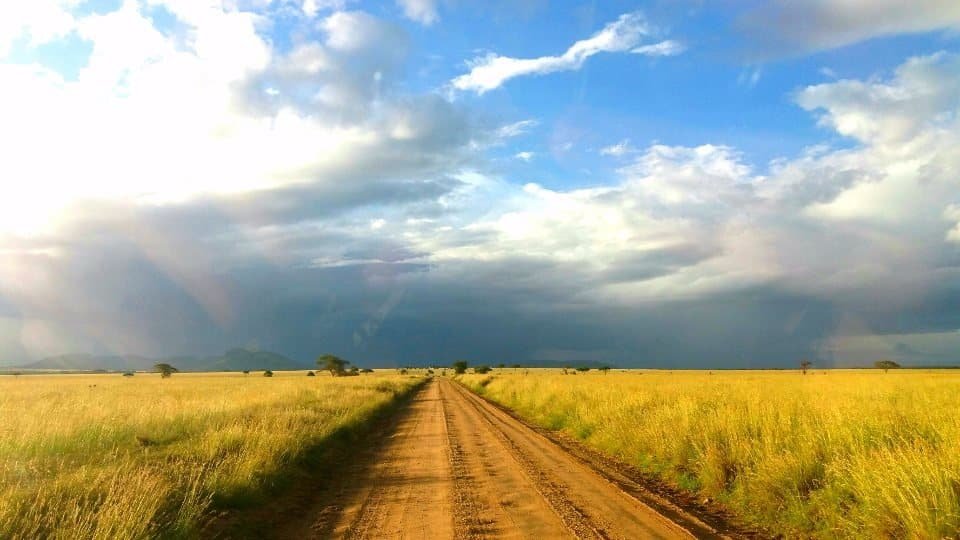
Gate hours, tickets and the end of a drive
Gate opening, ticket validity and the time to return to camp are related but different rules. The Mara Triangle publishes gate hours of 06:00–19:00 and no vehicle entry after 18:30. Its daytime ticket window is 06:00–18:00. Do not apply those opening hours automatically to every main-Reserve gate. The Reserve management plan requires visitors to leave or be back at their accommodation by 19:00 and bars entry after 18:30; it does not establish every gate’s opening time.
Plan the return around the location where you are sleeping. An outside camp requires an exit, while an inside stay still requires reaching the accommodation within the applicable rules. A wildlife sighting late in the day does not suspend these conditions. The guide can work back from camp or gate, allowing for the actual track and conditions. Keep arrival, ticket and departure terms with the safari plan rather than assuming that all clocks start when your vehicle reaches a barrier.
Payment, documents and practical arrival
The Mara Triangle uses cashless admission payments, accepting M-Pesa and credit card. Its published ticket points include Oloololo, Purungat Bridge and Serena Airstrip, with an authorised KAPS employee. Main-Reserve payment instructions should follow the current admission system and the selected itinerary. This guide does not copy a historic cash-payment description into a promise that every gate currently accepts it. Use the KAPS ticket service for admission bookings.
Keep identification and evidence for the visitor category being used accessible. Resident admission requires the accepted residency documents, rather than a driving licence alone. The vehicle and guide arrangements should also be clear before departure. Save the itinerary and relevant receipts for use when mobile coverage is limited. A smooth gate arrival depends on matching the party, sector and ticket conditions, not simply having a payment card somewhere in the luggage.
Vehicles, tracks and wildlife viewing
The public-road journey and Reserve drives place different demands on a vehicle. The Mara Conservancy recommends four-wheel drive for its roads. Carrying luggage, negotiating tracks and stopping for wildlife need to be considered together. Road surface on an approach should never be treated as proof that all internal tracks will be easy. A driver familiar with the actual route can adapt to wet ground and closed tracks while maintaining the day’s permitted programme.
Wildlife has right of way. Stay on permitted routes and follow the applicable zonation and off-road conditions; a sighting does not create permission to drive wherever an animal goes. Leave the animal’s route clear, avoid crowding and follow ranger instructions. The responsible aim is a good observation from an appropriate place. Reaching a gate with plenty of time gives the guide more freedom to make these choices without hurrying towards a distant sighting or a late exit.
Plan road entry and fly-in alternatives together
Flying changes the long-distance arrival but does not remove ground logistics or admission conditions. The selected airstrip, collection vehicle and camp transfer become the equivalent access decisions. A strip convenient for one camp may be unsuitable for another, and a flight serving the Mara can make intermediate stops. Compare the complete arrival and departure arrangement with the road option. Use the Maasai Mara airstrips directory for camp-and-strip planning, rather than treating the Reserve as a single airport.
The best gate arrangement supports the safari you actually want: the chosen accommodation, private guiding, a realistic wildlife programme and a comfortable journey. Migration interests may influence the broader area and season, but they should not dictate a rushed route across the ecosystem every day. Resident wildlife, river habitats and open plains can form a rewarding programme around the stay. Keep the gate decision practical, and leave wildlife observations flexible.
Plan the arrival around the stay
The exact destination
Match the selected entrance or airstrip with the actual accommodation and route.
A connected itinerary
Arrival, camp collection, admission and private guiding belong in the same plan.
Flexible wildlife viewing
The transfer and safari programme adapt to the route, conditions and wildlife.
Seven decisions for a comfortable arrival
- Choose the exact accommodation and understand its boundary location.
- Match the gate or airstrip to the actual route and booked service.
- Connect the arrival with the camp collection and luggage arrangements.
- Include the correct visitor admission and compulsory property charges.
- Plan private guiding and wildlife drives around permitted access.
- Keep documents and the confirmed itinerary accessible during travel.
- Coordinate the departure, onward connection and any route change.
Explore safari packages






From USD 2,000 per person sharing



From USD 2,350 per person sharing

From USD 1,950 per person sharing

From USD 2,350 per person sharing

From USD 1,700 per person sharing

From USD 2,900 per person sharing

From USD 3,800 per person sharing
Plan your private Maasai Mara safari
Tell MaasaiMara.ke your travel dates, party size and interests. We quote and book private safaris through authorised tour operator partners, with the named accommodation, transfers, dedicated guiding and scheduled entry in the written itinerary.
