
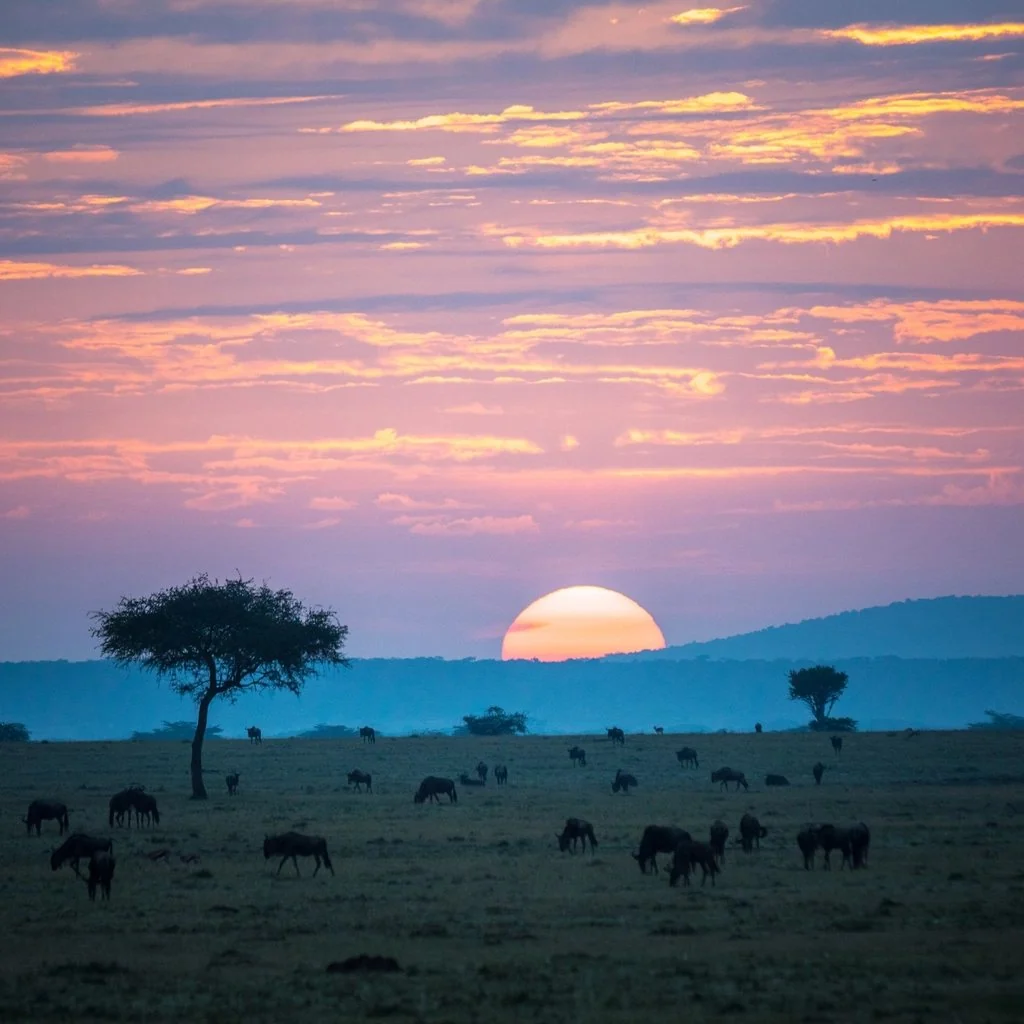
Maasai Mara migration month by month
Planning the Maasai Mara migration month by month starts with the wider Serengeti–Mara cycle. The main migrating herds usually reach Kenya around July, while the southern Serengeti in Tanzania is the principal calving landscape early in the year. Rain and grazing alter the route and timing, so this migration calendar describes historical seasonal patterns. It does not confirm where animals are today or promise a river crossing on a particular date.
What matters before you travel
A seasonal calendar
Use the month to choose a broad region, rather than a guaranteed sighting.
An ecosystem journey
The main migration moves between Tanzania and Kenya.
Resident wildlife remains
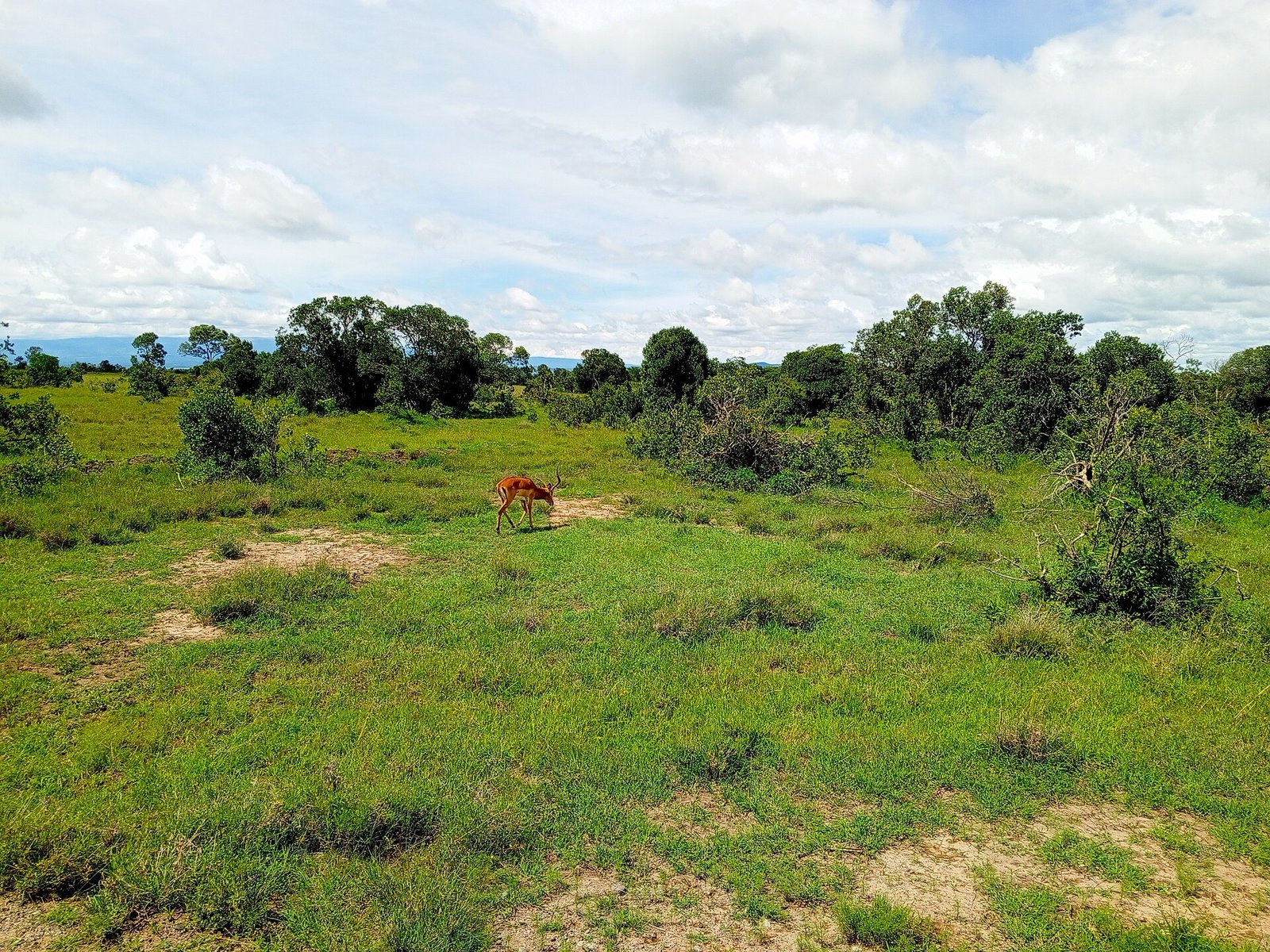
A Mara safari can focus on wildlife beyond the principal migrating herds.
Reading the Maasai Mara migration month by month calendar
The Great Migration is a continuing movement of wildebeest, zebra and other animals across an ecosystem, rather than an event that begins when the herds enter Kenya. Animals may be scattered across different sectors at the same time. Some groups can move north while others remain farther south, and returning herds can cross a river in a direction that does not fit a simple circular diagram.
Use a month as a starting point for choosing a region, then examine the full itinerary. A calendar cannot establish the exact camp, road, bank or viewing time that will suit a particular day. It is especially important to distinguish a safari focused on the main Serengeti migration from a Mara safari for resident wildlife. Both can be worthwhile, but they should be described accurately.
This guide complements the Great Migration hub and seasonal explorer. The map opens with a historical outlook for the current Nairobi month; it is not a tracking service. For named river areas and responsible viewing, read the Mara River crossing-points guide. Weather and wider safari considerations belong in the best-time guide and its individual month pages.
January: the southern plains and a separate Mara safari
January places the main seasonal focus in the southern Serengeti and neighbouring Ndutu landscape in Tanzania. The southern short-grass plains are associated with the early-year calving period. If your main aim is the large migrating herds and their young, a Kenya-only itinerary should not be presented as a substitute for visiting the relevant Tanzanian region.
The Maasai Mara still has resident wildlife and a varied safari landscape. A January visit can be planned around game drives, birdlife, scenery and the facilities and activities of the chosen camp. Seeing wildebeest in Kenya does not, by itself, identify the main Serengeti migration; resident animals and the distinct Mara–Loita movement also need to be understood.
For a January Mara trip, select accommodation for the actual wildlife areas and experience you want, rather than a promised calving herd. The Maasai Mara in January guide provides the weather and historical observation context. A migration calendar should guide geographic expectations while leaving room for an enjoyable safari away from the main migrating herds.
February: calving belongs to the Tanzanian itinerary
February is strongly associated with wildebeest calving on the southern Serengeti plains. That landscape lies in Tanzania. A photograph of newborn animals or a safari advertised as a calving-season journey therefore needs an accurate location. The main migration’s calving period should not be assigned to the Maasai Mara merely because the same ecosystem is involved.
Kenya has a separate Mara–Loita wildebeest population whose movements are not identical to the Serengeti cycle. Wildebeest seen in conservancies or elsewhere in the Greater Mara early in the year should not automatically be described as an early arrival of the main migration. Keeping these populations distinct makes a month-by-month explanation more useful than a generic claim that the migration is always beside every camp.
If February is your available holiday period, choose whether you want a Mara wildlife safari or a Tanzania trip focused on the southern herds. The February Mara guide covers the Kenyan destination in its own right. A combined journey needs an actual transport and border plan, rather than an assumed direct drive across the Reserve boundary.
March: calving season and changing conditions
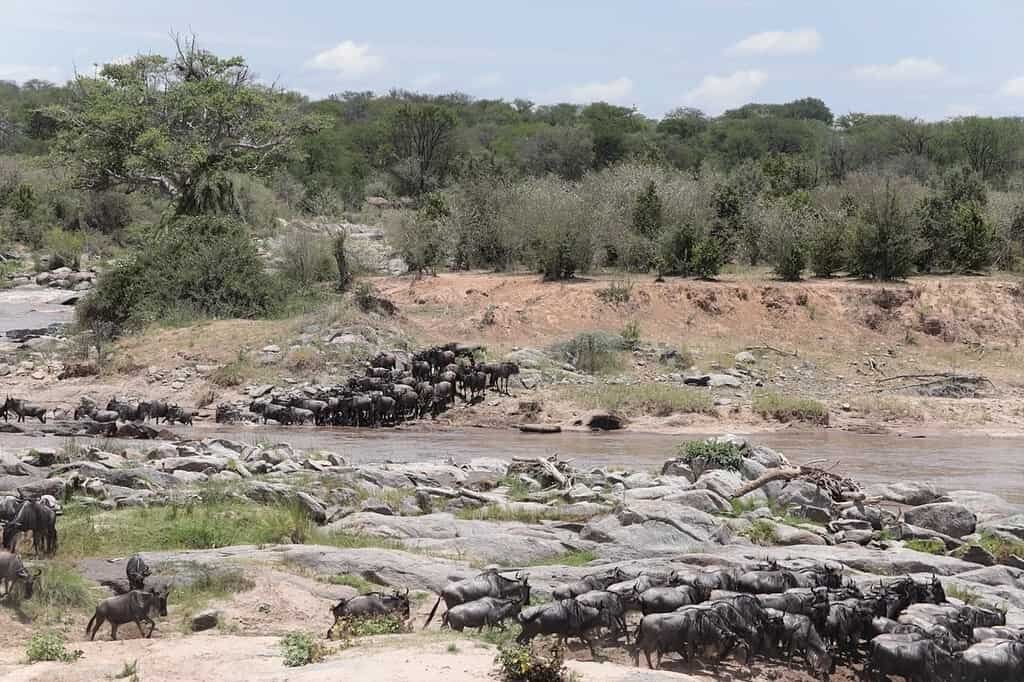
March remains part of the broad early-year southern Serengeti pattern, although movement varies with conditions. Herds do not all leave the calving landscape on a single date. A month boundary on a diagram cannot mark the exact point at which an entire population changes region, and a report from one sector should not be treated as an ecosystem-wide location update.
In the Maasai Mara, the planning question is the quality and shape of the wildlife safari you can take, rather than waiting for the principal migration to reach Kenya. Consider the camp’s location, transport arrangements and seasonal operation. Rain affects the practical experience of a drive as well as the appearance of the landscape, so clothing and access deserve attention alongside wildlife hopes.
The Maasai Mara in March guide draws on dated observations and weather information. Use it to understand the destination conditions, while retaining the southern Tanzania focus for the main migration. A clear itinerary gives each part of a combined trip a purpose without suggesting that every day or region delivers the same animals.
April: movement north and the long-rain period
April falls within the broad transition from the southern plains towards central and western parts of the Serengeti. Rainfall and grazing influence that movement. The herds can be spread over a large area, so a simple arrow pointing north is an explanation of seasonal tendency, rather than a forecast that every group will pass a particular camp.
For Kenya, April is normally considered within the long-rain season. A Mara safari requires realistic plans for roads, activities and the operation of the chosen accommodation. The main migration’s movement within Tanzania does not establish that a Kenyan river crossing is imminent. Resident wildlife and the green landscape form the more appropriate basis of a Kenya-only itinerary.
Read the April Mara guide for the local pattern and documented observations. Select a trip that can adapt its drives to usable routes. Flexibility should mean a sensible response to actual conditions; it should not be used to promise unrestricted off-road access or imply that flooded roads can always be crossed.
May: the western movement and the approach to dry season
May is associated with the northward and westward movement of the principal herds through the Serengeti. The broader western corridor becomes relevant as the seasonal route develops. This stage is still mainly a Tanzanian migration-planning question, even though a visitor may already be considering a Kenyan safari for later in the year.
The calendar helps distinguish regions, but it cannot supply exact arrival days or a single best camp for every season. Rain can make different grazing areas attractive, and movement occurs across many groups. Treat a recent, dated observation as evidence for its actual place and date; do not turn it into a fixed rule for all subsequent May journeys.
A May Mara safari can be built around resident wildlife and suitable accommodation, with seasonal access and camp arrangements understood. The Maasai Mara in May guide provides the Kenyan context. Choosing the trip for its actual strengths is more useful than assuming that the main migration must be close simply because its direction is north.
June: the western corridor and possible early arrivals
June is associated with movement through the western Serengeti towards the north. The Grumeti River stage should be kept separate from the Mara River: different rivers and regions appear in migration photographs and itinerary descriptions. A Grumeti crossing report does not establish that the animals have entered Kenya or reached the Mara Triangle.
Early arrivals in the Mara can happen, but June should not be sold as a guaranteed Kenyan river-crossing month. The Mara Conservancy’s June 2026 record describes small groups entering the Triangle after crossing the Mara River in Tanzania. That dated observation illustrates a season’s variation, rather than establishing a normal arrival date for every future trip.
Use the June Mara guide to compare weather, wildlife and trip conditions. If migration is the main reason for travelling, make the regional expectation explicit before choosing dates. If the broader safari is the priority, a June itinerary can still be assessed on wildlife areas, private guiding, comfort and the time available on the ground.
July: usual arrival in Kenya, with different river stages
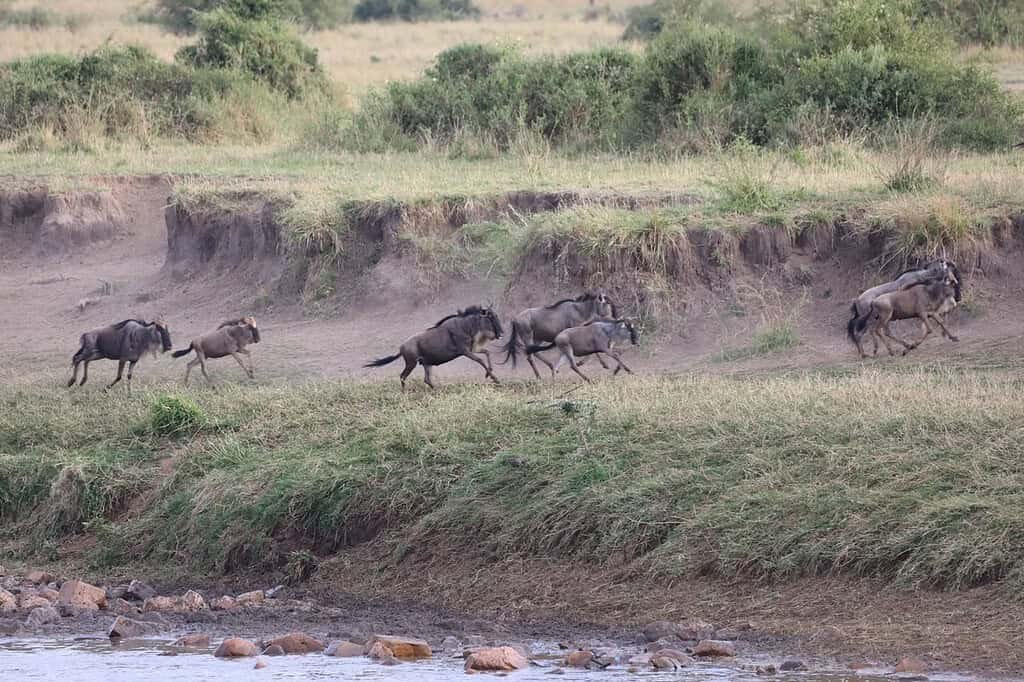
July is the usual arrival month for the main migration in the Maasai Mara. Entering over the Sand River, reaching the Mara River and crossing into the Triangle are separate stages. The first animals seen in Kenya do not mean that every sector is occupied or that a crossing can be watched immediately from any camp.
Dated records show meaningful variation. The Mara Conservancy reported the first crossings into the Triangle on 20 July in 2024 and a crossing at the U crossing on 25 July in 2025. Another observer recorded a different first Triangle-crossing date in 2025. These are historical observations with their own reporting context; they should not be reduced to a single certain arrival day.
For planning, July is a migration-season choice with uncertain daily outcomes. Allow the full safari to matter: wildlife away from the river, changing light, landscape and the interests of your travelling party. The July Mara guide covers weather, crowds and the relevant historical picture.
August: river opportunities without a daily timetable
August is within the broad period when the principal herds may be using the northern Serengeti and Maasai Mara. The Mara River is important to the dry-season movement, but crossings cannot be predicted like scheduled departures. A gathering herd can turn away, remain grazing or cross somewhere else; a quiet river stop does not mean the safari has been arranged incorrectly.
Rain can change the picture during the season. Reports include herds moving south after storms and animals concentrated in one sector while another is relatively empty. The August Mara guide retains dated examples alongside the general pattern. An old photograph or a seasonal calendar should not be presented as evidence of the herds’ current location.
River viewing also attracts other safari vehicles. A private vehicle means the vehicle and guiding are dedicated to your travelling party; it does not reserve a crossing point or guarantee solitude in the Reserve. Choose an itinerary with realistic river access and a varied wildlife plan, and follow the guide and ranger instructions at busy sightings.
September: grazing, returning groups and regional differences
September can bring continued migration activity in the Mara, but conditions differ between seasons and sectors. Some historical reports describe returning herds after a departure, while others describe concentrations mainly in the Triangle. A statement that the migration is “in the Mara” needs more detail before it can guide a camp or route decision.
The September Mara guide includes dated observations and the local weather context. Use those records to understand variability. The relevant questions for a trip are which areas are included, whether the chosen camp gives practical access to them and how much of the safari is actually spent on full wildlife drives.
Do not assume that a conservancy stay automatically puts you among the main migration herds. Conservancies offer their own wildlife experience, and a Reserve excursion may be a separate element of the plan. That excursion needs the appropriate transport and entry arrangements. The accommodation choice should reflect the complete trip rather than an unsupported promise of a crossing beside the tent.
October: a changing departure window
October is a transition period rather than a reliable final month of continuous Kenyan migration. In recent records, the main herds have left at different times, with some groups staying longer or returning briefly. A past late-season sighting supports the account of that particular year; it does not establish that an October trip will find the same concentration.
The Mara Conservancy described most wildebeest leaving by mid-October in 2024, while some remained in the Triangle into late October in 2025. Those dated examples make the uncertainty clear. The calendar should not provide a guaranteed departure day or suggest that all wildebeest vanish together from every part of the Greater Mara.
For an October holiday, decide how strongly the itinerary depends on the main herds. The October Mara guide explains the destination more broadly. A balanced safari can still focus on resident wildlife, photography and landscape when the principal migrating groups are farther south.
November: southward movement and resident wildlife in Kenya
November usually places the main seasonal movement back towards Tanzania and the southern part of the ecosystem. Short rains and grazing influence the return. Animals can remain in the Mara later in some seasons, but a late observation should not be promoted as proof that November is consistently a Kenyan river-crossing period.
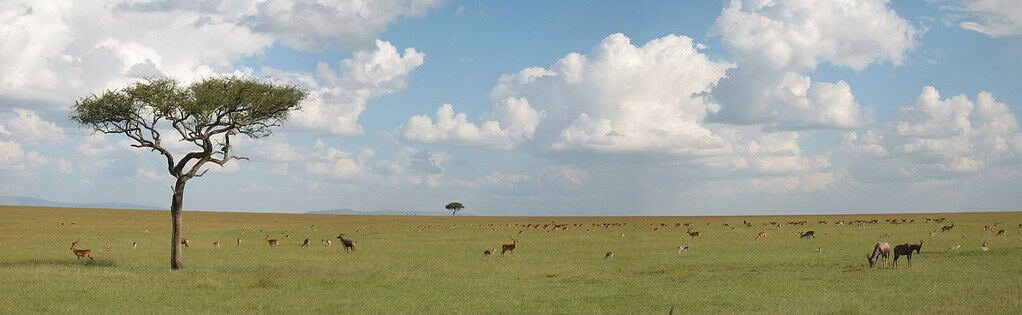
The Maasai Mara remains a safari destination even when the principal herds are absent. Consider resident wildlife, the landscape, camp operation and the mix of activities available in the relevant sector. The separate Mara–Loita population should also remain distinct from the main Serengeti migration when describing any wildebeest seen in Kenya.
Use the November Mara guide for the Kenyan weather and historical observations. A trip chosen for general wildlife can be assessed honestly on those strengths. A trip chosen specifically for the principal migration needs a regional itinerary that reflects where the seasonal pattern normally places the herds.
December: returning towards the southern plains
December belongs to the broad return towards the southern Serengeti as the seasonal cycle approaches the early-year calving landscape. It is not the usual focus for the main migrating herds in the Maasai Mara. A Kenya-only holiday should therefore be described through its resident wildlife, experiences and practical travel conditions.
The end of the year does not reset animal movement on a fixed date. The calendar is a convenient way to explain patterns that follow rain, water and grazing rather than the divisions of a visitor’s diary. Some groups can be in different regions simultaneously, and a migration journey may need more than a single camp location to reflect that spread.
The December Mara guide provides the local weather and observation context. Match your holiday to its main purpose, whether that is general wildlife in Kenya or a Tanzanian migration itinerary. Accurate geography is more valuable than a claim that the same river spectacle is available everywhere throughout the year.
Turning a seasonal pattern into a workable trip
Start with the experience you most want: large grazing herds, calving, river photography, resident predators or a combination. These aims can lead to different destinations and dates. A calendar is most useful when it helps make that choice clear, rather than being used to attach a migration promise to every available safari.
Next consider where the camp is located and which wildlife areas the itinerary actually includes. Reserve, Triangle and conservancy access are distinct arrangements. A camp’s name, a river photograph or an airstrip label does not establish the drive route or the entry conditions. The accommodation guide explains the types of stays and the trade-offs in choosing them.
Plan transport around the destination and the actual time spent on safari. Flights land at specific airstrips with onward camp transfers. Road trips need realistic arrival and departure arrangements. Our standard road packages end with breakfast and direct early return, without a departure-day Reserve entry or game drive; any optional morning drive requires an explicit quote and an itinerary that fits.
Use the flights guide and road guide for those choices. Packing also affects a fly-in trip because the flight allowance covers more than a large suitcase. The packing list explains how to prepare for the journey and a full day in the field.
Entry, viewing conduct and realistic expectations
The calendar does not replace the park entry rules or the arrangements for the sector you visit. Scheduled entries and any extra outing should be clear in the written quote. Park tickets can be purchased through the KAPS ticket portal; the migration itself is not a separate guaranteed-event ticket.
At river viewing points, remain inside the vehicle, keep noise low and leave the animals’ route clear. Follow ranger and guide instructions. The aim is to observe naturally developing behaviour, rather than pushing a herd into the water for a photograph. A private safari still shares public wildlife areas with other visitors and must respect their management rules.
Our private safari catalogue gives the actual routes, accommodation choices and included activities. Prices vary by season, and the final written quote depends on dates, accommodation and party size. Give those details when planning, together with your wildlife interests, so the proposed trip can be judged on its real services and reasonable seasonal expectations.
Explore safari packages






From USD 2,000 per person sharing



From USD 2,350 per person sharing

From USD 1,950 per person sharing

From USD 2,350 per person sharing

From USD 1,700 per person sharing

From USD 2,900 per person sharing

From USD 3,800 per person sharing
From USD 4,550 per person sharing
From USD 3,000 per person sharing
From USD 3,150 per person sharing
Plan your private Maasai Mara safari
Tell MaasaiMara.ke your travel dates, party size and interests. We quote and book private safaris through authorised tour operator partners, with the agreed route and services set out in writing.